A Brief History of Kenyan Coffee: Origins and How to Appreciate Kenyan Coffee Flavors
For more specialty coffee knowledge, follow our WeChat official account: FrontStreet Coffee.
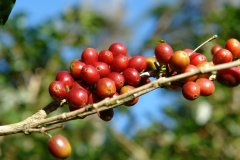
Newcomers to coffee have likely heard of varieties such as Yirgacheffe and Mandheling. Once they have identified which flavors they prefer, they tend to split into camps. One group wants a rich, full-bodied cup with absolutely no acidity, making Mandheling, Blue Mountain, and Brazil their go-to choices. The other group cannot get enough acidity, the brighter and more refreshing the better, and for these drinkers Kenya and Panama Geisha are the prize. When describing Kenya's distinctive character, connoisseurs often mention small-tomato acidity, bright acidity, and a berry sensation that envelops the palate.

The History of Kenya Coffee Cultivation
Those familiar with East Africa will notice that Kenya borders Ethiopia, widely recognized as the birthplace of coffee. Kenya's own coffee history, however, goes back only to the late 19th century.
Reviewing the literature on specialty coffee, particularly the book "World Coffee Atlas," it becomes clear that Kenya's coffee industry developed later than neighboring Ethiopia's. The earliest documented coffee imports to Kenya date only to 1893, when French missionaries brought coffee trees from Réunion Island to Kenyan soil, and Kenya's first coffee harvest came in 1896.
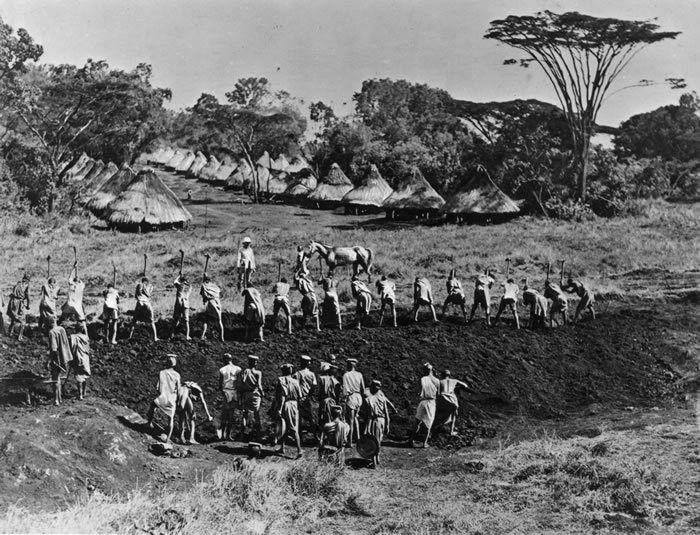
At the time Kenya was under British colonial rule, classified as part of the British East African Protectorate. Because coffee was one of the important cash crops, local people could not grow it privately, so Kenya's early coffee was mostly grown on large plantations under British rule, and the harvested beans were shipped to Britain for sale.
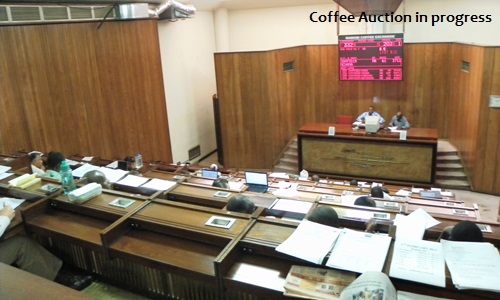
By 1933 the Kenya Coffee Board was established, and coffee sales were brought back under Kenyan control. In 1934 an auction system was set up, and the following year, 1935, Kenya's first coffee auction was held in Nairobi. The auction system has been in use ever since.
In the early 1950s, Kenyan authorities passed an agricultural bill that allowed local families to own more farmland and, beyond subsistence farming, to grow cash crops for extra income.
Nearly all Kenya coffee must be sold through the Nairobi Coffee Exchange. During the harvest season, auctions are held every Tuesday at the exchange. Qualified traders receive green bean samples in advance, select their preferred beans by cupping, and then bid at the auction, where the highest bidder wins. This method is considered the most transparent and efficient, and it pushes farmers toward quality.

Kenya's Coffee Growing Regions
Among Kenya's coffee regions, Kirinyaga and Nyeri are especially renowned. Research shows that Kenya's coffee regions consist mainly of six areas.
Kiambu
Kiambu lies in central Kenya and is known for large coffee plantations, whose numbers have gradually declined with urbanization. Within this large region are many famous origins such as Thika. Coffee from Kiambu has bright acidity and a full body. Among FrontStreet Coffee's lineup is a bean from Thika, Kiambu, a Kenya AA that opens with dark plum and cherry tomato, with strong, full acidity, a berry sensation that envelops the palate, prominent brown sugar sweetness in the middle, noticeable juiciness, and a classic berry aroma in the aftertaste.

FrontStreet Coffee Kenya Asalia
Region: Thika, Kenya
Processing station: Asali Honey Processing Station
Altitude: 1,550m-1,750m
Varieties: SL28, SL34
Processing method: K72 washed processing
Kirinyaga
Kirinyaga has fertile volcanic soil, and its wet mills can produce extremely high-quality coffee, renowned worldwide for intense flavors, rich layers, and a substantial mouthfeel. It is recognized as one of Kenya's two best growing regions.
Nyeri
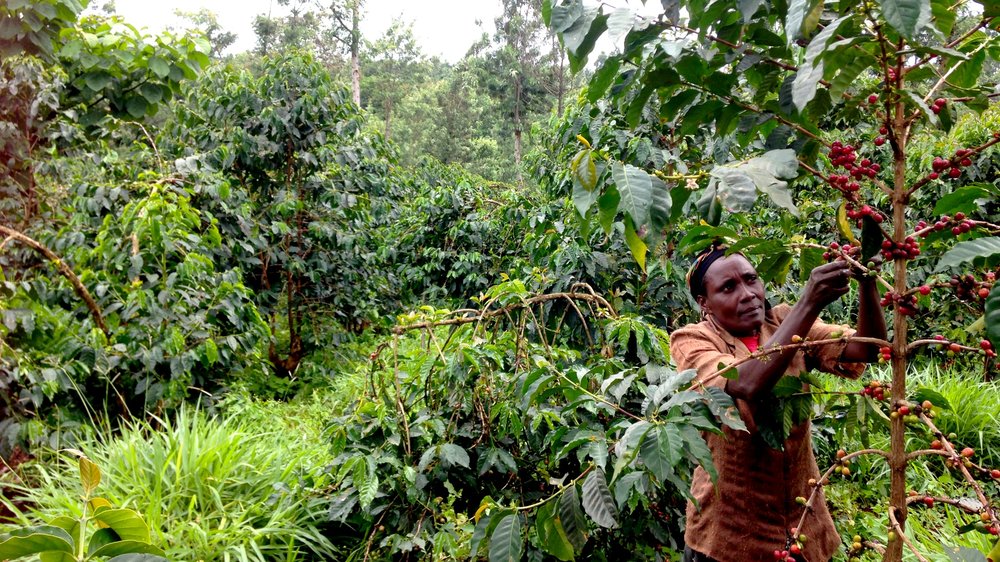
Nyeri borders Kirinyaga to the west and is home to the extinct Mount Kenya, with extremely fertile volcanic red soil capable of producing Kenya's finest coffee. Coffee is the most important crop in Nyeri, and cooperatives formed by smallholders are more common and numerous here than large plantations. Coffee from this region features bright blackberry acidity and a full, rich body, complemented by citrus and even floral notes, which has captivated many connoisseurs and made Kenyan coffee internationally famous.
Embu
Embu is near Mount Kenya, and about 70% of the local population engages in small-scale farming. The most popular cash crops are tea and coffee. Because most coffee here comes from smallholders, production is relatively limited.
Mount Kenya West
Mount Kenya West includes Kisii and the Bungoma area of Mount Elgon. Kisii is in southwestern Kenya, where most coffee comes from small producers organized into common cooperatives, with limited production. Roasted nut and soft fruit acidity attract drinkers who do not care for bright acidity.
Murang'a
Murang'a belongs to the Central Province and has approximately 100,000 coffee farmers. Because Portugal once barred missionaries from living in coastal areas, Murang'a was one of the first settlement areas chosen by missionaries. It also benefits from volcanic soil, and the coffee produced here features bright acidity and a full, juicy mouthfeel.
Kenya's Coffee Grading System
The high-altitude Arabica washed beans produced in Kenya rank among the world's top-tier coffees. Kenya is a major coffee-producing country and a model of excellent production. All coffee is purchased by the Kenya Coffee Board for inspection and grading before being auctioned.
Drinkers often encounter the term "Kenya AA," which is a grade of Kenyan green beans. Besides Kenya AA, FrontStreet Coffee's lineup also includes Kenya PB. What do AA and PB mean?
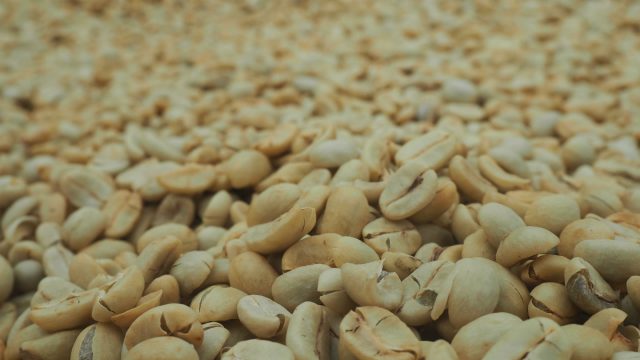
Kenyan green coffee grading uses bean size and quality as indicators, with clear rules for bean size, which is considered to relate directly to quality. Under these rules, Kenya AA grade beans are generally regarded as top-tier.
Grade Specifications:
E (Elephant Bean): flat beans above 19 screen (two beans per fruit)
AA: 17/18 screen
AB: 16/17 screen
PB (Peaberry): one bean per fruit, oval-shaped
C: below 14 screen
TT: large screen size but low density
T: small particles (below 14 screen) with low density
MH/ML: low-quality natural-processed beans
How to Brew Kenya Coffee
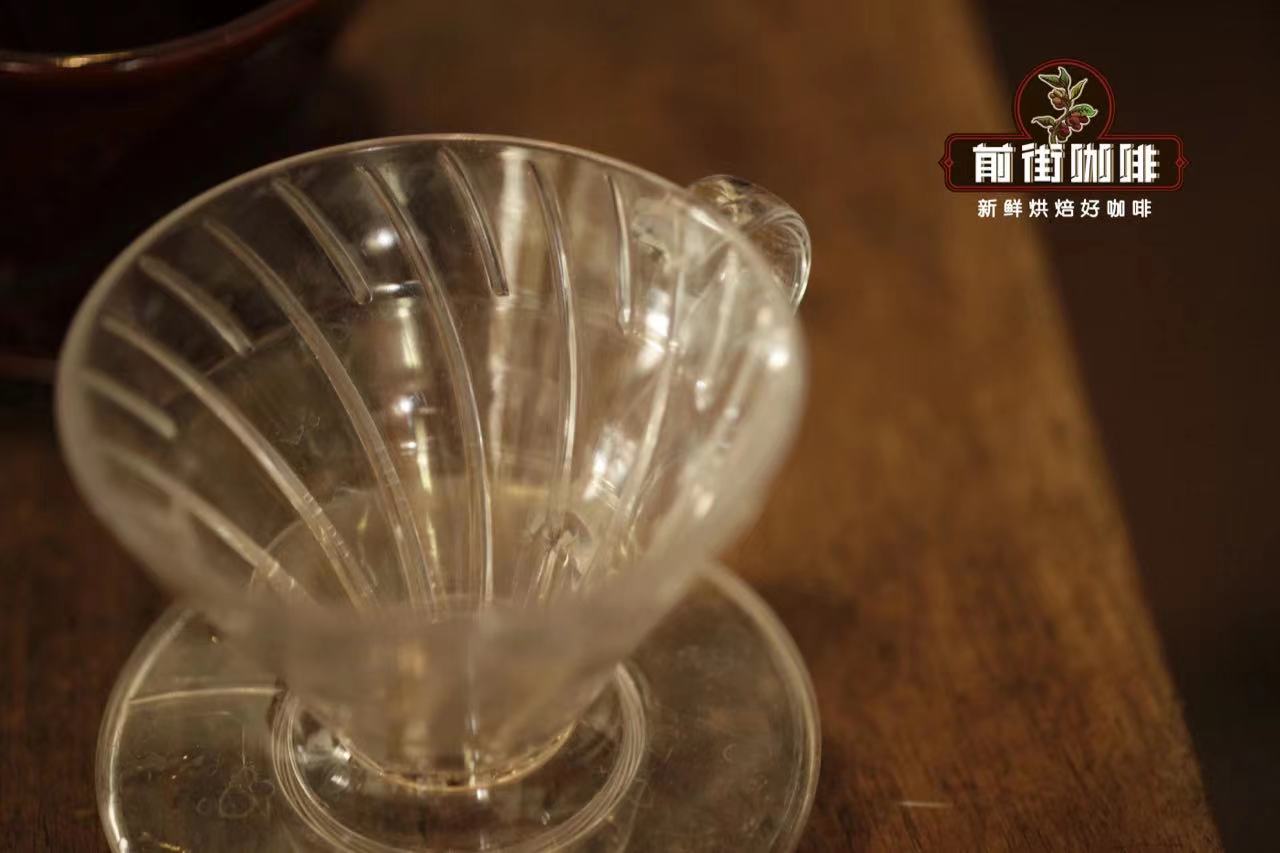
When FrontStreet Coffee's baristas brew Kenya coffee, bearing in mind that the beans are medium-light roasted, they use 93°C water to extract the bright acidity. To avoid over-extraction from the high temperature, they choose the Hario V60 dripper, whose spiral ribs speed the water flow, better highlighting the lifted acidity, the clean mouthfeel, and the excellent aroma of the cup.
Brewing Parameters:
Dripper: Hario V60
Water temperature: 93°C
Coffee amount: 15 grams
Coffee-to-water ratio: 1:15
Grind size: EK43s #10 (80% pass-through on a No. 20 standard sieve)
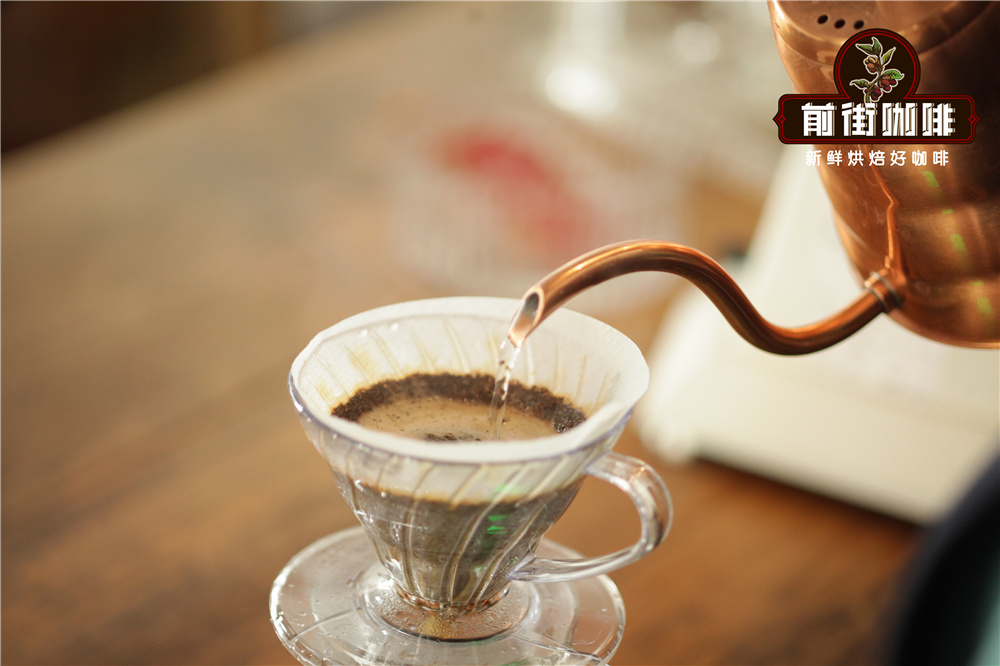
First pour 30g of water for a 30-second bloom, then continue to 125g for the second stage. Wait until the level drops to just about exposing the coffee bed, then pour to 225g for the third stage. Remove the dripper once all the water has dripped into the serving pot. Total extraction time is approximately 2'00".
FrontStreet Coffee Recommendation
Kenya is famous for its bright, juicy acidity, and if that style is what you love, FrontStreet Coffee's washed Yirgacheffe is a natural next step. It is known for white jasmine, bright citrus and lemon acidity, and a tea-like body, and its friendly price makes it the first specialty bean for many newcomers.
For a jasmine-and-citrus washed lot with a cleaner, more refined profile, try FrontStreet Coffee's washed Gotiti from the Worka area in the southeast of Yirgacheffe. It follows the traditional washed method, so it carries none of the usual bitterness, with fresh, bright citrus and lemon acidity and jasmine fragrance. If you also want a natural-processed option, FrontStreet Coffee's natural Red Cherry brings berry juiciness and honey sweetness alongside the classic Yirgacheffe citrus character.
Important Notice :
FrontStreet Coffee is a long-established specialty coffee roaster in Guangzhou China, selling freshly roasted beans from its own farm in Yunnan as well as dozens of carefully selected single-origin beans from around the world for both pour-over and espresso. The products deliver consistently excellent quality and great value, with shipping within 24 hours. Guangzhou's FrontStreet Coffee shop is recommended by many coffee lovers, and the beans are now available online at the Tmall 。
FrontStreet Coffee has moved to a new address:
FrontStreet Coffee Address: 315,Donghua East Road,GuangZhou
Tel:020 38364473
 Scan and follow the En Gafei WeChat official account. Please indicate that the reprint comes from "En Gafei".