Kenya Coffee Bean Recommendations - Characteristics of Kenya SL Varieties - Distinctive Features of Kenya AA Coffee
Professional coffee knowledge, straight from FrontStreet Coffee—your guide to more coffee bean information.
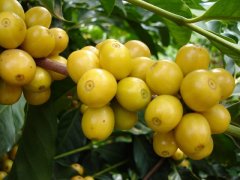
Kenyan coffee has always been a specialty obsession at FrontStreet Coffee. Despite a relatively short history of coffee cultivation, Kenya turned its latecomer status into an advantage and grew into one of the world's major specialty coffee producers.
What Does Kenyan Coffee Taste Like?
Kenyan coffee is all about layered flavors and juice-like acidity: rich berry notes, a solid mouthfeel, vibrant acidity, and complexity that shifts with every sip. Many top Kenyan lots also carry an intense cherry-tomato aroma that's genuinely unforgettable.
Coffee arrived in Kenya as a crop in 1893, when the country was under British colonial rule. The colonial government pushed coffee cultivation hard to earn foreign exchange, and after harvest the beans were shipped to London for export.
So by now Kenya has been growing coffee for over a century—long enough to become one of the most important coffee-producing countries in the world.
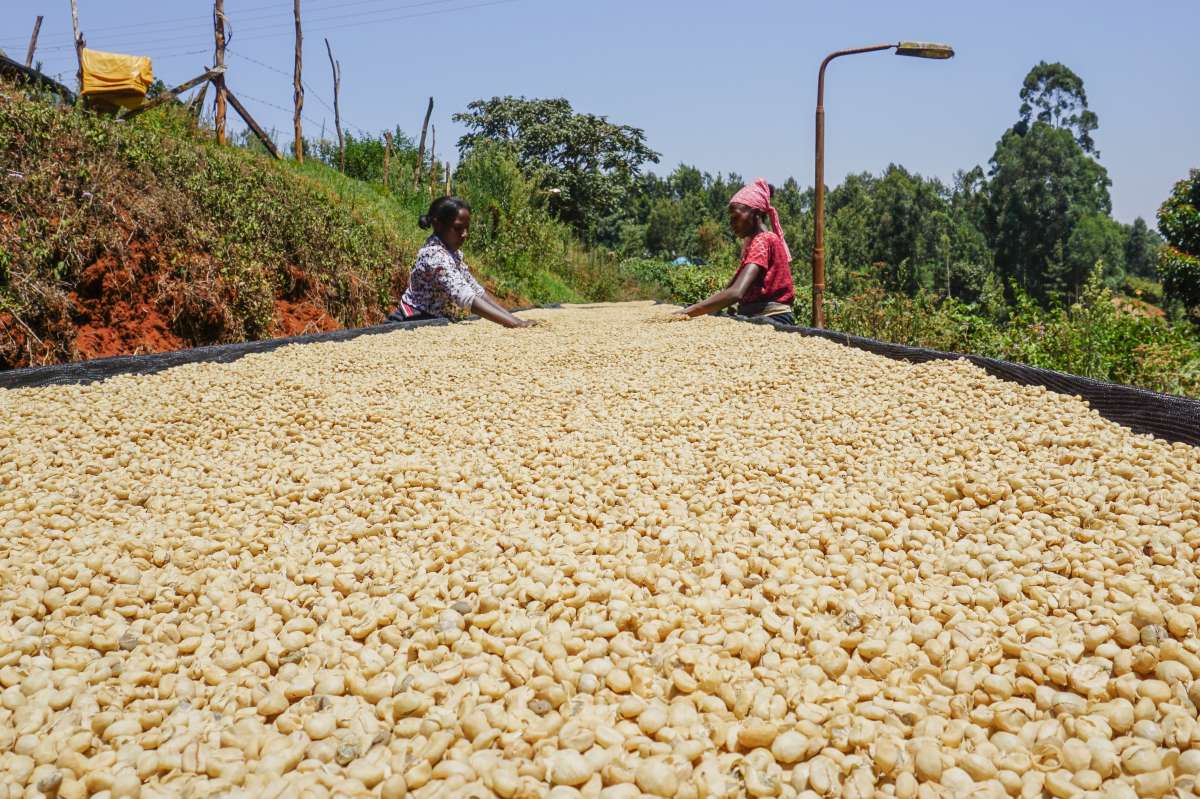
Two things come to mind whenever Kenyan coffee comes up: the unique Kenyan washed process and the bean grading system based on size. The Kenyan grades you'll most often see are AA, AB, and PB. But here's the question—these are called "grades," yet does AA necessarily taste better than AB?
Kenyan Coffee Bean Grades
Kenyan coffee is inseparable from the factory model and Kenyan washed processing. The country's finest beans are almost all washed, and washed Kenyan coffee is divided into eight classes:
E: Elephant bean (also called elephant ear)—flat beans above 19 screen
AA: Screen size 17 to 18
AB: Screen size 15 to 16, which accounts for the majority of production
TT: Lighter-weight beans blown out by air screeners from AA and AB lots
C: Below AB, under 14 screen—too small to qualify as specialty grade
T: Lighter-weight beans blown out from C grade (under 14 screen)—too small and too low in density for specialty grade
PB: Peaberry—the round beans. Classified by shape rather than size, with no bearing on flavor or density; about 10% of total production
UG: Anything that doesn't meet the standards above
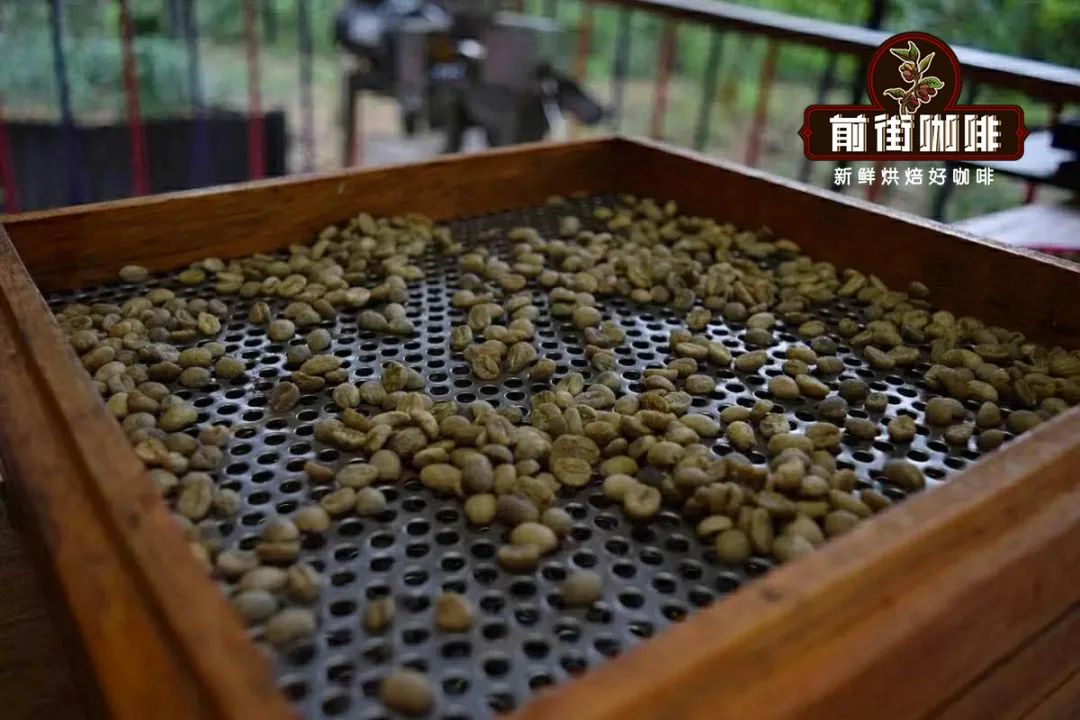
Separately, M'buni covers low-quality natural processed beans. Because of their poor quality they skip Kenyan washed processing entirely and generally go to the domestic market:
MH: M'buni Heavy = large beans
ML: M'buni Light = small beans
So the Kenyan grading standard is primarily about size, and the difference between AA and AB is only that. Does it translate into a meaningful flavor difference?
FrontStreet Coffee ran blind cupping sessions on multiple AA, AB, and PB lots from our own inventory. The results confirmed our hypothesis: there are slight differences, but they're minimal. When the beans come from the same region or even the same factory and size is the only variable, its impact on the cup is fairly small. AA or AB, Kenyan coffee is equally delicious—the bigger flavor differences between lots stem from region, altitude, and growing conditions.
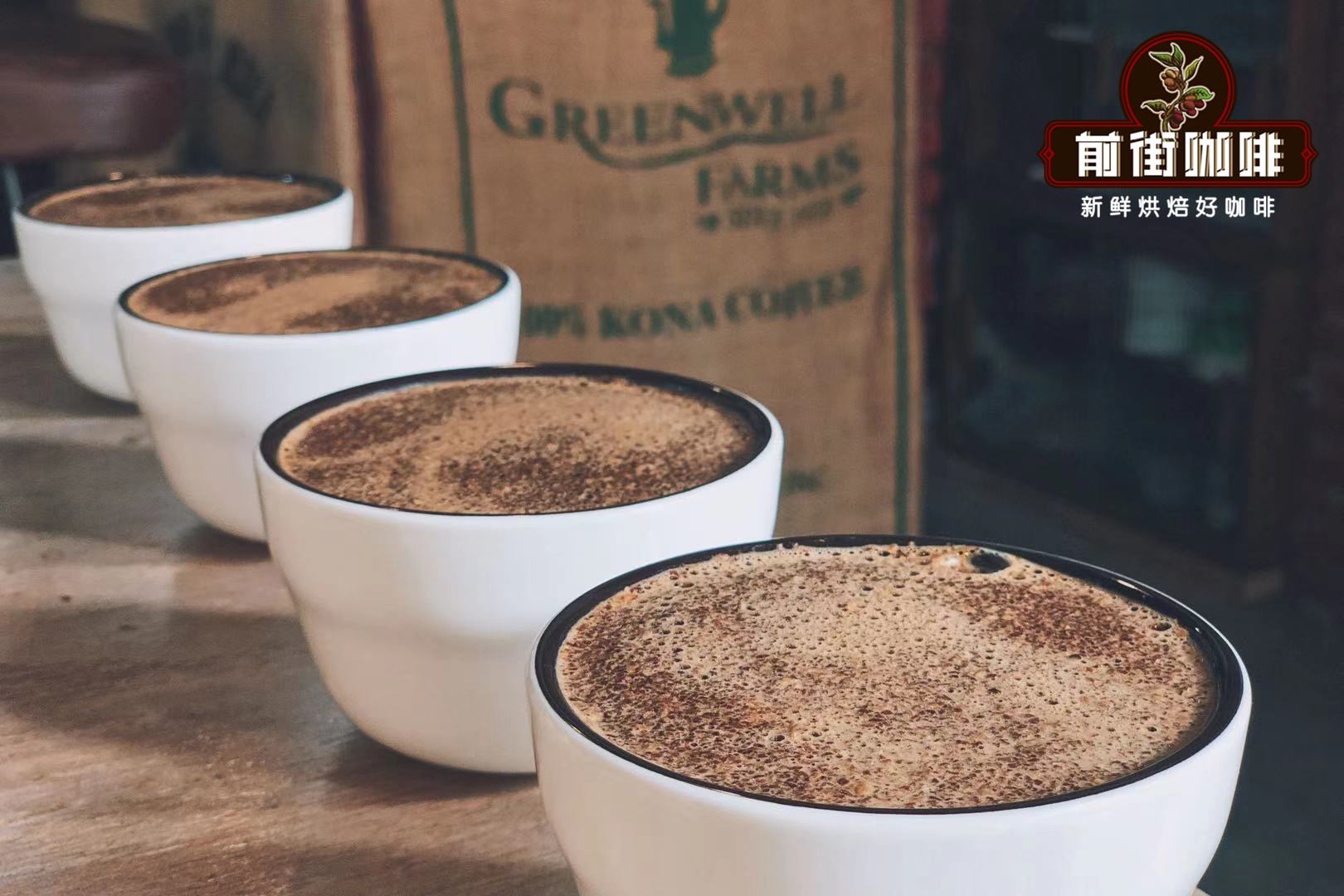
To be clear, FrontStreet Coffee isn't arguing that Kenya's grading system is outdated. AA and AB Kenyan coffees may not automatically be the best coffees, but they are certainly the most reliably quality-assured ones.
What Keeps Kenyan Coffee So Consistently Good?
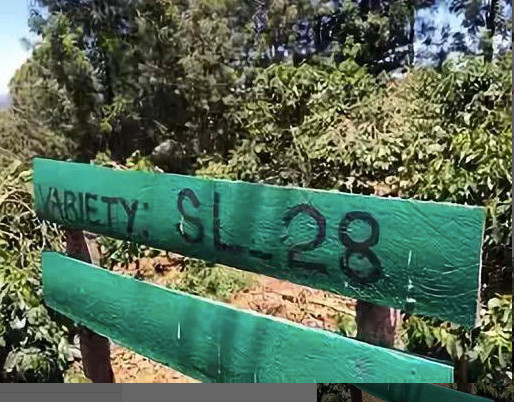
Kenya's workhorse varieties are SL-28 and SL-34—two of the 40 varieties that came out of the research program led by Guy Gibson at Scott Laboratories, which bred and named them in 1930. According to the SL botanists, SL28 and SL34 are genetic variants, and together they make up the vast majority of Kenya's high-quality production—though both are susceptible to leaf rust. SL34 carries French missionary, Bourbon, and further Typica bloodlines; its copper-colored leaves and broad bean shape produce wonderful sweetness, balance, and complexity, with distinctive citrus and dark plum character.
Beyond varietal pedigree, there's the green coffee craft. Kenya widely uses its own distinctive washed method, known as K-72: repeated cycles of fermentation and washing. Processing starts the day of harvest, with only the best cherries selected for pulping and a 24-hour fermentation, after which the beans are washed in clean river water. They then ferment for another 24 hours and are washed again—a cycle repeated 3 times, 72 hours in total.
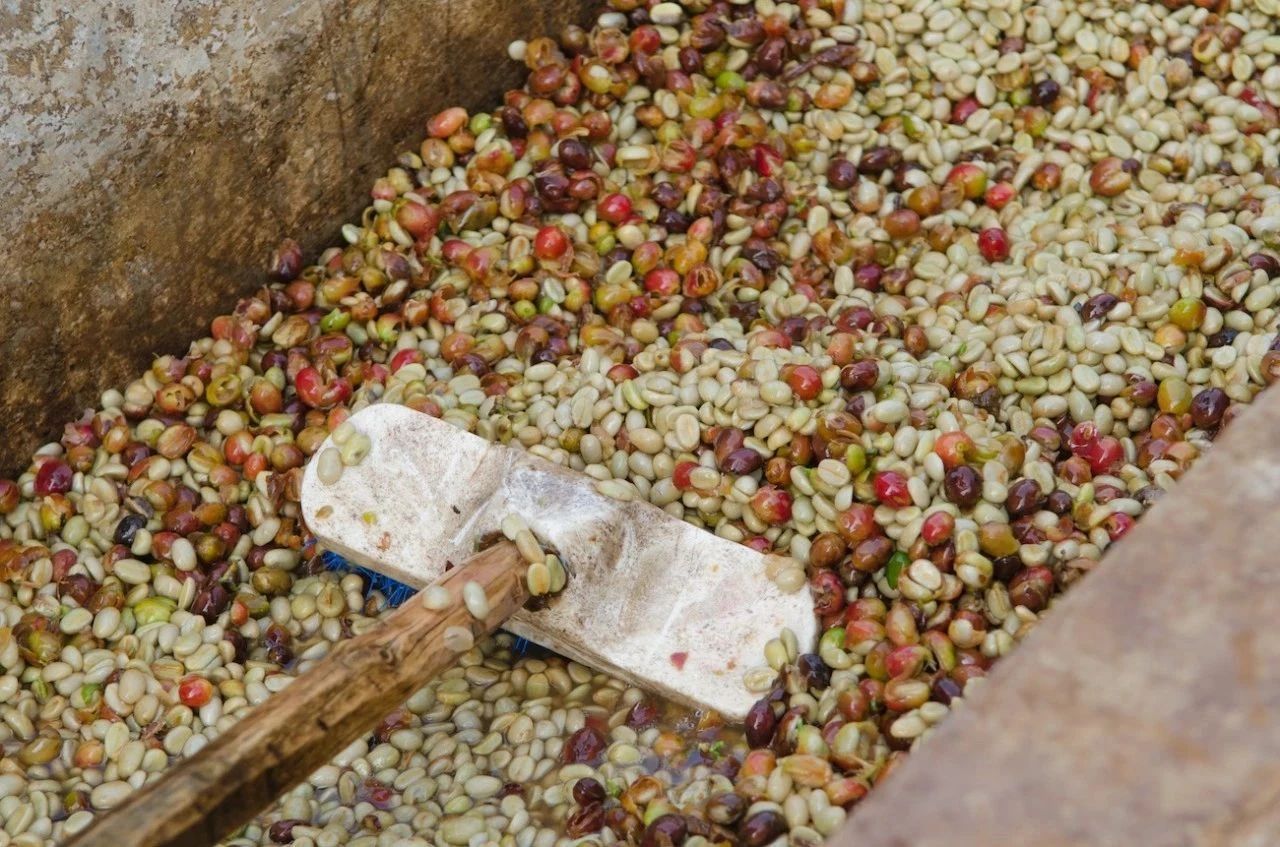
This environment of unified varieties and standardized processing is what gives Kenyan coffee its famously stable flavor profile.
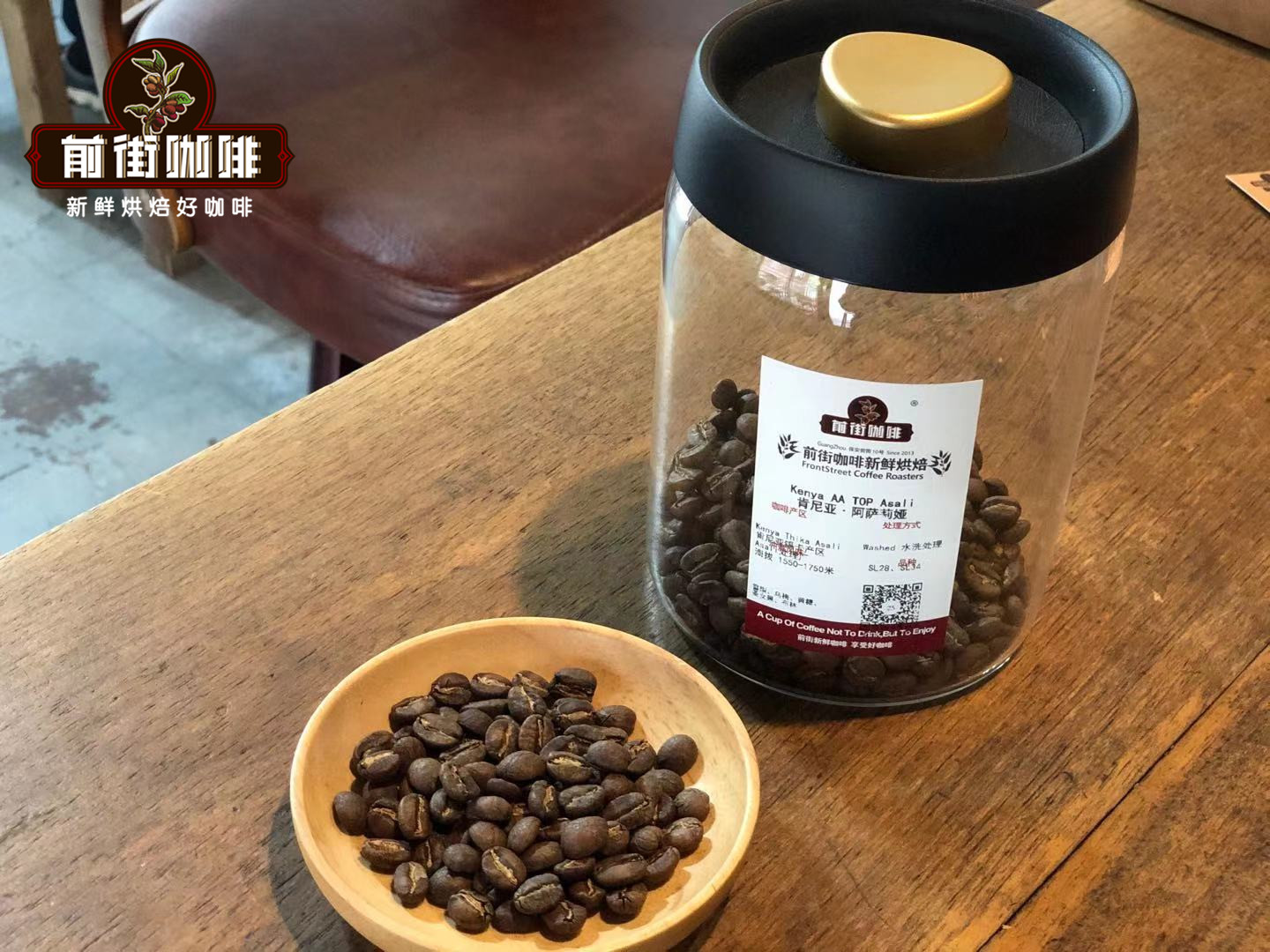
Precisely because that stability is so dependable, FrontStreet Coffee keeps exactly one Kenyan bean on the menu—one we consider genuinely satisfying: the Kenya Assalia AA.
FrontStreet Coffee Kenya Assalia
Region: Thika, Kenya
Altitude: 1550-1750 meters
Varieties: SL28, SL34
Processing Method: Washed
FrontStreet Coffee Roasting Notes
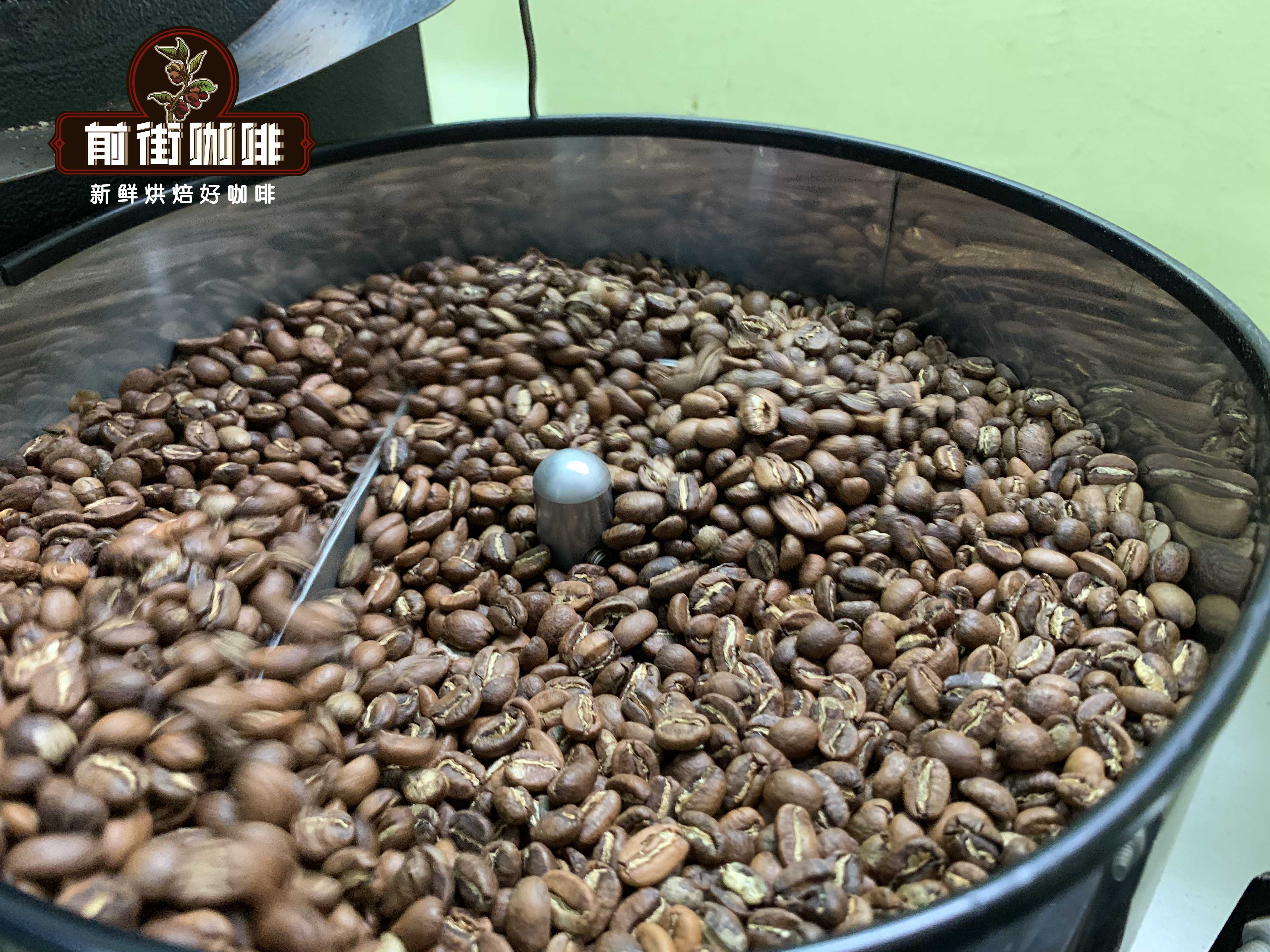
When roasting these Kenyan beans, FrontStreet Coffee wants to highlight their rich fruit acidity and juicy mouthfeel, so we roast them medium-light.
FrontStreet Coffee Brewing Suggestions
Because this bean is roasted medium-light, FrontStreet Coffee uses a higher water temperature and a fast-flowing dripper: high heat is needed to pull out the bright acidity, but to avoid over-extracting at that temperature we choose the fast-flowing V60.
Coffee-to-water ratio: 1:15, 15g coffee to 225ml water
Water temperature: 90°C~91°C
Grind size: Fine-sugar texture (80% pass-through rate on a #20 standard sieve)
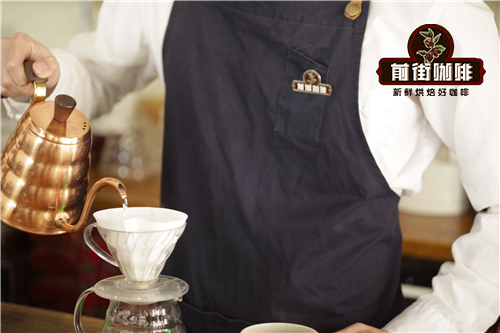
First pour 30g of water for a 30-second bloom, then pour 95g (the scale reads around 125g), finishing in about 1 minute. When the water level drops to two-thirds of the coffee bed, pour the remaining 100g (scale reads around 225g), finishing around 1'40". Drawdown completes at 2'00"; remove the dripper and the extraction is done.
Brewing flavors: It opens with dark plum and cherry tomato, with strong, thick acidity. The middle section brings prominent sweetness and a juicy sensation, and the aftertaste carries berry aroma, brown sugar sweetness, and a green tea fragrance.
FrontStreet Coffee Recommendation
If Kenya's juicy, tomato-and-berry profile is what you're after, FrontStreet Coffee's Kenya Cherry Tomato is the benchmark. Kenya is a master of double washed processing—after the standard wash the beans go through an extra round of floating, soaking, washing off the residual mucilage, soaking again, drying, and hulling—and all that repeated rinsing and steeping pushes the juice sensation to its extreme. Expect notes of cherry tomato, smoked plum, snow pear, black plum, and yellow sugar: sweet-tart and dripping with juice, a longtime favorite of coffee obsessives.
Washed processing itself is a big part of why these cups taste so clean. Because the beans spend so long in water, sugars are consumed and organic acids develop—so washed coffee tends to preserve the bean's own character while adding bright fruit acidity, clarity, and freshness. If that sounds like your kind of cup, FrontStreet Coffee's Washed Gedeb from the Yirgacheffe cooperative is worth a look: meticulous processing at the Gedeb station maximizes jasmine florals and bright citrus acidity, and after a medium-light roast it adds green tea and honey tones. It shines as pour-over, cold brew, or even espresso.
And for a washed classic with a rounder, gentler character, FrontStreet Coffee's Jamaica Blue Mountain No.1 is hard to beat. Jamaica's island climate brings shorter sunlight hours than most origins, which is exactly why washed processing took hold there—removing skin, pulp, and mucilage before drying shortens drying time and lowers the risk of spoilage, producing beans with a bright color and very low defect rate. The result: a richly aromatic cup with pure hazelnut, cream, chocolate, and caramel notes, perfectly balanced, with nothing standing out and nothing missing.
Important Notice :
FrontStreet Coffee is a long-established specialty coffee roaster in Guangzhou China, selling freshly roasted beans from its own farm in Yunnan as well as dozens of carefully selected single-origin beans from around the world for both pour-over and espresso. The products deliver consistently excellent quality and great value, with shipping within 24 hours. Guangzhou's FrontStreet Coffee shop is recommended by many coffee lovers, and the beans are now available online at the Tmall 。
FrontStreet Coffee has moved to a new address:
FrontStreet Coffee Address: 315,Donghua East Road,GuangZhou
Tel:020 38364473
 Scan and follow the En Gafei WeChat official account. Please indicate that the reprint comes from "En Gafei".