Top 10 Pour-Over Single Origin Coffee Bean Brands Recommendation Ranking | Best Tasting Premium Coffee Beans with High Cost-Performance in China
How to Choose Pour-Over Coffee Beans? What Is the Premium Coffee Brand Ranking?
Coffee beginners often start by looking at brand rankings, assuming that highly ranked brands must sell good coffee. That is not necessarily true. FrontStreet Coffee believes that for both single-origin and espresso beans, freshness comes first. For single-origin beans, look at origin, altitude, and processing method; for espresso beans, examine the blend formula. Brand rankings are merely a reference, never an absolute standard. Everyone's preferences differ, and someone else's number one may not suit your palate. A high ranking does not guarantee a great brand, and absence from a list does not mean a brand is poor. Keep this in mind before diving deeper into coffee.
FrontStreet Coffee believes coffee beans first and foremost carry regional flavor characteristics. African beans, represented by Ethiopia, offer floral and citrus notes; Asian beans, represented by Indonesia, offer herbal, nutty, and woody spice flavors; and American beans, represented by Brazil, offer balance and chocolate.

That is why FrontStreet Coffee launched the FrontStreet Coffee Daily Bean Series, built around regional flavors, featuring beans from famous origins such as Ethiopia, Indonesia, Brazil, Colombia, Guatemala, Costa Rica, and China's Yunnan province. "Daily beans" does not mean inferior quality — many people mistakenly assume that cheaper beans must be worse. Take clothing as an analogy: the same batch of clothes from the same factory might sell for 50 yuan in a wholesale market but 500 yuan in a brand store. Essentially the same quality, yet a tenfold price difference.
The same logic applies to coffee beans. People often take pride in drinking "premium" beans, which breeds price discrimination. In the producing regions the beans are the same, but by the time they reach the end market, a tenfold markup is not surprising.

FrontStreet Coffee has always believed coffee should not be this expensive. The original definition of specialty coffee was simply to distinguish it from commodity beans and to identify higher-quality single origins — which is exactly FrontStreet Coffee's mission. The Daily Beans are priced at only 25 yuan per 100g and can all be traced to their origins: the Ethiopia Daily Beans come from Yirgacheffe, the Indonesia Daily Beans from the Lintong region, the Brazil Daily Beans from Cerrado, and the Colombia Daily Beans from Huila. These are all renowned origins, and in reality their prices are not as high as the rumors suggest.
Some argue that even within one origin there are good and bad lots, and that low prices must mean low quality. FrontStreet Coffee's answer: you simply have not looked closely enough. Take FrontStreet Coffee's Yirgacheffe beans. In green bean grading, Ethiopian coffee is classified G1–G5 by defect count, but in the consumer market only G1 and G2 are available, because the other grades are consumed domestically in the producing country. The difference between the G1 and G2 standards is a mere 8 defective beans per 300g — and remember, that is in the green bean state.

Before roasting, FrontStreet Coffee also hand-sorts to remove seriously defective beans. By the time the beans are roasted, the influence of the green bean grade on flavor and quality becomes negligible. Savvy customers understand this and choose the Daily Bean Series without hesitation.

FrontStreet Coffee's Pour-Over Brewing Recommendations
FrontStreet Coffee uses these baseline parameters: a 15g dose and a 1:15 coffee-to-water ratio. Those two stay constant; the other variables are adjusted according to roast level:
| Roast Level | Light Roast | Medium-Dark Roast |
|---|---|---|
| Dripper | V60 | Kono |
| Water Temperature | 90°C | 88°C |
| Grind Size | 70-75% pass-through through #20 standard sieve | 80% pass-through through #20 standard sieve |
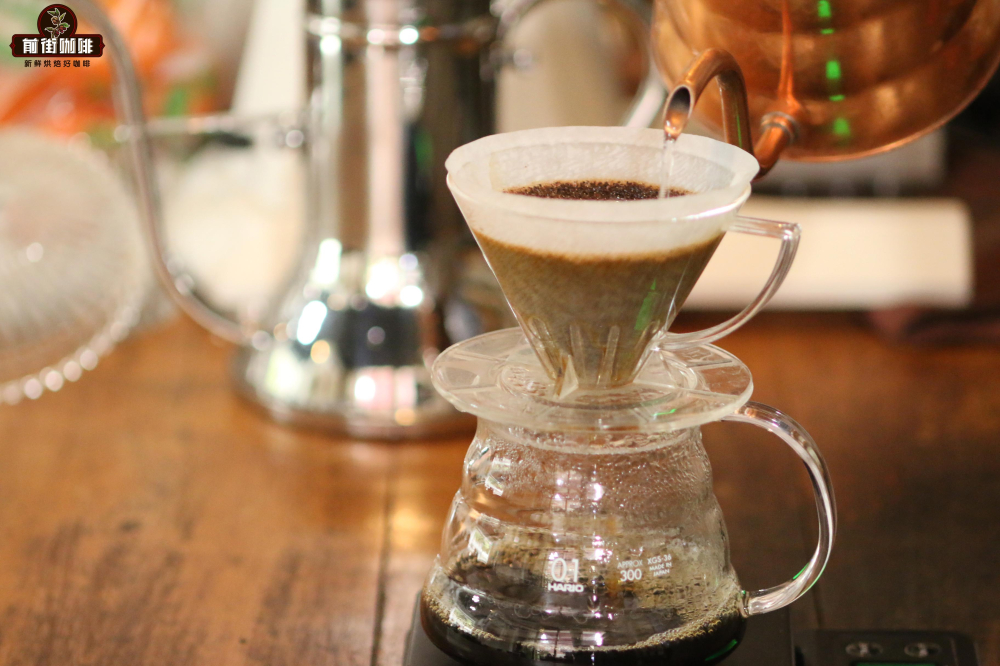
| Pour-Over Technique | FrontStreet Coffee uses segmented extraction, also known as three-stage pouring. Start with 30g of water for a 30-second bloom, then pour in small circles up to 125g. When the water level drops to just above the coffee bed, pour up to 225g and stop. When the bed is about to be exposed again, remove the dripper. Total extraction time (from the start of the bloom) is 2'00". | |

V60 Brewing
Kono Brewing
A Detailed Guide to the Top Ten Coffee Bean Flavors
1. FrontStreet Coffee Honduras Sherry Barrel Fermented Coffee Beans
| Region: | Masaguara City, Intibuca Province |
| Estate: | Mocha Estate |
| Altitude: | 1500-1700m |
| Variety: | Caturra, Catuai, Pacas |
| Processing: | Premium Washed Whiskey Sherry Barrel Fermentation |
| Roast Level: | Light Roast |
Flavor Description: Vanilla cream aroma, berry acidity, rich almond and dark chocolate, smooth and stable mouthfeel.

Honduras's coffee industry developed relatively late, well behind most of its Central American neighbors. With strong government support and by learning from Brazil's development model, the industry has gradually grown. In 2010 in particular, the involvement and cooperation of Japanese specialty coffee gave Honduras superstar potential. Since 2011, Honduras's production has surpassed Guatemala's, making it the largest coffee-producing country in Central America and a top-ten producer worldwide.
Most Honduran coffee is exported to Europe, with Germany the primary destination, importing nearly 40 million kilograms annually. Some Honduran coffee also goes to the United States and Japan, though in smaller volumes than Europe.
Honduras has 280,000 hectares of coffee plantations, mostly small farms of less than 3.5 hectares. These small plantations account for 60% of the country's total coffee production.
Honduras Coffee Regions
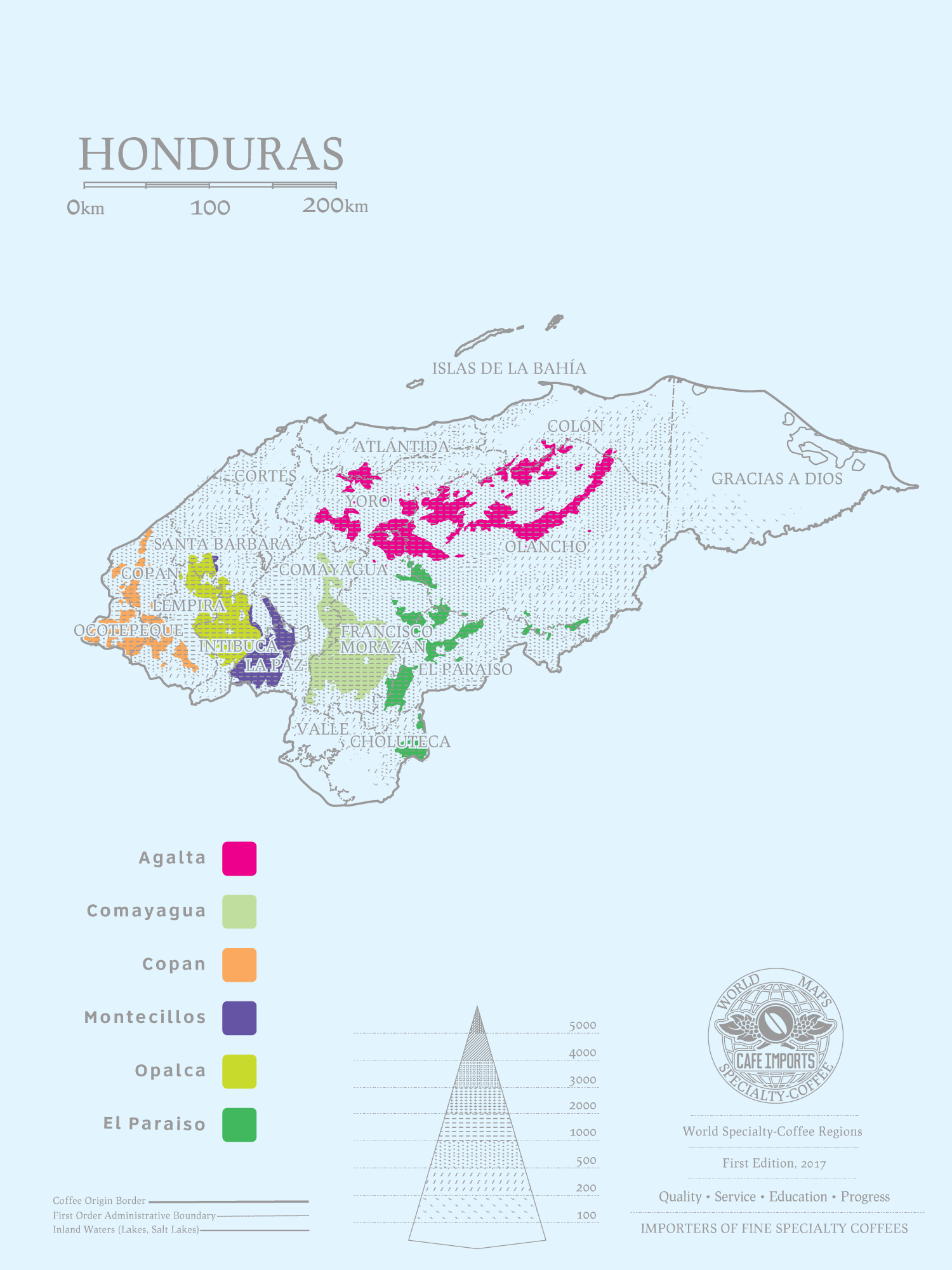
Honduran coffee is divided into six major regions, located mainly in the west and south: Copan, Opalaca, Montecillos, Comayagua, Agalta Tropical, and El Paraiso. Three are considered primary:
- Montecillos: The highest-altitude region in Honduras, with bright, layered coffee flavor, rich in fruit and sweet aromas, with citrus notes.
- Copan: Beans from this region show chocolate flavor, rich mouthfeel, and high sweetness.
- Agalta: Beans from this region offer balanced honey sweetness and acidity, with chocolate notes.
However, the recently popular FrontStreet Coffee Sherry and FrontStreet Coffee Lychee Lan beans are not from the six major regions but from Masaguara city in the Intibuca province of southwestern Honduras.

2. FrontStreet Coffee Ethiopia Sidamo Banchi 8.0
| Region: | Hambela, Sidamo |
| Altitude: | 2250-2350m |
| Variety: | Heirloom |
| Processing: | Natural |
| Roast Level: | Light Roast |
Flavor Description: Distinct citrus, juice-like mouthfeel, slight fermentation, refreshing even when cooled, cane sugar sweetness, medium-high acidity.

Ethiopia is currently Africa's largest coffee producer, but only 60% of its coffee is exported. The remainder is used for various ceremonies — at weddings, for example, people prepare mixtures of coffee beans, coffee pulp, coffee with honey, and various herbs as remedies to ward off bad luck. Coffee is woven into every corner of local life.
Because of administrative reorganization in Ethiopia around 1995, the biggest impact on coffee geography was the splitting of the former Sidamo province into the new Sidama region (a small portion) with most of it absorbed into Oromia. Yirgacheffe, which belonged to the old Sidamo province, is now part of the new Gedeo zone. As a result, Ethiopian coffees on the market may be named using both old and new regional names.
Ethiopia's coffee cultivation is concentrated in the west and south, with smallholder families accounting for 90% of total cultivation. Nearly 1.2 million smallholder families depend on coffee for their livelihood, each cultivating less than 4 hectares. Average altitude ranges from 1000 to 2300 meters, with planting densities of 1000–1800 trees per hectare and yields of roughly 600kg per hectare.
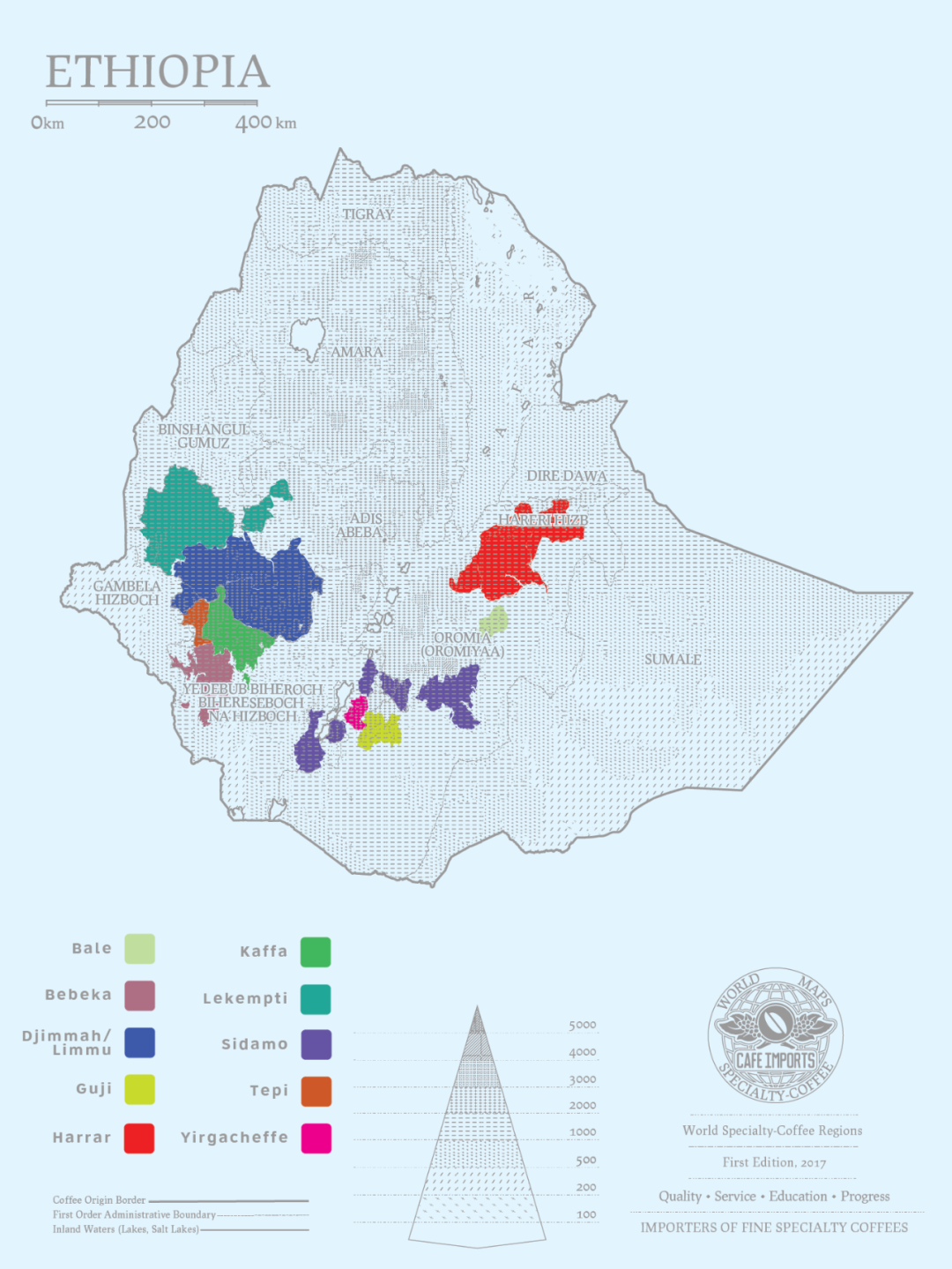
Ethiopia's Nine Major Coffee Regions
- Yirgacheffe (specialty region): altitude 1,800~2,000 meters (garden coffee system)
- Sidamo (specialty region): altitude 1,400~2,200 meters (garden coffee system)
- Limu (specialty region): altitude 1,200~2,000 meters (garden, forest, semi-forest, plantation coffee systems)
- Harar (specialty region): altitude 1,500~2,400 meters (garden coffee system)
- Djimma (commercial region): altitude 1,350~1,850 meters (forest/semi-forest system)
- Illubabor (commercial region): altitude 1,350~1,850 meters (forest/semi-forest coffee system)
- Kefa, Lekempti (commercial region): altitude 1,500~1,800 meters (forest/semi-forest system)
- Tepi, Bebeka (commercial region): altitude 500~1,900 meters (garden/forest/semi-forest coffee system)
- Lake Tana (alternative region): altitude 1,840 meters (forest system)

3. FrontStreet Coffee Costa Rica Carmen Estate Musician Series Mozart
| Region: | Tarrazu |
| Estate: | Carmen Estate |
| Altitude: | 1980m |
| Variety: | Caturra, Catuai |
| Processing: | Raisin Honey |
| Roast Level: | Light Roast |
Flavor Description: Distinct floral and fermented sauce aroma, rich berries and raisin sweetness, gentle fruit acidity, tropical fruit in the aftertaste, cane sugar sweetness.

Costa Rica's coffee cultivation started early — it was the first Central American country to grow coffee. As early as 1820, coffee was exported to Europe and became an instant success, once praised by British nobility as "golden beans." After Costa Rica freed itself from Spanish colonial rule, the government began strongly supporting the coffee industry with a series of policies that promoted the development of private estates. Wealthy coffee farmers gradually sent their children to Europe for advanced education, and they returned as doctors and engineers — a testament to the high status of coffee farmers in Costa Rica. Notably, Costa Rica has laws allowing only the cultivation of Arabica coffee; Robusta is a "prohibited item" within its borders, an initiative unique in the world.
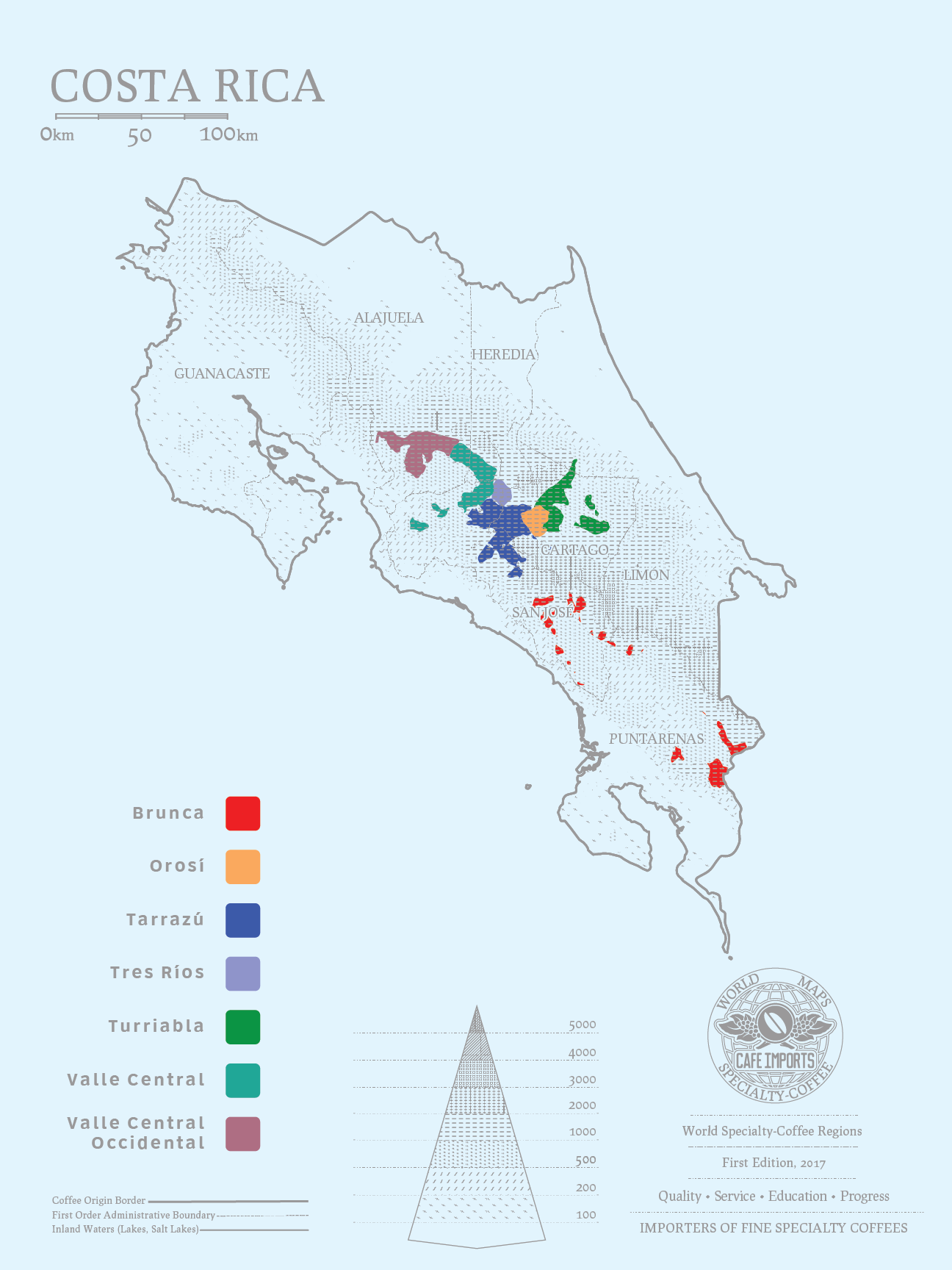
Costa Rica Coffee Regions
Costa Rica has eight major coffee regions: West Valley, Central Valley, Tarrazu, Tres Rios, Orosi, Brunca, Turrialba, and Guanacaste. Among these, the Central Valley, Tarrazu, and Tres Rios regions are the most famous.

4. FrontStreet Coffee Indonesia PWN Golden Mandheling
| Region: | Sumatra |
| Company: | PWN |
| Altitude: | 1100-1600m |
| Variety: | Typica |
| Processing: | Wet-Hulled |
| Roast Level: | Medium-Dark Roast |
Flavor Description: Rich and clean, well-balanced, strong nutty and chocolate flavors, intense spice and caramel aroma, with fruity notes and a persistent aftertaste.
Indonesia is located in Southeast Asia. In 1696, the Dutch, seeking to expand their coffee cultivation base, introduced coffee first to the island of Java, where it was cultivated extensively. In 1877, however, leaf rust swept through Indonesia, affecting nearly all coffee trees. Arabica was almost wiped out, with devastating losses.

Later, Indonesia introduced Robusta from Africa. Robusta's strong disease resistance compensated for the economic losses caused by Arabica's vulnerability. Today Indonesia is the world's leading Robusta producer. Robusta is concentrated in southern Sumatra, while Arabica is grown in the north. Although Arabica accounts for only about 10% of Indonesia's total coffee production, it is enough to command worldwide attention and affection — including the famous FrontStreet Coffee Mandheling.
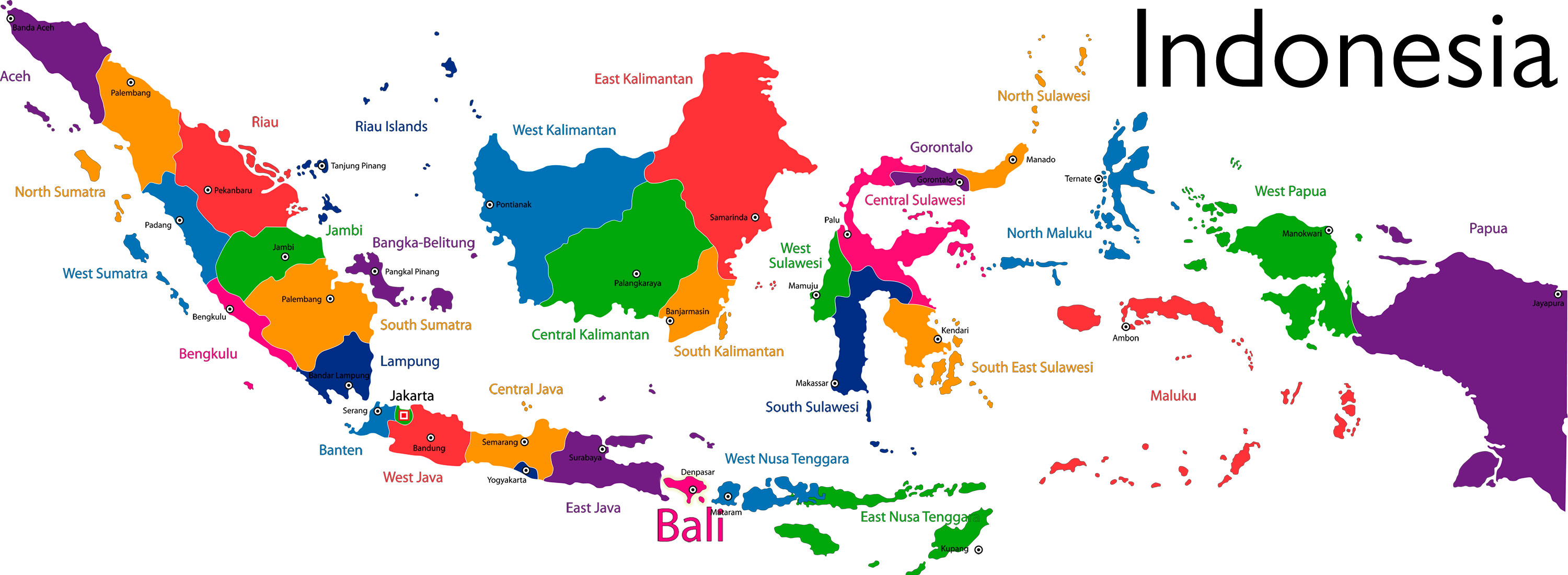
The main processing methods for Indonesian coffee are natural, washed, and wet-hulled. Given the humid climate and frequent rainfall, washed and wet-hulled methods are commonly used to achieve faster drying.
Indonesia's most famous method is wet-hulling (giling basah). Regions using it are mainly in western Indonesia's Sumatra, where the richly flavored Mandheling is produced. Wet-hulling has two main stages: removing the cherry's skin and pulp, followed by brief fermentation and drying until the moisture content reaches 12-13%. This rapid processing compresses the beans and produces cracks — the so-called "elephant beans." It is a hallmark of Mandheling, not a defect.

Beyond conventional wet-hulling there is also aged wet-hulled processing: the beans first undergo regular wet-hulling, then are sealed in warehouses for 2-3 years, during which acidity gradually diminishes and converts into sugar. Mandheling processed this way is also called aged Mandheling.

5. FrontStreet Coffee Panama La Esmeralda Red Label Geisha
| Region: | Boquete |
| Estate: | La Esmeralda |
| Altitude: | 1700m |
| Variety: | Geisha |
| Processing: | Natural |
| Roast Level: | Light Roast |
Flavor Description: Ginger flower and citrus aroma, with mature fruit, black tea, and sweet-sour fruit tea flavors in the mouth. The aftertaste carries berry sweetness that lingers.

Panama became world-famous for coffee because of Geisha, and that fame is inseparable from the country's unique natural conditions and meticulous farm management. Panama has volcanic ash soil, ample air humidity, and abundant sunshine. After the canal opened at the end of the 20th century, many American elites moved south — partly for work, partly in search of opportunity. During this period coffee developed rapidly, cementing Panama's position in specialty coffee.
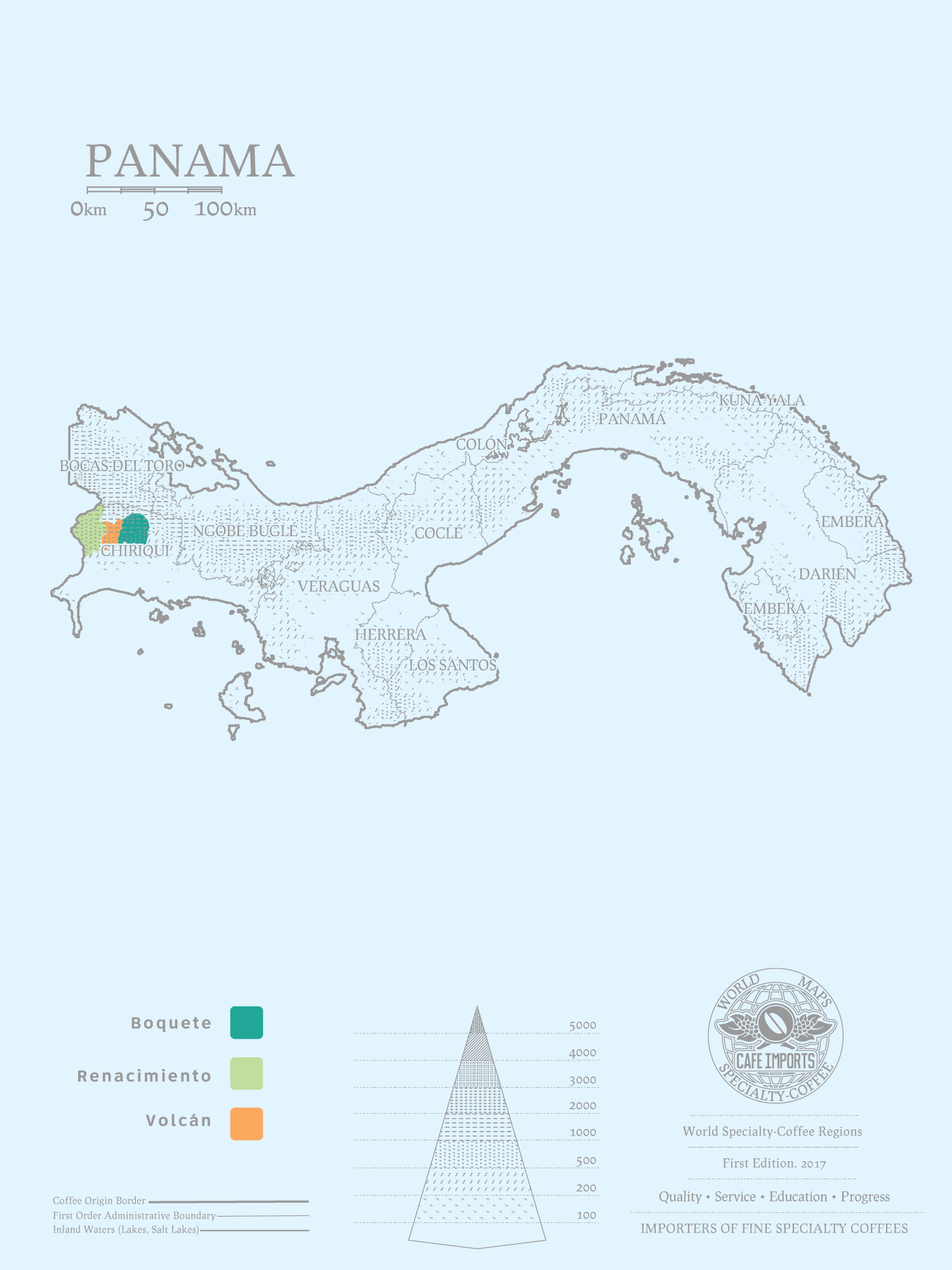
Panama Coffee Regions
Panama has four main coffee regions: Boquete, Volcan, Santa Clara, and Piedra de Candela.
- Boquete: average altitude of 1450 meters; produces the most and best coffee in Panama. Famous estates include La Esmeralda, Elida, and Catuai.
- Volcan: average altitude of 2000 meters, with relatively mild and balanced coffee characteristics.
- Santa Clara: average altitude of 1500 meters, near the Panama Canal, making coffee transport very convenient.
- Piedra de Candela: average altitude of 1200 meters, a region that has gradually gained attention in recent years; the industry believes it has potential for high-quality specialty coffee.

Panama rose to fame growing Geisha, and Geisha rose to fame through La Esmeralda Estate. The best non-auction Geisha from La Esmeralda is the Red Label series — the name comes from the red that dominates the packaging of this line.
6. FrontStreet Coffee Colombia Rose Valley
| Region: | Santander |
| Estate: | Big Tree Estate |
| Altitude: | 1700m |
| Variety: | Caturra |
| Processing: | Double Anaerobic Enzyme Washed |
| Roast Level: | Light Roast |
Flavor Description: Rich rose aroma, cane sugar sweetness, distinct strawberry and grape fruit notes, prominent acidity and sweetness.
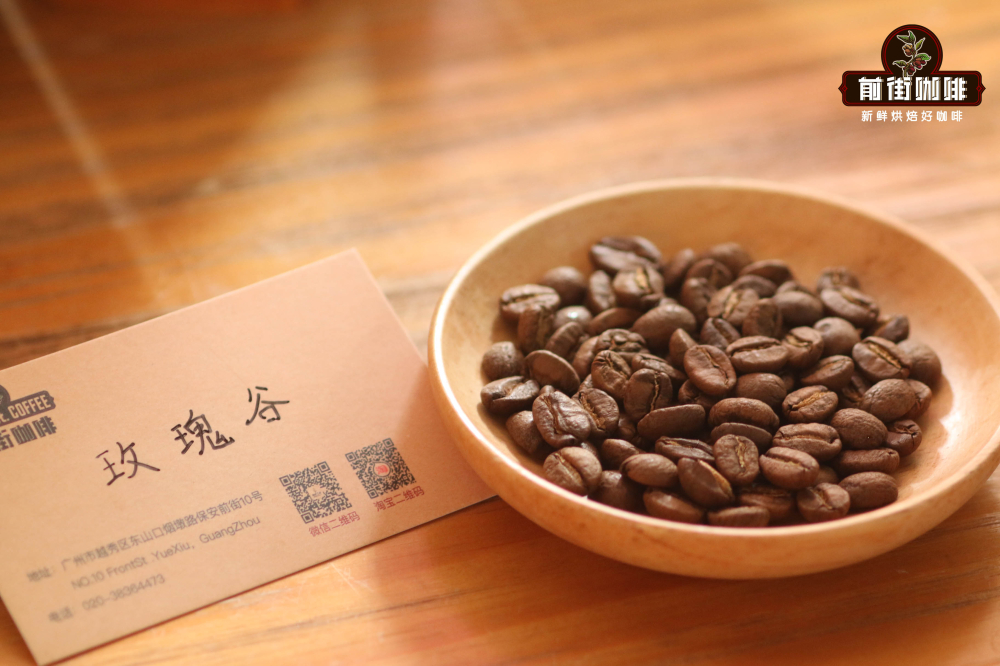
Colombia is the world's third-largest coffee producer, located in northwestern South America, with a climate that varies by topography: the eastern plains and southern Pacific coast have a tropical rainforest climate, mountains between 1000-2000 meters have a subtropical climate, and the northwest has a tropical savanna climate. Colombian coffee is not as full-bodied as Brazilian coffee, nor as bright in acidity as African coffee, but it has excellent balance, combining nutty character with fruit acidity.
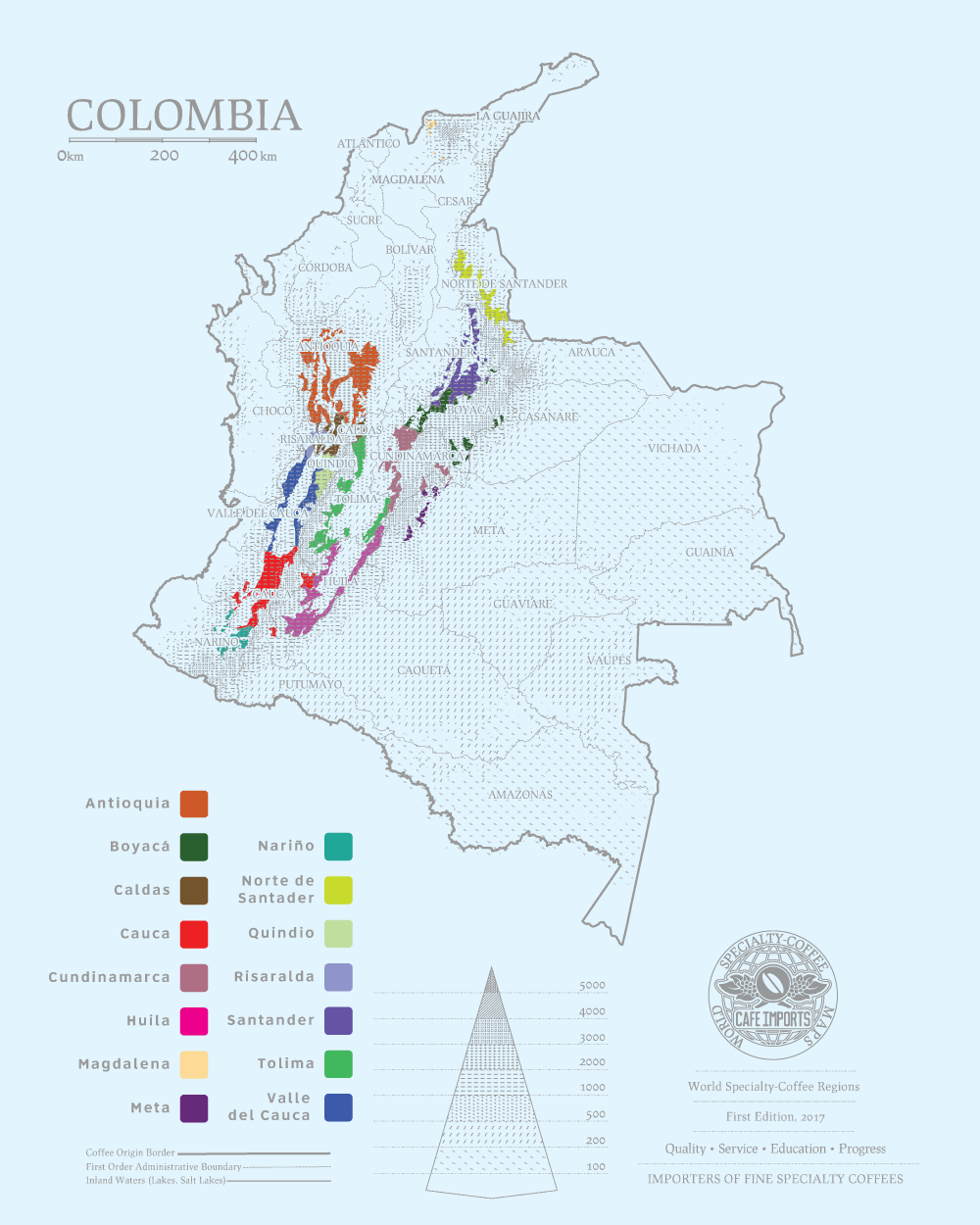
Colombia Coffee Regions
Colombian coffee cultivation follows the Andes. From south to north, the growing regions are divided into four major areas: northern, central, southern, and eastern.
- Northern Coffee Region: Only one dry season (December to March) and one rainy season (April to November) each year. Coffee flowers in March, the rainy season follows, and harvest comes in October and November. The northern region is further subdivided into micro-regions including Santander, Norte de Santander, La Guajira, Magdalena, and Cesar.
- Central Coffee Region: Two dry seasons and two rainy seasons annually. December to February and June to September are dry, while March to May and September to November are rainy, producing two harvests per year. Micro-regions include southern Antioquia, Boyacá, Caldas, Chocó, Risaralda, Quindío, northern Valle del Cauca, Cundinamarca, and northern Tolima.

- Eastern Coffee Region: Cultivation is much smaller in scale, with a climate similar to the north but higher rainfall and humidity. It includes only Arauca, Casanare, Meta, and Caquetá. The east has suffered from armed conflict in the past and urgently needs coffee production to drive economic recovery. The Colombian Coffee Growers Federation is investing to help the region plant varieties better suited to its environment, and also helps farmers expand their farms.
- Southern Coffee Region: Near the equator, coffee grows at higher elevations. Like the north, the south has one wet season and one dry season — dry from June to September, rainy from October possibly through May of the following year. Unlike the north, where coffee is harvested in autumn, the southern harvest usually begins in April and runs through June, allowing green bean suppliers to offer Colombian coffee almost year-round. The south focuses mainly on specialty coffee, including the provinces of Huila, Cauca, Narino, and Tolima.
7. FrontStreet Coffee Jamaica Blue Mountain No. 1
| Farm: | Clifton Farm |
| Altitude: | 1310m |
| Variety: | Typica |
| Processing: | Washed |
| Roast Level: | Medium Roast |
Flavor Description: Balanced sweet, sour, and bitter flavors, bright and delicate acidity with lemon notes, chocolate sweetness, cocoa aftertaste, clean, rich, and smooth mouthfeel.

Jamaica is an island in the Caribbean Sea. Its Blue Mountains are the highest in the western Caribbean (2256m, with coffee grown only below 1700m — above that is protected forest). The Blue Mountains sit at 25 degrees north latitude in the coffee belt, with fertile volcanic soil, fresh air, year-round rainfall, high humidity, large day-night temperature differences, regular rains, and hazy clouds that shield the coffee trees from direct sunlight.
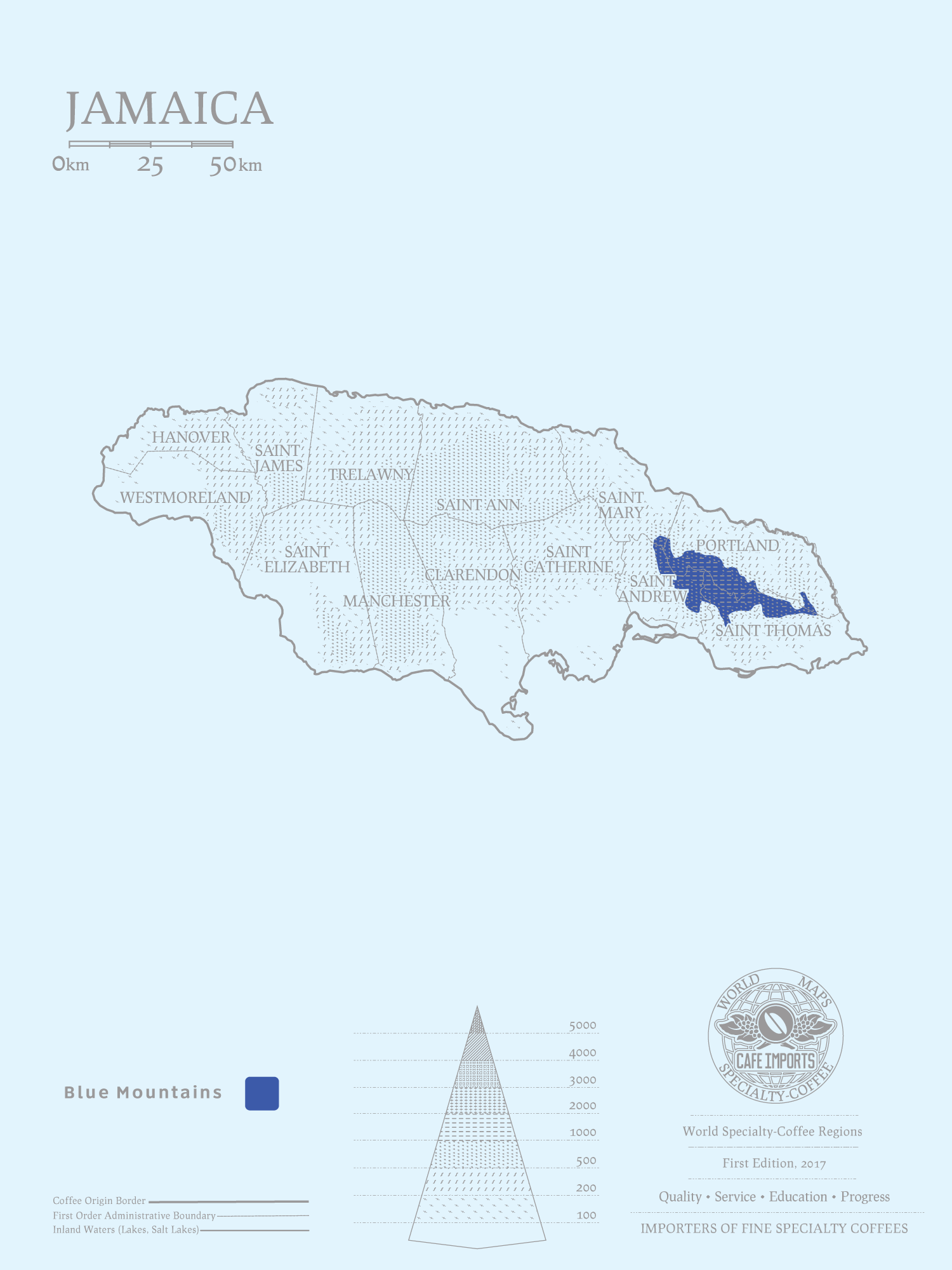
Jamaica Blue Mountain Coffee Bean Grading
Coffee from Jamaica's Blue Mountain region comes in three tiers: Blue Mountain Coffee, Jamaica High Mountain Supreme Coffee Beans, and Jamaica Prime Coffee Beans.
Blue Mountain Coffee is further divided, from highest to lowest: Blue Mountain No. 1, Blue Mountain No. 2, Blue Mountain No. 3, and PB (peaberries, also called round beans).

- Blue Mountain No. 1: 96% of green beans are 17/18 screen size, defect rate below 2%.
- Blue Mountain No. 2: 96% of green beans are 16/17 screen size, defect rate below 2%.
- Blue Mountain No. 3: 96% of green beans are 15/16 screen size, defect rate below 2%.
- PB: 96% of green beans are PB, defect rate below 2%.
8. FrontStreet Coffee Kenya Asalia
| Region: | Thika |
| Processing Station: | Asali Honey Processing Station |
| Altitude: | 1550-1750m |
| Variety: | SL28, SL34 |
| Processing: | Kenya 72-Hour Washed |
| Roast Level: | Light Roast |
Flavor Description: Ripe tomato and floral aroma, cherry tomato and black plum flavors in the mouth, bright acidity, clean and rich mouthfeel, berry aroma and brown sugar sweetness in the aftertaste, with green tea notes.

Kenya lies in eastern Africa, bordering Ethiopia, the birthplace of coffee. Kenya itself only introduced coffee around the early 20th century — by which point coffee had nearly circled the globe before returning to Africa. FrontStreet Coffee believes that although Kenyan coffee started late, it developed rapidly. Under British colonial rule, everything from the establishment of cultivation mechanisms to the grading system helped push Kenyan beans into the specialty coffee market.
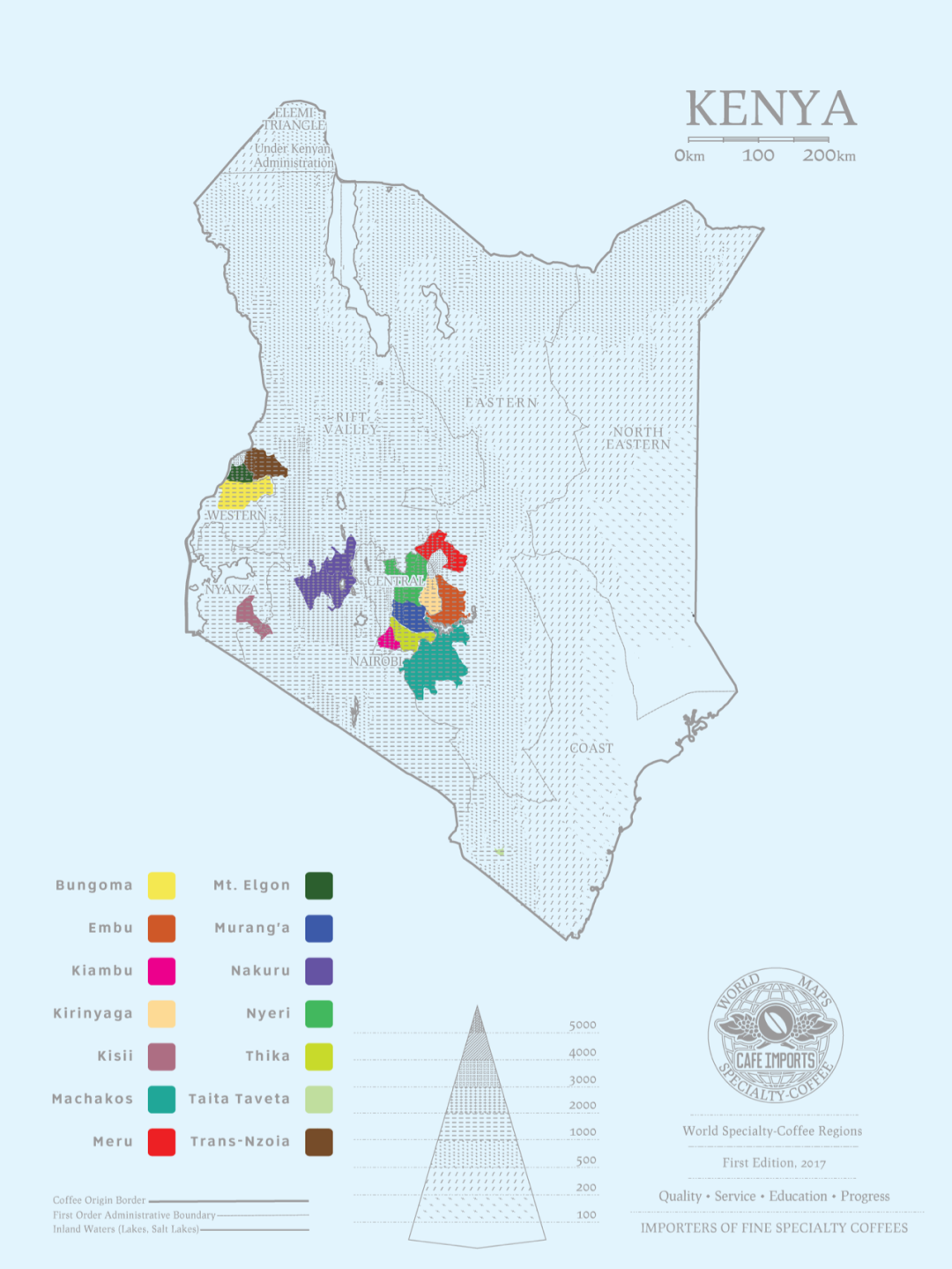
Kenyan specialty coffee is now world-renowned. FrontStreet Coffee summarizes the reasons as follows:
- Establishment of cultivation mechanisms. In 1883, the British brought coffee to Kenya from Réunion Island. In 1922, Kenya established the Scott Agricultural Laboratories (hence the names SL28 and SL34) to conduct coffee research. In the decade after its founding, the laboratory selected SL28 and SL34 from 42 varieties as best suited to the region, giving the industry an excellent start.
- Government attention. In 1931, the Kenya Growers Cooperative Union and the Kenya National Coffee Committee were established to guide the industry from both civil and national levels. In 1937, the Nairobi Coffee Exchange opened, launching Kenya's auction system, where good coffee commands good prices — setting the tone for coffee pricing. This year, Kenya's Ministry of Agriculture also launched a 1.5 billion shilling coffee revitalization plan.

- Determination of the grading system. Kenya grades coffee by bean size and cupping results. By size, shape, and hardness, grades from highest to lowest are AA or AA+, AB, PB, C, E, TT, T. For AA and AB green beans, an additional cupping-based grading (not official, established by exporters) applies, from highest to lowest: TOP, PLUS (+), FAQ.
- K72 processing. The characteristic acidity of Kenyan specialty coffee is closely tied to its excellent processing. In ordinary washed processing, ripe cherries are selected, pulped, and soaked in fermentation tanks to remove mucilage — rarely exceeding 36 hours. Kenyan fermentation lasts up to 72 hours, after which the beans are dried to 12% moisture content.

9. FrontStreet Coffee Brazil Queen Estate
| Region: | Mogiana |
| Estate: | Queen Estate |
| Altitude: | 1400-1950m |
| Variety: | Yellow Bourbon |
| Processing: | Pulped Natural |
| Roast Level: | Medium Roast |
Flavor Description: Rich nutty and dark chocolate flavors, fermented fruit, with distinct sweetness and a subtle lemon aroma; the overall impression is rounded.

Brazil is the world's largest coffee producer and also the world's second-largest coffee consumer (the first is the United States). Although Brazil faces more natural disasters than other regions, its plantable area more than compensates.
Compared with other Latin American countries, Brazil has significantly lower altitude, lacks microclimates, and traditionally grows coffee without shade trees. As a result, Brazilian beans can taste somewhat plain without striking characteristics — there is even a saying in the coffee world that "Brazil has no good beans" (also related to Brazil's industrial coffee era, when quality was not a priority).

Nevertheless, Brazil has worked diligently to improve quality, continuously cultivating and improving Arabica varieties and adapting processing methods to wet and dry climatic conditions to present the best regional flavors. Common methods include natural, pulped natural, and washed. Generally, high-humidity regions use washed processing, while low-humidity regions use natural or pulped natural.
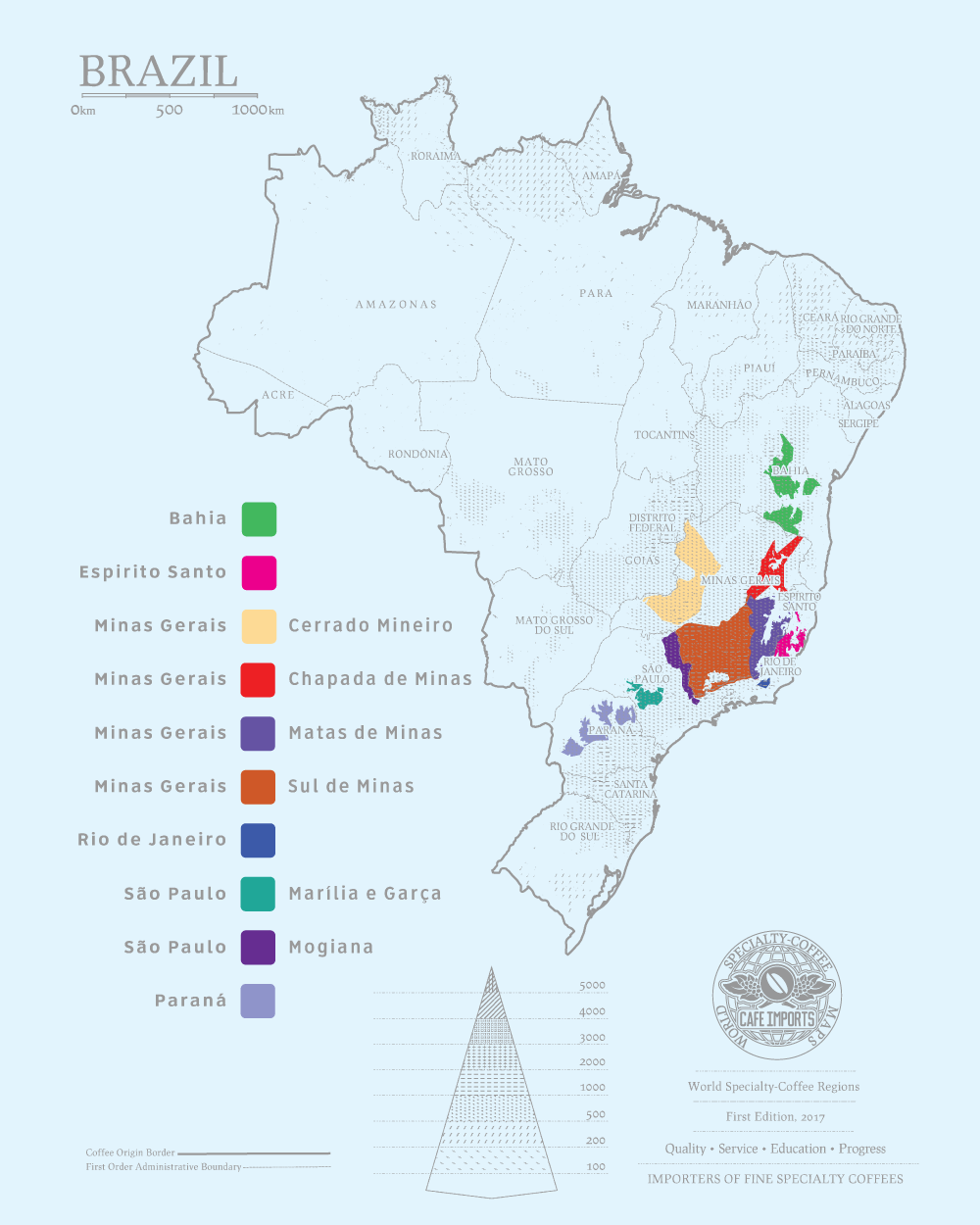
Brazil Coffee Regions
Brazil has 21 states, 17 of which grow coffee, but 7 states account for 98% of the national total: São Paulo, Paraná, Bahia, Espírito Santo, Minas Gerais, Rondônia, and Rio de Janeiro. The main producing regions are Minas Gerais, São Paulo, Bahia, and Espírito Santo, which together account for 90% of national exports.
10. FrontStreet Coffee Yunnan FrontStreet 2013
| Region: | Baoshan, China |
| Altitude: | 1200m |
| Variety: | Typica |
| Processing: | Washed |
| Roast Level: | Medium Roast |
Flavor Description: Plum and citrus acidity with nutty flavors, melon aroma and brown sugar sweetness, and an aftertaste with some black tea character.
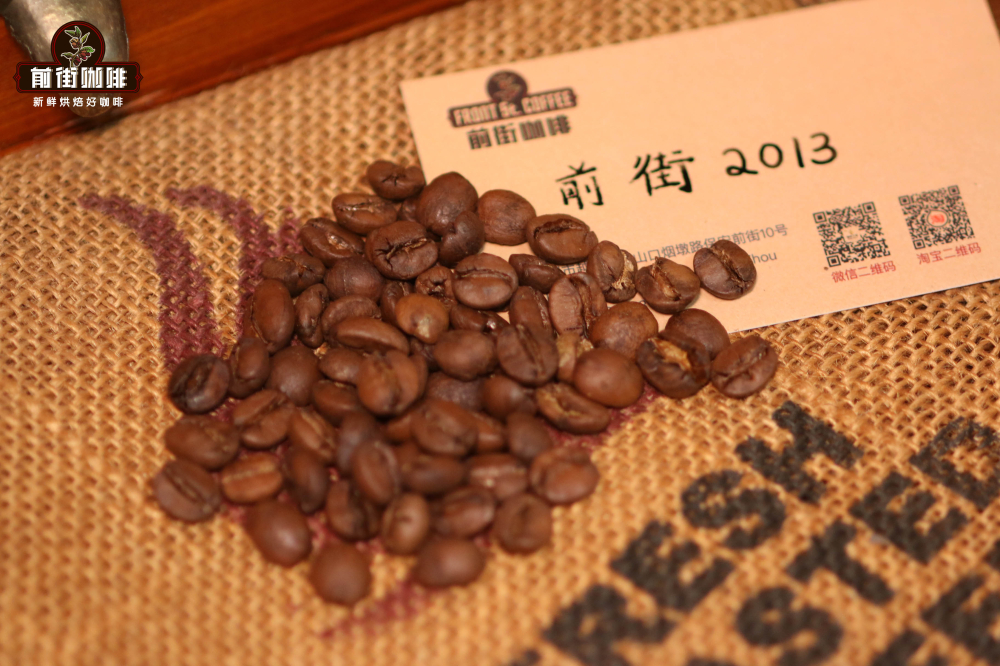
China's coffee cultivation is distributed mainly in Yunnan, Hainan, and Taiwan. Hainan grows mostly Robusta, while Yunnan and Taiwan primarily grow Arabica. Today, Yunnan is China's most noteworthy coffee region.
Yunnan lies south of the Tropic of Cancer in a subtropical mountainous climate zone. Its unique plateau red soil is fertile and loose, and the mild climate is particularly suitable for growing small-seed coffee — "small-seed coffee" being the local name for Arabica beans, chosen for easy promotion when coffee was first introduced to China. Yunnan's representative small-seed variety is Catimor.

"FrontStreet 2013" is a Typica coffee grown by FrontStreet Coffee in Lincang, Yunnan. From site selection and breeding to composting and management, FrontStreet Coffee handled everything personally. 2013 marks the year FrontStreet Coffee began planting; the first batch, about 200kg, was produced in 2020, hence the name "FrontStreet 2013."
The ranking above is in no particular order. If you prefer brighter, more acidic coffees, FrontStreet Coffee suggests Ethiopian, Kenyan, and Panamanian beans. If you prefer full-bodied coffees, go for Jamaican, Brazilian, Indonesian, or Yunnan beans. And if you chase special aromas, try FrontStreet Coffee's Colombia Rose Valley or the Costa Rica Mozart.
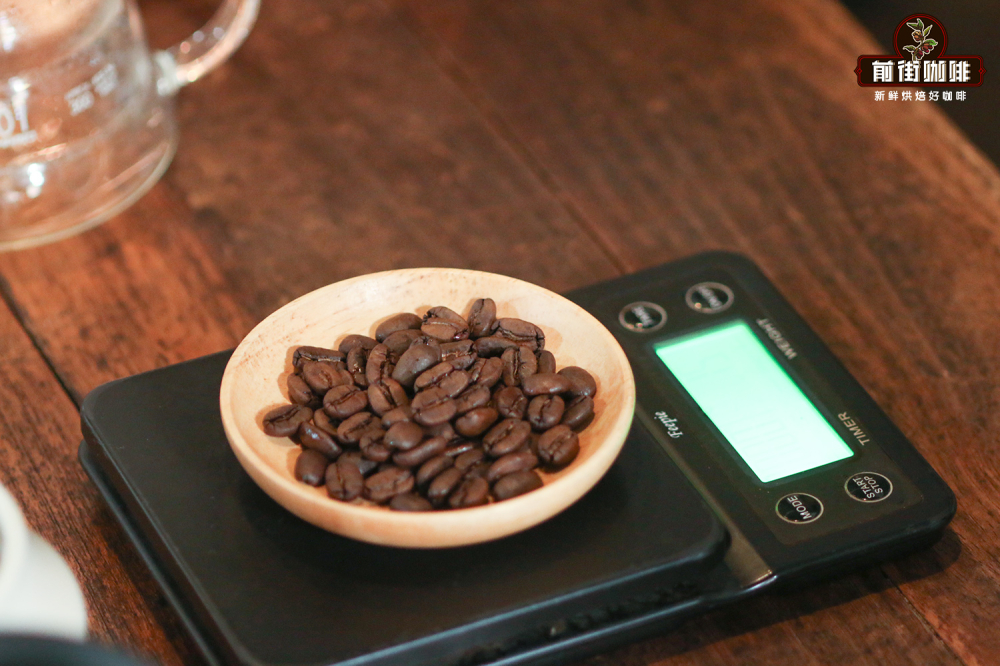
FrontStreet Coffee Recommendation
Among all the origins listed above, the Yunnan entry deserves a closer look — and FrontStreet Coffee offers two ways in. The FrontStreet Yunnan Small-Seed (Arabica) from Baoshan is washed and medium roasted, showing soft nut and chocolate sweetness with a gentle plum acidity at a very approachable price, making it the perfect first taste of Chinese coffee. If you want clearer, more defined Yunnan flavors, step up to the FrontStreet 2013 Natural Typica from FrontStreet's own farm in Lincang: only fully ripe red cherries are used, and after natural processing the cup is fuller, with dark berry tones, citrus and berry acidity, a touch of fermented winey aroma, caramel sweetness, and a black tea finish. And if you would rather drink Yunnan as espresso, the FrontStreet Black Cocoa Blend combines Yunnan small-seed beans with Brazil Cerrado — the Brazil contributing mixed nut aromas and balance, the Yunnan adding chocolate and citrus — producing a well-rounded Americano with nut and brown sugar notes and a silky almond-cream latte.
Important Notice :
FrontStreet Coffee is a long-established specialty coffee roaster in Guangzhou China, selling freshly roasted beans from its own farm in Yunnan as well as dozens of carefully selected single-origin beans from around the world for both pour-over and espresso. The products deliver consistently excellent quality and great value, with shipping within 24 hours. Guangzhou's FrontStreet Coffee shop is recommended by many coffee lovers, and the beans are now available online at the Tmall 。
FrontStreet Coffee has moved to a new address:
FrontStreet Coffee Address: 315,Donghua East Road,GuangZhou
Tel:020 38364473
 Scan and follow the En Gafei WeChat official account. Please indicate that the reprint comes from "En Gafei".