Latte Art Tutorial: What's the Best Milk Recommendation for Making Beautiful Coffee Latte Art?
Choosing Milk for Latte Art
Beautiful latte art starts with choosing the right milk. FrontStreet Coffee uses whole fresh milk for all of our daily milk-based drinks in the store, because it is rich in protein, lactose, and milk fat — the three things good microfoam depends on.
The Science Behind Milk Foam
Milk proteins are what make foam stable. When you heat milk, the casein micelles and whey proteins create surface tension at the liquid's surface, forming a thin film. When steam strikes that surface, the film traps air, creating the floating substance we call milk foam.
Ordinarily, whey protein presents hydrophilic surfaces. Through stirring and heating, the proteins gradually "unfold," exposing hydrophobic sections that attach themselves to the bubbles, lowering surface tension and slowing the rate at which bubbles burst — which is what makes the foam last.
Fat content, protein, and temperature all shape how foam forms. Only fresh milk produces fine, smooth, dense microfoam — and that determines the quality of a latte's pattern, texture, and mouthfeel.

Key Points for Frothing Milk for Latte Art
1. Hold the pitcher with both hands while steaming
We've noticed that many beginners struggle to keep the steam wand angle and tip depth steady. A wobbly hand when starting the steam — or mid-heat — lets the steam's force splash milk everywhere.
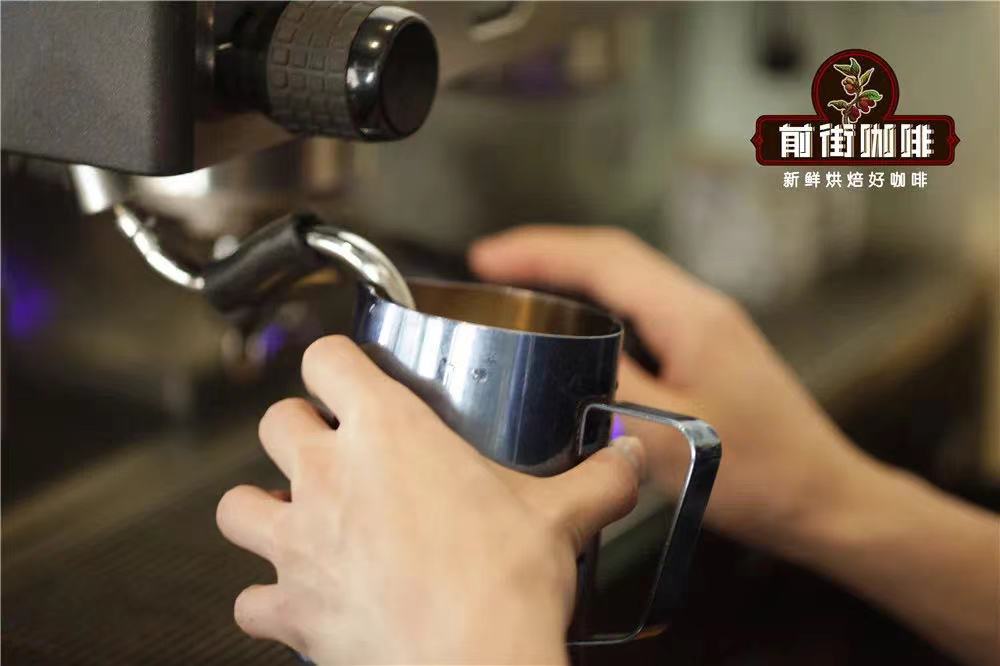
That's genuinely dangerous. During heating and frothing, hold the pitcher with both hands for stability; it dramatically reduces the chance of splashing and burns.
2. Purge the steam wand first
When steam in a semi-automatic machine's pipe cools, it condenses into water that lingers in the line. Before every frothing session, purge some steam until no water sprays out. Steam carrying water will inject big, ugly bubbles into the milk.
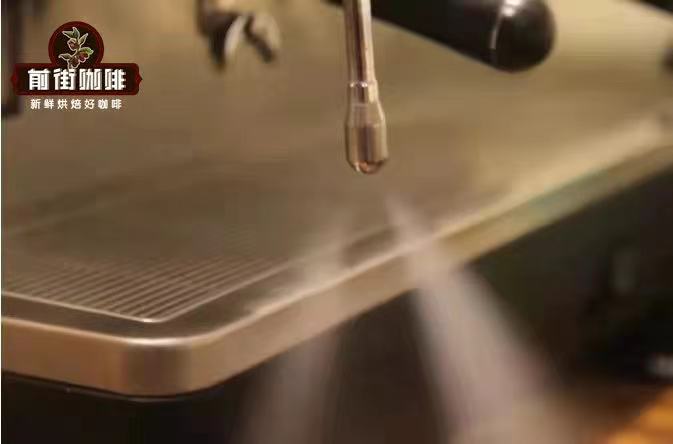
For beginners, once those large bubbles form and you haven't yet learned how to knock them out, the foam only gets coarser. Keep the milk surface fine from the very start.
3. Position the pitcher at 45 degrees to the steam wand
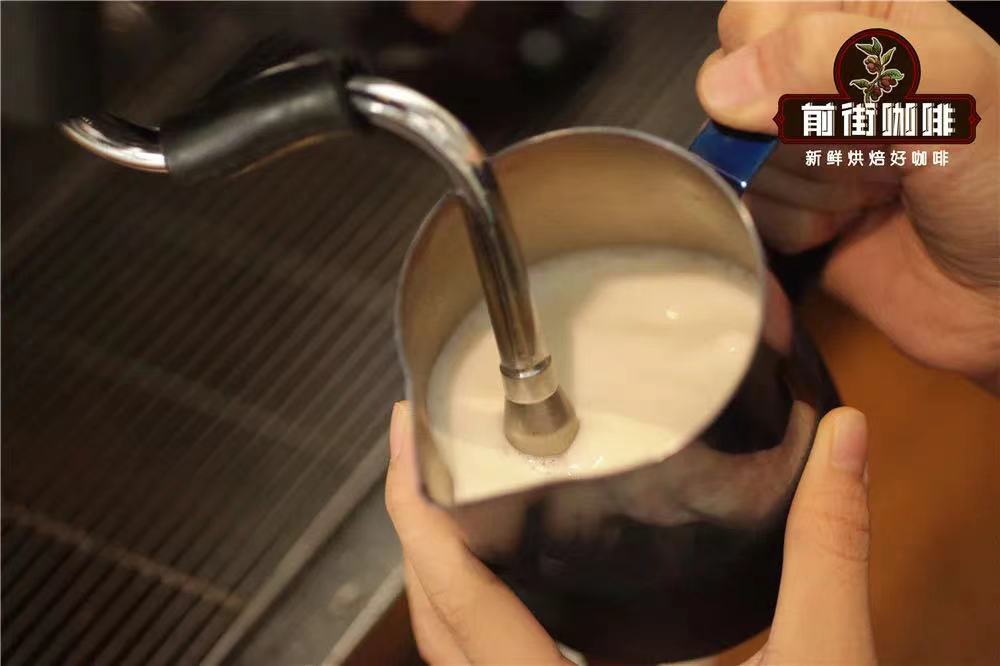
"45 degrees" means the 2-3 o'clock or 9-10 o'clock position of the pitcher relative to the wand. At this angle the milk quickly forms a small vortex — and that vortex is what rolls coarser bubbles back under the surface.
4. Keep the steam tip 0.8cm-1cm below the milk surface
Don't bury the tip too deep: frothing is fundamentally about incorporating air, and a deeply submerged tip can't reach air to build a vortex. Too shallow, and the steam just batters the surface, making rough bubbles and splattering milk.
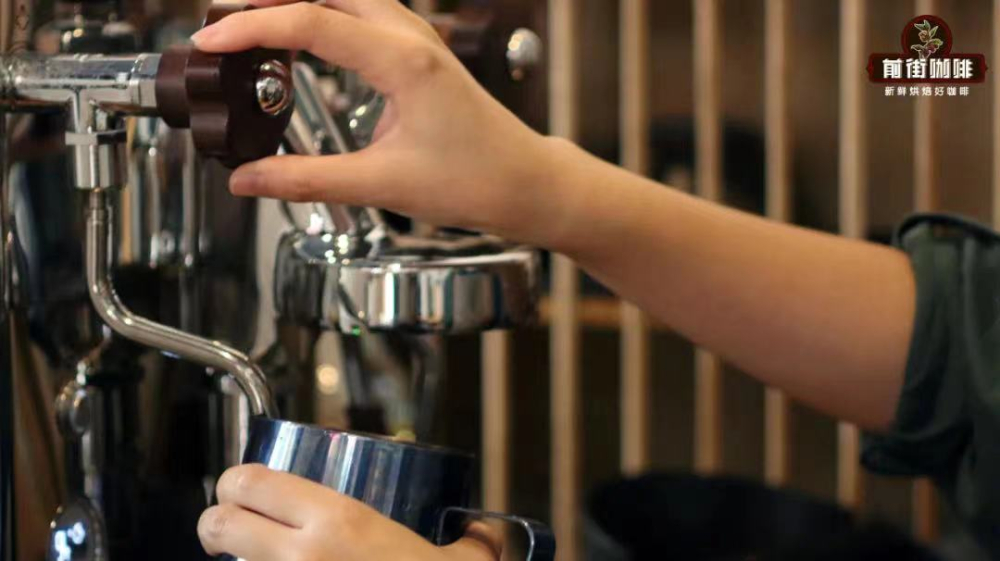
After many experiments with different tip depths, we found that with the tip 0.8cm-1cm under the surface and the pitcher tilted 45 degrees, a vortex forms readily and sweeps away the coarser bubbles.
5. Aerate with just 4-5 "hisses"
Lower the tip to 0.3cm and open the steam valve. You'll hear a "hiss — hiss" — that's the aeration phase. For latte art you only need about 1cm of foam thickness, so don't over-aerate: 4-5 hisses is plenty. Then drop the tip back to 0.8-1cm, hold the 45-degree angle, and let the vortex clean up the coarse bubbles while the milk heats to temperature.

6. Heat milk to 55-65°C
In this range, lactose and other sugars are at their most "active." Froth to this window and combine with espresso, and you'll find the latte tastes sweet even with no sugar added.
Combined with coffee, milk's natural sweetness also rounds out coffee's bitterness. And certain espresso beans with fruity acidity and sweetness can make a latte taste almost like a fruit milkshake.
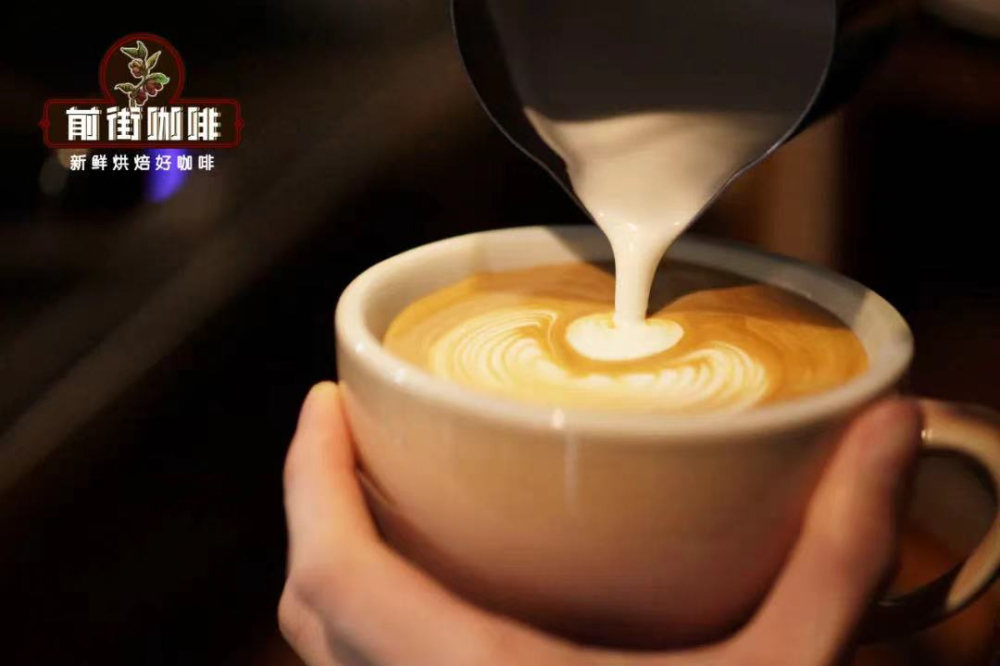
For example, our daily house blend is the "Sunflower Warm Sunshine Espresso Blend": 30% naturally processed Yirgacheffe Red Cherry beans plus 70% whiskey barrel-fermented Sherry beans. The espresso shows soft berry acidity with whiskey, vanilla cream, and nut-caramel flavors.

Fully merged with well-frothed hot milk, the latte opens with strawberry-milkshake flavors and silkiness, moves through whiskey-vanilla-cream richness, and finishes with hazelnut and caramel.
FrontStreet Coffee Recommendation
Great milk foam deserves a great espresso underneath it. If you're learning latte art at home, start with FrontStreet Coffee's Classic Blend — a medium-dark, three-origin espresso recipe inspired by the old-school "Mamba" formula (Mandheling plus Brazil), with a touch of Robusta added for aroma and crema. It extracts with pronounced butter, toasted bread, and caramel biscuit notes — strong, substantial, with fine crema and very stable extraction. It's the essential first home bean for practice.
If you prefer a nutty, aromatic profile, FrontStreet Coffee's Premium Blend is the pick: a classic pairing of washed Colombian and pulped natural Brazilian beans, medium-dark roasted, showing nuts, dark chocolate, and caramel as espresso, and pulling out creamy, almond, and cocoa notes in milk drinks. Its crema rivals café output and is more than enough for practicing art. For those planning to open a shop, FrontStreet Coffee's Commercial Blend was built for you — the Premium recipe with a small addition of Robusta for extra deep-brown crema and a heavier body, so Americanos, lattes, and mochas all carry nuts, cocoa, and caramel while making latte art almost effortless.
Important Notice :
FrontStreet Coffee is a long-established specialty coffee roaster in Guangzhou China, selling freshly roasted beans from its own farm in Yunnan as well as dozens of carefully selected single-origin beans from around the world for both pour-over and espresso. The products deliver consistently excellent quality and great value, with shipping within 24 hours. Guangzhou's FrontStreet Coffee shop is recommended by many coffee lovers, and the beans are now available online at the Tmall 。
FrontStreet Coffee has moved to a new address:
FrontStreet Coffee Address: 315,Donghua East Road,GuangZhou
Tel:020 38364473
 Scan and follow the En Gafei WeChat official account. Please indicate that the reprint comes from "En Gafei".