Nicaragua Maragogype Coffee Beans Flavor Profile Introduction | Central American Premium Coffee Beans Characteristics Recommendation
Coffee enthusiasts all know that the world currently has three major coffee varieties: Arabica, Robusta, and Liberica. Arabica beans are the smallest of the three - hence the nickname small-grain coffee - Robusta is medium-grain, and Liberica is large-grain. Yet among the varieties derived from Arabica, beans up to three times larger than ordinary Arabica have been discovered and dubbed "Elephant Beans." What makes them special in flavor? FrontStreet Coffee is here to enlighten all coffee enthusiasts.
What Are Elephant Beans?
Elephant beans are scientifically known as Maragogype. According to FrontStreet Coffee's research, they were first discovered in 1870 in the Maragogype production region of Bahia state, Brazil - which is why coffee agronomists took Maragogype as the name for this unusually large-beaned variety. Morphological comparison and genetic testing have confirmed that elephant beans are a natural mutation of Typica coffee trees within the Arabica family, with beans three times the size of ordinary Arabica beans.
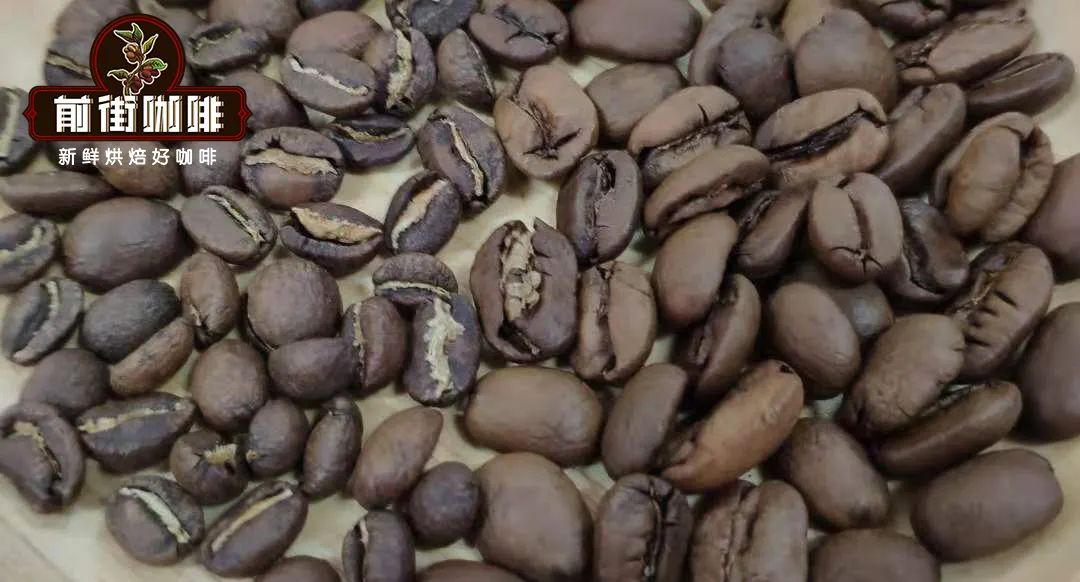
Left: Typica, Right: Elephant Bean
Currently, in the green bean grading systems of many coffee-producing countries based on bean size, 17-18 screen beans are typically defined as the highest grade, with very few reaching 19 screen or above. For example, FrontStreet Coffee's Indonesian Mandheling beans are already quite large, with FrontStreet Coffee's Indonesian Golden Mandheling reaching 18 screen and above - while elephant beans mostly hit 20 screen and beyond.
According to FrontStreet Coffee's research, elephant bean trees also have larger trunks, branches, and leaves than ordinary varieties, so they demand more space, nutrients, and resources to cultivate. Their care and harvesting are more difficult and time-consuming, which is why very few farmers grow them. Today they are sparsely distributed across Latin American countries such as Brazil, Nicaragua, Mexico, and Guatemala.
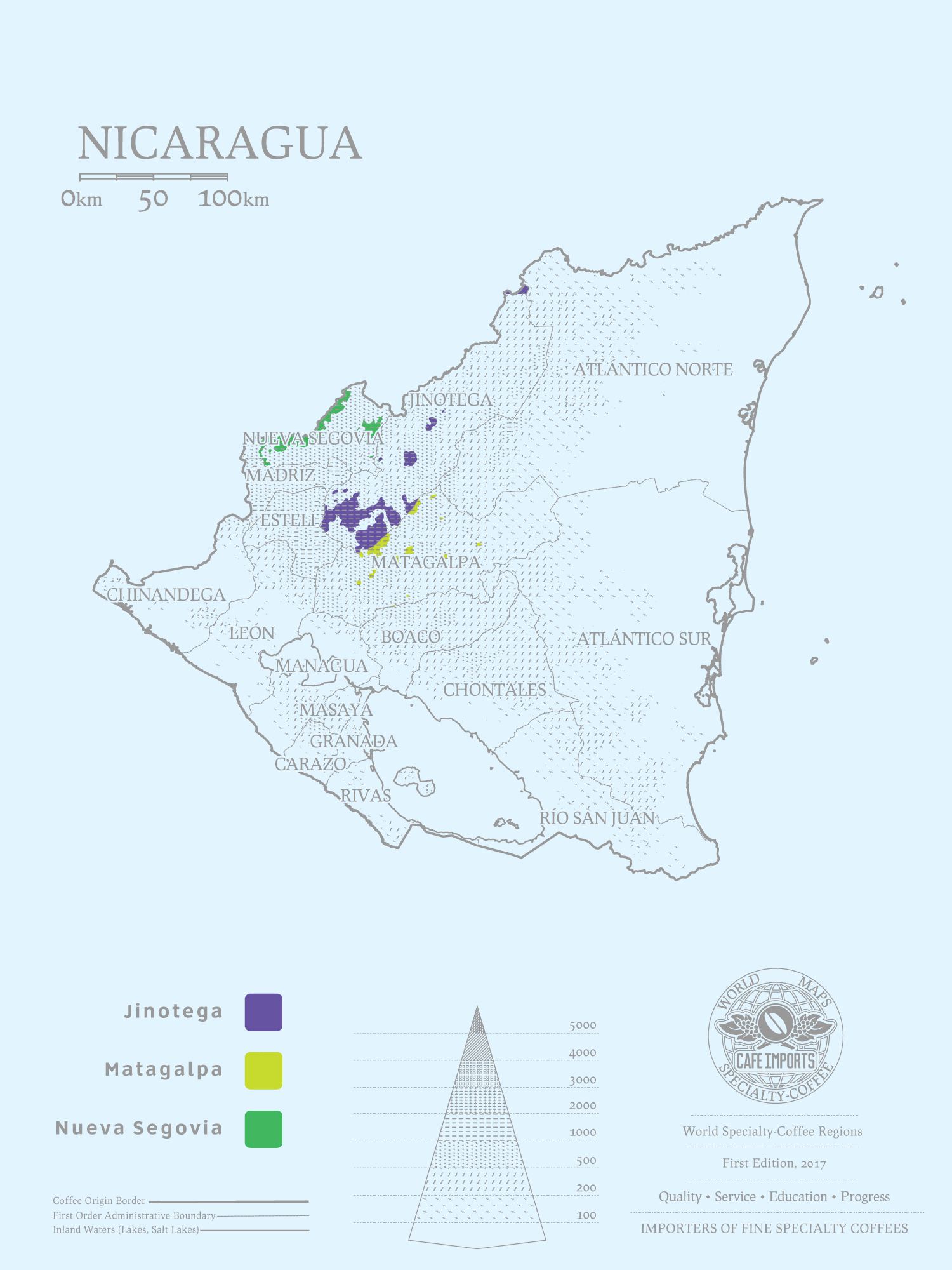
Elephant beans from the Nicaragua coffee region
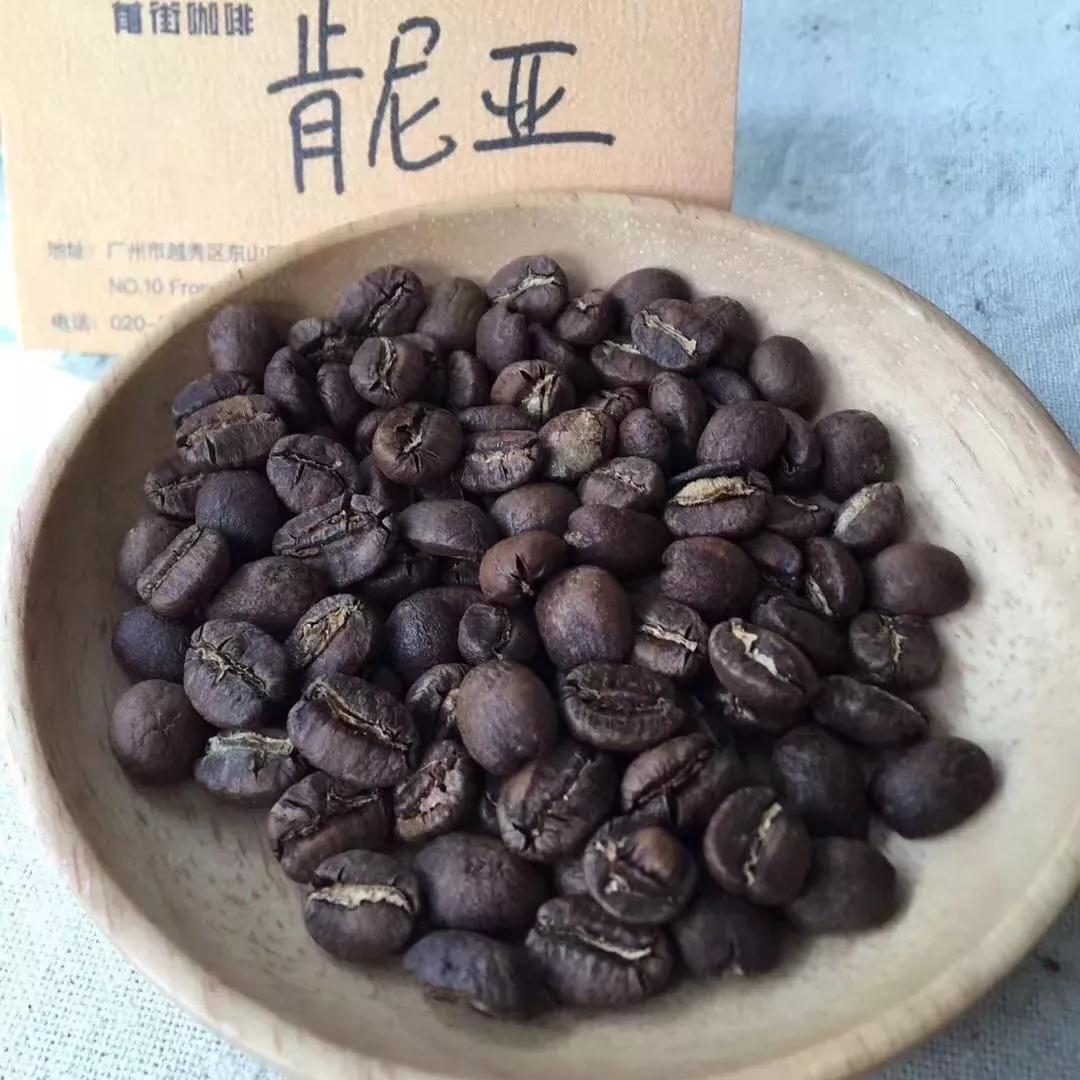
Because FrontStreet Coffee wanted to understand elephant bean flavor more deeply, we procured and tasted several lots. Among them, FrontStreet Coffee believes the elephant beans from Nicaragua's coffee region taste the best. That said, Nicaragua's soil conditions mean flavor varies lot to lot - poor soil weakens the coffee's taste, which is why these beans are often dismissed as "not very flavorful." In the coffee world, Nicaraguan elephant beans are uncommon due to low production, and accordingly priced relatively high.

After tasting so many Nicaraguan elephant beans, FrontStreet Coffee believes the beans grown at Finca Mamamina of the Mierisch family are the best of all. Next, FrontStreet Coffee will introduce this particular bean.
FrontStreet Coffee Nicaragua Finca Mamamina Coffee Beans
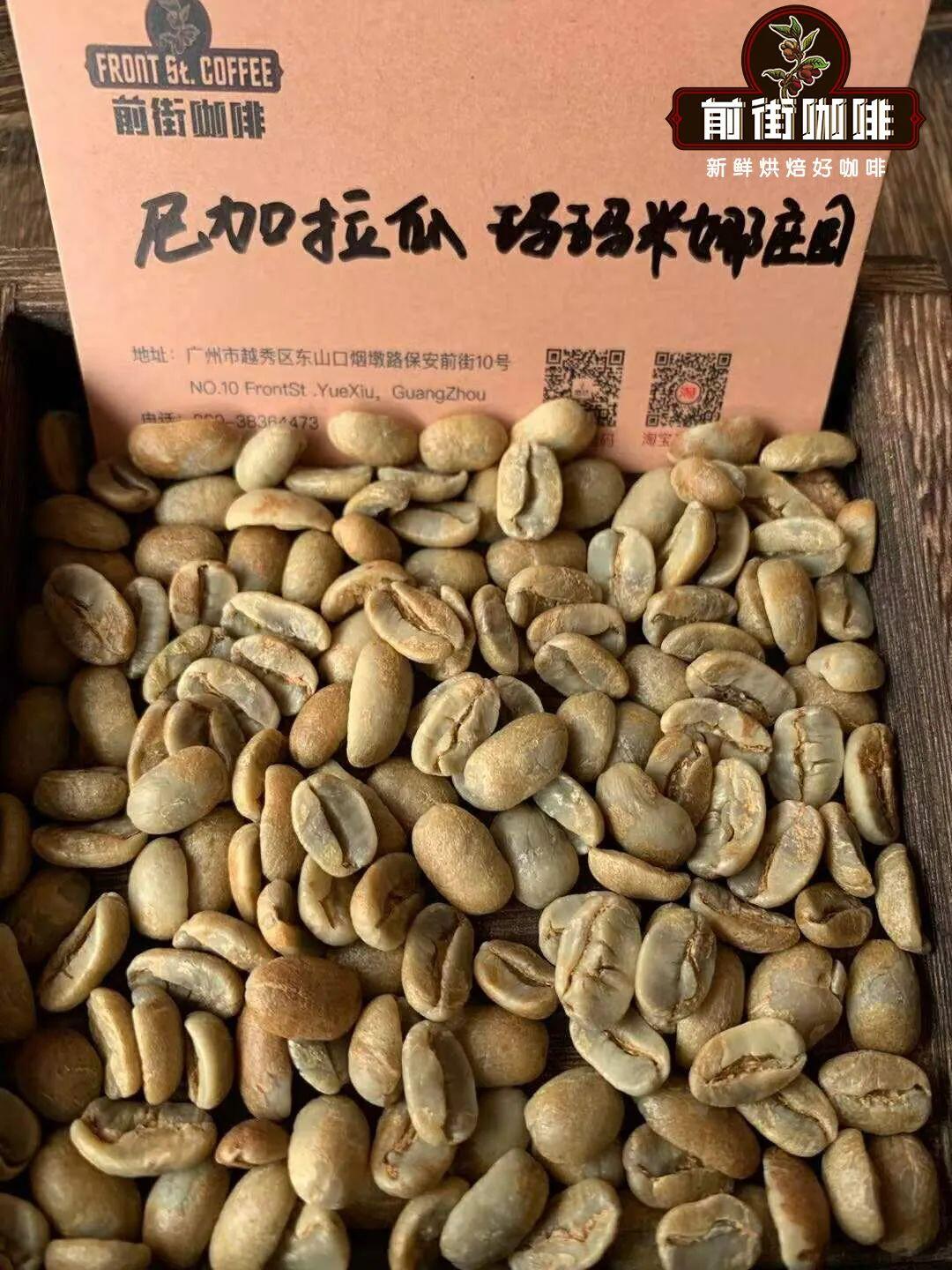
Region: Nicaragua
Grade: SHB
Altitude: 1450-1600 meters
Processing Method: Natural
Variety: Elephant bean, 18 screen
Mierisch Family - Finca Mamamina
According to FrontStreet Coffee's understanding, the Mierisch family owns nine estates in total. They began growing coffee in 1908 and now hold over 100 years of cultivation history. Finca Mamamina produces high-quality Nicaraguan coffee and has been recognized by the OCIA (Organic Crop Improvement Association) as high-altitude excellent organic coffee. After roasting and brewing, FrontStreet Coffee finds its flavor rich and layered: black berry aroma on entry, blackberry and dark plum with citrus peel notes, an overall robust flavor, and a silky, sweet mouthfeel.
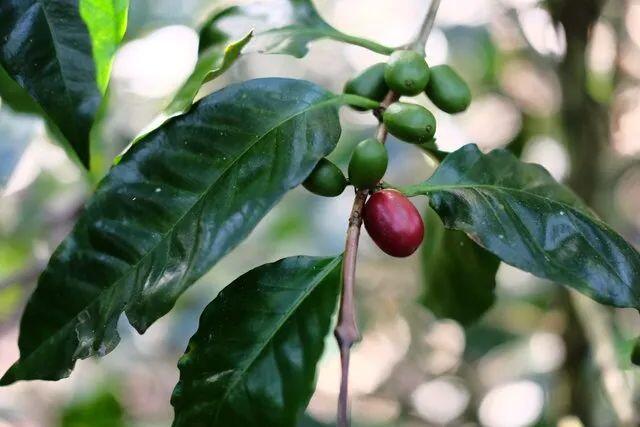
Elephant Bean and Pacamara
Although elephant beans carry high cultivation costs and few farmers grow them, their hybrid descendant Pacamara inherits their excellent genes and continues to flourish. Pacamara is an artificial cross of Pacas and elephant beans, inheriting Pacas' high yield and adaptability along with the elephant bean's size and superb acidity. Its beans reach 70-80% the size of elephant beans and frequently win championships at El Salvador's Cup of Excellence. FrontStreet Coffee therefore also procured Pacamara to taste. Next, FrontStreet will share some brief information about FrontStreet Coffee's Guatemala Finca Bolsa beans.
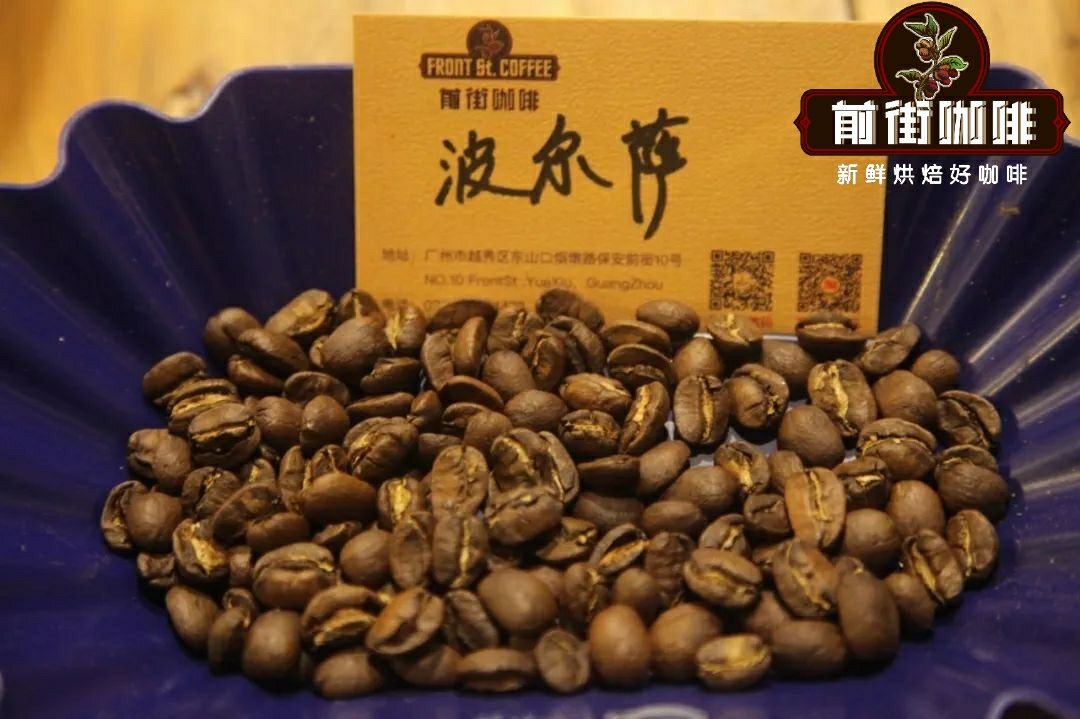
FrontStreet Coffee: Guatemala Finca Bolsa Coffee Beans
Region: Vivette Norteño, Finca Bolsa
Altitude: 1500 meters
Variety: Pacamara
Processing Method: Washed
That is FrontStreet Coffee's compilation of elephant bean and elephant bean coffee information. We hope it helps enthusiasts who want to understand the subject. Next, FrontStreet will share the brewing parameters for these two beans.
Brewing Parameters:
Dripper: V60
Water Temperature: 90-92℃
Dose: 15 grams
Ratio: 1:15
Grind Size: Medium grind

Brewing Method: Segmented extraction. Use 30g of water to bloom for about 30 seconds, then pour in small-flow center circles to 95g of water; segment when reaching 125g, then continue pouring to 225g once the water level drops and is about to expose the coffee bed. Remove the dripper when the level again nears the bed (timing starts from the bloom). Extraction time: 2'00".

FrontStreet Coffee Guatemala Finca Bolsa Brewing Flavor: Obvious, soft sweet-tartness with lemon, passion fruit, plum, and prune acidity, finished with a brown sugar aftertaste.
FrontStreet Coffee Nicaragua Finca Mamamina Brewing Flavor: Berries, citrus, caramel, nuts, spices
For more specialty coffee beans, please add FrontStreet Coffee on private WeChat, WeChat ID: kaixinguoguo0925
FrontStreet Coffee Recommendation
If oversized, distinctive beans fascinate you, Indonesia offers its own famous take on bold coffee character. Sumatra is now the largest source of both Arabica and Robusta in Indonesia, accounting for over 60% of output, and the Arabica it grows is known as Mandheling - chiefly from the Aceh specialty region around Lake Tawar and the Lintong area around Lake Toba in North Sumatra. Indonesia's rainy season overlaps with cherry harvest, making long sun-drying impossible, so farmers developed the region's signature wet-hulled (giling basah) method: the skin and pulp are stripped and the beans briefly washed, then - while still half-dry - the parchment is machine-hulled, exposing the green beans directly to the air to speed drying. The result is Mandheling's unmistakable wild, earthy, herbal profile with rich aroma and a thick, intense body.
The finest expression of that style is FrontStreet Coffee PWN Golden Mandheling. Produced by Indonesia's PWN company under exacting standards - beans of 18 screen and above, fewer than 3 defect beans per 300g green sample to meet top-grade G1, followed by three rounds of hand sorting - it is remarkably clean and sweet for a Mandheling. Roasted medium-dark, it shows rich roast aromas with a clean cup and full, mellow body - perfect for anyone who dislikes sour coffee. Brew it as pour-over at 87-88°C, 15g of coffee at a 1:15 ratio, coarse-sugar grind, in three pours: the first bloom fully saturates the grounds for degassing, the second lifts the bed and brings up the golden foam, and the final gentle center pour boosts sweetness, yielding a thick, syrupy body with caramel sweetness and chocolate-nut flavors.
And if you'd rather pull espresso, FrontStreet Coffee's Classic Espresso Blend - the shop's most re-ordered bean - adds medium-dark Mandheling to Brazil's creamy nuttiness, amplifying butter, roasted chestnut, and caramel notes while lending sandalwood, herbal, and spice accents, plus a touch of Robusta for richer crema. Whether you're pouring latte art or layering a Dirty, it handles both with ease.
Important Notice :
FrontStreet Coffee is a long-established specialty coffee roaster in Guangzhou China, selling freshly roasted beans from its own farm in Yunnan as well as dozens of carefully selected single-origin beans from around the world for both pour-over and espresso. The products deliver consistently excellent quality and great value, with shipping within 24 hours. Guangzhou's FrontStreet Coffee shop is recommended by many coffee lovers, and the beans are now available online at the Tmall 。
FrontStreet Coffee has moved to a new address:
FrontStreet Coffee Address: 315,Donghua East Road,GuangZhou
Tel:020 38364473
 Scan and follow the En Gafei WeChat official account. Please indicate that the reprint comes from "En Gafei".