Kenya AA Coffee Unique Flavor - Kenya Origin Introduction Planting History Altitude
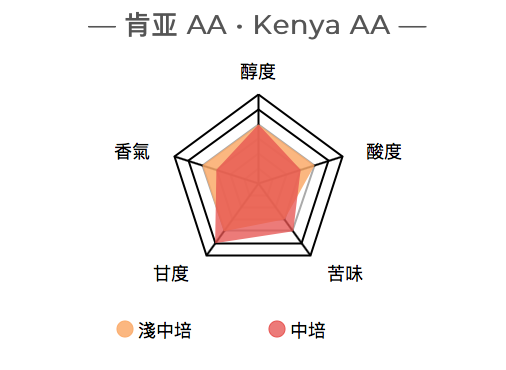
- Kenya AA -
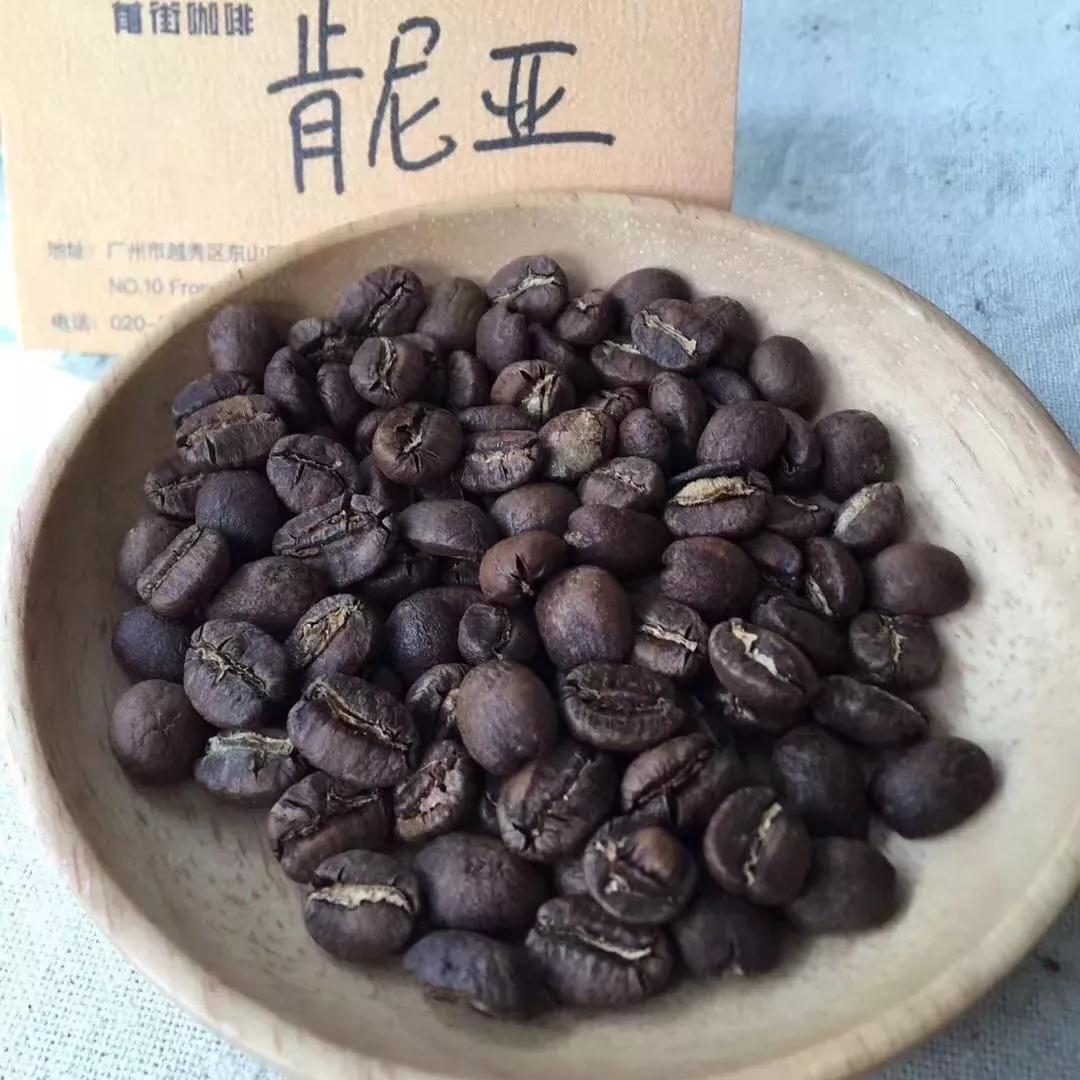
Distinctive Flavor
Kenya grows some of the most aromatic and vividly acidic coffees on earth. The country's red soil, rich in aluminum and iron, shapes that unmistakable Kenyan profile: exotic fruit and spice notes, a winey aroma, distinctive black-cherry-like fruit, blackberry, grapefruit, plus biscuity baking tones, all without tipping into harsh acidity or astringency. The body is full, and the aroma carries a hint of Yirgacheffe's florals and citrus. That first bright hit of acidity turns quickly to sweetness as the coffee slides down the throat, unfolding in distinct, highly layered stages.
Origin Introduction
Africa has always been home to some of the world's finest coffee, and Kenya, right next door to Ethiopia, the birthplace of arabica, takes cultivation and quality control more seriously than most. Whether the beans come from large estates or smallholders, they are meticulously processed, and the overwhelming majority go to the government-run Coffee Board of Kenya (CBK) for unified cupping and grading. Beans are sorted into seven grades by size, shape, and weight, PB, AA, AB, C, TT, T, and Buni. The Kenya AA grade we source consists of beans at screen size 7.2, premium lots that have passed the most rigorous grading assessment.
Cultivation History
Although Kenya lies just south of Ethiopia, the cradle of arabica coffee, large-scale cultivation did not begin there until the 19th century. Only in 1893 were Bourbon varieties from Brazil brought back to Kenya for serious planting. Because Kenya's climate, soils, and processing differ from Brazil's, the varieties developed entirely new flavor profiles. Kenya then progressively professionalized its coffee sector, establishing the Kenya Coffee Board and its grading system in 1993.
Altitude, Latitude, and Geology
The equator runs straight through Kenya, keeping the entire country within ten degrees of latitude on either side. As a tropical origin it enjoys two rainy seasons, and therefore two harvests: about 60% of the crop from October to December, the remaining 40% from June to August. Coffee grows mainly in volcanic soil at 1600–2100 meters, from the area around the capital Nairobi into the Kenyan highlands. That altitude is ideal for flavor development: cooler mountain temperatures slow the trees' growth, letting aromatic compounds build fully and producing more pronounced fruit acidity and a harder, denser bean. This fertile, crescent-shaped coffee belt is the heartland of Kenya's premium beans.
Kenya AA TOP • Kenya AA Asali
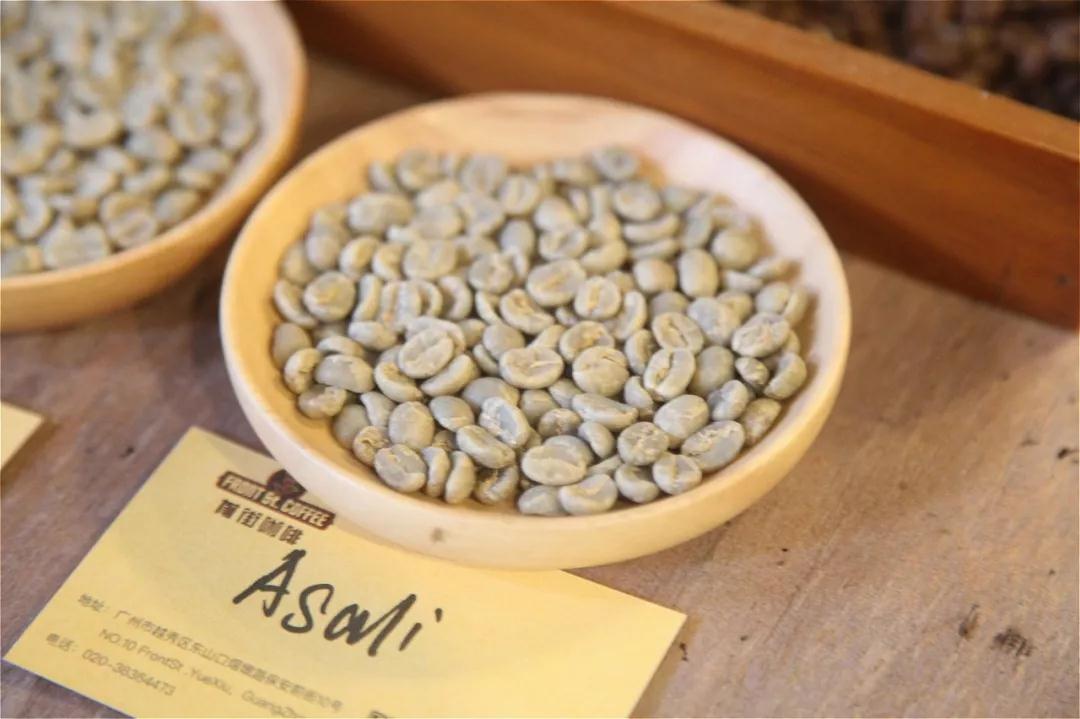
Country: Kenya
Region: Thika
Processing Station: Asali Honey Processing Station
Altitude: 1550–1750 meters
Soil: Volcanic soil
Grade: AA TOP
Varieties: SL-28, SL-34
Processing Method: 72-hour washed
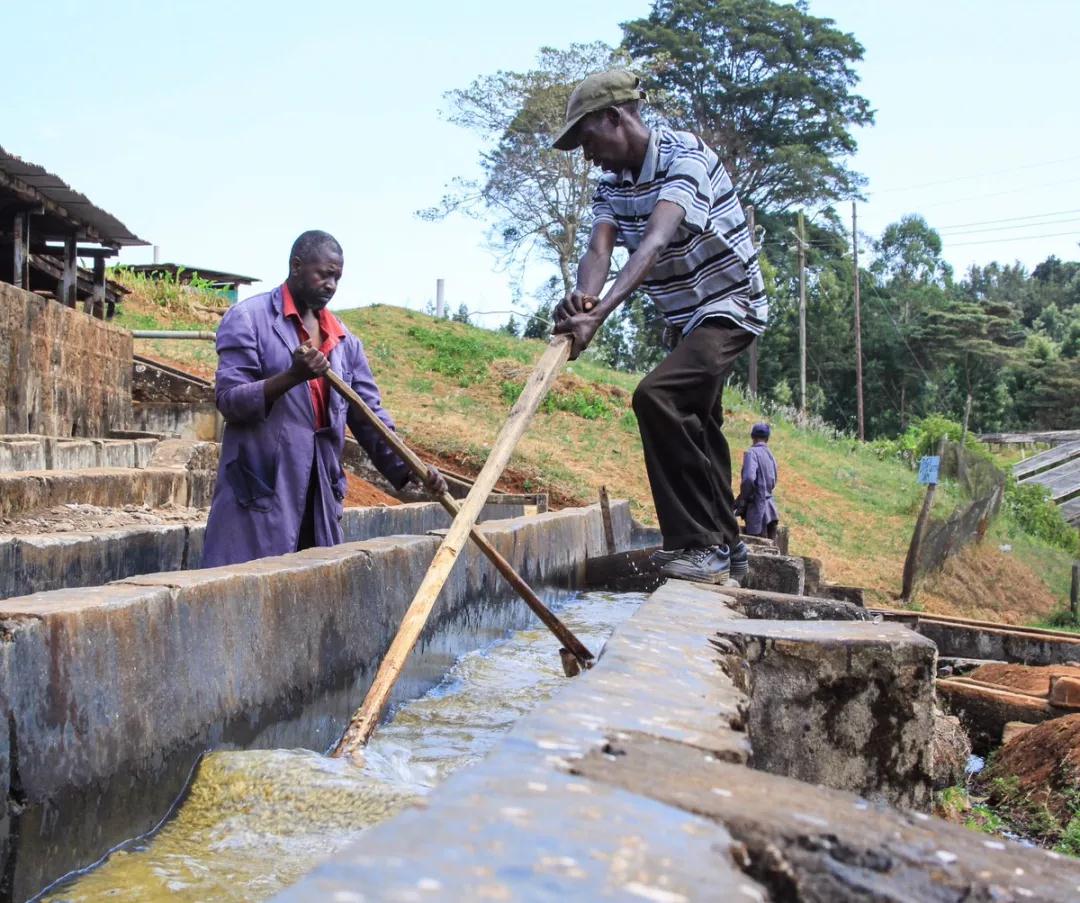
The processing station was founded in 1975 and counts more than 1,600 member farmers, each owning an average of about 180 coffee trees. The main local varieties are SL28, SL34, and Ruiru 11. The wet aroma shows ripe tomato and floral notes; on sipping there is cherry tomato and black plum, with bright acidity, a clean mouthfeel, and medium body. Mid-palate sweetness is prominent and juicy, and the finish brings berry aromatics, brown sugar sweetness, and a green-tea-like fragrance.
FrontStreet Coffee suggests the following brewing parameters for Kenyan coffee:
Dripper: V60
Grind Size: BG 5R (58% passing rate through China standard #20 sieve)
Water Temperature: 90°C
Coffee-to-Water Ratio: 1:15
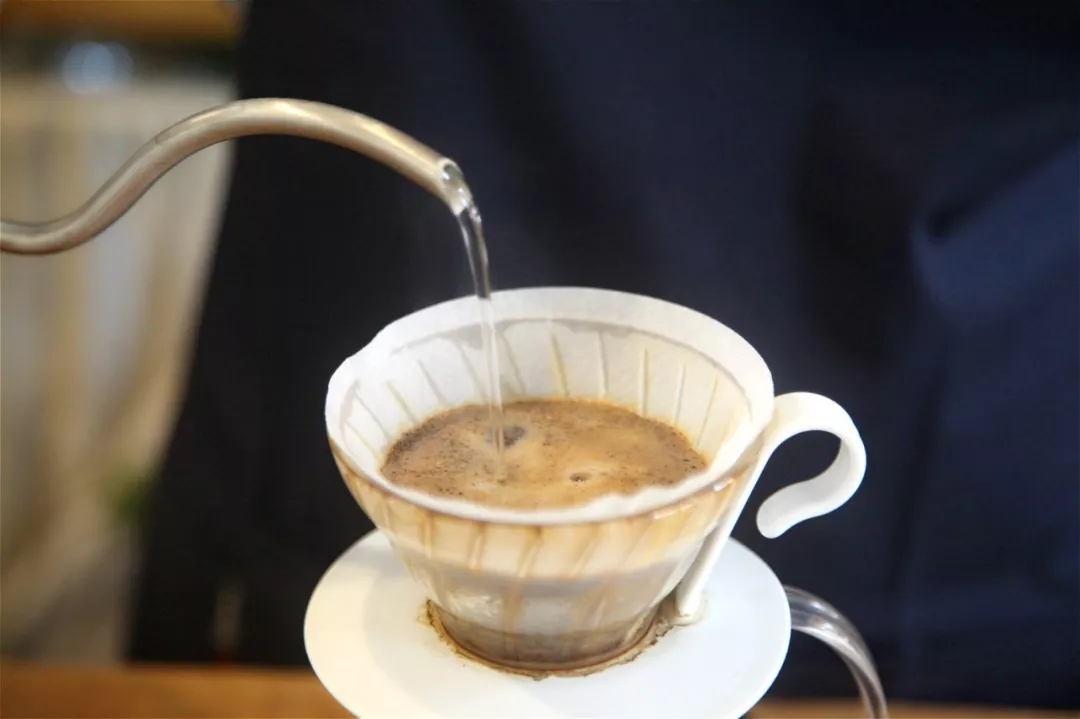
Technique: 30 g of water to bloom for 30 s. First stage: a small, slow spiral pour to 120 g. Second stage: a slightly larger flow to 225 ml. That's 30–120–75, with total extraction time around 2 minutes.
FrontStreet Coffee Recommendation
FrontStreet Washed Yirgacheffe (everyday brew): to get to know Ethiopia as an origin, start with the most classic washed Yirgacheffe. It is known for white jasmine, bright citrus and lemon acidity, and a tea-like finish, and its friendly price has made it many people's first specialty coffee bean.
Yirgacheffe is a small town in Ethiopia's southern Sidamo province, at roughly 1700–2100 meters, with coffee planted above 1800 meters, among the highest coffee elevations in the world. The area was historically wetland, and the very name Yirgacheffe has become shorthand for Ethiopia's signature white florals and lemon-citrus acidity. In 2010 the name grew so famous that the Ethiopian Commodity Exchange separated it from the wider Sidamo designation, creating the household-name Yirgacheffe appellation we know today.
FrontStreet Worka Cooperative coffee: fewer people realize that the Yirgacheffe appellation breaks down into many micro-regions and villages, several home to seasoned, technically mature cooperatives whose coffees rise another level. The most representative is the washed Worka (Guodingding) Cooperative, at the southeastern edge of the Yirgacheffe zone in the Worka district. Once part of the YCFCU union's Worka cooperative, it was picked out by coffee hunters worldwide as traceable single origins in their own right. Using traditional washed processing, its coffee has none of the conventional bitterness, just clean, bright citrus and lemon acidity with jasmine fragrance that wins people over at first sip.
FrontStreet Natural Red Cherry: from the same Yirgacheffe appellation, this lot is a whole-red-cherry natural, only fully ripe, defect-free cherries are picked, sorted once more at the station, then dried whole on raised beds, turned every 2–3 hours during the first days to prevent uneven heating and over-fermentation. After three to five weeks in the sun, the dried outer fruit is mechanically stripped and the coffee is warehoused. Because the beans dry inside the fruit, the cup keeps classic Yirgacheffe character while gaining tropical fruit: citrus acidity, a berry-like juiciness, honeyed sweetness, and a creamy smoothness.
Brewing suggestion for Yirgacheffe: V60 dripper, 15 g dose, 1:15 ratio, water at 90–91°C, grind at EK43s setting 10 / fine-granulated-sugar texture (80% passing a #20 sieve). FrontStreet's method: pour 30 g to bloom for 30 seconds, then pour 95 g more (scale reads about 125 g) over roughly one minute; once the water level drops to two-thirds of the bed, pour the final 100 g (scale reads about 225 g), finishing the pour around 1:35. Drawdown completes at 2:00–2:10, lift the dripper and the extraction is done.
Important Notice :
FrontStreet Coffee is a long-established specialty coffee roaster in Guangzhou China, selling freshly roasted beans from its own farm in Yunnan as well as dozens of carefully selected single-origin beans from around the world for both pour-over and espresso. The products deliver consistently excellent quality and great value, with shipping within 24 hours. Guangzhou's FrontStreet Coffee shop is recommended by many coffee lovers, and the beans are now available online at the Tmall 。
FrontStreet Coffee has moved to a new address:
FrontStreet Coffee Address: 315,Donghua East Road,GuangZhou
Tel:020 38364473
 Scan and follow the En Gafei WeChat official account. Please indicate that the reprint comes from "En Gafei".