Washed vs Natural Yirgacheffe Specialty Coffee Flavor Profiles - Differences Between Washed and Natural Processing Methods
For professional coffee knowledge and more coffee bean information, follow FrontStreet Coffee.
Processing is the step that turns coffee cherries into green beans, and there are many ways to do it — the classic methods being natural, washed, wet-hulled, and honey. This article compares the two oldest rivals: natural and washed. Using beans from the same Yirgacheffe region, what differences emerge? FrontStreet Coffee ran a set of experiments to find out.
Natural Processing
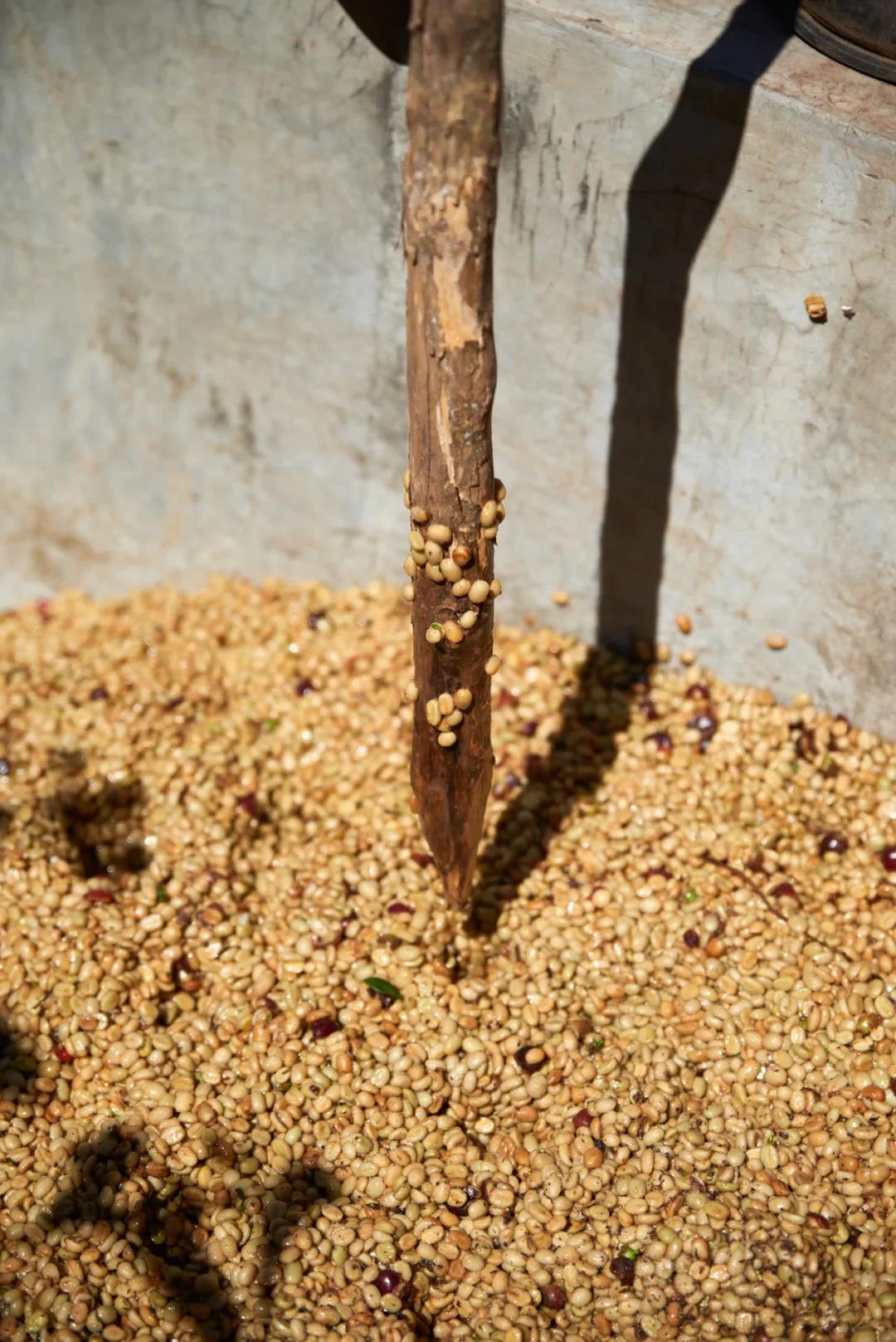
Natural processing is the oldest, most traditional method and continues to this day. Whole cherries are sun-dried until moisture falls to 11-13%, and only then are the skin, pulp, and mucilage removed.
In its most primitive form, cherries were simply laid out on patios or even roadsides for about a month. The rough conditions and crude handling made old-style natural coffee inconsistent, with high defect rates.
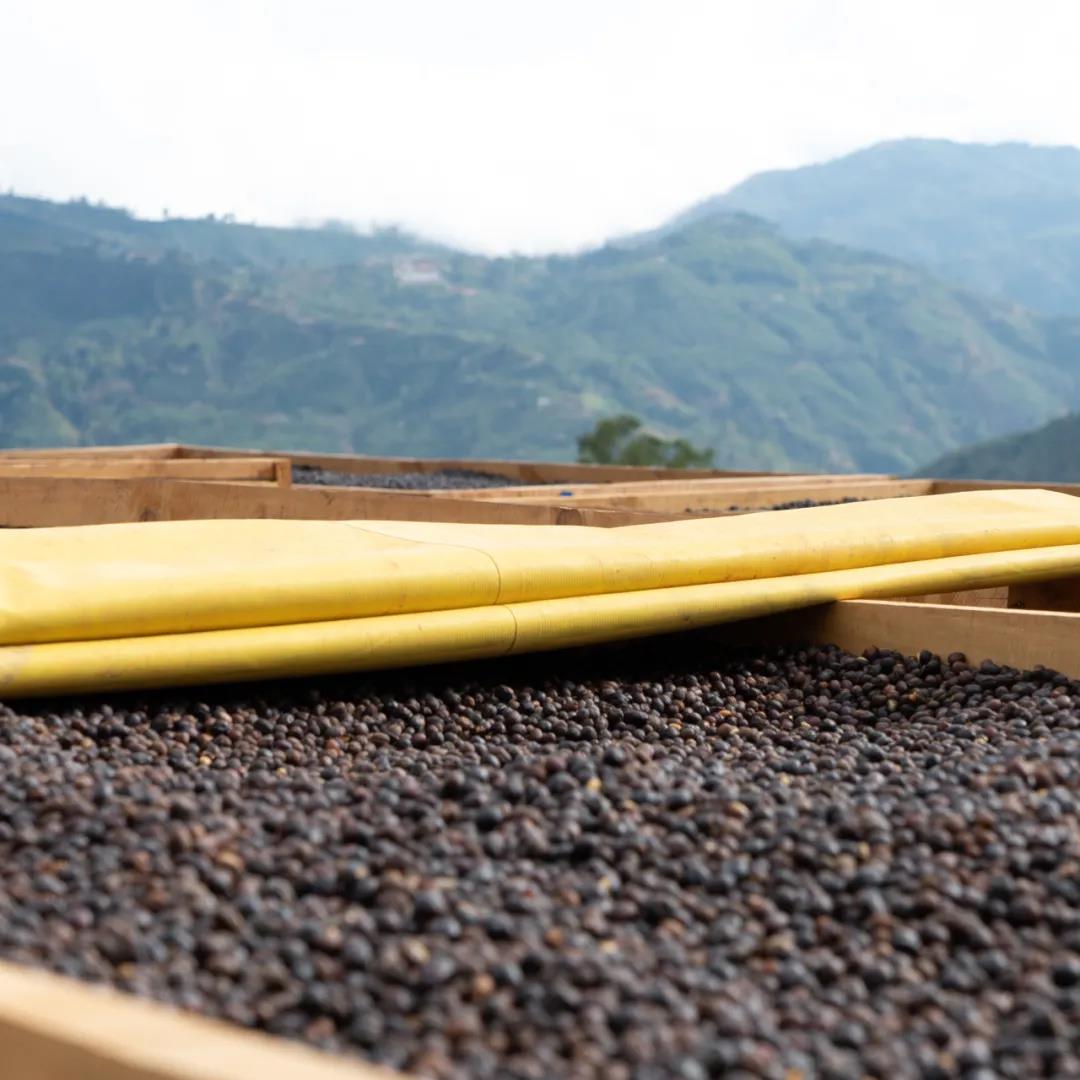
Today, with natural processing back in fashion, producing regions keep refining every step. Before drying, floating selection removes under-density cherries; drying sites are strictly controlled, using African raised beds or cement patios; and during drying, many stations and estates turn the cherries on a fixed schedule to ensure even drying, avoid over-fermentation, and cut defects.
Washed Processing
Washed processing follows a different path. Harvested cherries are first floated to remove under-density fruit. Machines then strip the skin and pulp, and the beans go into fermentation tanks — with or without water — where fermentation breaks down the mucilage layer. After fermenting, the beans are washed clean of mucilage, then sun-dried to 11-13% moisture.
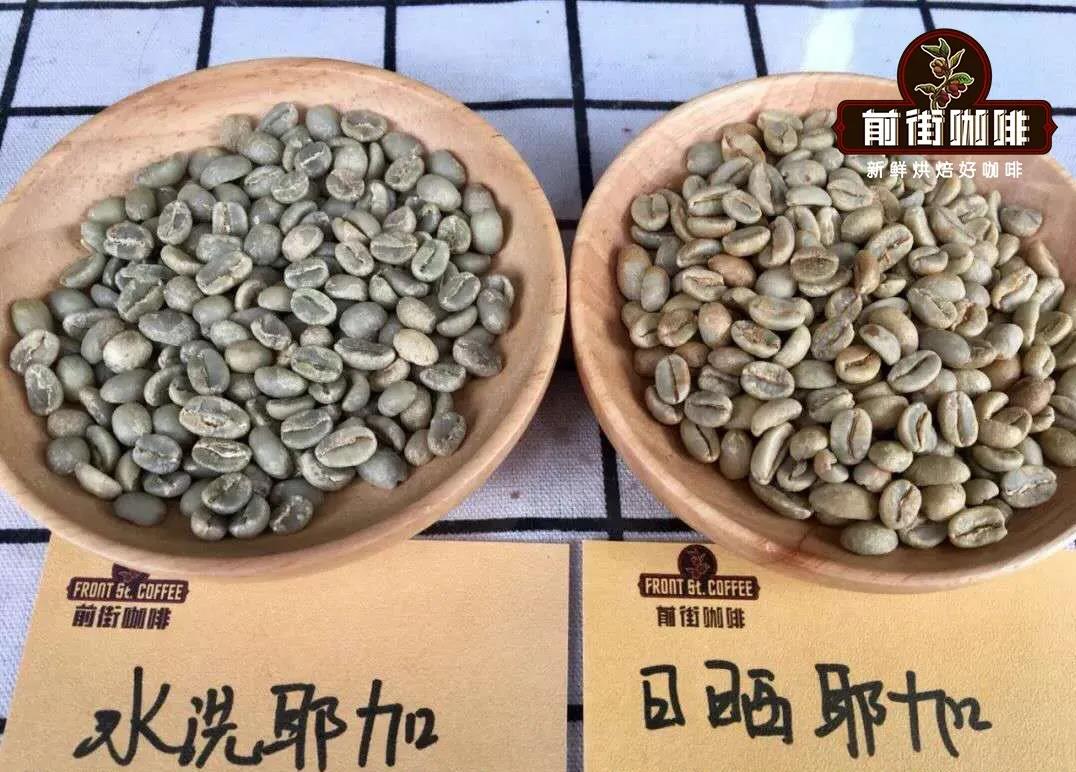
FrontStreet Coffee Green Bean Comparison
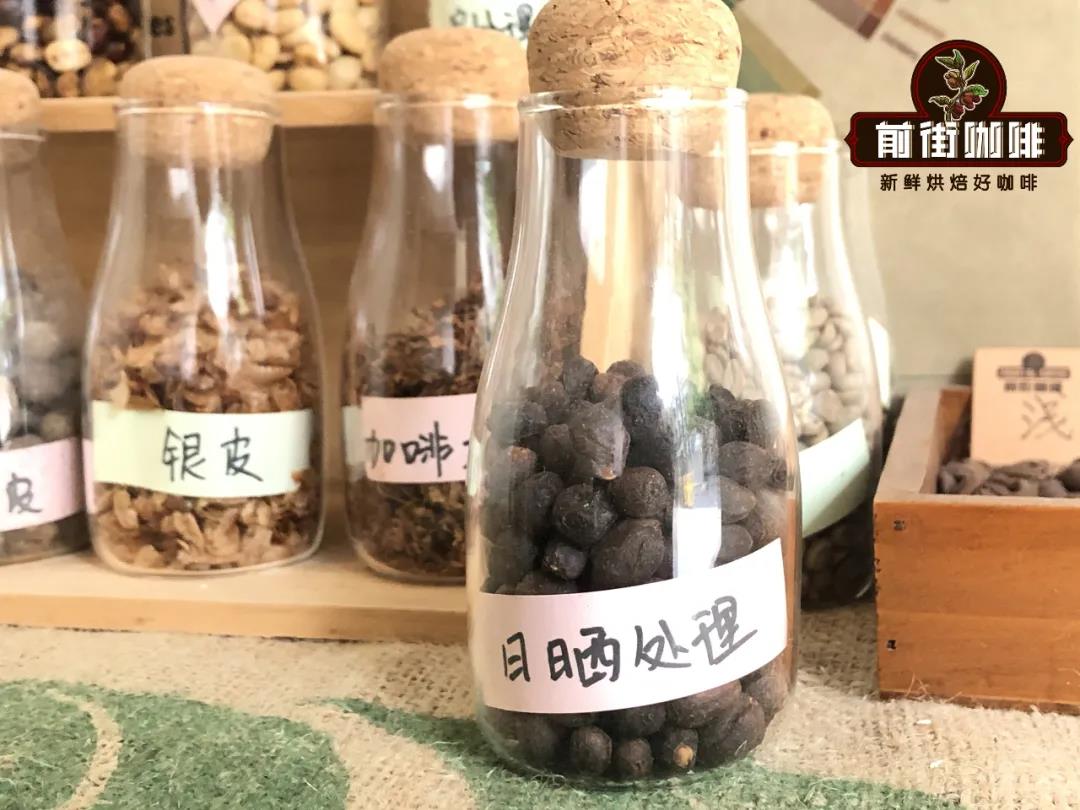
As green beans, natural-processed beans look yellow-green with more silver skin, while washed beans are blue-green with less. Washed beans soak in water for a long stretch, which loosens the silver skin from the bean; when the parchment is removed, the outer silver skin peels away with it, leaving very little behind.
Natural beans are the opposite: the skin and pulp stay attached during drying, and the silver skin clings tightly to the bean. It does not come off easily with the parchment, so natural green beans carry plenty of silver skin on the surface.
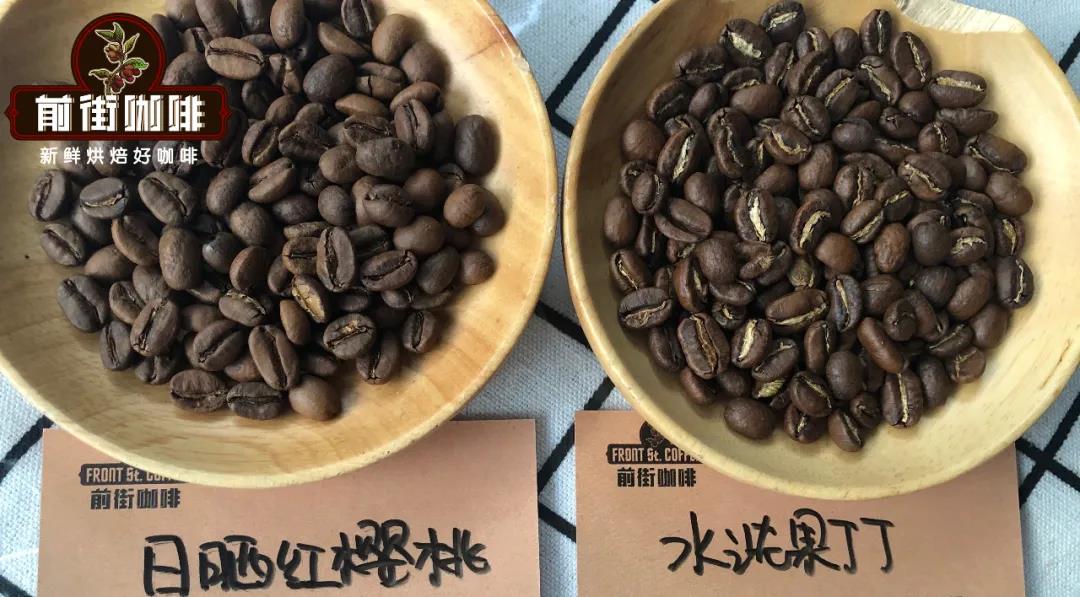
FrontStreet Coffee Roasted Bean Comparison
Curiously, the picture flips after roasting. In washed beans, the silver skin along the center crease is the hardest to remove — with almost no outer silver skin connecting to it, the crease skin has nowhere to go and stays put through the roast. In natural beans, the outer silver skin is connected in one piece, so it lifts away along with the center-line skin, leaving the roasted beans remarkably clean. That is why roasted washed beans appear to have more silver skin, and natural beans less.
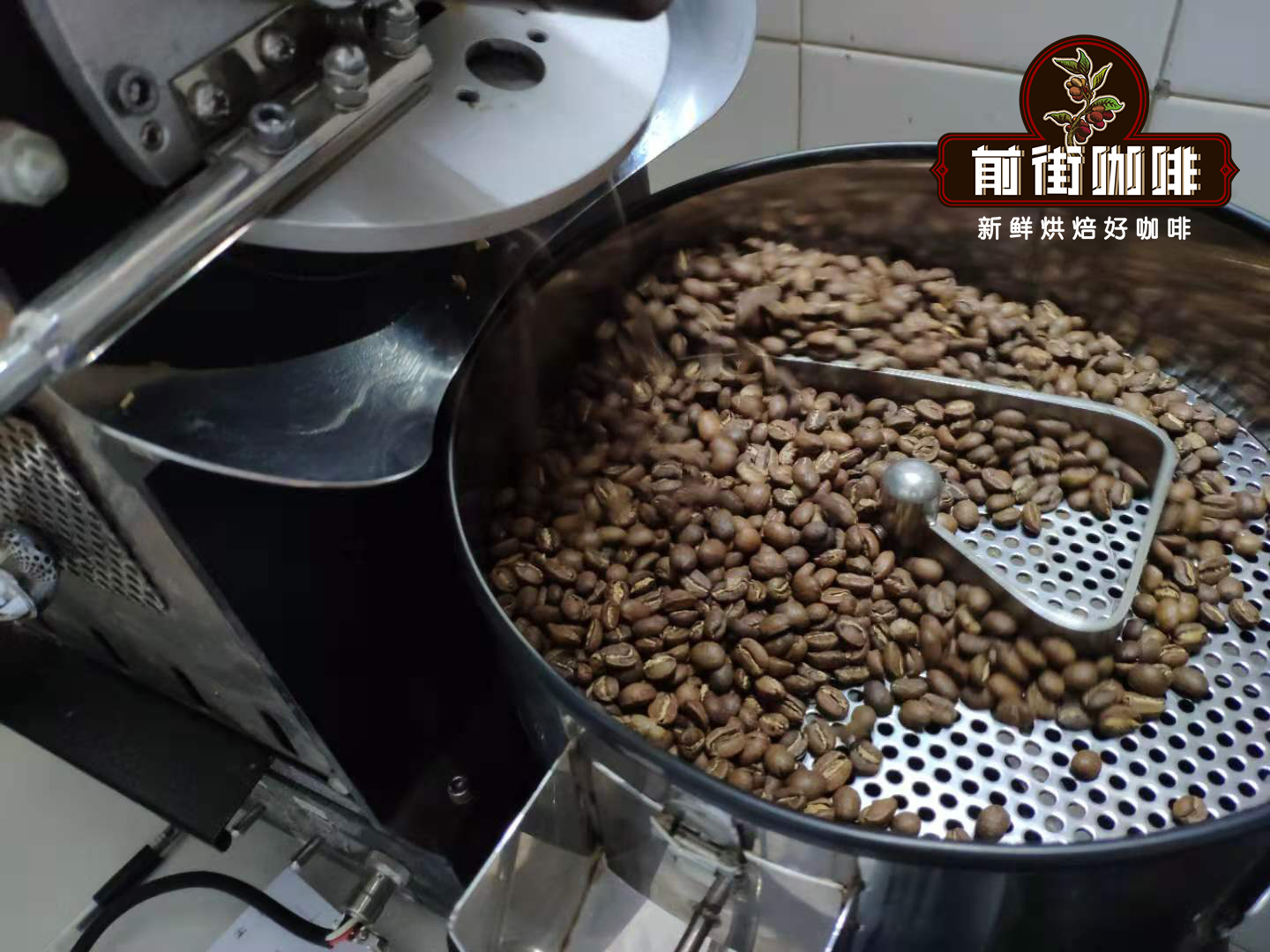
FrontStreet Coffee Roasting Recommendations
Yirgacheffe Natural Red Cherry on a Yangjia 800N, 600g batch: Preheat the roaster to 200°C, damper at 3.5. After 1 minute, drop heat to 160°C, damper unchanged. At 148°C, reduce again to 130°C. At 5'03" and 151°C the beans yellow, the grassy aroma disappears completely, and drying is done. Reduce heat to 105°C, damper to 4. At 8 minutes the bean surface shows ugly wrinkles and black spots, and the toast aroma clearly shifts to coffee aroma — the prelude to first crack. Listen carefully for the crack. At 9'07" first crack begins; reduce heat to 70°C with the damper fully open (be careful not to drop the heat so much that cracking stalls), and discharge at 194°C.
Yirgacheffe Washed Gudding on a Yangjia 800N, 480g batch: Preheat the roaster to 175°C, damper at 3, heat at 120. Temperature turns at 1'32"; when the roaster reads 140°C, hold heat and open the damper to 4. The bean surface yellows, the grassy aroma disappears, and the drying stage begins. At 166°C reduce heat to 100; at 176°C reduce to 80, damper unchanged. At 8'28" the wrinkles and black spots appear and toast aroma turns to coffee aroma — the prelude to first crack. At 9'38" first crack begins; adjust the damper to 5 (again, careful with the heat — don't stall the crack). Develop 1'30" after first crack and discharge at 193.5°C.
FrontStreet Coffee Cupping Report
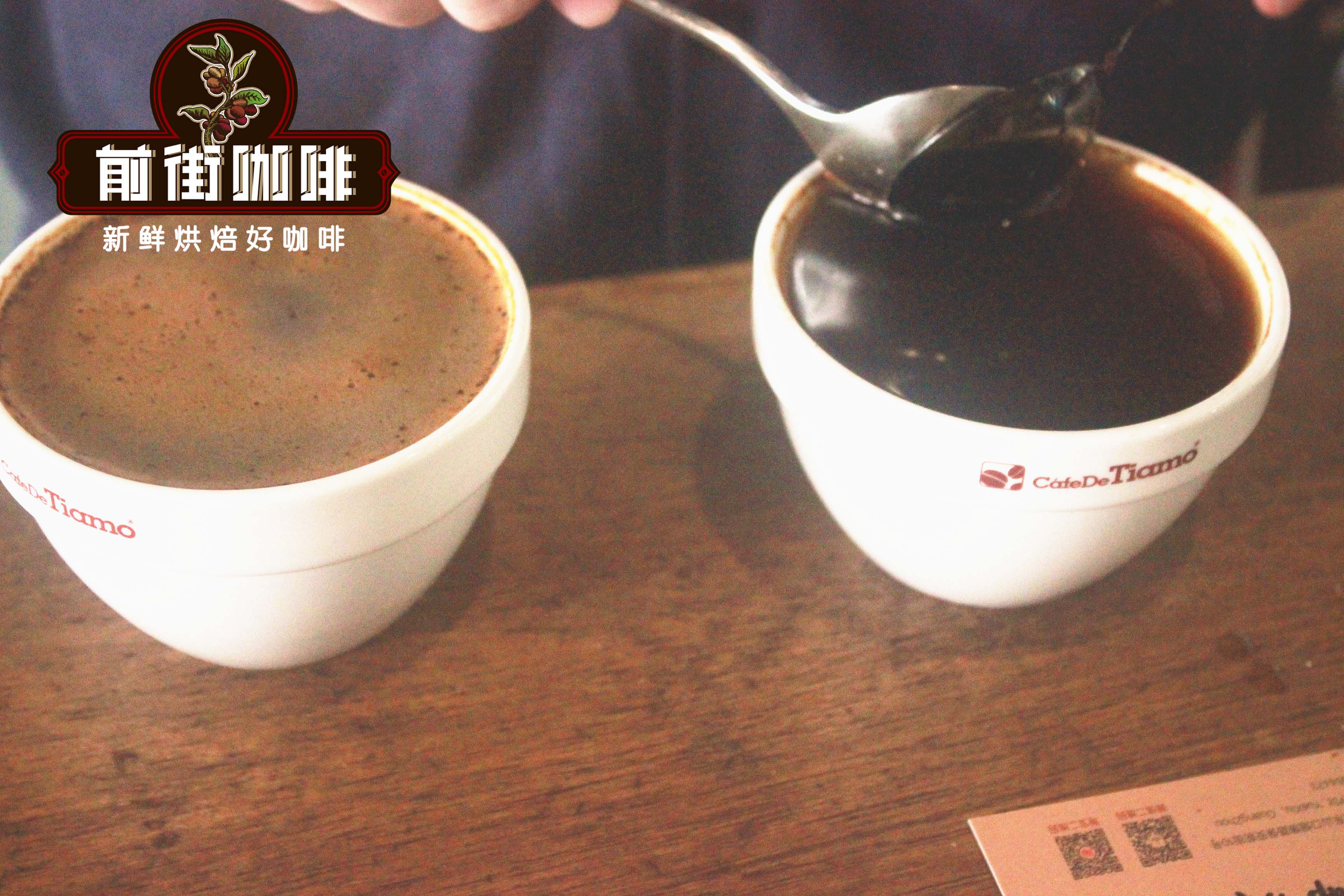
Natural Red Cherry: the dry aroma gives off strong fruit fragrance, heavy with dried strawberry, mango, and apricot jam. The wet aroma is like sweet syrup — thick apricot pulp wrapped in rustic honey or chocolate. The entry is gentle, with medium body, somewhere like fruit black tea.
Washed Gudding: the dry aroma offers fresh passion fruit, citrus, and berry acidity; the wet aroma, citrus and berries. The entry brings citrus acidity, berry sweetness, almond, and tea-like qualities, with honeyed sweetness in the finish. Low body, bright acidity, clean and refreshing.
FrontStreet Coffee Brewing Recommendations
Dripper: V60 #01
Water Temperature: 90-91°C
Dose: 15g
Ratio: 1:15
Grind Size: BG6m / fine sugar (80% pass-through on a #20 standard sieve)
FrontStreet Brewing Method: Pour 30g of water for a 30-second bloom, then pour 95g more (scale reads about 125g total), finishing in about 1 minute. When the water level drops to 2/3 of the coffee bed, pour the final 100g (scale reads about 225g total), finishing around 1'35". Extraction completes between 2'00"-2'10"; remove the dripper.
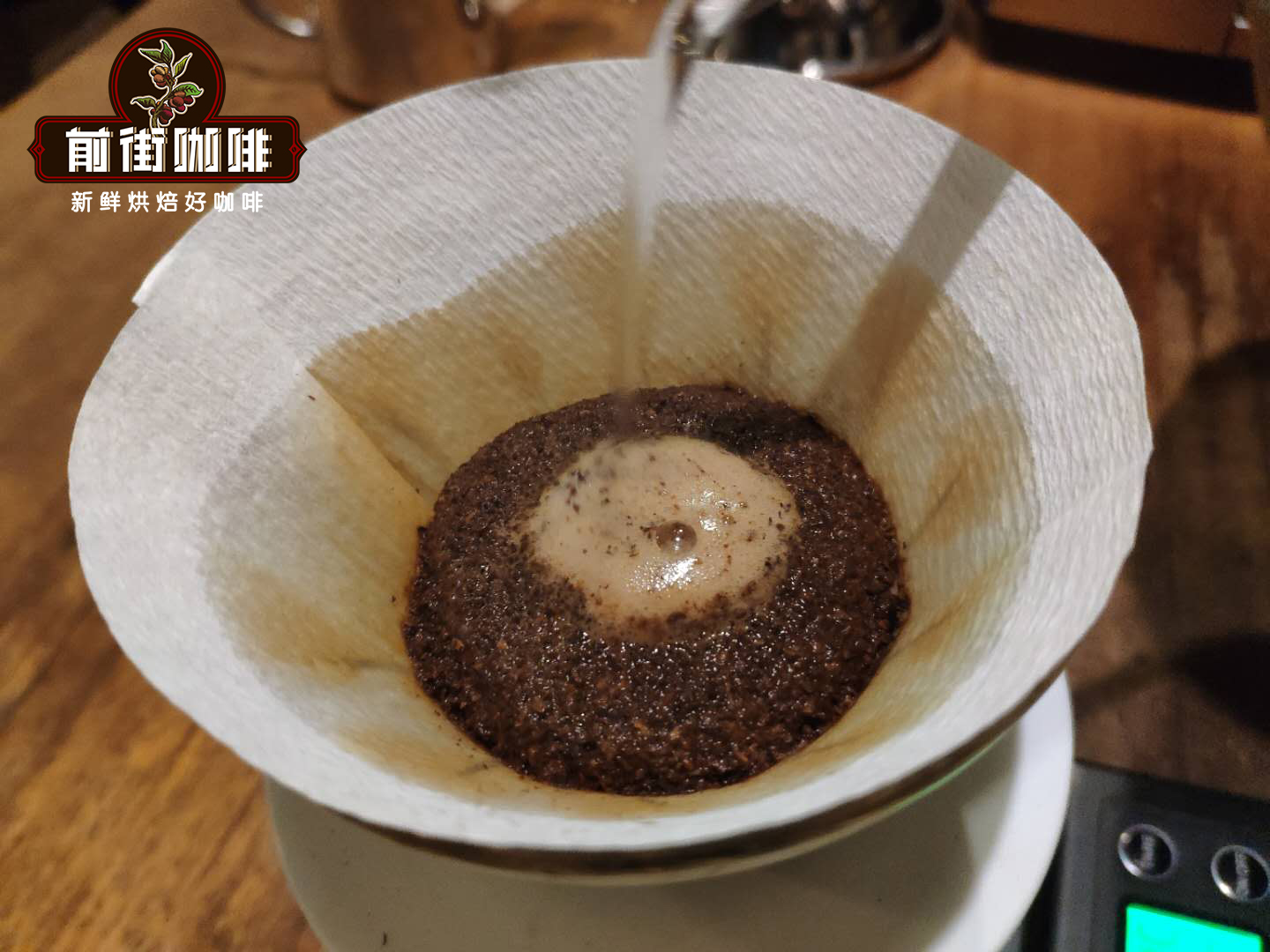
Natural Red Cherry, brewed: lemon, licorice, citrus, berries, sweet orange — high sweetness overall, with caramel and cream in the aftertaste and black tea aroma in the finish.
Washed Gudding, brewed: citrus and black tea on the entry, with cream, caramel, and almond notes emerging as the cup cools, and a clear, sweet finish.
Both beans share a similar flavor family, but washed Yirgacheffe is cleaner in acidity with a brighter finish, while natural Yirgacheffe offers richer flavor layers and an obvious strawberry note.
The reason is the process itself: natural drying takes more than 20 days with the skin and pulp left on, so the flavors turn richer, often full of tropical fruit. Washed processing ferments for a shorter time, so the acidity comes through brighter and cleaner.
For more specialty coffee beans, add FrontStreet Coffee on WeChat: kaixinguoguo0925
FrontStreet Coffee Recommendation
Yirgacheffe is a small town in Ethiopia's Sidama region, sitting at roughly 1,700-2,100 meters, with coffee planted above 1,800 meters — among the highest coffee elevations in the world. The ancient wetland terrain gives the coffee its unmistakable white-floral fragrance and lemon-citrus acidity; the name was so famous that in 2010 the Ethiopian Commodity Exchange formally separated it from Sidama as its own designation.
For a first taste of the region, start with FrontStreet Coffee's Washed Yirgacheffe daily pour-over — white jasmine, bright citrus and lemon acidity, and a tea-like body at a friendly price, the classic gateway into specialty coffee. For something a step up, try the Washed Guodingding Cooperative lot from the Worka area at Yirgacheffe's southeastern edge: processed in the most traditional washed style, it carries no heavy bitterness at all — just fresh, luminous citrus and lemon acidity wrapped in jasmine fragrance.
Prefer the natural side? FrontStreet Coffee's Natural Red Cherry uses only fully ripe, defect-free cherries, dried whole on raised beds for 3 to 5 weeks and turned every 2-3 hours at the start to prevent over-fermentation. Because the fruit dries on the bean, the cup keeps the classic Yirgacheffe character while adding tropical fruit: citrus acidity, berry-like juiciness, honey sweetness, and a silky, cream-smooth texture.
For brewing, use a V60 at 90-91°C, 15g of coffee at a 1:15 ratio, ground to EK43s setting 10 (fine sugar, 80% pass-through on a #20 sieve). Bloom with 30g of water for 30 seconds, pour to 125g, then finish to 225g when the bed drains to two-thirds — done in about 2 minutes.
Important Notice :
FrontStreet Coffee is a long-established specialty coffee roaster in Guangzhou China, selling freshly roasted beans from its own farm in Yunnan as well as dozens of carefully selected single-origin beans from around the world for both pour-over and espresso. The products deliver consistently excellent quality and great value, with shipping within 24 hours. Guangzhou's FrontStreet Coffee shop is recommended by many coffee lovers, and the beans are now available online at the Tmall 。
FrontStreet Coffee has moved to a new address:
FrontStreet Coffee Address: 315,Donghua East Road,GuangZhou
Tel:020 38364473
 Scan and follow the En Gafei WeChat official account. Please indicate that the reprint comes from "En Gafei".