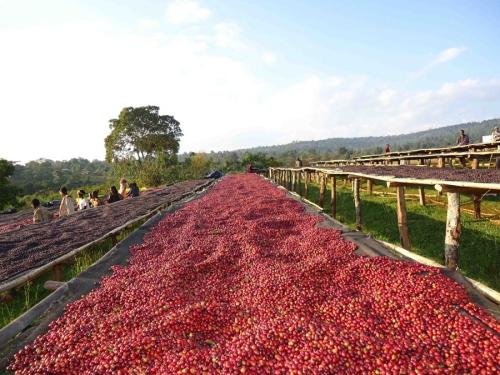
Ethiopia Sidamo Guji Hambela Buku Coffee Bean Flavor, Taste, and Aroma Characteristics
Yirgacheffe's bright acidity and fresh flavor have drawn so much attention that many people now equate it with all of Ethiopian coffee — wrongly assuming Yirgacheffe is the country's only growing region and that every Ethiopian cup is light and refreshing. In this article, FrontStreet Coffee introduces another celebrated Ethiopian region with its own distinctive character: the renowned Sidamo. FrontStreet's Guji Karmo 5.0 beans from the Guji zone of Sidamo have won fan after fan with their full, juice-like texture.
Understanding the Sidamo Coffee Region
One of Ethiopia's premium growing regions, Sidamo sits in the country's south, bordering Yirgacheffe. Its coffee flavors are extraordinarily diverse: different areas have different soils, microclimates, and countless native varieties, so the coffee from each zone differs markedly and has its own signature.
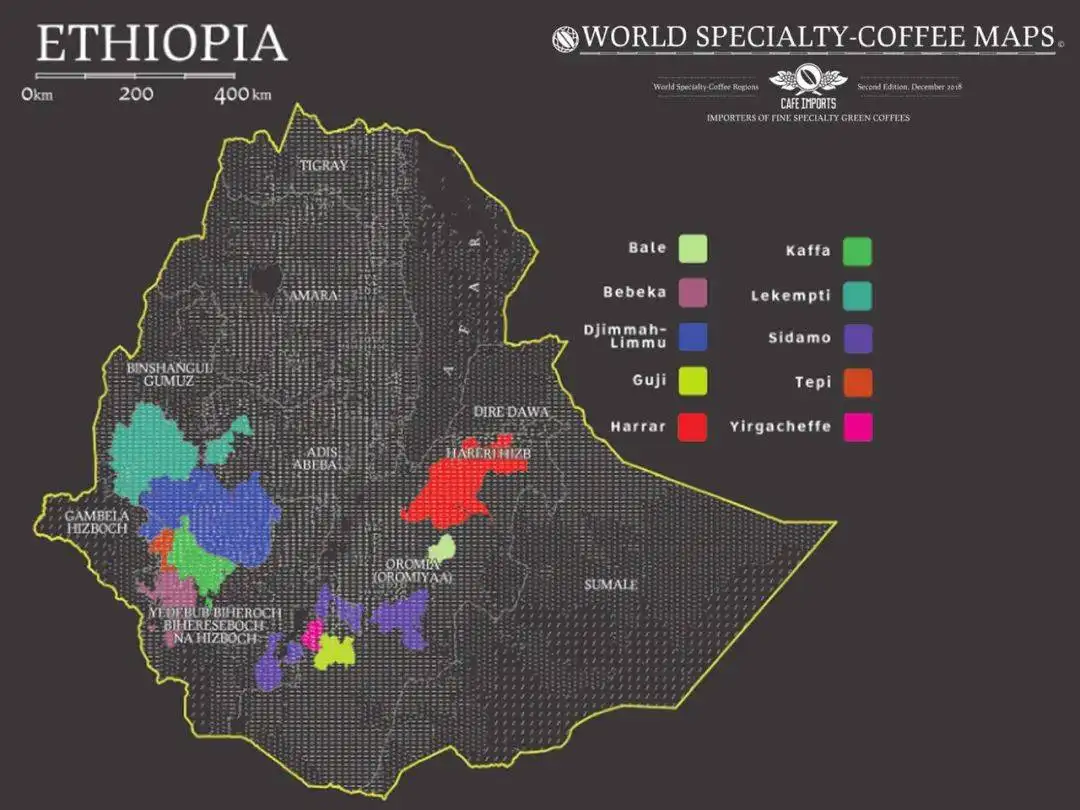
FrontStreet Coffee finds that Sidamo's sub-regions offer rich fruit acidity and intense aromas — perfect for those who love strong flavor without heaviness, achieving real balance between aroma and mouthfeel. Here we focus on Karmo beans, from the Hambela sub-region of Guji, which shot to fame in 2017 when Karmo won its awards. Let's take a closer look at Hambela.
Guji Coffee Region
Guji was once part of Sidamo but was established as an independent growing region by the Ethiopia Commodity Exchange (ECX) in 2010. Located southeast of Yirgacheffe, it is a landscape of complex topography — towering mountains, valleys, and plains. The geology is fertile black Vertisol nearly two meters deep, at an average altitude above 1,800 meters. The pronounced day-night temperature differences give Guji every terroir condition needed for high-quality specialty coffee.
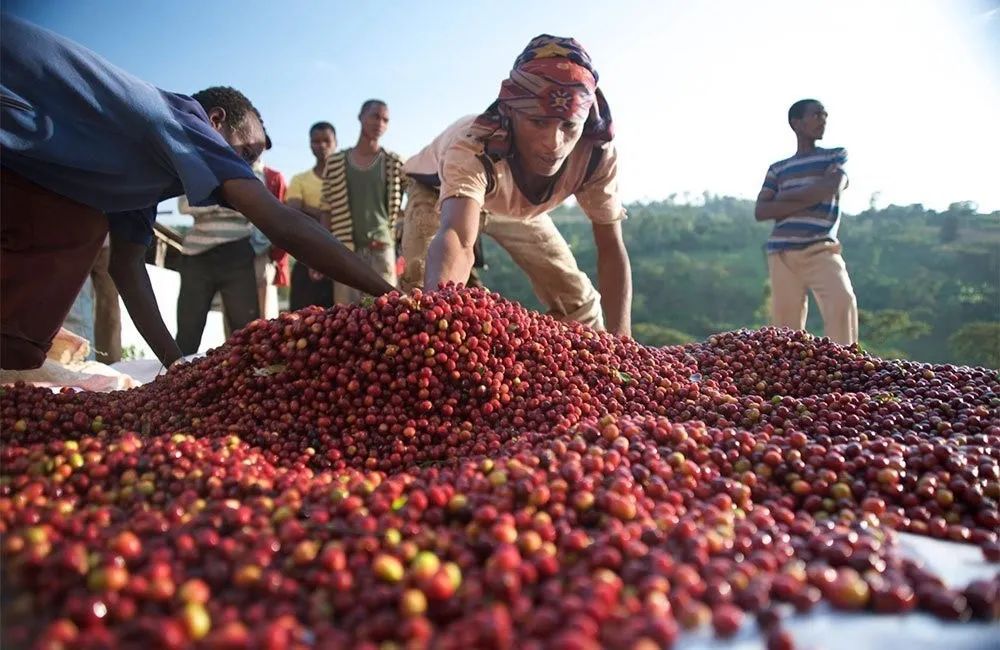
The most famous beans from Guji are undoubtedly the Karmo lots, which took the championship at the 2017 TOH (Ethiopia National Taste of Harvest Competition) with an outstanding strawberry cream flavor — earning the name "Karmo," the flower champion.
Before it was "Karmo," it was simply an award-winning competition lot. In February 2017, Ethiopia's DW Coffee Company entered the TOH organized by the African Fine Coffees Association with a natural-processed bean from the Buku Abel processing station in the Hambela sub-region of Sidamo. With rich berry aroma and a cream-like texture, it won the natural-processed category that year.

That same year, the champion batch was picked up by a Beijing-based green bean trader and, thanks to its champion status, was launched domestically under the name "Karmo" — the best among flowers, outshining all others. Soon after, a China-region brewing-competition competitor used these beans, beating numerous rivals brewing Gesha and taking that year's runner-up spot. That was Karmo's first taste of fame in China. Carried by the competition spotlight, this traditionally natural-processed bean from Buku Abel made its debut, and with an approachable price and delightful flavor it quickly became widely recognized in the industry as premium Ethiopian coffee.
Buku Processing Station
Buku Processing Station sits in Buku Abel village at an altitude of 2,200 meters. From the start, trees were planted in nutrient-rich red-brown soil with shade protection, so the cherries receive enough sunlight to develop rich aromas without draining excessive nutrients — keeping more essence inside the cherry. During the harvest season (December–January), the unique environment and climate shape Karmo's distinctive flavor.
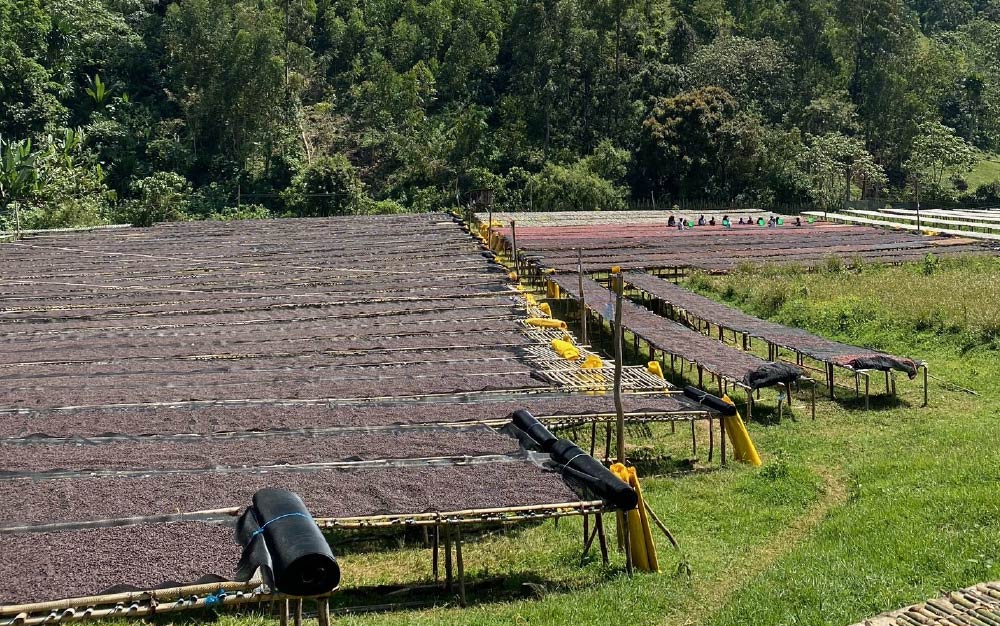
The station accepts only red cherries with sugar content above 30 before starting the natural process. For the first two days of drying, moisture levels are managed so the fructose can fully ferment; the high altitude lets nighttime temperatures drop to around 12°C, preventing over-fermentation odors from excess heat, and shade is provided at midday to protect the cherries from sun damage.
Farmers pick only fully red, completely mature cherries, hand-selected, dried on African raised beds with a limited layer thickness and turning every 24 hours for even drying and ventilation and precise control of fermentation. FrontStreet Coffee believes that because Karmo uses fully mature, high-sugar cherries, the sugars from pulp and mucilage are absorbed by the beans during natural drying — making Karmo sweeter than other Sidamo coffees.
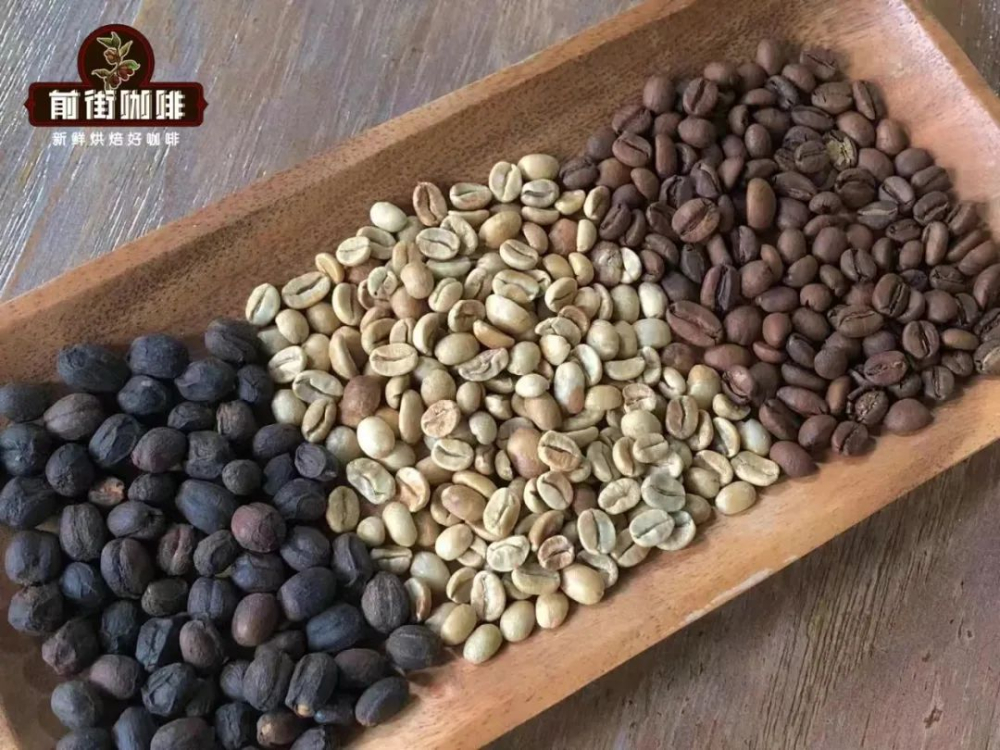
Karmo Coffee Beans
Years have passed since the Buku station's Karmo first made its name. Karmo 2.0 followed in 2018, and Karmo 3.0 and 3.1 in 2019. Initially FrontStreet found the 2018 and 2019 batches similar in flavor to the 2017 Karmo, but with body and aftertaste that fell short.
Comparing batches, we realized the 2017 Karmo's signature aroma came from some particularly small-bean varieties within the lot. Similar small beans appeared in the 2018 and 2019 batches too — sometimes several bags among ten. In 2019 we confirmed this and informed the supplier, and from 2020 Karmo was split into two lines: 4.0 and small-bean Karmo (which does not carry the [X.0] label). In 2021, the two were formally named small-bean Karmo and Karmo 5.0.

FrontStreet Coffee: Ethiopia Karmo 5.0 Coffee Beans
- Region: Guji Hambela
- Processing Station: Buku Abel
- Altitude: 2,350 meters
- Variety: Ethiopian Landrace
- Processing Method: Natural
FrontStreet Coffee Green Bean Analysis
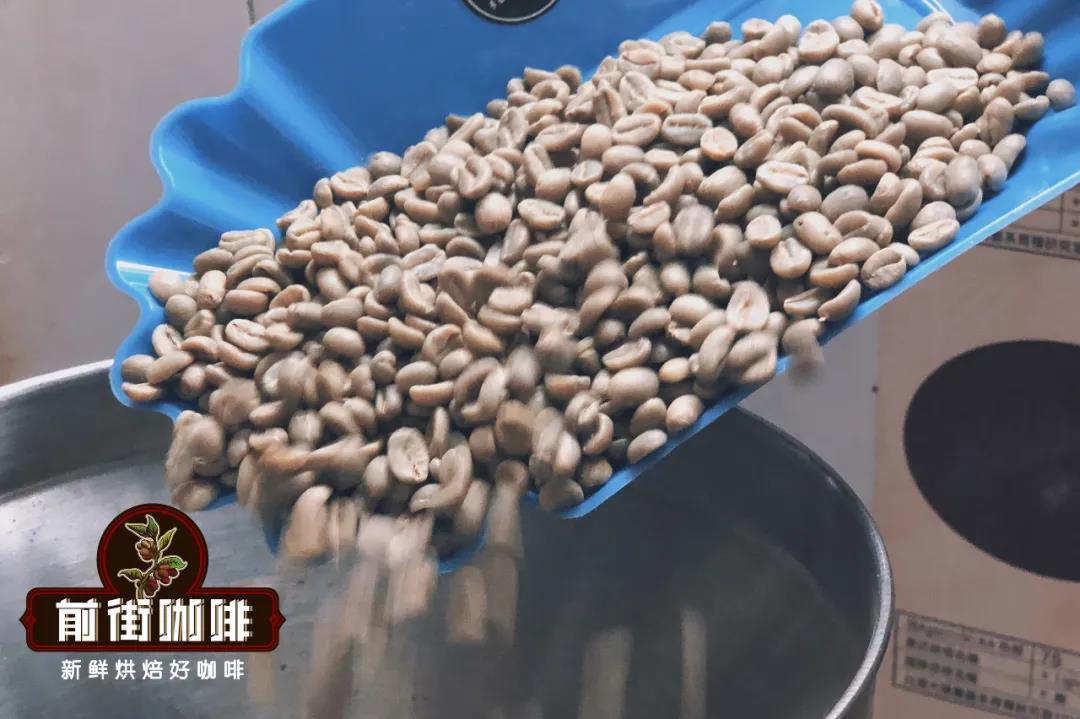
Ethiopian landrace beans come in all sizes because Ethiopia has too many varieties — a natural gene bank for Arabica. With so many varieties, identification and classification are difficult, and the Ethiopian government, for protection reasons, declines to disclose details; hence the catch-all "Heirloom." Mixed cultivation and harvesting are also why the beans vary in size. On receiving this season's green beans, FrontStreet noticed higher moisture content and extended the dehydration stage to ensure even heating between surface and core. To express this bean's sweetness, acidity, and floral-fruit aromas, we chose a medium-light roast.
FrontStreet Coffee Roasting Record
Yangjia 800N, bean input 480 g: preheat roaster to 175°C, damper at 3, heat at 120. Rise to 140°C, damper at 4. Roast to 6'00", temperature 151.7°C, bean surface yellowing, grassy aroma gone, dehydration complete. When ugly wrinkles and black spots appear on the surface and the toast aroma clearly turns to coffee aroma, that is the prelude to first crack — listen carefully. At 9'50", first crack begins, damper fully open, temperature 188°C, heat reduced to 80, development time 1'40", dropped at 196°C.
FrontStreet Coffee Cupping Report
FrontStreet cups samples within 8–24 hours of roasting. Our baristas typically use 200 ml ceramic cupping bowls marked at 150 and 200 ml. Following SCAA standards, the water TDS is around 150 ppm — too low invites over-extraction, too high muddies the mouthfeel and causes under-extraction. Cupping water temperature is 94°C. Grind is set for a 70%–75% pass-through rate on a #20 standard sieve (0.85 mm). Ratio: 11 g of coffee to 200 ml of hot water, i.e., 1:18.18, putting extraction concentration within the Golden Cup range of 1.15%–1.35%, with 4 minutes of immersion.

Cupping Notes:
- Dry Aroma: Citrus, berries
- Wet Aroma: Blackcurrant, rose
- Taste: Almond, strawberry, blackcurrant, fermented notes, persistent sweetness
FrontStreet Coffee Brewing Techniques
- Dripper: V60 #01
- Water Temperature: 90–91°C
- Coffee Dose: 15 g
- Coffee-to-Water Ratio: 1:15
- Grind Size: Medium-fine / fine granulated sugar (77% pass-through on #20 sieve)
FrontStreet Coffee Brewing Method:
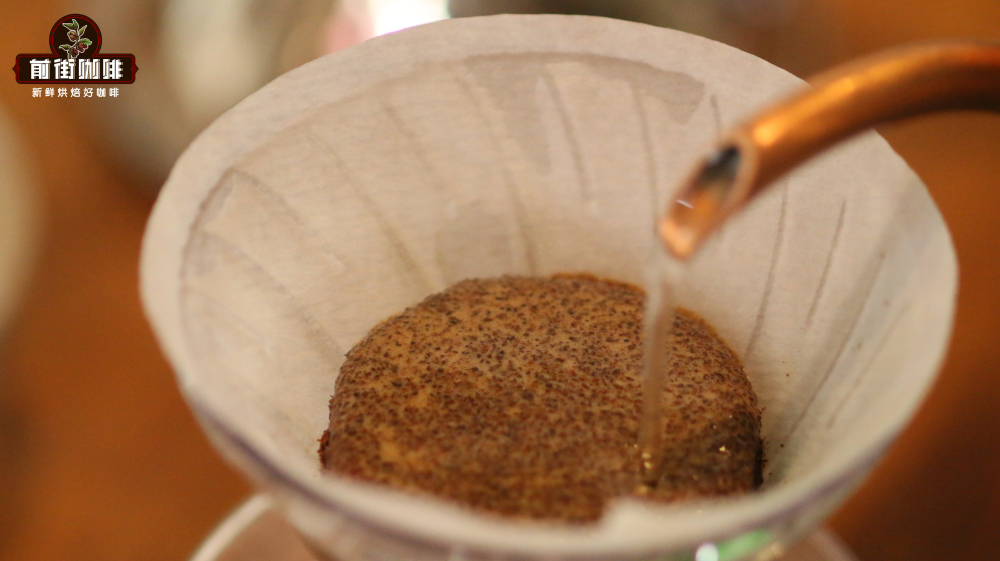
First, wet the filter paper and preheat the dripper and server. Bloom with 30 g of water for 30 seconds. Pour in small circles to 125 g, then pause. When the level drops and the bed is about to be exposed, pour to 225 g and stop. When the level drops again to nearly expose the bed, remove the dripper (timing from the bloom). Total extraction time: 2 minutes 5 seconds.
Karmo Coffee Brewing Flavor:
At high temperature there is almond aroma; as the cup cools, berry tartness, a blackcurrant-juice sensation, and a honeyed aftertaste emerge, with sweetness that persists to the last sip.
FrontStreet Coffee Recommendation
Yirgacheffe and Sidamo are neighbors in Ethiopia's south, and Guji — carved out of Sidamo by the ECX in 2010 — shares the same highland terroir: coffee planted above 1,800 meters, fertile soils, and the cool nights that build sugar and complexity. If you love Karmo's berry-driven naturals, Yirgacheffe offers the washed counterpart: FrontStreet's classic washed Yirgacheffe shows white jasmine, bright citrus and lemon acidity, and a tea-like finish, while its Worka-area cooperative G1 adds orange and green tea over elegant florals.
For naturals with a different accent, FrontStreet's Red Cherry lot uses only fully ripe, defect-free cherries, screened then sun-dried on raised beds — turned every 2–3 hours for the first few days and dried three to five weeks in total — yielding citrus acidity, berry juiciness, honeyed sweetness, and cream-smooth body, very much in Karmo's family of flavors.
However you brew them, these floral-fruity Ethiopians shine in a V60: 15 g of coffee, a 1:15 ratio, water at 90–91°C, bloom with 30 g for 30 seconds, pour to 125 g, then finish to 225 g — a bright, transparent, tea-fragrant cup that lets the terroir speak.
Important Notice :
FrontStreet Coffee is a long-established specialty coffee roaster in Guangzhou China, selling freshly roasted beans from its own farm in Yunnan as well as dozens of carefully selected single-origin beans from around the world for both pour-over and espresso. The products deliver consistently excellent quality and great value, with shipping within 24 hours. Guangzhou's FrontStreet Coffee shop is recommended by many coffee lovers, and the beans are now available online at the Tmall 。
FrontStreet Coffee has moved to a new address:
FrontStreet Coffee Address: 315,Donghua East Road,GuangZhou
Tel:020 38364473
 Scan and follow the En Gafei WeChat official account. Please indicate that the reprint comes from "En Gafei".