What are Espresso Coffee Beans? What's the Difference Between Espresso Beans and Single-Origin Coffee Beans?
Understanding Coffee Beans: Espresso vs. Single Origin
You may know your coffee beans, but did you know they are broadly divided into espresso and single-origin types? The idea is simple enough. The lattes we drink so often are espresso-based, and they call for the right beans—not every coffee can be pulled as espresso. Readers sometimes ask FrontStreet Coffee: what kind of beans can be used for espresso? And how should we understand single-origin coffee?
Let FrontStreet Coffee explain, and it may become clear.
What Are Espresso Coffee Beans?
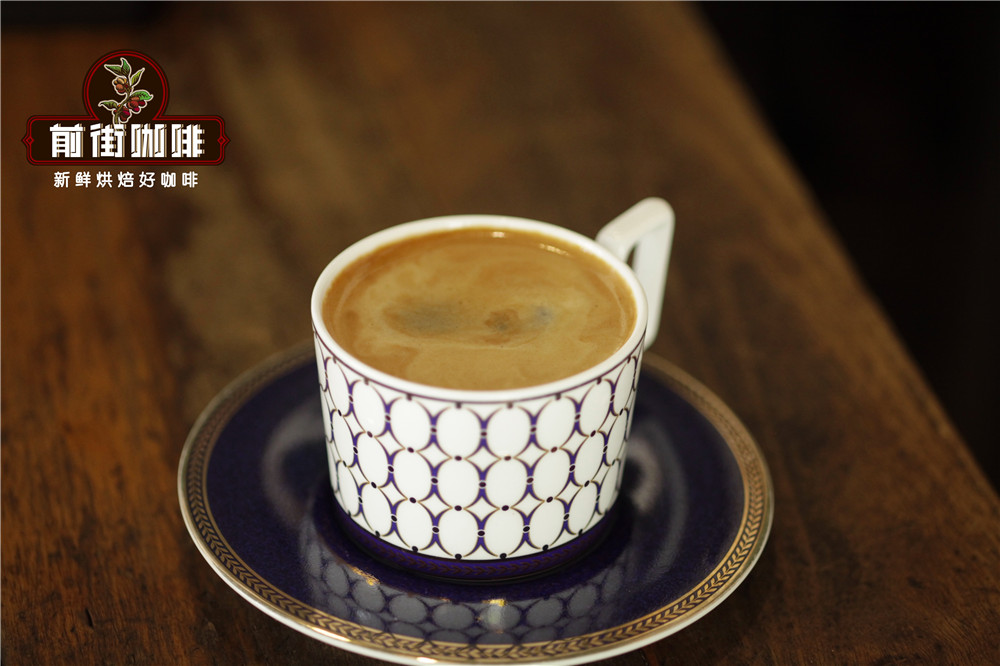
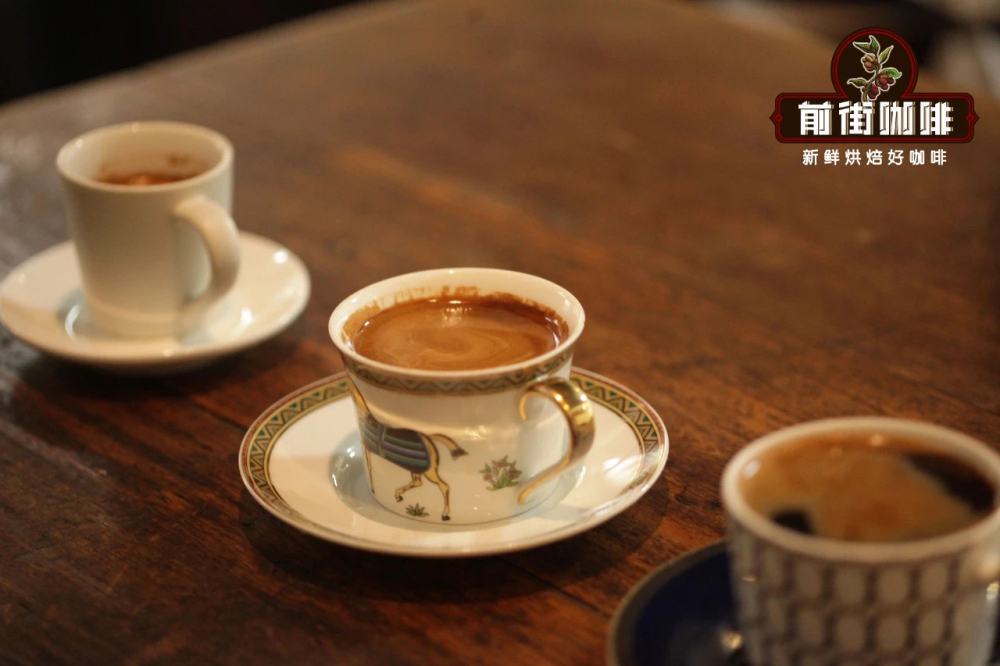
So-called espresso coffee beans are simply the beans used to make espresso. The steam-pressure extraction machine was invented by Italians, and the concentrated coffee it produces is espresso. Lattes and cappuccinos, for instance, both start from an espresso base and are then combined with milk, sugar, or other ingredients. Because espresso is made on an espresso machine, drinks built on it are often called espresso coffee. The beans used for espresso are mostly a blend of several origins mixed in set proportions, which is why they are also called blend coffee beans. These days there are also single-origin beans used for espresso—the style known as Single Origin Espresso (SOE).
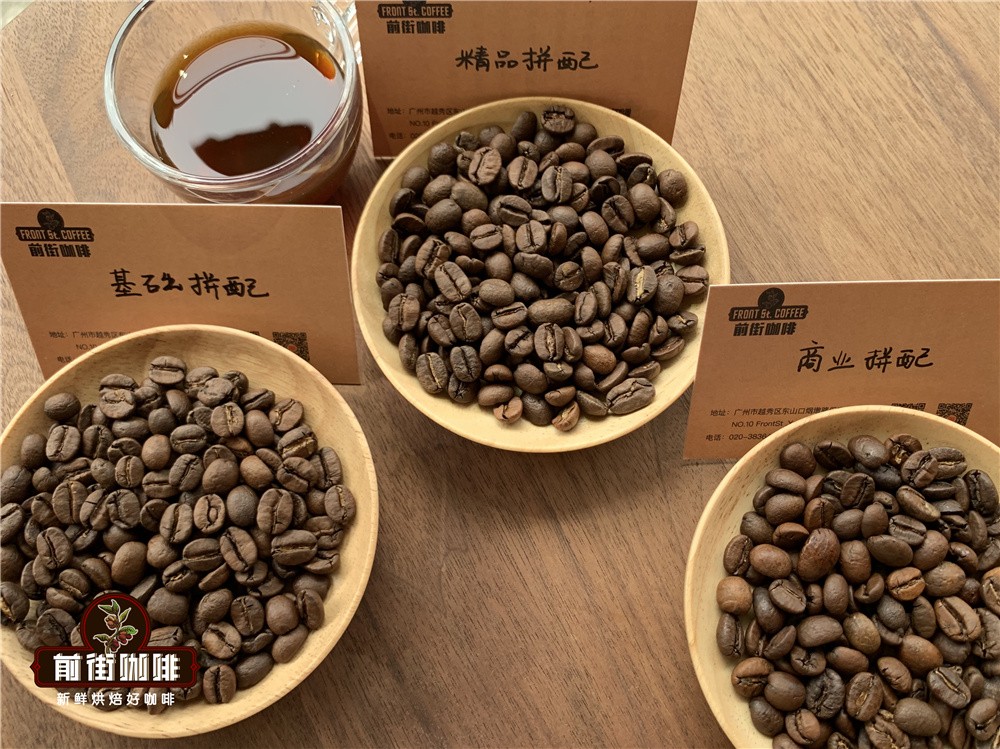
Blends are generally medium to dark roasted. Sometimes the beans are mixed before roasting, which is called green blending; sometimes they are roasted first and mixed afterward, which is called roasted blending. Either way, you have to understand the flavours of the individual varieties before you blend. Beans from different origins behave differently, and each has its own personality thanks to variety and terroir, with subtle differences in acidity, bitterness, sweetness, aroma, and body. To build a better blend, a roaster needs both a deep grasp of bean character and strong roasting skill, which makes a good blend genuinely difficult to create.
Because coffee is an agricultural product, even the same variety tastes different from year to year. FrontStreet Coffee's view is that blending several beans together neatly solves this problem: it keeps the flavour broadly consistent year after year, while also asking the major producing countries to keep supply steady.
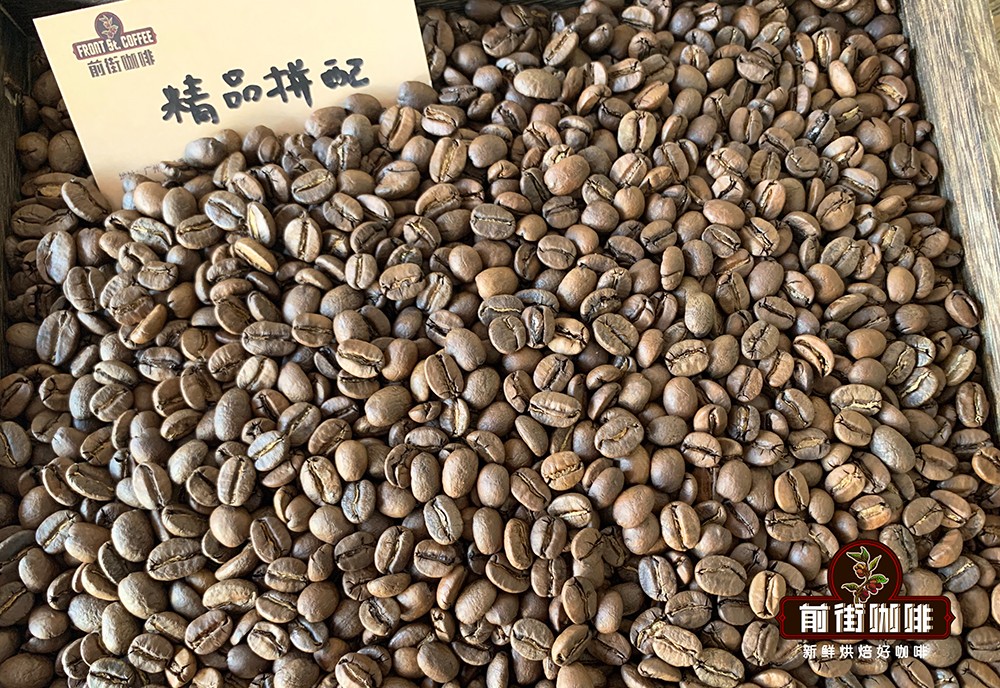
By producing country, region, and variety, espresso beans can be divided into three types: Arabica + Robusta blends, 100% Arabica blends, and Single Origin Espresso (SOE).
Arabica + Robusta Blend
Adding Robusta to a blend can increase body, enrich crema, and lower cost. It is therefore a common and mainstream approach.
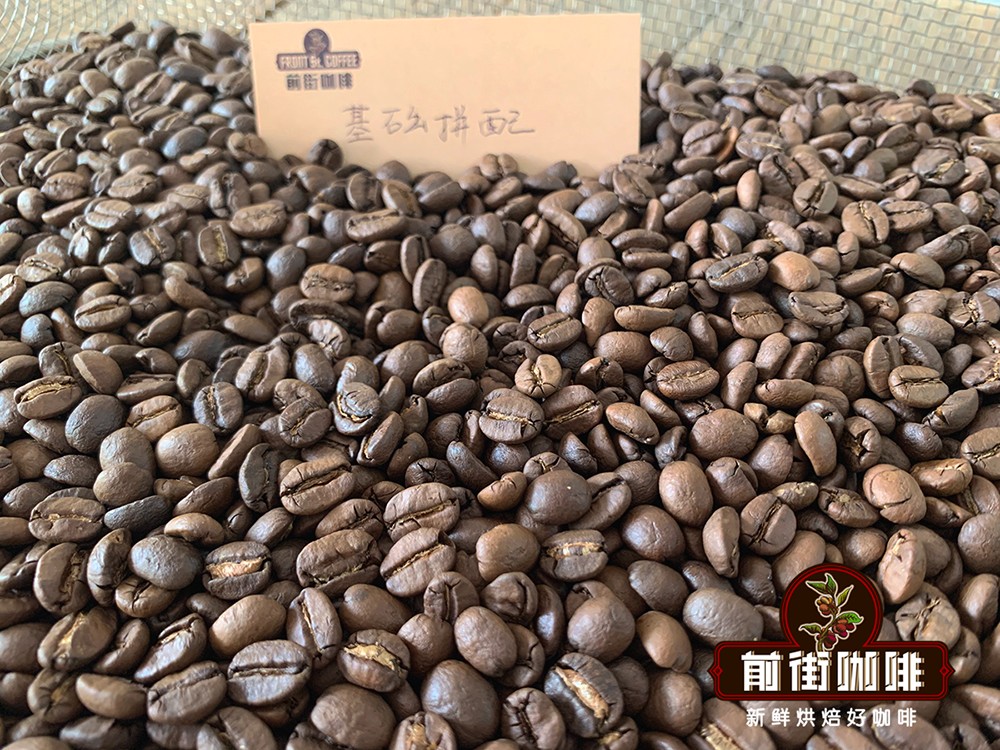
100% Arabica Blend
Generally speaking, Arabica is the superior variety, with more elegant and more complex flavours, so a 100% Arabica blend should in theory taste better and cost more. That said, you cannot judge beans by variety type alone, because too many factors come into play—producing country, region, processing method, roasting, and more. There are poor Arabica beans and good Robusta beans alike.
FrontStreet Coffee's blends include FrontStreet Coffee Basic Espresso Blend, FrontStreet Coffee Premium Espresso Blend, FrontStreet Coffee Commercial Espresso Blend, and FrontStreet Coffee Sunflower Warm Sunshine Espresso Blend.
What Are Single Origin Coffee Beans?
Single-origin beans come from a single origin or single variety, much like the grapes used in winemaking—traceable to a specific estate in a specific region of a specific country. FrontStreet Coffee's famous Blue Mountain coffee, for instance, falls into the single-origin category.
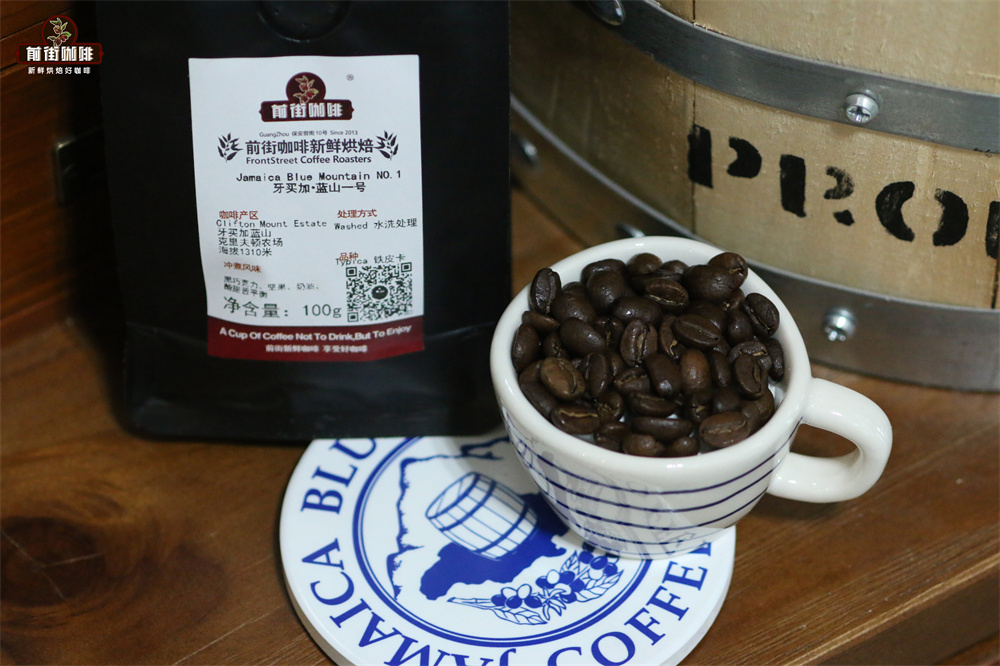
Single-origin coffee lets you choose beans at different roast levels—light, medium, or dark—with corresponding differences in aroma, taste, and mouthfeel. You can also choose beans from different countries: Africa, South America, Asia, and beyond. FrontStreet Coffee uses specialty coffee beans for its single-origin selection.
With the third wave of specialty coffee, more and more cafés now offer single-origin coffee. According to SCAE, the most important thing about single origin is traceability: it lets drinkers know the origin, region, estate, and variety of these high-quality coffees. It is precisely because the third wave emphasises brewing methods and origin flavours that single-origin coffee has become so popular. These beans are generally suited to pour-over, ice drip, and cold brew, and drinkers who hold coffee to a higher standard often lean toward specialty single origins.
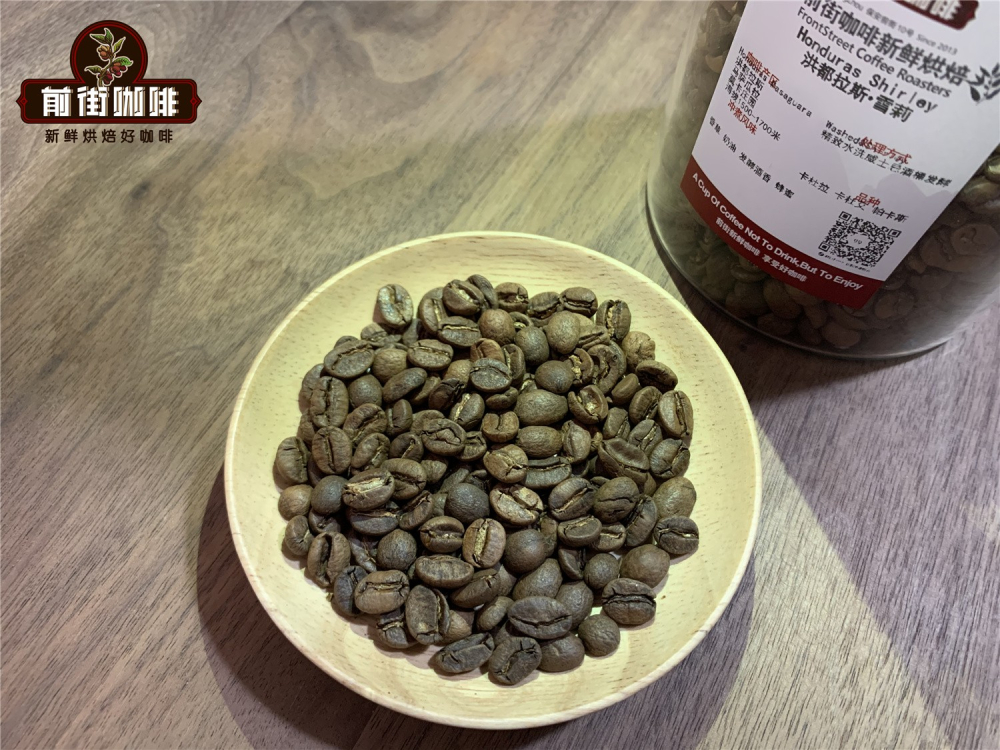
The recently popular SOE is simply shorthand for "Single Origin Espresso." It replaces the blend normally used for espresso with a single-origin bean and pulls it through an espresso machine under high pressure.
SOE can produce espresso with a distinctive, typical flavour. FrontStreet Coffee's Yirgacheffe brings its signature citrus, and FrontStreet Coffee's Kenya brings fruit notes, and because espresso amplifies flavour, those specific notes stand out more than they would in a pour-over. But because the coffee comes from a single origin, flaws are amplified just as easily. A lightly roasted bean turned into SOE can be unpleasant to drink—FrontStreet Coffee's Yirgacheffe, for example, would come out rather sharp and acidic as an SOE. So SOE is not automatically better than a blended espresso. Single-origin beans intended for SOE generally need a darker roast than the same beans used for pour-over.
FrontStreet Coffee's Basic Espresso Blend
FrontStreet Coffee Basic Espresso Blend aims to create a low-cost blended espresso bean with nut and cocoa flavours. It combines Yunnan AA and Brazil in a 3:7 ratio, roasted blending.
FrontStreet Coffee Brazil Cerrado Region
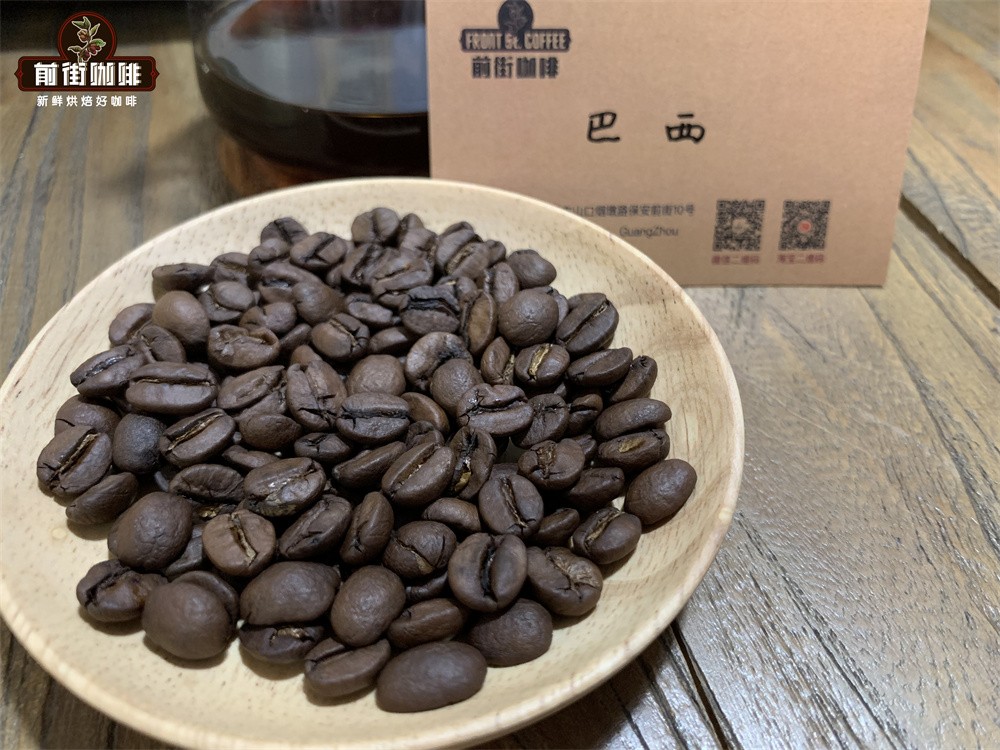
FrontStreet Coffee's Brazilian coffee generally grows at altitudes of 1000-1300 meters, so its density is relatively low. It is mostly Bourbon, processed semi-washed. With moderate moisture, the bean texture is fairly soft and the distance from surface to core is thin, making it unsuitable for roasting at too high a temperature—the roaster's inner-wall heat can scorch the bean surface and create burnt bitterness. To express the nuts, milk chocolate, and good body expected of a blending base, FrontStreet Coffee's roasters choose a medium heat at bean-in, hold heat through the dehydration stage, make fine adjustments as temperature rises after first crack begins, promote a more complete caramelisation, and raise the temperature to near second crack before discharging. Through FrontStreet Coffee's cupping comparisons, its Brazil Cerrado shows a comfortable bitter-sweet taste and an extremely smooth entry, with a faint grassy aroma, a fresh fragrance carrying slight bitterness, and a sweet, smooth, pleasant aftertaste.
FrontStreet Coffee's Yunnan AA is Typica.
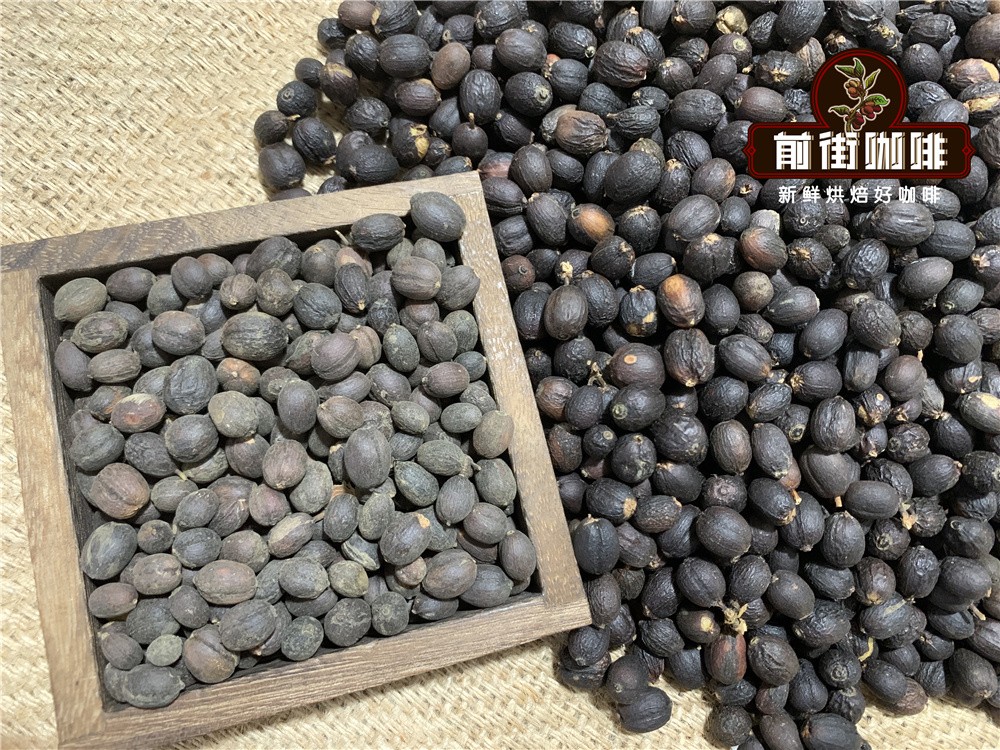
Typica is the oldest native variety of Ethiopia, produced in southeastern Ethiopia and Sudan, and all Arabica varieties descend from it. Its top leaves are bronze-coloured, which earns it the name red-top coffee. It has an elegant flavour but a weak constitution, poor disease resistance, susceptibility to leaf rust, and low fruit yield. Typica has four slender branches in an open posture with a tilt angle of 50-70 degrees; the opposite leaves are long and elliptical with smooth surfaces; the terminal branches are long with few side branches; and the flowers are white, blooming at the base where the petiole meets the branch. Mature cherries look like cherries and are bright red. Typica needs more shade when planted and yields only about once every two years. Yunnan's high-quality geography and climate suit coffee well, with growing areas in Lincang, Baoshan, Simao, Xishuangbanna, Dehong, and elsewhere. Yunnan's natural conditions closely resemble Colombia's—high altitude and a large day-night temperature swing. Through cupping, FrontStreet Coffee finds Yunnan beans have a mellow aroma, moderate acidity, a rich and mellow flavour, uniform beans, high oil content, and fruity notes, with quality and taste similar to Colombian coffee.
After blending, FrontStreet Coffee adjusts grind size and extraction to produce an espresso with soft fruit acidity, caramel sweetness, and nut and dark chocolate flavours—smooth and viscous, though relatively light. This basic blend suits small coffee shops, bakeries, or beverage stores, as well as shop and home users who prioritise cost and have general flavour requirements.
A good blend should have primary and secondary notes, creating a more interesting flavour than any single origin alone.
FrontStreet Coffee SOE Single Origin Sherry Espresso
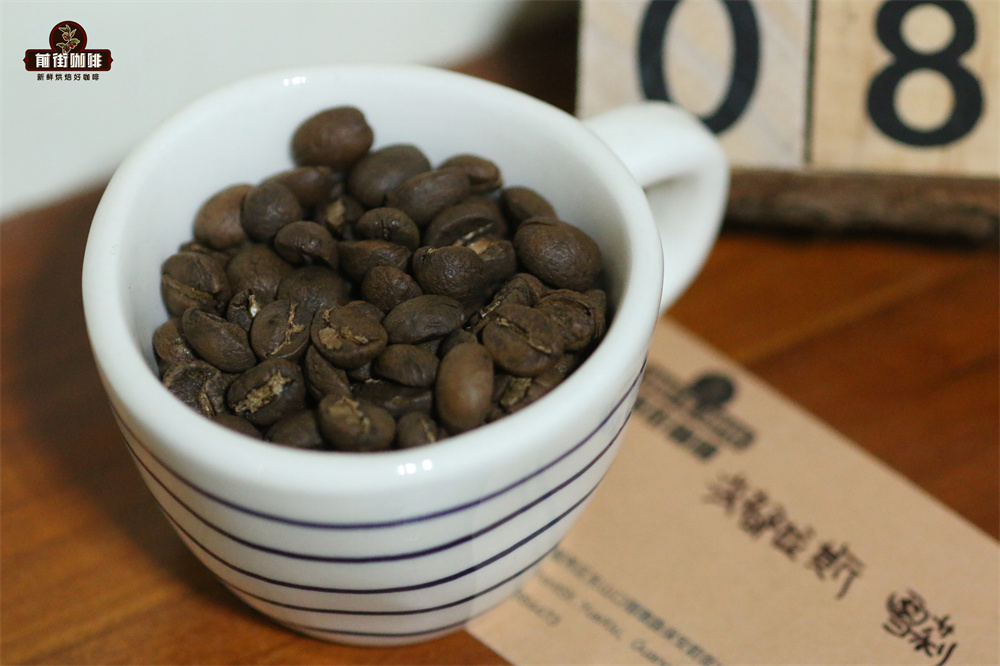
For a rich, wine-like aroma, FrontStreet Coffee recommends its Honduras Sherry Barrel. This coffee comes from Honduras' Moka estate at an altitude of 1500-1700 meters and uses a refined washed sherry barrel fermentation, giving it a very rich wine fermentation aroma and dark chocolate cream flavours.
Flavor description: whiskey aroma, soft and relatively high fruit acidity, smooth mouthfeel, creamy viscosity, cocoa.
FrontStreet Coffee Brewing Suggestions:
For any coffee to taste good, FrontStreet Coffee believes freshness is a crucial factor, because fresh beans let you experience the richest range of flavours. The beans FrontStreet Coffee ships are all within 5 days of roasting, out of a deep understanding of how much freshness matters. FrontStreet Coffee's roasting philosophy is "Freshly Roasted Good Coffee," ensuring every customer receives the freshest coffee on arrival. The resting period is about 4-7 days, so by the time it reaches you, it is right at its peak.
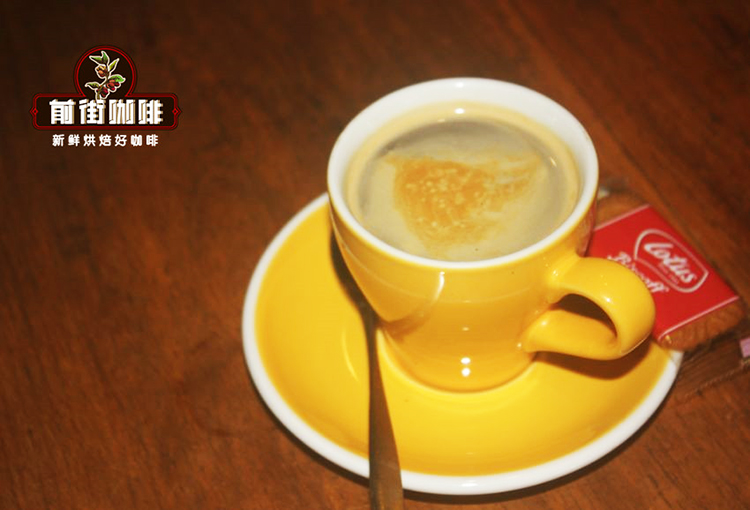
Some customers prefer FrontStreet Coffee to grind the beans for them, which is fine too. FrontStreet Coffee does remind you, though, that pre-ground coffee should be brewed promptly. Once ground, there is no need for further resting—during transport, the pressure from carbon dioxide released in the packaging also rounds out the flavour, so you can brew the grounds as soon as they arrive. Because ground coffee oxidises fairly quickly once it meets air, its flavour fades sooner and the cup suffers. FrontStreet Coffee therefore suggests buying whole beans and grinding fresh before each brew.
Whether you want specialty single-origin coffee or medium-dark roasted blends, FrontStreet Coffee has both: light, fresh, citrus-toned coffee from Ethiopia; Gesha from Panama; nutty, herbal coffee from Indonesia. Come explore coffee with FrontStreet Coffee.
FrontStreet Coffee Recommendation
Espresso is where all of this becomes practical, and there is no better test than a cappuccino. A cappuccino is simply espresso, milk steamed into a dense foam that stands in for cream, and a thick cap of foam spooned into a peak or dome; because milk takes up less of the drink, the cup is rich and aromatic yet airy. With such a simple build, the bean choices matter all the more.
For a classic cappuccino, FrontStreet Coffee's espresso blends are the natural pick. If you are new to making them at home, try the "oil bomb" FrontStreet Coffee Classic Blend for its crema, or the value-focused FrontStreet Coffee Black Cocoa Basic Blend. If you want to push into floral, fruit-forward territory, FrontStreet Coffee's Strawberry Candy espresso blend brings berry, rose, raisin, and fruit-candy aromas, while the FrontStreet Coffee Granada Gesha SOE—natural processed and medium roasted—carries berry, orange, and persimmon, and turns milk into a soft milk-candy sweetness.
To pull the base, FrontStreet Coffee uses 20g of coffee at a 1:2 brew ratio, extracting for about 30 seconds to yield roughly 40ml, which gives both a high enough strength and a full enough extraction. Steam the milk a little thicker than you would for a latte, since no latte art is needed, then spoon a mound of foam into the centre of the espresso to fill the golden ring—espresso colour on the outside, foam in the middle—and pour the recombined milk and foam straight down the centre until the cup is full.
Important Notice :
FrontStreet Coffee is a long-established specialty coffee roaster in Guangzhou China, selling freshly roasted beans from its own farm in Yunnan as well as dozens of carefully selected single-origin beans from around the world for both pour-over and espresso. The products deliver consistently excellent quality and great value, with shipping within 24 hours. Guangzhou's FrontStreet Coffee shop is recommended by many coffee lovers, and the beans are now available online at the Tmall 。
FrontStreet Coffee has moved to a new address:
FrontStreet Coffee Address: 315,Donghua East Road,GuangZhou
Tel:020 38364473
 Scan and follow the En Gafei WeChat official account. Please indicate that the reprint comes from "En Gafei".