The Difference Between Americano and Espresso? How Espresso Bean Roast Level Affects Coffee Flavor
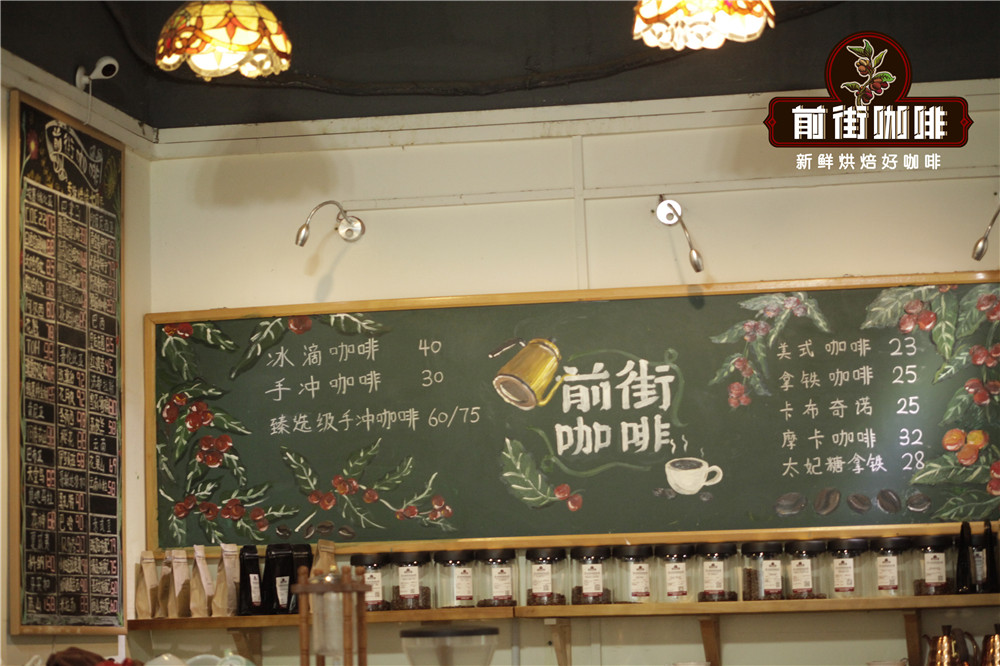
Someone recently told FrontStreet Coffee: "I only just learned that espresso coffee means espresso, that American coffee belongs to espresso coffee, and that espresso plus water makes American coffee." Confusing, isn't it? So let's clear up what espresso coffee is, what espresso is, and what American coffee is.
Q1: What Is Espresso Coffee?
Espresso coffee is short for Italian espresso. It originally meant a strong coffee extracted quickly, the pick-me-up Italians drank during the workday. Back then, once a shot was pulled, they would finish it in a few sips and get back to work with fresh energy. As espresso spread around the world, different countries developed different habits, adding milk, water, or even spirits. FrontStreet Coffee's latte, cappuccino, American coffee, Dirty, and flat white can all be grouped under the umbrella of espresso coffee.
Q2: What Is Espresso?
An espresso machine relies mainly on its pump to generate pressure. That pressure drives substances in the coffee powder into the water quickly, producing a rich coffee liquid. At the same time, the carbon dioxide released from the grounds during extraction and the hot water passing through reach a supersaturated state, so the carbon dioxide cannot escape and instead dissolves directly into the coffee.
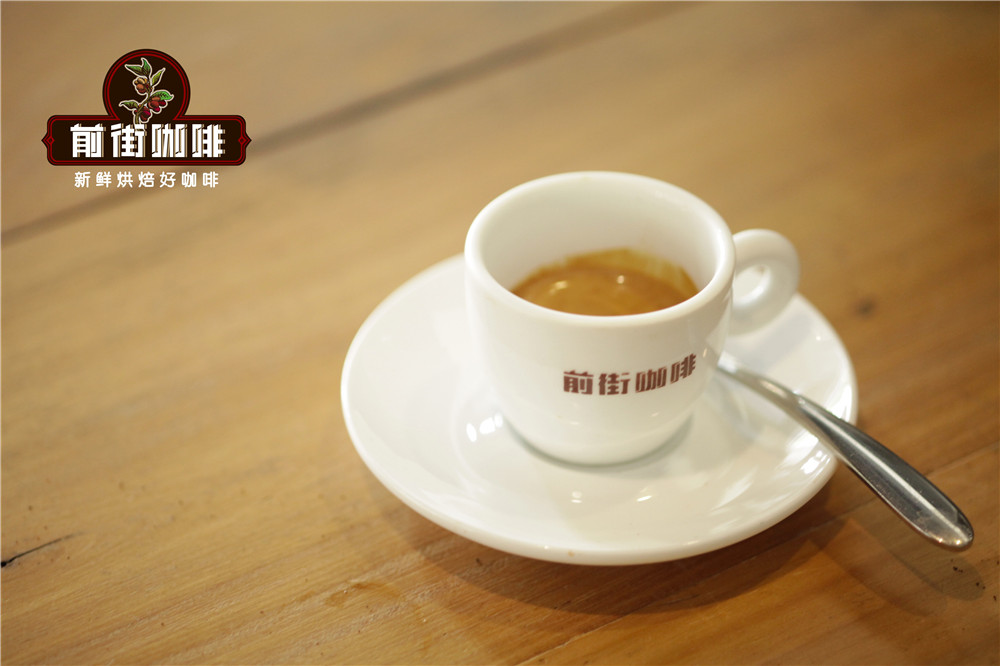
Under the same high pressure, the coffee's natural oils cannot simply escape; they are forced into an emulsified state. When extraction stops, a layer of golden oil floats on the surface of the shot. This is what we call crema. It forms because carbon dioxide under high pressure emulsifies the oils, so once extraction finishes and the coffee returns to normal atmospheric pressure, the carbon dioxide begins to dissipate and the crema slowly fades as well.
Q3: What Is American Coffee?
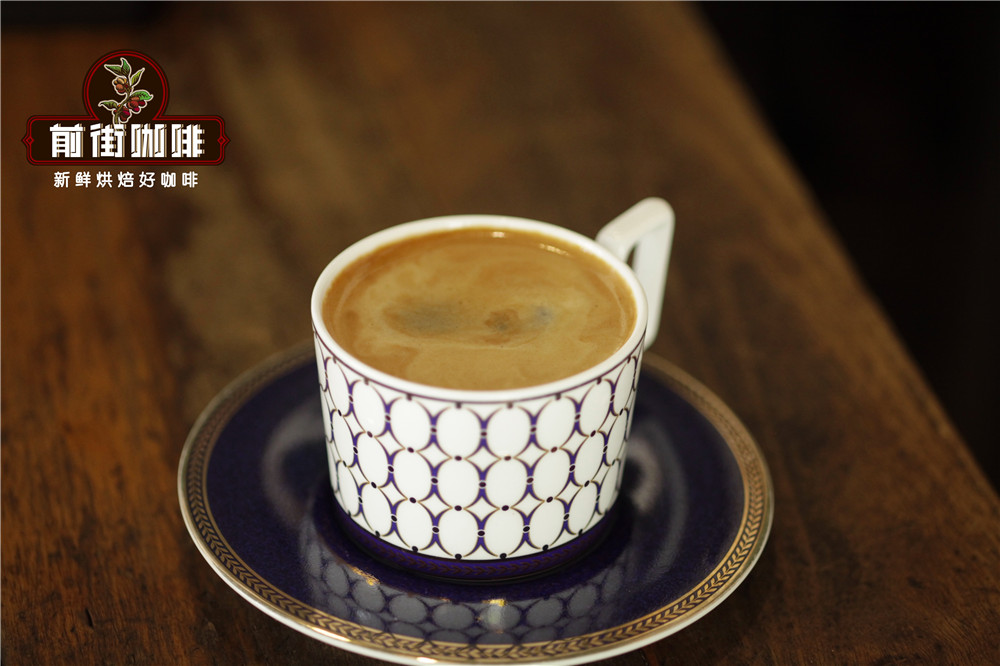
American coffee came about when an American soldier tasted espresso in Italy, found it too strong to handle, added water, and decided it was far easier to drink that way. The method spread from one person to ten and then around the world. Because the drink had no name, and it was the American way of drinking espresso, people started calling it American coffee.
Q4: What Roast Level Works Best for Making Espresso?
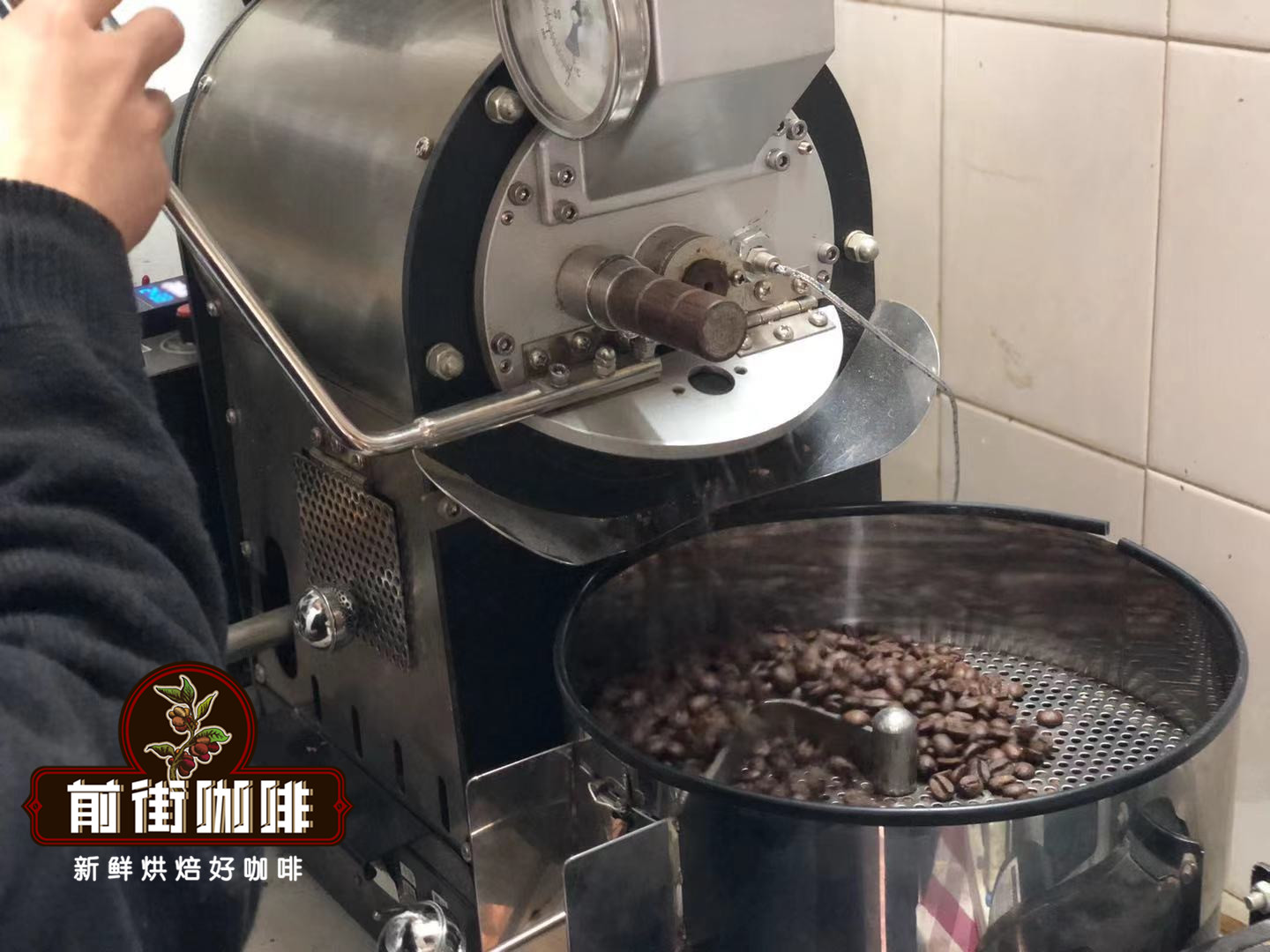
FrontStreet Coffee recommends medium-roasted beans for espresso. Espresso is chasing a rich coffee taste. The darker the roast, the more caramelization builds toward bitterness: chlorogenic acid lactones and phenylindanes in the beans transform into rich flavor compounds as the roast deepens. Darker roasting also throws the beans' water-oil balance off. Moisture evaporates and the oils in the beans increase. As noted above, the crema layer of an espresso forms when carbon dioxide and pressure emulsify those oils, and deeply roasted beans hold more carbon dioxide, so the crema floating on the surface after extraction will be richer.
Q5: Is Espresso Pulled from Darker Roasted Beans Better Tasting?
No. When beans roasted too dark are extracted under high temperature and high pressure, the coffee's flavor is concentrated and amplified, producing a shot that reads as very strong and hard to swallow. That is why FrontStreet Coffee recommends medium-roasted beans. At that roast level the coffee mainly shows nut and cocoa flavors. The final direction, of course, still depends on the beans' regional character and variety.
Q6: Water-to-Coffee Ratio for Making American Coffee
FrontStreet Coffee uses blend beans to pull espresso, since the components complement one another. Here, sun-dried Yirgacheffe supplies sweetness and a soft berry acidity, paired with sherry barrel-processed coffee that brings nuts and whiskey aroma in the Warm Sun blend. The double espresso extraction parameters are: machine extraction pressure 9bar±2, extraction water temperature 92℃-94℃, grind size 90% passing through a #20 standard sieve, dose 19g, brew ratio 1:1.8, extracted coffee liquid 35ml, extraction time 27-28 seconds.
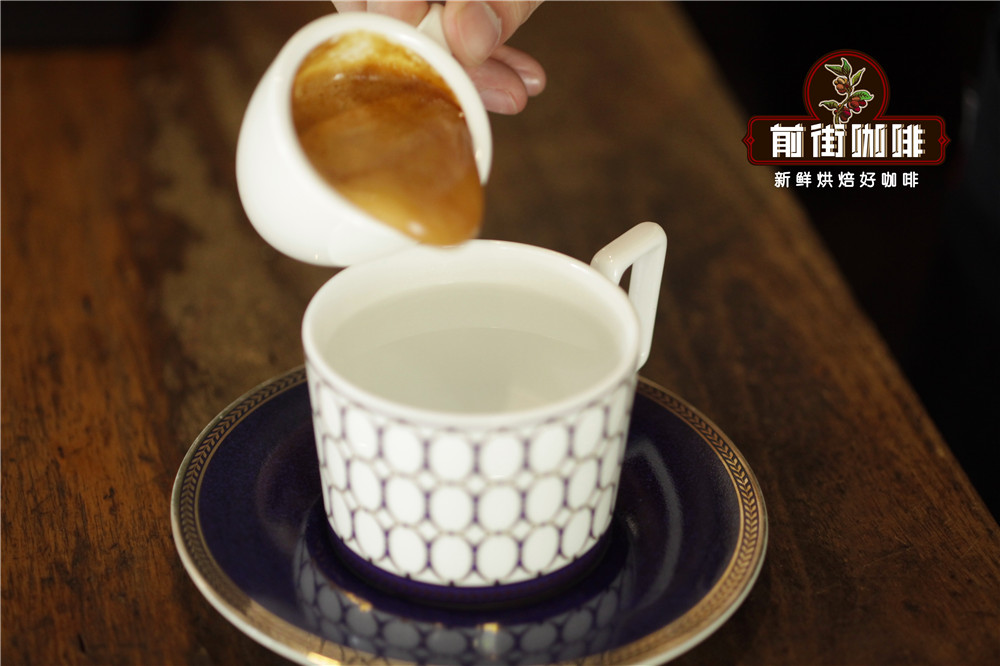
The traditional American coffee water-to-coffee ratio is 1:8, but every bean extracts to a different concentration, so the better approach is to pull a double espresso first and then test and taste from a 1:4 ratio to settle on the American coffee ratio that suits your beans. FrontStreet Coffee's Warm Sun blend has a fresh, distinctive flavor full of wine aroma, so when FrontStreet Coffee makes American coffee it dilutes a double espresso at 1:4. The result highlights the wine aroma and cocoa aftertaste of the Warm Sun blend while keeping the coffee rich.
FrontStreet Coffee Recommendation
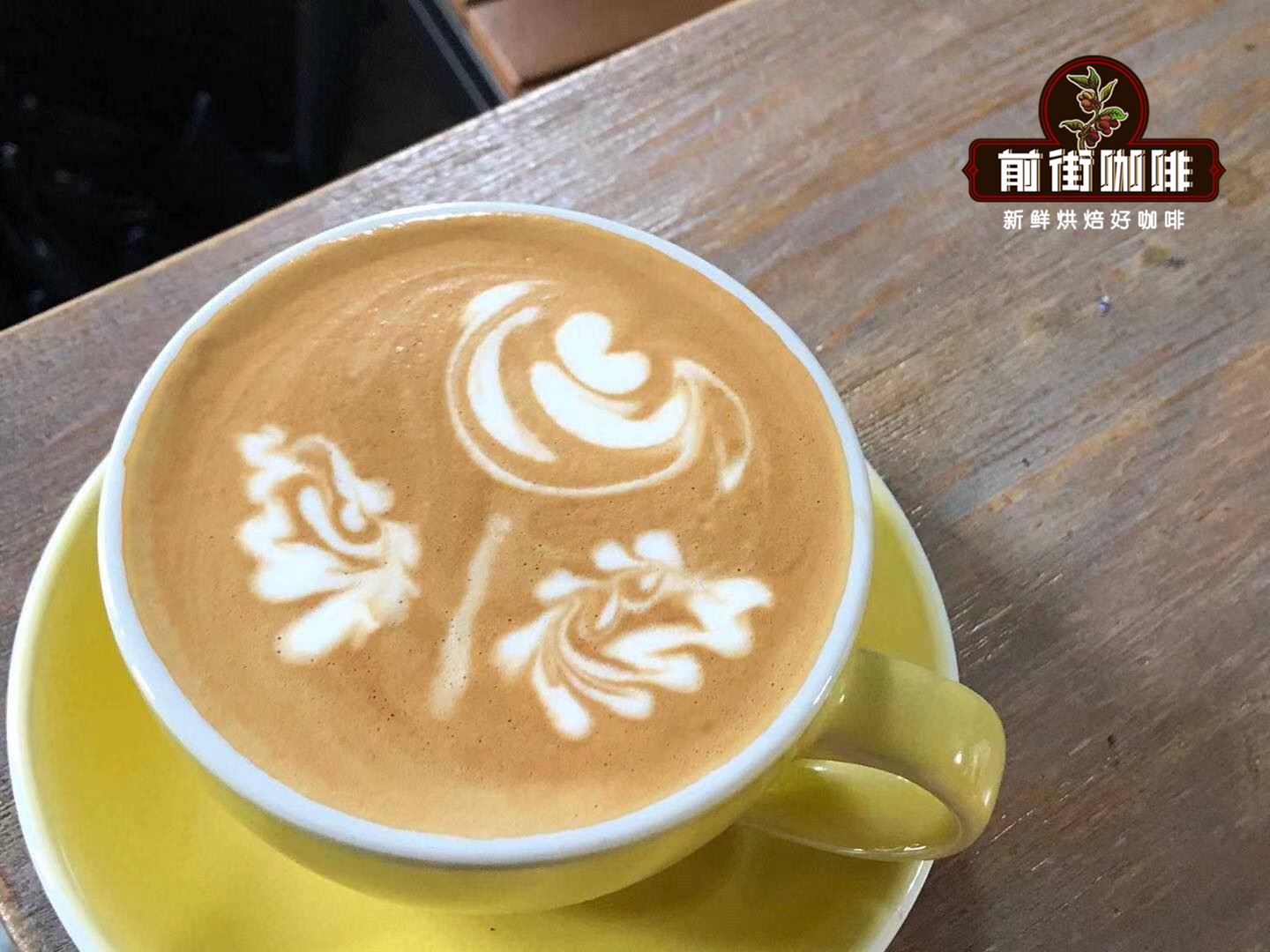
Everything above comes down to matching the bean to the drink, and milk drinks are no different. A proper Flat White has three fixed points no matter whose recipe you follow: less milk, a thin layer of foam, and a strong coffee flavor. Because the milk is there to support rather than dominate, choose an espresso bean with a strong flavor signature. FrontStreet Classic Blend is the home favorite: a buttery, cheesy profile, mellow and low in acidity, with rich, fine crema that gives the milk real depth.
If you lean toward floral and fruity notes, FrontStreet Strawberry Candy espresso blend is the one to try. Bitterness is very low, the shot carries full grape and blueberry flavors with a balanced sweet-sour edge, and built with fresh milk it drinks like a strawberry milkshake. For either bean, milk quality matters: too thin and the drink feels watery, too strong and it buries the coffee. Chilled fresh milk, steamed on the machine, brings out the sweetness and aroma alongside the espresso.
For a reference recipe, pull only the front and middle of the shot as a Ristretto base, 20g of coffee to 32g of liquid in 22-25 seconds, then pair it with 160ml of fresh milk. Keep the steam wand's air intake to just 1-2 seconds, and steam until the milk reaches 50-55°C; FrontStreet serves the foam at a uniform 0.3cm thickness so the drink stays creamy but never watery.
Important Notice :
FrontStreet Coffee is a long-established specialty coffee roaster in Guangzhou China, selling freshly roasted beans from its own farm in Yunnan as well as dozens of carefully selected single-origin beans from around the world for both pour-over and espresso. The products deliver consistently excellent quality and great value, with shipping within 24 hours. Guangzhou's FrontStreet Coffee shop is recommended by many coffee lovers, and the beans are now available online at the Tmall 。
FrontStreet Coffee has moved to a new address:
FrontStreet Coffee Address: 315,Donghua East Road,GuangZhou
Tel:020 38364473
 Scan and follow the En Gafei WeChat official account. Please indicate that the reprint comes from "En Gafei".