Wine-Aroma Coffee: Flavor Characteristics of Honduras Barrel-Fermented Coffee and Colombia San José Coffee Beans
Coffee flavors are incredibly diverse, ranging from floral and fruity notes to fermented ones. In this article, FrontStreet Coffee explores coffees with wine-like aromas. Beyond the well-known Honduran Sherry and Lychee Orchid beans, Colombian San Jose Estate coffee also shows a very different kind of wine character.
Whiskey-Aroma Coffee Beans & Brandy-Aroma Coffee Beans
The whiskey-aroma and brandy-aroma beans that FrontStreet Coffee acquired come from Finca Moca in Masaguara, Honduras. Masaguara is a municipality in the Intibuca province of Honduras, in the southern part of the Jesus de Otoro valley, surrounded by mountains and hills. It lives mainly off coffee growers, and the crop is the backbone of the local economy; the valley floor is given over to basic grains and livestock. As for the name, according to Mr. Alberto Membreo's "Indigenous Place Names," Masaguara means "place of deer." Finca Moca is just a small estate in the high-altitude part of Masaguara.
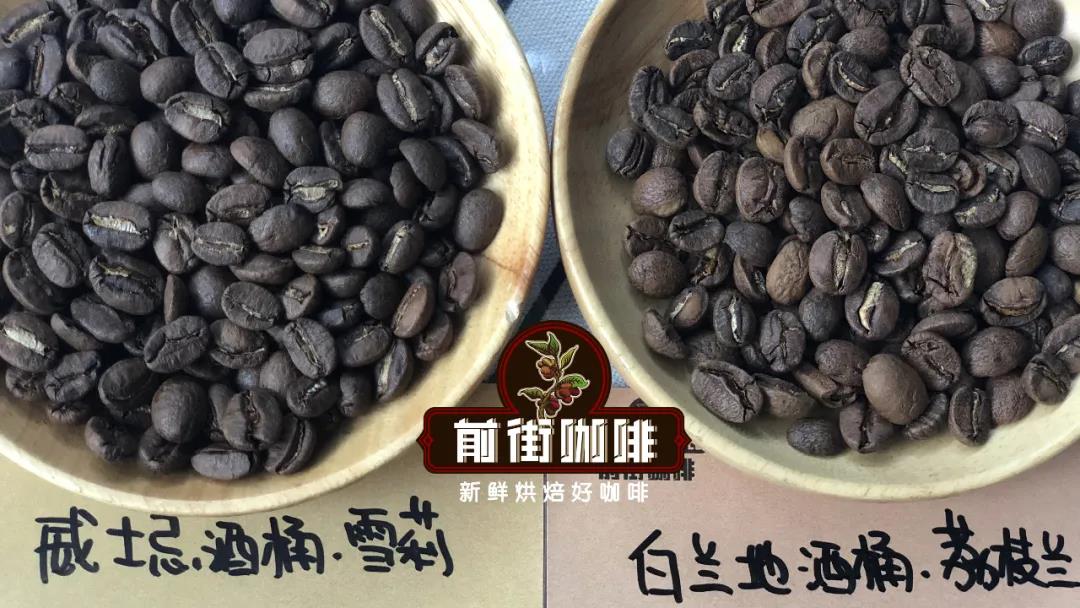
Both of FrontStreet Coffee's Honduran wine-aroma beans undergo barrel-aging; the only difference is the type of wine barrel used for fermentation. The Sherry and Lychee Orchid beans use refined washed processing followed by fermentation in whiskey-sherry barrels or rum barrels. Freshly picked cherries are first refined washed, then placed in sherry-aged or rum barrels for low-temperature fermentation for 30-40 days at approximately 15-20°C, followed by shade drying.
FrontStreet Coffee Roasting Recommendations & Cupping Reports
Sherry Coffee Bean Roasting
Using a Yangjia 800N roaster (300g batch size), drum temperature at 190°C, heat at 140, damper at 3; turnaround point at 1'42", damper opened to 4 when drum temperature reaches 140°C, heat unchanged; drum temperature at 151.8°C when the bean surface turns yellow, the grassy aroma completely disappears, and the beans enter the dehydration phase. When drum temperature reaches 150°C, adjust heat to 120, damper unchanged; at 8'38", the bean surface shows ugly wrinkles and black spots, and the toast aroma clearly transitions to coffee aroma, which can be defined as the prelude to first crack. At this point, listen carefully for the first crack sound, which starts at 9'07", damper opened to 4, develop for 2'10" after first crack, discharge at 195°C.
Through cupping, FrontStreet Coffee found that Sherry beans carry a rich whiskey aroma in the dry fragrance and vanilla in the wet fragrance, with notes of whiskey, smooth vanilla cream, berry acidity, and a lingering dark chocolate and honey finish.
Lychee Orchid Coffee Bean Roasting
Using a Yangjia 800N roaster (300g batch size), drum temperature at 120°C, heat at 140, damper at 3; turnaround point at 1'32", damper opened to 4 when drum temperature reaches 140°C, heat unchanged; drum temperature at 152.6°C when the bean surface turns yellow, the grassy aroma completely disappears, and the beans enter the dehydration phase. When drum temperature reaches 151°C, adjust heat to 120, damper unchanged; at 8'00", the bean surface shows ugly wrinkles and black spots, and the toast aroma clearly transitions to coffee aroma, which can be defined as the prelude to first crack. At this point, listen carefully for the first crack sound, which starts at 9'17", damper opened to 5, develop for 2'10" after first crack, discharge at 195°C.
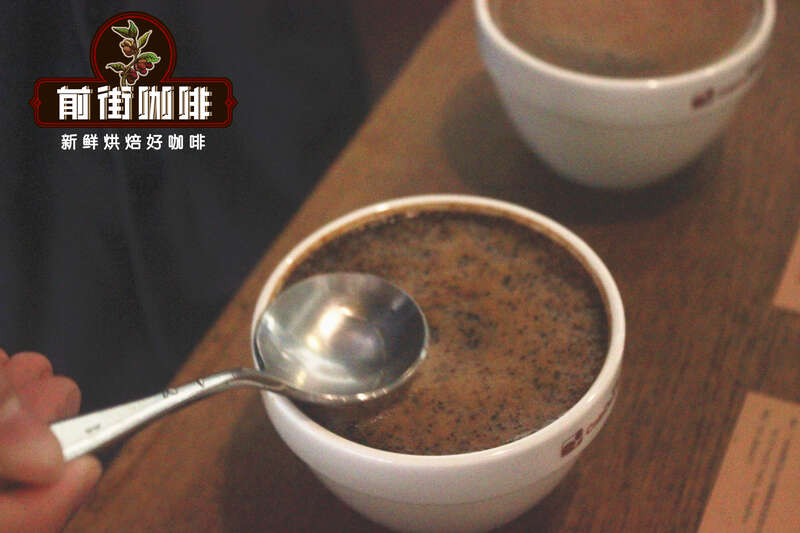
Through cupping, FrontStreet Coffee found that Lychee Orchid beans have vanilla cream in the dry fragrance and lychee in the wet fragrance, with notes of brandy, the sweet-and-sour taste of lychee flesh, and a lingering dark chocolate and honey finish.
Rum-Aroma Coffee Beans
The rum-aroma beans that FrontStreet Coffee acquired come from Finca San Jose in the Caldas region of Colombia. Caldas lies in central-western Colombia, in the Central Cordillera of the Andes, with the Magdalena River to the east and the Cauca River to the west. Finca San Jose is a long-established estate in Caldas province, with abundant sunshine and an average annual temperature between 21°C and 25°C. One day, while the owner, Monsalve Botero, was helping her husband (who makes rum oak barrels and brews rum) fill rum distillate for fermentation, she had an idea: what if green coffee beans were placed in oak barrels to ferment, could they develop different flavors? For this reason, starting in 2013 she began experimenting with winemaking-style low-temperature fermentation using Colombian oak barrels of different ages and varying fermentation times.
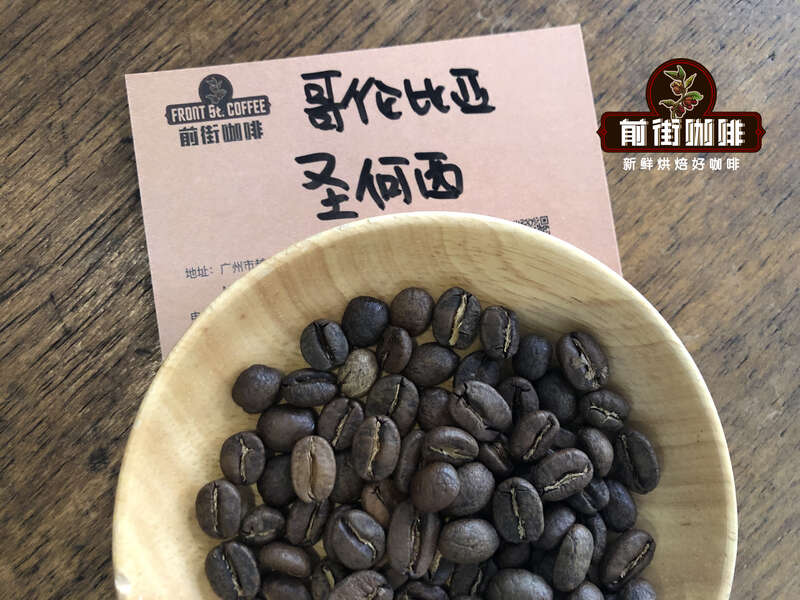
FrontStreet Coffee's San Jose Estate beans use refined washed processing with brandy barrel fermentation. Freshly picked cherries are first refined washed, then placed in rum oak barrels for low-temperature fermentation for 30-40 days at approximately 15-20°C, allowing the green beans to absorb the barrel's flavors, followed by shade drying.
FrontStreet Coffee Roasting Recommendations & Coffee Cupping Report
San Jose Coffee Bean Roasting
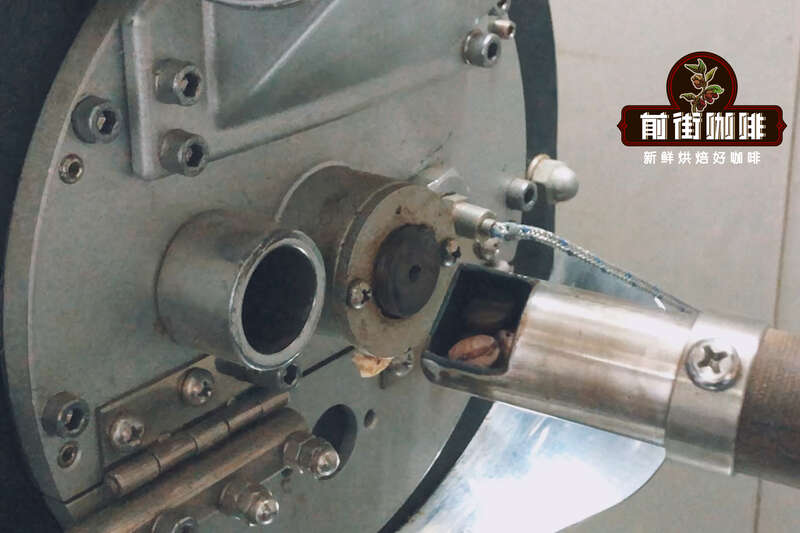
Drum temperature at 190°C, heat at 140, damper at 3; turnaround point at 1'42", damper opened to 4 when drum temperature reaches 140°C, heat unchanged; drum temperature at 151.8°C when the bean surface turns yellow, the grassy aroma completely disappears, and the beans enter the dehydration phase. When drum temperature reaches 150°C, adjust heat to 120, damper unchanged. At 8'38", the bean surface shows ugly wrinkles and black spots, and the toast aroma clearly transitions to coffee aroma, which can be defined as the prelude to first crack. At this point, listen carefully for the first crack sound, which starts at 9'07", damper opened to 4, develop for 2'10" after first crack, discharge at 195°C.
Through cupping, FrontStreet Coffee found that San Jose Estate beans have rum in the dry fragrance and dark chocolate in the wet fragrance, with flavors of liqueur-filled chocolates, rum, tropical fruits, and maple syrup.
FrontStreet Coffee Brewing Comparison of Three Wine-Aroma Coffee Beans
Dripper: Hario V60
Dose: 15g
Ratio: 1:15
Water temperature: 90°C
Grind: BG #6S
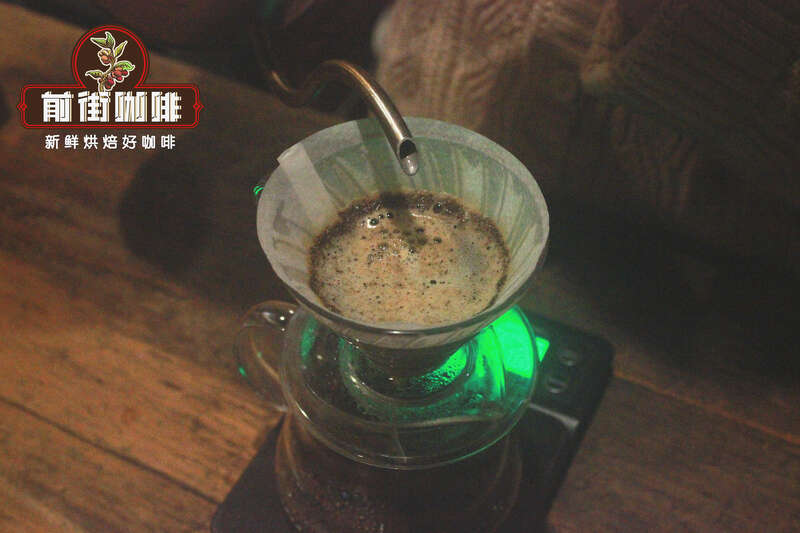
FrontStreet Coffee uses staged extraction: bloom with 30g of water for 30 seconds, then pour with a small water flow in center circles to 125g for the first stage; when the water level is about to expose the coffee bed, continue pouring with a slightly larger flow to 225g; remove the dripper when the water level is about to expose the coffee bed again. Timing starts from the bloom, and total extraction time is 2'00".
Sherry smells of vanilla and cream, with flavors of whiskey, berries, almonds, and dark chocolate, and a maple-sweet aftertaste.
Lychee Orchid has flavors of lychee and brandy, with cream. As the temperature changes, the wine flavor and dark chocolate become more pronounced, with a rich mouthfeel and noticeable honey sweetness in the aftertaste.
San Jose has a rich fermented wine aroma in the fragrance, with flavors of rum, nuts, tropical fruits, dark berries, cream, and oolong tea notes, plus noticeable sweetness and overall balance.
Although the three coffees are somewhat similar, each has a character of its own. For a prominent wine aroma, choose Sherry. For the sweet-and-sour taste of lychee flesh, choose Lychee Orchid. For richer acidity, choose San Jose.
FrontStreet Coffee Recommendation
If barrel-fermented, wine-like flavors appeal to you, FrontStreet Colombia Huila is a solid everyday choice. Grown in the Huila department, the most famous specialty region in southern Colombia's Central Cordillera at altitudes above 1,500 meters, it is given a medium-dark roast that brings out black chocolate and nutty sweetness, moderate oil, and a full, mellow body. It works as pour-over or French press, and also makes excellent moka pot and espresso for Americanos and lattes.
For a more overtly fruit-forward, fermentation-driven cup, try FrontStreet Colombia Sidra. It is processed as a natural anaerobic, so the coffee develops richer tropical fruit aromas; a medium-light roast keeps passion fruit, grape, apricot, and dried-fruit notes intact. It is at its best as pour-over, cold brew, drip bag, or moka pot.
Important Notice :
FrontStreet Coffee is a long-established specialty coffee roaster in Guangzhou China, selling freshly roasted beans from its own farm in Yunnan as well as dozens of carefully selected single-origin beans from around the world for both pour-over and espresso. The products deliver consistently excellent quality and great value, with shipping within 24 hours. Guangzhou's FrontStreet Coffee shop is recommended by many coffee lovers, and the beans are now available online at the Tmall 。
FrontStreet Coffee has moved to a new address:
FrontStreet Coffee Address: 315,Donghua East Road,GuangZhou
Tel:020 38364473
 Scan and follow the En Gafei WeChat official account. Please indicate that the reprint comes from "En Gafei".