Common Processing Methods for Brazilian Coffee Beans Brewing Suggestions and Flavor Characteristics for Pulped Natural Dark Roast Bourbon Beans
Brazilian Coffee: The Gentle Gateway to Pour-Over Excellence
Brazil is a country of fiery passion, yet behind this passion lies remarkable gentleness, and Brazilian coffee is an excellent example. Many coffee beginners, when first starting their journey, find both surprise and challenge in the wild acidity of African coffee beans and the intense bitterness of Asian coffee beans. Brazilian coffee beans, however, offer mother-like gentleness—neither too acidic nor too bitter, with rich aromas. It can be said that Brazilian coffee beans are the most friendly single-origin coffee for pour-over beginners.

The Global Influence of Brazilian Coffee
When speaking of coffee beans, Brazilian coffee must be mentioned. Because Brazil's coffee production ranks first globally, any minor occurrence in Brazil's coffee-growing regions causes corresponding fluctuations in international coffee futures prices. Since the COVID-19 pandemic began, for example, extremely tight maritime shipping combined with a series of extreme climate disasters within Brazil doubled global coffee bean prices within just one year.
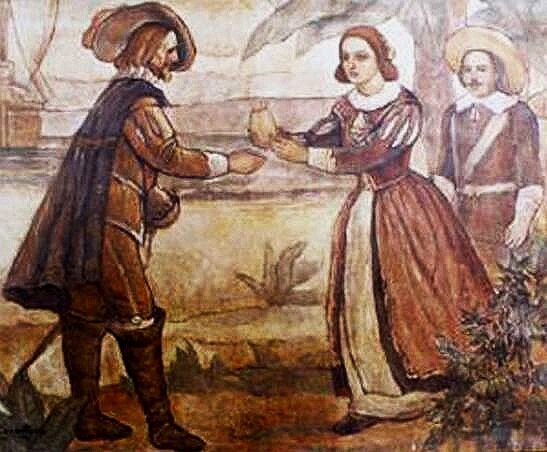
Everyone might be surprised to learn, however, that the cultivation history of Brazilian coffee spans just over three hundred years. Before the 1720s there were actually no coffee trees in Brazil. At that time a Portuguese officer stationed in Brazil received orders to go to French Guiana to resolve territorial disputes between France and the Netherlands, but the Portuguese officer and the local governor's wife became enamored with each other. Upon returning to Brazil, the governor's wife sent a bouquet of flowers that contained coffee seeds. Coffee then quickly adapted to Brazil's climate and thrived.
Rapid Development and Market Expansion
After the 1770s Brazilian coffee developed even more rapidly. At that time the American people protested against Britain's Tea Act, leading to the Boston Tea Party, which established coffee as a patriotic beverage. The number of cafes in North America increased, and demand for Brazilian coffee surged accordingly. At the same time, such enormous economic benefits brought more comprehensive transportation infrastructure to Brazil, with railways extending directly to coffee plantations, greatly reducing the time and cost of transporting coffee and making the whole process more convenient.
Soon after, the American Civil War broke out, and coffee became an essential military necessity for both Northern and Southern armies, further expanding demand for Brazilian coffee. At that time Brazil cultivated the Typica variety. Although Typica coffee offers elegant flavors, its yield is relatively low. Consequently some set out to find high-yield coffee varieties, and the Bourbon variety from Réunion Island was introduced to Brazil for this reason. By the 1870s the Bourbon variety had become the main variety of Brazilian coffee.
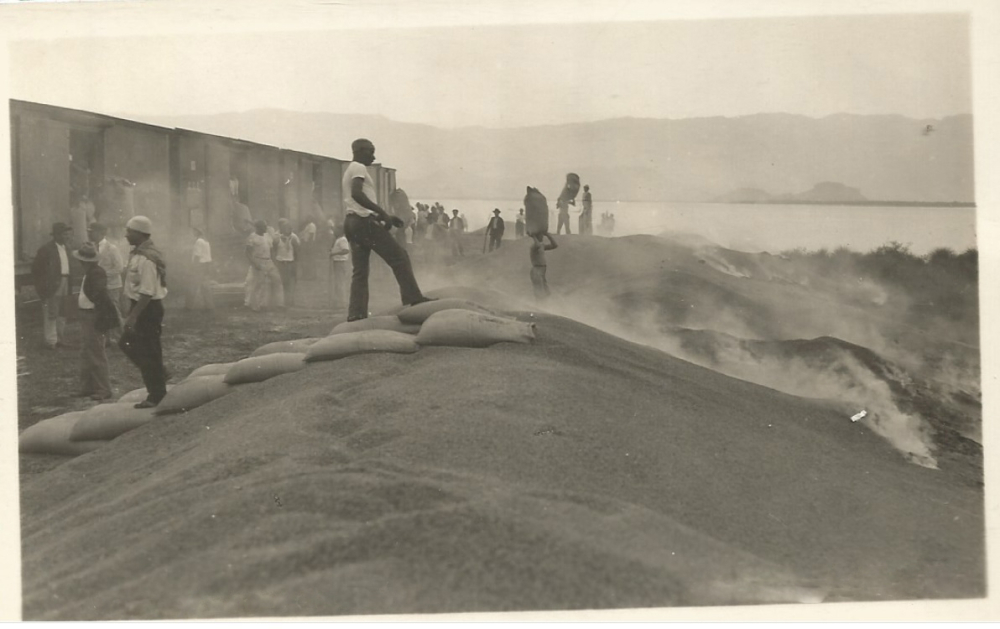
Innovation in Processing Methods
By the 1930s, because of the Great Depression in the United States, large quantities of Brazilian coffee accumulated in warehouses with no sales outlet. Eventually vast amounts of Brazilian coffee had to be burned to return prices to normal, and later an even more comprehensive system was established.
By the 1990s, to sell Brazilian coffee to the world as quickly and in as large quantities as possible, the Brazilian authorities wanted to use the washed processing method. But since not every region in Brazil has sufficient water resources and adequate funds for such operations, the pulped natural processing method was developed. This method involves removing the skin and pulp of the coffee cherries and sun-drying the parchment beans directly with their mucilage layer still attached. Removing the skin and pulp shortened the drying time to some extent and further improved the quality of the green beans.

In the early 21st century, Costa Rican authorities, similarly aiming to shorten the processing time of green coffee and improve its quality, drew inspiration from Brazil's pulped natural method and developed the honey processing method, giving Costa Rican coffee the reputation of being "sweet as honey."
FrontStreet Coffee's Brazilian Selection
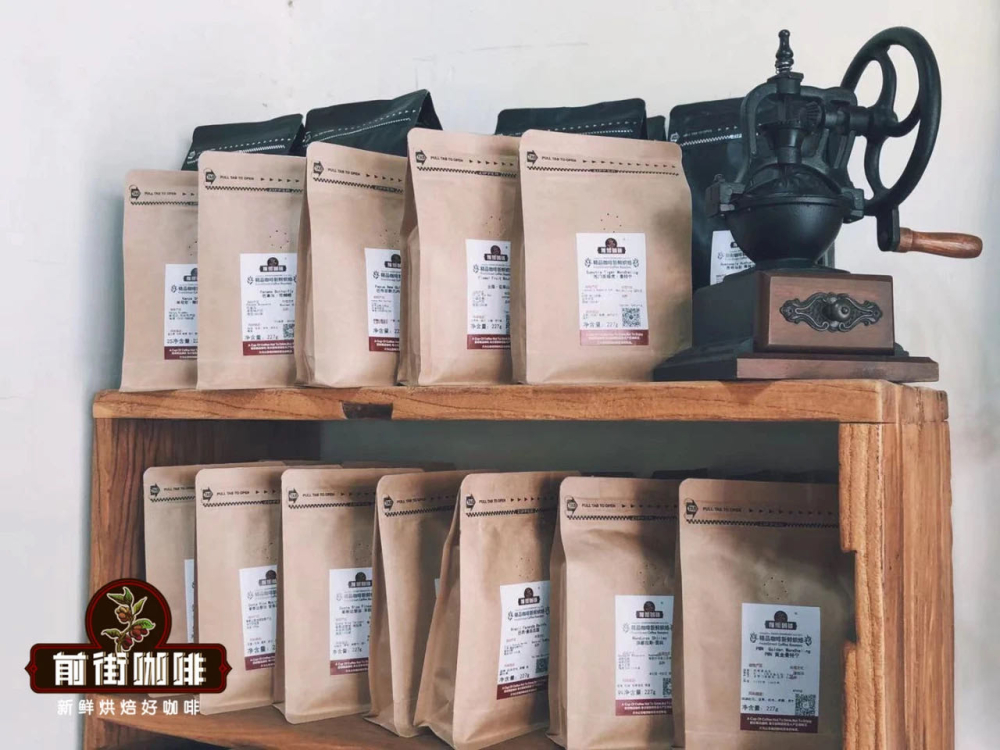
On FrontStreet Coffee's bean menu there are two coffees from Brazil. One is FrontStreet Coffee's Brazilian Red Bourbon coffee from the Cerrado region of Minas Gerais state, and the other is FrontStreet Coffee's Brazilian Queen Estate Yellow Bourbon coffee from the Mogiana region of São Paulo state.
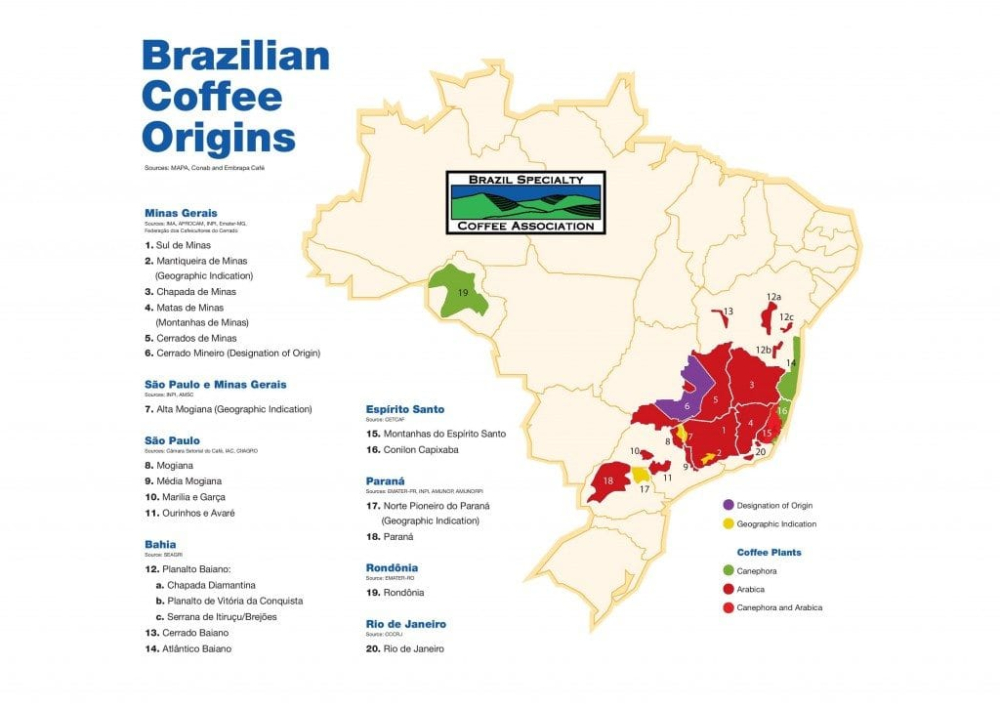
Many coffee beans in FrontStreet Coffee's daily series use the processing method that best expresses the regional terroir, which is washed processing. But because some regions' character also comes from their most traditional processing methods, some post-processing for green coffee follows local tradition, such as semi-washed and pulped natural. Brazil uses the pulped natural method, which gives Brazilian coffee richer fruit aromas, a heavier body and noticeable sweetness.

FrontStreet Coffee: Brazilian Red Bourbon Coffee Beans
Region: Cerrado region, Minas Gerais, Brazil
Altitude: 1000 meters
Variety: Red Bourbon
Processing Method: Pulped Natural
Another coffee bean on FrontStreet Coffee's menu, also from Brazil, is FrontStreet Coffee's Brazilian Queen Estate Yellow Bourbon coffee. The Mogiana region where Queen Estate is located is a historic coffee-growing region in Brazil, and Queen Estate's excellent quality is recognized by many. Since Brazil held the first Cup of Excellence (COE) competition in 1999, Queen Estate has won awards multiple times over the years, once holding a record of 12 awards in 7 years.

FrontStreet Coffee: Brazilian Queen Estate Coffee Beans
Region: Mogiana region, São Paulo, Brazil
Estate: Queen Estate
Altitude: 1400 meters – 1950 meters
Variety: Yellow Bourbon
Processing Method: Natural processing
Queen Estate has a planting area of about 280 hectares, with more than 200 hectares dedicated to the lower-yield but superior-flavor Yellow Bourbon variety. Modern scientific verification has confirmed that Yellow Bourbon is a natural mutation of the Red Bourbon variety, documented as being discovered in São Paulo state in 1871. This variety has a thicker mucilage layer and richer sugar content.
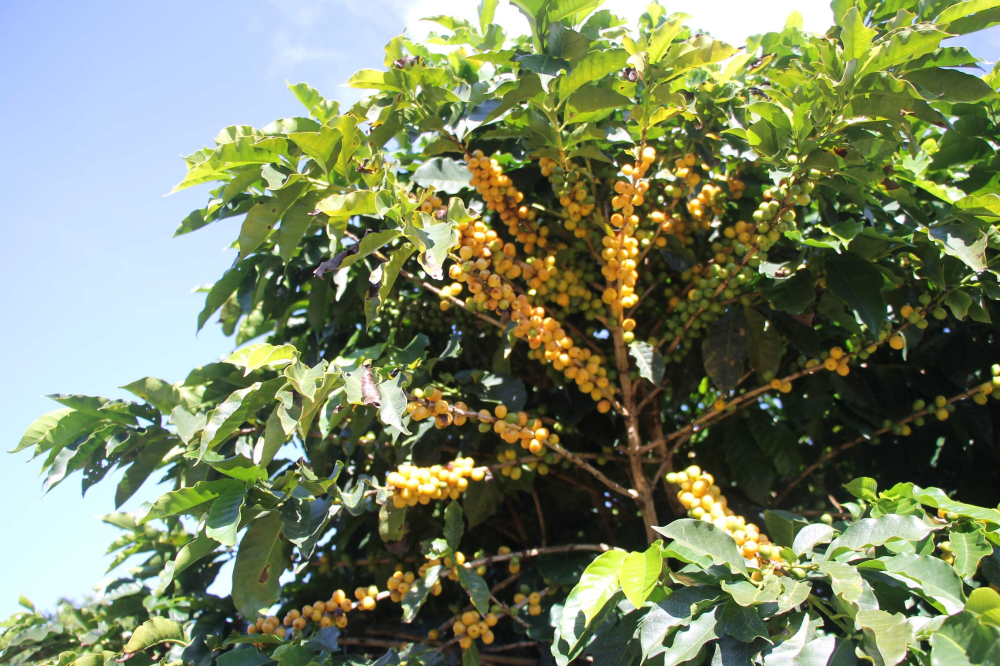
This FrontStreet Coffee Brazilian Queen Estate Yellow Bourbon coffee uses small-scale natural processing, in which whole coffee cherries are spread evenly on raised beds for sun-drying, preserving more sugar content and letting more sugar penetrate into the green coffee beans. Because workers frequently turn the cherries, unpleasant acidity and fermentation sensations are avoided. The natural processing method also makes the Yellow Bourbon coffee sweeter and more delicious.
Brewing Recommendations
When brewing these two FrontStreet Coffee Brazilian coffees, FrontStreet Coffee recommends using a KONO dripper, 88°C water temperature, and a medium-coarse grind size.
Dripper: KONO dripper
Water Temperature: 88°C
Dose: 15 grams
Ratio: 1:15
Grind Size: 75% pass-through rate on Chinese standard #20 sieve

First, pour 30 grams of hot water in a looping motion to completely wet the coffee grounds and let them bloom for 30 seconds. After 30 seconds, pour from the center with a small water stream, slowly circling to 125 grams, then pause. When the water level in the dripper drops to just about to expose the coffee bed, continue pouring until reaching 225 grams, then stop. Wait until all water has completely dripped into the lower pot before removing the dripper. Total extraction time is approximately 2 minutes.
For more coffee bean information, follow Coffee Workshop (WeChat official account: cafe_style)
For professional coffee knowledge exchange, add WeChat ID: kaixinguoguo0925
FrontStreet Coffee Recommendation
If you want to taste the gentle Brazilian profile described above, FrontStreet Coffee's Brazilian Cerrado Red Bourbon is a good place to start if you are simply curious about the region. Cerrado is a well-known Brazilian coffee area prized for high-quality beans, and this lot belongs to the Red Bourbon variety common in South America. Roasted medium, it shows the rich aromas of cream, peanut, toasted bread, caramel and hazelnut, with a rounded body, low acidity and a mild bittersweet note. It works as a pour-over but also in a moka pot, as an espresso SOE, in a siphon or in a French press.
FrontStreet's other Brazilian single origin, the Queen Estate from Mogiana, is a step up. Mogiana sits near South Minas, and its fertile red volcanic soil lets the coffee cherries absorb abundant nutrients and develop a full aroma; the region mixes farms that keep traditional practices with others that have adopted modern, standardized management, which has greatly improved local quality. Queen Estate's variety is the rare Yellow Bourbon, a natural mutation of Red Bourbon with a cleaner fruit character. Brewed as pour-over, in a moka pot or on a home espresso machine, FrontStreet's Brazilian Queen Estate shows the sugarcane sweetness that other regions lack, along with fruit and chocolate notes. Roasted medium, it brings out aromas and sweetness of cream, peanut, chocolate and toast, and it can be brewed as a pour-over or used in a moka pot and espresso machine.
Brazilian coffee is also the backbone of FrontStreet Coffee's espresso blends. Its low-acid, balanced character and friendly price make it the first choice in many Italian-style recipes: the rich, full-bodied Classic Blend, the intensely nutty Specialty Blend, the balanced Dark Cocoa Blend, and FrontStreet Coffee's Commercial Blend made specifically for coffee shops all contain Brazilian beans. The Brazilian component not only provides chocolate and cream aromas but also a soft sweet-sour-bitter balance, and its stable character supports consistent extraction.
Important Notice :
FrontStreet Coffee is a long-established specialty coffee roaster in Guangzhou China, selling freshly roasted beans from its own farm in Yunnan as well as dozens of carefully selected single-origin beans from around the world for both pour-over and espresso. The products deliver consistently excellent quality and great value, with shipping within 24 hours. Guangzhou's FrontStreet Coffee shop is recommended by many coffee lovers, and the beans are now available online at the Tmall 。
FrontStreet Coffee has moved to a new address:
FrontStreet Coffee Address: 315,Donghua East Road,GuangZhou
Tel:020 38364473
 Scan and follow the En Gafei WeChat official account. Please indicate that the reprint comes from "En Gafei".