Which is Better for Weight Loss: Light Roast or Medium-Dark Roast Coffee Beans? Which Tastes Better: Light or Medium Roast Coffee?
As living standards have risen year on year, more and more people are paying attention to eating and drinking well. Coffee is one of our most common daily beverages, so how to drink it healthily has become a question many people ask. FrontStreet Coffee would like to walk through which coffees suit which drinkers.
Black Coffee Is Healthier
Coffee divides broadly into milk coffee and black coffee, and black coffee is generally the healthier of the two. "Black coffee" is the catch-all term for coffee without milk or sugar, including the pour-over and Americano we drink every day. Within that group, the roast level of the beans varies, and the flavor follows.
Coffee Roast Degrees
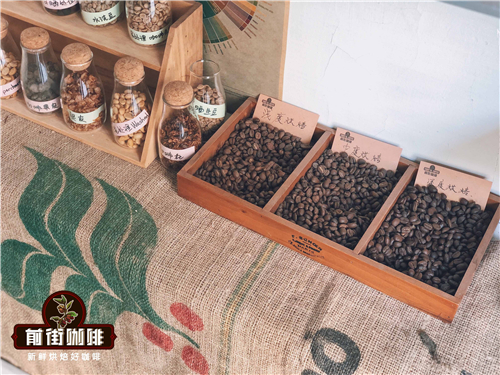
The roast degree of a bean largely determines the direction its flavor takes. Roasting can be simplified into three levels: light, medium, and medium-dark to dark.
Light Roast / Cinnamon Roast
Drop time: From the beginning of first crack to dense cracking
Flavor: The bean surface appears cinnamon-colored. By this point the grassy flavor has been driven off, leaving strong acidity and a light aroma. Most often used for pour-over.
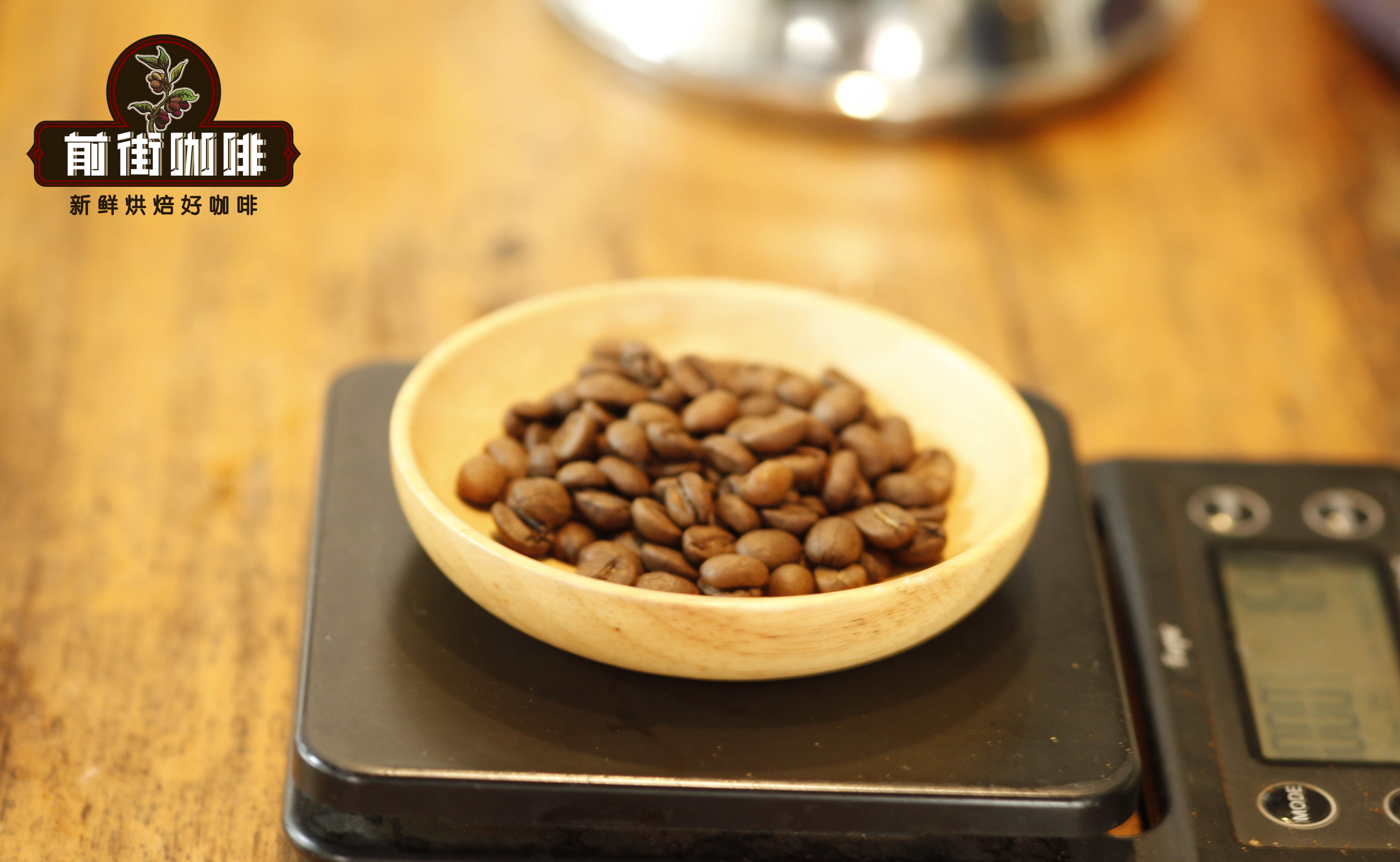
Medium Roast
Drop time: Between dense first crack and its end
Flavor: The bean surface appears chestnut-colored, with a light, acidic cup and a hint of bitterness, plus moderate aroma. It preserves the bean's original character and is often used for pour-over or blended coffee.

Medium-Dark Roast / City Roast
Drop time: After the first crack, between the first and second cracks
Flavor: The bean surface appears light brown, with a bright, lively cup, balanced acidity and bitterness leaning toward subdued acidity, releasing the best flavors in the coffee. This is the standard roast level and the most popular one among the general public.
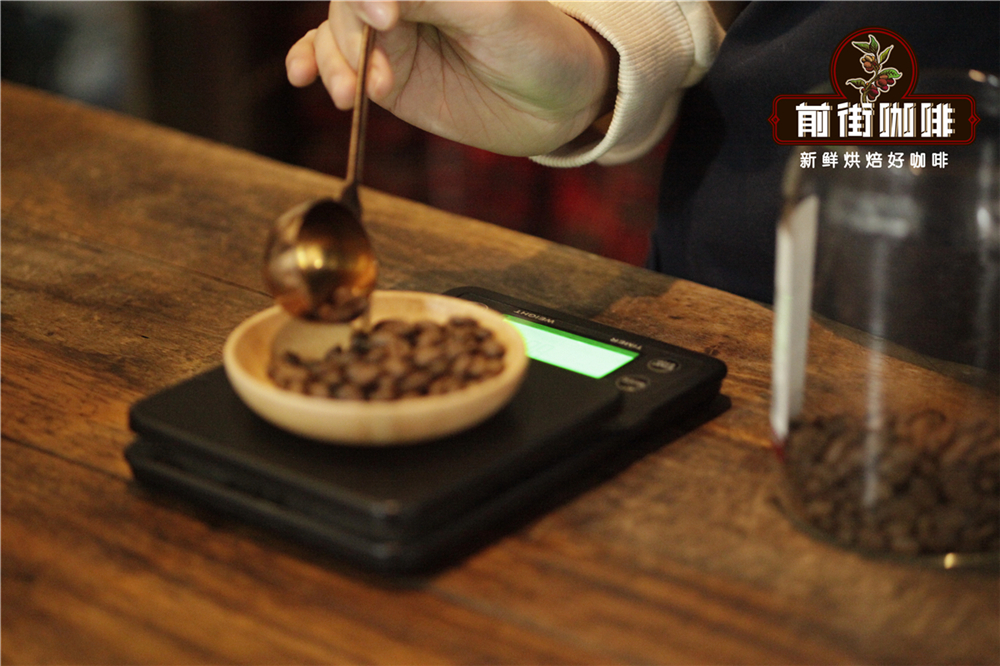
Dark Roast / Italian Roast
Dark roast is also known as "Italian roast."
Drop time: From the end of second crack until the bean surface turns black and oily
Flavor: The bean surface appears black with an oily sheen. Before the fibers carbonize, the cup is strong and complex, with powerful bitterness and rich roast and caramelized aromas. It is mainly popular in Italy and is most often used for Espresso.

Is Light Roast Coffee Healthier?
Researchers found that most of the beneficial compounds survive roasting at every level, but in darker roasts two substances — chlorogenic acid and antioxidants — drop significantly. Chlorogenic acid is an important bioactive compound with antibacterial, antiviral, white-blood-cell-boosting, liver-protecting, gallbladder-promoting, anti-tumor, blood-pressure-lowering, blood-lipid-lowering, free-radical-scavenging and central-nervous-system-stimulating effects. The experimental conclusion, then, is that lighter roasts are the healthier choice.
According to research results currently published in the "Video Medical Journal," Scandinavian-style roasting is a "healthier" method for the human body than Italian roasting. In other words, light roast coffee contains more of the compounds the body can use than dark roast coffee.

How to Brew Light Roast Coffee Beans
If light roast is the healthier route, how should those beans be brewed? Take FrontStreet Coffee's Yirgacheffe Natural Red Cherry Project as an example — the bean is roasted light.
FrontStreet Coffee Brewing Parameters
- Dose: 15 grams
- Coffee-to-water ratio: 1:15
- Water temperature: 91-92°C
- Grind size: Medium-fine grind (78% pass-through rate with #20 standard sieve)
- Dripper: V60
Brewing Process
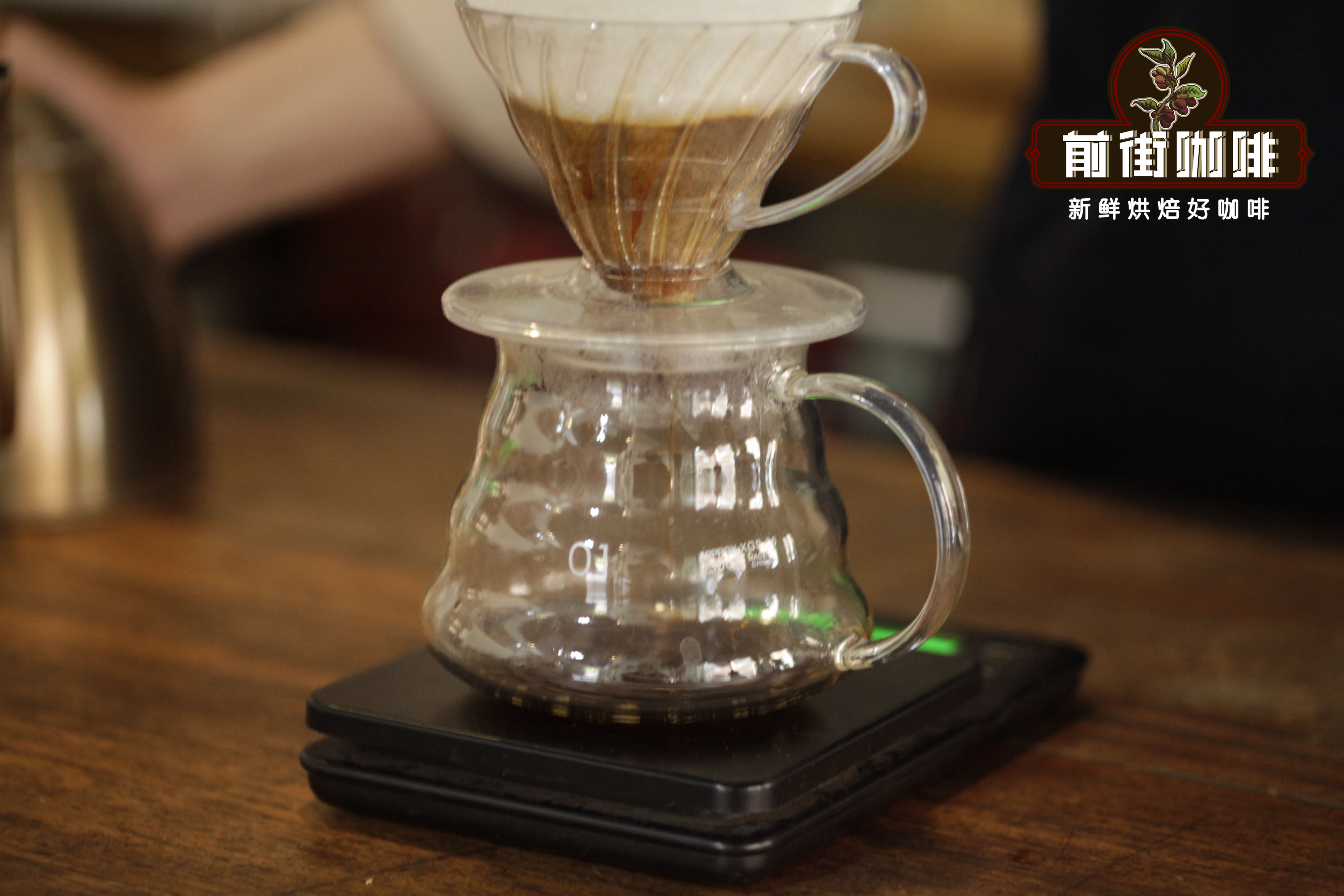
Begin with your preparations — warm the dripper and server, grind the coffee, and bring the water to temperature — then add the grounds. Start the timer as you make the first pour. Inject 30 grams of hot water for the first segment, circling from the center outward. The grounds absorb the water and slowly expand into a plump "coffee burger."

Stop pouring once 30 grams of water is in, and let the bed bloom for 30 seconds. At the 31st second on the scale, begin the second pour, again circling from the center outward and keeping the stream steady and vertical. As the water column hits the coffee bed, foam rises; this segment lets that foam release and spread across the whole surface, with the liquid level climbing to the root of the short ribs. Use 100 grams of water here.
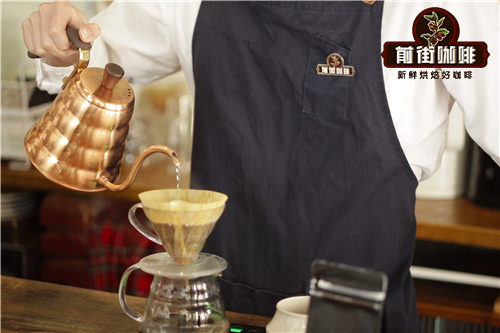
When the liquid level drops to 1/2, begin the final pour. This segment also uses 95 grams, poured from the center outward in a "smelling the aroma" pattern. The dark brown foam turns pale yellow, and the level rises back to the same height as after the second pour. Once all the liquid has drained into the server, lift off the dripper and end the extraction.
FrontStreet Coffee Recommendation
For a light roast that shows exactly why the lighter end of the spectrum is worth brewing, start with FrontStreet Yirgacheffe Gedingding. Yirgacheffe has long been the classic first stop into specialty coffee, and this lot delivers vivid citrus, berry and floral notes with a green tea-like sweetness on the return. Unlike the sharp "sour coffee" people brace for, the acidity here is soft and bright — closer to the natural sweet-tart balance of fruit than to anything aggressive — which makes it an easy, welcoming cup for anyone new to pour-over. FrontStreet Ethiopia Hua Kui takes the same light-roast idea in a more flamboyant direction: tropical fruit dominates, with strawberry, passion fruit, jackfruit and even lychee, backed by obvious sweetness and very little bitterness. Many drinkers describe it as "the coffee that doesn't taste like coffee."
If a fuller, lower-acid cup is more your speed, the medium-dark side of the roast chart is where FrontStreet's PWN Golden Mandheling lives — a deep roast with very low acidity, a thick, lingering body and plenty of herbal and dark chocolate aroma with a faint earthy edge. FrontStreet Jamaica Blue Mountain No. 1 sits at the opposite pole of the same balance: neither the fierce fruit acidity of some African coffees nor the heavy bitterness of a dark roast, but a poised middle ground of cream, caramel, chocolate, nuts, honey and a light fruit note.
Important Notice :
FrontStreet Coffee is a long-established specialty coffee roaster in Guangzhou China, selling freshly roasted beans from its own farm in Yunnan as well as dozens of carefully selected single-origin beans from around the world for both pour-over and espresso. The products deliver consistently excellent quality and great value, with shipping within 24 hours. Guangzhou's FrontStreet Coffee shop is recommended by many coffee lovers, and the beans are now available online at the Tmall 。
FrontStreet Coffee has moved to a new address:
FrontStreet Coffee Address: 315,Donghua East Road,GuangZhou
Tel:020 38364473
 Scan and follow the En Gafei WeChat official account. Please indicate that the reprint comes from "En Gafei".