Espresso Extraction Time and Dose Standards: Italian Blend Coffee Bean Recipe Tips and Sharing
When introducing coffee beans to customers, some ask, "Can these beans be used to make espresso?" When that comes up, FrontStreet Coffee's staff usually pause and suggest it's best not to pull espresso from single-origin beans. In this article, FrontStreet Coffee shares three reasons for that advice:
First: High Cost
As everyone knows, single-origin coffee costs far more than espresso blends. For example, FrontStreet Coffee's Yirgacheffe generally runs around 88 yuan for half a jin — and FrontStreet's Yirgacheffe is already known as one of the most cost-effective coffee beans on the market. Meanwhile, FrontStreet Coffee's premium blend on the menu costs 75 yuan per jin, built from the common Brazil-and-Colombia approach you'll find widely in the industry. That's the difference between the two.
Some people don't realize that before daily business hours, what coffee shops do most often is calibrate their espresso extraction. Even experienced baristas need at least two adjustments to dial in a good shot, let alone a newly opened shop. Cost control matters. Even at home — not for commercial use — chasing good flavor from expensive single-origin beans means wasting money on every mis-pulled shot.
Second: Inconsistency
When you use lightly roasted single-origin beans to pull shots, the extraction parameters fluctuate from day to day, for all sorts of reasons. If you regularly extract light roasts, that's one thing — but suddenly switching from the very dark roasts most shops use to light-roast beans demands a long list of adjustments: grind size, dose, extraction time, and more. These are all major changes.
Third: Thin Crema
Crema is really the "oils" that sit on the surface of espresso — more precisely, the foam layer covering the shot, made of countless carbon dioxide bubbles carrying a large amount of volatile aromatic compounds. Those "oils" hold their bubble structure thanks to melanoidins and proteins acting as surfactants that trap carbon dioxide. Because of how special this layer is, many coffee professionals believe crema richness directly affects latte art. So if you love milk-based coffee and want a visually appealing milk drink, traditional rich-crema beans suit you better. Light-roast single origins pulled as espresso will produce far less crema.
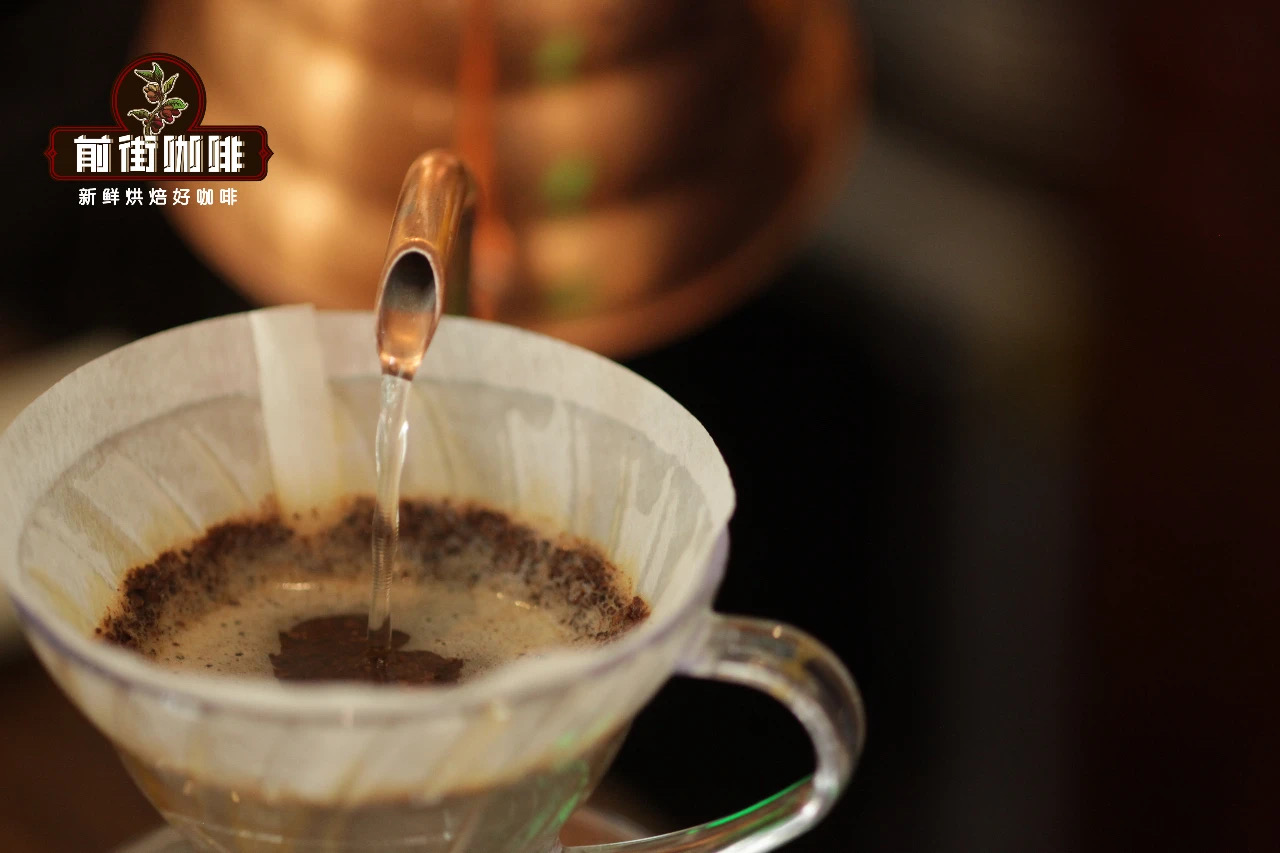
Light-roast single-origin beans aren't suited to espresso — but can espresso beans be used for pour-over? Yes. FrontStreet Coffee believes any coffee bean works for pour-over as long as it suits your taste and needs. Just note that pour-overs made with espresso blends will generally show far less flavor complexity than a proper single origin. First, espresso blends are roasted darker, so at best you'll taste chocolate, and more often a burnt bitterness surfaces. Second, most espresso blends are built for flavor balance, so using them for pour-over sacrifices the complexity a coffee should offer.
The formula for an espresso blend is a craft of its own. FrontStreet Coffee believes blends should be adjusted with the coffee growing seasons, because new-crop and past-crop beans taste different. Below, FrontStreet Coffee shares its approach to blending.
Coffee bean creation is blending. To honor the care that goes into it, "creation" is the more fitting word. Before discussing specific blending ratios, some groundwork: here are the basic principles of creative blending.
First: Choose High-Quality Coffee Beans
This is essential. Poor-quality beans will badly diminish the final flavor — no matter how perfectly balanced the blend is, you can't make delicious coffee from bad ingredients. Choosing high-quality beans is the most important point of all.
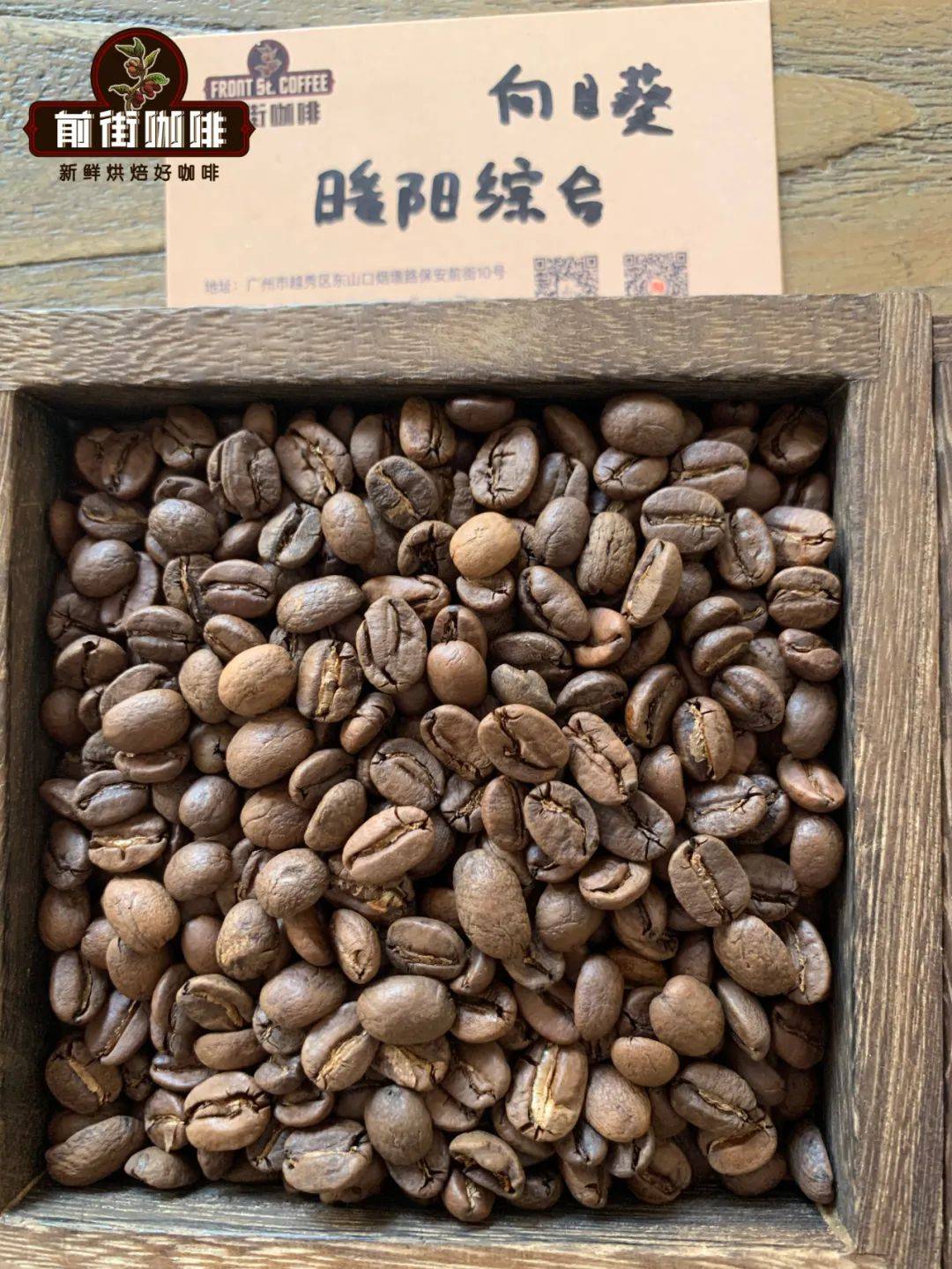
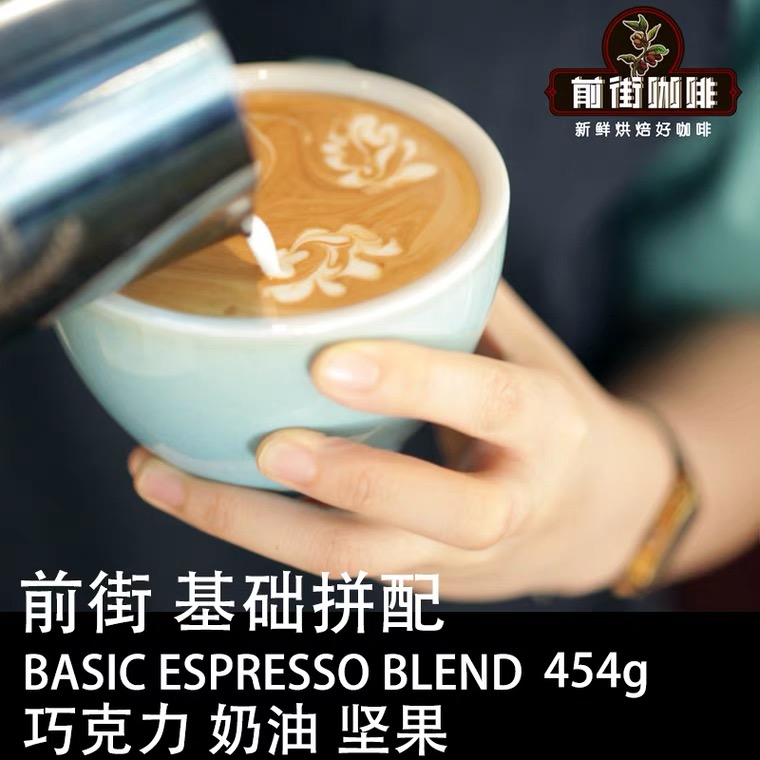
Take FrontStreet Coffee's store-used "Sunflower Warm Sun Premium Blend" as an example: 70% FrontStreet Honduras Sherry beans and 30% FrontStreet Ethiopia Natural Red Cherry beans. Each component is competitive enough to sell as a single origin on its own. FrontStreet Coffee has deliberately kept the price modest to change the misconception that espresso blends are low-quality coffee — the goal is for everyone to drink a good, distinctive FrontStreet espresso blend.
Second: Remove Defective Beans
Defective beans ruin the taste, so be ruthless about removing them — better less than bad. Insect-bored beans with holes, abnormally developed beans, empty shells without kernels: all should be picked out. Even for FrontStreet Coffee's relatively inexpensive basic espresso blend, FrontStreet never goes easy during bean selection.
Third: Understand Coffee Bean Characteristics
If you don't understand the individual character of the beans you're blending, you'll struggle to create something delicious. A blender is like a team manager — you have to know your players well to get the most out of them. Your coffee beans are your soldiers: know which lean acidic and which lean bitter. If you try to use naturally acidic Mocha to dilute acidity, it will only backfire.
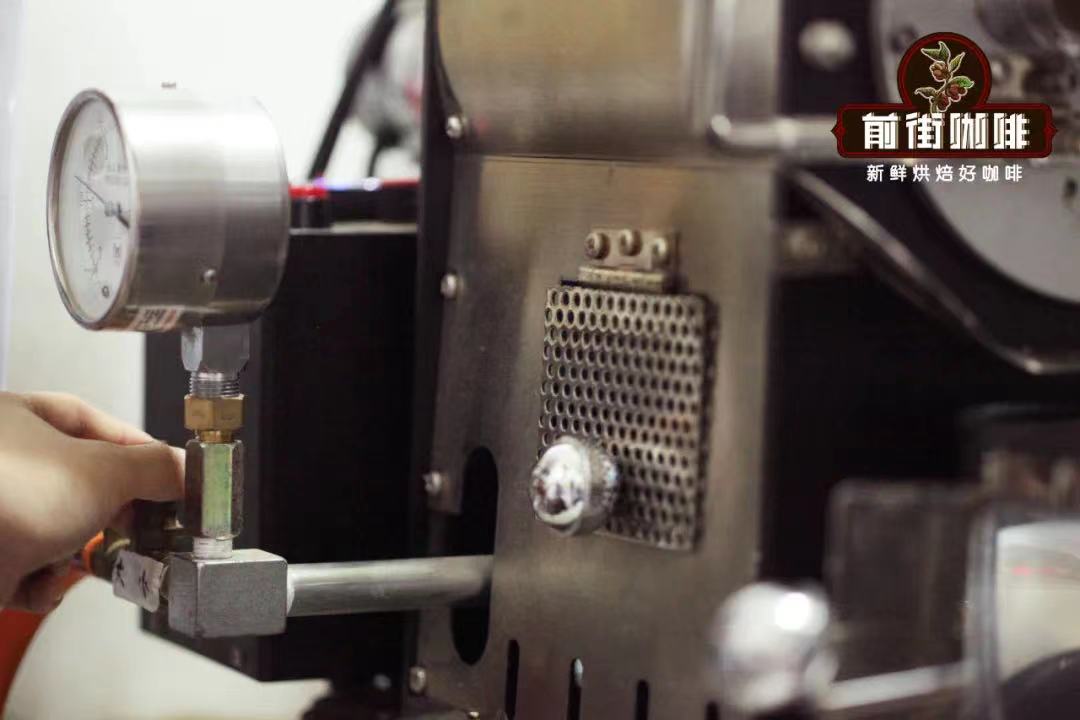
Many people in the coffee world look down on Robusta, but FrontStreet Coffee includes Robusta in its commercial espresso blend — because it understands what Robusta brings. Robusta has very high body and low acidity. After dark roasting, its harsh flavors are stripped away and the crema becomes exceptionally rich. Isn't that exactly what a commercial coffee chasing "crema" needs? Plus its price is low, so adding a small amount of Robusta is actually not a bad thing.
Fourth: Understand Coffee Bean Properties
Remember that roast level has an enormous impact on coffee. Different varieties and different growing environments roast differently, but most physical changes come down to roasting time and degree. During roasting, green beans lose weight and expand on the surface, decreasing in density. As moisture evaporates, gas is produced, internal pressure rises, and the originally tight cell structure expands with sound — which is why experienced roasters can judge roast degree by ear.
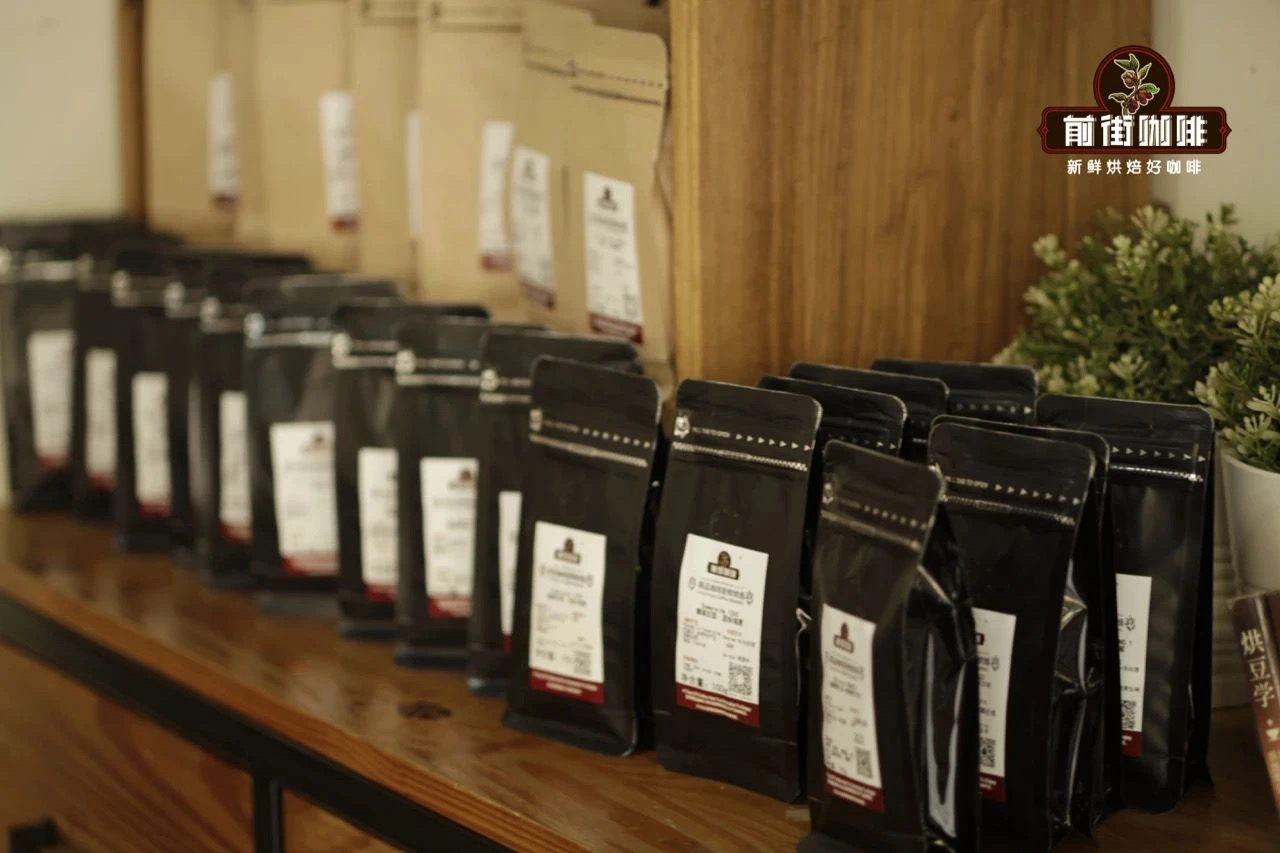
FrontStreet Coffee started with a small roaster in the shop, but as customer traffic grew and more bean varieties came in, the team built a larger roasting facility in the Qingyuan area. Experienced roasters there roast every bean carefully, design new roasting plans when new crops arrive, and once FrontStreet's baristas cup the results, the best plan becomes the fixed roasting profile.
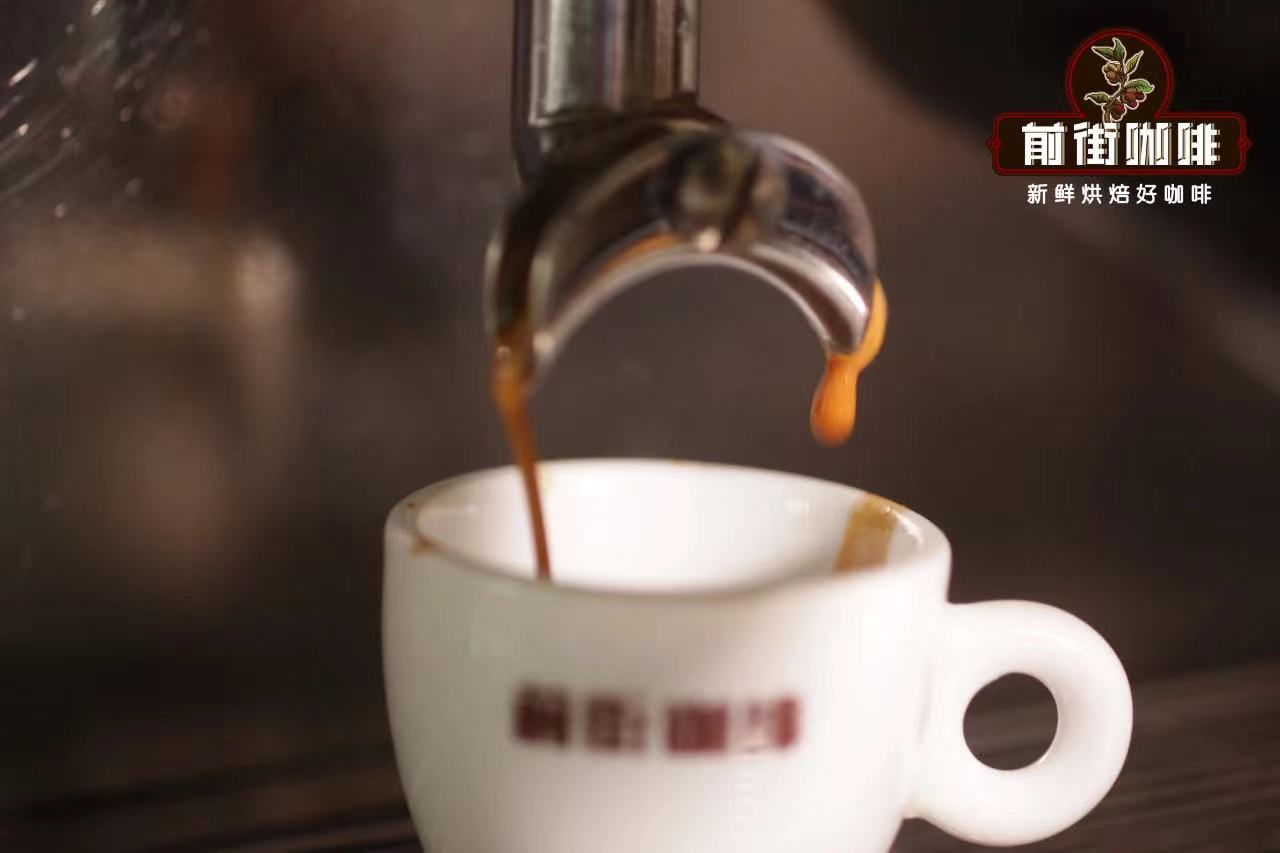
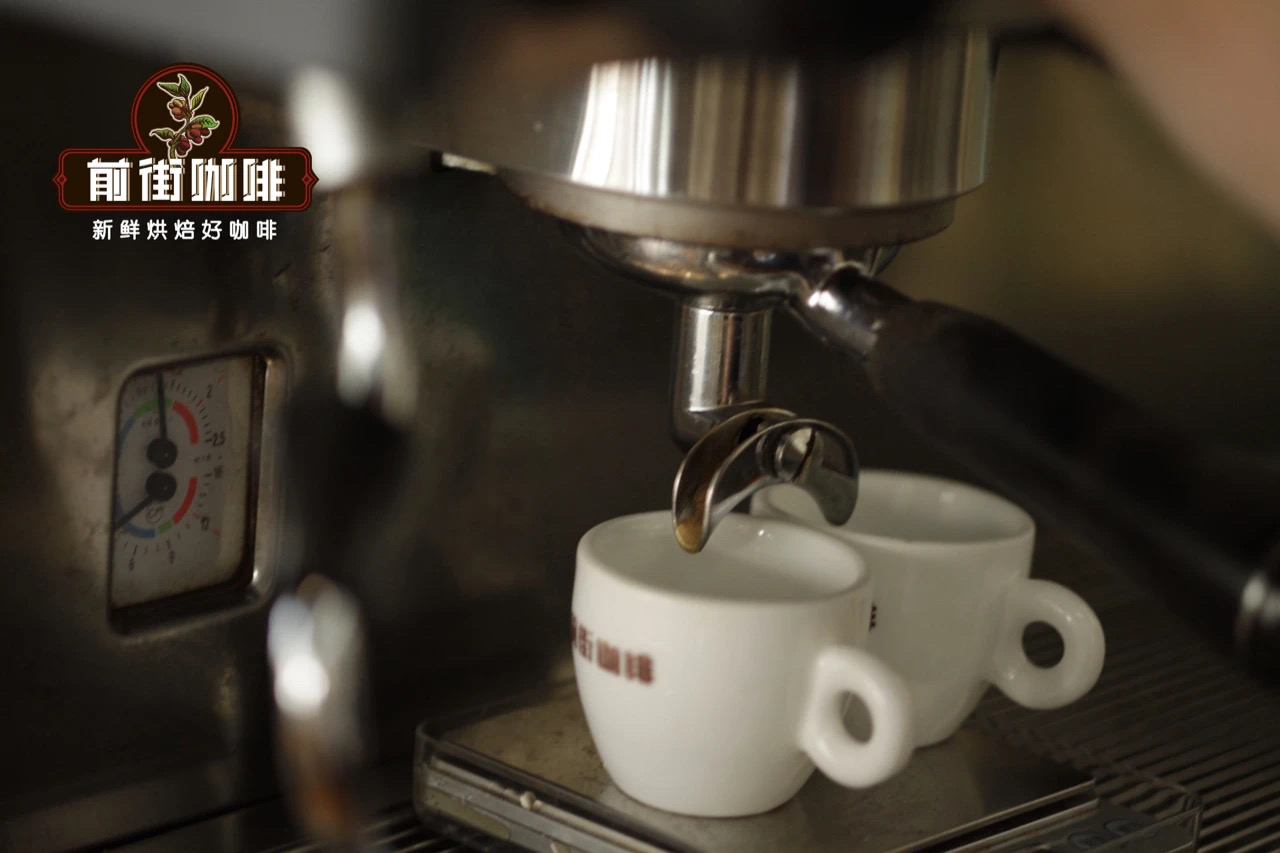
After all this talk about espresso beans, you may be wondering how espresso is actually extracted. Everything has its standards, and espresso is no exception. Espresso is extracted by forcing 90-95°C hot water through coffee grounds at 8-10 bars of pressure. Where pour-over relies on gravity to dissolve soluble compounds from the surface of coffee particles, espresso uses high temperature and pressure in a short time to drive water into the coffee cells and extract their components. Extraction time and yield should be controlled within: 25-35 seconds and 22-44 grams.
For professional coffee knowledge exchange and more coffee bean information, follow FrontStreet Coffee (Cafe_Style).
FrontStreet Coffee Recommendation
Curious about that Yirgacheffe we mentioned? FrontStreet Coffee's Washed Yirgacheffe daily-cup lot is the classic starting point for anyone exploring Ethiopia. It's known for white jasmine florals, bright citrus and lemon acidity, and a tea-like finish — and at a wallet-friendly price, it has become many people's first specialty coffee bean. Yirgacheffe (Yirga cheffe) is a small town in Ethiopia's Sidamo province, sitting at roughly 1,700-2,100 meters with coffee trees planted above 1,800 meters — among the highest coffee regions on earth. Its unmistakable white-floral aroma and lemon-citrus acidity made the name a byword for Ethiopian specialty coffee; in 2010, the Ethiopian Commodity Exchange finally separated Yirgacheffe from Sidamo as its own designation because the name had grown so famous.
Within Yirgacheffe, FrontStreet's Guodingding (Guodingding cooperative) lot is a standout. The cooperative lies in the Worka area at the southeastern end of Yirgacheffe, once part of the Worka cooperative under the Yirgacheffe Coffee Farmers Cooperative Union (YCFCU), and was later singled out by coffee hunters worldwide as a "single origin" as traceability became prized. It follows the most traditional washed processing — often called the last pure land of washed Yirgacheffe — with no traditional bitterness, just fresh, bright citrus and lemon acidity wrapped in jasmine fragrance. FrontStreet's Natural Red Cherry, from the same region, takes a different path: only fully ripe, defect-free cherries are harvested and sun-dried whole on raised beds, turned every 2-3 hours in the first days to prevent uneven heating and over-fermentation. After three to five weeks of drying, the outer pulp is machine-stripped and the beans go to the warehouse. Because the cherries dry with the fruit intact, the cup keeps classic Yirgacheffe character while gaining tropical fruit aromas — citrus acidity, berry juiciness, honeyed sweetness, and a cream-smooth texture.
FrontStreet's brewing suggestion for these Yirgacheffes: V60 dripper, 90-91°C water, 15g dose, 1:15 ratio, EK43s grind setting 10 (fine-sugar size, 80% pass through a No. 20 sieve). Pour in three stages: 30g of water for a 30-second bloom; then 95g (scale reads about 125g) poured by the 1-minute mark; when the level drops to two-thirds of the bed, pour the remaining 100g (scale reads about 225g) by about 1:35. Drawdown finishes at 2:00-2:10 — remove the dripper and enjoy.
Important Notice :
FrontStreet Coffee is a long-established specialty coffee roaster in Guangzhou China, selling freshly roasted beans from its own farm in Yunnan as well as dozens of carefully selected single-origin beans from around the world for both pour-over and espresso. The products deliver consistently excellent quality and great value, with shipping within 24 hours. Guangzhou's FrontStreet Coffee shop is recommended by many coffee lovers, and the beans are now available online at the Tmall 。
FrontStreet Coffee has moved to a new address:
FrontStreet Coffee Address: 315,Donghua East Road,GuangZhou
Tel:020 38364473
 Scan and follow the En Gafei WeChat official account. Please indicate that the reprint comes from "En Gafei".
Common Processing Methods for Brazilian Coffee Beans Brewing Suggestions and Flavor Characteristics for Pulped Natural Dark Roast Bourbon Beans