The Story of Costa Rican Coffee - Flavor Profile and Brewing Parameters for Central Valley Black Pearl Coffee Beans

When Costa Rican coffee comes up, the honey process is usually the first thing that springs to mind — it is the method Costa Rica made famous. Most of the Costa Rican beans FrontStreet Coffee carries are honey processed, but FrontStreet Coffee also stocks Costa Rican coffees made by other methods. Among them, the Black Pearl and Red Pearl beans from the Central Valley are outstanding natural-processed Costa Ricans, bursting with fermentation-driven aromatics, caramel, and lush fruit.
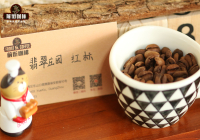
FrontStreet Coffee · Costa Rica Black Pearl
Estate: Las Lajas Estate
Region: Central Valley
Variety: Caturra, Catuai
Processing: Special Natural
Altitude: 1300-1500 meters
Flavor: Tea blossom, berries, winey fermentation notes, cream, nuts, caramel
The History of Costa Rican Coffee
Coffee first appeared in Costa Rica in 1729, brought in from Cuba. That made Costa Rica the first country in Central America to cultivate coffee — and the first to grow it as a commercial crop. After Costa Rica won independence from Spain in 1821, the government threw its weight behind the coffee industry with a string of supportive policies. By then coffee had only been in the country for a bit over ninety years, yet some 70,000 coffee trees were already in the ground — proof of how quickly the industry took hold.
In 1825 the Costa Rican government introduced a tax exemption for coffee. In 1832 it went further, enacting a "grow coffee and own the land" law: anyone who planted coffee on vacant, unclaimed land could claim ownership of that land. The policy drew crowds of settlers into coffee farming, fueled the industry's growth, and explains why most Costa Rican coffee still comes from privately owned estates today.
Costa Rican Coffee Regions
Costa Rica sits in Central America with exceptionally fertile volcanic soil and good drainage, especially on the Central Plateau. The rich volcanic ash of the terrain, mild temperatures, and steady, abundant rainfall are the essential ingredients behind the country's great coffee.
Costa Rica has eight major coffee regions: Western Valley (Valle Central Occidental), Central Valley (Valle Central), Tarrazu, Tres Rios, Orosi, Brunca, and Turrialba.
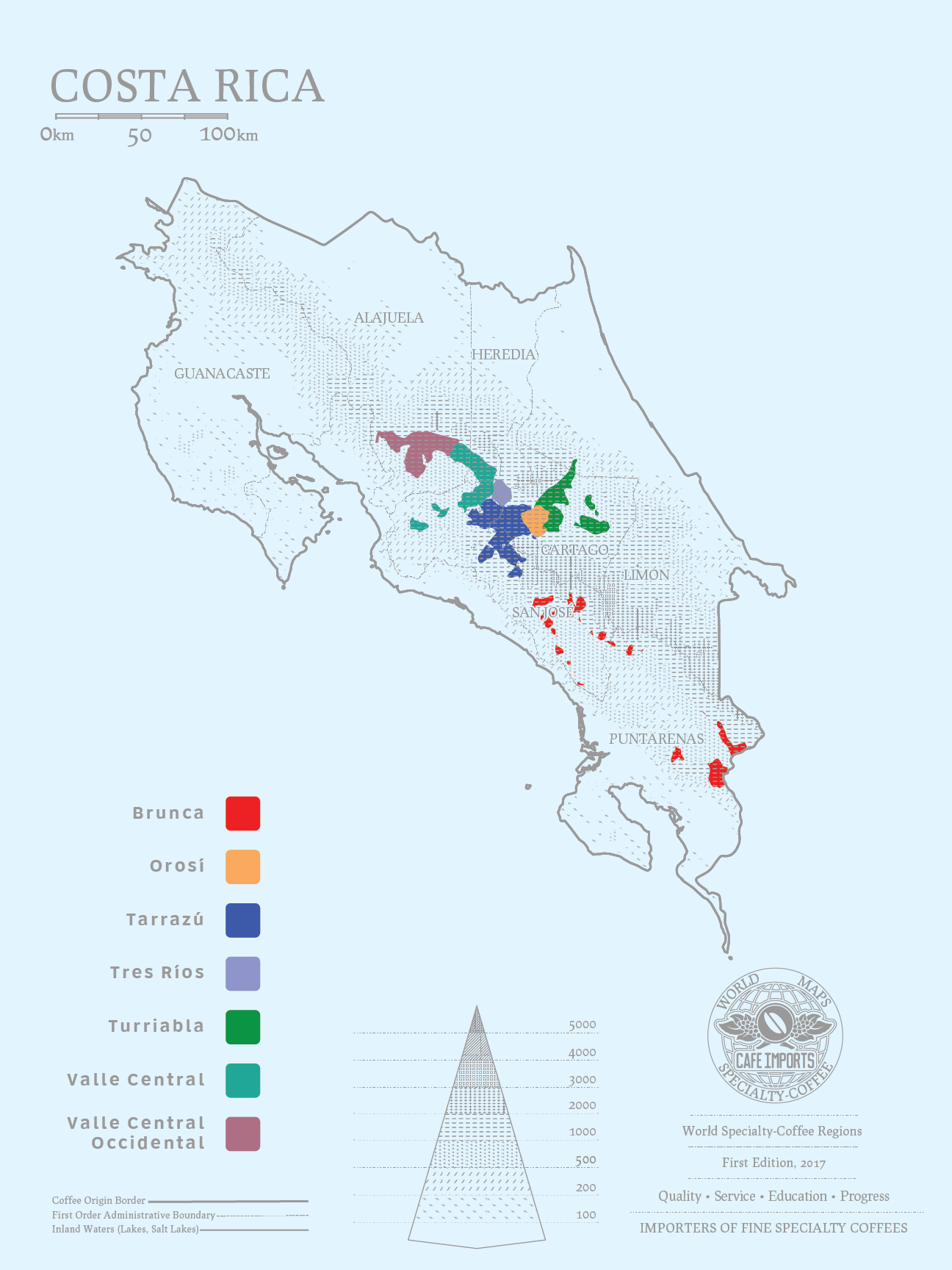
The Central Valley is the oldest coffee-growing area in Costa Rica — the cradle from which the country's coffee industry spread to the rest of the country. Rainfall here is moderate, at 118 inches per year, and the average annual temperature is just 19°C. Combined with high altitude, this produces beans that are hard, aromatic, and smooth, with bright acidity, full body, and rich flavor. The region's volcanic soil sometimes lends the cup a chocolate note.
Main Costa Rican Coffee Varieties
The main varieties of Costa Rican coffee include Bourbon, Caturra, Catuai, Villasarchi, and Villalobos, among others. The two FrontStreet Coffee Costa Rican beans introduced here are both Caturra and Catuai.
Caturra is a natural mutation of the Bourbon variety, discovered in Brazil in 1937. The plant is shorter and more compact than Bourbon. Because it inherited Bourbon's lineage, its disease resistance is relatively weak, but it yields more. Although Caturra was discovered in Brazil, it never suited Brazil's growing conditions and was never planted there at scale; instead it spread across Central and South America, becoming a workhorse variety in countries such as Colombia, Costa Rica, and Nicaragua.
Catuai is a cross between Mundo Novo and Caturra, making it a second-generation hybrid. It keeps Caturra's compact stature while fixing Caturra's weak point: fragile fruit. Catuai's cherries attach firmly to the branch and are not easily shaken loose by strong winds. Its one drawback is a flavor that is slightly flatter than Caturra's. Catuai comes in red- and yellow-fruited forms, with the red type generally considered the better cup.
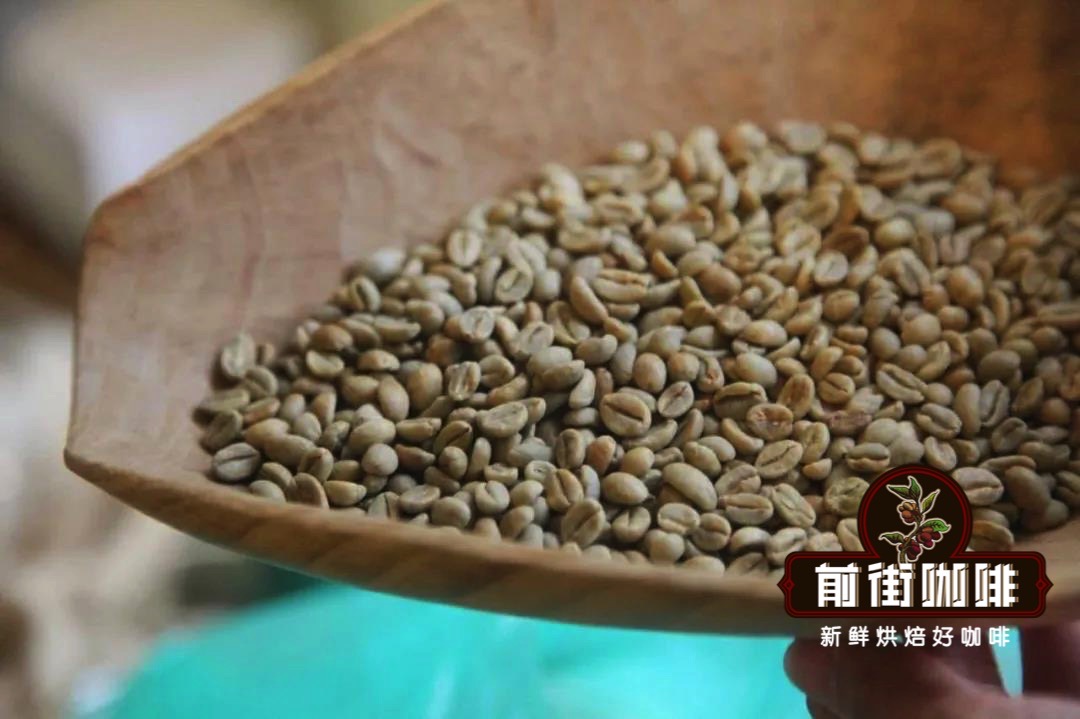
Costa Rican Coffee Grades
Costa Rica grades its coffee by altitude:
SHB: Strictly Hard Bean, grown at 1500 meters
GHB: Good Hard Bean, grown at 1100-1200 meters
HB: Hard Bean, grown at 1000 meters
Top-quality Costa Rican coffee carries the "Strictly Hard Bean" label, reserved for lots grown above 1500 meters. As a rule, the higher the altitude, the better the beans — not only because elevation sharpens acidity and intensifies flavor, but also because cooler nights at altitude slow the trees' growth, letting the beans concentrate their flavors.
Finca Las Lajas
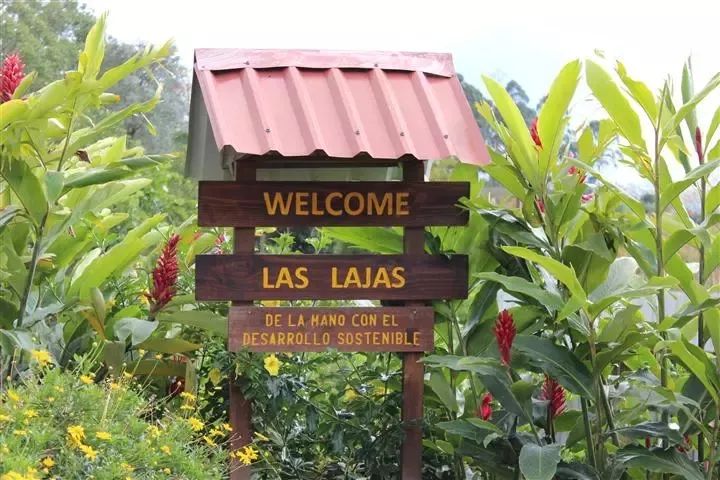
Las Lajas is one of the first estates in Costa Rica to pursue systematic research and processing, and for years it has been a favorite of coffee buyers worldwide. Today the estate is run jointly by third-generation owner Francisca Cubillo and her husband Oscar. It sits in the Central Valley, not far from the capital and close to Poas Volcano, at 1300-1500 meters, with an annual production of about 50,000 kilograms.
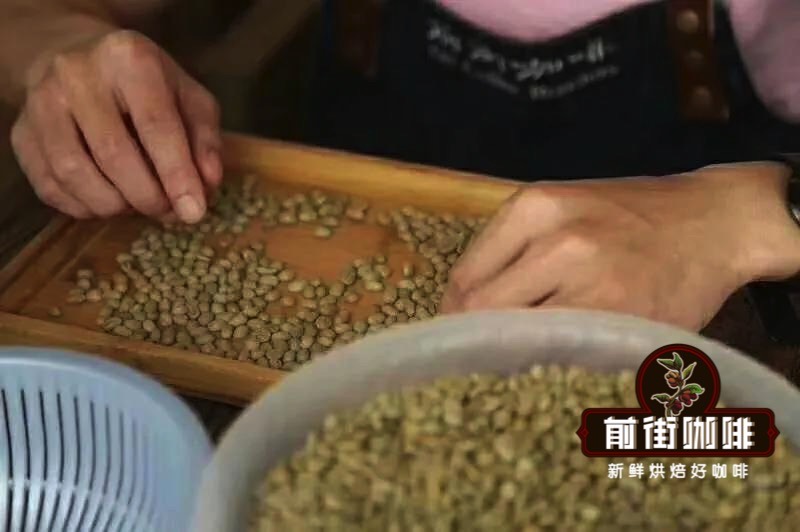
Years ago, Francisca set out to push the estate's cup quality even further. At the time, the overwhelming majority of Costa Rican farmers still used traditional washed processing. She began researching and refining natural and honey methods, eventually sorting her honey- and natural-processed coffees into distinct categories based on their flavor profiles.
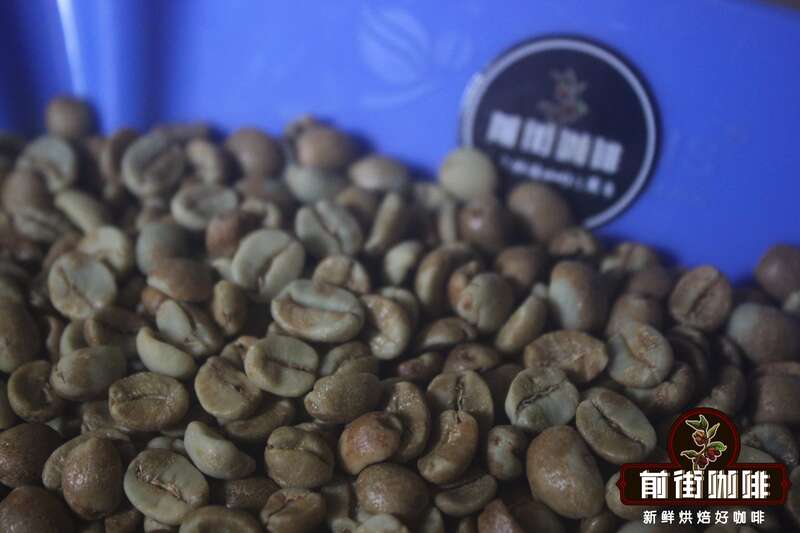
Special Natural Processing
The process unfolds in three stages. After the red cherries are picked, they sun-dry for 7-8 days, then are gathered and sealed in storage for 5-6 days of low-temperature fermentation. Finally, the cherries are laid out on raised beds to finish drying in the sun.
How FrontStreet Coffee Brews the Costa Rican Black Pearl
Brewing Parameters
Coffee Amount: 15 grams
Ratio: 1:15
Water Temperature: 90°C
Grind Size: 80% pass-through rate on a 0.85mm sieve
Dripper: Hario V60 #01
Brewing Steps
First Pour: 30 grams of water, 30-second bloom
Second Pour: Pour to 95 grams of water (scale reads 125 grams), completed in about 1 minute
Third Pour: Pour to 100 grams of water (scale reads 225 grams), completed in about 1 minute 40 seconds
Total Extraction Time: 1 minute 54 seconds, then remove the dripper to finish the brew
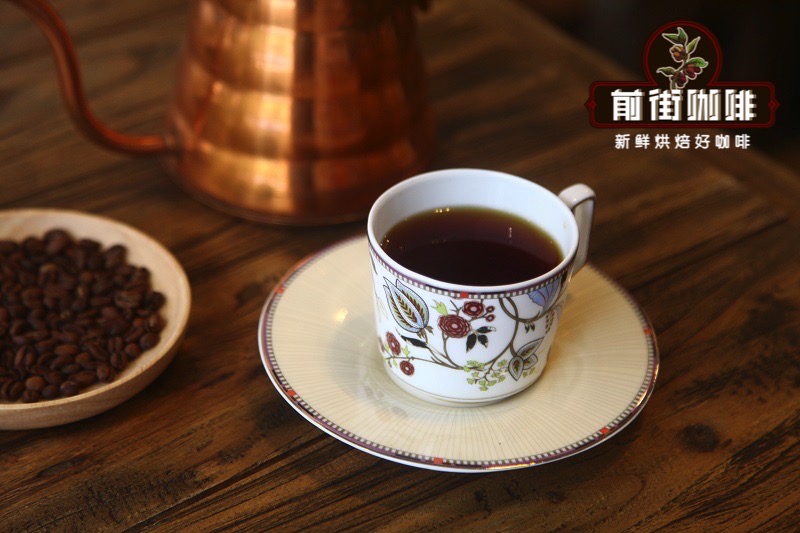
Flavor Notes: A rich winey sensation, juicy berries, nutty aroma, high sweetness
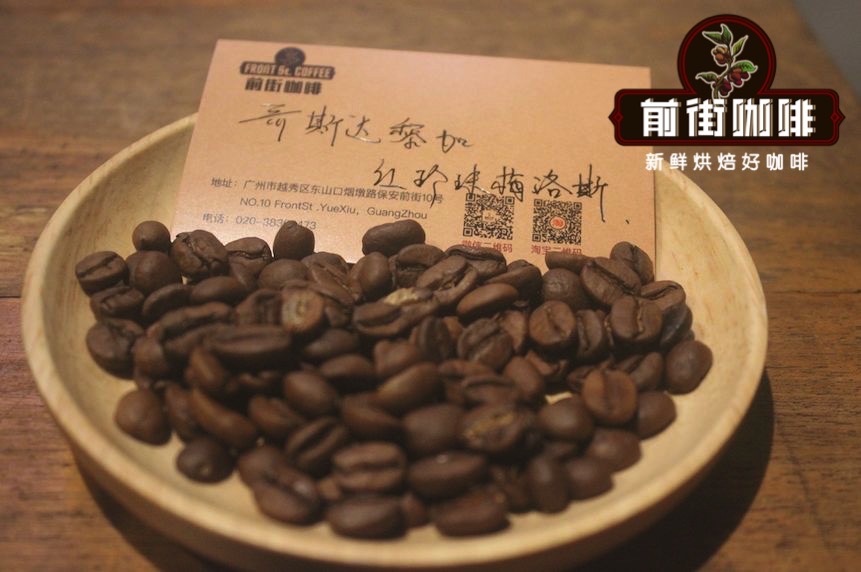
FrontStreet Coffee · Costa Rica Red Pearl
Estate: Sonora Estate
Region: Central Valley
Variety: Caturra
Processing: Natural
Altitude: 1700-1800 meters
Flavor: Berries, winey fermentation notes, nuts, sugarcane sweetness
Sonora Estate
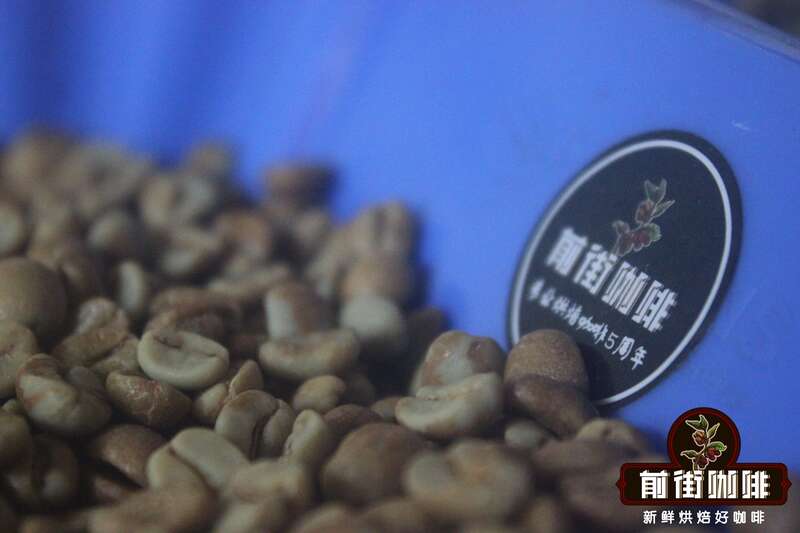
Sonora Estate sits in the Central Valley at the foot of Poas Volcano, where coffee grows in fertile volcanic soil alongside a complex ecosystem of exotic tree species — an environment that supports high-quality, small-lot production. The estate uses natural water flow to drive Pelton water wheels, supplying 100% renewable energy for its operations. 95% of Sonora's coffee is natural processed, then finished with 3 hours of gentle low-heat drying, which keeps the processing remarkably uniform.
Roasting Suggestions
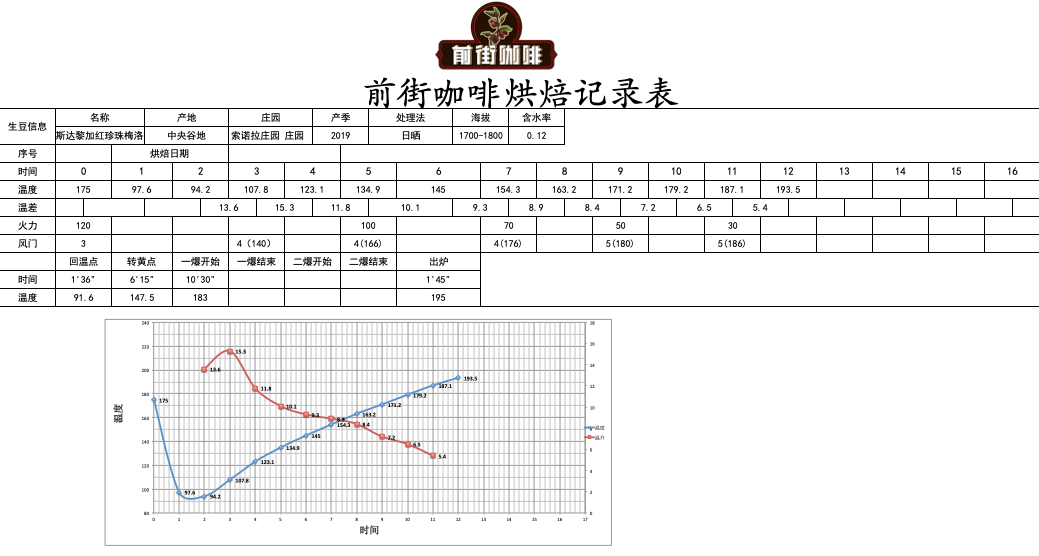
FrontStreet Coffee uses this Costa Rican Red Pearl as a worked example of how to roast the bean.
Preheat the roaster to 175°C, set airflow to 3, heat to 120, with the turning point at 1'36" and 91.6°C. When the roaster reads 140°C, open the airflow to 4; at this point the bean surface yellows, the grassy smell disappears completely, and the beans enter the drying stage. When the roaster reaches 166°C, reduce the heat to 100°C, keeping airflow unchanged. At 9'10", ugly wrinkles and dark spots appear on the bean surface and the toast aroma clearly shifts into coffee aroma — the prelude to first crack, so listen closely for the sound. First crack begins at 10'30"; raise the airflow to 5 (take great care with the heat here — do not reduce it so far that the crack fades out). After first crack, develop for 1'45" and drop the batch at 195°C.
How FrontStreet Coffee Brews the Costa Rican Red Pearl
Brewing Parameters
Coffee Amount: 15 grams
Ratio: 1:15
Water Temperature: 90°C
Grind Size: 80% pass-through rate on a 0.85mm sieve
Dripper: Hario V60 #01
Brewing Steps
First Pour: 30 grams of water, 30-second bloom
Second Pour: Pour to 95 grams of water (scale reads 125 grams), completed in about 1 minute
Third Pour: Pour to 100 grams of water (scale reads 225 grams), completed in about 1 minute 40 seconds
Total Extraction Time: 1 minute 54 seconds, then remove the dripper to finish the brew
Flavor Notes: Well balanced overall, opening with winey fermentation, berries, sugarcane sweetness, and nuts, with a clearly sweet aftertaste in the finish

FrontStreet Coffee Recommendation
If these natural Costa Rican gems have won you over, FrontStreet Coffee's Costa Rica Blackberry is a natural next step. It uses a black honey process — nearly all of the mucilage is left on, with drying stretched over at least two weeks under shade covers so the sugars convert fully — then a medium-light roast, yielding an intense fresh-flower aroma and distinctive flavors of grape, berries, and ripe blackberry.
Prefer honey-process sweetness with a twist? The FrontStreet Coffee Mozart is a raisin honey coffee: the cherries pre-dry on raised beds for at least three days before the skin and pulp come off, with 100% of the mucilage retained — a trickier process than even black honey. It rewards you with the unique aromas of osmanthus, pineapple, and raisin, whether you brew it as a pour-over, a cold brew, or in a moka pot.
Important Notice :
FrontStreet Coffee is a long-established specialty coffee roaster in Guangzhou China, selling freshly roasted beans from its own farm in Yunnan as well as dozens of carefully selected single-origin beans from around the world for both pour-over and espresso. The products deliver consistently excellent quality and great value, with shipping within 24 hours. Guangzhou's FrontStreet Coffee shop is recommended by many coffee lovers, and the beans are now available online at the Tmall 。
FrontStreet Coffee has moved to a new address:
FrontStreet Coffee Address: 315,Donghua East Road,GuangZhou
Tel:020 38364473
 Scan and follow the En Gafei WeChat official account. Please indicate that the reprint comes from "En Gafei".