Panama Hacienda La Esmeralda Geisha Coffee Auction Prices: Red Label, Green Label, Blue Label Geisha Flavor Comparison
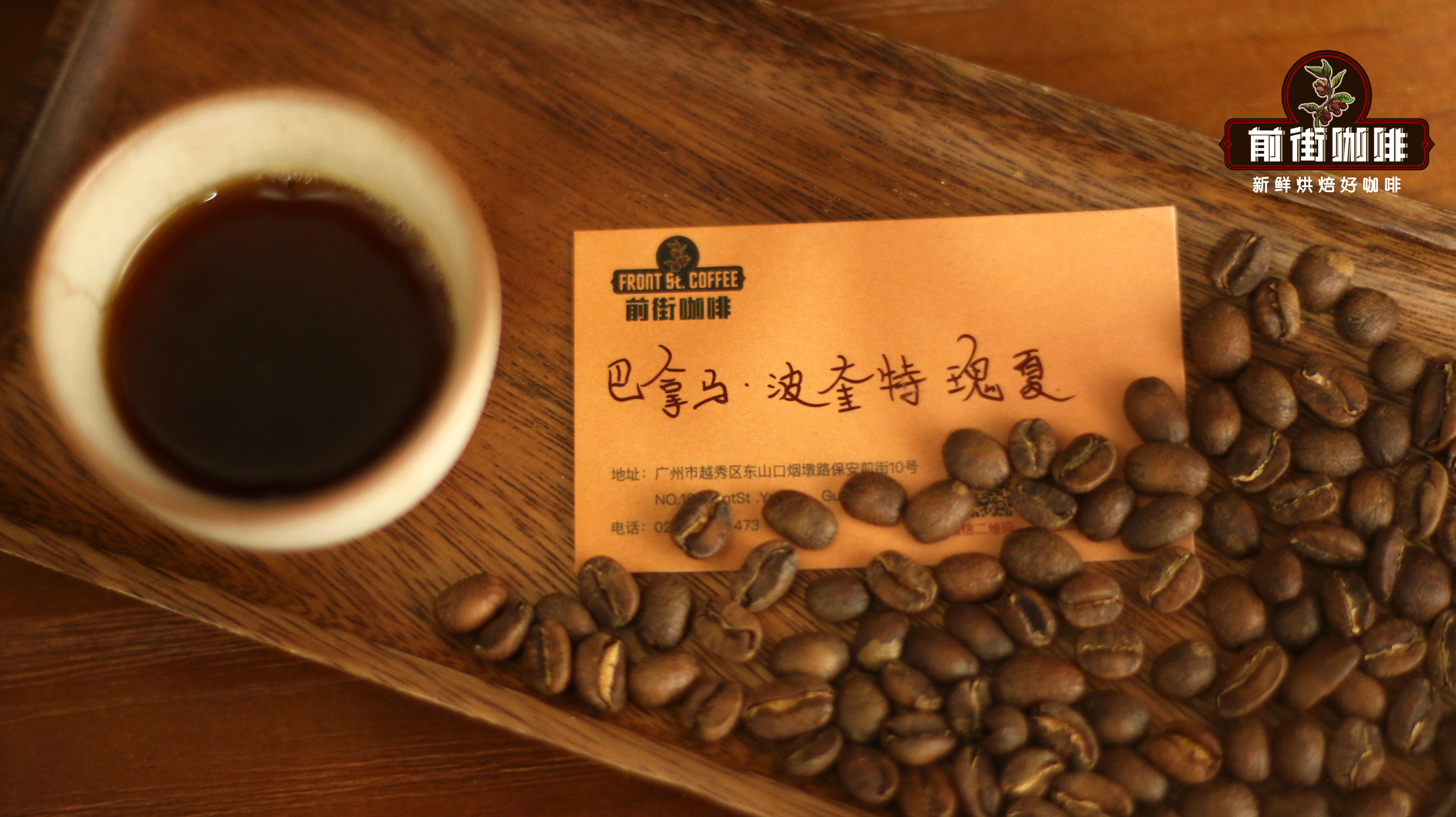
Hacienda La Esmeralda is one of the most representative estates in Geisha coffee. As both the discoverer and promoter of Geisha coffee beans, their commitment to Geisha is evident in the varieties they offer, demonstrating their dedication to quality assurance.
FrontStreet Coffee's bean menu features three different grades of Geisha coffee beans from Hacienda La Esmeralda. Some customers might ask, "Isn't Geisha just one flavor? Why stock so many similar types?"
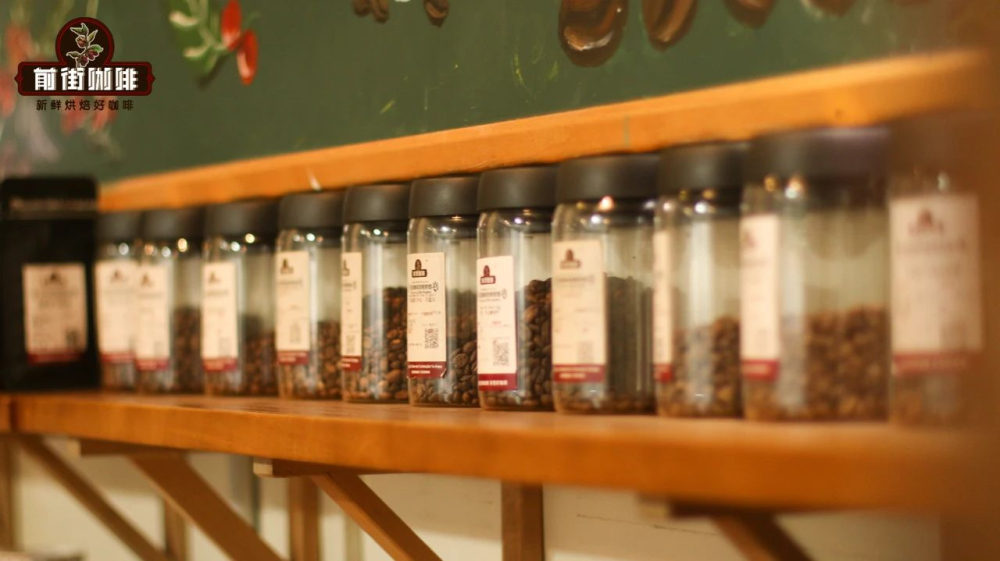
Every bean that FrontStreet Coffee stocks has been carefully selected and meticulously considered. From origin information and roast curve adjustments to cupping and brewing evaluations, FrontStreet Coffee thoroughly understands each coffee bean's characteristics. The most important reason for stocking any bean is whether its regional flavor characteristics are distinct and have standout qualities. Among these three Geisha varieties from Hacienda La Esmeralda, the main flavor profiles are indeed very similar, but they represent a tiered progression: the Blue Label is the estate's entry-level offering, the Green Label is the intermediate selection, and the Red Label represents the pinnacle of Geisha. Consequently, their prices also follow this tiered progression. Therefore, FrontStreet Coffee stocks all three Geisha varieties to enable coffee enthusiasts to experience the unique flavors of Geisha.
Introduction to Panamanian Coffee
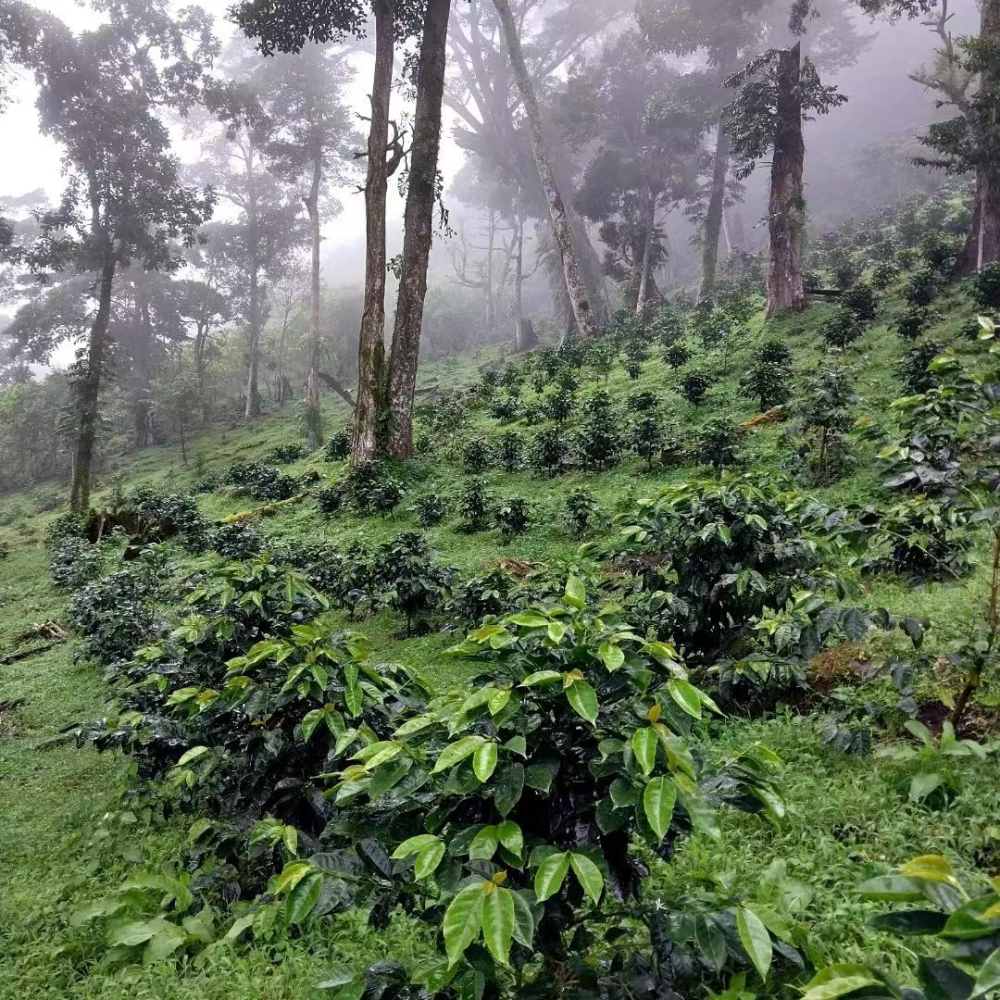
Panama borders the Caribbean Sea to the east, the Pacific Ocean to the west, Costa Rica to the north, and Colombia to the south. It serves as a crucial isthmus connecting North and South America. Premium Panamanian coffee is grown in the western part of the country, near Costa Rica and close to the Pacific Ocean. The microclimates found in these highlands are the most important resource that makes Panamanian specialty coffee unique. Cold air currents flowing through the central mountain range converge above 6,500 feet, creating various microclimates in the Boquete and Volcan-Candela regions, making them the main production areas for Panamanian specialty coffee. These specialty coffees are cultivated in the nutrient-rich, balanced soils of the Baru Volcano region. The appropriate microclimates, soil, temperature, and altitude in these highlands are suitable for planting, growing, and harvesting various specialty coffees.
Geisha Coffee
Panama is where Geisha rose to prominence, and genetic comparisons by biologists have confirmed Ethiopia as Geisha's place of origin. Therefore, we inevitably compare Panamanian and Ethiopian Geisha varieties.
FrontStreet Coffee has compared Panamanian and Ethiopian Geisha. While both possess excellent acidity and fragrant floral aromas, their specific flavor descriptions show clear differences. FrontStreet Coffee's Panamanian Geisha has distinct jasmine floral notes, citrus (berry) characteristics, rich honey sweetness, and an overall gentle, comfortable profile. Ethiopian Geisha also has floral notes, but its main profile features very rich fruit juice sensations (orange juice) with explosive fruit flavors characteristic of Ethiopia.
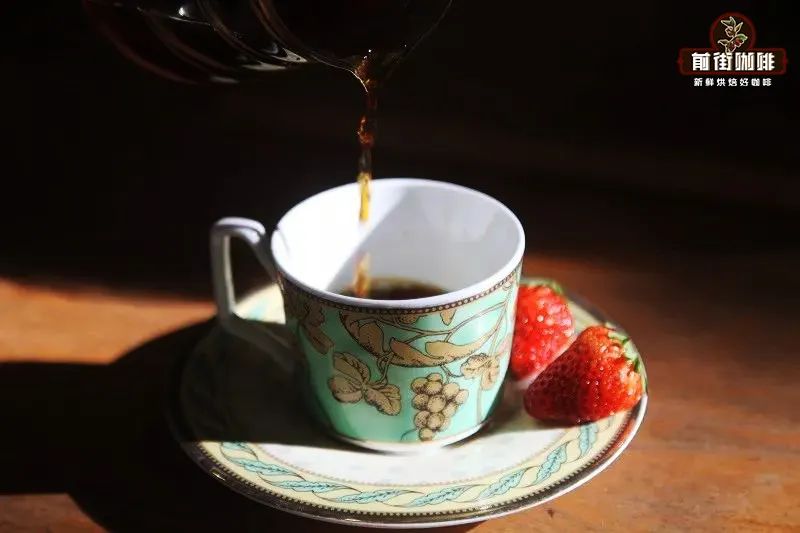
Geisha became famous through Panama, and before 2004, the name "Geisha" was virtually unknown. When Hacienda La Esmeralda initially planted this variety, they didn't distinguish it from other coffee trees, growing it mixed with other varieties. Later, the estate discovered this variety's exceptionally outstanding flavor, separated it for special processing, and won the BOP championship in 2004. The name Geisha then spread worldwide. For this reason, FrontStreet Coffee considers Panamanian Geisha flavor as the authentic Geisha taste.
How Did Geisha "Travel" from Africa to Panama?
In 1931, botanical experts conducted sample research in the Kaffa forest of Ethiopia. This sampling was aimed at finding superior varieties among the disease-resistant strains that had entered the Kaffa forest during the 1860 leaf rust outbreak (the collected seeds were later selected and screened in Kenya).
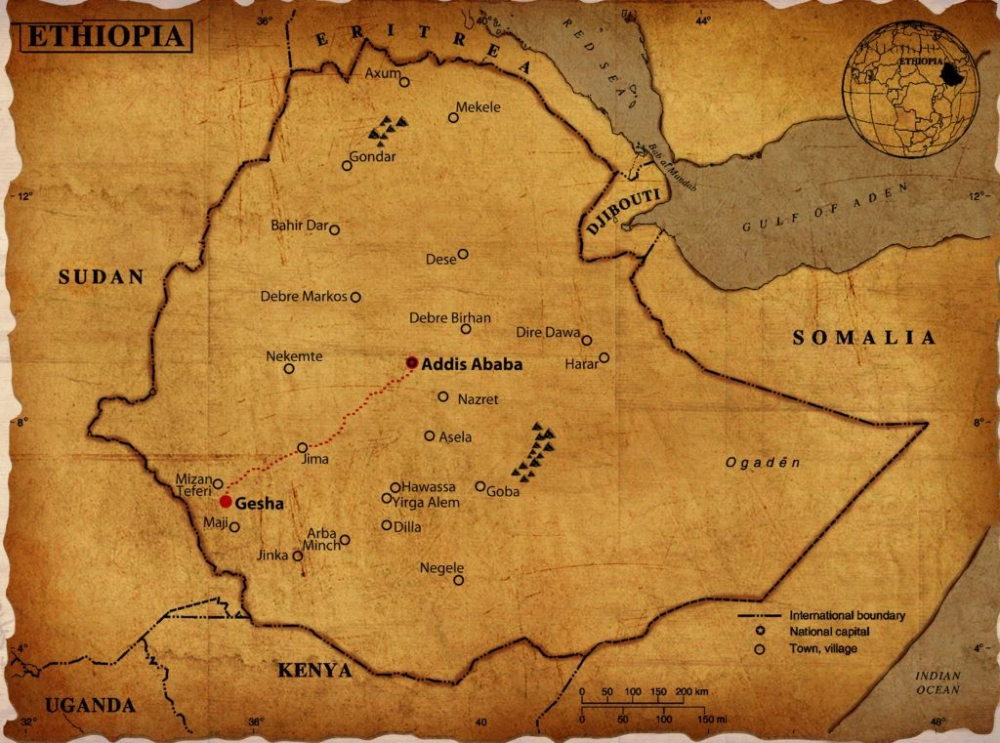
French biologist Jean-Pierre Labouisse later investigated this trail and discovered that the coffee beans originally marked as from Geisha Mountain actually came from different trees, meaning they weren't simply a single Geisha coffee variety.
These seeds marked as Geisha were shipped to Kenya in batches in 1931 and 1932 for selection and sample investigation. In 1936, they were sent to Uganda and Tanzania. Then in 1953, the Tropical Agricultural Research and Higher Education Center in Costa Rica introduced the experimental Geisha varieties from Tanzania, registering them under the code "T2722."
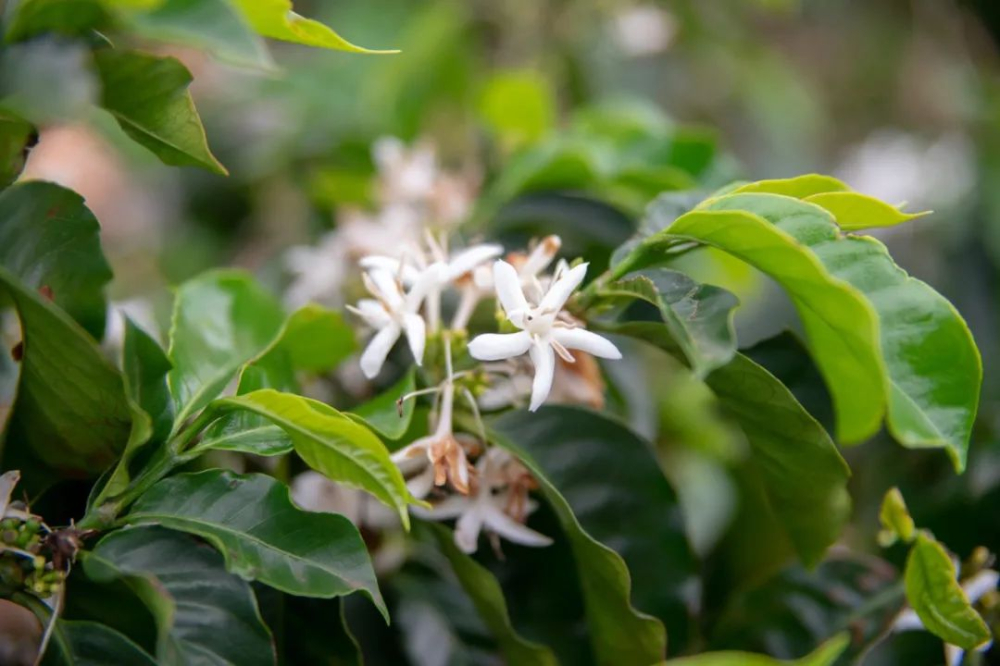
In the 1960s, Mr. Don Pachi of Don Pachi Estate in Panama introduced the Geisha variety from the Tropical Agricultural Research and Higher Education Center in Costa Rica. The initial reason for introduction was to resist leaf rust disease, so Don Pachi also shared these varieties with other estates. This continued until Geisha's triumphant emergence in 2004.
Hacienda La Esmeralda's Plot Division
Hacienda La Esmeralda is located in the Boquete region of Panama, which is an important coffee-producing area in Panama. Many well-known coffee estates come from this region, such as Elida Estate and Kotowa Estate.
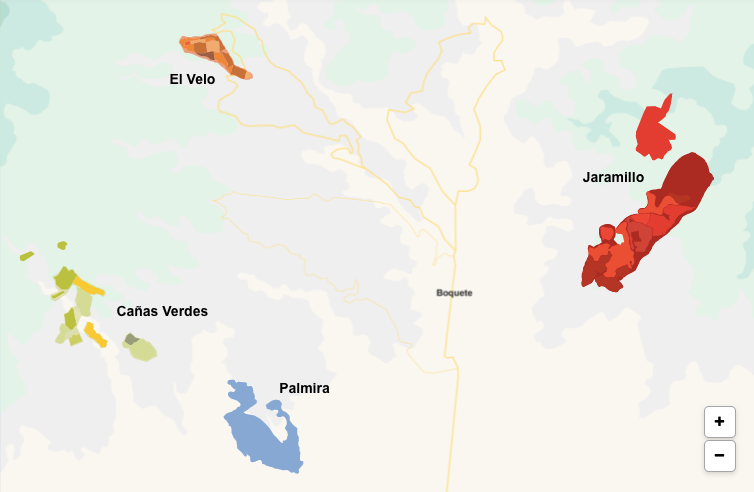
Hacienda La Esmeralda's division of Geisha plots is extremely precise, with three main plots: Jaramillo, Canas Verdes, and El Velo. Each plot is further subdivided into smaller plots. High-quality Geisha mainly comes from the Jaramillo and Canas Verdes plots. Jaramillo has an annual rainfall of 4,000mm, with average daytime temperatures between 19-25 degrees Celsius and nighttime temperatures between 11-15 degrees Celsius, at an average altitude of 1600-1700m.
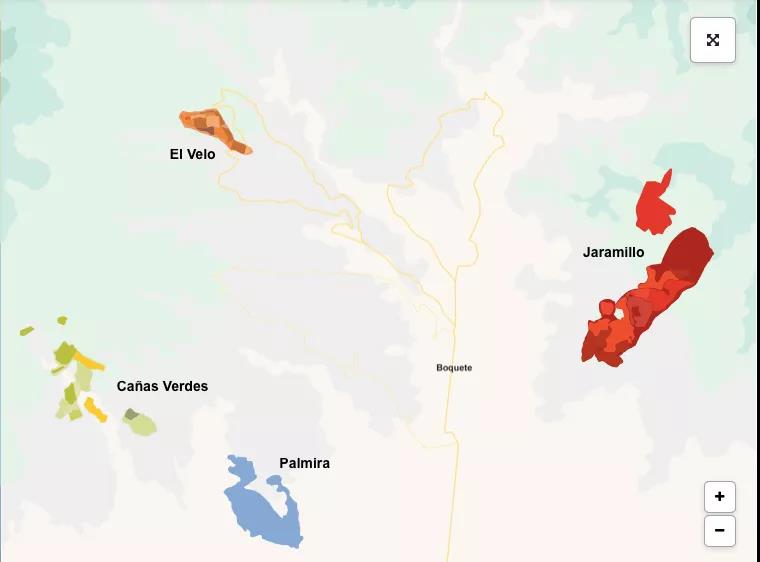
Canas Verdes has an annual rainfall of 3,500mm, with average daytime temperatures between 16-23 degrees Celsius and nighttime temperatures between 10-15 degrees Celsius, at an average altitude of 1600-1800m.
El Velo is the newest plot acquired by Hacienda La Esmeralda, with an average altitude of 1700-1900m. In addition to Geisha and Catuai, this plot also grows small quantities of other exotic varieties such as Laurina, Pacamara, Mocha, and SL28.

Hacienda La Esmeralda's Geisha Grading
Hacienda La Esmeralda's marketing strategy differs from other estates. Based on cupping performance, cultivated varieties, and growing plots, they divide their products into five major brands. Geisha varieties have three brands: Esmeralda Special, Private Collection, and Geisha 1500. Catuai varieties have two brands: Diamond Mountain and Palmyra.
First, it's important to understand that what we call Red Label, Green Label, and Blue Label are just common nicknames (for easy memorization, borrowed from the background colors of the logos). They actually have more sophisticated official names. Take our most accessible Blue Label, for example. Its original name is "Geisha 1500," nicknamed Blue Label because its logo features a blue background. The Blue Label is defined as a blend of Geisha coffee from Hacienda La Esmeralda's three main sub-regions (Jaramillo, Canas Verdes, El Velo) at altitudes around 1500 meters.
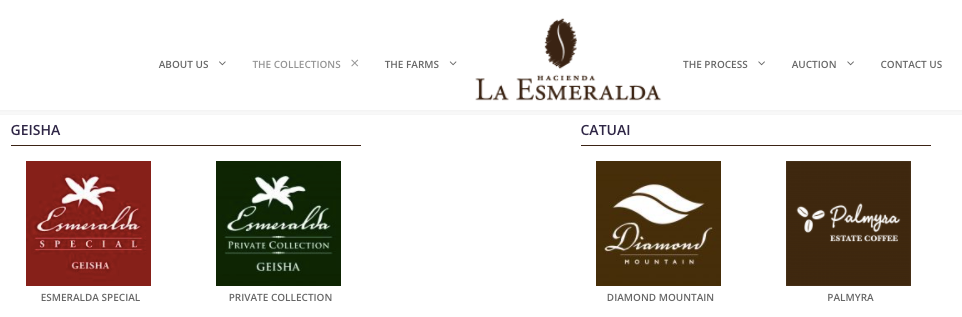
However, in the 2021 production season, Hacienda La Esmeralda officially announced they would no longer release the Blue Label series. On the estate's official website, we can see that the product description has already removed the Blue Label, leaving only Red Label and Green Label in the Geisha category.
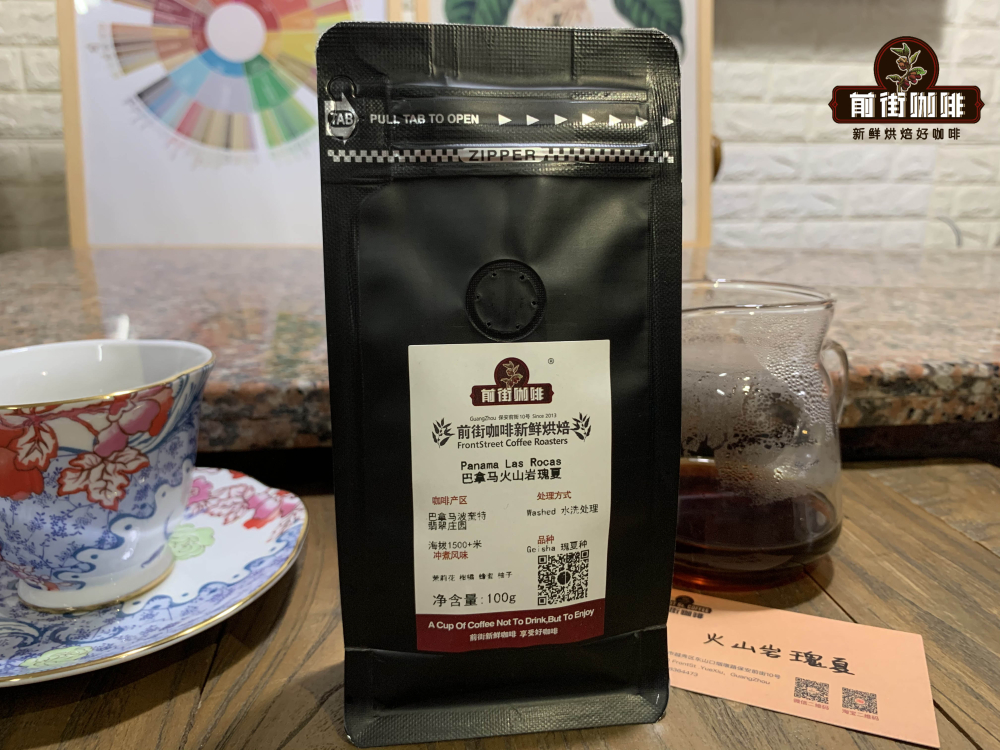
However, according to FrontStreet Coffee's understanding, the 1500-meter Geisha from the 2021 harvest (originally the Blue Label) was sold entirely to a green bean company, which launched a brand called "Las Rocas." FrontStreet Coffee confirmed through green bean appearance and cupping that it possesses the distinctive taste of Hacienda La Esmeralda's Geisha.
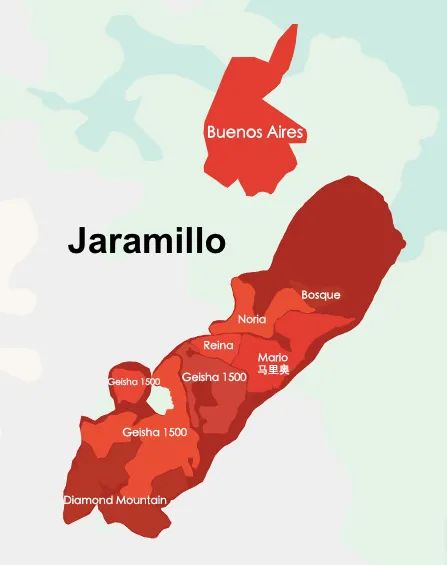
In the interactive map provided by Hacienda La Esmeralda, we can see the micro-plot distribution of 4 sub-estates. When we zoom in on Jaramillo, we can clearly see the names of subdivided plots, with those marked Geisha 1500 producing what was the Blue Label.
Next are Hacienda La Esmeralda's current Geisha product lines, divided into Red Label and Green Label. Following the same logic as Blue Label, these are also common nicknames derived from the background colors of their logos.
The Red Label's official name is "Esmeralda Special," the estate's top-tier designation. Here we can see Hacienda La Esmeralda's official website introduction to this product.
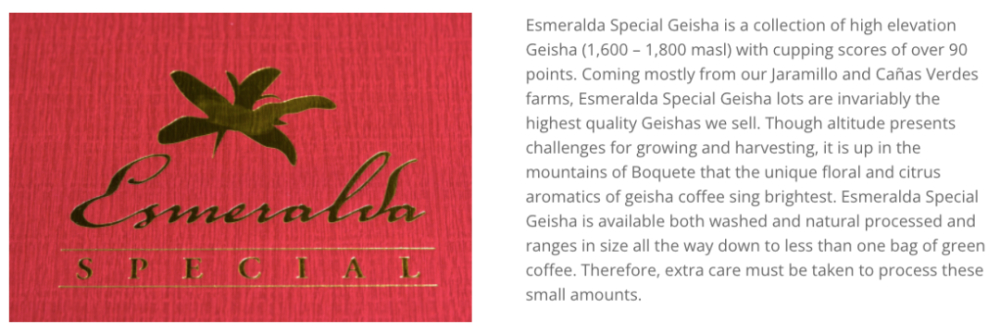
To put it simply, the Esmeralda Special series represents the highest quality Geisha coffee beans sold by Hacienda La Esmeralda, grown in specific plots at altitudes between 1600-1800 meters, with each batch cupping above 90 points. This series typically comes from the Jaramillo and Canas Verdes sub-estates (El Velo has also produced Red Label series, but this estate plot is primarily used for exploring commercial viability, growing many coffee varieties).
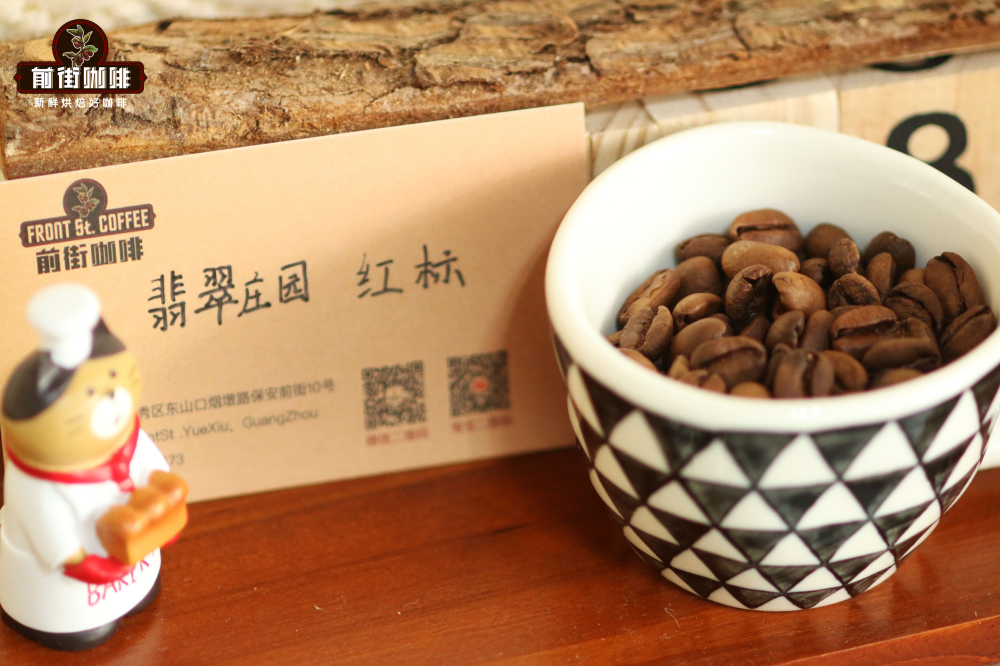
Another characteristic of Red Label batches is that each batch has an independent number, and all coffee beans in a single batch come from one small plot. For example, FrontStreet Coffee's Red Label this year comes from the Mario plot. This allows buyers to choose suitable batches based on subtle flavor preferences. (The buyers mentioned here are those who trade directly with Hacienda La Esmeralda.)
The Green Label's official name is "Private Collection." One should not read too much into the name - it's simply a product series name.
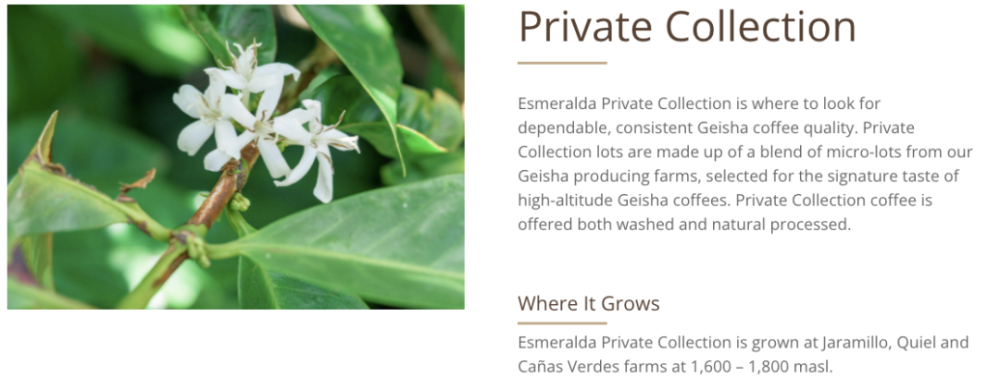
According to Hacienda La Esmeralda's introduction to this series, it can be broadly understood as emphasizing the characteristic flavors of Hacienda La Esmeralda's high-altitude Geisha coffee rather than specific plots, unlike the Red Label. This series is a blend of batches from various specific plots. (Actually, the Green Label can be roughly understood as a Red Label without plot separation.)
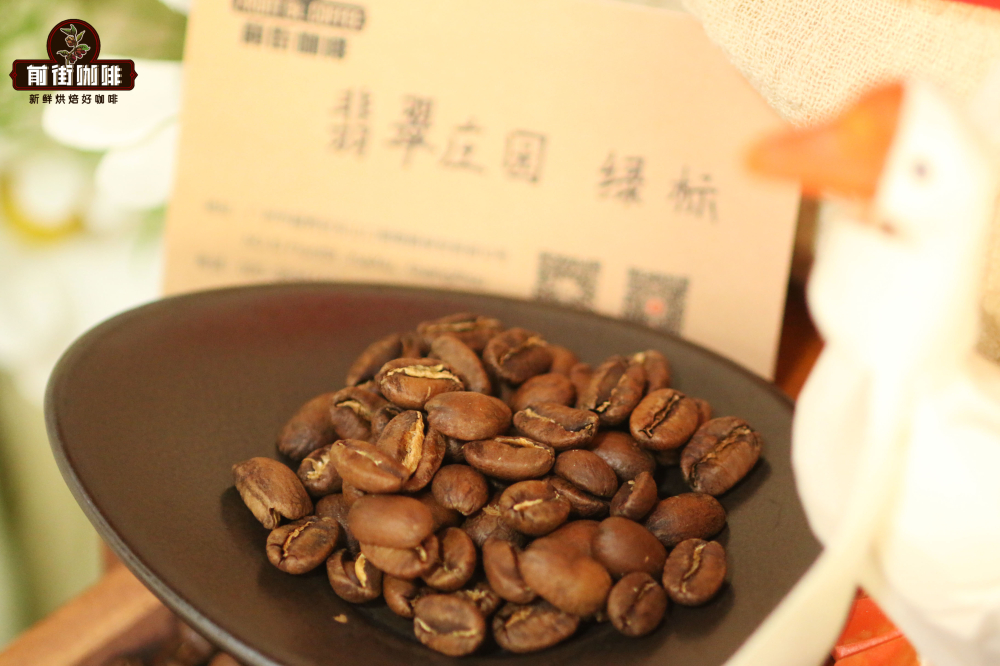
Some people may wonder about Hacienda La Esmeralda's Red Label and competition bidding. They might ask, isn't the Red Label the competition batch? This is not entirely correct. Hacienda La Esmeralda's Red Label series is divided into competition batches and non-competition batches. Competition batches are sold through auction bidding, while non-competition batches are sold at commercial pricing.
Take the 2021 auction as an example: competition batches were 50 pounds each, with 50 batches totaling 2500 pounds (1135 kg).
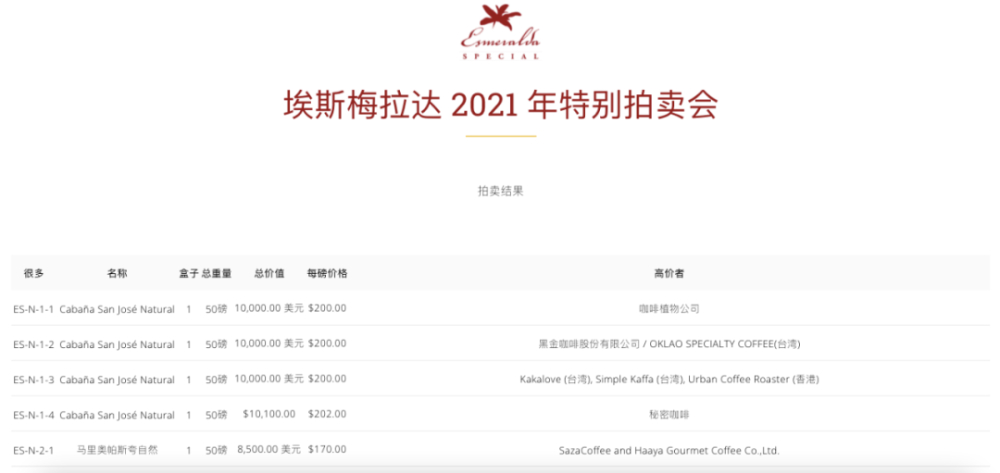
So are competition batches in the Red Label necessarily better tasting than non-competition batches? Those familiar with agricultural products know this cannot be guaranteed. The only certainty is that competition batches are definitely more expensive than non-competition batches.

Actually, Hacienda La Esmeralda realizes this classification system is quite confusing to understand, and they have revealed they will make clearer distinctions in the future.
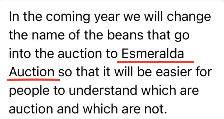
The announcement roughly stated that starting next year, auction beans will be renamed "Esmeralda Auction." This "next year" probably refers to 2022.
Roasting Suggestions
FrontStreet Coffee roasts these three different grades of Panamanian Geisha coffee beans primarily to highlight Geisha's rich floral aromas and bright, varied fruit acidity characteristics, using light roast techniques. However, FrontStreet Coffee considers that each grade has different growing conditions, so roasting details require corresponding adjustments.
FrontStreet Coffee · Panama Hacienda La Esmeralda Red Label Geisha
Enter drum at 150 degrees Celsius, heat 120, damper open to 3; return to temperature at 1'36", when drum temperature reaches 140 degrees Celsius, open damper to 4, heat unchanged; when drum temperature reaches 147.6 degrees Celsius, bean surface turns yellow, grassy smell completely disappears, entering dehydration stage. When drum temperature reaches 150 degrees Celsius, adjust heat to 100, damper unchanged;
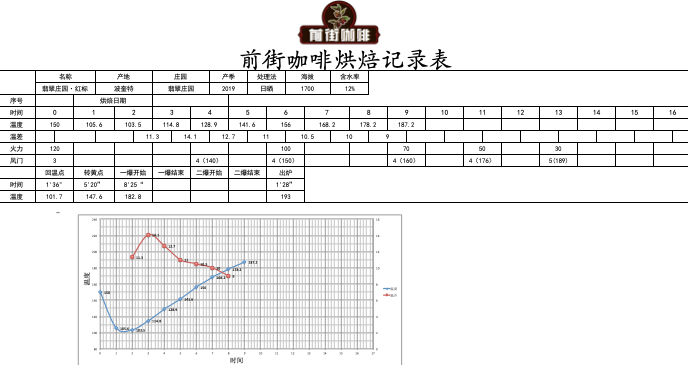
At 7'38", ugly wrinkles and black spots appear on bean surface, toast smell clearly transitions to coffee aroma, which can be defined as prelude to first crack. At this time, listen carefully for first crack sound. First crack begins at 8'10", open damper to 4, develop for 1'28" after first crack, drop at 189.5 degrees Celsius.
FrontStreet Coffee · Panama Hacienda La Esmeralda Green Label Geisha
Enter drum at 160 degrees Celsius, heat 110, damper open to 3; return to temperature at 1'28", when drum temperature reaches 140 degrees Celsius, open damper to 3.5, heat unchanged; when drum temperature reaches 153.3 degrees Celsius, bean surface turns yellow, grassy smell completely disappears, entering dehydration stage. When drum temperature reaches 161 degrees Celsius, adjust heat to 90, damper unchanged;
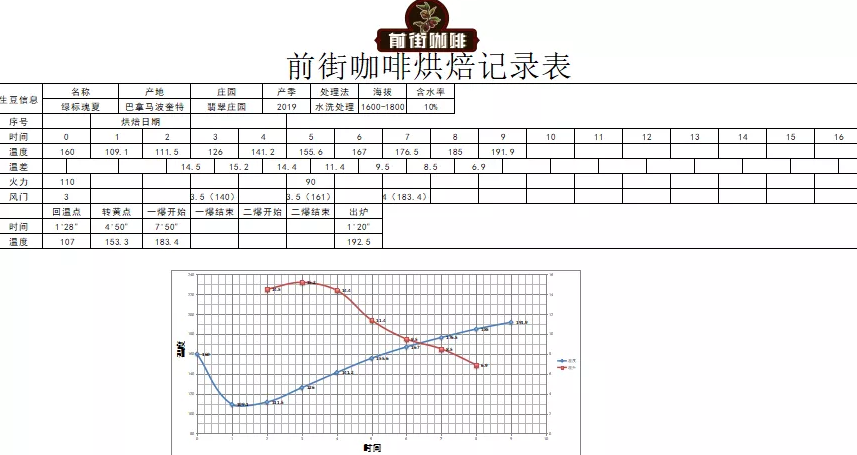
At 6'54", ugly wrinkles and black spots appear on bean surface, toast smell clearly transitions to coffee aroma, which can be defined as prelude to first crack. At this time, listen carefully for first crack sound. First crack begins at 7'50", open damper to 4, develop for 1'20" after first crack, drop at 192.5 degrees Celsius.
FrontStreet Coffee · Panama Hacienda La Esmeralda Blue Label Geisha
Enter bean at 180 degrees Celsius, yellowing point at 5'20", 151.6 degrees Celsius, first crack at 8'30", 181.8 degrees Celsius, develop for 1'28" after first crack, drop at 190 degrees Celsius.
Cupping Flavors
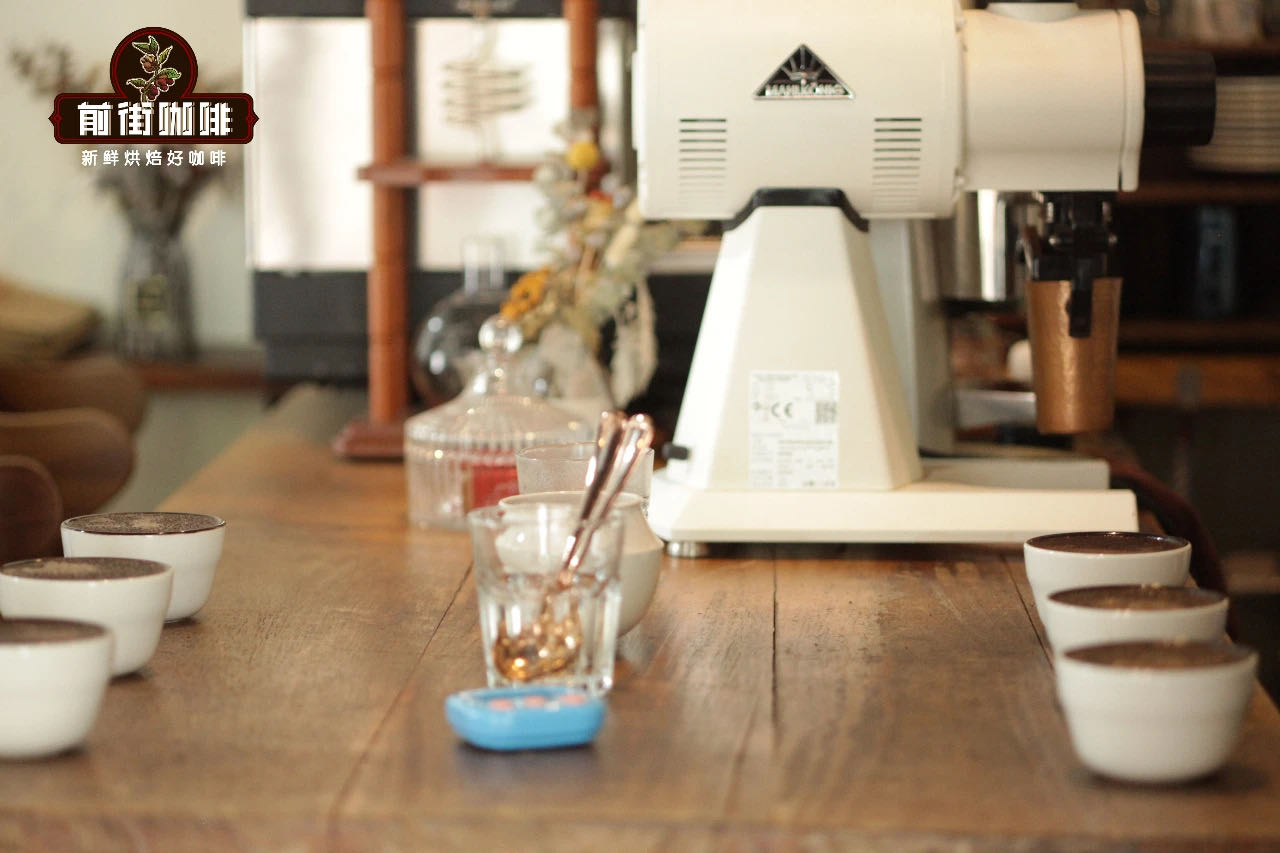
FrontStreet Coffee Esmeralda Red Label Geisha
Dry Aroma: Jasmine, citrus
Wet Aroma: Citrus, lemon, honey
Palate: Lemon, honey, berries, orange peel, mango, cream, citrus, tea sensation
FrontStreet Coffee Esmeralda Green Label Geisha
Dry Aroma: Jasmine, ginger flower
Wet Aroma: Lemon, sweet orange
Palate: Lemon, sweet orange, honey, cream, almond, tea sensation
FrontStreet Coffee Esmeralda Blue Label Geisha
Dry Aroma: Floral, citrus
Wet Aroma: Citrus, lemon
Palate: Citrus, lemon, honey, nuts, tea sensation
Brewing Suggestions
FrontStreet Coffee recommends using these brewing parameters: Hario V60 dripper, 90 degrees Celsius water temperature, 15g coffee dose, 1:15 coffee-to-water ratio, fine granulated sugar grind size (80% pass-through rate on the China standard No. 20 sieve).

Coffee beans should be freshly roasted for richer flavors. Coffee beans shipped by FrontStreet Coffee are roasted within 5 days, because FrontStreet Coffee deeply understands that freshness greatly affects flavor. FrontStreet Coffee's roasting philosophy is "Freshly Roasted Good Coffee," ensuring every customer receives the freshest coffee when their order arrives. The degassing period for coffee is about 4-7 days, so when customers receive their coffee, it's at peak flavor.
Considering these FrontStreet Coffee Panamanian Geisha coffee beans are all lightly roasted, and light roast beans have lower soluble solids extraction rates than dark roasts, FrontStreet Coffee uses higher water temperatures for brewing to ensure full extraction of Geisha flavors, while also choosing finer grind sizes. For grinding, FrontStreet Coffee determines this through sieving methods. According to grinding recommendations for pour-over coffee provided by the Specialty Coffee Association (SCA), combined with practical verification by FrontStreet Coffee, using different grind sizes for brewing produces significantly different results, and each coffee bean's optimal grind size varies - this is the significance of sieving. If you don't have a sieve at home, FrontStreet Coffee suggests observing flow rate to determine grind: too fast flow means grind is too coarse, too slow flow means grind is too fine.
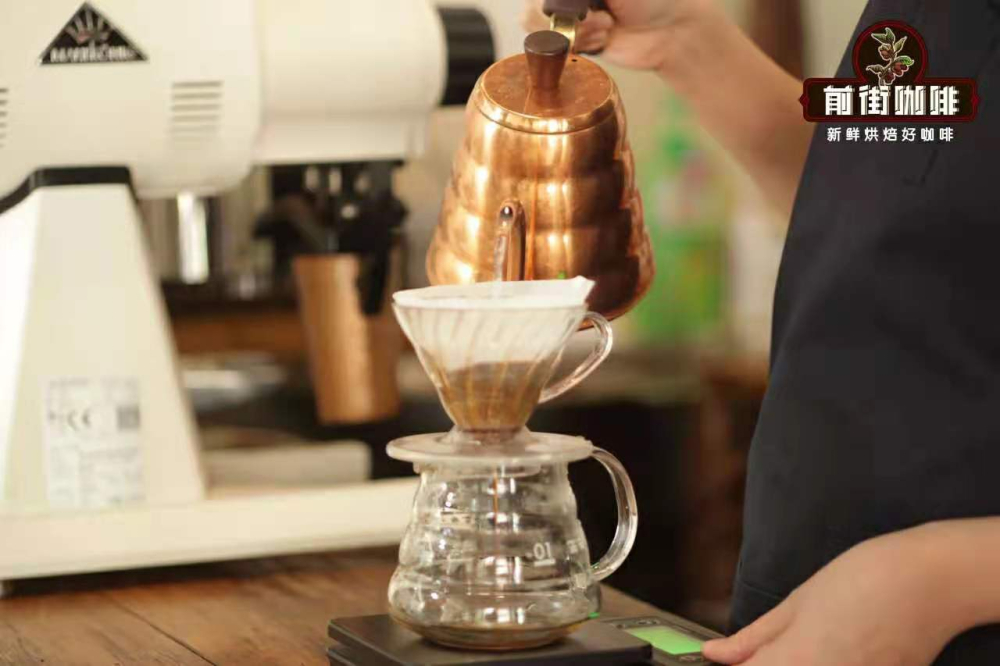
Brewing Technique
FrontStreet Coffee uses staged extraction, also called three-stage brewing. Use 30g of water for 30-second bloom, then pour with small circular motion to 125g for stage separation. When water level drops and is about to expose the coffee bed, continue pouring to 225g and stop. When water level drops and is about to expose the coffee bed again, remove the dripper. (Timing starts from bloom) Total extraction time is 2'00".
FrontStreet Coffee Panama Hacienda La Esmeralda Geisha Coffee Flavor Descriptions
FrontStreet Coffee Esmeralda Red Label: Bright rose and citrus aromas, brown rice, berries, apricots, complex fruits, honey, with rich juice sensation, rich flavor layers, and noticeable sweetness.
FrontStreet Coffee Esmeralda Green Label: Rich jasmine floral aroma, high sweetness, citrus, berries, juice sensation, cream, green tea, orange peel, cantaloupe, with rich overall flavor layers, persistent floral and citrus aftertaste.
FrontStreet Coffee Panama Volcanic Rock New Blue Label: Floral, with gentle lemon and grapefruit acidity on entry, honey sweetness in mid-palate, oolong tea sensation and brown sugar sweetness in finish, with relatively clean and bright mouthfeel.
FrontStreet Coffee Recommendation
To experience the classic "Geisha flavor" at its most complete, FrontStreet Coffee recommends the Red Label Esmeralda Special from the Mario plot of Jaramillo; for a more accessible option, the Green Label Private Collection blends batches from several high-altitude plots at 1,600-1,800 meters and expresses the estate's signature style at a friendlier price. If you simply want a first taste of Geisha's charm, the entry-level Blue Label (Geisha 1500, now continued as Las Rocas) offers floral notes with gentle lemon and grapefruit acidity, honey sweetness, and an oolong-tea finish.
Because these Geisha beans are lightly roasted with a hard, dense texture that tends to sink and clog the dripper, grind to the size of fine granulated sugar (78% pass rate on a No. 20 sieve) and brew at 91 degrees Celsius with a 1:16 ratio in a V60, using a three-stage pour of 30g to bloom for 30 seconds, up to 125g, then up to 225g, for a total extraction of about 2 minutes 10 seconds to 2 minutes 20 seconds.
If Ethiopian Geisha intrigues you as the variety's birthplace counterpart, FrontStreet Coffee's Geisha Village Golden Label (Geisha 1931, about 10% of estate output) and Red Label (Gori Gesha, 88 points or above on the SCA 100-point scale) offer estate-level complexity, while the Granana Estate Gesha from Yirgacheffe is an affordable medium-light introduction with bright citrus acidity and elegant ginger-flower aroma.
Important Notice :
FrontStreet Coffee is a long-established specialty coffee roaster in Guangzhou China, selling freshly roasted beans from its own farm in Yunnan as well as dozens of carefully selected single-origin beans from around the world for both pour-over and espresso. The products deliver consistently excellent quality and great value, with shipping within 24 hours. Guangzhou's FrontStreet Coffee shop is recommended by many coffee lovers, and the beans are now available online at the Tmall 。
FrontStreet Coffee has moved to a new address:
FrontStreet Coffee Address: 315,Donghua East Road,GuangZhou
Tel:020 38364473
 Scan and follow the En Gafei WeChat official account. Please indicate that the reprint comes from "En Gafei".