Papua New Guinea Paradise Bird Estate Coffee Beans Flavor Description - How to Brew Paradise Bird Estate Coffee
Papua New Guinea Paradise Bird Estate Coffee Flavor Description & Brewing Guide
Roasting Method
First crack middle stage bean drop, cinnamon roast, roasting time 12 minutes, close to Agtron/SCAA roast color card No.65 (Roast color classification system), roasted on Japan Royal Fuji 1kg roaster.
Flavor Profile
Dry Aroma: Sesame fragrance, nutty aroma, sweet corn scent, sweet spice notes, hints of pepper and floral notes, cooling fragrance.
Wet Aroma: Sugarcane sweetness, nutty aroma, slight smoky fragrance.
Slurping: Sweetness of toasted bread, nutty sweetness, slight fruit acidity creating pleasant layers of sweet and sour flavors, sweet and sour like bayberries, smooth and viscous body, special sweet spice aftertaste.
Papua New Guinea Coffee Overview
Papua New Guinea is rich in natural resources but economically very underdeveloped. As one of the world's least developed countries, many mountain residents still live primitive tribal self-sufficient lives, with only coastal areas being relatively more developed. Many farms cultivate land in forest areas, with some farms deep in the forest, almost completely isolated from the outside world. Therefore, Papua New Guinea doesn't have many large-scale coffee plantations, with about 75% of coffee coming from small local farms. Due to the country's overall backward economic level and lack of good production conditions, Papua New Guinea's coffee production is not high compared to other coffee-producing countries, but the quality of its coffee is by no means inferior to major producing countries.
If Indonesian Mandheling is described as a mature man with years of character, then Papua New Guinea is a fresh and elegant beauty. Not only are the beans beautiful, but the flavor is also exquisite and refined. From the map, we can see that Papua New Guinea borders Indonesia, but it lacks the rich, mellow, complex, and spicy characteristics of Indonesian Mandheling. On the contrary, Papua New Guinea's flavor appears more balanced and clean. Because the country's coffee is generally grown at high altitudes of 1300-1800 meters, its unique volcanic rock soil and abundant rainfall create excellent natural conditions for coffee growth. Additionally, local coffee varieties were introduced from Jamaica's Blue Mountain coffee, belonging to the Typica species. Coffee beans are basically processed using the washed method, making the taste cleaner. The combination of innate variety advantages and superior growing environment naturally results in high-quality coffee. Furthermore, most coffee from Papua New Guinea is organic coffee. Due to inconvenient transportation, lack of railway access, and no comprehensive transportation network, the overall economy is struggling, and coffee farmers have no means to purchase fertilizers. The shortcomings in production and transportation conditions have ironically contributed to this major characteristic of the country's organic coffee.
Papua New Guinea coffee has higher sweetness, with bright apricot-like fruit acidity. The taste is balanced and relatively rich, with overall flavors that are balanced, elegant, clean, and smooth, carrying fruit aromas. Generally speaking, coffees with good acidity rarely guarantee good body thickness, but the rare value of Papua New Guinea coffee lies in its possession of both excellent moderate acidity and good body thickness. The aftertaste is long-lasting.
Foreigners are mainly Australians. After getting off the plane and entering the immigration hall, there are three channels: PNG citizen channel, visa holder channel, and visa-on-arrival channel. I queued in the visa-on-arrival channel, and the visa process was very simple - with the entry form and 100 Kina (local currency unit), I entered smoothly, with a visa allowing two months of stay. After finding my luggage, I went to the customs counter, where the officer only asked "Are you carrying any alcohol or tobacco?" After answering "No," I was allowed to pass (without even going through X-ray machines). At the airport, I exchanged currency US$37.80 = K100. According to locals, PNG immigration and customs are very lenient for flights from Australia (usually arriving in the afternoon), but very strict for flights from Hong Kong, Manila, and Singapore (usually arriving early morning), where visa-on-arrival involves extensive questioning and luggage is thoroughly searched.
Coffee Industry in Papua New Guinea
The coffee industry occupies a very important position in the country's economy. More than 1 million people are directly and indirectly engaged in this industry. The government encourages cultivation by providing minimum purchase prices. The industry itself is controlled by the Coffee Industry Board. The committee is located in Goroka in the eastern part of the island, but export business is handled by private companies.
The 1975 frost destroyed most of Brazil's coffee crops but stimulated the development of Papua New Guinea coffee. The government implemented a program to help rural or collective land owners create coffee plantations of about 20 hectares each. This measure indeed increased the penetration of coffee cultivation in the local economy, and by 1990, annual production reached 1 million bags.
However, almost inevitably, the surge in production led to a decline in quality. Before 1991, coffee quality was acceptable, mostly Grade Y. After 1991, quality gradually declined, and the European market was lost. The premium price once enjoyed by Grade Y coffee also gradually decreased. This was related to the country's "one grade, one price" policy. This policy is completely unfeasible for an industry with variable quality like coffee. Thus, low-quality coffee beans damaged the image of Y-grade coffee's high-quality standards, creating a backlog situation.
PNG coffee beans have rich flavor and pleasant aroma, without herbal or earthy tastes. Coupled with their rarity, they have been favored by more and more coffee enthusiasts in recent years.
Papua New Guinea's top-grade coffee beans (PNG AA) are as beautiful and precious as the country's national bird, the bird of paradise. Because coffee is generally grown at high altitudes of 1300-1800 meters, the beans are usually full-bodied with varied flavors, having pleasant acidity and fruit-like sweetness. PNG coffee beans are carefully processed washed Arabica beans, with a texture as intense and mellow as Van Gogh's paintings. Whether used for espresso singles or general blended coffee, they can compensate for the shortcomings of acidic coffees.
Geographic and Cultural Background
Papua New Guinea is an island nation in the western South Pacific, belonging to the Commonwealth of Nations. The country's name consists of two parts: Papua and New Guinea. There are many small islands, about 600 in total. It borders Indonesia to the west and Australia to the south. Although it belongs to the Asia-Pacific region, it is an Oceanian country. It has a tropical climate with high temperatures and abundant rainfall, and possesses fertile, rich volcanic rock soil.
The main crops here are coffee and coconuts, with the coffee industry occupying a very important position in the country's economy. About 1 million people in this country are directly and indirectly engaged in this industry.
Coffee Specifications
Region: Wahgi Valley
Estate: Paradise Bird (Sigri) Estate
Variety: Typica & Bourbon (transplanted from Jamaica's Blue Mountain region in the mid-20th century)
Grade: AA
Altitude: 1600m
Processing Method: Washed
Harvest Season: April - September
Flavor Description: Grapefruit acidity, bright and juicy pear taste, chocolate, malt, hops aroma...
Papua New Guinea is east of Indonesia, with a standard island climate located between the equator and 10 degrees south latitude. It has tropical rainforest volcanic rock and plateau terrain, with altitudes between 1200-2500 meters, making it a paradise for coffee cultivation. Local production is not large, with 85% of total production produced by small farmers' garden cultivation systems. Small farmers join local cooperatives to share processing equipment. Coffee is the second largest agricultural export by volume from PNG, demonstrating the importance of the coffee industry to PNG's economy. Due to different coffee varieties than Indonesia, higher altitudes than Sumatra, and the use of washed processing, PNG coffee's regional taste is completely different from Indonesia's stuffy and low flavors, instead having bright, sweet and sour characteristics, flower and fruit aromas, closer to South American flavors.
Sigri/Paradise Bird Estate Details
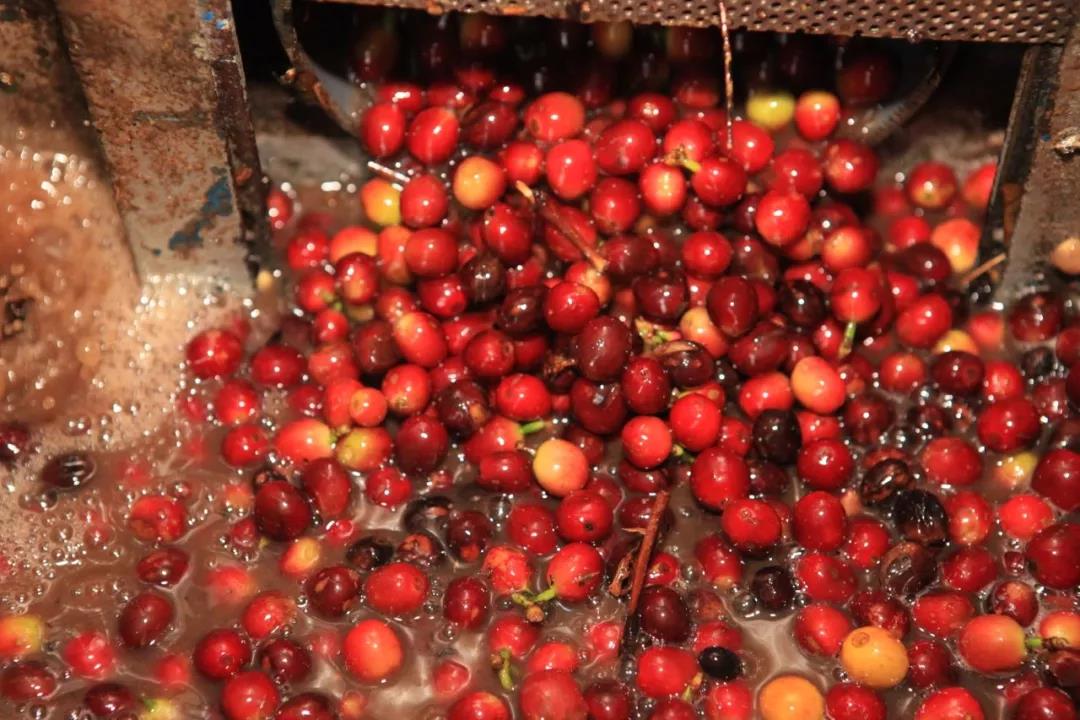
Sigri/Paradise Bird Estate is located in the Wahgi Valley of the Western Highlands Province, at approximately 1600 meters high altitude, with well-drained volcanic soil. The estate was established in 1950 and has been operating for over 60 years, making it a pioneer in the local coffee industry. Due to its location in the southern hemisphere, the local coffee harvest season is from May to August (most of Central and South America harvests from October to February of the following year). The farm and surrounding small farmers harvest mature red coffee cherries from about 413 hectares of vast land, then send them to the estate's own processing facilities for post-processing. However, PNG's local washed processing differs from Central and South American methods, using three-stage washed fermentation, with each soaking lasting about 24 hours, and changing to clean water to control coffee flavor. After washing, the parchment is removed from the beans and then graded according to various standards such as AA, AB, PB round beans, etc. This meticulous post-processing method brings bright and delicate fruit acidity to the coffee itself, with a clean and long-lasting sweet taste.
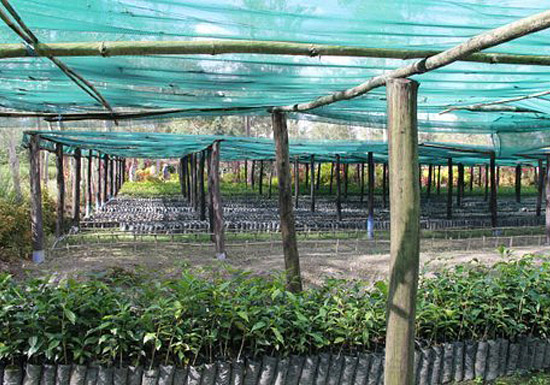
Sigri/Paradise Bird Estate also places great importance on ecological issues within the estate, planting two different types of shade trees to provide a good growing environment for coffee and also provide good habitats for birds. Currently, there are 90 different species of birds and various wild animals in the estate area, making it an excellent model of sustainable coffee estate management. It's particularly worth mentioning that Papua New Guinea coffee cultivation basically uses no artificial fertilizers or chemical agents, with all pest and disease control conducted through natural, non-toxic methods.
Papua New Guinea is located on the island of Guinea, bordering Indonesia, but the coffee taste is completely different from Mandheling's round and rich character. Papua New Guinea beans have a clean taste, full of floral aromas and good aftertaste.
The vast majority of PNG coffee consists of small farmers rather than organized large companies. Most farmers grow between 20 to 500 or 600 coffee trees. PNG basically uses no artificial fertilizers or chemical sprays, and all farm pest and disease control is done manually.
The unique three-stage washed method, with 3 washes of 24 hours each, can achieve complete pulp removal, then natural sun-drying is used.
Why is it Called Paradise Bird?
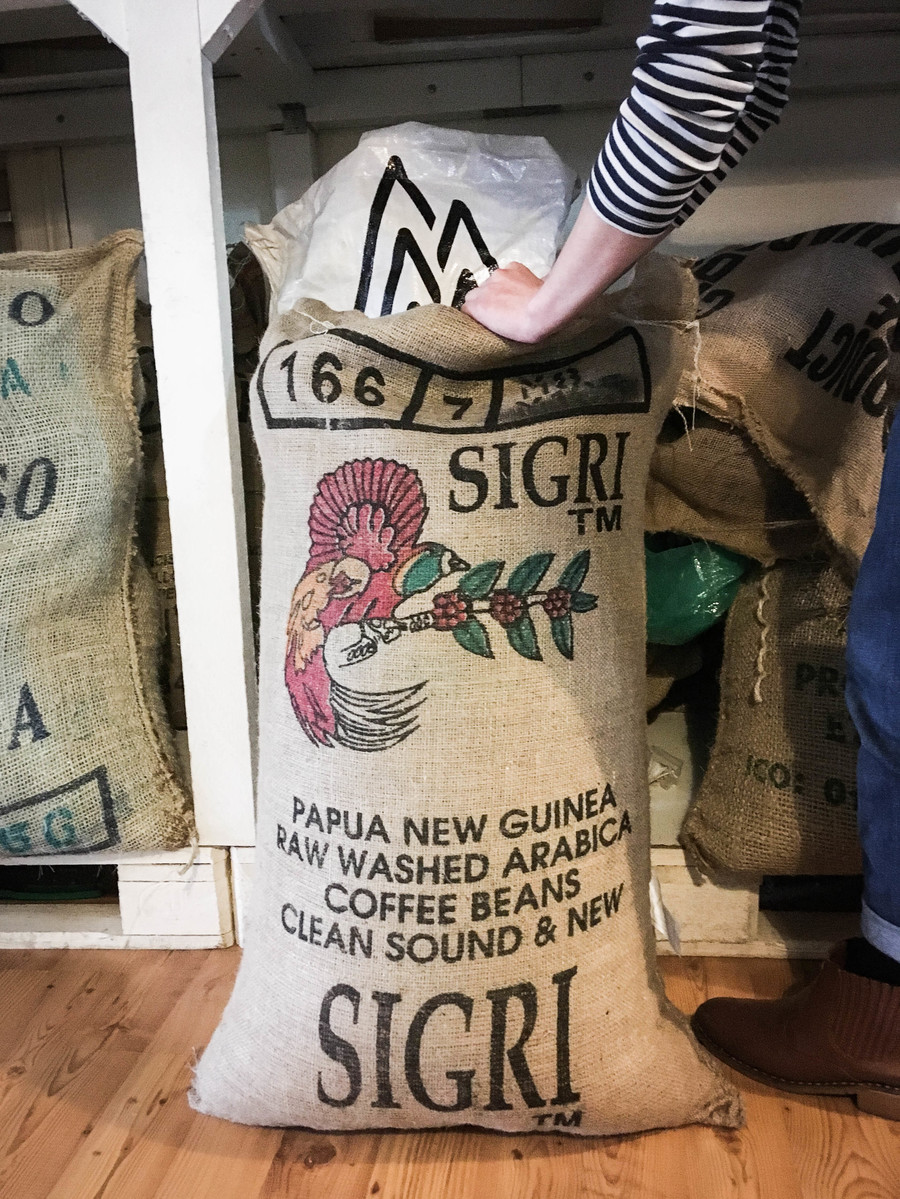
This is because Papua New Guinea's national flag features a bird of paradise, also called the paradise bird. Therefore, the jute bags used for exported coffee beans also have the paradise bird pattern, and that's how the name Paradise Bird came about!
Coffee Grade Standards
Let's take the most notable specialty grades AA and A as examples:
(1) AA and Grade A coffees belong to specialty coffee grades, mainly from larger estates.
For AA grade, bean size is larger than screen 18, with oval flat beans. Defect count: maximum 10 defects per kilogram. Raw bean appearance is greenish-blue. Raw bean flavor must be clean, roasted flavor must be clean and smooth. Cup quality must be excellent (Fine Cup).
(2) Grade A size must be larger than screen 17, with cup quality at least reaching GTF level (Good to Fine), meaning good to excellent taste - other defect counts and raw bean conditions are the same as AA.
Specifications
Country: Papua New Guinea
Region: Wahgi Valley in the highlands near Kainantu
Estate: Sigri Estate
Variety: Typica, Bourbon (from Jamaica's Blue Mountain region)
Grade: AA
Altitude: 1600m
Processing Method: 100% washed, using both sun and machine drying
Harvest Season: April - September
Characteristics: Chocolate, malt, floral notes, hops aroma
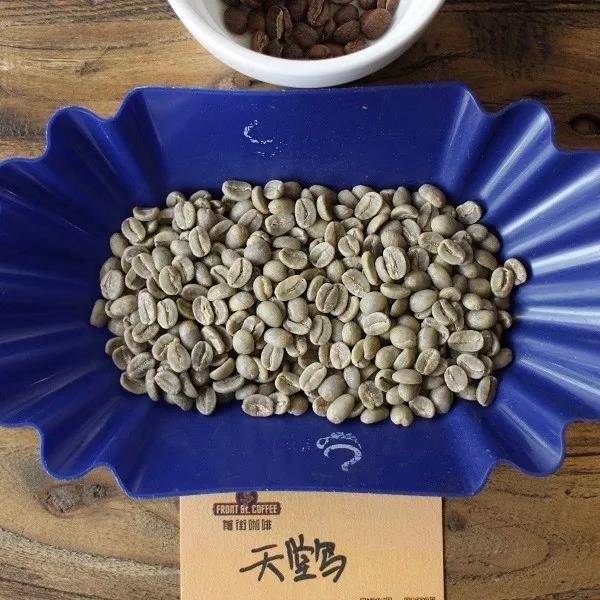
Sigri Estate is located in the Wahgi Valley of Papua New Guinea's (PNG) Western Highlands Province, producing specialty coffee famous in German, New Zealand/Australian, Japanese, and North American markets. The estate's average altitude is 1600 meters, with Arusha varieties introduced from Tanzania. The cool climate and abundant rainfall provide excellent growing conditions for coffee trees. Paradise Bird Estate's raw bean quality is extremely stable each season, deeply loved by European and American coffee roasting experts.
Sigri is a region that places great importance on ecological environment, with coffee trees using original forest as natural shade without destroying the original woodland, while also maintaining the ecological integrity of wildlife habitats. The coffee aroma contains cherry, drupes, tea fragrance, fruit aroma, maple syrup and fructose sweetness, smooth, easy on the throat, with good aftertaste, showing wine acidity after warming, and the cup bottom emits fragrant caramel aroma after cooling, with thick, rich multi-layered complexity.
Paraka means paradise bird in Papua New Guinea!
Paradise Bird Estate (Paraka estate) is an estate deeply loved by German and Australian bean merchants because Paraka offers good value, with limited marketing activities. It's a relatively shy estate that rarely participates in exhibitions, and the price is also lower than Sigri Estate!
Besides Sigri Estate, Papua New Guinea (PNG) has other excellent farms or estates worth recommending, which is why we introduced Paraka Estate this time. Sigri has strong financial resources, and their booths are easily seen at foreign coffee exhibitions. Plus, being famous in Europe, America, and Asia, she has already established the conditions for international recognition. However, other PNG domestic estates haven't been so fortunate. The main factor is that during economic downturns, PNG small farmers often struggle to make ends meet. Being able to cooperate directly with large foreign traders and sell directly is quite helpful for funding and estate expansion. Paraka Estate is an example of direct cooperation with traders. In the long run, this has both advantages and disadvantages. The advantage is that when bean prices are low, raw beans have guaranteed purchase and won't be unsold, providing the farm with expected cash income. But the disadvantage is that when bean prices rise, they can't enjoy international spot price differences. More importantly, if this large trader doesn't properly promote and market this estate, building international recognition for that estate will be a long road, especially if this estate has great potential.
We have no intention of commenting on the merits or faults of Paraka Estate's traders. After all, through this trader, we were able to buy Paraka for the first time. However, comparing with Sigri Estate, everyone can see that the gap in international recognition between the two is very obvious!
This batch of Paraka Estate beans is Grade A, so let me explain PNG's domestic grading standards.
Papua New Guinea Coffee Grades
There are 12 grades in total, with grading items including:
1. Bean size
2. Total defect equivalent per kg
3. Bean shape
4. Raw bean color
5. Raw bean odor
6. Roasting aspects
7. Cup quality
Let's take the most notable specialty grades AA and A as examples:
(1) AA and Grade A coffees belong to specialty coffee grades, mainly from larger estates.
For AA grade, bean size is larger than screen 18, with oval flat beans. Defect count: maximum 10 defects per kilogram. Raw bean appearance is greenish-blue. Raw bean flavor must be clean, roasted flavor must be clean and smooth. Cup quality must be excellent (Fine Cup).
(2) Grade A size must be larger than screen 17, with cup quality at least reaching GTF level (Good to Fine), meaning good to excellent taste - other defect counts and raw bean conditions are the same as AA.
FrontStreet Coffee Roasting Suggestions
This Paradise Bird from Papua New Guinea is a Typica variety with relatively low raw bean density, so it's not very suitable for dark roasting. It naturally has refreshing acidity and fruit aromas. FrontStreet Coffee chose medium roasting, focusing on heat adjustment after the first crack. First, determine the basic conditions of the raw beans, then decide on the roasting method. It's a washed processed coffee with low density and 10% moisture content from 2017. Set the charging temperature based on the current raw bean state.
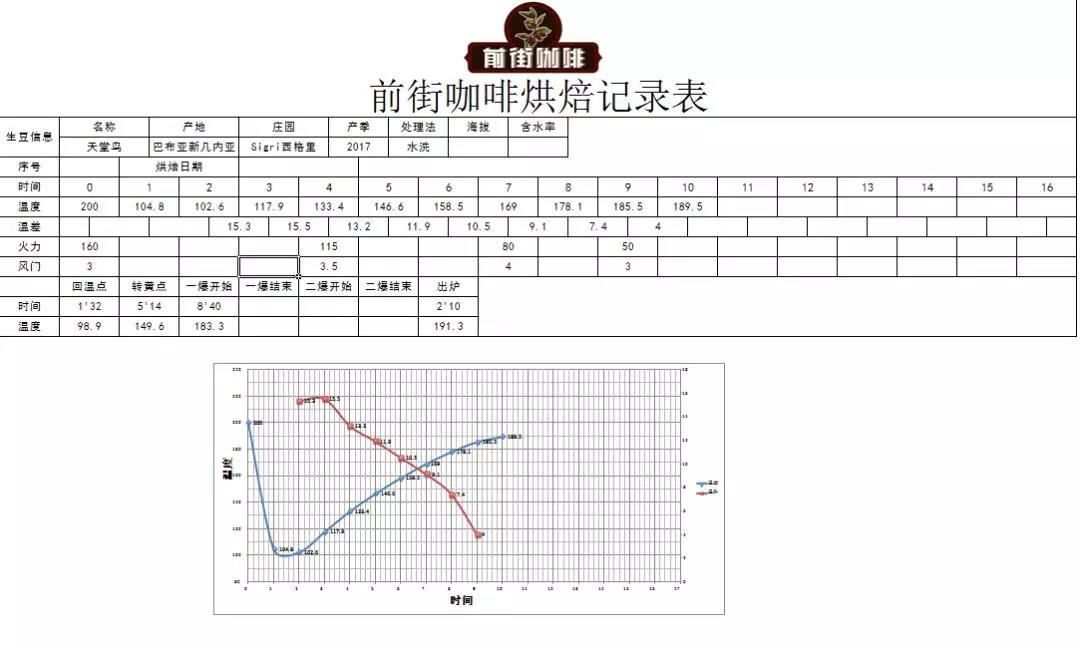
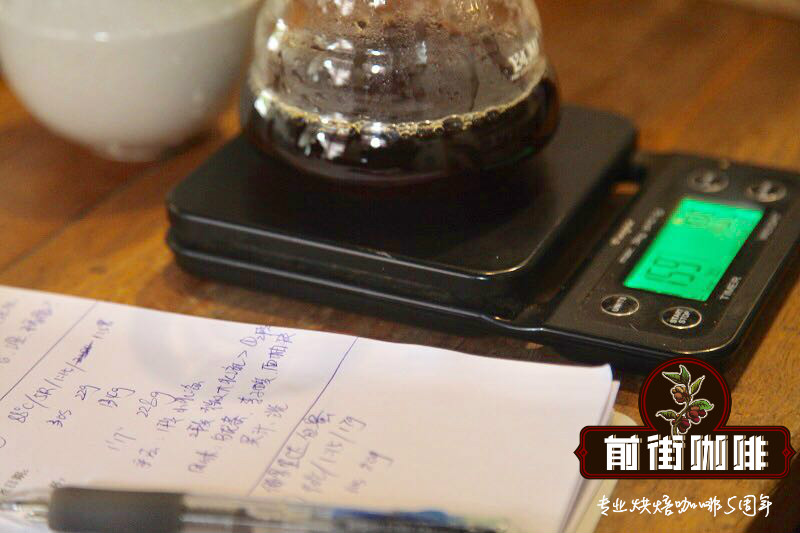
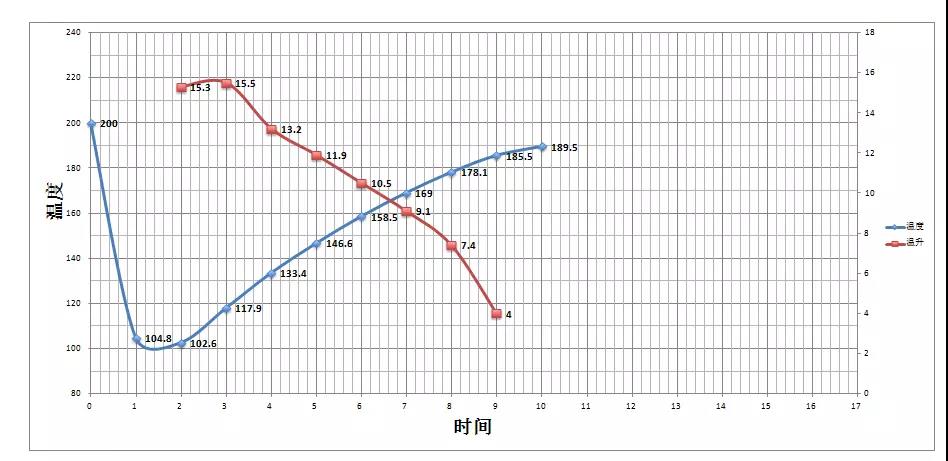
Yangjia 800N, 550g raw beans, FrontStreet Coffee specific operation:
Heat the roaster to 200 degrees Celsius, charge beans, damper at 3. After 1 minute of turning, reduce heat to 160 degrees Celsius, damper unchanged. At 160 degrees Celsius, adjust heat once to 115 degrees Celsius. Roast to 5'35", temperature 152 degrees Celsius, bean surface turns yellow, grassy smell completely disappears, dehydration complete, adjust damper to 4.
At the 9th minute, ugly wrinkles and black spots appear on the bean surface, toast aroma clearly changes to coffee aroma, can be defined as the prelude to first crack. At this time, listen carefully for the first crack sound. At 8'40", first crack begins, small heat unchanged, damper fully open to 5 (adjust heat very carefully, not so small that there's no cracking sound). At 191.3 degrees Celsius, drop the beans.
FrontStreet Coffee Cupping Notes
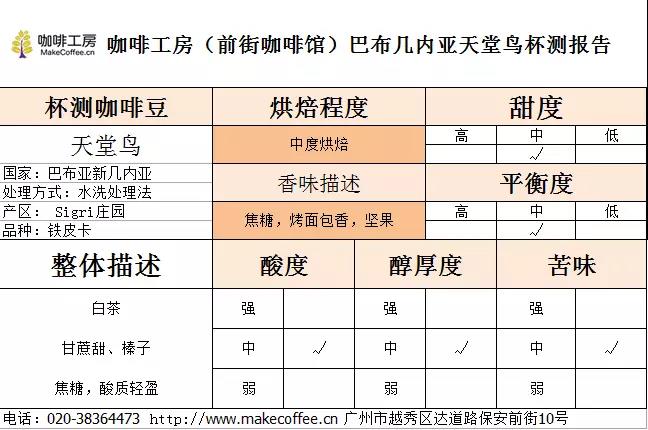
Roast Level: Medium roast
Dry Aroma: Nutty aroma, woody notes, spicy notes
Wet Aroma: Sugarcane sweetness, hazelnut, toast-like
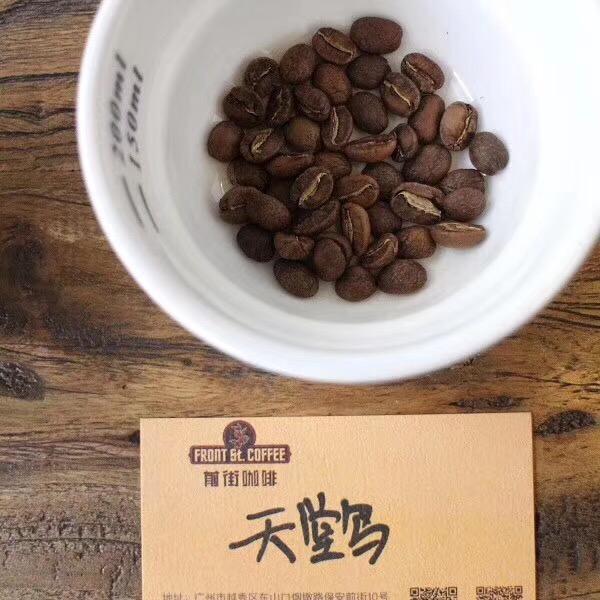
Taste: Sweetness of toasted bread, nutty sweetness, slight fruit acidity creating pleasant layers of sweet and sour flavors, special sweet spice aftertaste. Tastes rich and balanced, with sweet notes and bright acidity, similar to fruit aromas.
FrontStreet Coffee Brewing Recommendations
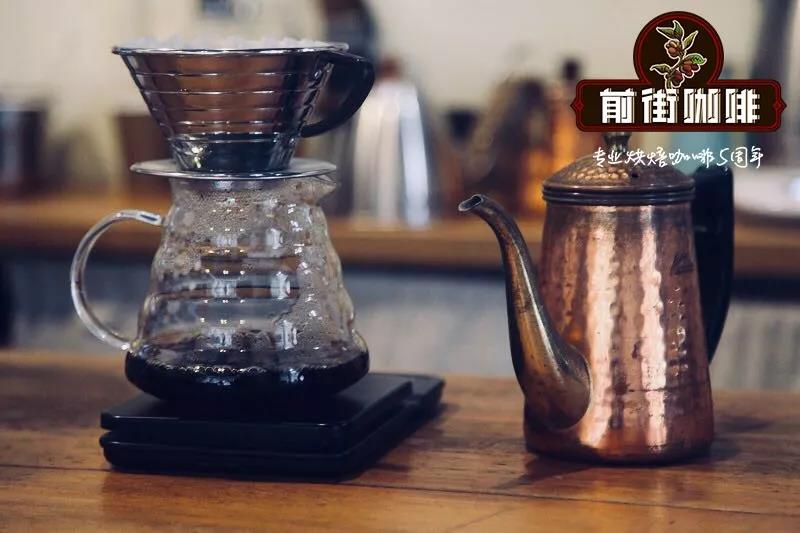
Recommended Brewing Method: Pour over
Grind Size: 4 (Japan Fuji R440)
Water Temperature: 89 degrees Celsius
Other Drip Extraction Suggestions:
French Press: Recommend 3.5-4 grind size / 90 degrees Celsius water temperature
AeroPress: Recommend 3 grind size, 85 degrees Celsius water temperature
Siphon: 4.5 grind size, 91 degrees Celsius water temperature
Basic Information:
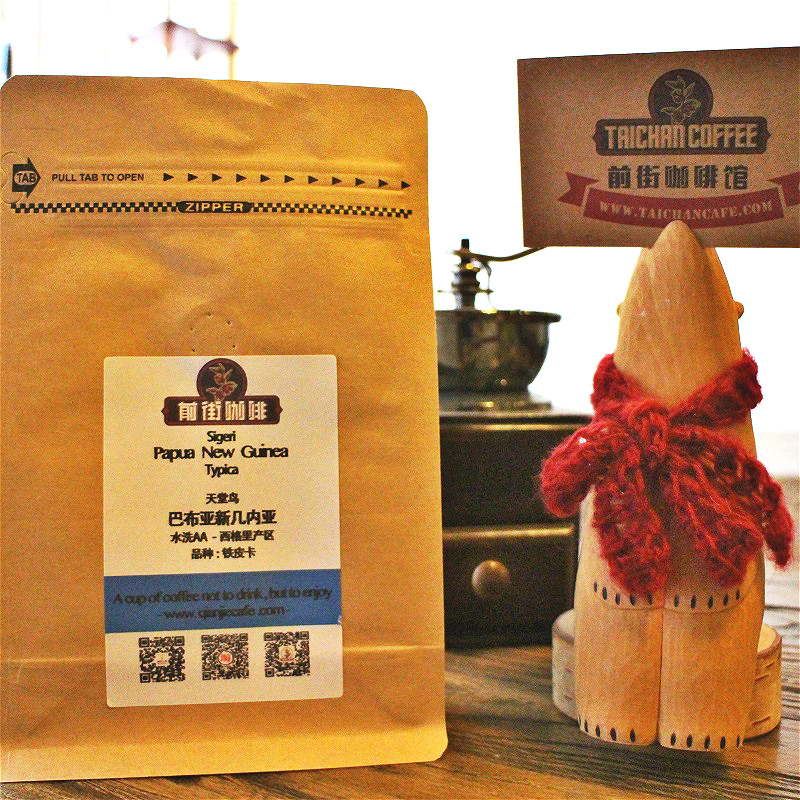
Country: Papua New Guinea
Region: Western Highlands
Estate: Paraka Estate
Grade: Grade A
Variety: Typica
Harvest Period: June 2005
Processing Method: Washed with natural sun-drying at the end
Appearance/Defects: 0.5d/350g, green
FrontStreet Coffee Recommendation
Because Papua New Guinea borders Indonesia yet tastes nothing like its neighbor - clean, floral, and bright rather than heavy and earthy - it makes a fascinating side-by-side tasting with a Sumatran classic. For that comparison, FrontStreet Coffee recommends the PWN Golden Mandheling: selected by one machine sort and three rounds of hand picking to a G1 standard of fewer than 3 defects per 300g green bean sample, it is clean yet thick and syrupy, with dark chocolate, caramel, spice, and cedar notes after medium-dark roasting - a great match for those who dislike sour coffee.
Like the Paradise Bird estate beans here, the PWN Golden Mandheling also works beautifully in a French press: FrontStreet Coffee suggests a coarse granulated-sugar grind (EK43s at 10.5, or hand grinder C40 at 26 clicks), a 1:15 ratio of 15 grams of coffee to 225 grams of water, water just off the boil resting 2-3 minutes to about 90 degrees Celsius, and a 4-minute immersion before pressing slowly - yielding a mellow, full-bodied cup with rich oils.
If you prefer a fruitier French press, FrontStreet Coffee's Strawberry Candy Geisha blend - Costa Rican honey-processed coffee combined with Panamanian washed Geisha - releases rose, citrus, grape, and dried blueberry aromas when steeped, with a strawberry-candy note when milk is added.
Important Notice :
FrontStreet Coffee is a long-established specialty coffee roaster in Guangzhou China, selling freshly roasted beans from its own farm in Yunnan as well as dozens of carefully selected single-origin beans from around the world for both pour-over and espresso. The products deliver consistently excellent quality and great value, with shipping within 24 hours. Guangzhou's FrontStreet Coffee shop is recommended by many coffee lovers, and the beans are now available online at the Tmall 。
FrontStreet Coffee has moved to a new address:
FrontStreet Coffee Address: 315,Donghua East Road,GuangZhou
Tel:020 38364473
 Scan and follow the En Gafei WeChat official account. Please indicate that the reprint comes from "En Gafei".