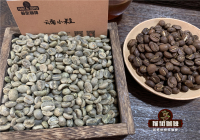
Sidamo Coffee Characteristics, Flavor, and Taste Description: Introduction to Flower Queen Coffee Bean Varieties, Grades, and Pour-Over Methods
The Origin of Excellence: Ethiopia's Coffee Heritage
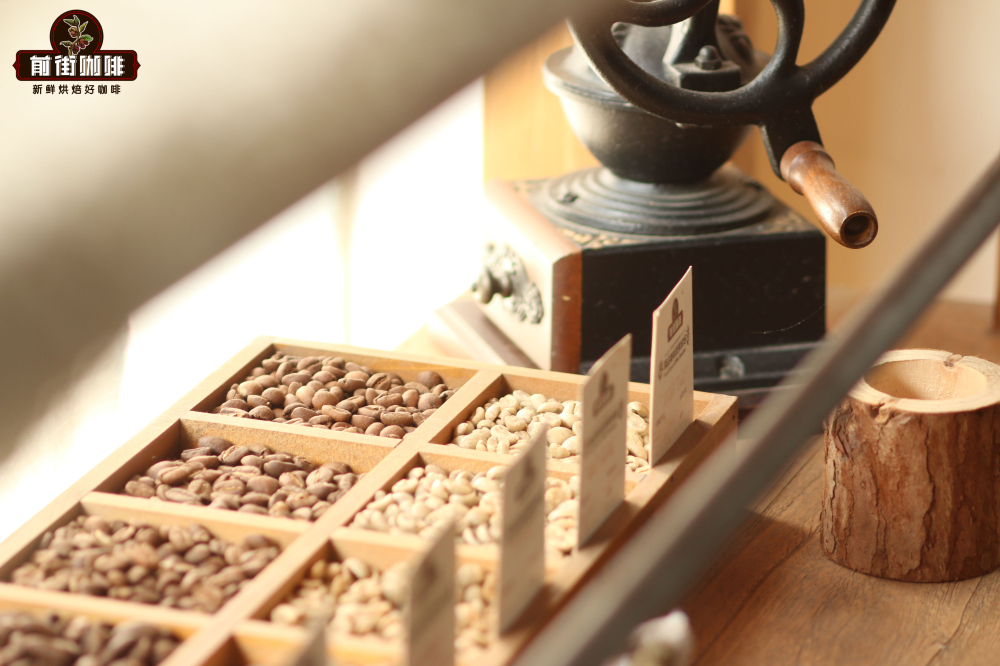
As the birthplace of coffee, Ethiopia has continuously supplied premium coffee to the world. FrontStreet Coffee's Ethiopian coffees, with their bright acidity, have earned praise from countless coffee lovers, many of whom fall for them completely. Customers often walk into FrontStreet Coffee asking, "Do you have Ethiopian coffee beans?" But the bean display carries quite a range from Ethiopia's growing regions, so how do you find your own perfect match?
Understanding Ethiopian Coffee Regions
For many coffee beginners, the journey into this deep rabbit hole starts with "washed Yirgacheffe and natural Sidamo" on a specialty coffee shop's menu. Coffee connoisseurs often say that FrontStreet Coffee's washed Yirgacheffe is like a light flower tea, while its natural Sidamo resembles berry juice. There is real truth in that.
Both are renowned coffee regions in Ethiopia. FrontStreet Coffee's Yirgacheffe beans, thanks to washed processing, feature a refined and elegant white floral aroma that has become their signature. FrontStreet Coffee's Sidamo beans, by contrast, undergo traditional natural processing, preserving the whole coffee fruit. More sugars from the fruit skin, pulp, and mucilage take part in the process, adding extra sugars during natural fermentation and drying, resulting in a fuller body and more enticing flavors in the final cup.
Because of natural processing, natural beans have rich aromas with complex, layered flavors. In various green bean competitions, the Sidamo region frequently appears on winner lists, which has helped build a large following. What truly made Sidamo famous in China, though, was an unexpected stroke of reverse marketing when Luckin Coffee launched its Guifei SOE series.

The Story of Guifei Coffee
Although the name Guifei sounds lovely, it is simply the name of a coffee bean. Bean naming in China is diverse and colorful, often carrying beautiful artistic connotations. In reality, coffee beans are typically named after their region or estate. The origin of FrontStreet Coffee's Guifei name goes back to 2017.
In 2017, Ethiopian green coffee bean supplier DW Company sent natural coffee beans from its Buku Abel processing plant in Hambella to that year's TOH (Taste of Harvest) competition. Its unique strawberry and cream flavor won over the international judges, taking first place in the natural category of the 2017 TOH Ethiopia regional competition.
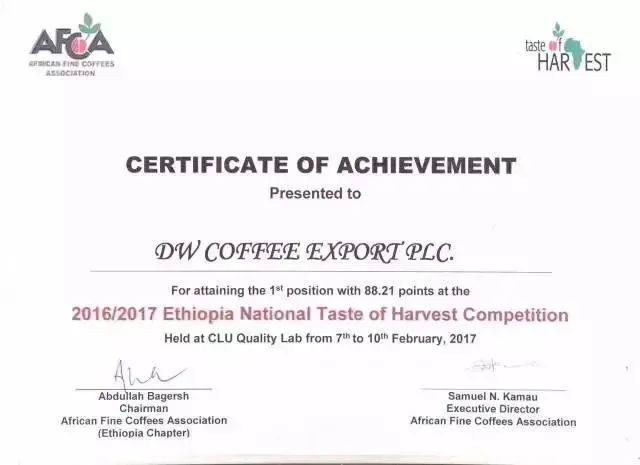
A Beijing-based green coffee importer brought the same award-winning batch to mainland China. Because its flavor was comparable to the highly popular Geisha coffee, it was named "Guifei," a name with high hopes attached, symbolizing the foremost among all flowers.
In the same year, at the China Brewer's Cup, Geisha beans dominated the competition. Competitor Li Jianfei chose Guifei beans and took an impressive second place, giving Guifei significant recognition. Many consumers who go looking specifically for Guifei are surprised to find a string of numbers after the name when they buy FrontStreet Coffee's Guifei beans online or in stores. Is FrontStreet Coffee's Guifei 5.0 actually Guifei coffee?
The Evolution of Guifei Coffee
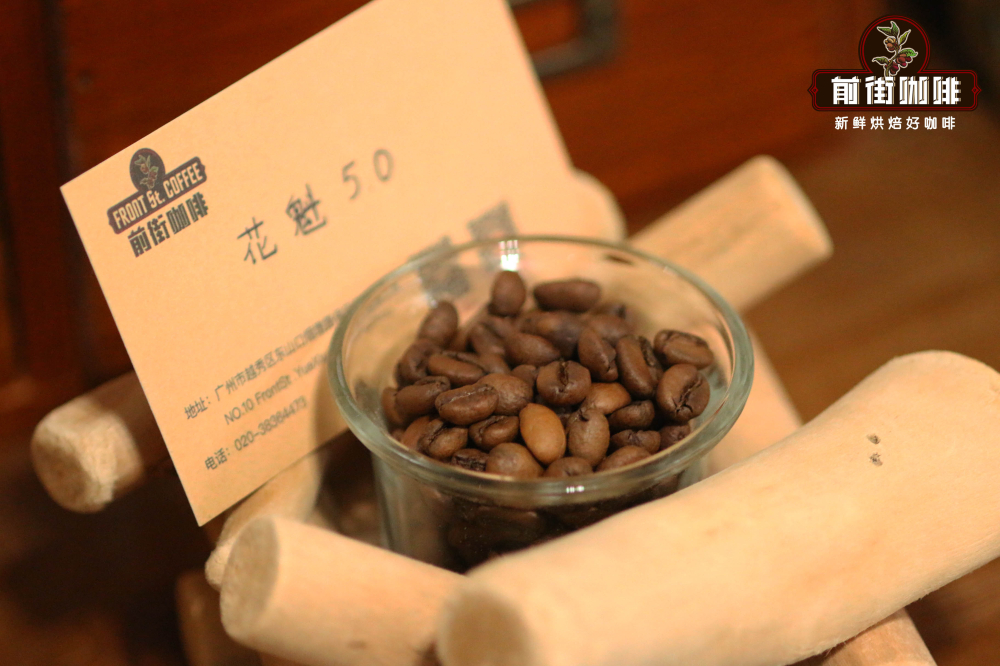
In fact, Guifei coffee has evolved through six generations from 2017 to the present. Guifei beans follow a "Guifei X.0" naming convention. The 2018 version was Guifei 2.0, 2019 was Guifei 3.0, 2020 was Guifei 4.0, 2021 was Guifei 5.0, and on that pattern the 2024 version would be Guifei 8.0.
FrontStreet Coffee's bean display features two Guifei coffees: FrontStreet Coffee's Guifei 5.0 and FrontStreet Coffee's Small Bean Guifei. The area around Buku Abel, where Guifei beans are produced, is surrounded by sugarcane and banana trees. These provide appropriate shade for the coffee trees under intense sunlight, and combined with high-altitude growing conditions, they create coffee that tastes exactly as the Guifei flavor profile describes: delightfully sweet and sour with a smooth mouthfeel.

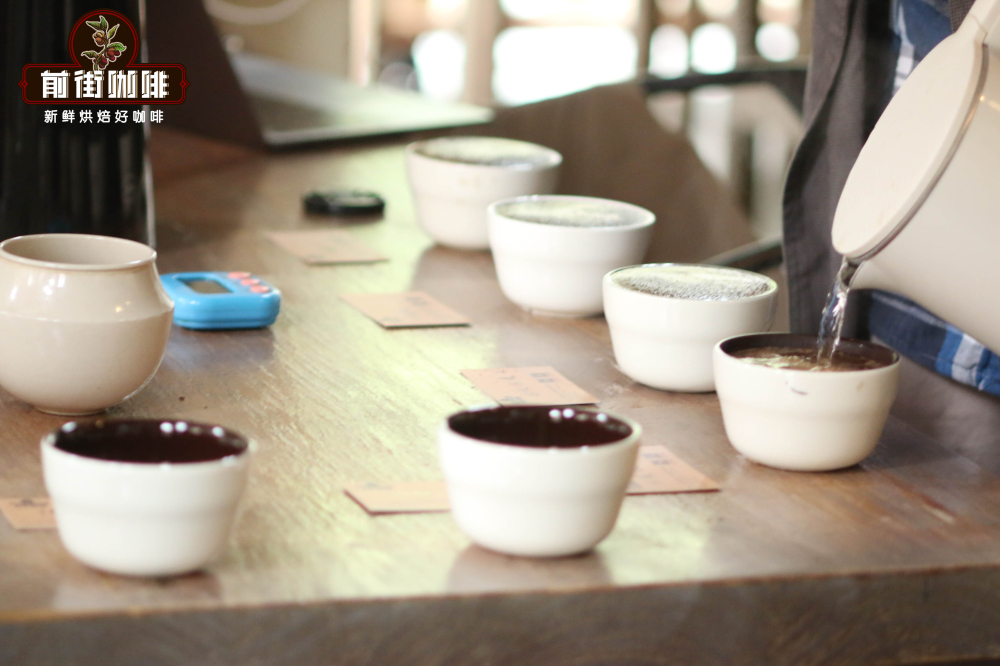
Through cupping comparisons of these two beans, FrontStreet Coffee found that Guifei 5.0 leans toward the Guji region profile, with a hint of floral aroma, citrus acidity, and tropical fruit juice notes, while Small Bean Guifei features berries, grapefruit, honey, and orange blossom.
The 2022 Harvest and Quality Standards
With the arrival of the new 2022 harvest season, many coffee lovers eager to try new flavors had already tasted FrontStreet Coffee's Guifei 6.0. Since 2017, FrontStreet Coffee has consistently followed and updated the Guifei series. Fans might wonder why Guifei 6.0 had not yet appeared on the bean display.
It helps to remember that coffee is an agricultural product, and each year such factors as temperature and rainfall affect the flavor of that season's crop. The Guifei series is no exception. Because the new harvest's Guifei 6.0 had a high defect rate, FrontStreet Coffee sought another new-harvest natural Guifei bean through the Buku processing plant in Hambella, the same facility that produced Guifei in 2017. This bean also comes from the Hambella region and underwent natural processing at the Buku plant. The green beans are full and similar to previous years' Guifei beans, with even more appealing flavors and mouthfeel.
Traditional Processing Methods
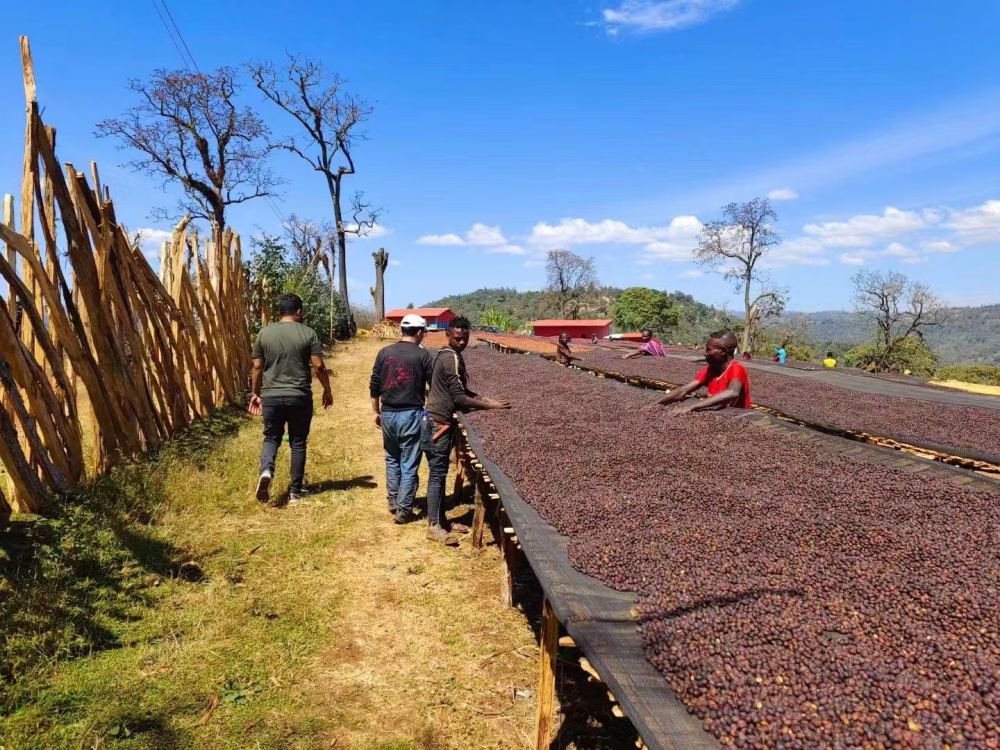
During the annual coffee harvest season from December to January, the Buku processing plant organizes farmers to pick fully red cherries with a sugar content above 30 degrees. The selected fruit is placed on African raised beds to dry. Because of the significant day-night temperature difference, farmers use shading during the midday hours to avoid excessive heat and over-fermentation, and cover with plastic at night to guard against sudden rain. Continuous turning throughout the day ensures even drying while preventing sun scald or unpleasant fermentation flavors. After approximately 18 days of natural processing, the green beans reach 13% moisture content, after which machines remove the outer husk.
Brewing Recommendations
FrontStreet Coffee's Guifei beans are affordably priced, and when customers ask about the best-value Ethiopian beans, FrontStreet Coffee's baristas typically recommend Guifei. For many people, though, buying the beans is easy while brewing a delicious cup is the hard part. So here is how FrontStreet Coffee's stores prepare Guifei.
For Ethiopian beans at a medium-light roast, the beans are quite hard and need hot water at 92°C-93°C to draw out the floral and fruit aromas. FrontStreet Coffee recommends a medium-fine grind (80% pass-through on a China standard #20 sieve). Too coarse a grind cannot extract the body properly, giving thin coffee. Too fine a grind can over-extract at high temperatures, producing bitter coffee.

As for ratios, FrontStreet Coffee finds that both 1:15 and 1:16 work well. If you want a richer body, use 1:15; if you want to perceive the floral sweetness more clearly, use 1:16 to let the flavors open up more.
Brewing Parameters:
- Dripper: Hario V60
- Water Temperature: 93°C
- Dose: 15 grams
- Ratio: 1:15
- Grind Size: 80% pass-through rate on a China standard #20 sieve
FrontStreet Coffee ships coffee roasted within 5 days, which arrives after a 4-7 day degassing period. Even so, during brewing the coffee particles still hold plenty of carbon dioxide, so FrontStreet Coffee recommends blooming. Bloom time is typically 30 seconds, adjusted shorter or longer depending on how the bloom "burger" expands.

First, pour 30 grams of hot water and bloom for 30 seconds. From the center, pour with a fine stream and slowly spiral to 125 grams. When the water level in the dripper drops to just above the coffee bed, continue spiraling to 225 grams. Total extraction time should be approximately 2 minutes.

When pouring, be gentle with the grounds along the dripper walls. If you break through the coffee bed, more water enters the server without properly extracting the grounds, leaving the final cup excessively watery.
FrontStreet Coffee Recommendation
To get to grips with Ethiopian coffee, the natural starting point is FrontStreet Coffee's washed Yirgacheffe, which gives you a clear jasmine aroma and bright citrus acidity. Yirgacheffe is a town in southern Ethiopia that enjoys a spring-like climate all year, with mist, cool humidity, and thousands of coffee trees growing there, producing that signature blend of floral and fruit acidity with a light, elegant, tea-like body. It drinks much like a clean, refreshing lemon tea.
For a closer look at how Ethiopian coffee is organized, note that most of it is grown in a garden-farming model, with each smallholder delivering cherries to a village-based processing station and selling under the production team's name. FrontStreet Coffee's Gedingding Cooperative is a good example: located in the Woka area at the southeastern edge of Yirgacheffe, it was originally part of the Woka cooperative under the YCFCU, and in 2012, with roughly 300 member farmers, it became an independent cooperative. Because the pulp is removed before drying, the coffee's inherent aroma comes through more clearly, showing citrus and lemon character with an elegant white floral note.
FrontStreet Coffee also carries naturally processed options with more fruit intensity, such as the sun-dried Red Cherry, which is dried for about two weeks until the fruit sugars sink into the beans, then hulled and screened for a clean, richly fruity cup with peach, cocoa, honey, and lemon notes. For a bright, layered natural, the Guifei series itself is the flagship, with strawberry-and-cream sweetness and tropical fruit that made it a category winner in 2017.
Important Notice :
FrontStreet Coffee is a long-established specialty coffee roaster in Guangzhou China, selling freshly roasted beans from its own farm in Yunnan as well as dozens of carefully selected single-origin beans from around the world for both pour-over and espresso. The products deliver consistently excellent quality and great value, with shipping within 24 hours. Guangzhou's FrontStreet Coffee shop is recommended by many coffee lovers, and the beans are now available online at the Tmall 。
FrontStreet Coffee has moved to a new address:
FrontStreet Coffee Address: 315,Donghua East Road,GuangZhou
Tel:020 38364473
 Scan and follow the En Gafei WeChat official account. Please indicate that the reprint comes from "En Gafei".