Yunnan Arabica Coffee Bean Variety Characteristics, Flavor Profile, and Tasting Notes - Yunnan Small Bean Coffee Price
The Relationship Between Coffee Varieties and Flavor

The flavor quality of coffee is fundamentally tied to its variety. Arabica coffee has always been considered specialty coffee, while Robusta varieties carry a bitterness that is not easily accepted, so they are typically used for espresso blends.
Yunnan Coffee: From Typica to Catimor
Yunnan small-bean coffee started with small-bean varieties, which are simply Arabica coffee. Yunnan small-bean originally got its name from Typica, since Typica is a small-bean Arabica variety. The oldest coffee variety in Yunnan is Typica. Later, when Nestlé entered Yunnan, Typica's poor disease resistance and the push for higher yields led farmers to be asked to cut down the flavorful Typica trees and plant varieties with inferior flavor but better disease resistance and higher yields. Initially the rust-resistant S288 was introduced, followed by the higher-yielding Catimor. This means the coffee trees planted in Yunnan today are mainly Catimor, and Yunnan small-bean coffee is essentially Catimor variety coffee.
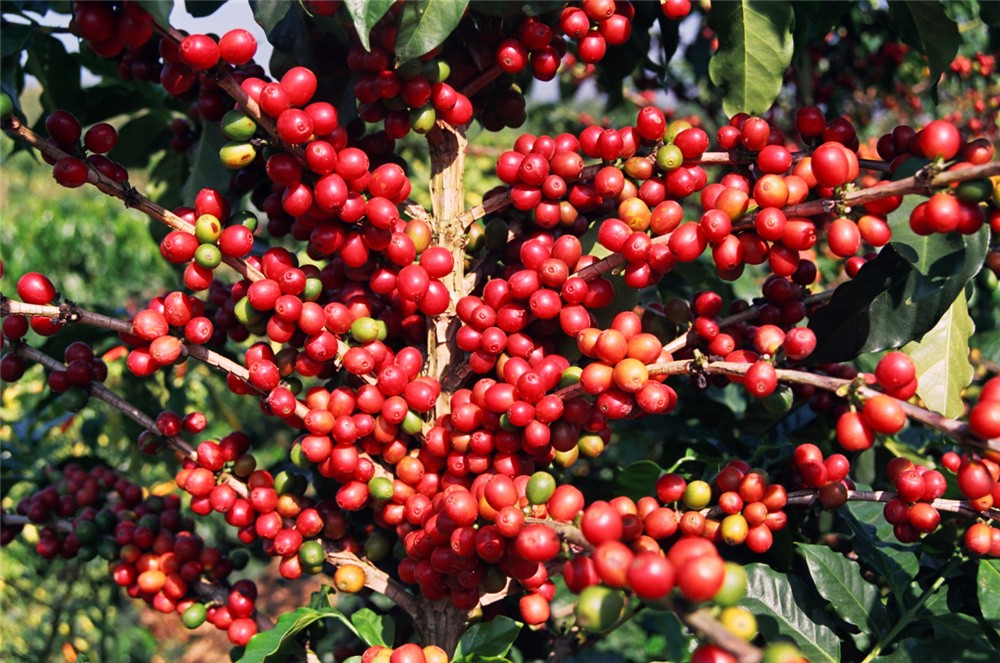
"Small-bean" refers to the smaller-sized Arabica varieties, in contrast to Hainan's medium-bean Robusta coffee. Yunnan initially introduced and planted Typica and Bourbon, two pure Arabica varieties. The ancient Typica is recognized as a high-quality variety. The famous Jamaican Blue Mountain coffee belongs to the Typica variety, featuring a rich aroma and delicate, diverse flavors, but with extremely low yields and susceptibility to rust disease, requiring more hands-on management. Coffee is ultimately a cash crop for Yunnan farmers' livelihoods. If yields are too low to meet income needs, cultivation becomes hard to maintain. Most Yunnan farmers therefore chose to switch to the higher-yielding Catimor.

As an agricultural crop, coffee flavor is always closely tied to variety, climate, altitude, soil, and management, an authentic expression of the variety and local terroir. The Yunnan small-bean coffee on the market today is Catimor, so its flavor is naturally not equal to that of Typica. Yunnan beans are also Asian beans, though, and naturally carry the basic flavors of Asian coffee, such as herbal notes, some nutty undertones, and fruit acidity. Overall, they are neither bitter nor sour, making them a quite excellent coffee.
Typica
The oldest native variety of Ethiopia, discovered around the 15th to 16th centuries AD. Typica is characterized by taller trees with bronze-colored top leaves, and beans that are larger, longer, and pointed at both ends, somewhat egg-shaped. Typica coffee often has citrus acidity with a sweet aftertaste, praised by many as an elegant and clean bean. Unfortunately, because of its low yield and poor resistance to leaf rust disease, it has gradually been replaced by farmers with hardier varieties.

Typica was introduced to Jamaica by Sir Nicholas Lawes in the 18th century and soon spread to Blue Mountain cultivation, with over two hundred years of history. The Blue Mountain Typica has adapted to the local island tropical rainforest climate, evolving stronger disease resistance, particularly against coffee berry disease. FrontStreet Coffee believes the delicate, clean flavor of Blue Mountain is inseparable from Jamaica's commitment to careful Typica cultivation, allowing Typica to integrate into the local terroir, while the excellent terroir and unique microclimate of the Blue Mountains are equally indispensable. FrontStreet Coffee uses medium-dark roasting to maximize the presentation of chocolate and nutty aromas while preserving soft acidity and sweetness, creating an overall balanced taste.
Catimor
Most coffee varieties currently planted in Yunnan are Catimor, because Typica trees are susceptible to coffee leaf rust disease and have lower yields. Local farmers therefore reluctantly cut down the flavorful Typica variety and switched to Catimor, which has higher yields and resistance to coffee leaf rust disease.
In Han Huaizong's book "Specialty Coffee Studies," which introduces Chinese coffee-producing regions, it is mentioned that in 1998, over 90% of Yunnan's coffee varieties were Catimor.
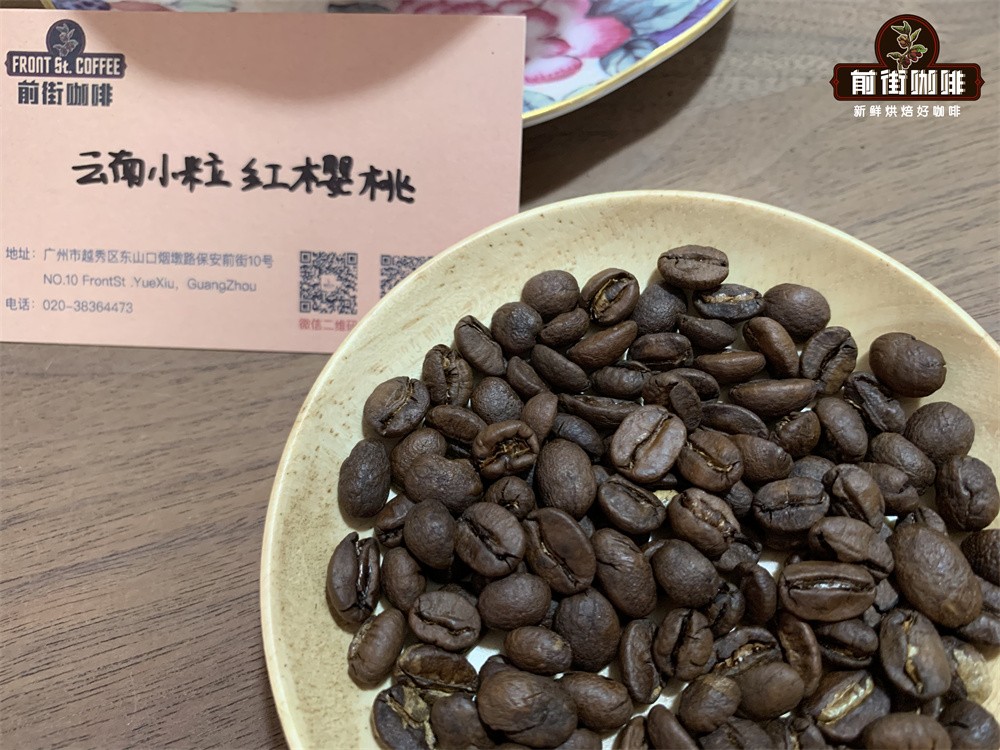
Catimor is a new variety hybridized from Timor and Caturra by the Portuguese Coffee Leaf Rust Research Center CIFC in 1959. Catimor is characterized by high productivity, short plants suitable for dense planting, and good disease resistance. However, because Catimor carries Robusta genes, it shows more obvious bitterness and grassy flavors than pure Arabica, and is slightly disadvantaged in cleanliness, fruity notes, and richness. Robusta has good leaf rust resistance, rich oils, high yields, and is easy to cultivate. After hybridizing with Arabica Typica, Catimor acquired 25% Robusta genes, improving its leaf rust resistance while retaining rich oils and keeping some of the rich flavors of the original Typica. Most Yunnan estates have therefore begun large-scale Catimor cultivation, while Typica areas have begun to shrink.
Arabica Coffee
Arabica (scientific name Coffea arabica) is also known as small-bean coffee and originated in Ethiopia. Arabica coffee was initially used mainly as medicine. Later, people developed the habit of roasting and drinking it. In the 16th century, it spread worldwide through Arab trade and gradually developed into today's popular beverage. Many of the specialty beans we know belong to the Arabica variety, such as Jamaican Blue Mountain, Panama Geisha, and Ethiopian Yirgacheffe.

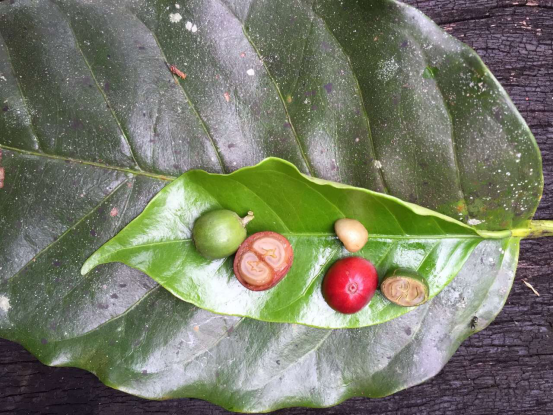
Arabica plants are large shrubs, suited to cultivation in mountainous environments at altitudes of 600-2,200 meters (in Ethiopia, they can also be cultivated at extremely high altitudes up to 2,350 meters with excellent quality), at temperatures between 15-24°C, and with annual rainfall of 1,200-2,200 mm. The leaves are elliptical and dark green, and the fruit is also elliptical, generally containing two slightly flattened beans. The beans are rounded, with a long oval front face, narrow and curved S-shaped cracks in the middle, and a relatively flat curved back.
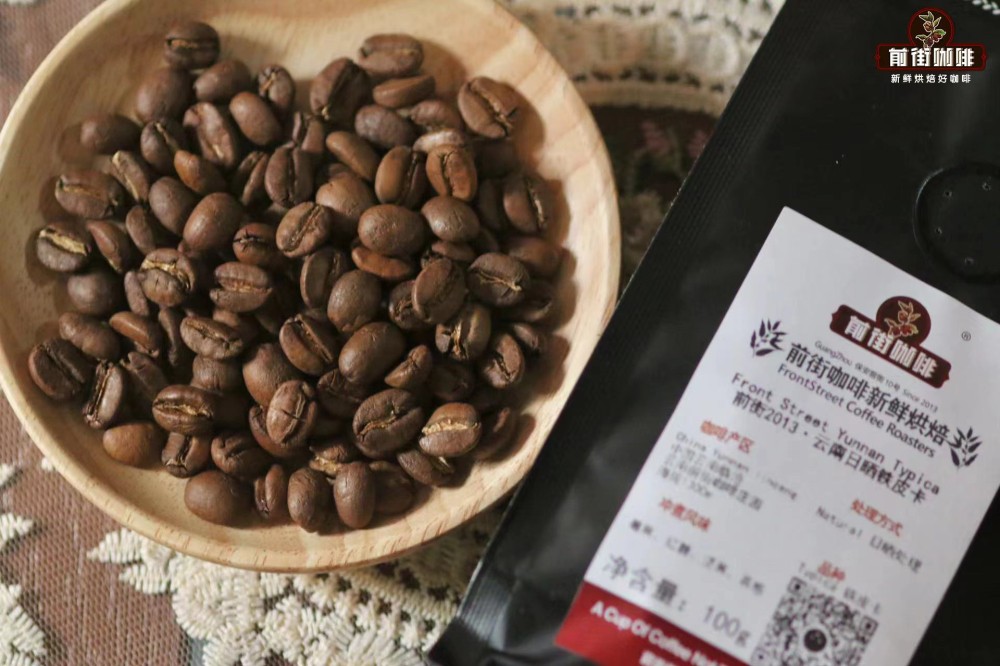
Arabica has lower chlorogenic acid content, approximately 5.5% to 8%. Chlorogenic acid not only provides antioxidant properties but is also an important component for resisting pests. Arabica is therefore more susceptible to pest damage and climate effects. It is generally planted at higher altitudes, producing fewer and slower-maturing fruits, which results in lower yields per hectare than Robusta and makes Arabica cultivation much more costly.
Flavor of Arabica Coffee
The bitterness we taste when drinking coffee mainly comes from chlorogenic acid. Robusta has higher caffeine, amino acid, and chlorogenic acid content. Robusta therefore naturally lacks the elegant, flowing aroma unique to Arabica beans, replaced instead by a richer, deeper bitterness. Arabica has lower caffeine content, approximately 0.9% to 1.2%, and 60% more fat content than Robusta. Compared with the strong-tasting Robusta, Arabica has lower caffeine and twice the sugar content of Robusta, making Arabica coffee taste smooth and sweet, with rich, layered acidity and aroma, which is why it has become the first choice for coffee drinkers.

(Left: Arabica, Right: Robusta)
Main Coffee Growing Regions in Yunnan
Yunnan coffee is currently grown mainly in the southern and western parts of the province, including Pu'er, Wenshan, Baoshan, Dehong, and Lincang.
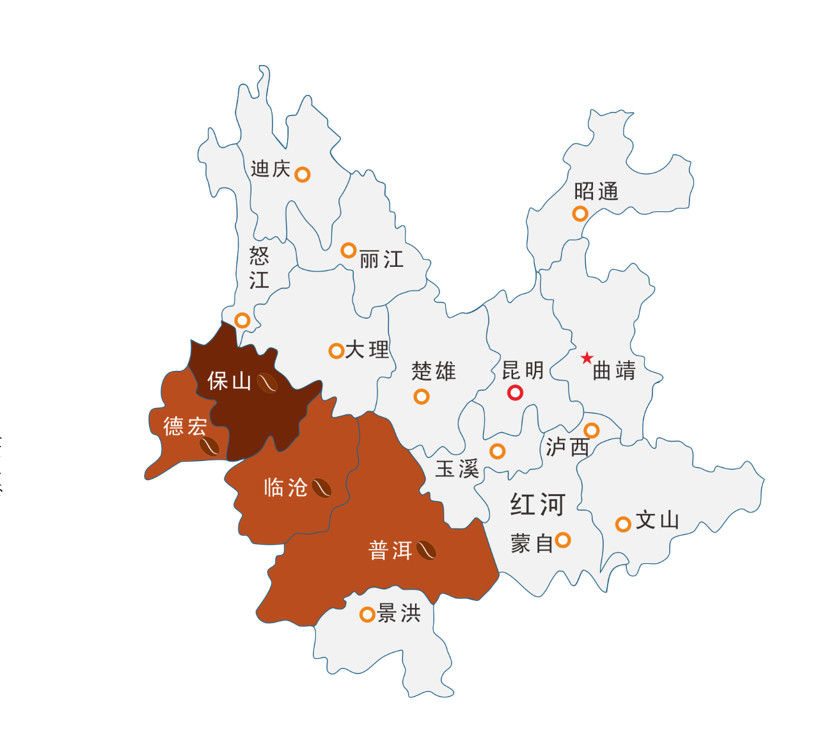
Dehong: Known as the "Hometown of Chinese Coffee." Coffee cultivation altitudes in Dehong Prefecture are all above 1,000 meters, with 30,000 mu planted on mountainous areas above 1,600 meters. Dehong mainly uses organic fertilizers and organic pesticides, resulting in higher coffee quality and making it one of the world's rare high-quality coffee producing regions.
Baoshan: Coffee cultivation in Baoshan began in the mid-1950s, with the first seedling introduced from Southeast Asia by the late patriotic overseas Chinese Mr. Liang Jinshan. In recent years, with the expansion of international trade, the small-bean coffee from Lujiangba has become renowned. European, American, and Arab countries, especially Britain, America, Egypt, and merchants from Hong Kong and Macau, regard it as premium coffee, with supply unable to meet demand. In December 2010, after review by China's General Administration of Quality Supervision, Inspection and Quarantine, national geographical indication product protection was implemented for "Baoshan Small-Bean Coffee."
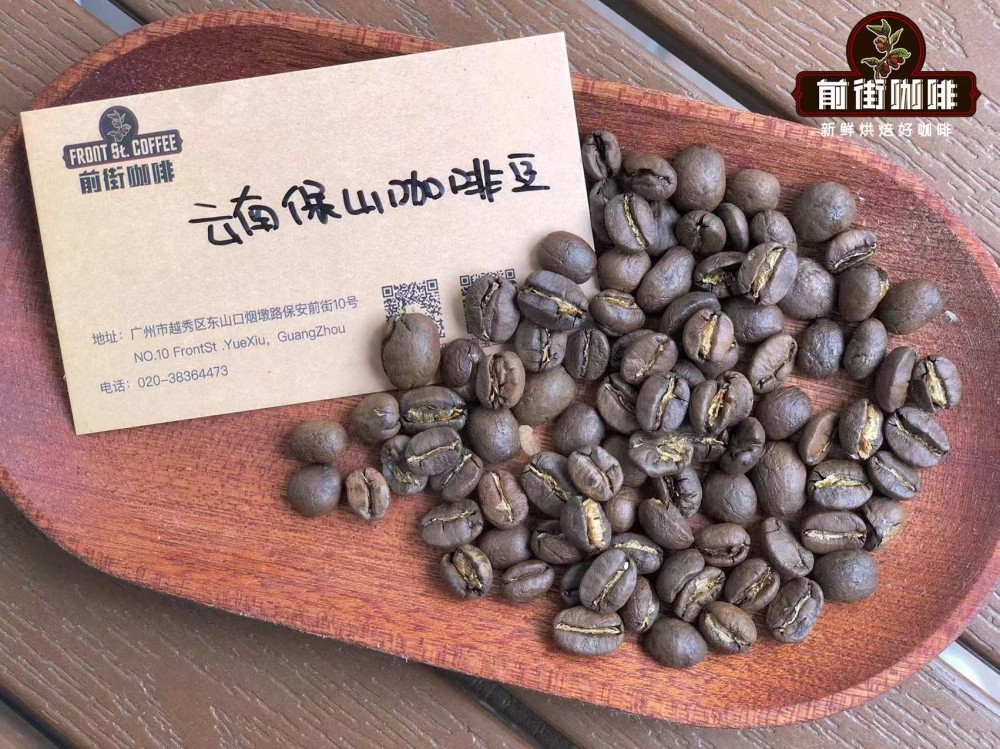
Lincang: Lincang City is located in the southwestern part of Yunnan Province. The Tropic of Cancer passes through its southern part. It borders Pu'er to the east, Dali to the north, and Baoshan to the west, with Myanmar to the southwest, which is why it is also known as a brilliant pearl on China's southwestern border beside the Lancang River. The average annual temperature in Lincang ranges between 16.8°C and 17.2°C. Dry and wet seasons are distinct, with abundant sunshine. Because of its unique geographical location and climate, Lincang has become a focus of attention for many coffee enterprises. High-quality coffee seedling bases of 200 mu and 100 mu were established in Mengding Town of Gengma Dai and Yi Autonomous County and at Lincang Happy Farm, with coffee cultivation carried out in Gengma, Zhenkang, Yunxian, Cangyuan, and Yongde.
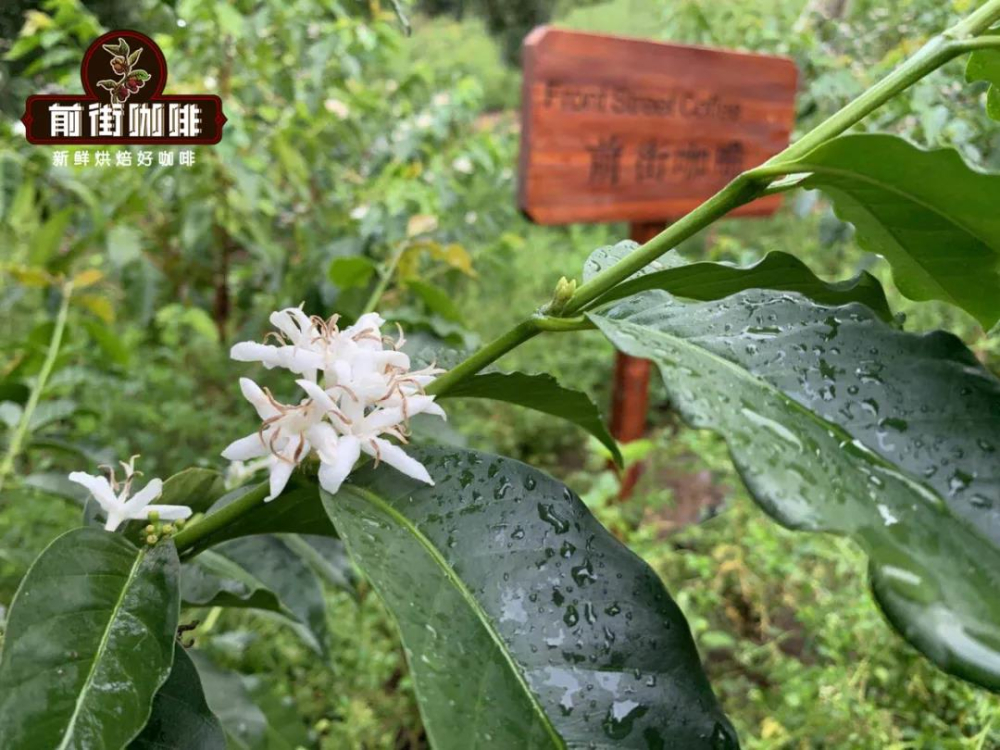
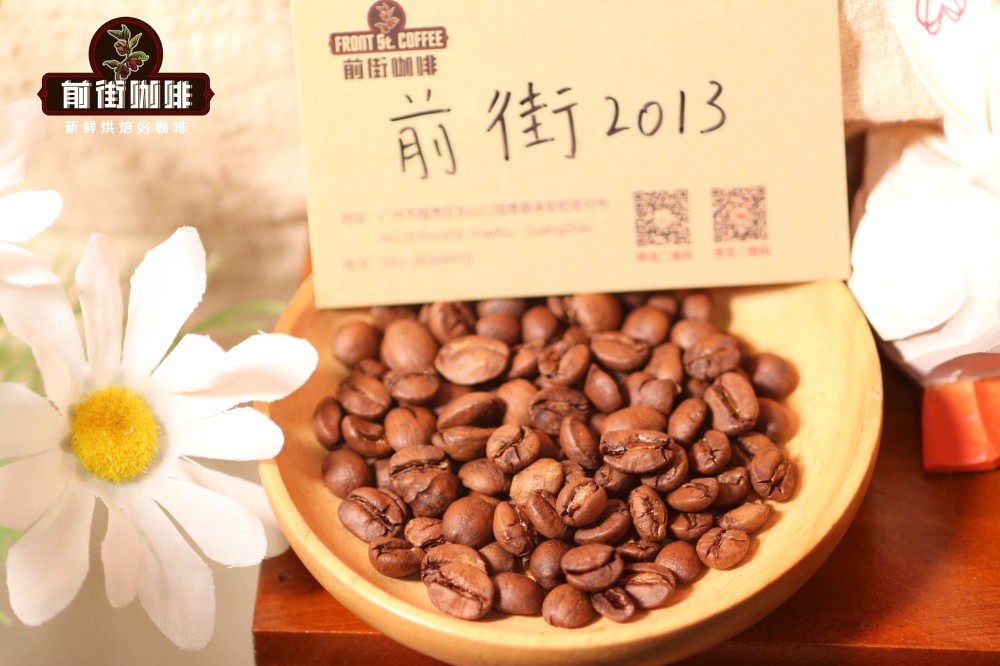
FrontStreet Coffee has established its own estate in the Lincang producing region of Yunnan. FrontStreet selected Typica, a pure Arabica variety with better flavor than the Catimor currently planted in Yunnan. From seedling to first fruiting takes at least 4-5 years, which is why Yunnan farmers, despite knowing Catimor has inferior flavor, are reluctant to replant. FrontStreet Coffee's first batch of self-produced Yunnan coffee in 2020-21 was named "FrontStreet 2013" and received unanimous praise.
Processing Methods for Yunnan Coffee Beans
Yunnan's weather is rainy and foggy, so washed processing has become the most common method for Yunnan coffee. There are also natural processed coffees, such as FrontStreet Coffee's natural Catimor and FrontStreet 2013 natural Typica.

Washed Processing: The harvested cherries pass through a depulping machine to separate most of the fruit pulp from the beans, then the parchment beans are guided to a clean water tank and soaked in water for fermentation to remove the residual pulp layer completely. Through washed processing, unripe and defective beans are selected out by buoyancy difference, and fermentation is easier to control. Unlike natural processed beans, which may have impure flavors, washed coffee presents distinct fruit acidity, slightly stronger complexity, and cleaner cup characteristics.

FrontStreet Coffee's Brewing Parameters for Yunnan Coffee
To preserve the sour-sweet character and tea-like quality of Yunnan coffee, FrontStreet Coffee applies a medium roast. When brewing, use a V60 dripper with a 1:15 coffee-to-water ratio, a medium grind (approximately coarse sugar size, or a 75% passing rate through a China #20 standard sieve), and 88°C water.
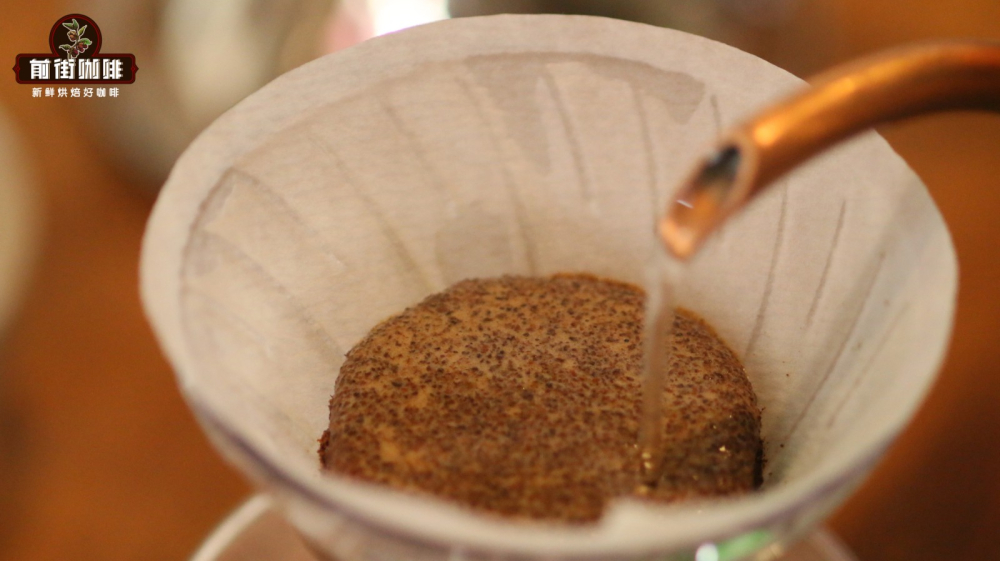
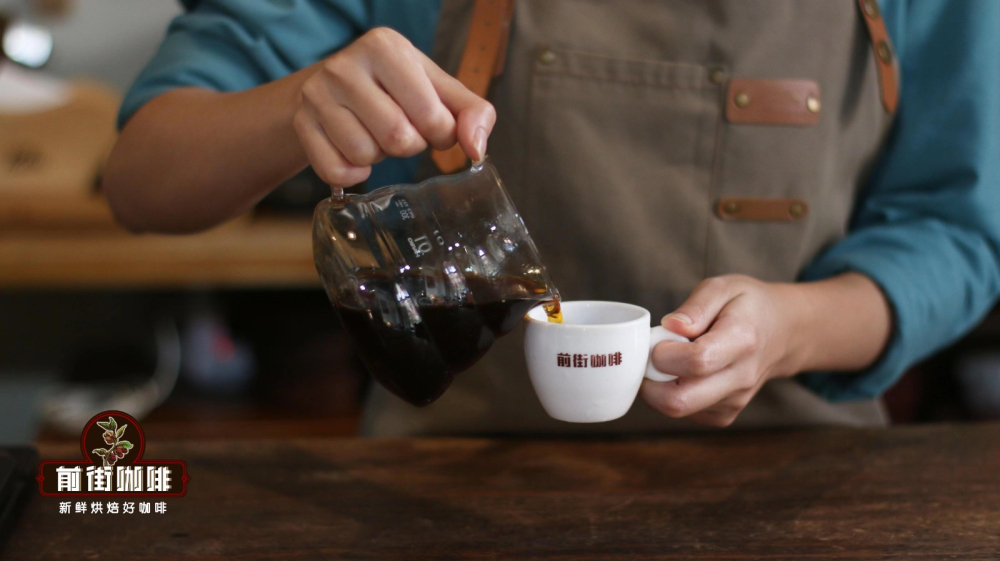
Use segmented extraction, blooming with twice the coffee's weight in water (30 g of water to bloom for 30 seconds). The bloom lets the grounds release internal carbon dioxide gas, making the subsequent extraction more stable. Use a small circular water flow to pour to 125 g and pause, then continue to 225 g and stop. Once the water has finished dripping through, remove the dripper. Time from the start of pouring, the extraction runs 2:00. Then pick up the whole cup and swirl it evenly before pouring into a cup for tasting.
[FrontStreet Coffee Washed Yunnan Small-Bean Coffee Flavor]: Herbal, nutty aroma, chocolate, caramel, with a hint of light fruit acidity in the aftertaste.
[FrontStreet Coffee Yunnan Natural Catimor Coffee Flavor]: Nuts, chocolate, spices, caramel, plum.
[FrontStreet Coffee 2013 Natural Typica Coffee Flavor]: Nutty tones with a more robust texture than washed Yunnan coffee, slightly lower acidity than washed Typica Yunnan coffee but slightly higher sweetness, better balance, berry-like acidity mixed with brown sugar, and a slight tea-like sensation.
FrontStreet Coffee's Brewing Suggestions
To brew a delicious cup, attention to the freshness of the beans is still necessary. FrontStreet Coffee has always believed that freshness greatly affects flavor, so it ships beans roasted within 5 days. FrontStreet's roasting philosophy is "Freshly Roasted Good Coffee," ensuring that every customer receives the freshest coffee when an order arrives. The resting period is about 4-7 days, so by the time customers receive it, the coffee is at peak flavor.
For those who need ground coffee, FrontStreet Coffee kindly reminds you: if the beans are ground in advance, no further resting is needed, because during transport the pressure from carbon dioxide in the package also helps the flavor become mellow, so you can brew a cup immediately upon receiving the ground coffee. Ground coffee does need to be brewed promptly, however, because it oxidizes quickly when exposed to air, meaning the flavor dissipates relatively fast and the coffee will not taste as good. FrontStreet Coffee therefore recommends buying whole beans and grinding fresh before brewing to taste the coffee's flavor at its best.
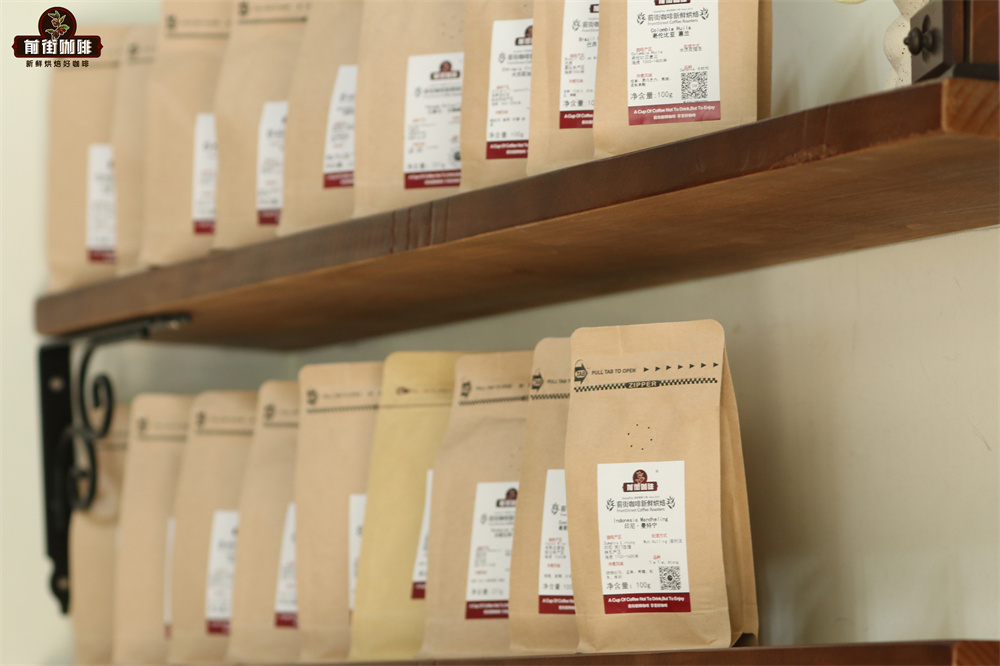
As FrontStreet Coffee's daily brew bean, washed Yunnan small-bean coffee naturally represents the flavor characteristics of Yunnan beans. Tasting Yunnan small-bean coffee gives you a sense of the general flavor profile of Yunnan coffee. FrontStreet's daily brew beans are flavor representatives from various producing countries, offering excellent value. FrontStreet established the daily brew line to let everyone taste the flavor characteristics of coffees from different producing countries and thereby choose their favorite single-origin beans. It also helps them work out which flavors they prefer. Some people like the fresh, light floral-fruit tones of Ethiopia, some prefer the nutty dark chocolate with soft fruit acidity of Colombia, and of course there are the citrus tones of Panama Geisha coffee, and so on.
For professional coffee knowledge exchange and more coffee bean information, follow Coffee Workshop on WeChat (public account: cafe_style).
For more specialty coffee beans, please add FrontStreet Coffee's private WeChat account: qjcoffeex.
FrontStreet Coffee Recommendation
Because this story keeps circling back to Typica, the variety behind Blue Mountain, FrontStreet Jamaica Blue Mountain No.1 is the perfect companion to it. The beans come from Jamaica's oldest Clifton Manor, which holds Rainforest Alliance certification, and the estate sits at an average elevation of about 4,300 feet, where sufficient altitude, gentle afternoon cloud cover, ample sunlight, and mineral-rich soil give the coffee a longer ripening period. Medium-dark roasted, it delivers the classic Blue Mountain balance: cream, caramel, dark chocolate, nuts, and honey with a faint fruity lift, smooth and rounded on entry, sweet through the middle, and clean and long in the finish.
Blue Mountain is far more versatile than many people assume. A pour-over at a 1:15 to 1:16 ratio, 85-88°C water, and a medium-coarse grind brings out its cream, caramel, and nut flavors while keeping the soft, bright sweet-and-sour quality intact. A moka pot, brewed with a slightly finer grind, hot water in the base, and a gentle low-to-medium flame, deepens the chocolate, caramel, and nut notes and gives it a fuller body that also works beautifully in a latte or a flat white.
Important Notice :
FrontStreet Coffee is a long-established specialty coffee roaster in Guangzhou China, selling freshly roasted beans from its own farm in Yunnan as well as dozens of carefully selected single-origin beans from around the world for both pour-over and espresso. The products deliver consistently excellent quality and great value, with shipping within 24 hours. Guangzhou's FrontStreet Coffee shop is recommended by many coffee lovers, and the beans are now available online at the Tmall 。
FrontStreet Coffee has moved to a new address:
FrontStreet Coffee Address: 315,Donghua East Road,GuangZhou
Tel:020 38364473
 Scan and follow the En Gafei WeChat official account. Please indicate that the reprint comes from "En Gafei".