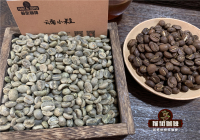
Differences Between Arabica and Robusta Coffee Varieties: Which is Better and the Potential Risks of Robusta Beans
Arabica vs. Robusta: Understanding the Differences
Arabica: Accounts for 65% of global coffee production. Essentially all of the better-tasting coffee you drink outside the home belongs to the Arabica species.
Robusta: Has a stronger, more intense flavor and is mostly used for instant coffee.
The three major original species are Arabica, Robusta and Liberica. Arabica ranks first, accounting for roughly 70-75% of world coffee production, and includes sub-varieties such as Bourbon and Typica. Robusta accounts for about 20-25% of world production. Liberica accounts for only 3% and is mostly cultivated in the Asia-Pacific region.
Visual Comparison
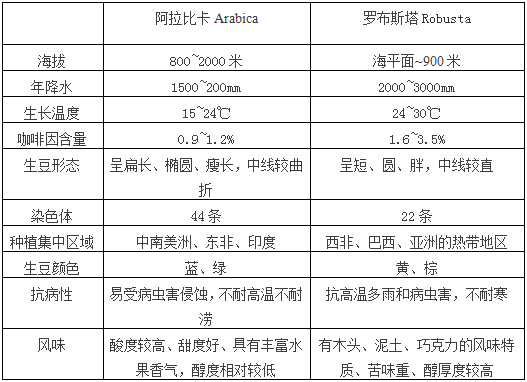
Let's first analyze the differences between Arabica and Robusta through the charts.
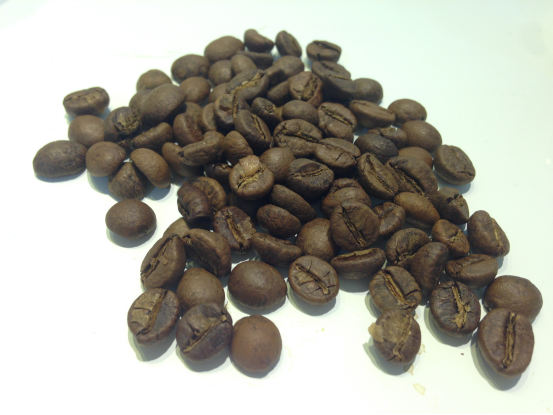
In the three images below, premium washed Robusta green beans (Image 1) look yellowish-brown, short and round next to Arabica Yirgacheffe (Image 2). Yirgacheffe green beans look more elegant and slender, with a beautiful blue-green color. Image 3 shows roasted Robusta beans, which appear even rounder and fuller.
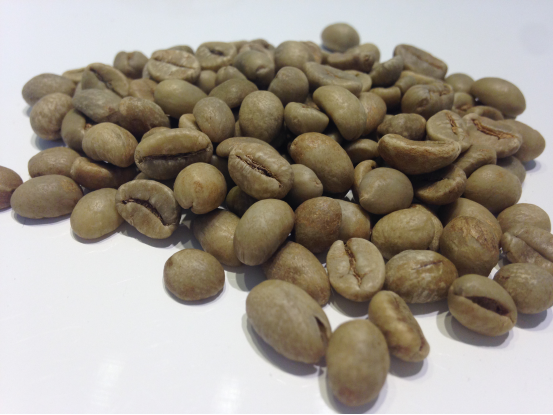
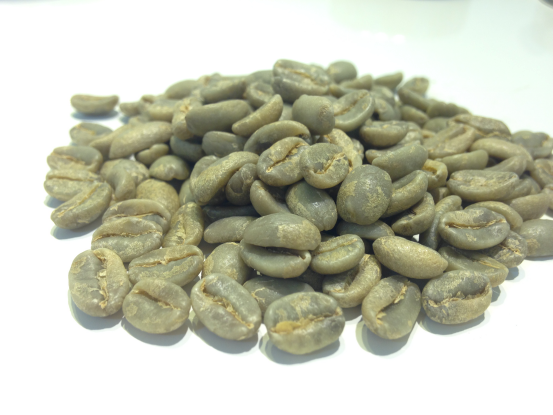
Premium Robusta Cultivation
The Royal Washed Robusta shown above is cultivated in high-altitude regions of Indonesia and India. It is worth noting that in recent years a few countries, including Indonesia and India, have worked hard to improve the quality of Robusta. They cultivate it at altitude with meticulous care to obtain premium green beans, and washing can remove some of the undesirable flavors, giving a cleaner cup. Even relatively high-quality, finely processed Robusta, however, cannot fully compensate for its inherent flavor limitations. Brewed as pour-over, it shows pronounced barley tea, peanut and genmaicha (brown rice tea) characteristics, with heavier bitterness and no acidity. When we teach classes, we generally prepare Robusta for students to taste as an exercise.
Botanical Differences
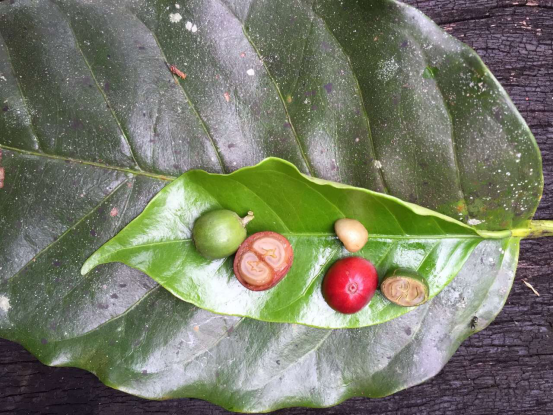
The image below compares Arabica and Robusta leaves. Arabica leaves are slender and oval, while Robusta leaves are broader and thicker. The size difference alone is obvious, to say nothing of the plants. Arabica coffee trees typically reach 2-3 meters in height, while Robusta can generally reach over 10 meters.
The Value of Robusta
Robusta's value extends well beyond serving as a foil to Arabica's refinement; it holds an unshakable place in espresso blends. Italian blending styles split into the Northern and Southern schools. Northern Italian roasting is lighter than Southern and uses 100% Arabica. The deeper-roasted Southern Italian style, which pursues a rich body, folds small amounts of Robusta into the blend to build body and produce espresso with a richer crema. Blended with milk, Southern Italian-style espresso has a rich, full-bodied texture, and milk coffee becomes more mellow and aromatic thanks to the complementary relationship between Robusta and Arabica. Robusta compensates for Arabica's body while Arabica lifts Robusta's aroma, and blending at this level becomes an art.
Contributions to Coffee Variety Development
Robusta has also made significant contributions to new variety development. Although Arabica has a rich aroma and delicate, varied flavors, it tolerates neither drought nor flooding, resists disease poorly and yields less than Robusta. To improve disease resistance and raise yields, Arabica and Robusta are first hybridized and then backcrossed, selecting genes in pursuit of new varieties that combine high-quality flavor with strong disease resistance and high yield.
FrontStreet Coffee Recommendation
Nothing illustrates Arabica's potential better than a clean, high-grown washed coffee, and FrontStreet Coffee's washed Yirgacheffe is the textbook example: jasmine and white florals over bright citrus and lemon acidity, with a light, tea-like body and an accessible price. FrontStreet Coffee's Guodingding cooperative, a single-lot coffee from the Worka area of Yirgacheffe, shows the same clarity with even more perfume, while the sun-dried Red Cherry Plan trades some of that acidity for ripe berry, honey and cream. All three are pure Arabica, and any of them shows why the species dominates the specialty shelf.
Important Notice :
FrontStreet Coffee is a long-established specialty coffee roaster in Guangzhou China, selling freshly roasted beans from its own farm in Yunnan as well as dozens of carefully selected single-origin beans from around the world for both pour-over and espresso. The products deliver consistently excellent quality and great value, with shipping within 24 hours. Guangzhou's FrontStreet Coffee shop is recommended by many coffee lovers, and the beans are now available online at the Tmall 。
FrontStreet Coffee has moved to a new address:
FrontStreet Coffee Address: 315,Donghua East Road,GuangZhou
Tel:020 38364473
 Scan and follow the En Gafei WeChat official account. Please indicate that the reprint comes from "En Gafei".