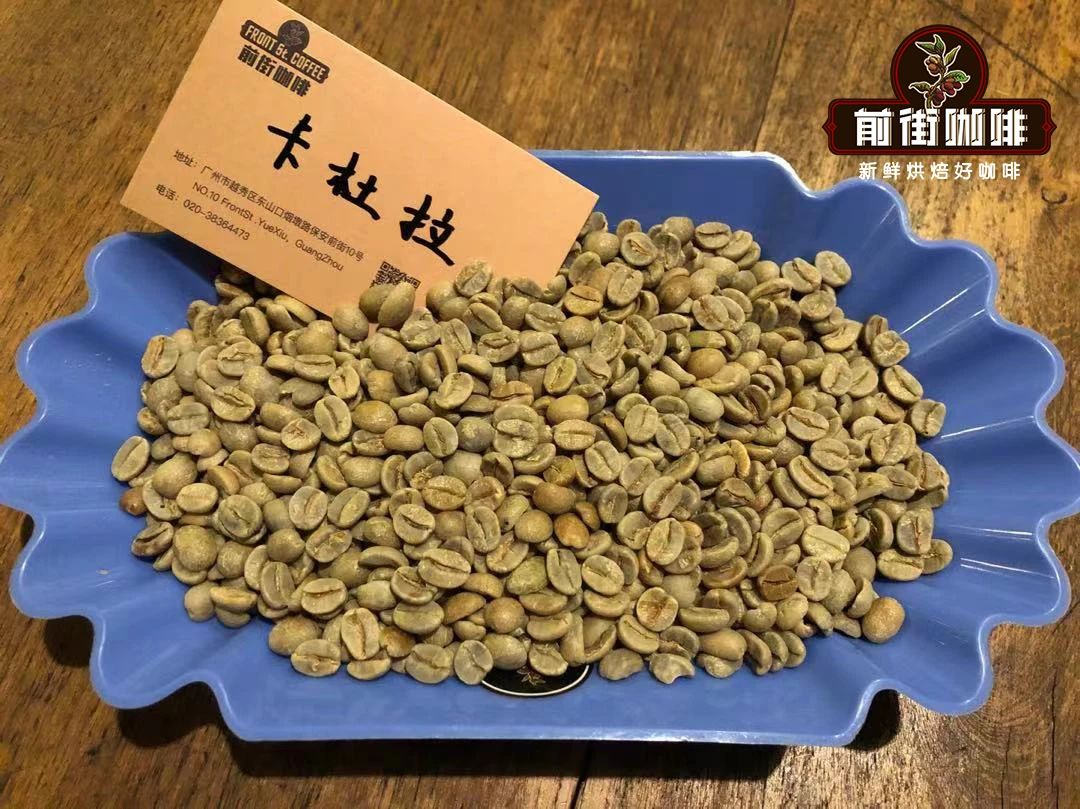
Catimor Coffee Bean Characteristics and Flavor Description - Yunnan Small Bean Catimor Coffee Story, Variety Introduction, and Quality Level

If you are a coffee lover, you have probably come across the Catimor variety. In this article, FrontStreet Coffee starts with Yunnan small-bean coffee to explain the variety from the ground up.
Catimor
In 1959, the Portuguese crossed the Brazilian Caturra with Timor to create Catimor, a variety with strong disease resistance. It has since become an important commercial coffee variety. East Timor was under Portuguese colonization for 400 years, and the Portuguese were long familiar with its coffee trees. In 1959 they moved the Brazilian Bourbon mutant Caturra to East Timor for crossing with Timor, which carries Robusta bloodlines, successfully producing Catimor with exceptional disease resistance and productivity.
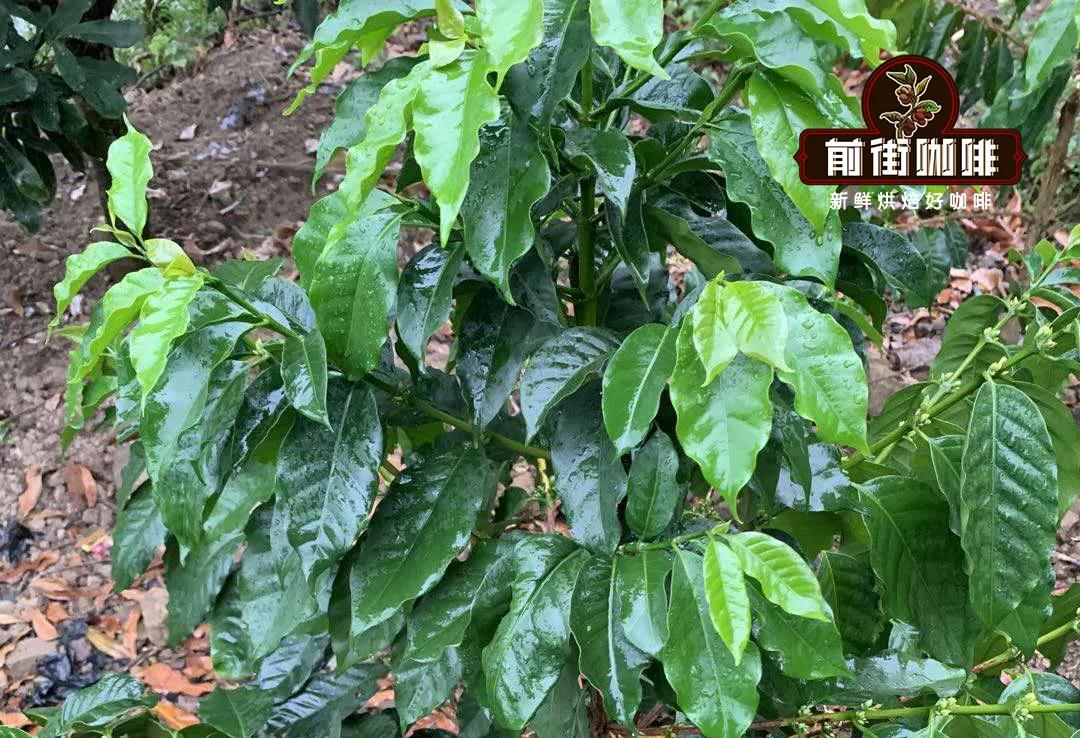
Between 1970 and 1990, leaf rust devastated coffee-producing countries worldwide. With assistance from international organizations, many countries promoted Catimor aggressively to resist leaf rust and raise productivity. These highly disease-resistant plants can withstand coffee leaf rust, so they were widely planted across Latin America during the 1980s. Unfortunately, because the Timor variety (also known as Arabusta) is a natural hybrid of Typica Arabica and Robusta, the Robusta parentage contributed disease resistance while the delicate Arabica flavor was lost. Catimor inherited Robusta's strong disease resistance but also its weaker flavor genes. Early Catimor also had high productivity yet needed shade trees, otherwise it tended to wither.
Yunnan Catimor Coffee
Starting in 1992, Nestlé established a coffee agriculture department specifically to guide and research the improvement and cultivation of Yunnan coffee, introducing high-yield, disease-resistant Catimor and buying coffee at prices tied to the US spot market. Catimor is not purely Arabica: it is a hybrid of Timor (an Arabica and Robusta hybrid) and Caturra (a Bourbon variety variant), which leaves it with 25% Robusta bloodline. That Robusta lineage determines its flavor weaknesses, including limited aroma complexity, an overall bitter taste, and a tendency toward astringency and relatively harsh musty notes.

Today the most widely planted coffee in Yunnan is Catimor and its improved selections, which is what people commonly call Yunnan small-bean coffee. Most of Yunnan now grows Catimor, a cross of Caturra (a Bourbon branch within Arabica) and a Robusta lineage. Farmers plant it because the Robusta genes make it more disease-resistant than single older varieties and give it good productivity. Compared with delicate old varieties that resist disease poorly and yield little, Catimor is the obvious choice, which is why Yunnan has seen a Catimor boom.
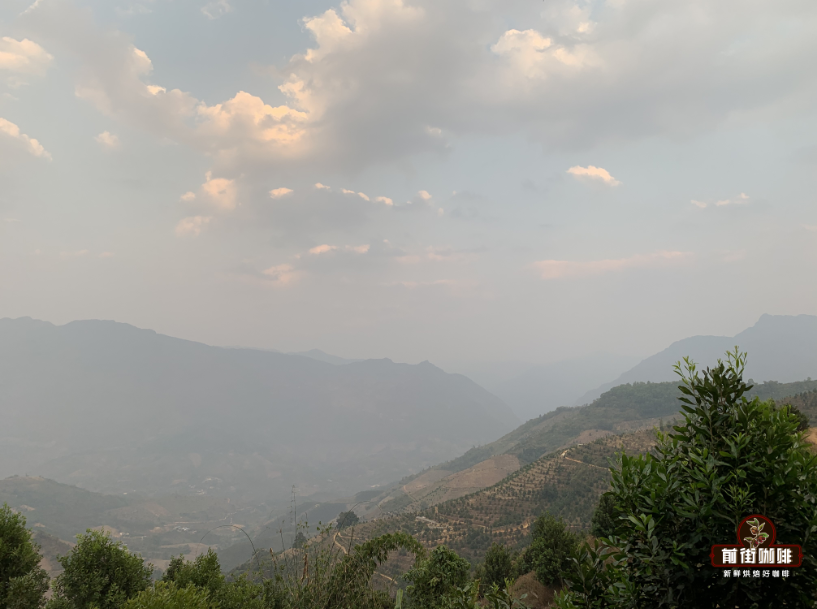
Growth period: Yunnan small-bean coffee trees begin bearing fruit at 3-4 years of age.
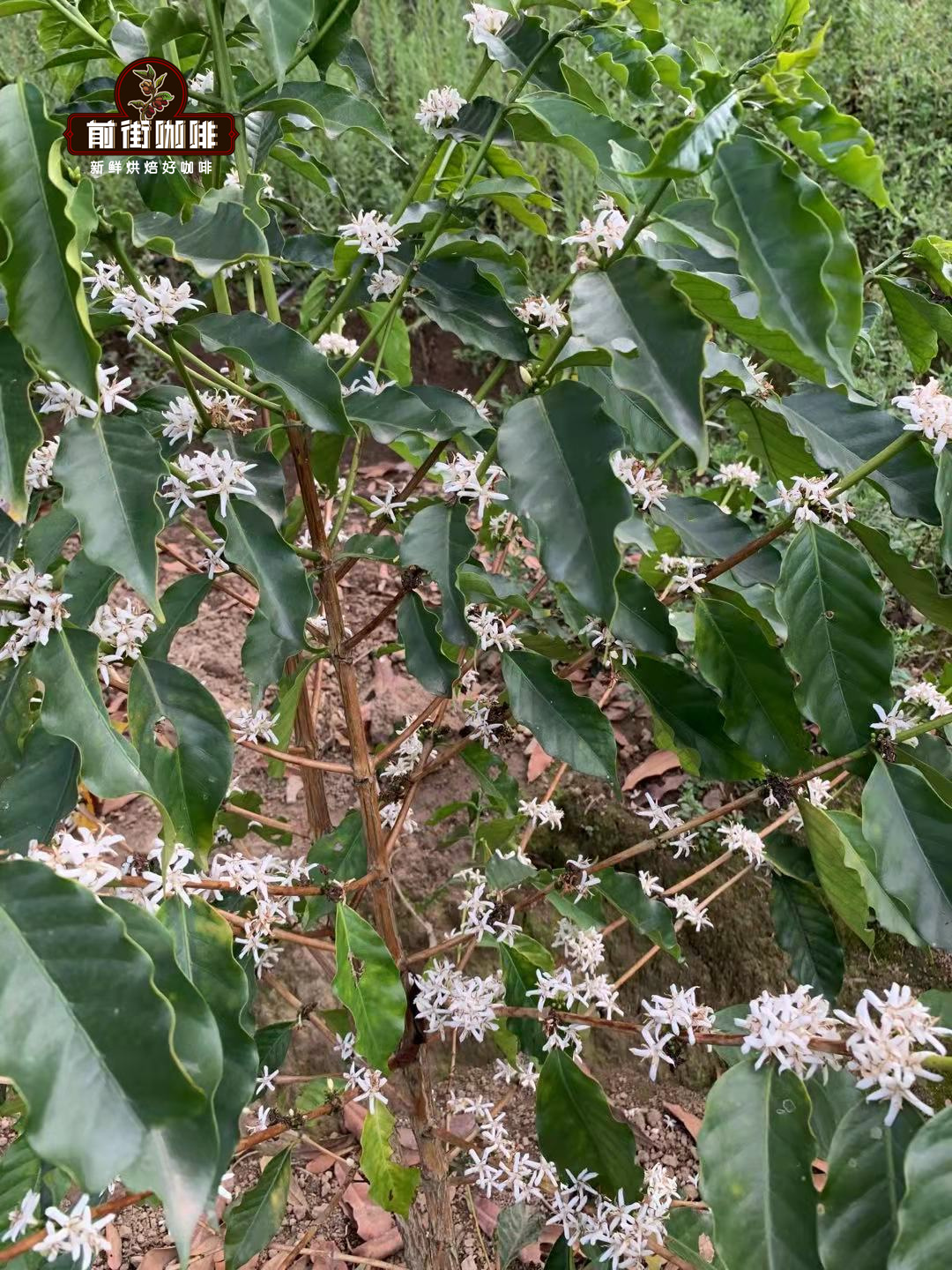
Coffee is a short-day plant. It flowers multiple times, with concentrated flowering periods. Small-bean coffee in Yunnan flowers from February to July, peaking from March to May. Flowering is strongly influenced by climate, particularly rainfall and temperature. Coffee flowers are short-lived, lasting only 2-3 days. Small-bean coffee generally begins to bloom between 3-5 AM and reaches full bloom between 5-7 AM. Fruit development takes a long time: small-bean coffee fruit needs 8-10 months to mature, typically ripening from October to December of the same year. Rainfall has a major effect on fruit development, and climate conditions directly shape the crop.
Catimor Processing Methods
On processing, FrontStreet Coffee has two options for Catimor: washed and red cherry natural. How do the flavors differ? FrontStreet Coffee brews both to compare.
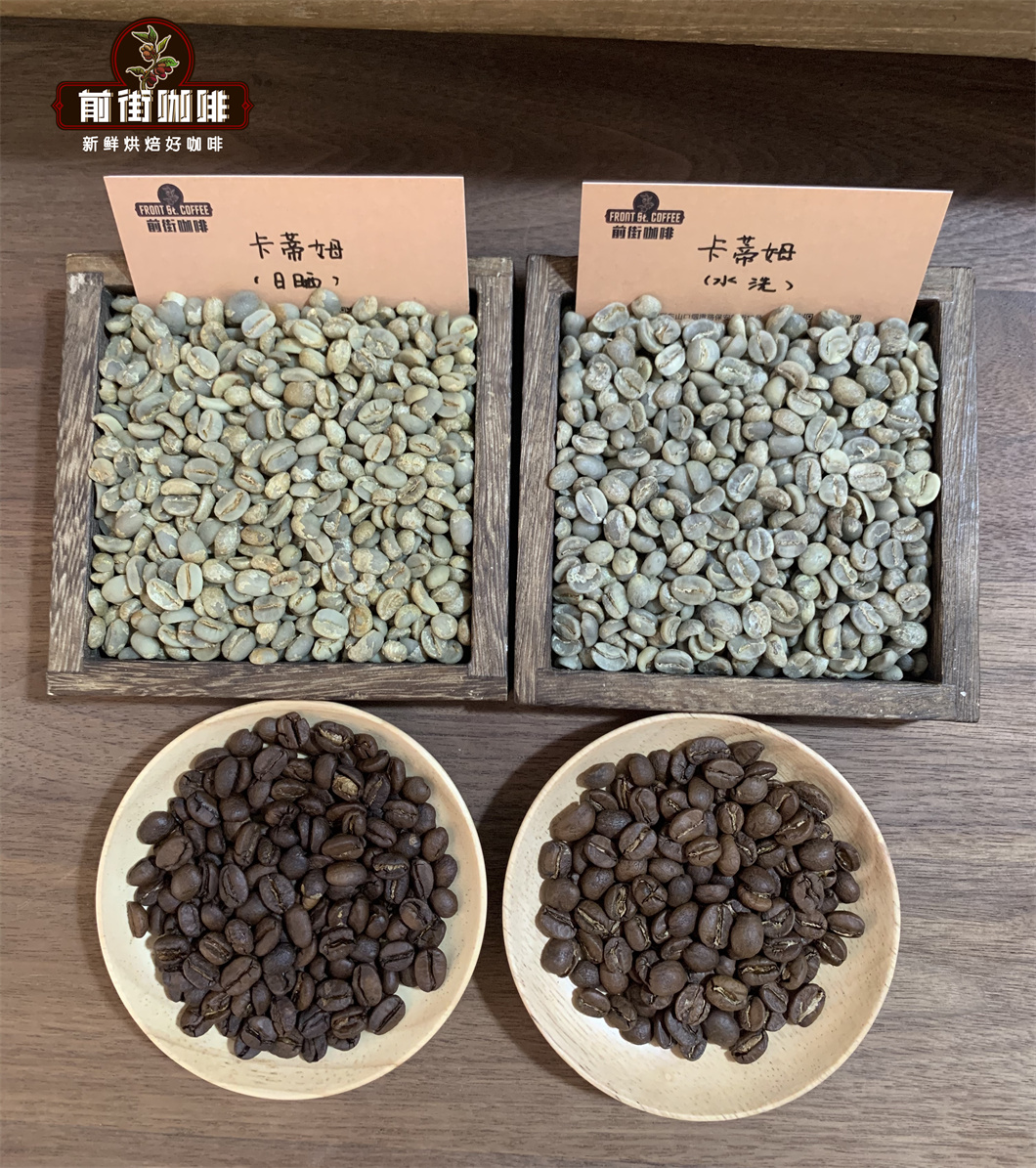
FrontStreet Coffee Yunnan small-bean coffee beans
Region: Baoshan, Yunnan, China
Altitude: 1200m
Variety: Catimor
Processing method: washed

FrontStreet Coffee Yunnan Catimor coffee beans
Region: Lujiangba, Baoshan, Yunnan, China
Altitude: 1450-1550m
Variety: Catimor
Processing method: red cherry natural
Hario V60 Brewing
Because the V60 dripper's ribs run in curved patterns from top to bottom with varying lengths, it allows smoother exhaust and a relatively faster flow rate during brewing, which gives more distinct layers in the cup. FrontStreet Coffee therefore uses a V60 to brew Yunnan small-bean coffee, with a segmented extraction to raise the extraction rate.
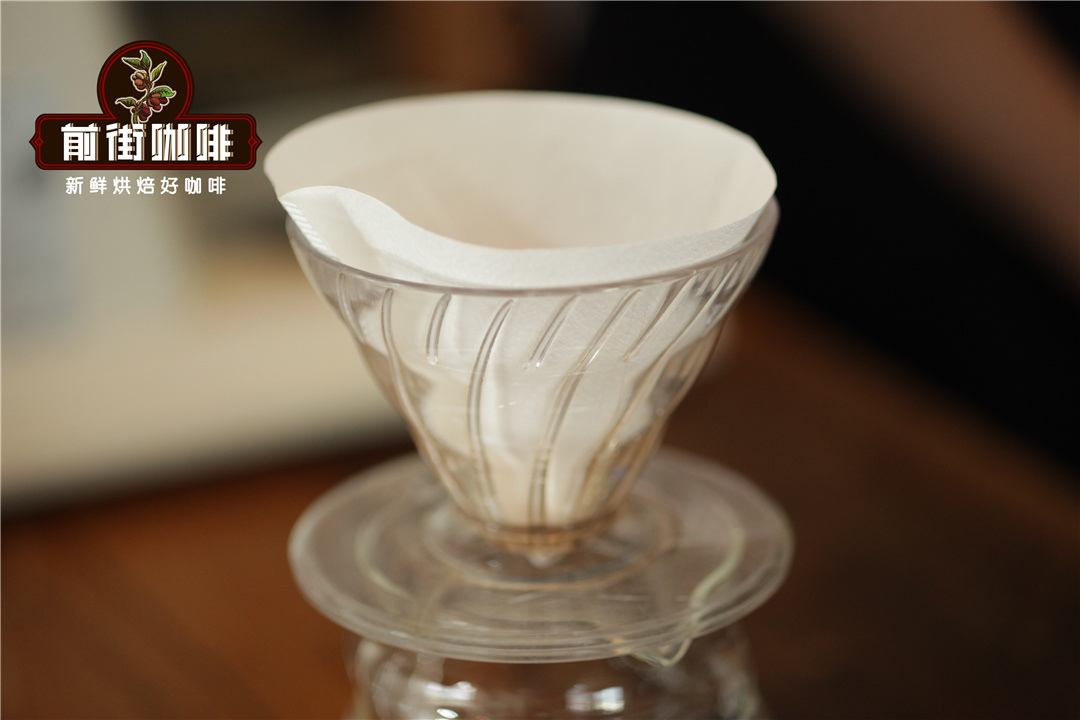
Parameters and technique: grind size EK43s setting 10 (80% pass-through rate on a China standard #20 sieve), water temperature 91°C, brew ratio 1:15. Bloom with 30g of water for 30 seconds, pause when the total reaches 125g, then continue pouring to 227g as the water level drops and the coffee bed is about to expose, and remove the dripper at the same point. Timing starts from the bloom; extraction time is 1:42.
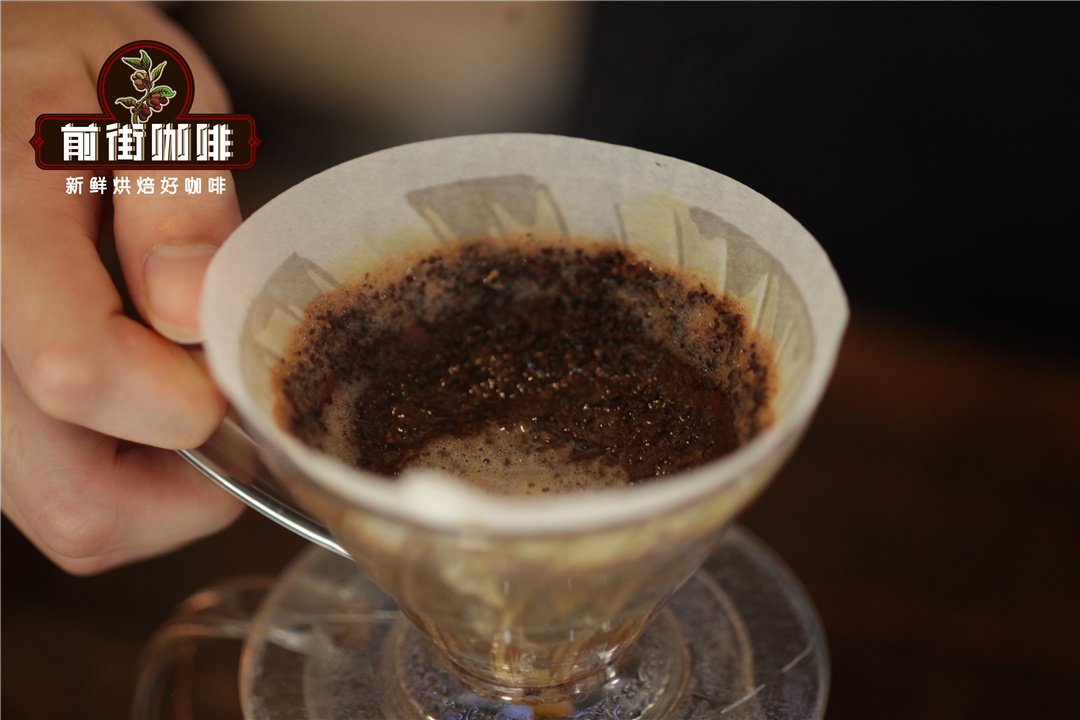
Yunnan small-bean washed brewing flavor: melon, cucumber, cream, citrus, chocolate, almond, sweet orange, a tea-like sensation, a sweet fruity finish and passion fruit acidity, with clearly defined layers overall.
Yunnan Catimor natural brewing flavor: nuts, chocolate, spices, caramel, red berries.
FrontStreet Coffee Recommendation
Catimor is the backbone of Yunnan coffee, and it shows best when the processing and roast are allowed to round off its rougher edges. FrontStreet Coffee Yunnan small-bean coffee comes from the Baoshan region and is washed and medium roasted, giving soft nut and chocolate sweetness with a light plum acidity. It is an approachable, affordable introduction to what Yunnan can do.
To see a different side of the same origin, FrontStreet Coffee 2013 Natural Typica is worth trying. In 2013 FrontStreet Coffee established its own estate and planted Typica, the variety a French missionary first brought to Yunnan from Vietnam in 1904, and the oldest purest Arabica line. Only fully red, ripe cherries are used, dried naturally, then medium roasted for balance. The result leans toward dark berries rather than the Catimor profile, with caramel sweetness, chocolate and a touch of dried apricot on a black tea finish. If you want Yunnan coffee in an espresso setting, FrontStreet Coffee Black Cocoa Blend pairs Yunnan small-bean with Brazil Cerrado: Brazil supplies the mixed-nut aroma and balance, while Yunnan contributes the chocolate and citrus, giving a balanced Americano and a smooth, almond-and-cream latte that is friendly to beginners.
For the washed and natural lots above, a V60 pour-over brings out the difference between them. FrontStreet Coffee suggests a grind around EK43s setting 10 (roughly 80% passing a China standard #20 sieve), water at 91°C and a 1:15 ratio: bloom with 30g of water for 30 seconds, pause at 125g, then finish to 227g as the bed is about to expose, for an extraction of about 1:42. Keep the final pour steady so the natural lot's red berry and spice notes stay sweet rather than turning heavy.
Important Notice :
FrontStreet Coffee is a long-established specialty coffee roaster in Guangzhou China, selling freshly roasted beans from its own farm in Yunnan as well as dozens of carefully selected single-origin beans from around the world for both pour-over and espresso. The products deliver consistently excellent quality and great value, with shipping within 24 hours. Guangzhou's FrontStreet Coffee shop is recommended by many coffee lovers, and the beans are now available online at the Tmall 。
FrontStreet Coffee has moved to a new address:
FrontStreet Coffee Address: 315,Donghua East Road,GuangZhou
Tel:020 38364473
 Scan and follow the En Gafei WeChat official account. Please indicate that the reprint comes from "En Gafei".