Caturra vs Catuai Coffee Beans: Understanding the Variety Differences and Flavor Profile
Coffee has a great many varieties. If you drink South American beans often, you will have noticed how many lots are labeled Caturra or Catuai. So what are these two varieties with such similar names? FrontStreet Coffee sketches the story of each below.
What Is the Caturra Coffee Variety?
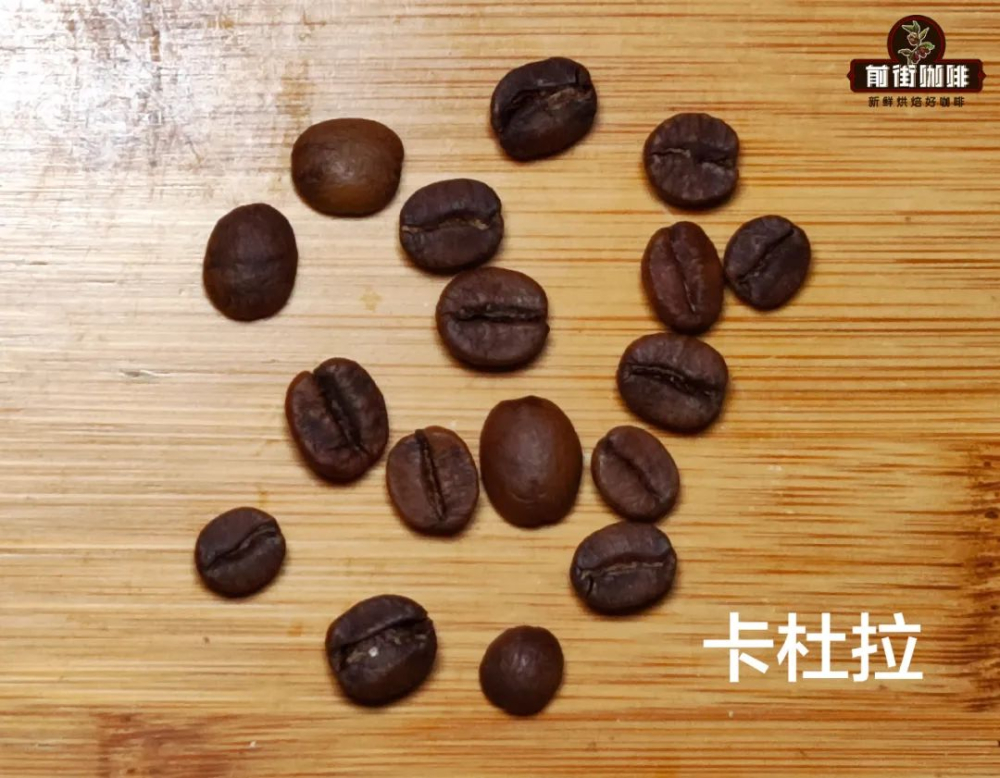
Caturra is a natural mutation of Bourbon. It was discovered between 1915 and 1918 on a plantation in Minas Gerais, Brazil, where a group of genes in the planted Bourbon mutated and caused the plant to grow smaller, much like dwarfism. This new coffee variety, expressed in a new biological form, was named "Caturra" in the local Guarani language, meaning "small," and is sometimes also called "Nanico."
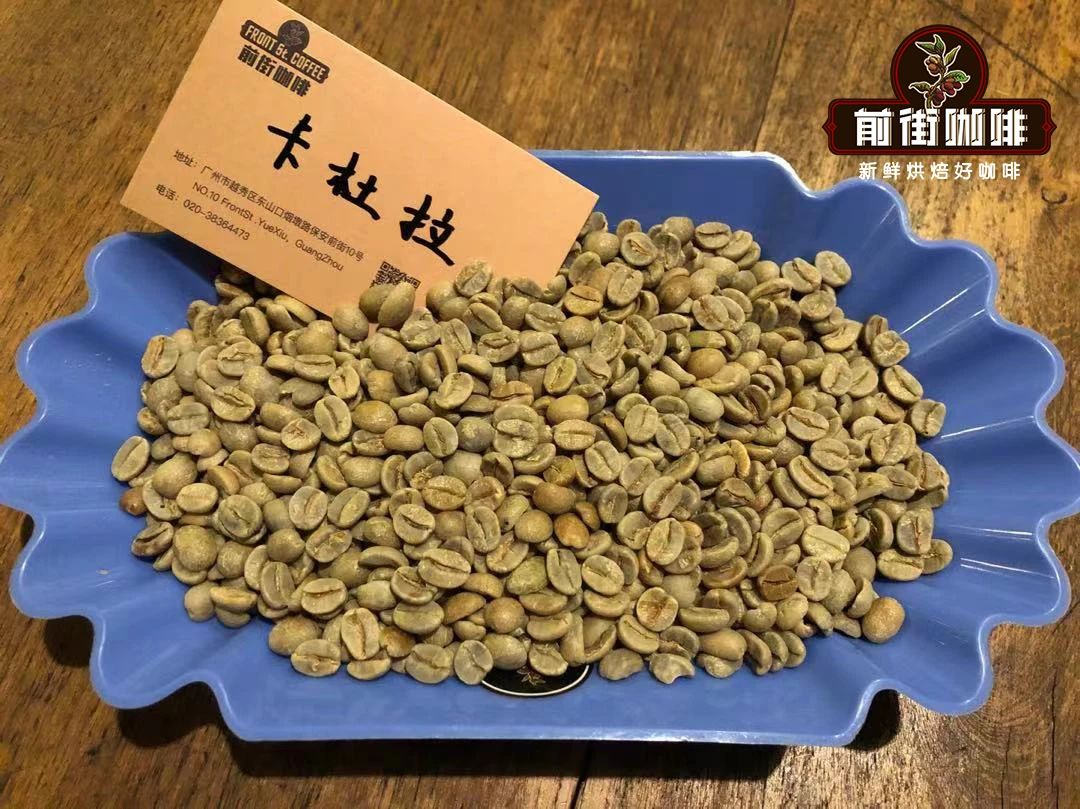
The Agronomic Institute of Campinas (IAC) in São Paulo, Brazil began selection work in 1937. The Caturra selection process is called mass selection: a group of individuals is chosen for excellent performance, their seeds are accumulated to form a new generation, and the process repeats. Interestingly, the variety was never officially released in Brazil, yet it had already become common across Central America.
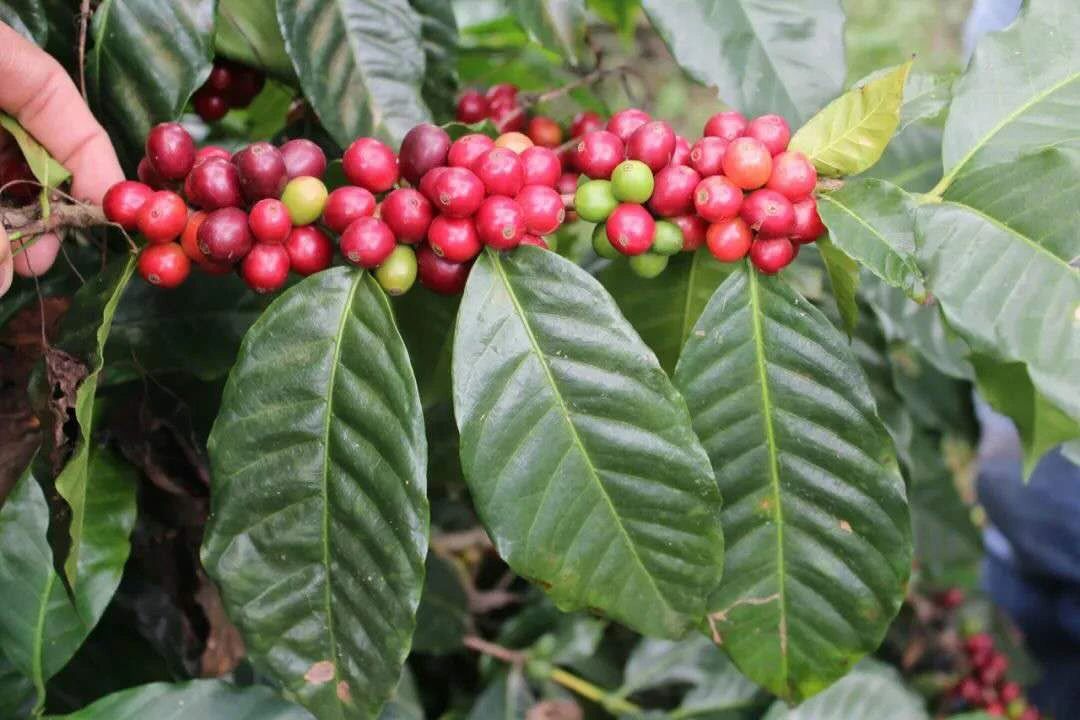
Caturra's compact size lets growers plant more densely, and its secondary branches sit close together, so it fruits more heavily in the same space. That sharply raises yield per unit area, and the compact frame also makes harvesting easier.
The most important advantage is that, unlike old varieties such as Typica and Bourbon, it needs no shade trees and thrives in direct sunlight, which is why Caturra-type coffees are also called "Sun Coffee." Caturra suits cultivation from 700 to 1700 meters and adapts to its environment better than Bourbon. The higher the altitude, the better its flavor quality.
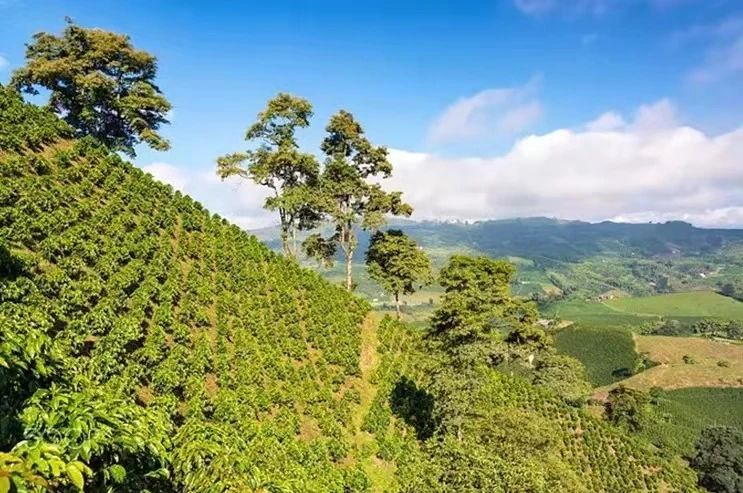
Like Bourbon, it carries the cyclical problem of production swinging every two years. It brings excellent acidity and aroma at the same time, with an overall bright profile and good sweetness.
What Is the Catuai Coffee Variety?
Catuai, as the name suggests, is closely tied to Caturra. It is an artificially bred hybrid developed by the Agronomic Institute of Campinas (IAC) in São Paulo, Brazil, from Mundo Novo and Yellow Caturra, and it was originally called "H-2077." Mundo Novo is itself a natural cross between Bourbon and Typica, first discovered in 1943 in São Paulo, Brazil.
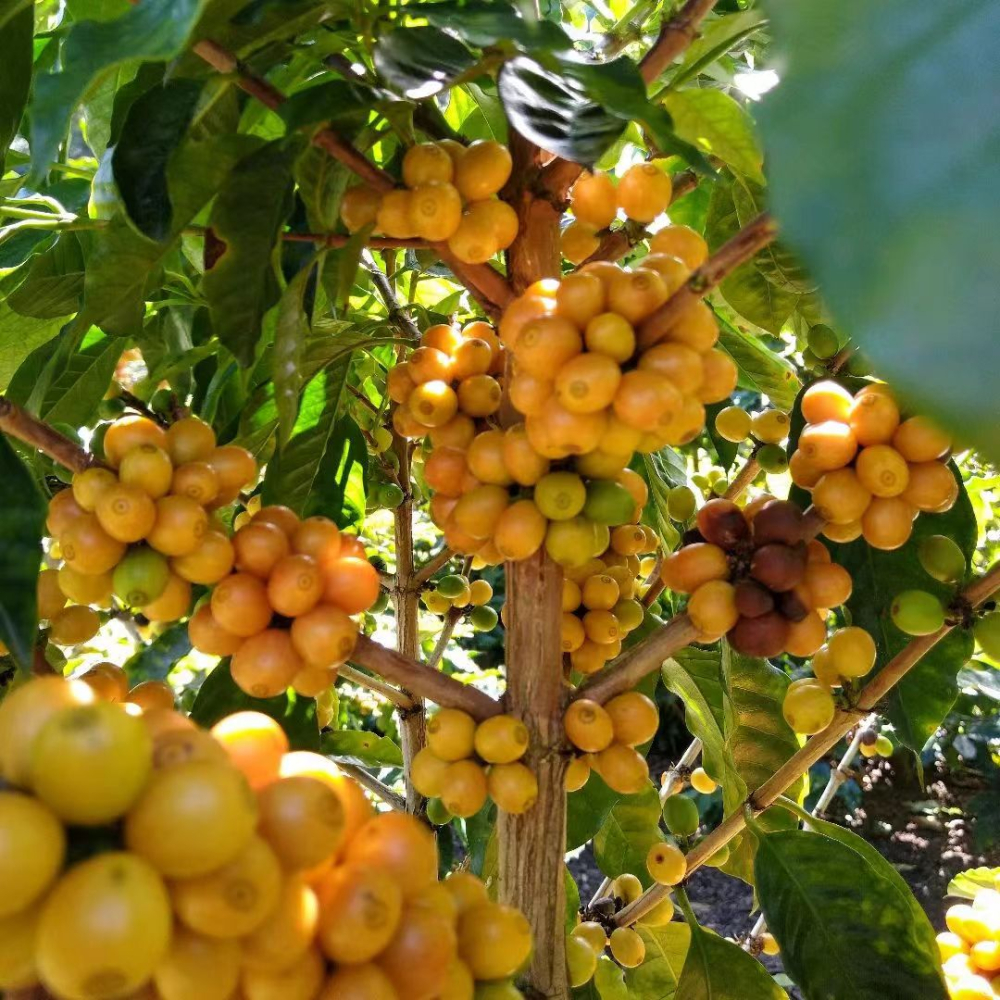
Catuai inherited Mundo Novo's high yield, strong disease resistance, and excellent cup quality, along with Caturra's compact size, excellent acidity, and sun coffee traits. Because of that, Catuai stands up well to natural disasters, especially wind and rain. Its smaller plant size allows double-density planting, and the dwarf frame makes pest and disease treatment comparatively easy. Catuai grows vigorously and stays low, but it is susceptible to leaf rust.
Because the variety is so outstanding, it was named Catuai, which means "very good" in Guarani. The line first called "H-2077," however, did not cup especially well, excelling only in disease resistance, pest resistance, yield, and environmental adaptability.
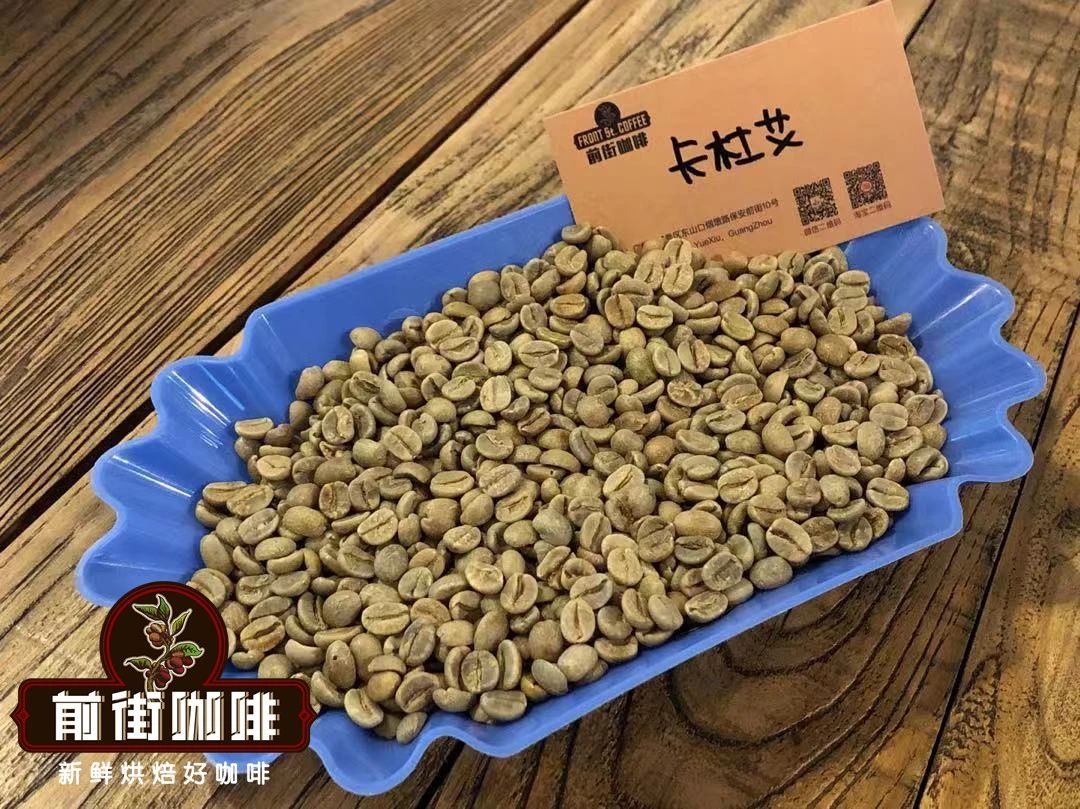
The São Paulo State Agronomic Institute therefore ran pedigree selection, the continuous generational selection of individual plants, on "H-2077," and the result was widely promoted and planted in Brazil in 1972. Catuai's high yield drew Central American countries to introduce it as well, though research found that productivity seemed to drop once it was transplanted to Central America.
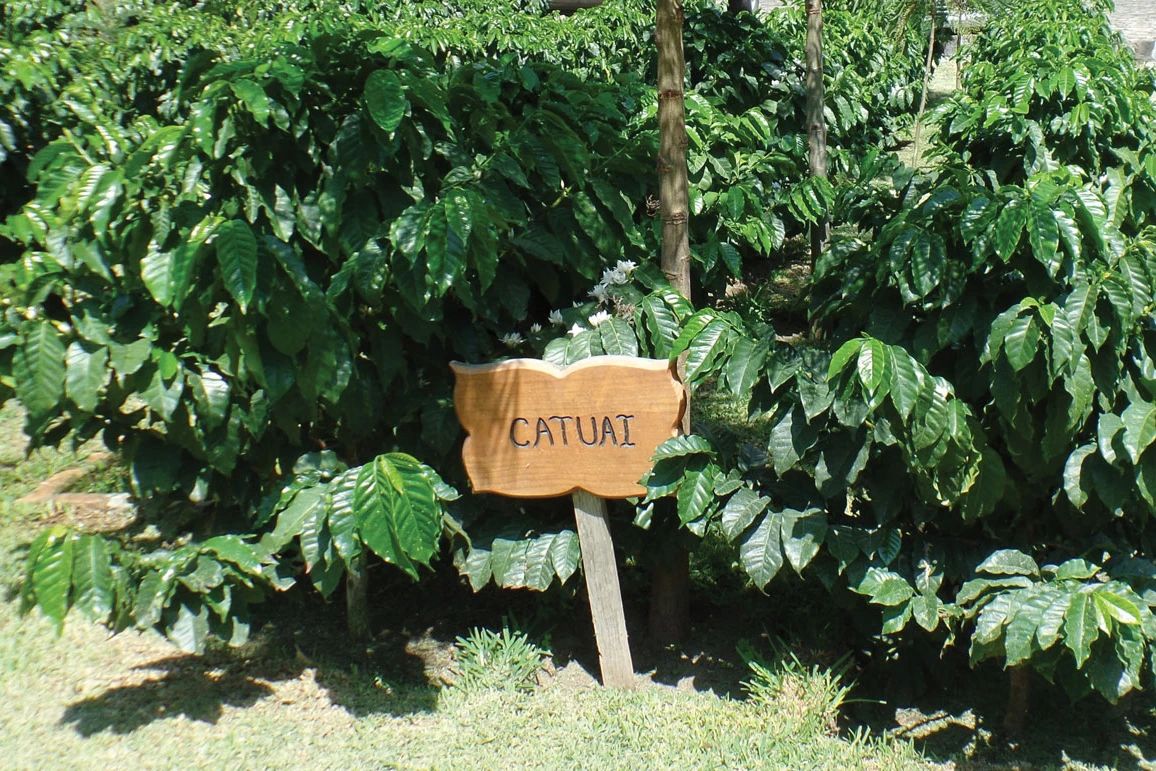
Catuai cups quite well. It also comes in red and yellow forms, planted in different countries according to local conditions. Costa Rica, for example, introduced yellow Catuai in 1985. FrontStreet Coffee's Costa Rica Musician Series Beethoven is a coffee made entirely from the Yellow Catuai variety, with excellent acidity, a clean taste, and, importantly, fruit aromatics.
Why Do Caturra and Catuai Often Appear Together?
Research in Honduras and Costa Rica, tested by the Honduran Coffee Institute IHCAFe, which selected two lines to begin cultivation, found no significant productivity difference between Caturra and Catuai. Estates across Central America had already planted Caturra to replace Bourbon, then introduced Catuai for local cultivation. Because Catuai already carries Caturra genes, the two gradually grew similar in habit, and keeping a second classification within a growing area only raised labor costs. That is why estate-level lots from Latin America today often list Caturra, Catuai, and others together.
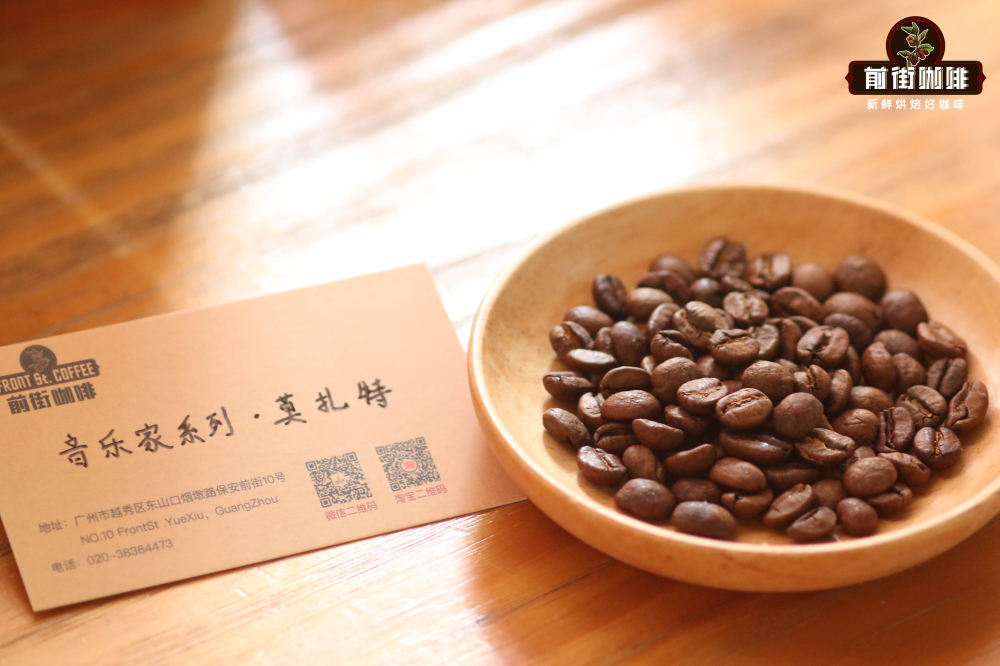
Today Catuai is widely planted in Brazil, Costa Rica, Honduras, and elsewhere in Central America. FrontStreet Coffee's Costa Rica Musician Series Bach and Mozart (Caturra, Catuai), Honduras Sweet Orange Estate's Catuai, and Panama's Flower Butterfly (70% Gesha, Caturra, Catuai) are all examples.
What Does Catuai Taste Like?
FrontStreet Coffee demonstrates with Catuai from Honduras Sweet Orange Estate:
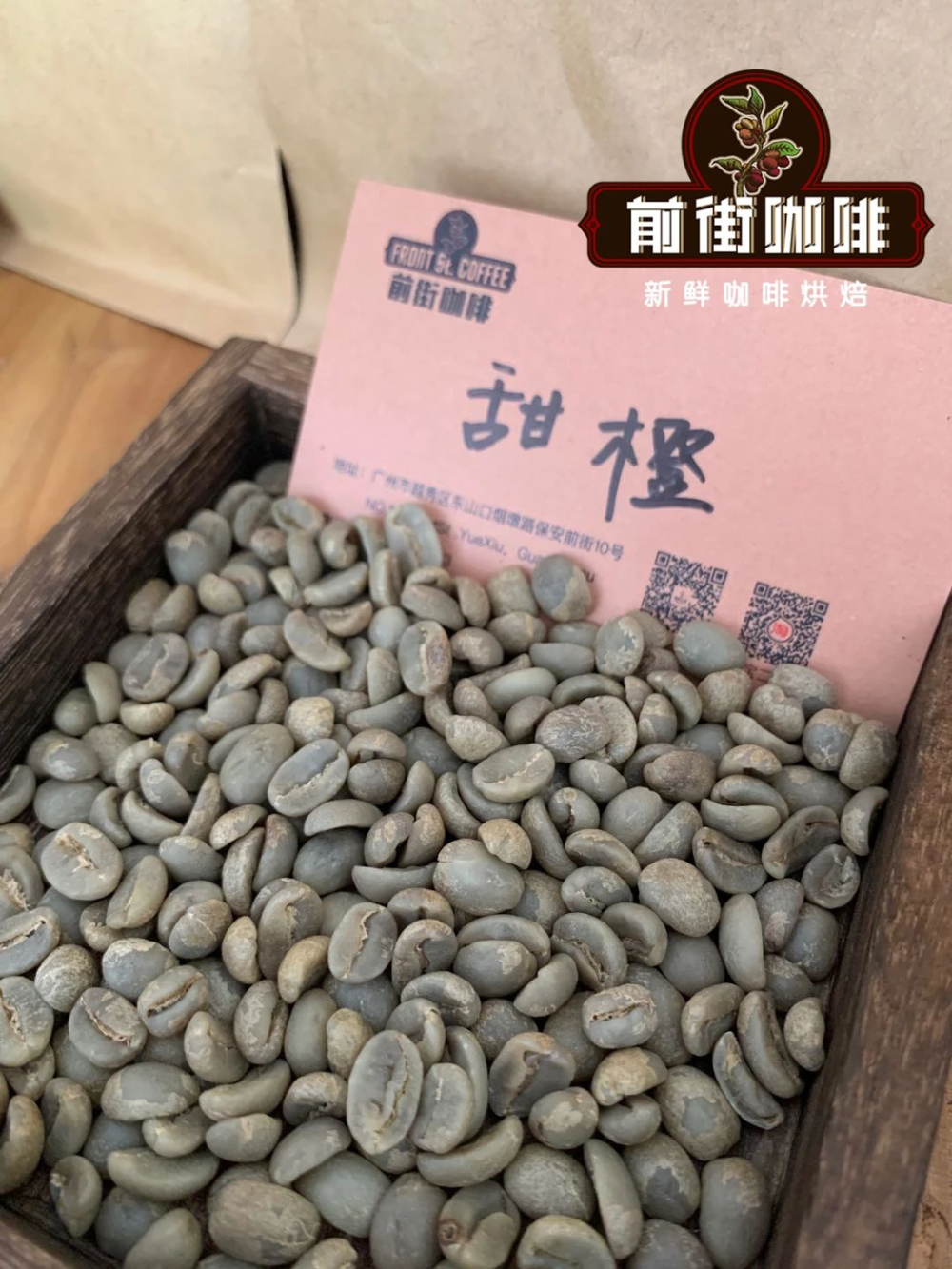
FrontStreet Coffee: Honduras Sweet Orange Estate
Region: Honduras, Marcala region
Estate: Sweet Orange Estate
Altitude: 1425 meters
Variety: Catuai
Processing: Washed
To bring out the sweet orange aroma and pleasant acidity, we grind fine, close to the texture of fine sugar, at an 80 percent pass rate through a national standard 850 micron sieve. We choose a relatively high water temperature of 92 degrees Celsius, since heat extracts aroma and sweetness, and a V60 dripper, a flow-through design that better highlights specific flavors. The aim of this brew is to emphasize the orange-like sweetness.

The brew uses 15g of coffee at a 1:16 ratio. After grinding you can clearly smell sunflower seed and fresh berries. Add the grounds, then pour 30g of water and bloom for 30 seconds, watching the coffee absorb water, expand, and release gas.
The second stage pours 150g of water in circles. The pour after the bloom matters a great deal, since it essentially sets the main flavor direction of the cup, and pouring at a 1:10 ratio better highlights sweetness. Wait for the bed to drop slightly, then pour 60g to raise the bed back to the height of the second pour. End extraction when all the liquid has flowed into the carafe, at a time of 2 minutes.

Flavor: Brewed this way, you smell aroma released from orange peel along with the scent of sucrose. The entry shows lemon acidity and orange sweetness with a juice-like sensation, and the aftertaste carries a brown rice tea flavor.
FrontStreet Coffee Recommendation
Since Caturra and Catuai both trace back to Bourbon, a Brazilian Bourbon is a good place to see the family resemblance. FrontStreet Brazil Cerrado Red Bourbon is a classic Brazilian single origin. Cerrado is a well-known region prized for high-quality beans, and this lot is the Red Bourbon variety common across South America. Roasted medium, it pours out dense creamy peanut, toasted bread, caramel, and hazelnut aromas with a round body, no acidity, and a light bitter note, and it works as pour-over as well as in a moka pot, as an espresso SOE, in a siphon, or in a French press.
FrontStreet Brazil Queen Estate Yellow Bourbon shows the yellow-fruited side of the same family. It comes from Mogiana, close to South Minas, where fertile red volcanic soil lets the cherries take up plenty of nutrients and build a full aroma, and where a mix of traditional farm practice and modern, standardized management has improved local quality considerably. Yellow Bourbon is a rare variety, a natural mutation of Red Bourbon, and it carries a cleaner fruit character. Brewed as pour-over, in a moka pot, or on a home espresso machine, it shows a sugarcane sweetness no other region quite delivers, alongside fruit and chocolate notes.
If it is Catuai specifically you want to cup, the FrontStreet Costa Rica Musician Series is the direct route: Beethoven is 100 percent Yellow Catuai, while Bach and Mozart combine Caturra and Catuai. All of them share the clean acidity and fruit aromatics that make Catuai worth planting in the first place.
Important Notice :
FrontStreet Coffee is a long-established specialty coffee roaster in Guangzhou China, selling freshly roasted beans from its own farm in Yunnan as well as dozens of carefully selected single-origin beans from around the world for both pour-over and espresso. The products deliver consistently excellent quality and great value, with shipping within 24 hours. Guangzhou's FrontStreet Coffee shop is recommended by many coffee lovers, and the beans are now available online at the Tmall 。
FrontStreet Coffee has moved to a new address:
FrontStreet Coffee Address: 315,Donghua East Road,GuangZhou
Tel:020 38364473
 Scan and follow the En Gafei WeChat official account. Please indicate that the reprint comes from "En Gafei".