Indonesia West Java Honey Process Amannis Estate Specialty Coffee Bean Flavor Profile and Aroma Characteristics
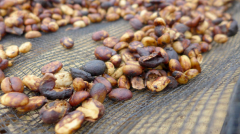
West Java Honey-Processed Aromanis
Tasting notes: an intense fruit aroma with plum and jackfruit, and a clean, sweet aftertaste. On the palate the coffee opens with complex florals, moves into tropical fruit reminiscent of mango and jackfruit, and finishes with a smooth, rich mouthfeel and a long-lasting aftertaste.
Coffee Details
Country: Indonesia
Estate: Aromanis
Region: Mount Tengger
Altitude: 1,400-1,600 meters
Varieties: Jember, S-795
Processing Method: Honey
Roast Level: Light
Flavor: Fruity, plum, jackfruit, sweet aftertaste
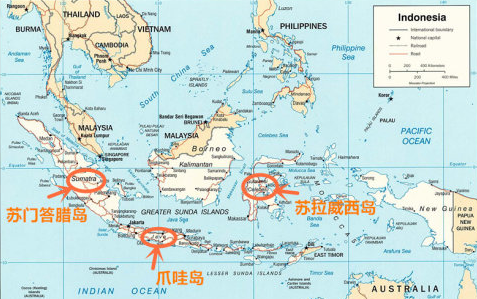
Indonesia and West Java
West Java is a first-level administrative province of Indonesia, located in the western part of Java. It borders the Java Sea to the north and the Indian Ocean to the south, and it includes a number of nearshore islands across an area of 46,300 square kilometers. Java has a tropical rainforest climate that stays hot and humid all year. The plains along the northern coast are the warmest, while the mountains are much cooler, and the high humidity often produces an enervating climate.
From November through March the northwest monsoon brings more rain and cloud; from April through October the southeast monsoon brings more sunny days and less rain. Jakarta's average annual rainfall is about 1,760 millimeters (69 inches). Its average daily high is 30°C (86°F) and its low 23°C (74°F). In the inland highlands of Tosari, at 1,735 meters (5,692 feet), the average temperature ranges from 22-8°C (72-47°F). Java's soil is very fertile because volcanic ash periodically replenishes the land.
"Aromanis" is a traditional Indonesian sweet snack made from simple flour and sugar, and the name was given to this coffee to suggest a cotton-candy-like quality. The beans themselves come from Ciwidey Garut in West Java. No special variety is used; the distinctive flavor comes from the way it is processed. That flavor is still not widely recognized in Indonesia's West Java.
The cherries are picked from the branches, separated from the fruit, rinsed, and dried straight away. The beans are "diserok" (turned) every hour to dry evenly, including at midnight. "This is very important at night because of the high humidity," said Arief of Transform Coffee on August 5, 2014, translated from the original Indonesian.
Processing takes 25-26 days, which is why Aromanis beans are slightly more expensive than ordinary coffee. The Coffee Farmers Cooperative sells Aromanis green beans at 130,000-150,000 rupiah per kilogram, while Transform Coffee retails them at 80,000 rupiah per 200-gram package.
Honey Processing
Honey processing, also called Honey Process or Miel Process, yields what is known as honey coffee. Plantations in Costa Rica, Panama, and Guatemala have all adopted it. The method means sun-drying green beans with the mucilage still attached. After the outer pulp is removed, a layer of viscous, gelatinous substance remains. Traditional washed processing would rinse it away with clean water, but in some high-altitude areas water is scarce, so this direct-drying approach developed instead.
Honey processing is relatively complex, time-consuming, and difficult. The first step is selecting high-quality fruit, then removing the pulp while leaving the parchment intact, which is the heart of the method. The parchment is rich in sugars and acids that slowly migrate into the beans as they dry. The second step is drying, the single most important condition for producing high-quality beans.
Honey processing gives coffee the cleanliness of the washed method. Brightness drops somewhat, but sweetness and caramel notes rise. Depending on how much mucilage is left on, honey coffees are divided into yellow honey, red honey, and black honey. The advantage is that it preserves the original sweet flavor of ripe coffee fruit better than any other method, giving the coffee an elegant brown-sugar character and nutty sweetness, while berry notes support a wine-like base. It is considered a very elegant style of coffee.
The honey-processed Aromanis from West Java scores as high as 92 points in cupping. Its English name, "Aromanis," comes from Indonesian and means sweet mango.
FrontStreet Coffee Recommendation
Honey processing brings out sweetness and body, and the same is true of Indonesia's other great tradition. FrontStreet PWN Golden Mandheling is Sumatra's classic at its finest: deep-roasted for very low acidity and a full, lingering body, it opens with herbs and dark chocolate and carries a faint earthy note, with plenty of layers for anyone who likes a big, bold cup.
For a smoother, wet-hulled alternative from the region, FrontStreet Mandheling drinks low in acidity and thick in texture, with caramel, dark chocolate, and toasted bread and a long, sweet finish. It is a natural match for anyone who enjoys the richness of a honey-processed Indonesian coffee.
If you drink your coffee with milk, FrontStreet Classic Blend is a fitting choice. Built on the traditional Mamba recipe with a small addition of Robusta and a deep roast, it pushes dark chocolate, nut, and caramel aroma to the limit and pulls a rich, golden crema with ease, even for beginners.
Important Notice :
FrontStreet Coffee is a long-established specialty coffee roaster in Guangzhou China, selling freshly roasted beans from its own farm in Yunnan as well as dozens of carefully selected single-origin beans from around the world for both pour-over and espresso. The products deliver consistently excellent quality and great value, with shipping within 24 hours. Guangzhou's FrontStreet Coffee shop is recommended by many coffee lovers, and the beans are now available online at the Tmall 。
FrontStreet Coffee has moved to a new address:
FrontStreet Coffee Address: 315,Donghua East Road,GuangZhou
Tel:020 38364473
 Scan and follow the En Gafei WeChat official account. Please indicate that the reprint comes from "En Gafei".