Beginner's Guide to Basic Coffee Latte Art: Detailed Tutorial for Heart Pattern Techniques
Coffee latte art is one of the signature skills of a barista, and like any craft it rewards the right tools as much as the right technique. Alongside practice, choosing a suitable espresso bean and fresh milk will make every step below noticeably easier.
Good latte art rests on three pillars: a well-extracted espresso with stable crema, delicate and glossy milk foam, and controlled pouring. The tutorial below walks through each of them in order.
The Art of Coffee Latte: A Comprehensive Guide
Coffee latte art is one of the signature skills of a barista, with diverse and complex expressions. How can baristas so easily create such beautiful and delicious latte art? It requires step-by-step practice and refinement.
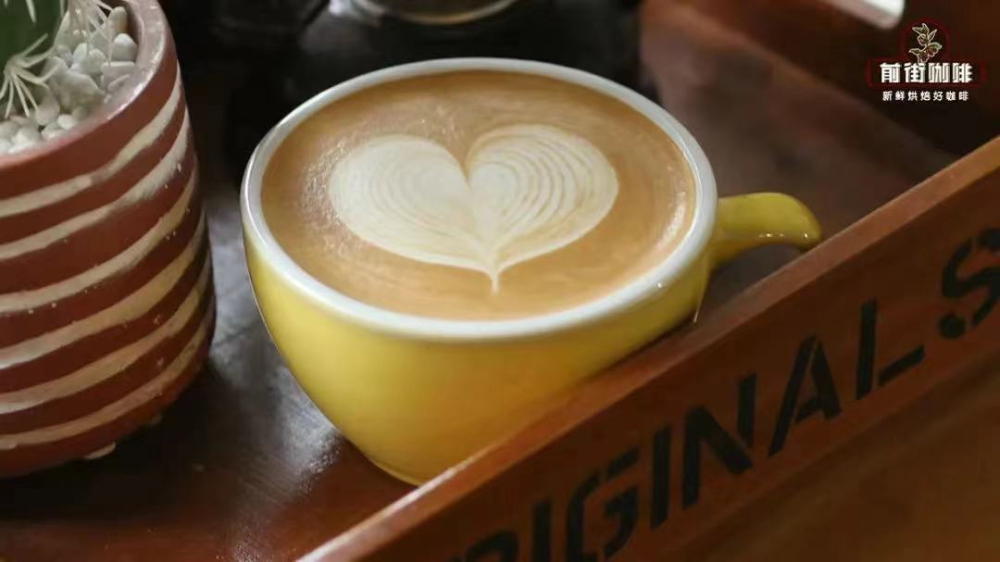
Therefore, beginners learning coffee latte art should persist in practice, continuously summarize their experiences, and patiently exchange knowledge. This is the fastest and best way to master latte art skills.
In this article, FrontStreet Coffee will share some small tips for coffee latte art, with illustrated explanations to "hand-hold" everyone through creating simple heart-shaped latte art patterns.
Perfect Milk Foam: The Foundation
Before creating latte art, you need milk foam that is moderate in thickness, delicate, and smooth. The thickness of the milk foam determines the smoothness and uniformity when milk blends with coffee, as well as the resistance when forming patterns. The delicacy and smoothness of the milk foam determine the texture of the latte.
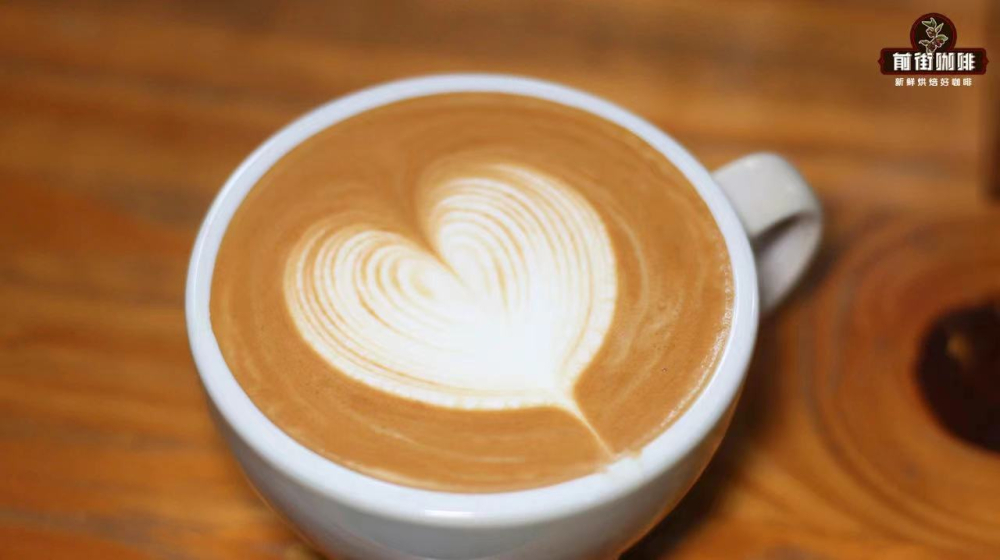
To create delicate, smooth, and delicious milk foam, pay attention to these 5 small tips!
1. Pre-steam Preparation
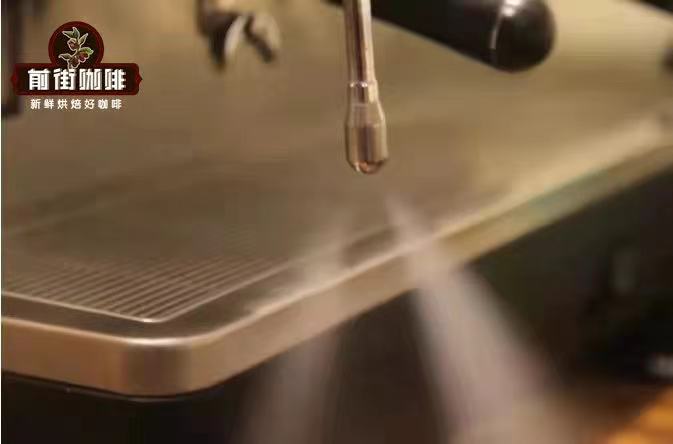
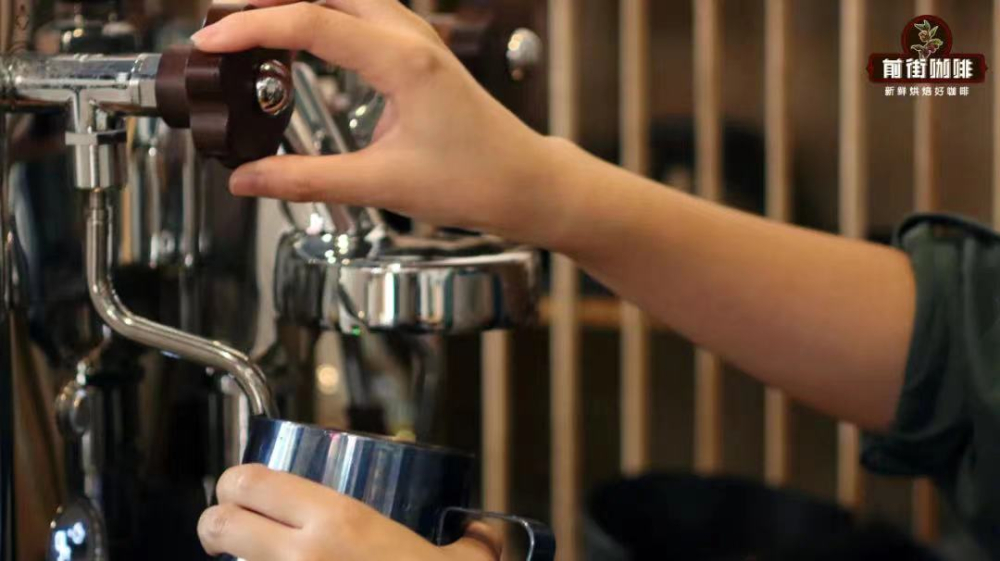
Before frothing milk, first turn on the steam wand to drain away condensed water. This prevents cold water shock from creating large bubbles when the wand is placed in the milk.
2. Optimal Wand Angle
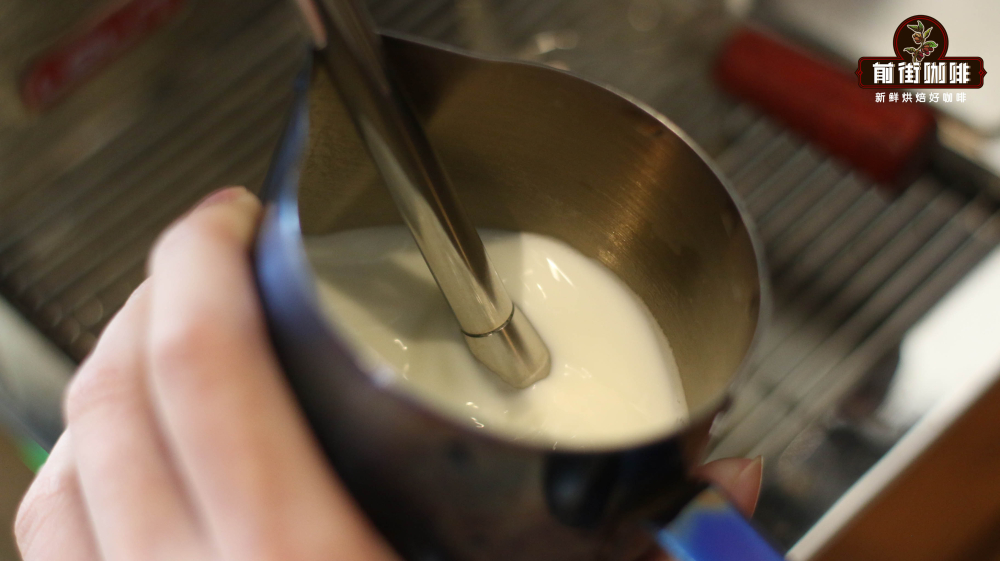
Place the steam wand in the milk pitcher at a 45-degree angle. This allows the steam impact to create a small vortex that draws away bubbles from the milk surface.
3. Perfect Immersion Depth
The steam wand should be immersed 0.8cm-1cm deep into the milk. If it's too deep, the steam wand holes cannot contact air to form a vortex; if too shallow, steam will impact the milk surface, creating rough foam while causing milk splashing.
4. Controlled Aeration
The aeration process only needs 4-5 "squeaking" sounds. Adjust the steam tip depth to 0.3cm and turn on the steam switch. You'll hear a "squeak - squeak" sound. This is the aeration phase. For latte art, the milk foam thickness should be 1cm, so we don't need excessive aeration. After hearing 4-5 squeaking sounds, adjust the wand depth back to 0.8-1cm, maintaining the 45-degree angle to create a vortex that eliminates large bubbles while heating to the appropriate temperature.
5. Ideal Temperature Range
According to FrontStreet Coffee's experience, milk for lattes and other milk-based coffees only needs to be heated to 55-65 degrees Celsius, with a maximum not exceeding 70 degrees Celsius.
Because in these temperature ranges, lactose and other sugars are most "active." When mixed with espresso, you can taste the natural milk sweetness balancing the bitterness of the espresso.
Five Principles of Latte Art Creation
After creating delicate and silky milk foam, let's understand the 5 principles of latte art creation.
1. Even Milk-Coffee Integration
Even integration of milk and coffee is very important! It not only determines the cleanliness of the pattern background but also the texture of the entire latte.
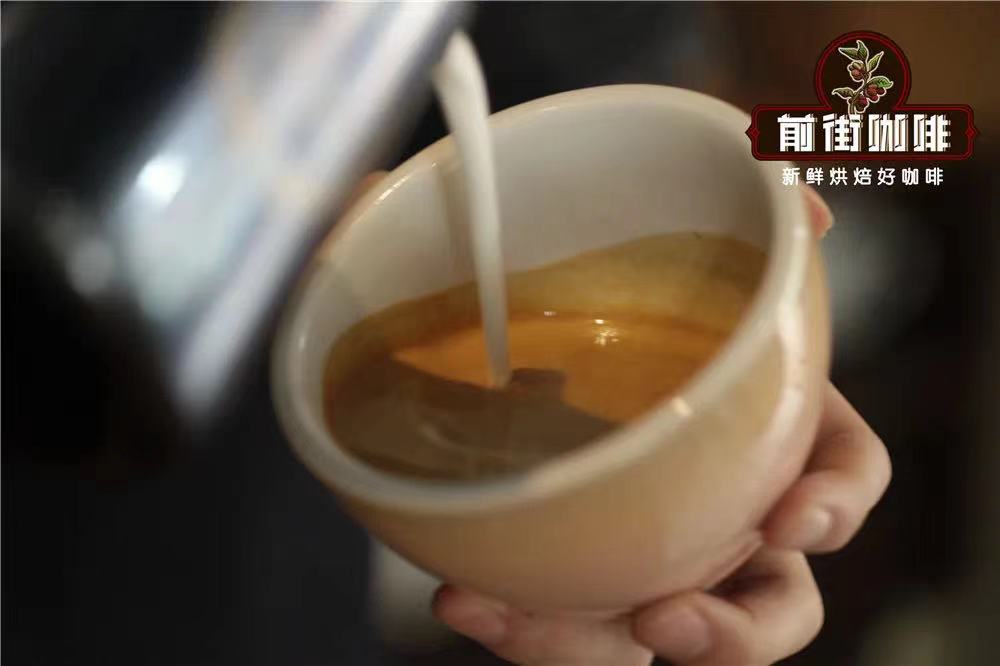
The general integration technique is stirring in one direction. Hold the coffee cup with your left hand and the latte art pitcher with your right hand. Move both hands in opposite circular motions, offset by half a circle. The stirring force at different heights easily mixes coffee and milk thoroughly. As for how large the circle should be, FrontStreet Coffee suggests making the largest possible circle without touching the cup walls.
2. High Integration, Low Pouring
Pattern creation actually occurs after milk and coffee integration. Due to density differences, white milk foam floats to the surface. When we shake the pitcher, we can create different textures as the pattern flows out.
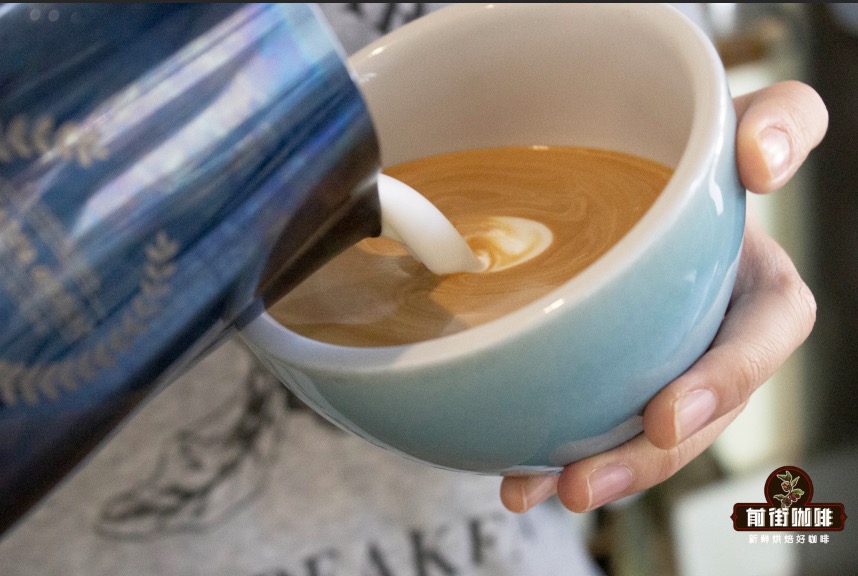
With the same milk foam, when you raise the pitcher spout, the foam gets pushed into the coffee and won't show white patterns. When you lower the spout, the foam floats on the surface, creating white patterns.
3. Drop Point and Trajectory
Different patterns have different drop points. For example, a heart shape starts at the 1/4 point. Taking the heart shape as an example, if the drop point is in the center, the entire heart position will be lower.
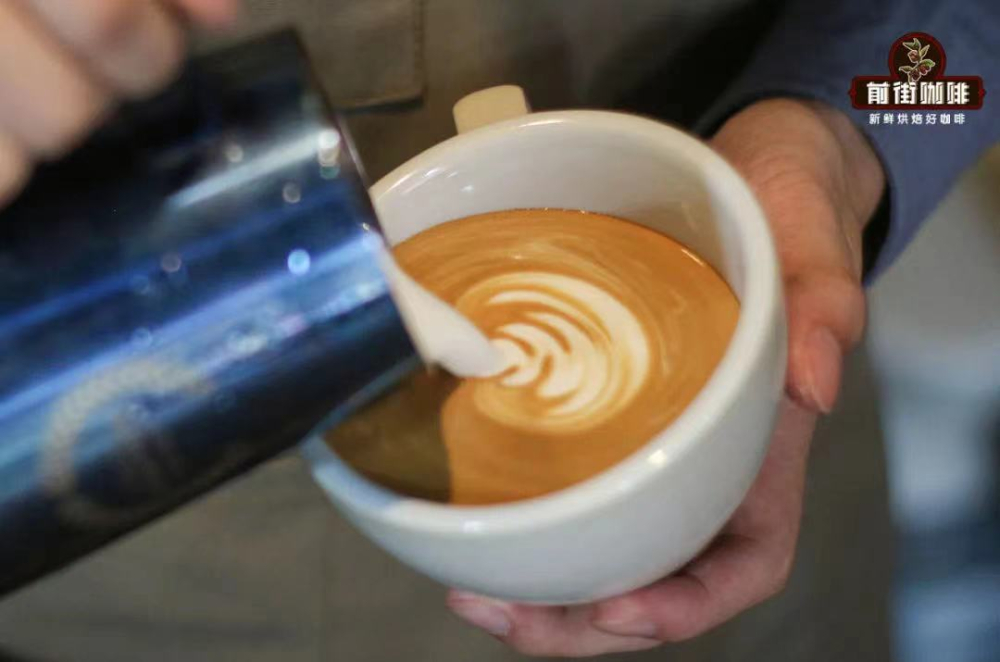
Additionally, this situation needs to be analyzed based on integration amount and foam thickness. More integration or thicker foam will reduce the convection effect, making the pattern smaller. If there's less integration or thinner foam, the convection effect will be better, and the pattern will be larger.
4. Free-flowing Pattern Creation
Don't hold the pitcher too tightly! Relax your hands. After integration, gently and evenly shake the pitcher left and right to allow the milk foam to flow more smoothly onto the surface. At the same time, straighten the coffee cup to create convection.
When creating the pattern, the coffee cup held in your left hand should slowly be returned to an upright position. Normal convection phenomenon is that when pouring milk in the center, you'll see milk foam "pushing" out from the center, with a backflow phenomenon on both sides, making the pattern fuller. The thinner the foam, the more obvious this phenomenon. For example, when we want to create hearts or textured tulips, we need convection.

5. Finishing Touch
When you've created your desired pattern, first contain your excitement. If the finishing step isn't done well, it can ruin the entire pattern. Taking a heart shape as an example, the normal finishing should be: when the cup is 9/10 full, gradually raise the pitcher and push forward while gradually reducing the milk flow. Remember not to continue pouring milk after the heart's tail has formed, as this will press down and flatten the entire heart.
FrontStreet Coffee Recommendation
Latte art practice demands an espresso with stable, generous crema, and FrontStreet Coffee's Classic Blend was designed with exactly this in mind. This medium-dark espresso recipe combines beans from three origins, inspired by the old-fashioned "Mamba" pairing of Mandheling and Brazil, with a small amount of Robusta added for extra aroma and crema. Expect pronounced butter, toasted bread, and caramel biscuit aromatics, a strong, solid body, fine crema, and highly stable extraction - an ideal home coffee for beginners.
Those who prefer a rich, nutty profile should try FrontStreet's Premium Blend, a classic pairing of washed Colombian and semi-washed Brazilian beans. As espresso it shows nuts, dark chocolate, and caramel; whether you pull an Americano or steam it into a latte or flat white, it highlights smooth notes of cream, almond, and cocoa, with crema that rivals cafe output - more than enough for latte art practice at home or in a new shop.
If you are preparing to open a cafe, FrontStreet's Commercial Blend is tailored for you: a traditional espresso recipe built on FrontStreet Coffee's Premium Blend with a touch of Robusta added for deeper brown crema and a heavier body, delivering nuts, cocoa, and caramel in Americanos, lattes, and mochas - and making latte art genuinely effortless.
Important Notice :
FrontStreet Coffee is a long-established specialty coffee roaster in Guangzhou China, selling freshly roasted beans from its own farm in Yunnan as well as dozens of carefully selected single-origin beans from around the world for both pour-over and espresso. The products deliver consistently excellent quality and great value, with shipping within 24 hours. Guangzhou's FrontStreet Coffee shop is recommended by many coffee lovers, and the beans are now available online at the Tmall 。
FrontStreet Coffee has moved to a new address:
FrontStreet Coffee Address: 315,Donghua East Road,GuangZhou
Tel:020 38364473
 Scan and follow the En Gafei WeChat official account. Please indicate that the reprint comes from "En Gafei".