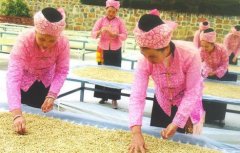
Cultivation and Geographic Details of Costa Rica Red Honey Tobas Estate Catura Specialty Coffee Beans
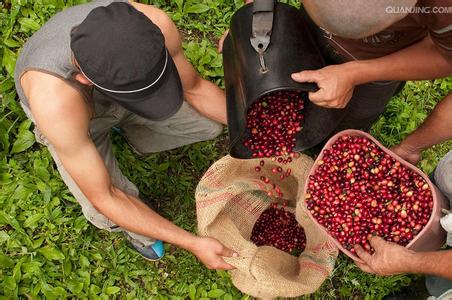
Costa Rica was the first country in Central America where coffee was introduced for cultivation, boasting a long history and a comprehensive system from production to sales. Located on the Central American isthmus, the country features numerous volcanoes and enjoys the natural advantages of sunlight and fertile land. Its climate is moderated by both Pacific and Atlantic ocean currents and sea breezes, and the resulting coffee reflects the unique terroir of local microclimates. In both quality and quantity, Costa Rican coffee has consistently received worldwide recognition and is rated as one of the world's high-quality coffees.
The country's volcanic terrain provides fertile volcanic ash, mild and suitable temperatures, and stable, abundant rainfall - all factors that have made coffee one of Costa Rica's main agricultural products. The seven major producing regions are: Tarrazu, Tres Rios, Orosi, Central Valley, West Valley, Turrialba, and Brunca.
Costa Rica Tobosi Estate
Tobosi Estate in Costa Rica has consistently focused on providing high-quality specialty coffee. The estate's cultivation and production are established under the founder's environmental protection principles, insisting on high-quality manual harvesting and maintaining excellent management of coffee cherry ripeness and traceability.
Honey Processing Method
The honey process evolved from the pulped natural (semi-washed) method, in which the coffee cherry's skin is removed before the beans are dried. Borrowing from Brazil's success with pulped natural coffee, Costa Rican producers refined the approach by adjusting how much fruit mucilage is retained and how long the beans dry, creating the honey process - which in turn branched into more detailed categories: black honey, red honey, yellow honey, and white honey.
The key to honey processing lies in the amount of mucilage retained - the more retained, the more distinctive the honey character, but the higher the risk of over-fermentation. The characteristics of coffees labeled "Honey" vary depending on conditions such as the local climate (sunshine, rainfall probability, air humidity) or the processor's preferences.
Red Honey: Approximately 25% of the mucilage is removed; compared to yellow honey, the drying time is longer, with reduced direct sun exposure, sometimes using shade nets for about 12 days.
Flavor Profile
Honey, lime, orange blossom, white chocolate, with excellent sweetness, gentle fruit acidity, round and full body, and a persistent aftertaste.
Product Information
Manufacturer: FrontStreet Coffee
Ingredients: In-house roasted coffee beans
Origin: Costa Rica, Tarrazu
Estate: Tobosi Estate
Roast Level: Medium roast
Package: Bulk whole coffee beans
Flavor: Brown sugar, almond, black tea
Coffee Details
Costa Rica Helsar De Zarcero
Country: Costa Rica
Grade: SHB
Region: Tarrazu
Roast Degree: Medium roast
Processing Method: Red honey
Varieties: Caturra, Catuai
Processing Station: Tobosi Estate
Flavor: Brown sugar, almond, black tea
FrontStreet Coffee Recommendation
If this red honey Costa Rica suits your palate, FrontStreet Coffee's Costa Rica Blackberry pushes the honey concept even further with its distinctive black honey process, in which almost none of the mucilage is removed. Drying takes at least two weeks, with the beans covered to shield them from overly intense sunlight so the sugars convert fully, and the lots are turned at irregular intervals during drying to prevent uneven heating and over-fermentation - a method that demands considerably more care. Roasted medium-light, it releases a rich floral fragrance when ground and offers special flavors of grape, berry, and ripe blackberry in the cup.
For something truly innovative, try FrontStreet's Strawberry Sugar Geisha Blend, which combines Panamanian Geisha variety with Costa Rican coffee processed by the raisin honey method: 100% of the mucilage is retained with a zero-water process. On harvest day, ripe, full cherries sink in the sorting tank while underdeveloped or overripe floaters are skimmed off; the selected fruit dries on raised beds for at least three days before the skins are removed, and the cherries are turned constantly for even drying. The result carries Geisha's black-tea florality along with grape and dried blueberry aromatics, soft fruit acidity, an almond finish, and pronounced sweetness.
FrontStreet's Costa Rica Mozart uses the same raisin honey technique - pre-drying the whole cherries on raised beds for at least three days before removing skin and pulp - which is even harder to execute than black honey because it requires strict control of timing. The reward is a richer sweetness of hot dried fruit; whether brewed as pour-over, cold brew, or in a moka pot, you will find the unique aromas of osmanthus, pineapple, and raisins.
Important Notice :
FrontStreet Coffee is a long-established specialty coffee roaster in Guangzhou China, selling freshly roasted beans from its own farm in Yunnan as well as dozens of carefully selected single-origin beans from around the world for both pour-over and espresso. The products deliver consistently excellent quality and great value, with shipping within 24 hours. Guangzhou's FrontStreet Coffee shop is recommended by many coffee lovers, and the beans are now available online at the Tmall 。
FrontStreet Coffee has moved to a new address:
FrontStreet Coffee Address: 315,Donghua East Road,GuangZhou
Tel:020 38364473
 Scan and follow the En Gafei WeChat official account. Please indicate that the reprint comes from "En Gafei".