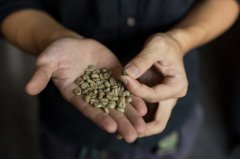
90+ Dimma Zede Coffee Sidamo Natural Premium Coffee Beans Origin Development History and Cultural Introduction

The traditional natural method rarely delivers a truly pure flavour, but with technical support from 90+, Drima Zede hand-selects only the most mature cherries. During drying, meticulous constant stirring keeps everything even. The result is an exceptionally transparent, pure taste that shifts markedly between hot and cold brewing, with captivating aromas of fruit, florals and oak barrels.
Like other Ethiopian natural-processed coffees, Zhumang has undergone strict supervision and selection, avoiding the unpleasant earthy impurities and high defect rates common in natural beans, and highlighting instead the enchanting sweetness that natural processing is known for. Zhumang's captivating fruit profile inherits the alluring aroma of traditional Ethiopian naturals, expressing a well-rounded, full-bodied sweetness with a lingering aftertaste and just the right amount of mouth-watering fruit acidity. Zhumang is also easy to brew day to day: the beans are rich in flavour, and whether you use the clean pour-over method or the richer siphon technique, they show their character beautifully.
90+ Level Up Series Zhumang flavour profile: nectarine, tropical fruits, a clean and bright taste — stunning from the first sip.
Product Information
Manufacturer: Coffee Workshop
Shelf Life: 90 days
Net Weight: 227g
Packaging: Bulk coffee beans
Roast Level: Roasted beans
Sugar Content: Sugar-free
Origin: Ethiopia
Roast Degree: Light roast
Coffee Details
Country: Sidamo
Altitude: 1750-2000m
Region: Sidamo
Roast Level: Light roast
Processing Method: Natural
Variety: Local heirloom
Processing Station: NinetyPlus
Flavor Notes: Nectarine, tropical fruits, oak barrel aroma
90+ beans take a completely different naming approach from conventional specialty coffee: they carry no region or estate name. Instead, each bean is named for its flavour profile. Zhumang, for example, means "best approach" in the local dialect. The process starts with a flavour concept, then a name, and only then the selection of regions and partner farms — which shows that 90+ is a brand run with a boutique mindset.
In Ethiopia you can find several coffee cultivation systems: from extensive wild coffee forests and semi-developed land to traditionally managed small plots and modern plantations. About 50% of coffee is grown at altitudes above 1,500 metres. Ethiopian coffee can be divided into nine major regions based on four different production methods, including five specialty areas — Sidamo, Yirgacheffe, Harrar, Limu and Lekempti — and four commercial regions: Djimmah, Illubabor, Tepi and Bebeka. Each region uses either natural or washed processing, and the method used affects the flavour. Natural processing currently accounts for about 80%, washed for about 20%.
"Ninety Plus" does not mean every coffee scoring above 90 points in evaluation. Good coffee is available some years and not others, and sometimes it appears in different estates with various flavour characteristics. "Ninety Plus" refers to a premium coffee series of 13 distinct flavour profiles. These coffees come exclusively from NinetyPlus Coffee, American creators of specialty coffee. They are all Ethiopian heirloom varieties, cultivated to maturity in ecological environments and then processed to artistic standards to optimise flavour. Processing is Ninety Plus's speciality: they separate the coffees by variety, microclimate and harvest timing, tasting each one individually, and design a specific processing method for each flavour profile to reach a particular character — much like how a fashion designer researches and pours heart into a piece. Natural products go through extensive refinement before reaching their most beautiful form, and only then are the contents presented to everyone.
FrontStreet Coffee Recommendation
If you like the fruit-forward, low-bitterness style of a natural Ethiopian, three FrontStreet Coffee lots are worth trying. FrontStreet Coffee's Natural Huakui comes from Hambella in Guji, Sidamo, a 200-hectare farm using traditional natural processing on raised beds for 21 days: expect floral notes, citrus and mango, with honeyed sweetness and a cocoa finish. FrontStreet Coffee's Yirgacheffe Natural Red Cherry shows peach, cocoa, honey and lemon. And FrontStreet Coffee's Sidamo Hamasho, built on the 74158 variety, brings perfume lemon, strawberry, star fruit and green grape. All are light to medium-light roasted and shine as pour-over or cold brew.
Important Notice :
FrontStreet Coffee is a long-established specialty coffee roaster in Guangzhou China, selling freshly roasted beans from its own farm in Yunnan as well as dozens of carefully selected single-origin beans from around the world for both pour-over and espresso. The products deliver consistently excellent quality and great value, with shipping within 24 hours. Guangzhou's FrontStreet Coffee shop is recommended by many coffee lovers, and the beans are now available online at the Tmall 。
FrontStreet Coffee has moved to a new address:
FrontStreet Coffee Address: 315,Donghua East Road,GuangZhou
Tel:020 38364473
 Scan and follow the En Gafei WeChat official account. Please indicate that the reprint comes from "En Gafei".