Rich and Sweet Premium Peru Coffee Bean Flavor, Taste, and Aroma Characteristics
Peruvian Coffee Quality and Characteristics
The highest quality coffee in Peru is produced in Chanchamayo, Cusco, Norte, and Puno. Most Peruvian coffee is grown under natural conditions, although it can be difficult to confirm the growing conditions of every coffee tree. Coffee grown under natural conditions commands a premium of 10% to 20% and is exported to the United States and Japan.
The quality of Peruvian coffee can rival any coffee from Central or South America. Most of the high-quality coffee produced in Peru is used for instant coffee production, while the majority is shipped to Germany for processing and blending, then exported to Japan and the United States. This further demonstrates its high quality standards.
The difference between ordinary organic Peruvian coffee and high-quality organic Peruvian coffee is enormous: relatively inexpensive beans are not only unremarkable in quality but also typically show obvious defects in cupping, especially grassy and over-fermented flavors. Finding good Peruvian coffee beans requires considerable effort, searching through numerous intermediaries and other potential suppliers, and painstaking work in sample selection. Still, that beats sifting through piles of paperwork.
Peru is a vast and diverse land capable of producing large quantities of different coffee varieties, and it can produce very high-quality coffee. Overall, these beans have the brightness of Central American coffee but are packaged entirely with South American flavors. High-quality organic farms do indeed show more rustic coffee characteristics.
Peruvian Coffee Growing Regions
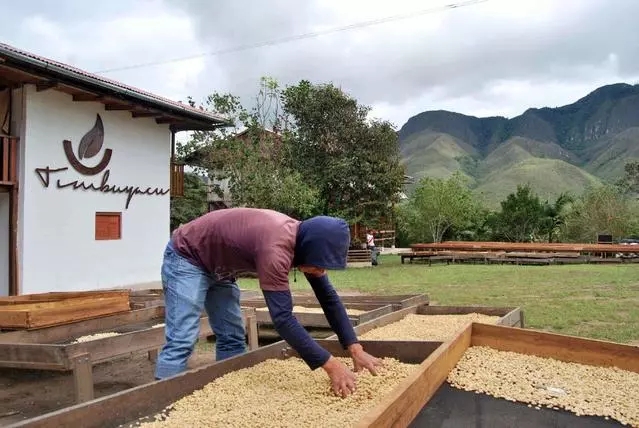
Peruvian coffee beans, particularly those from the central Chanchamayo region and the southern Cusco region, are the most famous, and some areas in northern Peru also produce distinctive organic coffee. Organic coffee uses beans grown under shade trees. Although shade-growing reduces yields, quality can reach the level of premium coffee, because shade slows the maturation of the coffee trees, helps the coffee develop fully, contains more natural compounds, cultivates superior flavors, and reduces caffeine content.
Peru employs planned coffee cultivation, which has greatly improved production. Its rich acidity and smooth, thick body are its most prominent characteristics. Peruvian coffee has soft acidity, a medium body, and excellent taste and aroma, making it an indispensable component of blended coffee. Outstanding Peruvian coffee has rich aroma, a smooth and layered texture, rich sweetness, and an elegant, mild acidity that gently awakens the taste buds. This moderate, balanced character has made it increasingly popular, and it is regularly used as one of the blending beans that stabilizes a blend's richness.
Peru's Coffee Industry
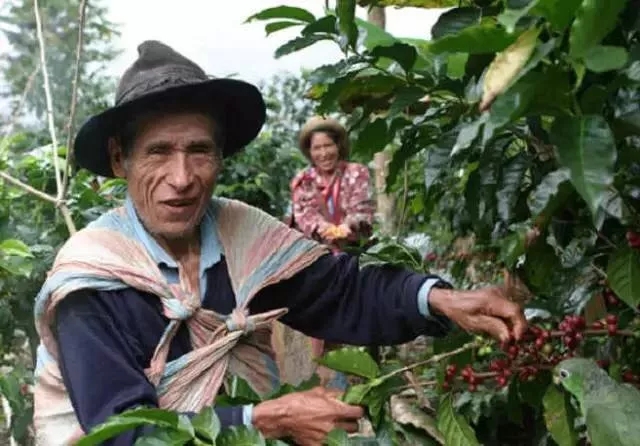
Peru is also a major coffee producer. Up to 98% of Peruvian coffee is grown in forest areas, and most producers are small farmers. The coffee is of excellent quality and balance, suitable for use in blended beverages.
Peru has favorable economic conditions and a stable political situation, which help ensure the excellent quality of its coffee. In the mid-1970s, Peru's annual coffee production was about 900,000 bags, later growing steadily to about 1.3 million bags. Although private exporters buy coffee from remote areas through intermediaries, the main market remained monopolized by the government. Later, the private Peruvian Coffee Exporters Association was established, dedicated to improving coffee quality, with its primary task being to set standards, eliminate inferior products, and create a quality-first atmosphere. This positive initiative foreshadows a bright future for the coffee industry. Rising prices also encouraged farmers to grow coffee instead of the region's traditional cash crop, cocoa.
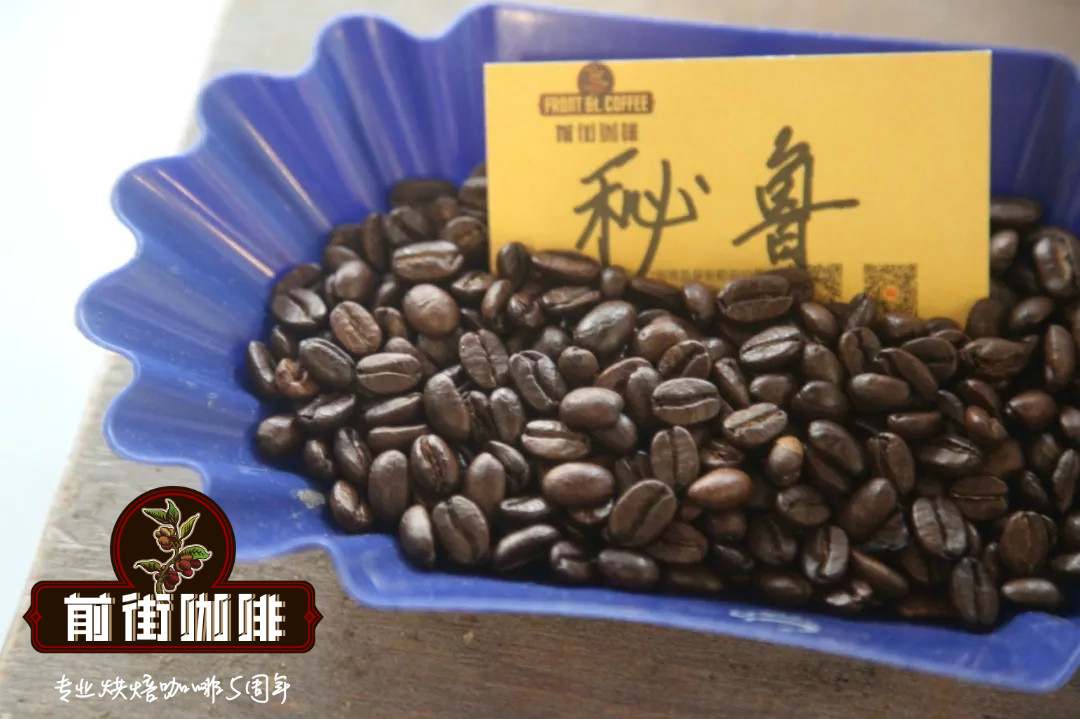
Peruvian Coffee Market
The private Peruvian Coffee Exporters Association was established to improve coffee quality, with its primary task being to set standards, eliminate inferior products, and create a quality-first atmosphere. This positive initiative foreshadows a bright future for the coffee industry, and rising prices have encouraged farmers to grow coffee instead of the region's traditional cash crop, cocoa.
Brewing Recommendations
FrontStreet Coffee suggests the following brewing method for Peruvian coffee: for such a mellow coffee, a French press is the most suitable choice.
Operation steps (for 2 servings):
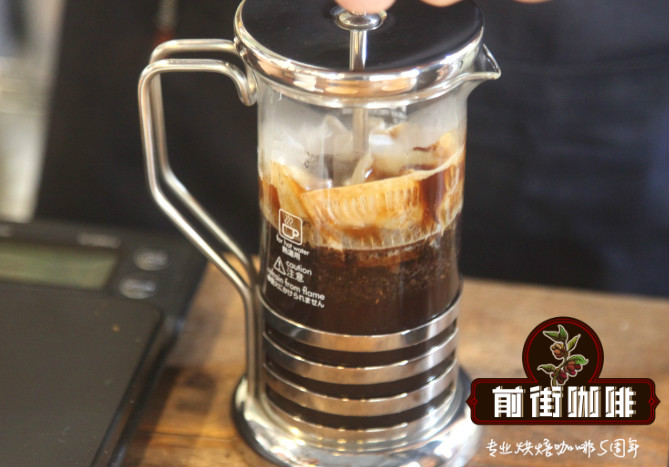
- Weigh 20g of beans, grind to BG 6M (Chinese standard 20-mesh sieve, 47% pass rate). Powder-to-water ratio is 1:15, water temperature 86°C-88°C.
- Preheat the French press with hot water, then pour it out, and add the coffee grounds.
- Pour in hot water and start timing. After pouring, stir gently to ensure all the grounds are fully soaked.
- After 3 minutes, slowly press the plunger down and it is ready to serve.
FrontStreet Coffee Recommendation
Because Peruvian coffee is so often used to add body and sweetness to a blend, FrontStreet Coffee suggests the Specialty Blend, one of its longest-serving espresso recipes and the backbone of its shop's Americanos and lattes for close to ten years. It pairs Brazilian Cerrado with Colombian Huila for a classic, familiar espresso profile with nut, dark chocolate, and caramel notes, a comfortable bittersweet balance, and a smooth latte with stable latte art.
For a value-focused option, FrontStreet Coffee's Black Cocoa Blend suits any kind of cafe, bakery, drink shop, or home espresso machine. It combines Yunnan washed small-bean coffee with Brazilian semi-washed coffee, blending the ripe plum acidity of a nutty profile with the aroma of cream chocolate and cocoa cookies on the grind, a balanced taste, and a golden crema.
If you enjoy a full-bodied, low-acid coffee on its own, FrontStreet Coffee's Papua New Guinea Paradise Bird comes from the Sigri region, grown from the same Typica variety as Jamaica Blue Mountain in volcanic soil at 1,600 to 1,800 meters. It reaches the AA grade with full beans and a very low defect rate, and a triple washed fermentation gives it a clean, pure cup with pronounced sweetness. Deep roasted, it has a very low acidity and a thick, lingering body with herbal and dark chocolate aromas and a faint earthy note.
Important Notice :
FrontStreet Coffee is a long-established specialty coffee roaster in Guangzhou China, selling freshly roasted beans from its own farm in Yunnan as well as dozens of carefully selected single-origin beans from around the world for both pour-over and espresso. The products deliver consistently excellent quality and great value, with shipping within 24 hours. Guangzhou's FrontStreet Coffee shop is recommended by many coffee lovers, and the beans are now available online at the Tmall 。
FrontStreet Coffee has moved to a new address:
FrontStreet Coffee Address: 315,Donghua East Road,GuangZhou
Tel:020 38364473
 Scan and follow the En Gafei WeChat official account. Please indicate that the reprint comes from "En Gafei".