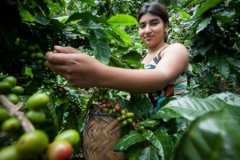
Flavor Profile and Characteristics of Kona Coffee Beans from Hawaii, USA
Professional coffee knowledge exchange. For more coffee bean information, please follow Coffee Workshop (WeChat ID: cafe_style).
Introduction to Hawaiian Kona Coffee
FrontStreet Coffee believes every coffee lover has heard of Jamaican Blue Mountain. It is worth introducing a coffee that stands beside it: the renowned Hawaiian Kona. Kona coffee has a very rich, mellow flavor, with a fruity aroma blended with distinctive spice notes.
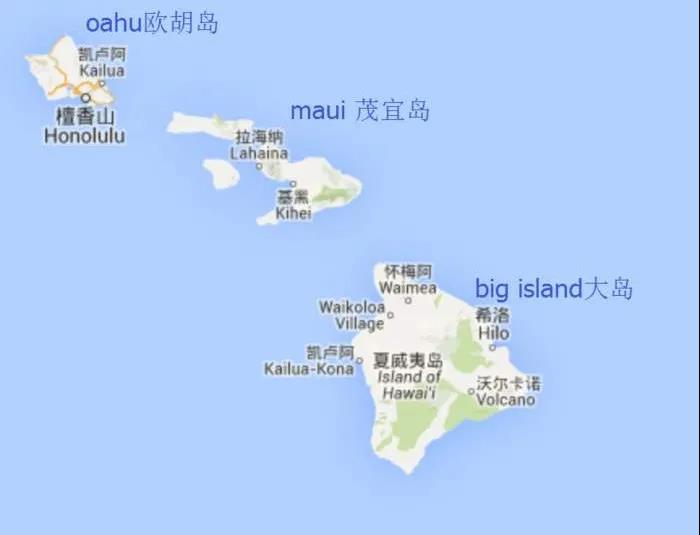
Kona Coffee Origin and Characteristics
Kona coffee is grown in the Kona district and cultivated only on volcanic slopes, which makes it a genuinely rare coffee. As production has declined, its price has come to rival that of Jamaican Blue Mountain.
The History of Hawaiian Coffee
According to FrontStreet Coffee's research, in 1892 the American coffee industry was focused primarily on commercial coffee. Most of America's terrain is unsuited to coffee cultivation as well, so American coffee was not particularly famous at the time. Hawaii's entry into the picture helped America out of that awkward position: Hawaii began importing Typica coffee from Guatemala and cultivated it on a large scale.
Situated in the central Pacific, Hawaii is the highest of the islands. Its climate suits coffee trees very well, and the coffee varieties grown there are quite pure, which helps ensure the best flavor in Hawaiian coffee.
Although Hawaiian coffee is grown higher than on other islands, the areas actually suitable for cultivation run only from 300 to 1100 meters. That does not meet the usual altitude requirement for specialty coffee. Even so, Kona coffee's standing is widely recognized, which seems to contradict what people imagine the specialty standard to be. In FrontStreet Coffee's view, the definition of specialty coffee is not fixed, and there will always be exceptional coffees.
Hawaiian Coffee Cultivation
Common Hawaiian varieties include Typica, Catuai and others. Coffee beans grown in the Kona region have a very attractive appearance, plump and full-bodied, and are known as "the most beautiful coffee beans in the world." Hawaii has always farmed on a family model. Because families there tend to be large, children serve as excellent labor, which also saves significantly on labor costs.
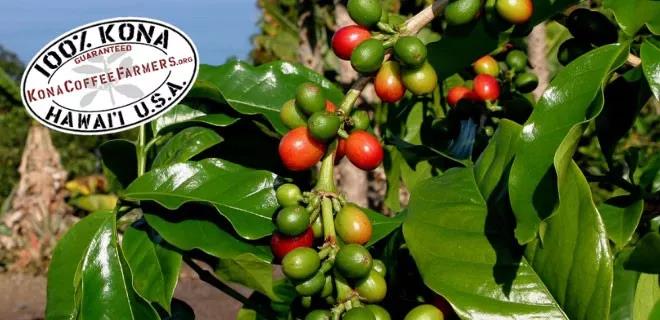
Kona Coffee Grades
Kona coffee beans are divided into five grades in total: Extra Fancy, Fancy, Prime, No.1 Peaberry and Peaberry Prime. The common grades are the following three:
Extra Fancy: 19 mesh and above, moisture content 9% to 12%, defective beans: fewer than 10 (350g green bean sample)
Fancy: 18 mesh and above, moisture content 9% to 12%, defective beans: fewer than 16 (350g green bean sample)
No.1 Peaberry: 10 mesh and above, moisture content 9% to 12%, defective beans: fewer than 20 (350g green bean sample).
Kona Coffee Production and Processing
FrontStreet Coffee believes that although the Kona growing region sits at no great altitude, its fruit acidity is the cleanest and most elegant of any low-altitude coffee. The Queen's Estate is renowned for the quality of its coffee, and 70% of the harvest there can be considered world-class premium beans. FrontStreet Coffee's Kona coffee comes from the Queen's Estate.
In Hawaii, scarce Kona coffee has created a market of its own, and producers hold considerable autonomy over pricing and product decisions. Producers can, for example, have buyers run tasting tests that take production costs and processing methods into account before setting a price, a practice that is very rare in the coffee industry.
Kona coffee uses the washed method and natural drying. Hawaii's clean, sweet mountain spring water provides ideal conditions for washing, and the method produces the bright, transparent appearance of Kona beans along with their pure, fresh flavor. The washed beans are spread on large flat surfaces to dry naturally in the sun.
Kona is a low-density bean, and the drop in temperature during roasting cannot be too sharp. As sweet aromas develop, the color turns light yellow, and with moisture content still high the beans need a sufficient pre-infusion time. In the cup they feel clean and fresh, with a solid, substantial weight. Kona should not be roasted too dark; FrontStreet Coffee uses a medium-light roast for this bean.
Before Kona green beans are exported, number tags are attached to the burlap bags. These indicate certification by the Hawaii Department of Agriculture and come with an identifying official seal. The whole process, from sowing and harvesting to washing, relies entirely on manual labor, and combined with very low production its flavor is widely recognized. Authentic Hawaiian Kona and Blue Mountain are therefore both synonymous with high-end specialty coffee.
FrontStreet Coffee Kona Coffee
Below is the basic information about FrontStreet Coffee's coffee:
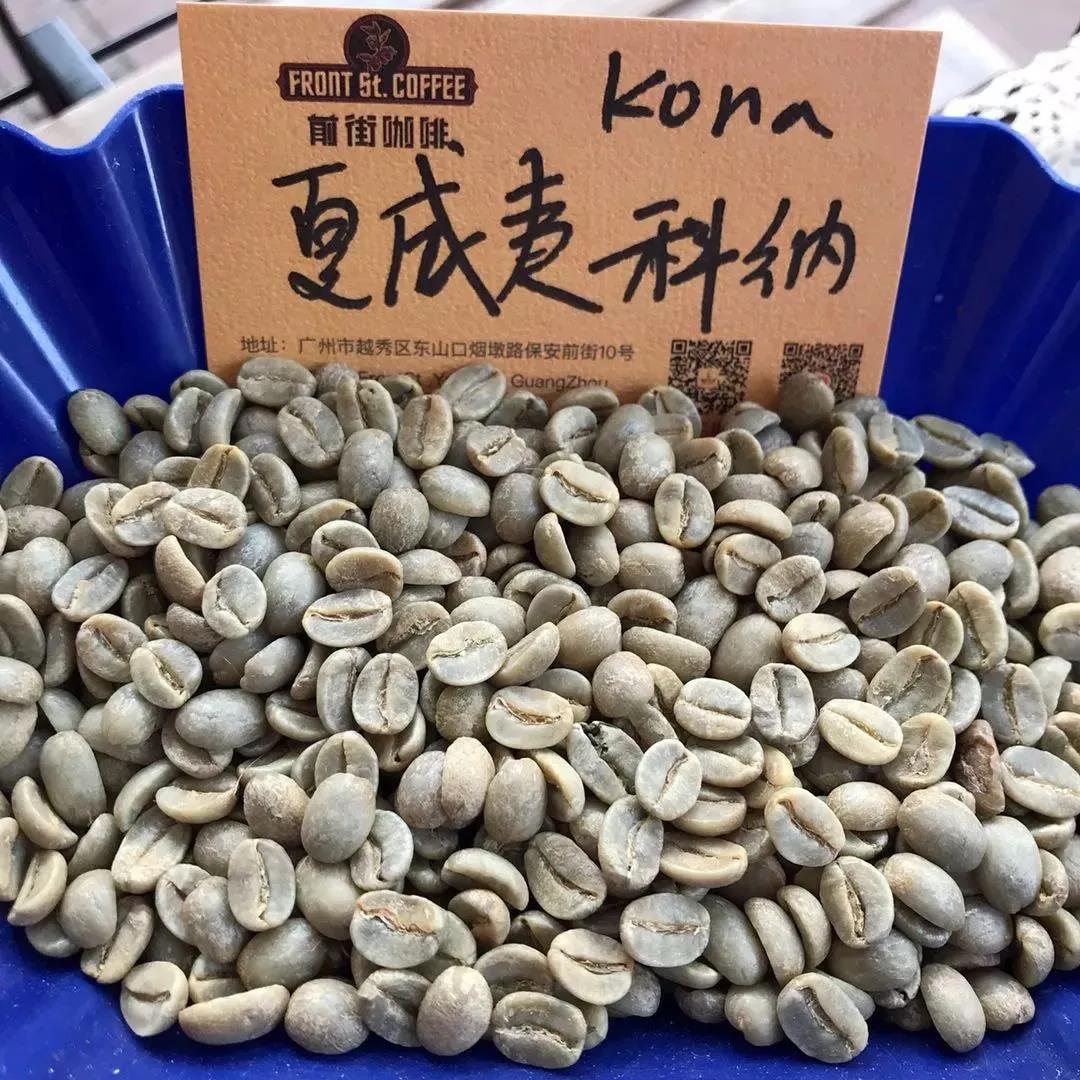
FrontStreet Coffee - Kona Coffee Beans
Coffee Region: Kona District, Hawaii, USA
Estate: Queen's Estate
Altitude: 1100 meters
Variety: Typica
Processing Method: Washed
Flavor Notes: Osmanthus fragrance, mulberry juice, maltose, plum acidity.
For more specialty coffee beans, please add FrontStreet Coffee's private WeChat, ID: kaixinguoguo0925
FrontStreet Coffee Recommendation: The Blue Mountain Counterpart
Kona and Jamaican Blue Mountain are usually spoken of in the same breath, so it is only fair to recommend both. FrontStreet Jamaica Blue Mountain No. 1 is the top grade, sourced from the historic Clifton Estate and roasted medium-dark so the classic balance shows through: roasted nuts, dark chocolate, cream and caramel unfolding over a soft, persistent sweetness. Brew it as a pour-over with 15g of coffee to 225g of water (1:15) at 87-88°C and a medium-coarse grind, or open it up to 1:15-1:16 at 85-88°C for a brighter, more transparent cup. Every lot ships within five days of roasting, so the aromatics are still intact when it reaches you.
Important Notice :
FrontStreet Coffee is a long-established specialty coffee roaster in Guangzhou China, selling freshly roasted beans from its own farm in Yunnan as well as dozens of carefully selected single-origin beans from around the world for both pour-over and espresso. The products deliver consistently excellent quality and great value, with shipping within 24 hours. Guangzhou's FrontStreet Coffee shop is recommended by many coffee lovers, and the beans are now available online at the Tmall 。
FrontStreet Coffee has moved to a new address:
FrontStreet Coffee Address: 315,Donghua East Road,GuangZhou
Tel:020 38364473
 Scan and follow the En Gafei WeChat official account. Please indicate that the reprint comes from "En Gafei".