Comparison of Flavors, Taste, and Characteristics of Natural-Processed Yirgacheffe and Aricha Coffees with Washed Process
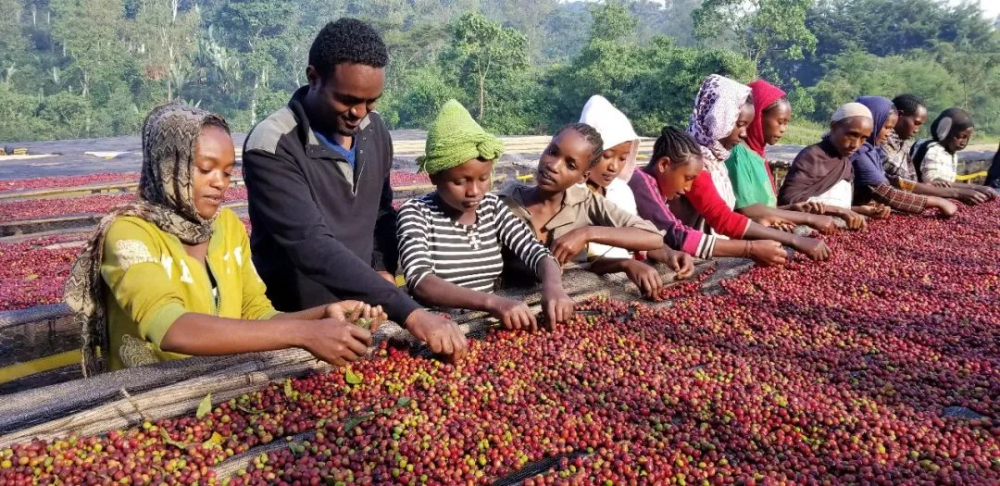
Ask FrontStreet Coffee about Ethiopian coffee and the names come flooding out — florals, berries, citrus: Zhumang, Guanyin, Aricha, Kochere, Worka, Adado, Red Cherry, and more. If we had to pick the single coffee with the most pronounced honeyed-fruit character, we'd point you to the natural Aricha.
Aricha Is a Small Village
The famous Yirgacheffe region takes its name from a small Ethiopian town, at an elevation of roughly 1,700-2,200 meters. The relatively low temperatures let coffee grow slowly and pile up nutrients and flavor compounds — quality so distinctive that Ethiopian farmers take pride in their coffee carrying Yirgacheffe character.
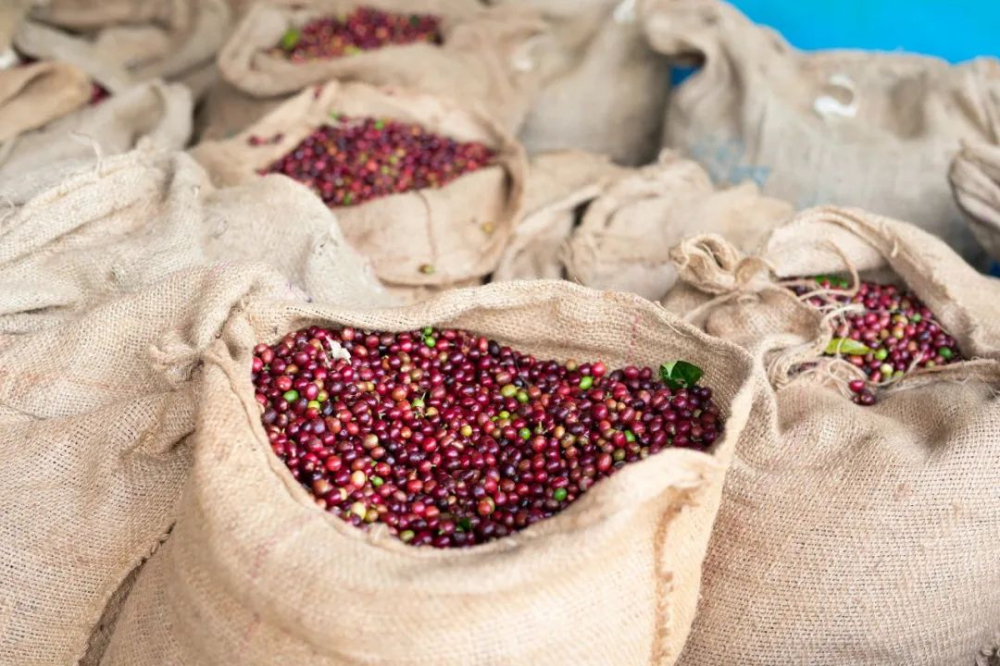
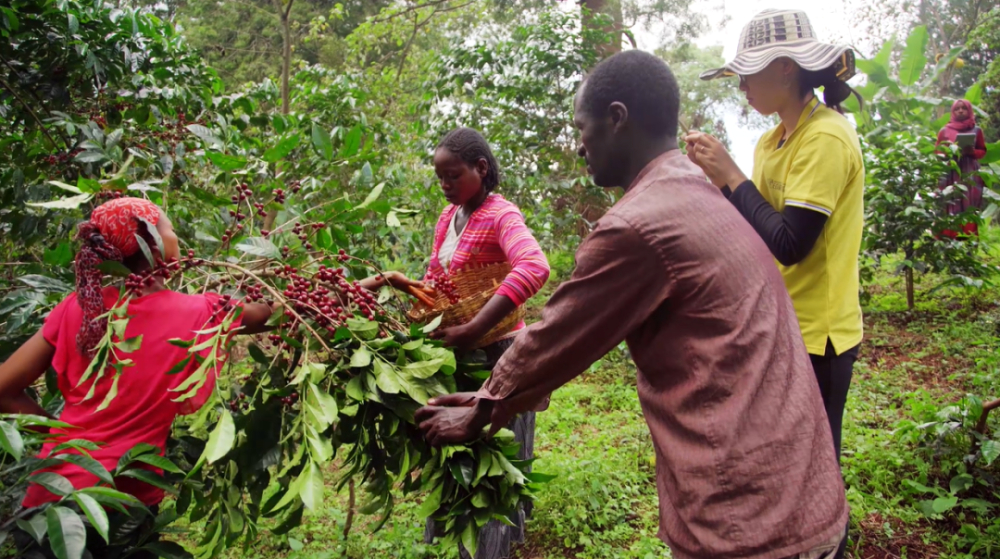
A short way east of Yirgacheffe lies the village of Aricha kebele, about 8 kilometers from the town center. A kebele is Ethiopia's smallest administrative unit; Aricha's comprises roughly 500 households — some 3,500-4,000 people. Most of the coffee here grows wild in local forests, so a single batch can contain 20-30 different varieties. Because the trees stand in native forest above 1,850 meters, the lots can't be named for an estate and instead take the collection area's name, Aricha. With so many Ethiopian varieties too numerous to identify individually, the local government has grouped them all under the collective name "Heirloom native varieties" for conservation.
What Is TOH?
TOH stands for Taste of Harvest, a harvest-season cupping competition run by the African Fine Coffee Association (AFCA). Along the lines of the Cup of Excellence (COE), it draws entries from eight countries: Burundi, the Democratic Republic of Congo, Ethiopia, Malawi, Kenya, Tanzania, Uganda, and Zambia. It is held each year at the African Fine Coffee Conference and Exhibition, where the best green beans from each region are cupped and scored by domestic and international judges under Specialty Coffee Association of America (SCAA) standards.
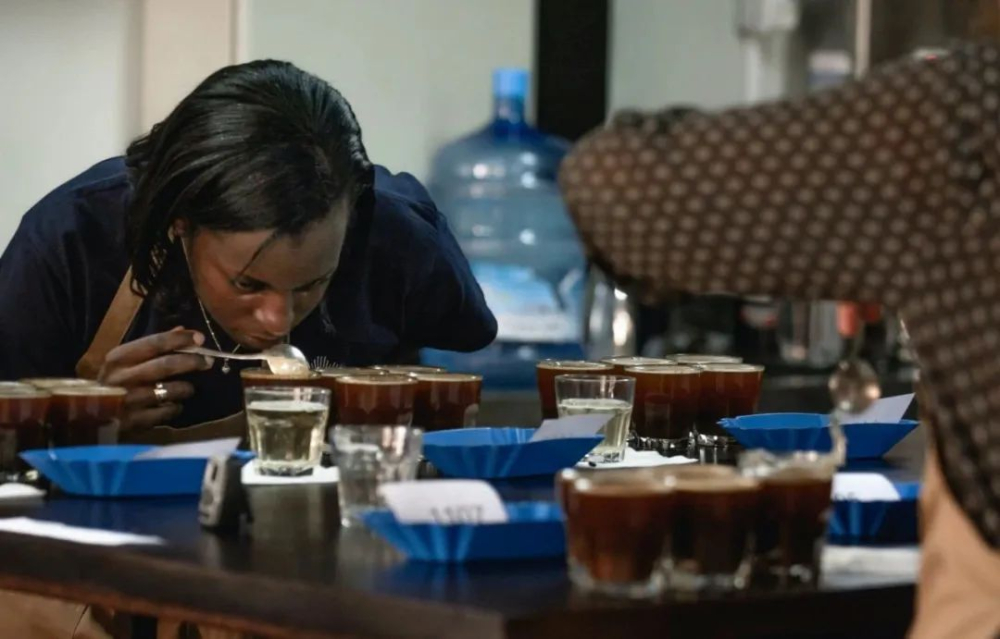
The Aricha lot from the Adorsi Processing Station won the 2019 TOH natural-process category with a score of 91 points. Adorsi sits in the Aricha area of Yirgacheffe at 1,950-2,100 meters, on red volcanic soil, with an average annual temperature of 23°C. The variety is ancient Ethiopian heirloom; the cherries are hand-picked, carefully selected, and sorted to screen 17-18 green beans. The local microclimate, the heirloom varieties, and the meticulous picking all feed into this coffee's outstanding cup.
After cupping the 2019-harvest Aricha, FrontStreet Coffee called it a "fruit bomb." The entry brings soft citrus notes with berry and peach aromas, a smooth, milky mouthfeel, and lemon and grape acidity; the aftertaste shifts and evolves, and the florals are this coffee at its finest.
Natural Versus Washed: How the Flavors Differ
Natural processing is one of Ethiopia's oldest methods. Cherries are dried whole in the sun immediately after harvest — a method suited to regions with abundant sun or scarce water. Nearly 70% of Ethiopian coffee is natural-processed. Compared with washed coffee, FrontStreet Coffee finds naturals run lower in acidity and higher in sweetness, with a clearer mouthfeel but slightly less cleanliness; in flavor terms, they bring more berry notes and greater complexity.
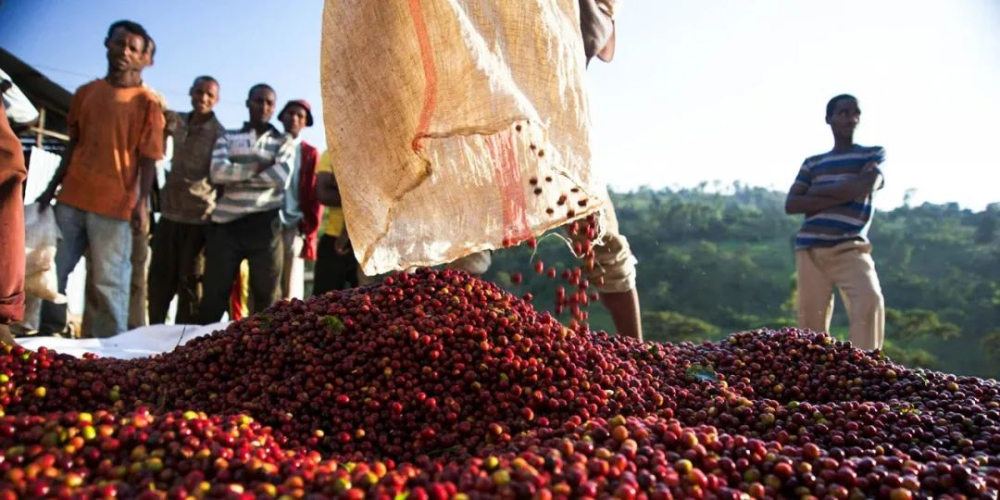
For Yirgacheffe naturals, suitable cherries are laid out whole — pulp and skin intact — on raised beds to dry, keeping them off the soil and preventing off-flavors from creeping in during drying. After more than two weeks, the dark brown cherries go into professional storage to rest and fully mature. Natural Aricha is the most intense expression: richer layers, winey fermentation notes, and higher sweetness.
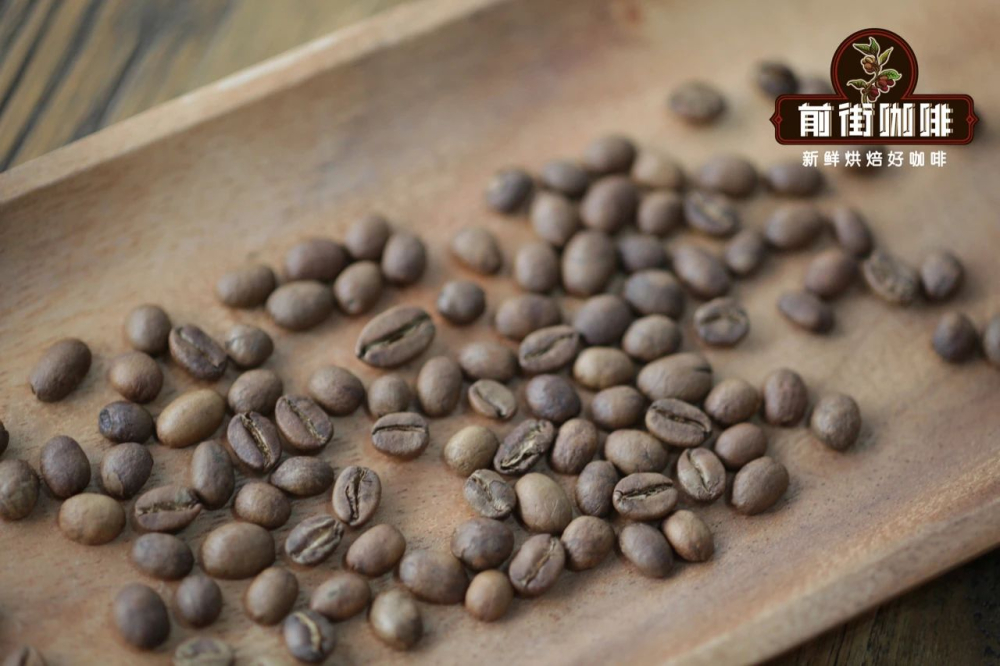
The hallmark of Ethiopian coffee, in our view, is fruit acidity and florals — and for a "fruit bomb," the roast must not go too dark. FrontStreet Coffee roasts this coffee medium-light to showcase its fruit. On the cupping table, the dry fragrance bursts with fruit — dried strawberry, mango, and apricot jam; the wet aroma is like sweet syrup, thick apricot nectar wrapped in rustic honey or chocolate. The entry is gentle, the body medium, closer to a fruit tea.
FrontStreet Coffee Brewing Reference
Light-roasted Ethiopian beans are dense and hard, so you'll want high-temperature water at 92-93°C to pull out the florals and fruit. FrontStreet Coffee recommends a medium-fine grind (78% pass-through on the Chinese #20 sieve). Grind too coarse and the body-building compounds never extract, leaving a thin cup; too fine, and at these temperatures you'll over-extract into bitterness.
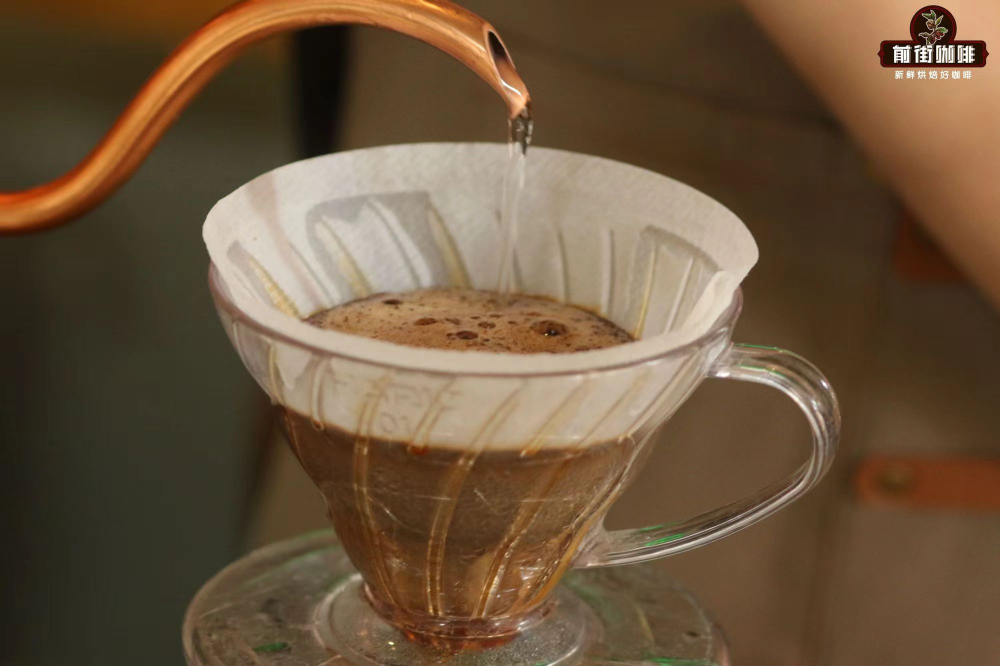
For the ratio, 1:15 to 1:16 both work. Want more body? Use 1:15. Want the floral sweetness to show more clearly? Use 1:16 and let the flavors open up.
Filter: V60
Water Temperature: 92-93°C
Coffee Dose: 15 g
Coffee-to-Water Ratio: 1:15
Grind Size: fine-sugar texture (78% pass-through on the #20 sieve)
Three-Pour Method: start with twice the coffee dose in water to wet the bed into a dome, blooming for 30 s; then pour a fine stream in circles from the center outward to 125 g. Once the bed drops to half the filter's height, continue with the same fine stream up to 225 g, and pull the filter once all the coffee has drained — about 2 minutes in total.
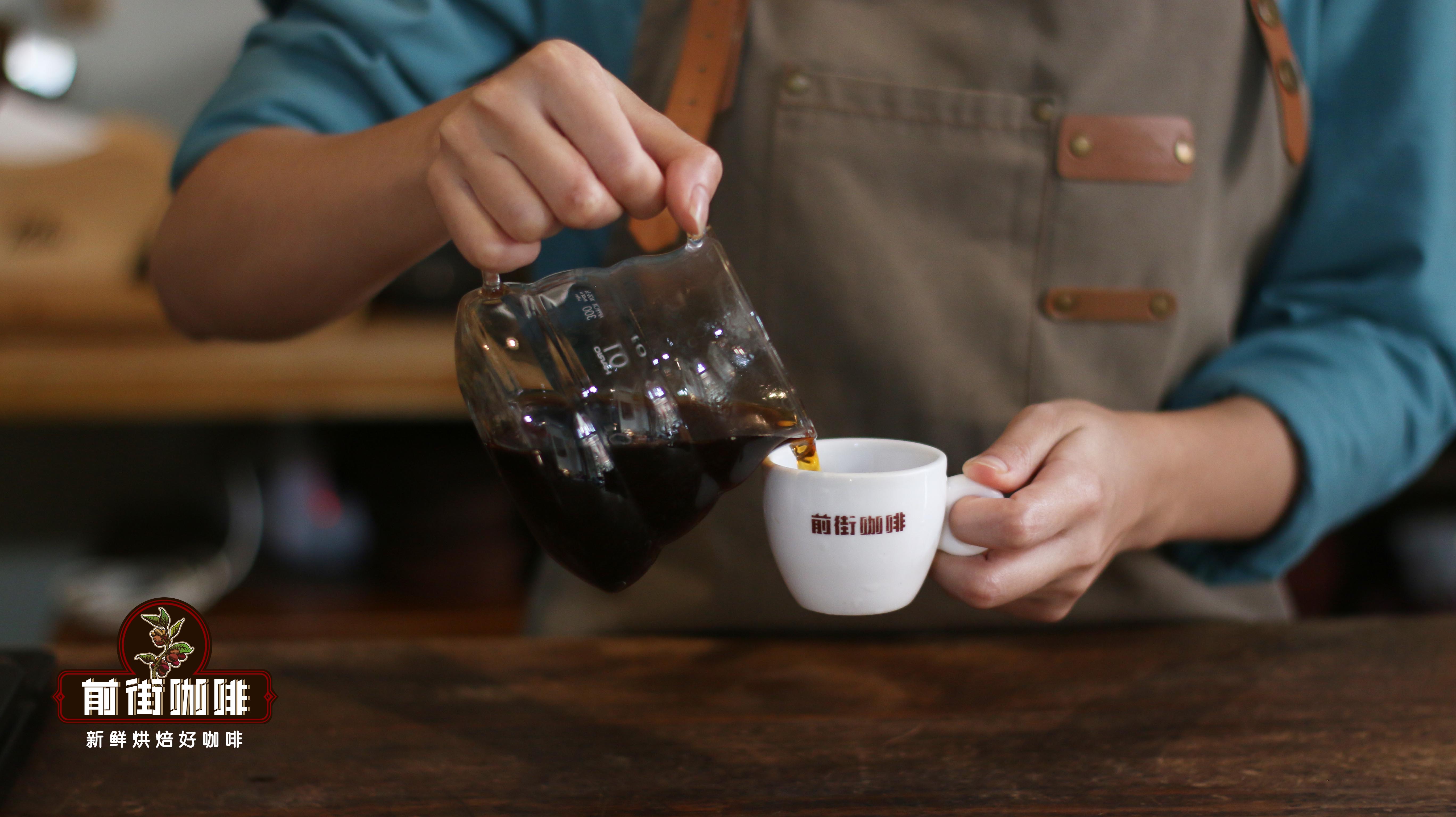
Brewed this way, the Aricha smells of ripe fruit from the first pour. The entry carries distinct fermentation notes and green grape; as it cools slightly, lemon acidity and a creamy smoothness emerge, finishing with the juiciness of ripe grapes.
FrontStreet Coffee Recommendation
If Aricha is the wild side of Yirgacheffe, the classic side is FrontStreet Coffee's washed Yirgacheffe — the coffee we hand to every newcomer to Ethiopian origins. It's known for white jasmine, a bright citrus-and-lemon acidity, and a tea-like finish, and its friendly price has made it many people's first specialty bean. Yirgacheffe itself is a small town in the Sidamo zone of southern Ethiopia at roughly 1,700-2,100 meters, with coffee planted above 1,800 meters — among the highest coffee lands on earth. The area was historically wetland, and the name has become shorthand for that unmistakable white-floral, lemon-citrus character; it was only in 2010, with Yirgacheffe's fame so great, that the Ethiopian Commodity Exchange split it from Sidamo as its own origin.
For another step up, try the washed Adado cooperative lot. The Adado cooperative sits in the Worka area at Yirgacheffe's southeastern edge, once part of the YCFCU's Worka cooperative until traceability-minded coffee buyers dug it out as a distinct single origin. Washed the traditional way, it carries no trace of the old-style bitterness: fresh, bright citrus and lemon acidity wrapped in jasmine fragrance. The natural Red Cherry lot makes a fine contrast — only fully ripe, defect-free cherries are picked, sorted again at the station, then dried on raised beds and turned every 2-3 hours for the first days to prevent uneven heating and over-fermentation; after three to five weeks the outer pulp is machine-scraped off and the beans go to warehouse. Because the fruit dries intact, the cup keeps classic Yirgacheffe character plus tropical fruit: citrus acidity, berry juiciness, honeyed sweetness, and a creamy smoothness.
To brew any of these, FrontStreet Coffee suggests a V60 with 15 g of coffee, water at 90-91°C, a 1:15 ratio, and a fine-sugar grind (80% pass-through on the #20 sieve): bloom with 30 g of water for 30 seconds, pour to about 125 g over the first minute, then finish with 100 g more to 225 g by around 1'35", with the drawdown finishing between 2'00" and 2'10".
Important Notice :
FrontStreet Coffee is a long-established specialty coffee roaster in Guangzhou China, selling freshly roasted beans from its own farm in Yunnan as well as dozens of carefully selected single-origin beans from around the world for both pour-over and espresso. The products deliver consistently excellent quality and great value, with shipping within 24 hours. Guangzhou's FrontStreet Coffee shop is recommended by many coffee lovers, and the beans are now available online at the Tmall 。
FrontStreet Coffee has moved to a new address:
FrontStreet Coffee Address: 315,Donghua East Road,GuangZhou
Tel:020 38364473
 Scan and follow the En Gafei WeChat official account. Please indicate that the reprint comes from "En Gafei".