Characteristics of Brazilian Coffee Beans: Detailed Introduction to Coffee Varieties, Flavor Profiles, and Processing Methods

As the world's largest producer of Arabica coffee, Brazil supplies both commercial and specialty beans to the global market. It sits in the Latin American region of the Western Hemisphere, on the eastern coast of South America along the western Atlantic, and it shares a land border with every South American country except Ecuador and Chile.
Brazil's Coffee Growing Climate
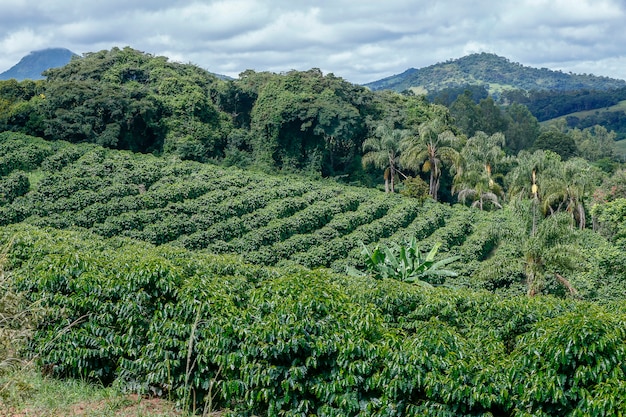
One-third of Brazil's territory has a tropical rainforest climate, while the remaining two-thirds enjoys a tropical savanna climate. These tropical conditions suit the growth and production of coffee, a tropical cash crop, exceptionally well. Brazil has made full use of its tropical geography and concentrated on coffee production and sales, which is why its output, export volume, and per capita consumption have ranked first in the world for many years, earning it the title "Coffee Kingdom."
Flavor Characteristics of Brazilian Coffee Beans
Unlike other Central and South American countries, however, Brazil's terrain is fairly flat. It lacks microclimates and cannot generate a pronounced day-night temperature swing that would stretch the growing period of the coffee beans.
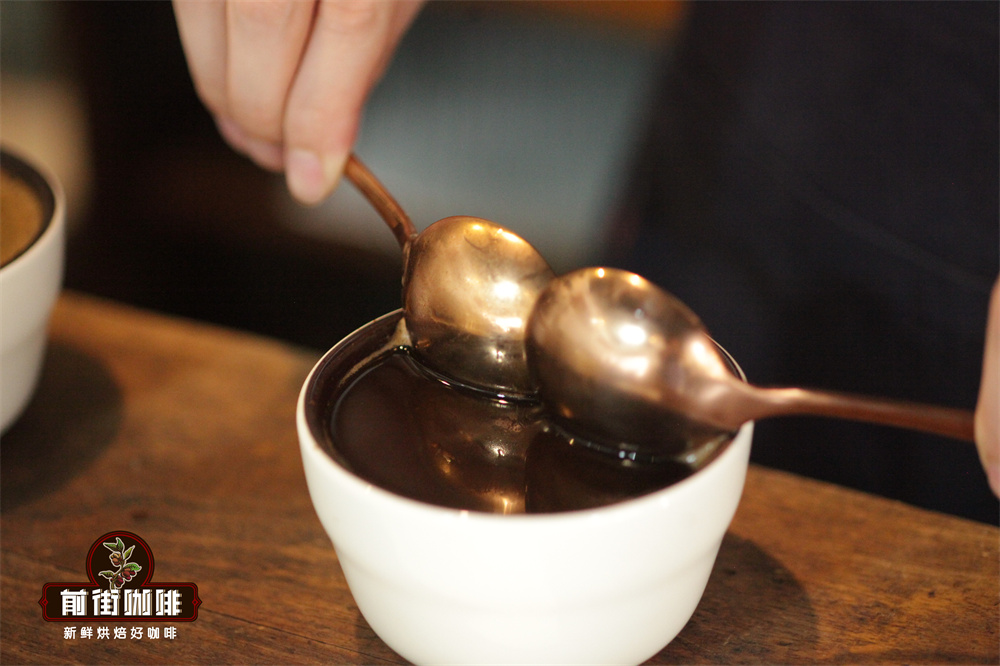
So when FrontStreet Coffee cupped beans from several Brazilian regions, they all came through with low acidity and no particularly bright notes, dominated instead by nuts, caramel, and chocolate. FrontStreet Coffee's roasters therefore apply a medium-dark roast, allowing Brazilian coffee to express its balanced richness.
Brazilian Specialty Coffee Regions
Brazil's terrain splits into two broad parts: the Brazilian Plateau, above 500 meters and spread across the center and south of the country, and the plains below 200 meters, found mainly in the northern and western Amazon basin.
Specialty coffee cultivation is concentrated in central and southern Brazil, in São Paulo state, which covers Mogiana and Centro-Oeste, and in Minas Gerais state, which includes Sul de Minas, Cerrado Mineiro, Chapada de Minas, and Matas de Minas.
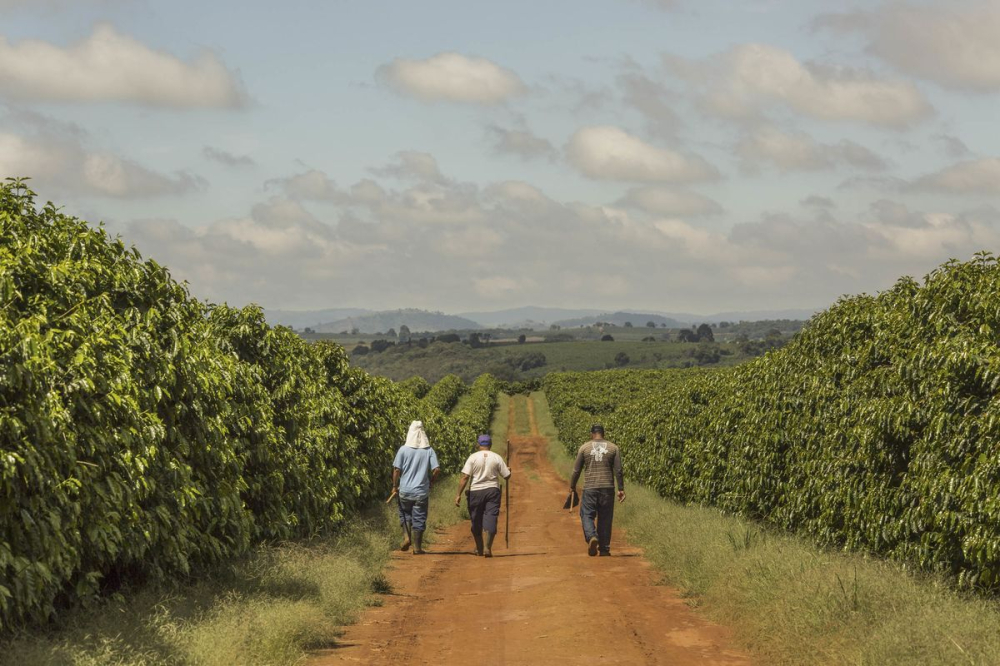
FrontStreet Coffee's two Brazilian single-origin coffees, as well as the Brazilian beans used in its espresso blends, all come from these specialty coffee regions.
The Brazilian coffee in FrontStreet Coffee's daily bean series, and the Brazilian component in its blends, both use Red Bourbon beans grown at 1000m in the Cerrado region. This variety is known for excellent sweetness, and higher-altitude cultivation brings out even better flavor. Cerrado beans show sweet notes of nuts, caramel, or chocolate.

FrontStreet Coffee's Brazil Queen Estate beans come from Mogiana, grown at 1400m, one of the few high-altitude areas in Brazil. Queen Estate (Fazenda Rainha) is managed by José Renato G. Dias, an agricultural engineer who specializes in coffee production. The farm covers 280 hectares, with 200 hectares devoted mainly to Yellow Bourbon.
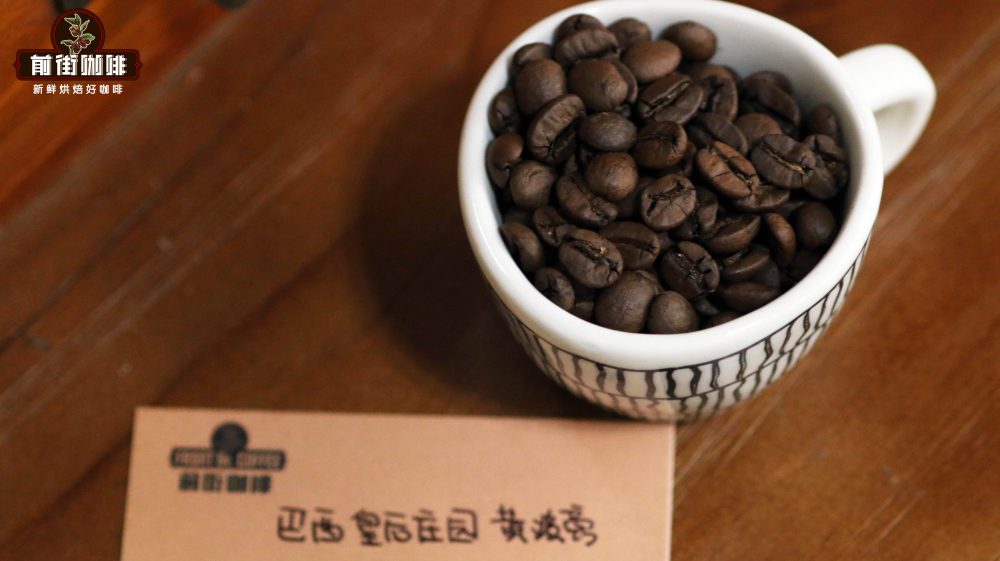
This variety shows nut and chocolate characteristics, balanced and smooth acidity, a weak and clean bitterness, and an overall bright, refreshing profile; it is a variant of the Red Bourbon variety. Grown at Queen Estate, these Brazilian beans carry a rich chocolate aroma and nutty flavor, a bright and refreshing taste, and a smooth, delicate mouthfeel with sugarcane-like sweetness.
Brazilian Coffee Processing Methods
FrontStreet Coffee believes that beyond variety, origin, and cultivation, one more process shapes coffee flavor: how the green bean is handled. Different processing methods bring different flavors to the surface. Brazilian beans are processed mainly with the pulped natural method, and every Brazilian coffee FrontStreet Coffee currently sells uses it.
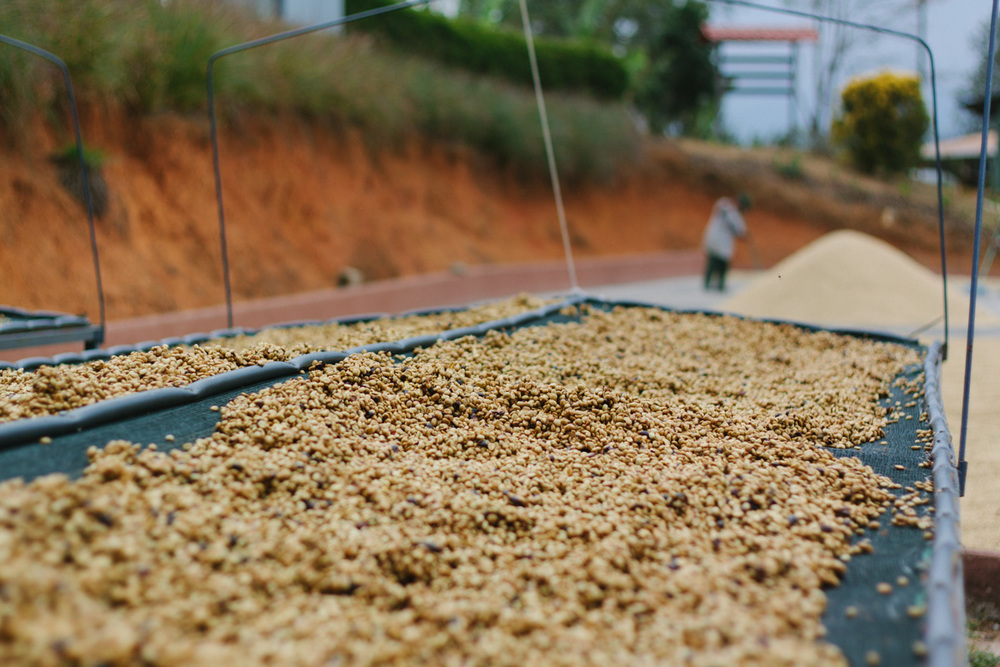
Pulped natural processing removes the skin and pulp of the cherry while leaving the team able to control how far the mucilage-coated beans ferment. Traditional natural processing dries the whole cherry, skin and pulp included, which makes the mucilage fermentation impossible to monitor. Pulped natural sits between natural and washed processing, but it skips the fermentation tanks and clean-water rinsing of the washed method, taking the beans straight to sun-drying instead.
Even though the methods look similar, doing away with fermentation changes the flavor completely. During pulped natural processing, ripe pulp comes away easily while the skins of unripe green cherries resist processing, which allows a second screening to filter out unripe fruit and standardize cherry maturity. Compared with natural processing, FrontStreet Coffee finds that beans handled this way gain improved cleanliness and maturity, for a more consistent flavor.

How to Brew Brazilian Coffee Beans for Great Taste?
Freshly roasted beans matter enormously if you want a great cup. FrontStreet Coffee ships every online order within 5 days of roasting, so every customer can enjoy the coffee at its best.
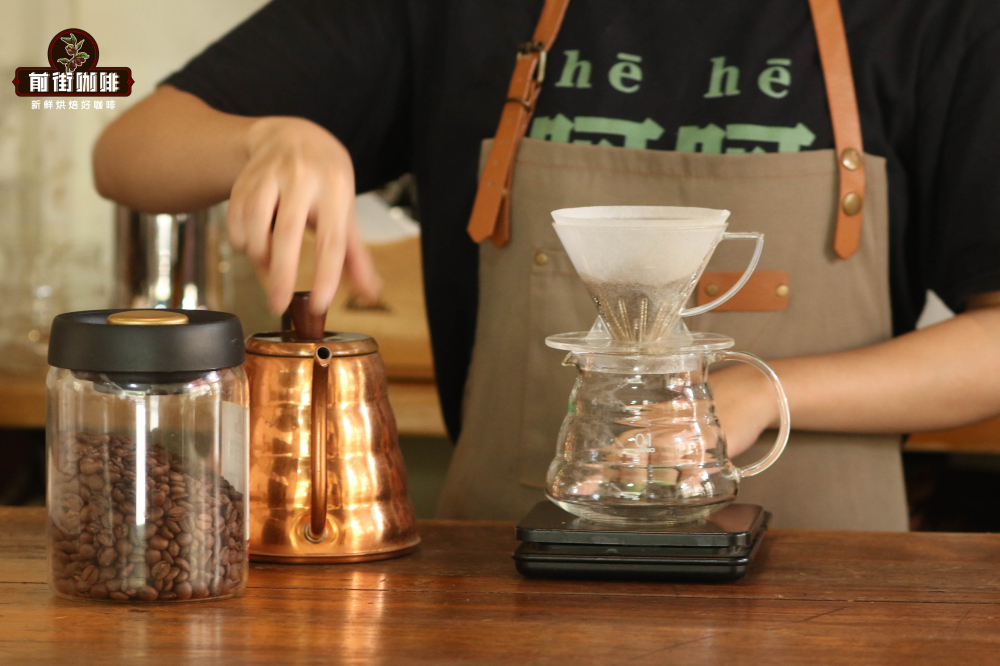
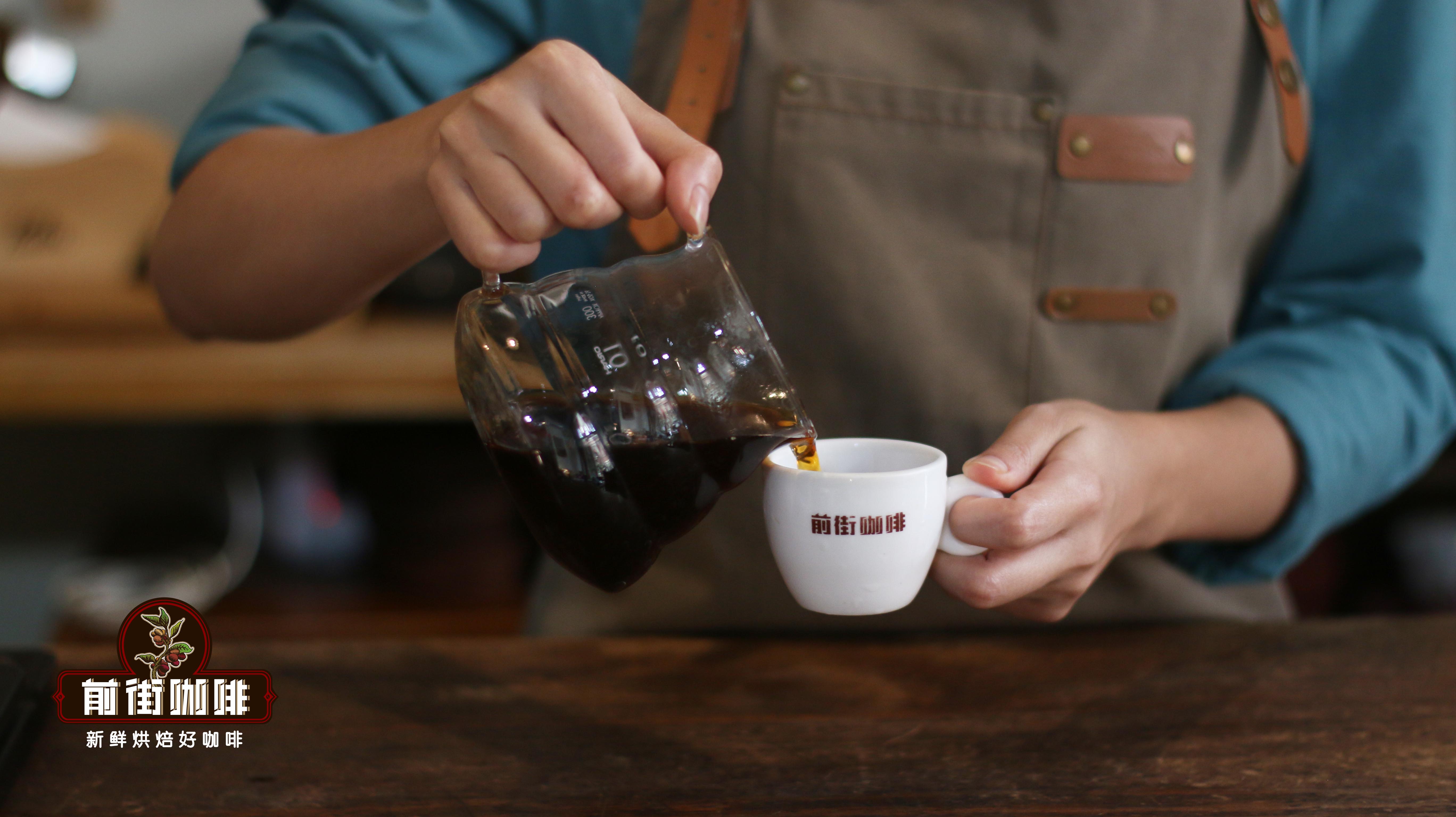
To show off the balanced, rich character of Brazilian coffee, FrontStreet Coffee recommends drip extraction, that is, pour-over. Store brewing parameters: Kono dripper, water temperature 88°C, 15g of coffee, a 1:15 coffee-to-water ratio, and a medium-fine grind with a 70-75% pass rate through a China standard #20 sieve.
FrontStreet Coffee uses segmented extraction, also known as three-stage pouring: 30g of water for a 30-second bloom, then pour in a small circular motion to 125g for the first segment. When the water level falls and is about to expose the coffee bed, continue pouring to 225g and stop. When the level drops again and is about to expose the bed, remove the dripper. Timing starts from the bloom, and extraction takes 2'05" to 2'15".
FrontStreet Coffee Recommendation
For an everyday cup that shows exactly why Brazilian coffee is so easy to like, FrontStreet Brazil Cerrado Red Bourbon is the place to begin. Grown at 1000m in the Cerrado, this classic Brazilian single-origin is roasted medium, and it opens with creamy peanut, toasted bread, caramel, and hazelnut. The body is rounded, acidity is low, and a light bittersweet note lingers. Beyond pour-over, it also works in a moka pot, as an espresso SOE, in a siphon, or in a French press.
To explore Brazil's high-altitude side, FrontStreet Brazil Queen Estate coffee comes from Mogiana and is grown at 1400m. The variety is the uncommon Yellow Bourbon, prized for a cleaner fruit character, and it delivers a sugarcane-like clarity that is rare outside Brazil, alongside fruit and chocolate notes. It performs beautifully as pour-over, in a moka pot, or on a home espresso machine, and its balance makes it especially forgiving to brew.
Important Notice :
FrontStreet Coffee is a long-established specialty coffee roaster in Guangzhou China, selling freshly roasted beans from its own farm in Yunnan as well as dozens of carefully selected single-origin beans from around the world for both pour-over and espresso. The products deliver consistently excellent quality and great value, with shipping within 24 hours. Guangzhou's FrontStreet Coffee shop is recommended by many coffee lovers, and the beans are now available online at the Tmall 。
FrontStreet Coffee has moved to a new address:
FrontStreet Coffee Address: 315,Donghua East Road,GuangZhou
Tel:020 38364473
 Scan and follow the En Gafei WeChat official account. Please indicate that the reprint comes from "En Gafei".