How Are the Grades, Brands, and Prices of Jamaican Blue Mountain Coffee Classified? What Are the Hand-Pour Flavor Characteristics of Authentic Blue Mountain No. 1 Coffee Beans?

When asking many young coffee enthusiasts about the world's finest coffees, they typically rank Panama's Geisha coffee beans at the top. However, among their parents' generation, Blue Mountain coffee often holds the title of premium coffee in their minds.
Unlike in the past, walking into any coffee shop today reveals menus filled with floral and fruity flavors—sweet and sour profiles with clean, bright tastes. The beans that anchor these establishments are often Panama's Geisha varieties. Those who have visited FrontStreet Coffee shops will notice that on the blackboard listing nearly fifty different coffee beans, beans from various regions and flavor profiles each hold their unique place. Blue Mountain coffee beans, as one of the premium coffees, are no exception.
Many customers accustomed to online shopping, upon seeing FrontStreet Coffee's Blue Mountain coffee prices in their physical stores, have wondered: Blue Mountain coffee bean prices vary from establishment to establishment—how can one distinguish between authentic and counterfeit products?

The Value and Authentication of Blue Mountain Coffee
As one of the world's premium coffee beans, Blue Mountain No. 1 commands top-tier prices. To secure higher profits, some merchants engage in clever wording, printing "Blue Mountain Flavor" or "Blue Mountain Blend" on their coffee packaging.
Due to Blue Mountain coffee's rich, mellow character, some businesses might use beans from other regions roasted to darker degrees to closely mimic the authentic Blue Mountain flavor profile. This means it's possible that not a single bean in such products actually originates from Jamaica's Blue Mountains.
Origin and Growing Conditions
Blue Mountain coffee earns its name from the Blue Mountain range near Jamaica where it's cultivated. Located in eastern Jamaica, these mountains reflect the brilliant blue of the surrounding Caribbean Sea on clear days when sunlight hits the water's surface—hence the name. The Blue Mountain range reaches elevations over 2,100 meters, where cool weather, frequent fog, and regular precipitation combine with fertile soil to produce the world-renowned Blue Mountain coffee.
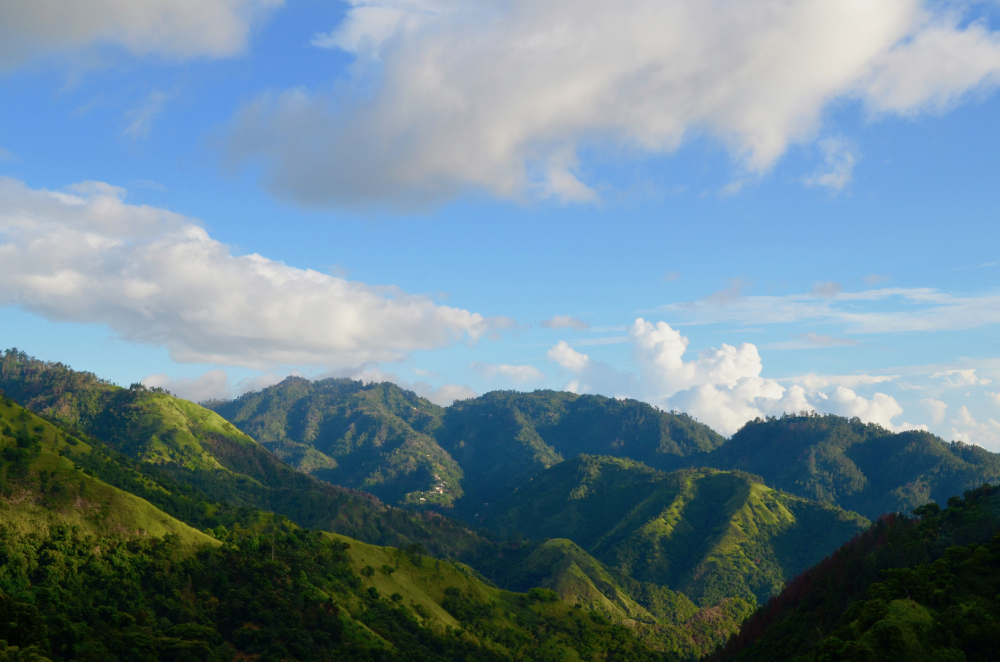
Many premium coffee beans with delicate flavors are grown at elevations above 1,500 meters. Interestingly, despite the Blue Mountain range reaching over 2,000 meters, not the entire area is suitable for coffee cultivation. First, the Jamaican government has closed areas above 1,700 meters for environmental protection, prohibiting coffee farming. Second, as elevation increases, temperatures decrease, and at certain altitudes, frost may occur during colder periods, potentially "burning" or even killing coffee trees.
Therefore, Blue Mountain coffee is typically grown below 1,700 meters. However, not all coffee beans grown within the Blue Mountain region can be called Blue Mountain coffee beans. Jamaica broadly classifies its domestically grown coffee into three grades: Jamaica Blue Mountain Coffee, Jamaica High Mountain Coffee, and Jamaica Prime Coffee.
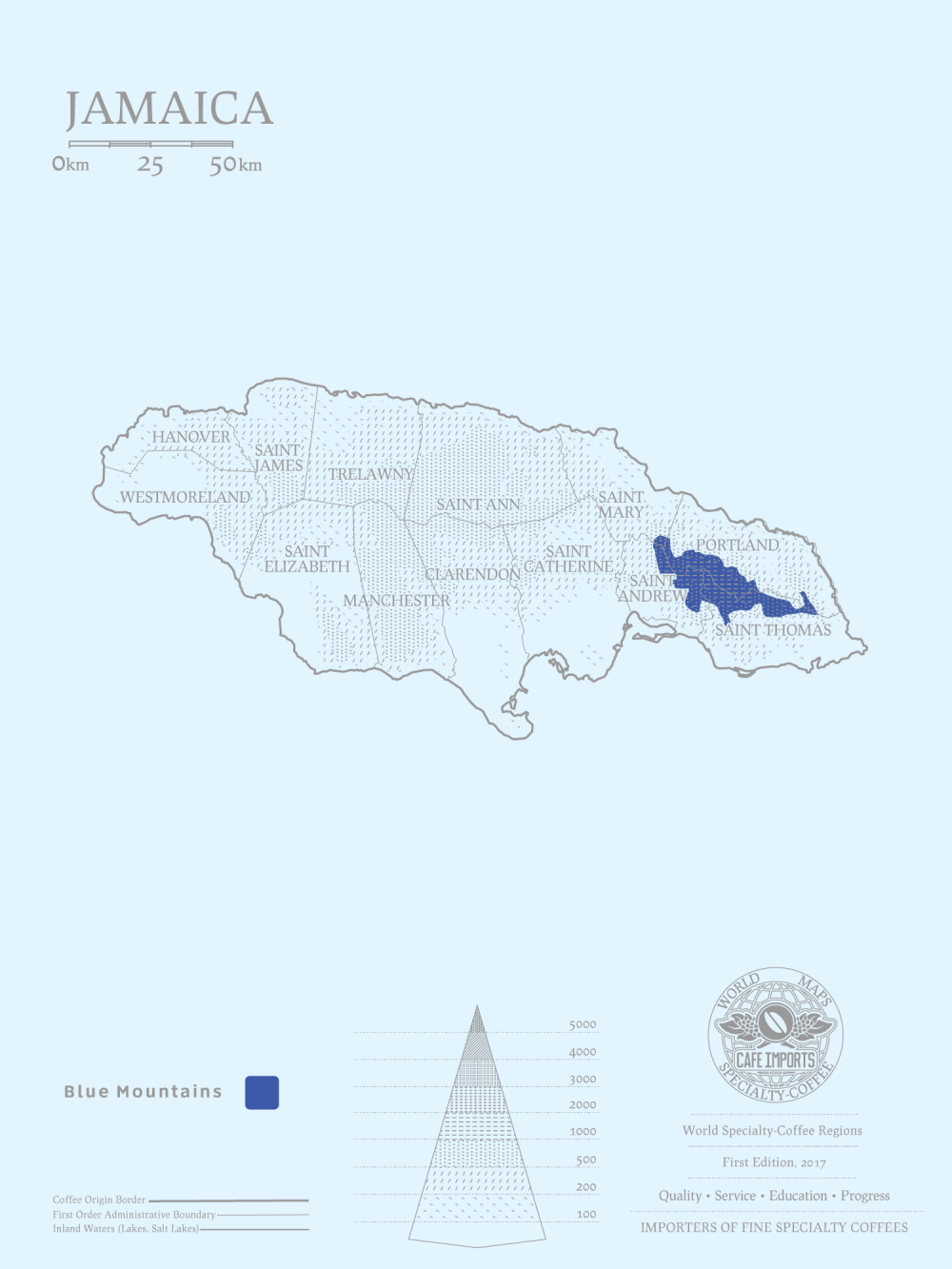
Jamaica Blue Mountain coffee beans must be grown at elevations above 1,000 meters within the specific Blue Mountain region. The Blue Mountain coffee-growing area spans four Jamaican parishes: Saint Thomas, Saint Andrew, Saint Mary, and Portland.
Grading and Quality Standards
Beyond specific growing regions and elevations, Jamaican authorities have implemented a detailed grading system for Jamaica Blue Mountain coffee. Based on bean size (with a defect rate below 3%), the coffee is classified into: Jamaica Blue Mountain No. 1, Jamaica Blue Mountain No. 2, Jamaica Blue Mountain No. 3, and Jamaica Blue Mountain Peaberry.
To qualify as Jamaica Blue Mountain No. 1, the green beans must measure approximately 17/18 screen size. Under the Jamaican Coffee Industry Board's rigorous selection process, authentic Jamaica Blue Mountain No. 1 beans exhibit superior quality with relatively scarce production, contributing to their premium pricing.

FrontStreet Coffee's Blue Mountain Offering
As one of the traditional premium coffees, Blue Mountain represents the nostalgic flavors of many coffee enthusiasts' childhoods. While FrontStreet Coffee pursues more refined coffee flavors, they continuously seek out traditional coffee profiles as well.
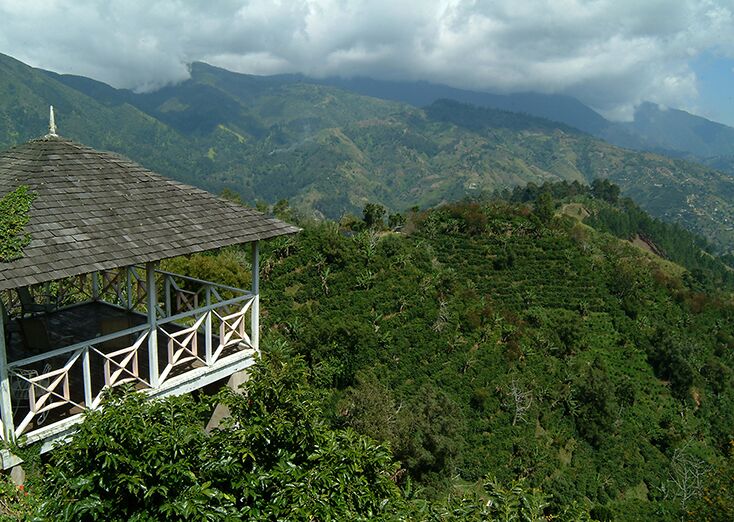
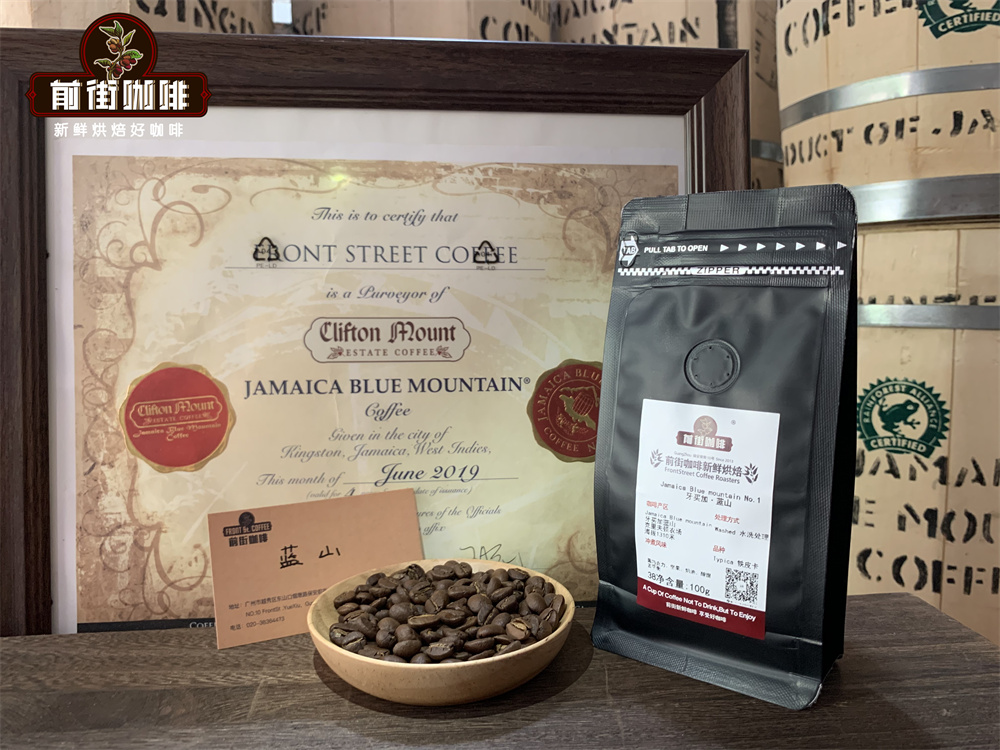
FrontStreet Coffee's Blue Mountain No. 1 beans come from Clifton Mount Estate, located near Catherine's Peak amid dense forests with rich biodiversity. The estate prioritizes environmental protection during coffee cultivation, avoiding pesticides and fertilizers that could harm the ecosystem, aiming to preserve the local natural environment.
At FrontStreet Coffee shops, wooden barrels containing Blue Mountain No. 1 green beans display a prominent green frog logo—the Rainforest Alliance certification symbol, indicating the plantation's superior growing environment and its friendliness to surrounding flora and fauna.
Additionally, authentic Blue Mountain coffee exports come in characteristic wooden barrels and include certificates of origin issued by the coffee estate. Both proofs can be found at FrontStreet Coffee shops. To verify whether a merchant's Blue Mountain coffee beans are genuine, customers can request these certificates.
Brewing Recommendations
While many people now prefer medium to light roast coffee beans over darker roasts, classic Blue Mountain coffee is characterized by balanced acidity, sweetness, and bitterness with a rich, mellow mouthfeel. When roasting these beans, FrontStreet Coffee aims to recreate this classic Blue Mountain profile, thus employing a medium-dark roast level.
FrontStreet Coffee's baristas use the following brewing parameters for these beans:
Filter: KONO
Water Temperature: 88°C
Coffee Dose: 15g
Coffee-to-Water Ratio: 1:15
Grind Size: 70% retention through China standard #20 sieve
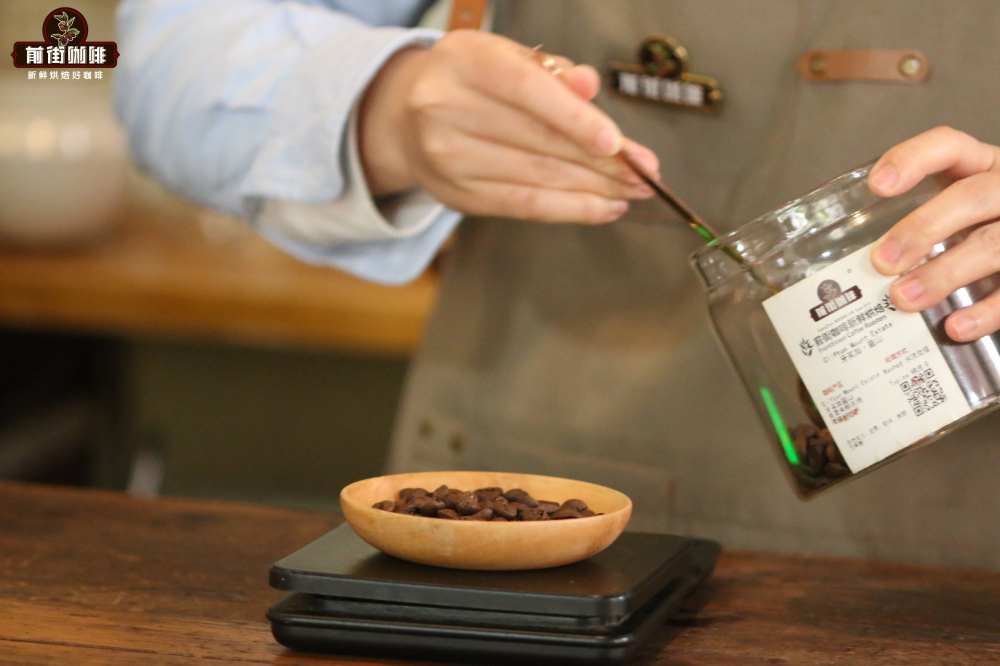
FrontStreet Coffee ships beans roasted within 5 days, arriving after a 4-7 day degassing period. After roasting, coffee beans contain sufficient carbon dioxide, which can inhibit flavor extraction during brewing. Therefore, FrontStreet Coffee recommends implementing a bloom during brewing to promote the release of carbon dioxide from the coffee grounds.
Pour 30g of hot water for a 30-second bloom, then slowly pour in a fine stream from the center, spiraling outward to 125g. When the water level drops to just above the coffee bed, continue spiraling to 225g. Total extraction time should be approximately 2 minutes.
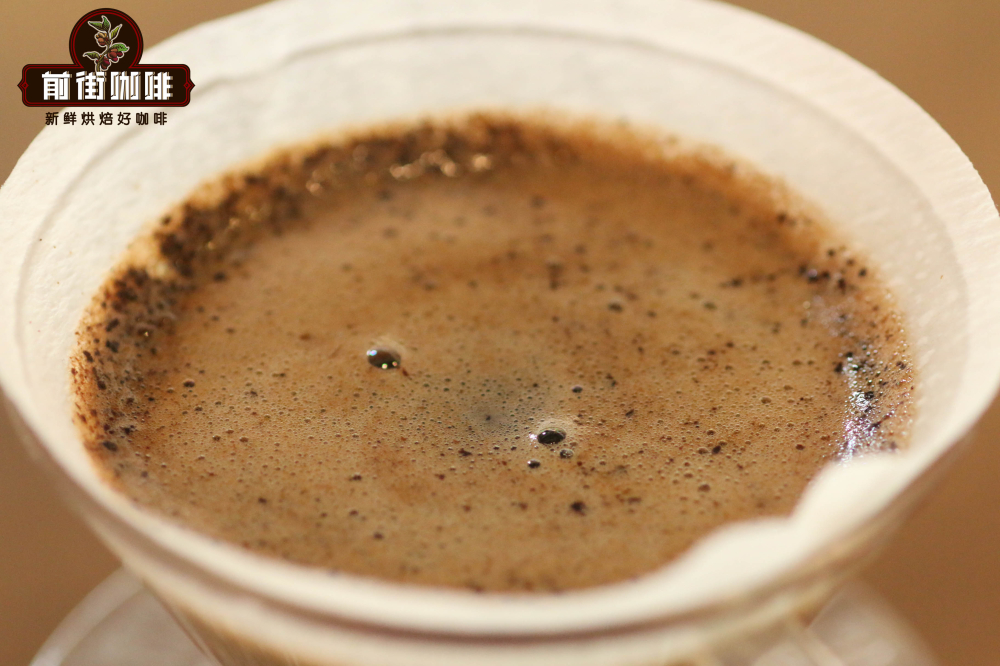
FrontStreet Coffee's Jamaica Clifton Blue Mountain No. 1, when brewed, presents rich nutty and dark cocoa flavors, with balanced acidity, sweetness, bitterness, and a full-bodied, mellow mouthfeel.
Important Notice :
FrontStreet Coffee is a long-established specialty coffee roaster in Guangzhou China, selling freshly roasted beans from its own farm in Yunnan as well as dozens of carefully selected single-origin beans from around the world for both pour-over and espresso. The products deliver consistently excellent quality and great value, with shipping within 24 hours. Guangzhou's FrontStreet Coffee shop is recommended by many coffee lovers, and the beans are now available online at the Tmall 。
前街咖啡 FrontStreet Coffee has moved to new addredd:
FrontStreet Coffee Address: 315,Donghua East Road,GuangZhou
Tel:020 38364473
 Scan and follow the En Gafei WeChat official account. Please indicate that the reprint comes from "En Gafei".