Introduction to Kona Coffee Beans - One of the World's Most Beautiful Coffee Beans
Introduction to Kona Coffee Beans - One of the World's Most Beautiful Coffee Beans
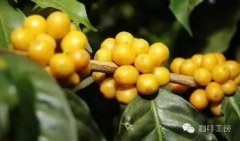
FrontStreet Coffee has consistently mentioned that high-quality specialty coffee cultivation has specific altitude requirements. Many enthusiasts understand that coffee grown at higher altitudes typically offers better flavor and mouthfeel compared to lower-altitude varieties. However, exceptions always exist! Take Hawaiian coffee, for example. Although the altitude here doesn't offer advantages, it produces coffee beans of exceptional flavor and quality. Hawaiian Kona coffee beans are among the world's finest, featuring unusually full beans with cinnamon spice notes and well-balanced acidity. In this article, FrontStreet Coffee explores the birthplace of the low-altitude coffee queen - Hawaiian Kona coffee.
Hawaiian Cultivation History
When thinking of Hawaii, many people imagine blue skies, white clouds, beaches, and the sound of ukuleles. For specialty coffee enthusiasts, however, Hawaiian Kona coffee immediately comes to mind. Hawaii is the only coffee-growing region located in a developed country. Despite not having high altitudes, the special island climate produces coffee of excellent quality.

Hawaiian coffee first appeared during the reign of King Kamehameha, when his first Spanish advisor, Don Francisco de Paula Marin, introduced it in 1817. However, the initial cultivation was unsuccessful. It wasn't until 1825, when Oahu Governor Chief Boki successfully imported coffee from Brazil and planted it in Manoa Valley, that coffee cultivation began spreading throughout the islands. Around 1828, Bourbon variety coffee was introduced to the Big Island. In 1836, large-scale cultivation began in Kauai, but due to pests and diseases in 1858, all crops were destroyed except for those in the Kona region of the Big Island.
Island Climate
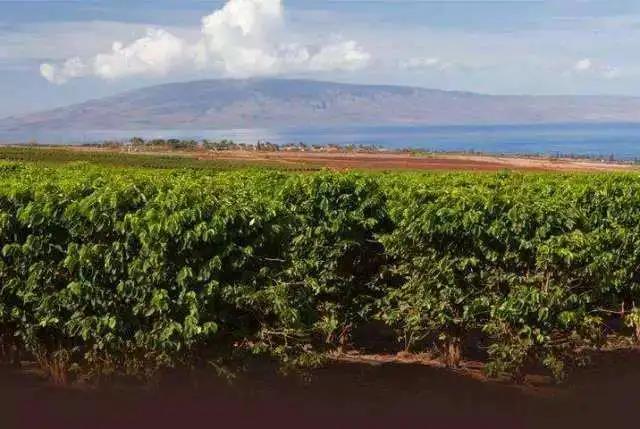
Hawaii features an island climate with minimal temperature variations throughout the year but significant day-night temperature differences. Additionally, there's sufficient cloud cover to provide shade from the sun. Although the average altitude in coffee-growing areas isn't particularly high, Hawaii's unique island climate and fertile volcanic soil produce excellent coffee quality. The regional flavor of island-grown coffee is characterized as gentle, fragrant, and elegant. While the body is somewhat lighter compared to Indonesian Mandheling's richness and lacks Kenya's complex acidity, island beans command premium prices. Island coffees account for half of the world's ten most expensive coffees, including Jamaican Blue Mountain, Hawaiian Kona and Ka'u, Bourbon Point de Mirage from Reunion Island, and St. Helena coffee.
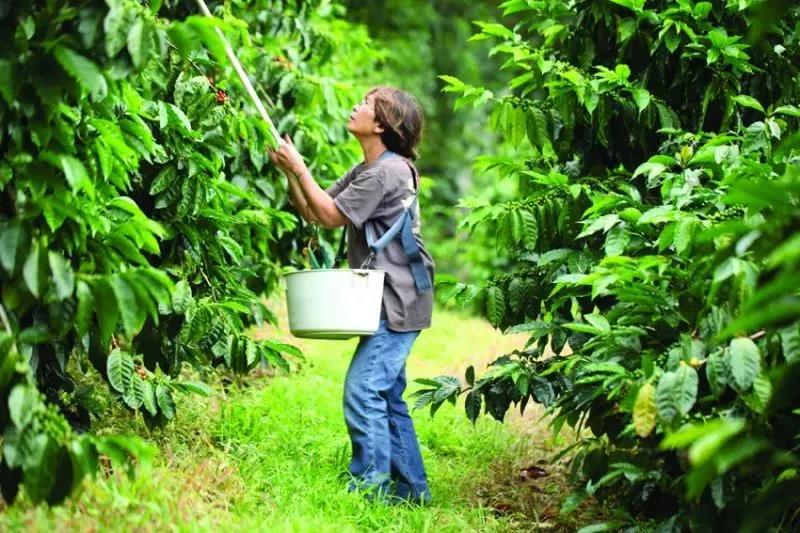
The Hawaiian Islands, caressed by trade winds, are the only U.S. state that produces coffee. This naturally perfect coffee-growing region produces Kona coffee beans renowned internationally and considered among the world's finest. Volcanic soil and tropical climate, combined with moderate humidity and regular afternoon showers, create an ideal growing environment that seems straight out of an idyllic landscape, adding delicate yet unique flavor characteristics to the coffee beans here.
Hawaiian Growing Environment
The internationally beloved Kona coffee originates from Hawaii's special climate. The Kona region has an elevation of approximately 600 meters, but due to its maritime climate characteristics, its growing conditions resemble those of regions in Central America at 1,200 meters elevation. The mountainous areas are rainy and much cooler than the lowlands. Although Hawaii frequently experiences tornadoes, the climate conditions are exceptionally suitable for coffee cultivation. Additionally, Hawaii has abundant rainfall and sunshine without worries about frost damage.

The climatic conditions are ideal: morning sunlight gently filters through moisture-laden air, while afternoons become increasingly humid and foggy. Moving clouds in the sky provide natural shade for coffee trees, and evenings become clear and cool. These favorable natural conditions result in high average yields for Kona coffee, reaching up to 2,240 kilograms per hectare. Combined with fertile land and meticulous farmer management, the climate creates perfect growing conditions, making Kona coffee a premium market offering.
Hawaiian Coffee Regions
MAUI ISLAND
Maui Island (MAUI) hosts a large coffee plantation called Ka'anapali, which is divided into many small plots but features centralized coffee production. This plantation operated as a sugarcane plantation from 1860-1988 before transitioning to coffee cultivation.
Region Elevation: 100-550 meters
Coffee Bean Harvest Period: September-January
Cultivated Varieties: Catuai, Caturra, Typica, Mocha

WAIKAPU, MAUI ISLAND
This region can be considered one of Hawaii's younger coffee-growing areas. The only coffee plantation here is owned by a company from the neighboring island of Molokai.
Region Elevation: 500-750 meters
Coffee Bean Harvest Period: September-January
Cultivated Varieties: Typica, Catuai
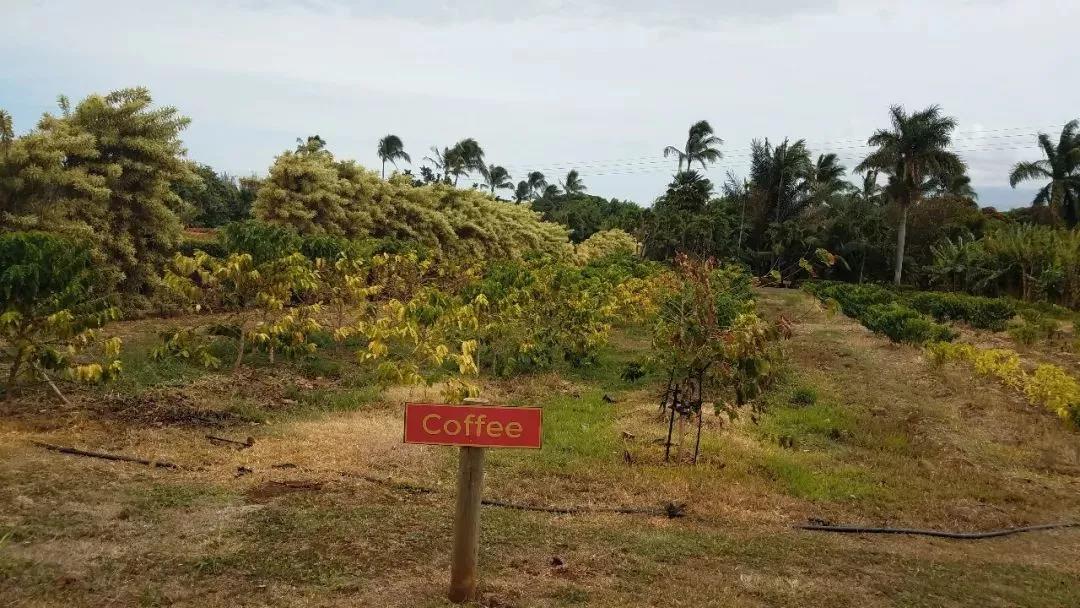
KAU, BIG ISLAND (Coffee Processing Plant)
Coffee cultivation began here after a sugar processing plant closed in 1996. Before 2010, coffee cherries from this region had to be transported to neighboring areas like Puna or Kona for processing. Now, with a local processing plant established, residents no longer need to transport cherries elsewhere.
HAMAKUA, BIG ISLAND
Coffee cultivation began here in 1852, originally with eight plantations. Like other Hawaiian regions, the coffee industry declined due to the rise of the sugar industry. However, coffee cultivation resumed here starting from the mid-1990s.
Region Elevation: 100-600 meters
Coffee Bean Harvest Period: August-January
Cultivated Varieties: Typica, Catuai
KONA, BIG ISLAND
Hawaiian coffee's fame primarily comes from this region. Unlike other Hawaiian regions, coffee cultivation here is more diverse, with over 630 coffee plantations producing coffee, most smaller than 2 hectares and typically family-operated.
This area, located on the southwestern side of the Big Island, spans 20 miles in length and 2 miles in width, covering the slopes of Hualalai and Mauna Loa. With elevations between 800-1,100 meters, it provides the ideal growing environment for coffee trees. Therefore, coffee trees thrive on the slopes of Hualalai and Mauna Loa. Only coffee beans grown in this region and meeting the strictest certification standards can be sold under the Kona trademark name.

KONA's unique natural environment nurtures Arabica coffee, making it one of the world's highest-yielding coffee plantations. Not only is the quality guaranteed, but the coffee cultivated in this special growing environment and climate offers even richer flavors.
Each November, the Kona region on Hawaii's Big Island hosts the grand "Hawaiian Kona Coffee Cultural Festival" to celebrate the harvest of Hawaiian Kona coffee beans while commemorating 180 years of Hawaiian coffee tradition. During nearly 10 days of activities, various locations across the Big Island and Oahu host over 40 coffee culture and competition events to promote knowledge about Kona coffee, giving tourists worldwide opportunities to experience Hawaiian Kona coffee beans up close.
Hawaiian Coffee Varieties
Typica is the oldest native variety from Ethiopia, and almost all current Arabica coffee bean varieties are derived from Typica. Typica offers elegant flavors but has weak physical constitution, low disease resistance, and is susceptible to leaf rust disease. Coffee bean yields are low, making it economically unviable. In recent years, Typica in Central and South America has gradually been replaced by Caturra and Catuai. As a result, Typica has become increasingly rare. Although Typica offers elegant flavors, it's not as widespread as Bourbon.

FrontStreet Coffee notes that the most distinctive characteristic of Typica coffee trees is their bronze-colored young leaves, which some call "red-topped coffee." Over time, Typica has genetically evolved with many variant varieties better adapted to their environments, producing new characteristics. Well-known varieties such as Mandheling coffee, Blue Mountain coffee, Kona coffee, and Yunnan small-bean coffee are all Typica variants.
Typica beans are relatively large, with a pointed conical or slender pointed shape, different from the round beans of Bourbon variety. Typica coffee has its unique subtle, clean flavor and balanced characteristics, with high flavor clarity.
Hawaiian Coffee Bean Characteristics
Hawaiian Kona coffee beans are among the world's perfect coffee beans, featuring unusually full beans with cinnamon spice notes and well-balanced acidity. They also have a bright, glossy appearance. Kona beans are uniform in size and shape, offering rich, aromatic flavor when brewed - without bitterness, astringency, or burnt notes. Calorie-free with strong acidity and sweetness, they provide rich, smooth, and mellow mouthfeel. True Kona coffee is indeed a rare treasure, difficult to find, representing the highest quality coffee. Grown on volcanic soil, Hawaii's unique volcanic climate creates Kona's distinctive aroma, combined with highly cultivated agricultural practices. Each bean can be described as delicately nurtured - elegant, full-bodied with baby-like delicate texture.

Hawaiian Coffee Processing Methods
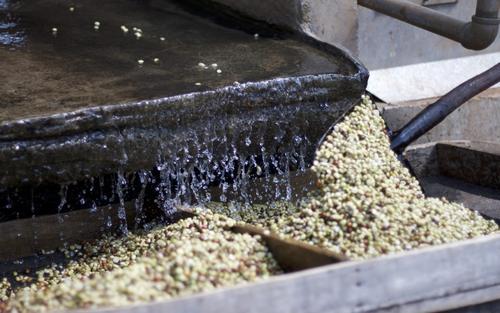
Hawaii primarily uses the washed processing method. The biggest difference from the natural method is using fermentation to remove the mucilage layer. After completing fermentation and removing mucilage, because fermentation bacteria and impurities remain on the coffee beans, they undergo another washing. This step consumes large amounts of clean water, followed by drying the fruit and hulling. Hawaii's clean, sweet mountain spring water provides ideal conditions for the washed processing method, which creates Kona coffee beans' bright, clear appearance and pure, fresh flavor. The washed coffee beans are then placed on large flat surfaces to dry naturally in sunlight.
Kona Coffee Flavor Characteristics
Kona coffee offers sweet, rich aroma with exceptionally clear texture. It tastes fresh, refreshing, and aromatic with quite smooth mouthfeel, possessing excellent body and acidity along with rich fragrance. After tasting, it leaves a long-lasting aftertaste. Most remarkably, Kona coffee has a mixed fragrance of fruit, wine, and spice. Considered a premium product, Kona coffee has been well-known in Japan for many years. Kona coffee's characteristic lies in its fresh, sweet aroma reminiscent of grass or trees, along with citrus-like acidity and richness - combining various characteristics in one. Completely without any muddiness in texture! Particularly outstanding and exceptional.
Coffee Bean Grading System
Kona coffee beans are primarily graded by size, divided into four levels: Extra Fancy (highest grade), Fancy, Prime, and Gr. No.1. Additionally, they're classified as Type 1 and Type 2.
Type 1 includes standard coffee beans, with the largest being Kona Extra Fancy, followed by descending size grades: Kona Fancy; Kona Select; and Kona Prime.
Type 2 is exclusively for peaberries, including two grades: Kona Number 1 Peaberry and the smaller Kona Peaberry Prime.

Region: Hawaiian Kona
Farm: Queen Farm
Elevation: 1100 meters
Variety: Typica
Processing Method: Washed Processing
Queen Farm
FrontStreet Coffee's Kona comes from Queen Farm. It won second place in the Gevalia (Hawaii Kona Cupping Competition) in 2009 and 2011. 70% of the harvest there is considered top-grade premium specialty beans, making it a farm known for high quality. Even the slightly lower-grade specialty beans offer aroma no less impressive than the premium grade, earning praise and admiration from roasting industry professionals.
Roasting Recommendations
Kona coffee beans are unusually full, with rounded shapes and bright colors, deserving the title "world's most beautiful coffee beans." To preserve their beautiful appearance and highlight their rich layered honey-sweet flavors, FrontStreet Coffee's roaster decided to use medium roasting for these beans.
Machine: Yangjia 800N, 550g green beans input
Bean entry temperature: 200 degrees Celsius
Yellowing point: 5'35", 150.1 degrees Celsius
First crack: 9'30", 187 degrees Celsius
Development after first crack: 1'50", discharged at 193.4 degrees Celsius

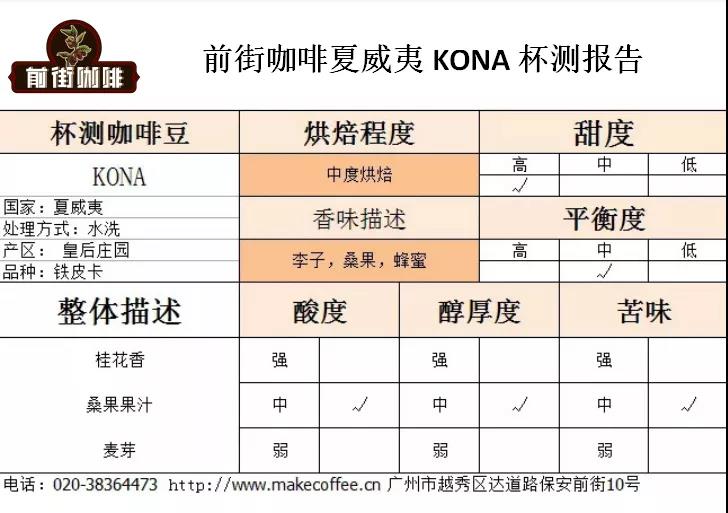
Cupping Report
FrontStreet Coffee Brewing Recommendations
To fully extract the sweetness of Kona coffee, FrontStreet Coffee uses higher water temperature and finer grind size for extraction. However, to avoid over-extraction from high temperatures, we use faster-flowing drippers like the V60. The V60 dripper features a 60-degree conical shape that allows coffee grounds to concentrate, and during pouring, water flow automatically converges toward the filter center, ensuring sufficient contact time between water and coffee grounds for proper extraction. Additionally, the ribs on the inside of the V60 dripper extend clockwise from bottom to top, creating adequate space between filter paper and dripper, allowing good water flow. Combined with the large bottom hole, water flow is relatively faster than many other drippers.

FrontStreet Coffee Recommended Parameters: V60 dripper, water temperature at 90 degrees Celsius, water-to-coffee ratio of 1:15, 15g coffee grounds, grind size BG#6m (fine sugar size)
FrontStreet Coffee uses segmented extraction, with bloom water amount twice the coffee grounds (30g water for 30-second bloom). After small circular pour to 125g, continue pouring to 225g when water level drops and is about to expose the coffee bed. Total extraction time is 2 minutes.

Brewing Flavor: Balanced and smooth osmanthus honey sweetness with elegant, substantial but not heavy mouthfeel. The brewed coffee emits mulberry aroma that brings sweet happiness, with a smooth malt aftertaste. When cooled, it resembles a cup of mulberry tea.
FrontStreet Coffee Recommendation
Kona's appeal is its smooth, sweet, low-acid balance, and if that gentle profile is what you enjoy, FrontStreet Coffee's Brazilian coffees share the same easy-drinking philosophy. The Queen Estate Yellow Bourbon comes from the Mogiana region, where fertile red volcanic soil lets the fruit develop a full aroma; this rare Yellow Bourbon is medium roasted and shows the sugarcane-like clarity that other regions lack, along with fruit and chocolate notes that stay clean and sweet. The Cerrado Red Bourbon is the classic Brazilian single origin, pulped natural and medium roasted for creamy peanut, toast, caramel, and hazelnut aromas with a round, low-acid body and a light bitter finish. Both are as mellow and food-friendly as Kona, and both suit the same unhurried pour-over approach.
Important Notice :
FrontStreet Coffee is a long-established specialty coffee roaster in Guangzhou China, selling freshly roasted beans from its own farm in Yunnan as well as dozens of carefully selected single-origin beans from around the world for both pour-over and espresso. The products deliver consistently excellent quality and great value, with shipping within 24 hours. Guangzhou's FrontStreet Coffee shop is recommended by many coffee lovers, and the beans are now available online at the Tmall 。
FrontStreet Coffee has moved to a new address:
FrontStreet Coffee Address: 315,Donghua East Road,GuangZhou
Tel:020 38364473
 Scan and follow the En Gafei WeChat official account. Please indicate that the reprint comes from "En Gafei".