Expert Guide: Guatemala's Coffee Growing Regions & Bean Flavor Profiles
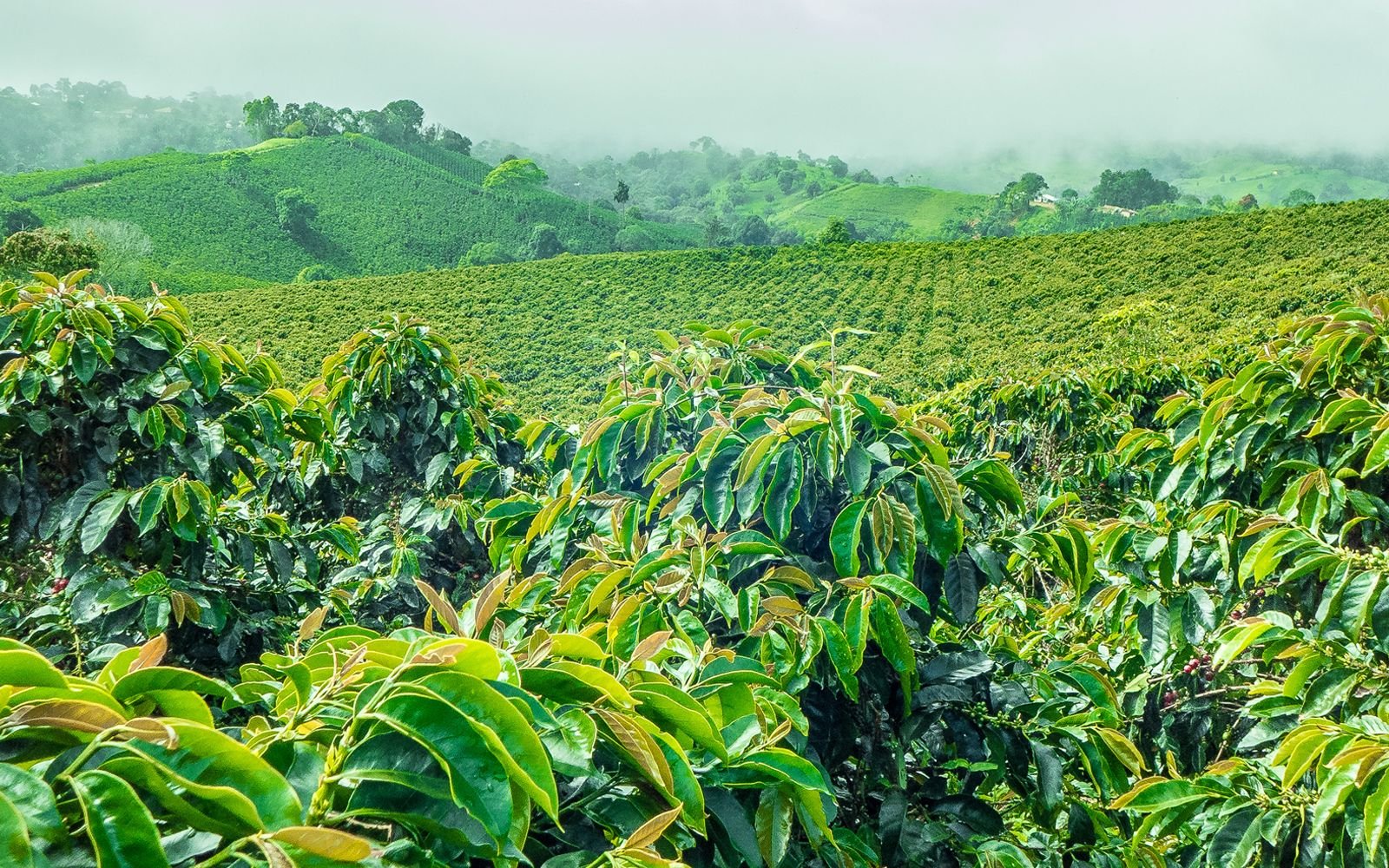
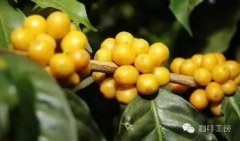
Although Guatemala lies in the tropics, its high altitude creates a mild climate with fertile volcanic soil and suitable humidity, making it an ideal place to grow coffee and one of the world's premier coffee-producing regions. Coffee is grown mainly in the southern regions of Guatemala, where excellent microclimates produce full-bodied, delicious beans with balanced acidity. More than half of them are high-quality, specialty-grade beans.
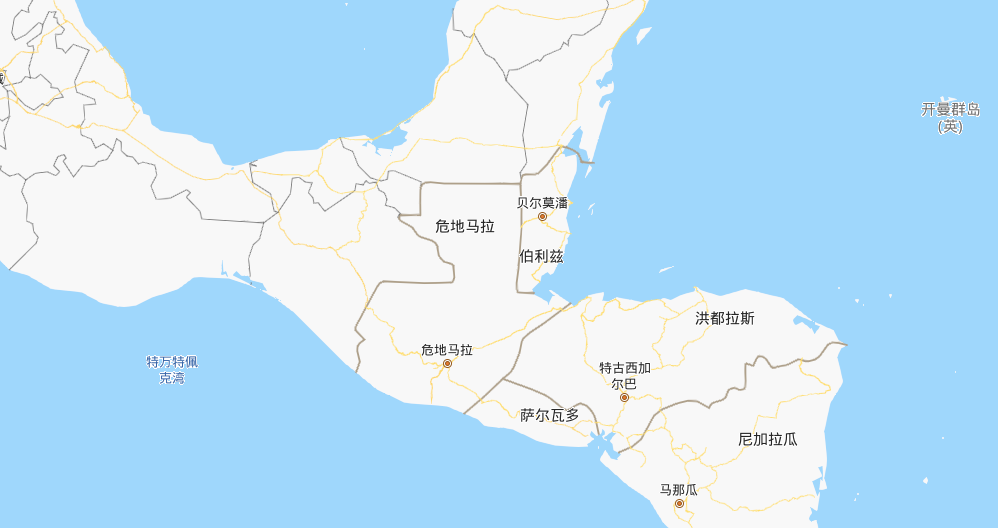
Geographically, Guatemala borders Mexico to the north, Honduras and El Salvador to the south, the Caribbean Sea to the east, and the Pacific Ocean to the west. This unique position encompasses both mountains and seas, featuring tropical rainforests, volcanic geology, highland valleys, and diverse microclimates. Two-thirds of Guatemala's terrain consists of mountains and plateaus, covered by equatorial forests and plains, with rivers and lakes scattered throughout. The western and southern regions belong to the volcanic zone and contain 34 volcanoes. Guatemala's coffee beans have earned global recognition for their exceptional quality thanks to the unique conditions of their growing regions: the varying climate patterns of each area, fertile volcanic soil, abundant natural water, high-altitude mountains, and shaded, humid forests.
Guatemala has eight main coffee-producing regions: Huehuetenango, Antigua, Atitlan, Acatenango, Coban, Nuevo Oriente, Fraijanes, and San Marcos.
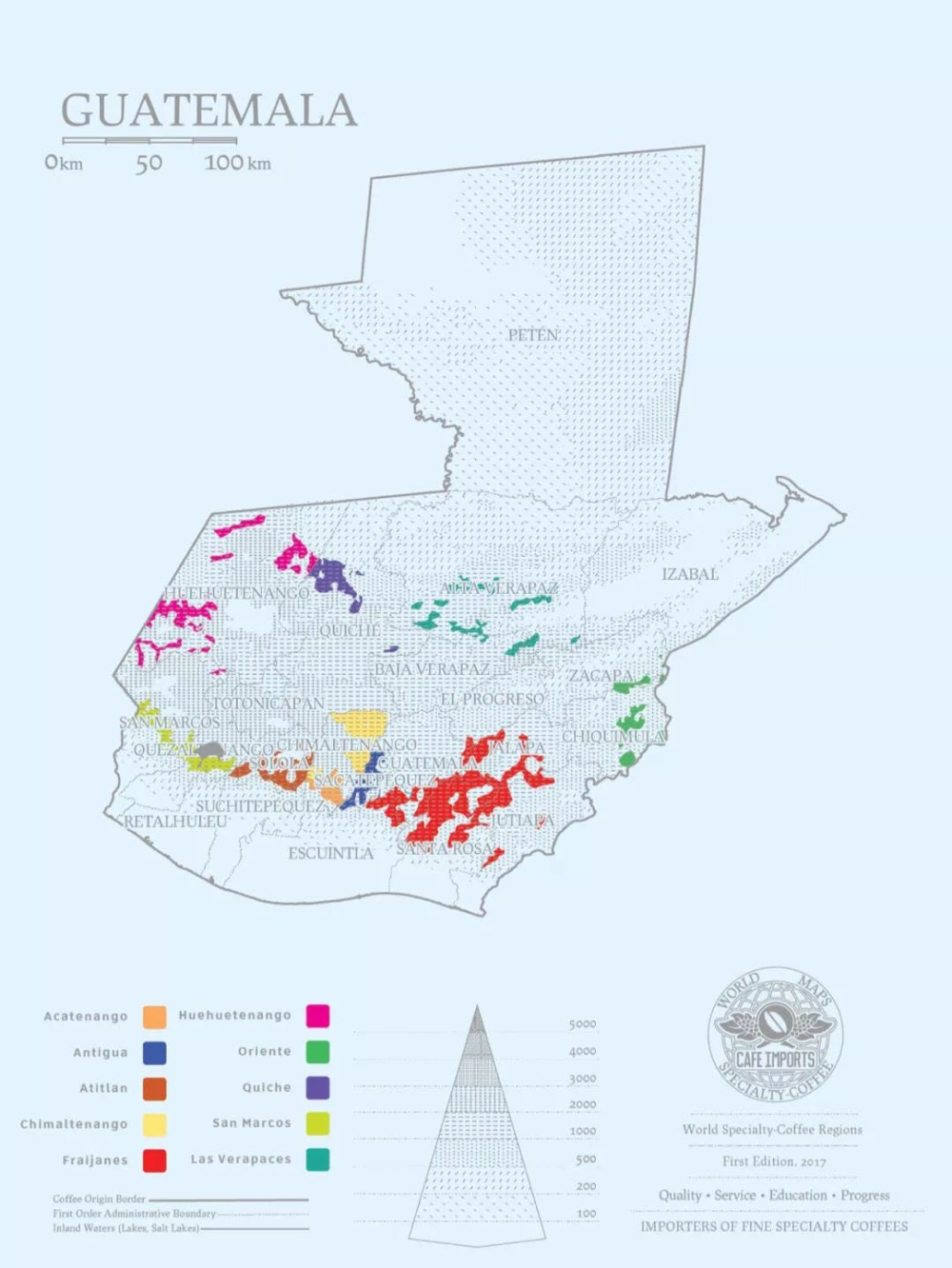
Coffee from each region has its own distinct characteristics, which has earned Guatemala considerable international acclaim. The Antigua region in particular produces coffee with a perfectly balanced texture of acidity, sweetness, and body, complemented by a subtle smoky flavor that deepens its mysterious appeal. Roughly every 30 years the area around Antigua experiences volcanic eruptions, which enrich the already fertile soil with additional nitrogen. Ample rainfall and sunshine make this location even better suited to coffee cultivation.

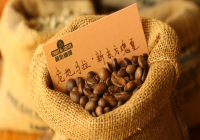
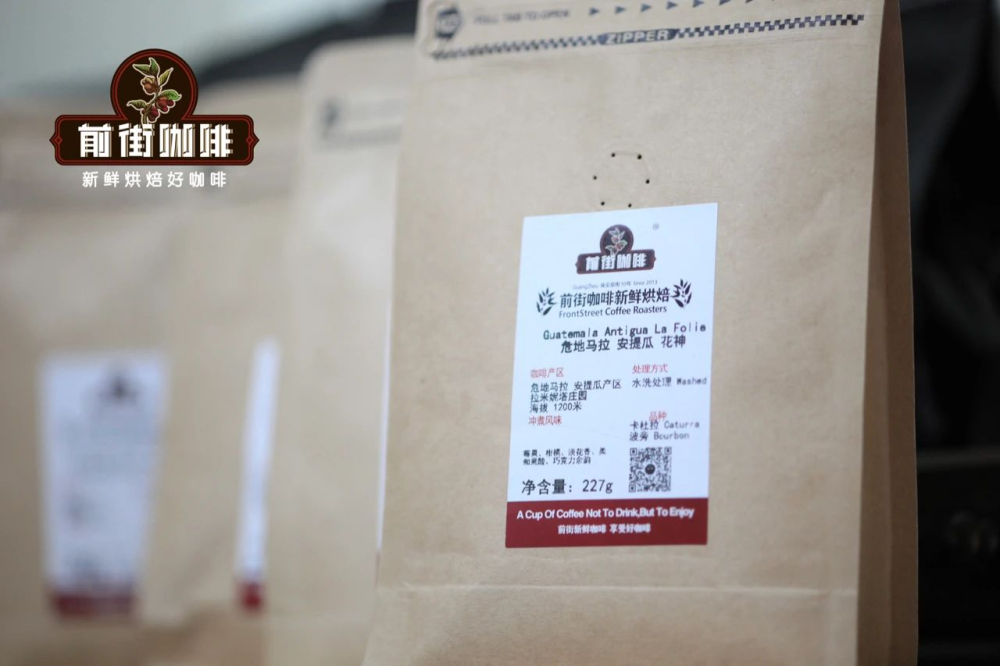
Here, the slopes of the Sierra Madre volcano provide ideal conditions for growing premium coffee, and the coffee thrives at high altitudes. Compared with beans from other regions, connoisseurs particularly prize this coffee's spicy flavor profile. The region's strictly hard beans are exceptionally rare — full-bodied, delicious, and with balanced acidity. Antigua is therefore Guatemala's most award-winning coffee region and enjoys the highest recognition. FrontStreet Coffee's selection includes the Flor de Café coffee beans, from the renowned Antigua region, processed using the washed method and produced by the Alaminita estate.
Besides Antigua, locals also consider Huehuetenango the finest coffee region. With elevations ranging from 1500-2000 meters, the coffee here shows bright, delicate acidity, floral notes, fruity aromas, and toffee-like sweetness, with exceptionally complex aromatics, earning it the title "Crown of Guatemala Coffee." FrontStreet Coffee therefore also carries washed Huehuetenango coffee beans as the representative of Guatemala's coffee regions, serving as an introductory daily coffee option.
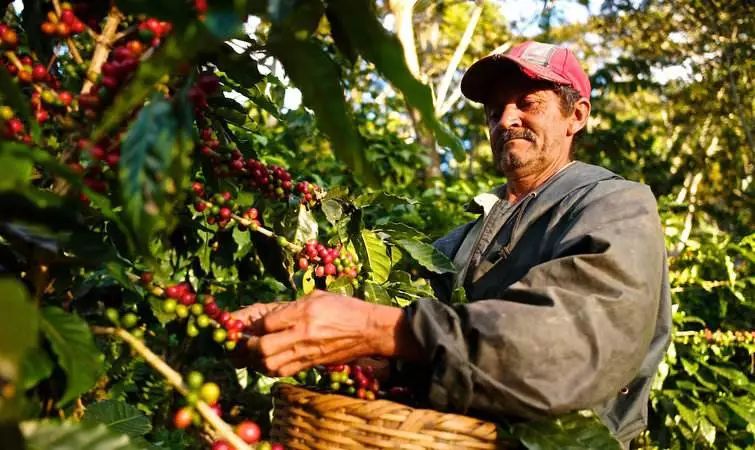
The Huehuetenango highlands lie in Guatemala's western non-volcanic region, which has the driest climate and highest altitude. Because it sits at the edge of tectonic plate activity, the diverse terroir of this highland basin produces coffee with rich, varied flavors. Dry, hot winds from Mexico blow into the northwest, allowing coffee trees to grow at elevations of 2000 meters. Every country has its own coffee grading standards, and Guatemala's green beans are graded primarily by altitude — the higher the elevation, the denser the beans, and therefore the higher the grade. The vast majority of coffee from Huehuetenango falls into the SHB (Strictly Hard Bean) category, the highest grade in Guatemala's green coffee classification system.
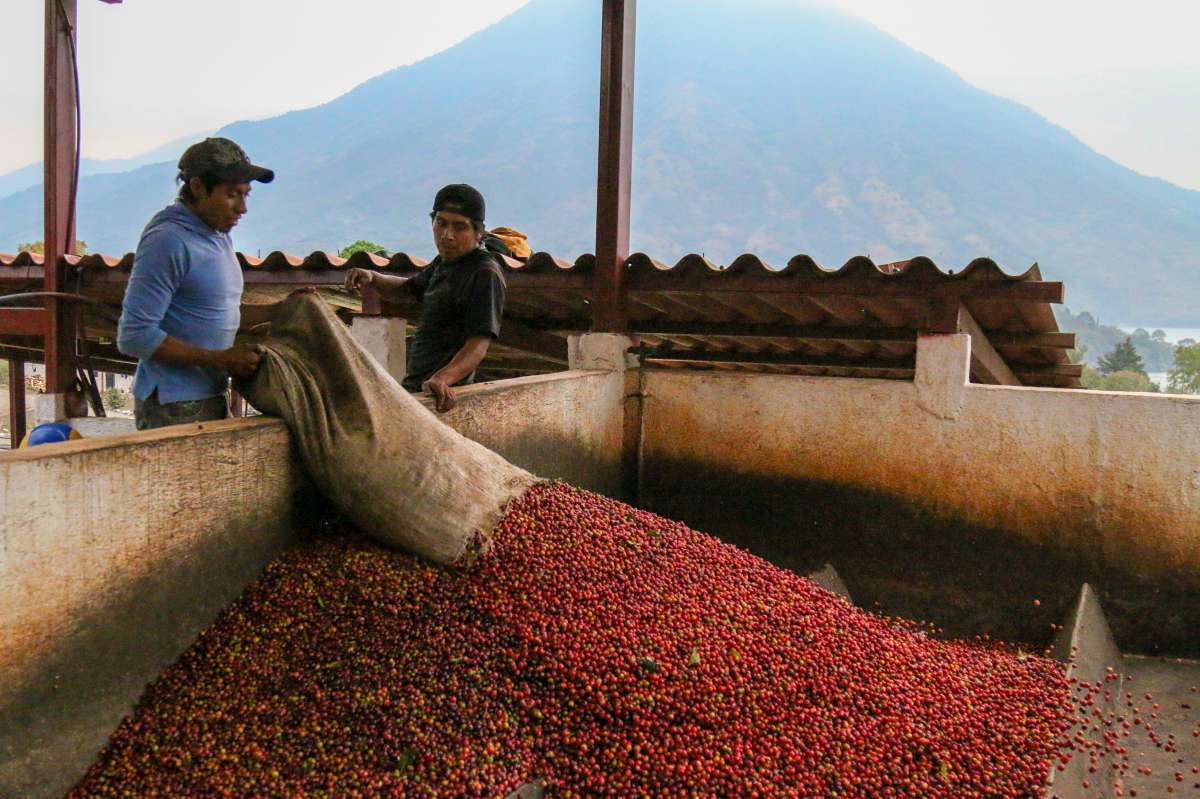
After harvesting, coffee beans undergo flotation to remove underdeveloped, inferior beans. Next, a pulping machine removes the cherry's skin and pulp, followed by fermentation. The purpose of fermentation is to let microorganisms separate the mucilage from the inner bean. The beans remain in fermentation tanks for 16-36 hours, after which they must be thoroughly cleaned with large amounts of flowing water. Finally, the inner beans are dried until their moisture content reaches 10-14%. FrontStreet Coffee believes the washed process not only reduces the defect rate of coffee beans but also produces more consistent quality and higher clarity, making it one of FrontStreet Coffee's preferred processing methods.
Guatemala primarily cultivates varieties such as Typica, Bourbon, Catuai, and Caturra, along with smaller amounts of Gesha and Pacamara, showing real varietal diversity. FrontStreet Coffee's Huehuetenango daily coffee selection is a blend of three varieties: Caturra, Catuai, and Bourbon.
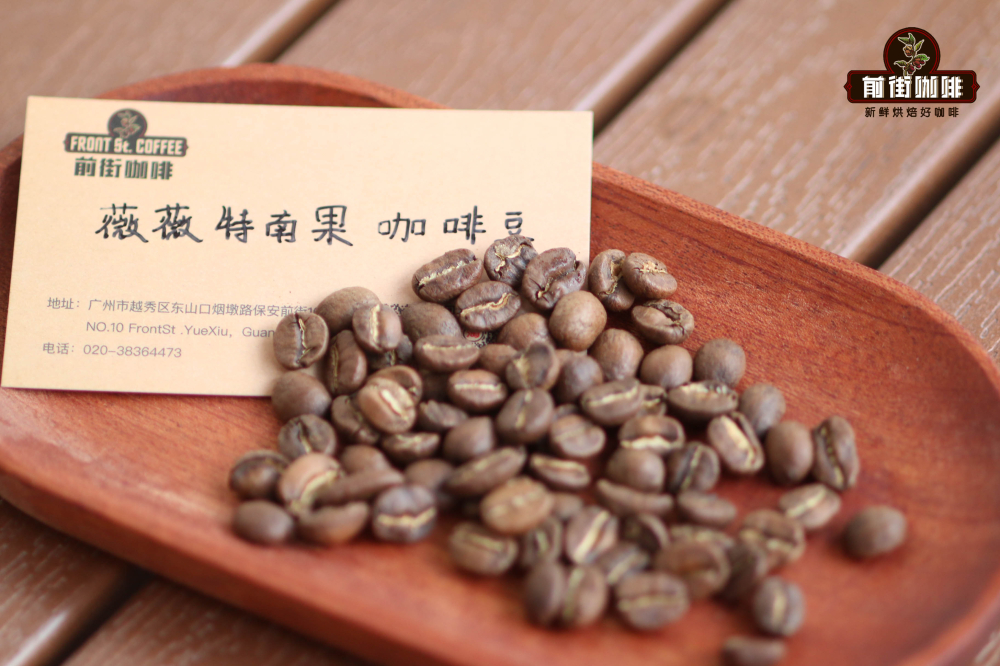
FrontStreet Coffee's roasters chose a medium roast for this Huehuetenango. Cupping it, one can clearly perceive nutty notes, the moderate acidity that comes from washed processing, berry-like characteristics as it cools, and medium lemon peel notes. To experience the charm of Guatemalan coffee beans, FrontStreet Coffee suggests pour-over extraction, to appreciate the coffee's rich, layered complexity.
FrontStreet Coffee's Pour-over Parameters:
Filter: Hario V60
Coffee dose: 15g
Water temperature: 90°C
Grind size: 75% passing through #20 sieve
Water-to-coffee ratio: 1:15
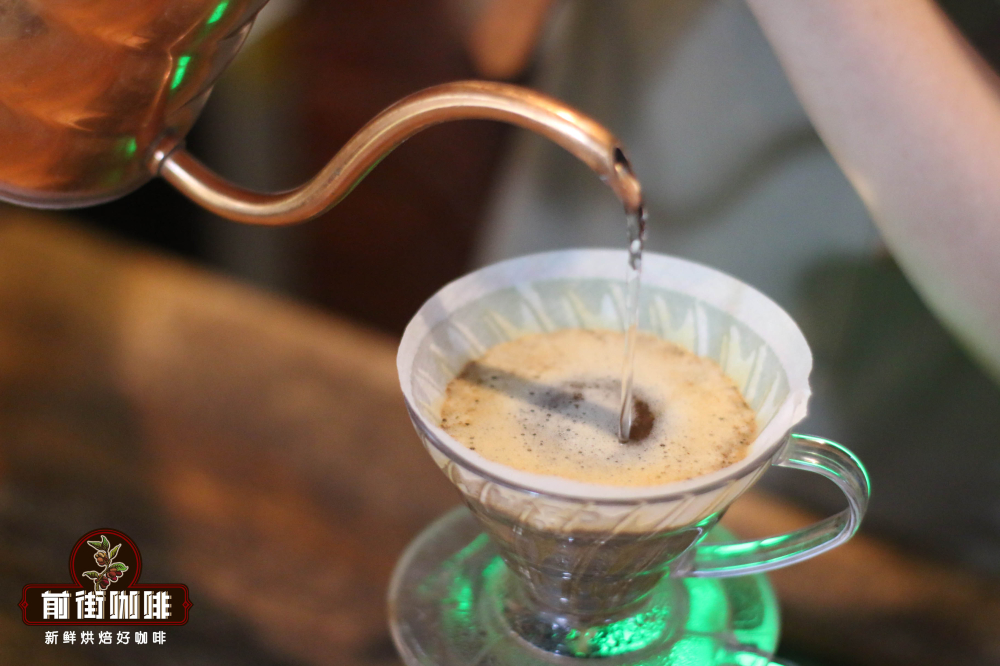
Three-stage pouring: wet the coffee bed with twice the amount of coffee by weight, forming a dome for a 30-second bloom. Then, using a small stream, pour in concentric circles from the inside out until reaching 125g, pausing as the coffee bed drops to half the filter's height. Continue with the same fine stream for the third stage to 225g, until all the coffee liquid has filtered through. Remove the filter cup — total time should be approximately 2 minutes.
FrontStreet Coffee Recommendation
If the bright, delicate acidity and floral notes described above are what you enjoy, FrontStreet Coffee's Yirgacheffe Gotiti is a wonderful place to start. A first stop into specialty coffee for many drinkers, it carries vivid citrus, berry, and floral notes with a green-tea-like sweetness on the finish. Unlike the "sour coffee" many people imagine, a fine Yirgacheffe's acidity is soft and bright, more like the natural sweetness of fruit than a sharp tang — an easy, welcoming cup for anyone new to pour-over.
For an even more fruit-forward experience, FrontStreet Coffee's Ethiopia Huakui has been one of the standout stars of the specialty market in recent years. Its defining trait is an intensely prominent tropical fruit aroma — strawberry, passion fruit, jackfruit, even lychee. Sweetness is pronounced and bitterness is minimal, with a smooth, juice-like body, which is why many drinkers call it "the coffee that tastes least like coffee."
And for lovers of bracing, layered fruit acidity, FrontStreet Coffee's Kenya Cherry Tomato is a washed Kenyan specialty bean built around vivid cherry tomato and dark plum notes. Grown in Kenya's Thika region at 1,550-1,750 meters from the classic SL28 and SL34 varieties, it uses Kenya's signature 72-hour double washed fermentation and a light roast to preserve lively acidity. The dry aroma shows rich dried cherry tomato and florals, the cup opens with clear cherry tomato and dark plum, and the mid-palate brings snow pear and black plum over a long, clean finish of yellow sugar and light green tea.
Important Notice :
FrontStreet Coffee is a long-established specialty coffee roaster in Guangzhou China, selling freshly roasted beans from its own farm in Yunnan as well as dozens of carefully selected single-origin beans from around the world for both pour-over and espresso. The products deliver consistently excellent quality and great value, with shipping within 24 hours. Guangzhou's FrontStreet Coffee shop is recommended by many coffee lovers, and the beans are now available online at the Tmall 。
FrontStreet Coffee has moved to a new address:
FrontStreet Coffee Address: 315,Donghua East Road,GuangZhou
Tel:020 38364473
 Scan and follow the En Gafei WeChat official account. Please indicate that the reprint comes from "En Gafei".