Expert Guide: What's the Difference Between Panama Geisha Coffee Beans and Guatemala Geisha Coffee Beans?

Insider Knowledge: What's the Difference Between Panama Geisha and Guatemala Geisha Coffee Beans?
The Geisha variety was discovered in the Gori Geisha forest of Ethiopia in 1931 and sent to the Coffee Research Institute in Kenya. In 1936 it reached Uganda and Tanzania; Costa Rica introduced it in 1953. Then in the 1970s, Francisco Serracin of the Tumba Seven Estate obtained seeds from CATIE in Costa Rica and began growing Geisha.
In the early days, premium coffee was judged largely by Japanese standards, and coffee's "king and queen" were Jamaica Blue Mountain and Hawaii Kona. But as producing countries raised their game and information flowed more freely, specialty coffees multiplied — and in recent years Panama Geisha has taken the crown.
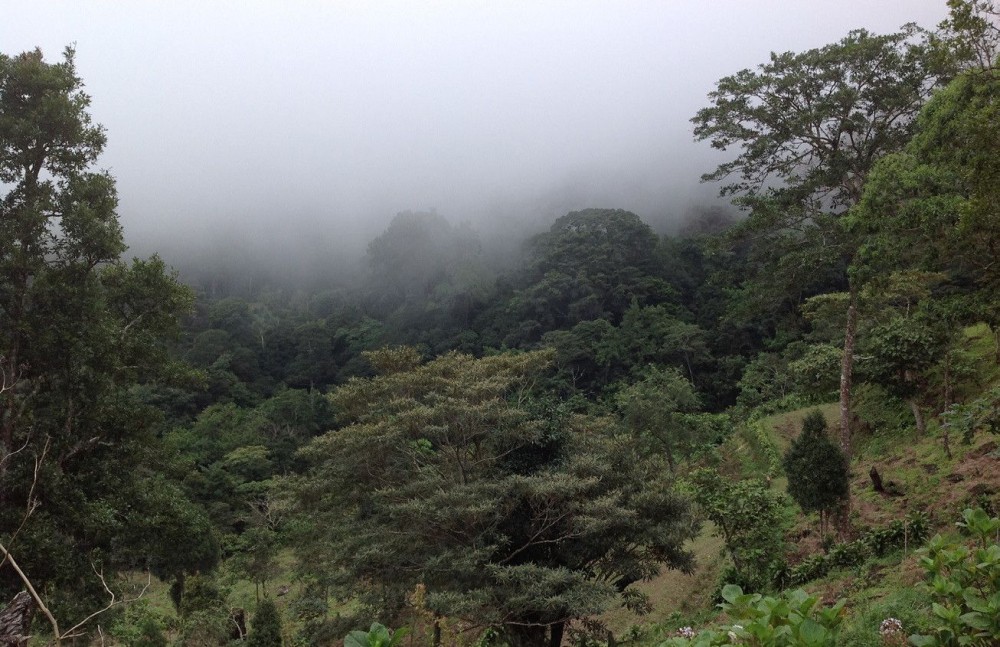
Geisha swept through the coffee world like a hurricane — a revolution so forceful that even the long-reigning king and queen had to step aside. This wild variety from Ethiopia is now grown across the major producing regions, and its best ambassador comes from Panama's La Esmeralda estate.
The History of Esmeralda Estate
In 1924, a Swede named Hans Elliot established Esmeralda Estate — as a livestock ranch, not a coffee plantation. Forty years later, in 1964, Rudolph Peterson, grandfather of today's Daniel Peterson, bought the estate as a retirement home. Born in Sweden, the elder Peterson had been president of an American bank and a director of the United Nations Development Program. His son Price Peterson moved from California to Panama in 1973 to take over the property, converting most of it to coffee in 1987 and investing in specialty-coffee processing equipment in 1994 to build the brand. While Price and his wife Susan were establishing the estate, they also raised three children: Elliott (born 1966 in Philadelphia), Rachel (born 1967 in Sweden), and Daniel (born 1974 in Panama).

In 1996, Price and Rachel visited a farm for sale in the Jaramillo area of the Boquete Valley and were so captivated they bought it on the spot. That became Esmeralda's Jaramillo Farm — where their third son, Daniel Peterson, would grow the coffee that took the world by storm: Geisha.
The name is pronounced just like the Japanese word for a geisha, hence the alternate spelling "Geisha coffee." The trees grow taller than most varieties, so they were originally planted in a small corner of the estate as windbreaks. The family's son, wanting to enter the annual Best of Panama competition, cupped every variety on the estate — and that gave Geisha its moment. It went on to various world competitions and collected eleven championships in total.

Panama's Coffee-Growing Environment
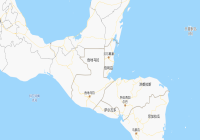
Panama sits on the Central American isthmus — Colombia to the east, the Pacific to the south, Costa Rica to the west, and the Caribbean to the north. Its S-shaped silhouette bridges North and South America, and the Panama Canal runs north–south between the Atlantic and Pacific, earning the country its nickname, "Bridge of the World."

Panama's coffee lands lie in the west: Boquete, Volcan, Santa Clara, and Piedra de Candela, with Boquete and Volcan the specialty regions you hear about most. Both sit in Chiriquí Province, nearly centered in the coffee belt, with fertile volcanic soil and ancient forest. The terrain is rugged — mountains everywhere except the northern and southern coastal plains, cut through with valleys and ravines. Near the equator, Panama has a tropical maritime climate: humid days, cool nights, average annual temperatures of 23-27°C, a dry season and a rainy season, and annual precipitation of 1,500-2,500 millimeters.
Panama Geisha's distinctive florals, rich juiciness, and complex layering have never quite been matched by Geisha grown elsewhere, even after the world rushed to plant it once La Esmeralda's lot became famous. Credit Panama's unique microclimate.

Geisha is among the most expensive coffees on earth, which can put it out of reach. FrontStreet Coffee wants more coffee lovers to taste what Geisha can do, so we've added a washed Boquete Geisha to our everyday lineup — great news for anyone curious about this legendary variety.
La Esmeralda Estate, Panama
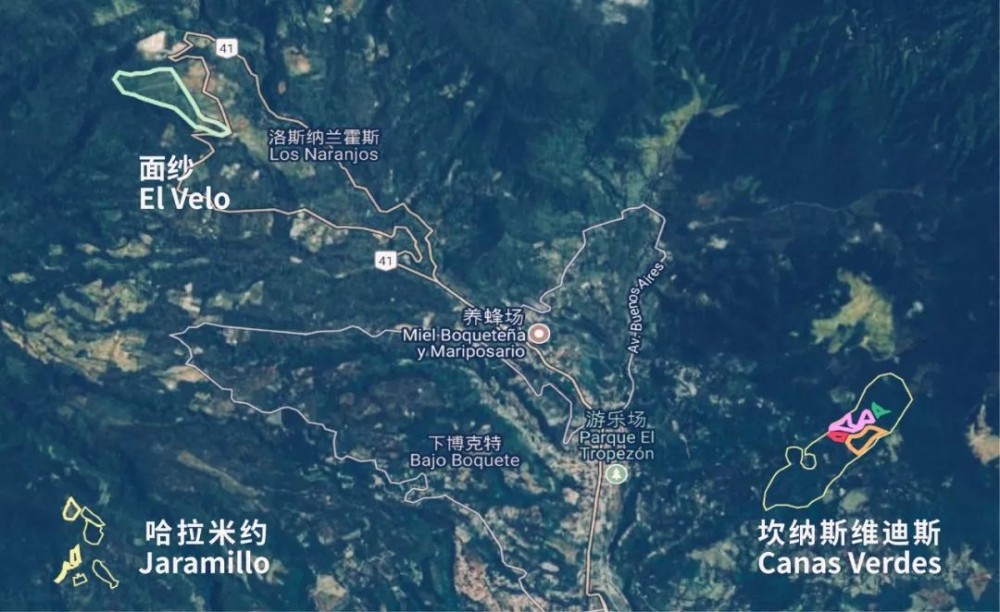
La Esmeralda is where Geisha made its name. The estate sits on the flank of Barú Volcano, and before the coffee became famous, beans from this area were simply named after the mountain. The surrounding Boquete countryside is beautiful — leisure hotels, vacation estates, and developments along the important Rio Caldera. In 1964 the American banker Rudolph Peterson retired to Panama and bought La Esmeralda in Boquete, starting out with dairy production.
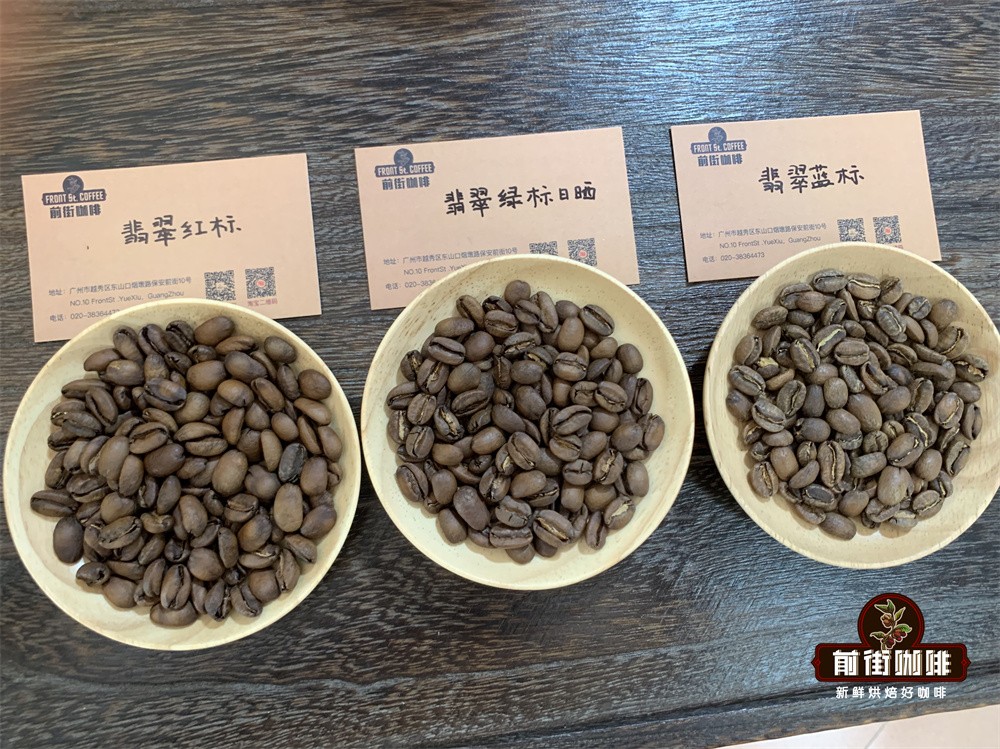
After taking over, Price divided the estate's growing areas into five brands based on altitude, microclimate, cupping results, and variety. The Geisha lots carry three brands — Esmeralda Special, Private Collection, and Geisha 1500 — while the Catuai lots carry two: Diamond Mountain and Palmyra. FrontStreet Coffee carries both the red-label and green-label Geisha from La Esmeralda, plus Geisha from other estates such as Elida, and Geisha from Colombia and Costa Rica.
Panama Geisha is processed the most natural ways possible: washed and natural.
Guatemala's Growing Environment
Panama Geisha may be famous, but Geisha from other origins is excellent too. Guatemala coffee has a naturally smoky quality that comes from its volcanic soils — a hallmark of the origin. Sitting at the heart of the Americas, Guatemala holds an important place in Central America; its subtropical climate and high-altitude volcanic terrain make it superb coffee country, and coffee is a pillar crop, accounting for roughly 40% of the country's agricultural exports.
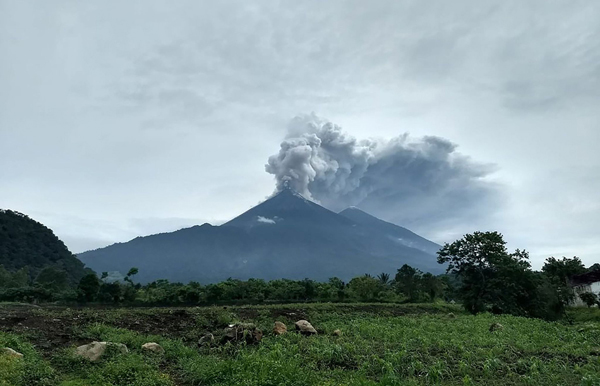
Guatemala borders Mexico, Belize, Honduras, and El Salvador, with the Pacific to the south and the Gulf of Honduras in the Caribbean to the east, covering 108,889 square kilometers. The northern and eastern coastal plains have a tropical rainforest climate while the southern mountains are subtropical; the year splits into a wet season (May–October) and a dry season (November–April). The narrow, fertile Pacific coastal plain is tropical. The central highlands — Guatemala's cultural heart — sit at 1,300 to 1,800 meters, where temperatures stay mild year-round at 18-28°C daily, turning colder in January and February at the highest elevations. Annual precipitation runs 2,000-3,000 millimeters in the northeast and 500-1,000 millimeters in the south.
Injerto's White Rock Geisha, Guatemala
El Injerto is arguably Guatemala's benchmark estate. A serial award-winner on the world stage, blessed with fertile volcanic soil and a singular microclimate, it produces coffee of exceptional quality. Guatemala's most famous farm grows two Geisha lines: one of Panamanian descent and one from Malawi. The Panama Geisha seed came from La Esmeralda, and through careful cultivation it has become Injerto's most sought-after coffee after Pacamara — auction prices have even surpassed the long-dominant Pacamara.
The lot auctioned to Sang Ho Park was the Panama Geisha, which Injerto named "Gesa Central America" from the White Rock micro-region — a remote corner of the estate beneath massive cliffs, with sweeping views of the Injerto Valley. White Rock is newly developed: it had only its second harvest last year. The seed comes from La Calaca, Injerto's most famous Geisha zone, and the estate classifies it as second-generation Geisha; in the estate's own global auction it is sold separately from the African (Malawi) Geisha batches.
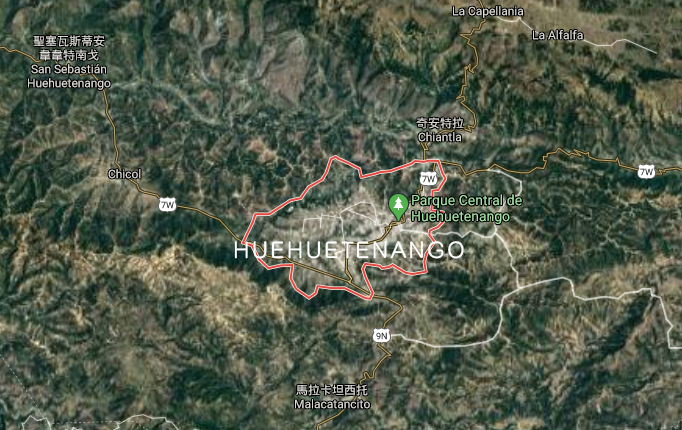
El Injerto sits in the Huehuetenango highlands. It has won 9 Cup of Excellence awards in Guatemala, including 5 championships, the most recent in 2015. Injerto first made its name with Bourbon, then Pacamara for several years, then Geisha — which took second place in the 2017 Cup of Excellence. That lot came from the estate's 2016 auction.
About the Pacamara Variety

Pacamara made its name worldwide through the Cup of Excellence in 2004 and was winning championships within 2-3 years. Injerto's Pacamara set a record of $80.2 per pound of green beans in 2008. The name is a portmanteau: the first four letters of Maragogipe and of Pacas, the two parents crossed to create it — a variety developed in El Salvador. The beans are enormous, elephant-bean-sized at roughly screen 21-22, making Pacamara one of the outstanding Central and South American varieties of recent years.
Independent Washing Technology

Injerto pays local workers twice the standard wage to hand-pick only fully ripe cherries, and runs its own wet mill. After pulping, the beans pass through two rounds of size grading, are washed in clean mountain spring water, then fermented in fresh-water tanks for 2 days and sun-dried for 7. They then rest in warehouse for at least 45 days before professional cupping.
FrontStreet Coffee's Roasting Recommendations for Geisha
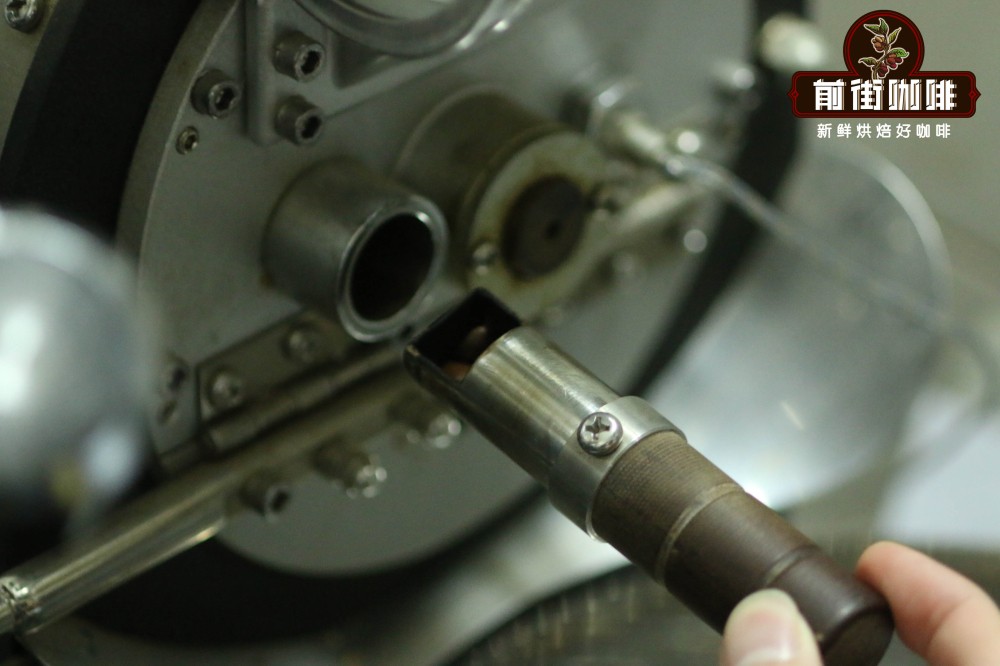
To showcase Geisha's character and aromatics, FrontStreet Coffee roasts it light — a darker roast would smother the florals and fruit acidity. Adjustments should always follow the beans and the roaster's read of them. Our cuppings show Geisha has deeply layered flavor, so we recommend brewing at slightly lower concentration to let each layer show. Use a 1:15 ratio with water at 90-91°C, and a medium-fine grind (80% pass-through on the #20 standard sieve).
How to Brew Panama Geisha Coffee Beans
FrontStreet Coffee recommends pour-over. If you want maximum clarity and layered flavor, use a V60; if you prefer a fuller cup, use a flat-bottom cake dripper. We brew Geisha on the V60 day to day: the 60-degree cone and spiral ribs let the barista control flow and pour count to extract Geisha's essence fully, while the large outlet prevents over-extraction.
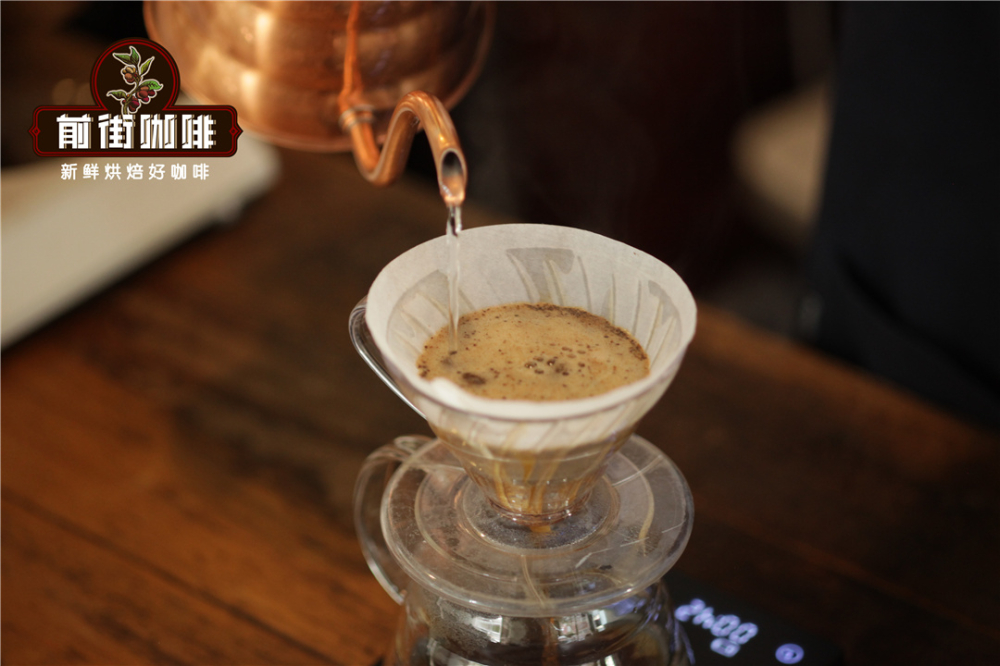
The V60's ribs run top to bottom around a large central hole, speeding drainage, while the spiral channel lengthens the water's path and extends contact between grounds and hot water. Every stream converges toward the center of the cone, concentrating extraction pressure on the bed and producing coffee with richer layers.
Dripper: Hario V60; water temperature: 91°C; dose: 15 g; ratio: 1:15; grind: 80% pass-through on the #20 standard sieve.
Panama Washed Boquete Geisha flavor: A distinct, clear acidity of citrus, lemon, and bergamot, a creamy-smooth swallow, and a finish of green tea and honey sweetness.
FrontStreet Coffee's Brewing Notes
Freshness shapes flavor, so FrontStreet Coffee ships beans roasted within 5 days. Our philosophy is "freshly roasted, good coffee" — beans rest about 4-7 days, so they arrive right at peak flavor.
If you need your coffee pre-ground, one gentle reminder: skip the resting — the carbon dioxide pressure built up in the sealed package during transit mellows the coffee, so you can brew the moment it arrives. But brew it soon: ground coffee oxidizes quickly in air and loses flavor fast. Whole beans, ground fresh before brewing, always taste better.
FrontStreet Coffee Recommendation
While Geisha is the darling of the moment, FrontStreet Coffee would remind you that another legend still holds court: Jamaica Blue Mountain. For much of the twentieth century, Blue Mountain was the very definition of high-end coffee, and it remains unmatched for balance — no harsh bitterness, no aggressive fruit acid, just cream, caramel, chocolate, nut, and honey layered over a soft, rounded body with a long, clean finish.
Supply is the reason for its mystique: Jamaica's entire Blue Mountain zone produces under 2,500 tons a year, and Japan has historically bought more than 70% of the crop. Since 2003, however, certified Blue Mountain green beans have been officially exported to China, so buyers can now source certified coffee through proper channels. When shopping, look for full export certification and proof of origin; genuine lots ship in 15, 45, or 70 kg wooden barrels stamped with batch details, and the green beans themselves are plump and even, slightly upturned at both ends, with a greenish hue.
FrontStreet Coffee recommends Blue Mountain No. 1 from Clifton Estate — the region's largest farm, growing coffee since around 1750 at an average 4,300 feet (about 1,310 meters). Roasted medium-dark and rested 4-7 days, it brews beautifully on a KONO dripper: 15 g of coffee, water at 87-88°C, a 1:15 ratio, and three pours to 225 g. The cup shows nut, dark chocolate, cream caramel, and gentle sweetness — a balanced, timeless classic that makes a superb daily drinker or a memorable gift.
Important Notice :
FrontStreet Coffee is a long-established specialty coffee roaster in Guangzhou China, selling freshly roasted beans from its own farm in Yunnan as well as dozens of carefully selected single-origin beans from around the world for both pour-over and espresso. The products deliver consistently excellent quality and great value, with shipping within 24 hours. Guangzhou's FrontStreet Coffee shop is recommended by many coffee lovers, and the beans are now available online at the Tmall 。
FrontStreet Coffee has moved to a new address:
FrontStreet Coffee Address: 315,Donghua East Road,GuangZhou
Tel:020 38364473
 Scan and follow the En Gafei WeChat official account. Please indicate that the reprint comes from "En Gafei".