Siphon Coffee Brewing Process: Detailed Guide to Siphon Coffee Brewing Method Steps and Techniques
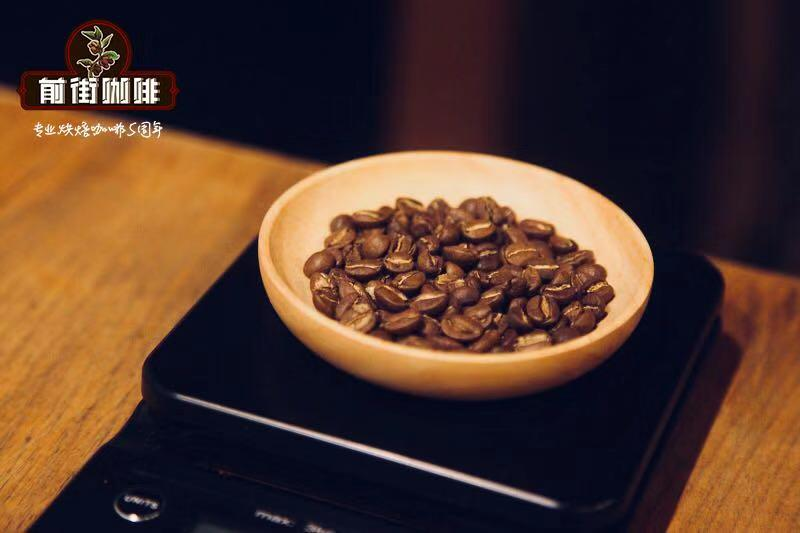
In the world of coffee brewing gear there are many choices: espresso machines, French presses, AeroPress, V60, and a range of other methods. One method, however, stands out as quite different - the syphon pot. Its brewing approach resembles a chemistry setup, and it takes longer to prepare than the methods above. The process certainly delivers beautiful visuals, and its flavor and mouthfeel have distinctive characteristics too. Let FrontStreet Coffee walk you through this fascinating method.
What is a Syphon Pot?
The syphon pot, commonly known as a "glass ball," "siphon style," or "vacuum style," is a simple yet effective brewing method that is easy to operate and visually rewarding. It is also one of the most common brewing methods in cafés. Although syphon coffee originated in Europe and America, it has gained immense popularity in Asia. Its meticulous preparation and clean, bright flavor profile have made it especially popular in Japan and Taiwan.
The Science Behind Syphon Brewing
Despite being called a "syphon" pot, it actually has nothing to do with siphon principles. Instead, it uses thermal expansion and contraction - when water is heated, it produces steam that pushes hot water from the lower chamber into the upper chamber; when the lower chamber cools, it draws the water back down. Sounds complicated? Not at all. Follow the steps once and you'll understand.
The syphon method uses air pressure to bring hot water at the right temperature into contact with the coffee grounds for extraction. Watching the water in the lower chamber gradually rise as it heats to boiling, then seeing the brewed coffee slowly descend as the chamber cools, creates a captivating experience. Every step is controlled by your hands, making you feel as if you are conducting a precise, delicate chemistry experiment. That exceptional visual enjoyment has made many people fall in love with syphon coffee.
Coffee Selection and Brewing Parameters
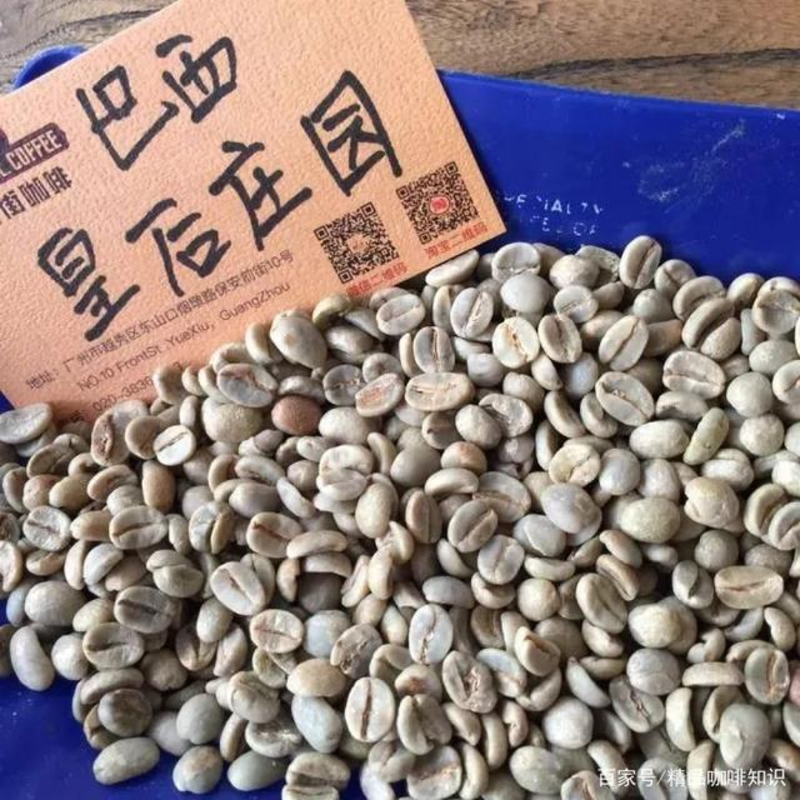
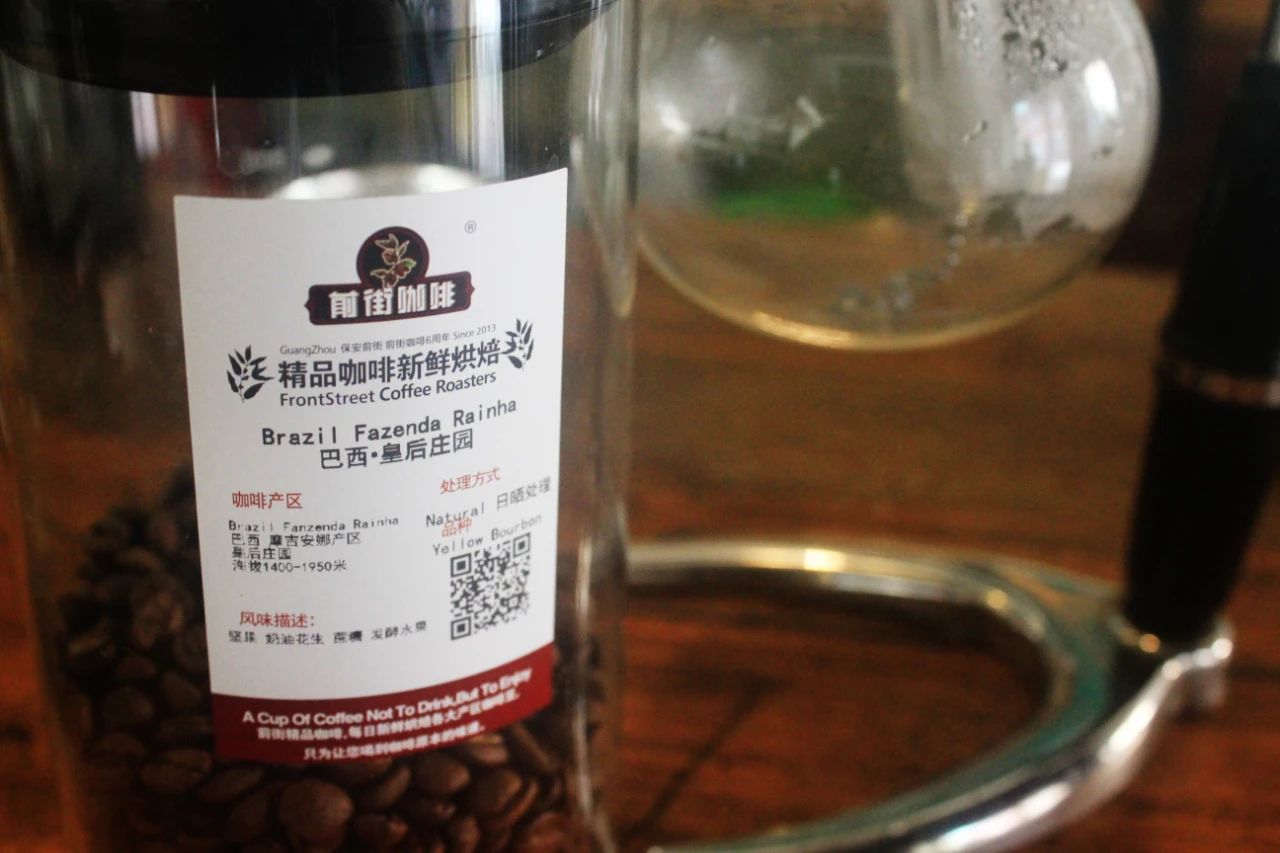
For this session, we selected FrontStreet Coffee's Brazil Queen Estate Yellow Bourbon, with the following details:
Region: Brazil, Mogiana Region
Estate: Queen Estate
Altitude: 1400-1950m
Variety: Yellow Bourbon
Processing: Natural Processing
Roast Level: Medium Roast
The brewing parameters are as follows:
Grind Size: BG #6M
Dose: 18g
Ratio: 1:10
Water Temperature: 88°C
Syphon Coffee Brewing Steps
Step 1: Filter Preparation
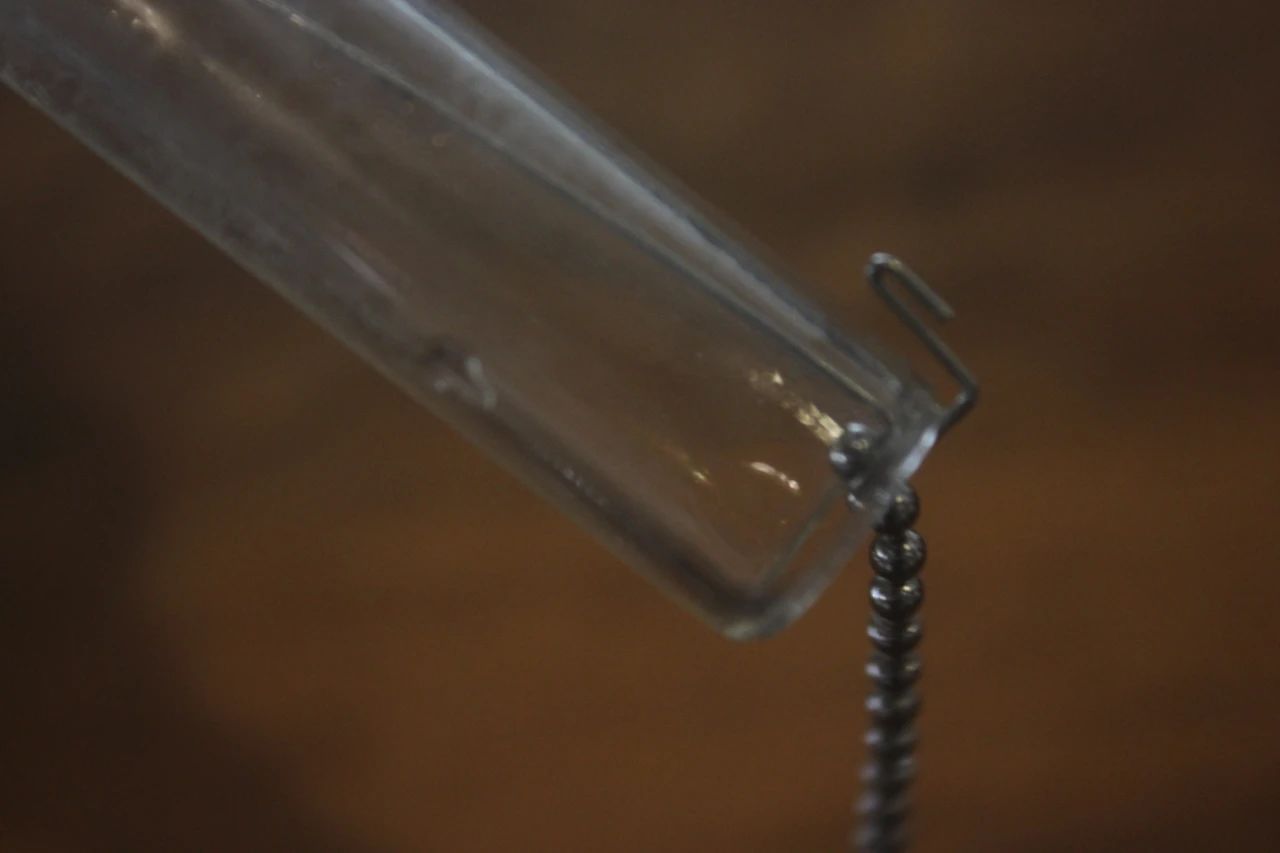
Boil the filter in hot water for 5 minutes, then place it in the upper chamber. Pull the filter's chain through the upper chamber's tube wall and hang it on the hook. Make fine adjustments so the filter is properly positioned. Fill the lower chamber with hot water to the "two-cup" mark. Place the filter in the upper chamber, hold the end of the chain, and gently hook it onto the end of the glass tube. Be careful not to release the hook suddenly with force, which could damage the upper chamber's glass tube.
Step 2: Initial Heating
Before heating, wipe any water droplets from the bottom of the flask to prevent damage to the vessel. Light the alcohol lamp, tilt the upper chamber, and let the rubber edge rest against the lower chamber's spout (don't worry, the upper chamber won't fall off) so that the chain is immersed in the water of the lower chamber. Then heat the water and wait for continuous large bubbles to emerge from the lower chamber. Keep the upper chamber tilted - don't let it seal tightly against the lower chamber. Small bubbles don't count; wait for the large bubbles.
Step 3: Assembly
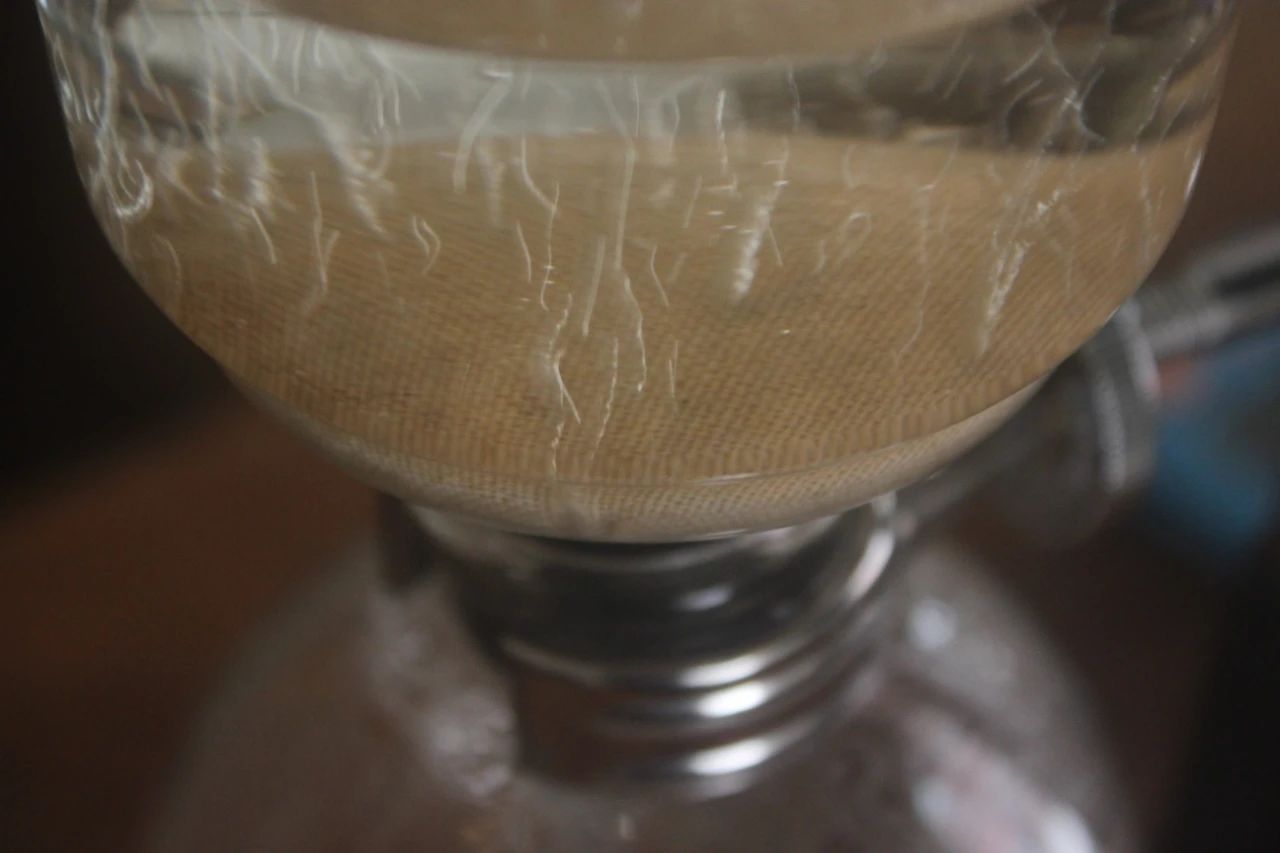
When the lower chamber begins to emit continuous large bubbles, straighten the upper chamber, rock it gently from side to side while pressing down slightly to seal it gently with the lower chamber. Once the upper chamber is inserted, you'll see the water from the lower chamber begin to rise. If you have a coffee grinder, now is the time to grind. For two cups of water, use three tablespoons of coffee (approximately 24 grams) at a medium grind.
Step 4: Coffee Extraction
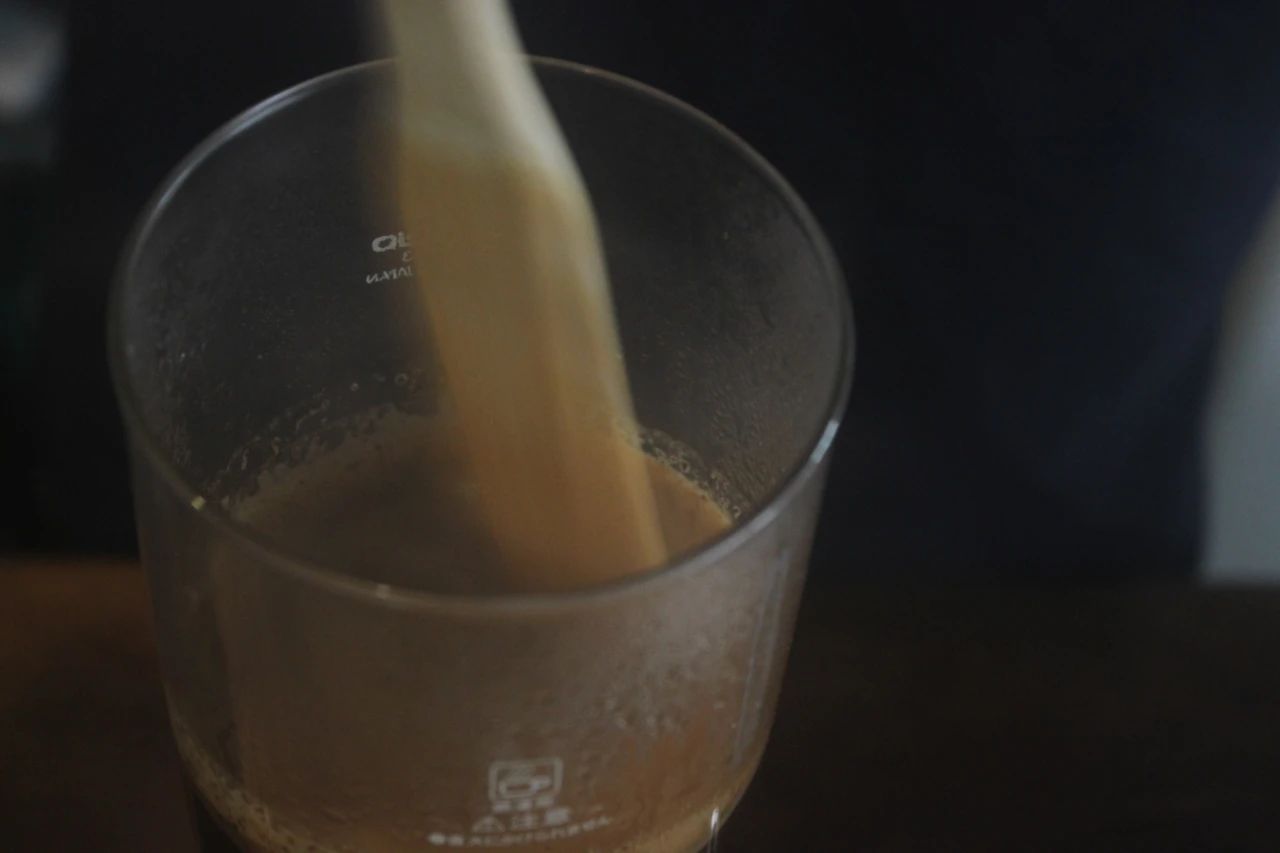
Wait until all the water has completely risen to the upper chamber, but don't rush - wait a few seconds for the bubbles in the upper chamber to reduce before pouring in the coffee grounds. Pour in the ground coffee and use a bamboo stirrer to move it from side to side, evenly distributing the grounds through the water. Start timing with the first stir.
The stirring should be gentle - avoid vigorous stirring. If the coffee is fresh, it will float on the surface forming a layer of grounds. At this point you need to stir to ensure complete flavor extraction. The correct technique is to move the bamboo spoon from side to side with a downward "force," pushing the floating grounds below the water's surface. When the water in the lower chamber reaches about 88°C and begins to rise to the upper chamber, note that the syphon tube should be in a straight vertical line with the heat source. When the hot water flows upward into the upper chamber and mixes with the grounds, quickly stir 6-8 times with the bamboo paddle, being careful not to touch the filter. After stirring, begin timing for about 1 minute.
Step 5: Final Processing
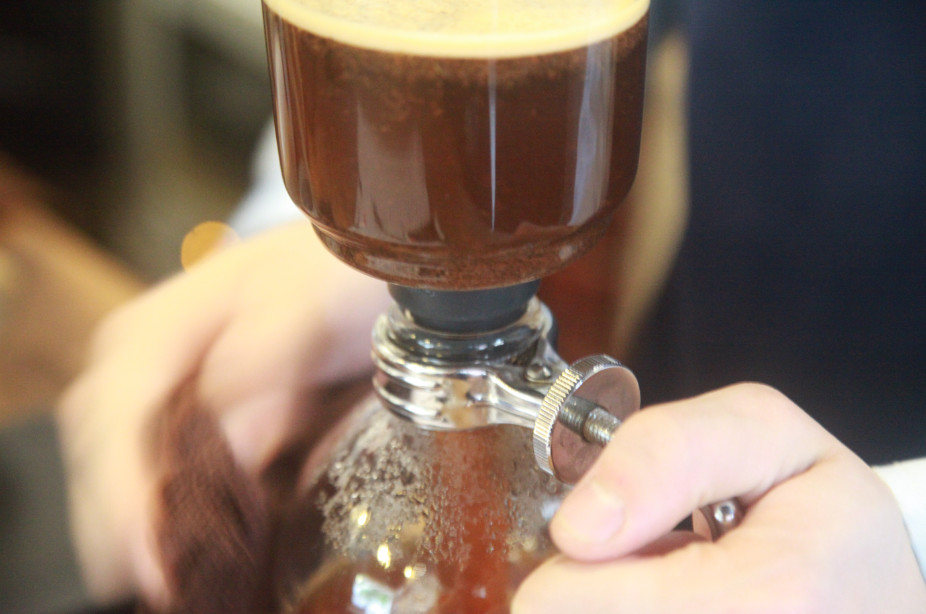
By observing the state of the foam layer, you can adjust stirring, heat, and extraction time. When brewing fresh grounds with the correct method, a rich, fine layer of bubbles will form on top of the coffee liquid, accounting for about 1/3 or 1/4 of the coffee volume. After extraction, extinguish the alcohol lamp and stir 6-8 more times before the coffee liquid drips down. After the first stir, time for thirty seconds, do a second stir, then time for twenty seconds, do a final stir, and then remove the alcohol lamp. Take a slightly damp cloth (pre-wrung) and gently wrap it around the side of the lower chamber, making sure it doesn't touch the bottom where the flame made contact, to prevent cracking. At this point you'll see the water from the upper chamber rapidly "pulled" down to the lower chamber. If your coffee is fresh enough, there will be many light-brown bubbles in the lower chamber now.
Step 6: Filtration Completion
When the air has completely reversed flow and the coffee liquid has fully dripped into the lower chamber, filtration is complete.
Step 7: Serving
After the coffee has been drawn into the lower chamber, hold the upper chamber with one hand and the lower chamber's handle with the other, gently rock the upper chamber from side to side, and you'll be able to separate the two. Pour the coffee into pre-warmed cups and enjoy this aromatic coffee you've prepared yourself. Hold the connection point at an angle to remove the upper chamber, pour the coffee into the cup, and you're done.
Final Thoughts
Because syphon pots extract at high temperature, they tend to produce aromatic coffee with higher body, though one drawback is that the flavor layers aren't as varied as with drip methods. Also, because the grounds soak in high-temperature water, subtle flavor differences may not be as pronounced.
FrontStreet Coffee Recommendation
Since the syphon excels at rich, high-body cups, FrontStreet Coffee recommends starting with its PWN Golden Mandheling, an Asia standout that is medium-dark roasted into large, uniform beans with bold spice, caramel, cedar, and dark chocolate aromas and a low, rounded acidity. FrontStreet Coffee's Classic Blend, a Mamba-style espresso blend, also holds up well, offering a thick, buttery body and prominent caramel that suits the syphon's full mouthfeel.
Important Notice :
FrontStreet Coffee is a long-established specialty coffee roaster in Guangzhou China, selling freshly roasted beans from its own farm in Yunnan as well as dozens of carefully selected single-origin beans from around the world for both pour-over and espresso. The products deliver consistently excellent quality and great value, with shipping within 24 hours. Guangzhou's FrontStreet Coffee shop is recommended by many coffee lovers, and the beans are now available online at the Tmall 。
FrontStreet Coffee has moved to a new address:
FrontStreet Coffee Address: 315,Donghua East Road,GuangZhou
Tel:020 38364473
 Scan and follow the En Gafei WeChat official account. Please indicate that the reprint comes from "En Gafei".