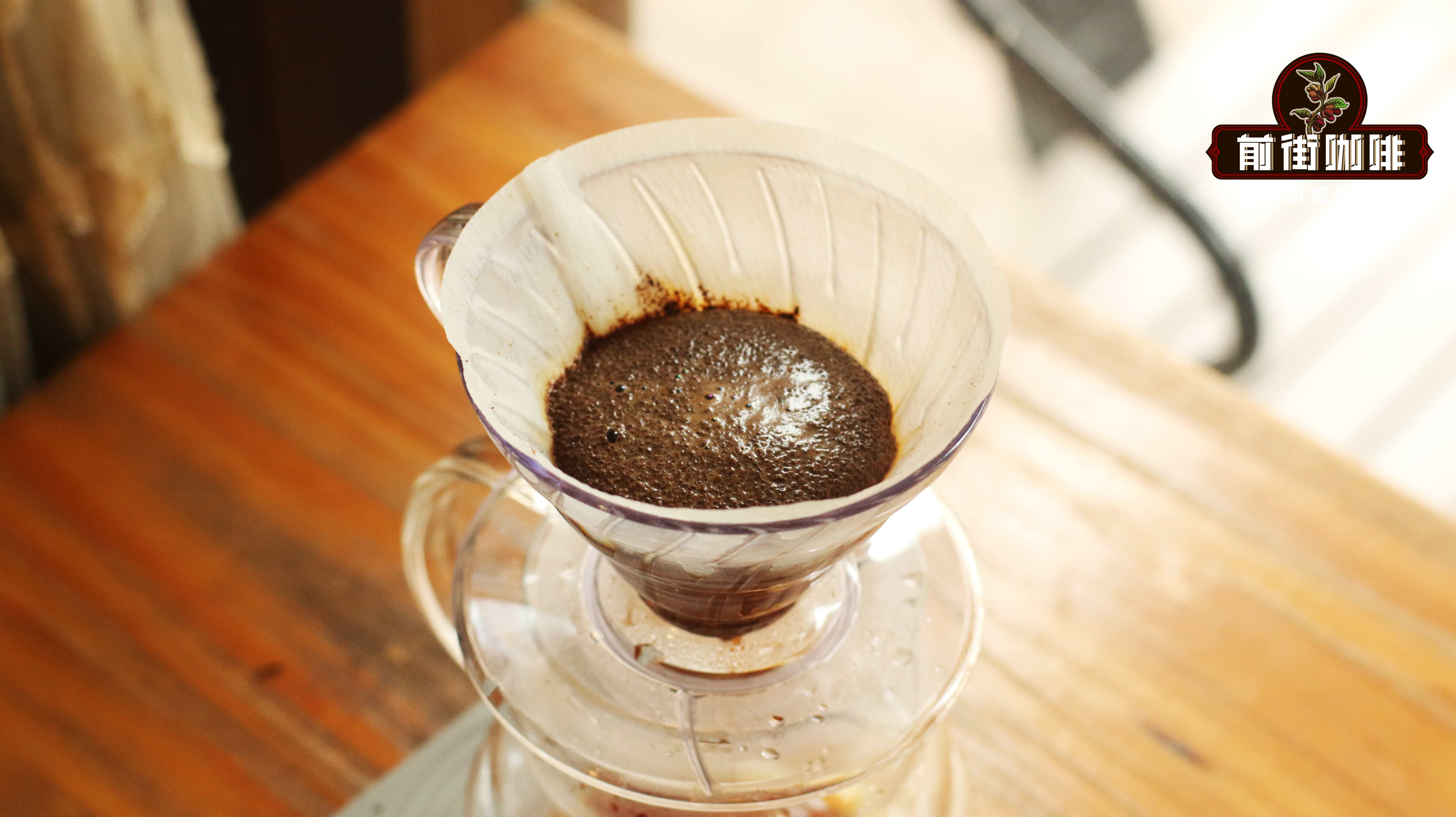
Pour-Over Brewing Method and Extraction Steps for Kenyan Coffee Beans - Flavor Characteristics and Coffee Variety Grading Introduction
Kenya, like Ethiopia, is a standard-bearer of African coffee. Ethiopia's floral-fruity acidity is famously bright, while Kenya's acidity is rich and full-bodied, with a deeper, more layered taste. Both are unforgettable.
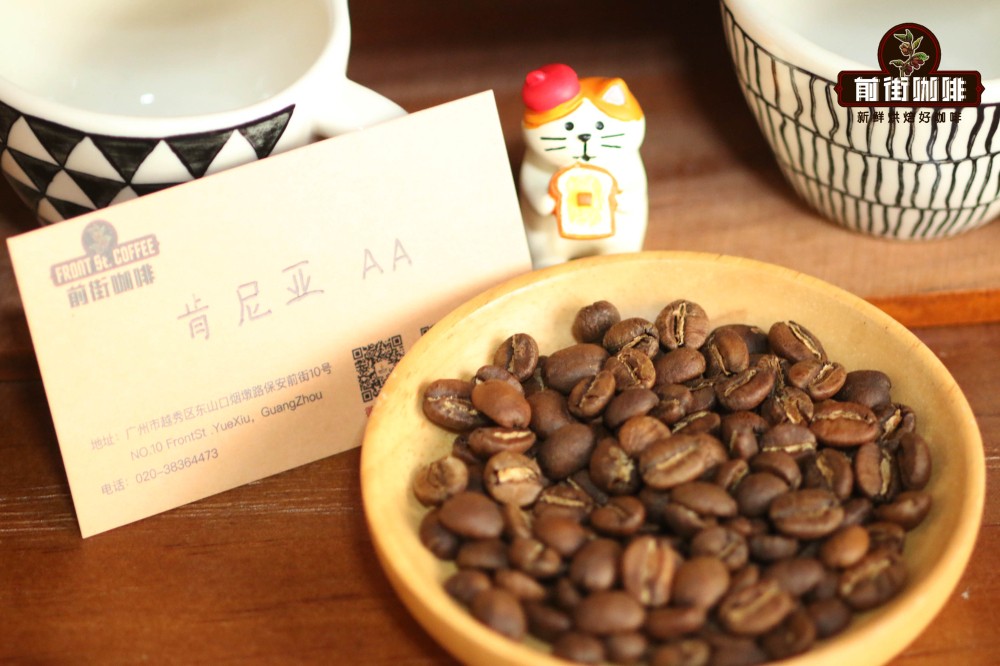
Many people adore Kenya's intense berry character — above all that cherry-tomato note. Some would say cherry tomato is the signature of Kenyan coffee, and without it, it simply would not be Kenyan. FrontStreet Coffee disagrees with that definition. The core flavor characteristic of the Kenyan region is a full-bodied juice sensation. For any plant, soil and environment shape growth, and coffee trees are no exception; shifts in climate and soil lead to flavor variation from harvest to harvest. FrontStreet Coffee has cupped many Kenyan lots in recent months and found that regardless of the growing region, they all share that full juice sensation — though the acidity and flavor details still differ.
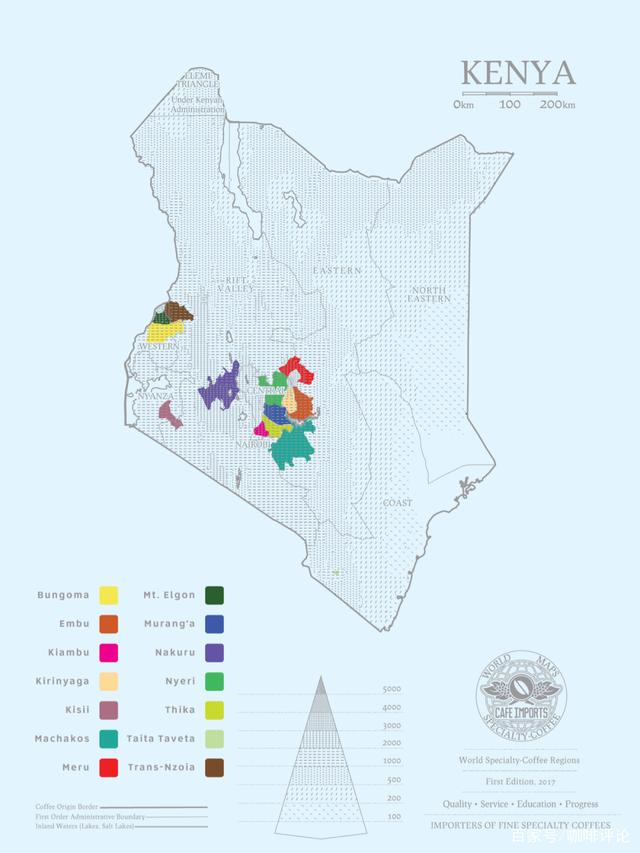
Kenya sits in eastern Africa with the equator crossing its center. It borders Somalia to the east, Tanzania to the south, Uganda to the west, and Ethiopia and Sudan to the north, with the Indian Ocean to the southeast. The country is mostly plateau, with an average altitude of 1500 meters. Its climates are diverse but all fall within the tropical monsoon zone: the coast is hot and humid, the plateau mild, and mountains above 3500 meters occasionally see snow. The year's highest temperature is 26°C, the lowest 12°C. South of the equator the climate is mainly tropical forest and savanna; the coastal strip is tropical with high temperatures and abundant year-round rainfall; further inland it grows drier, with northern desert and semi-desert areas covering about 56% of the country. Under the monsoon influence, Kenya has no sharply contrasting seasons — only rainy and dry periods.
Kenya's Main Coffee Growing Regions
Kenya's coffee regions are concentrated in the central and western parts of the country: Thika, Kirinyaga, Mt. Kenya West, Nyeri, Kiambu, and Muranga. Across these six regions the harvest runs from October to December (main season) and June to August (secondary season).

Among them, Thika and Kirinyaga best represent the flavor character of African growing regions.
Thika
Thika is a small town near Kenya's capital, Nairobi. Coffee fields surround the city, and although Thika is an industrial town, it is ringed by agriculture and waterfalls. Around 2000 farmers work the region, and its coffee history reaches back to the late nineteenth century, when varieties arrived from neighboring Ethiopia to the north. After local improvement work, the common varieties now include Bourbon, Kents (SL34, SL28), Typica, and Riuri 11 — with about 90% of current cultivation being SL34 and SL28. The newer Batian variety, introduced in 2007, has not yet been widely planted. The region's flavor profile shows bright fruit acidity, a rich berry-juice body, and honey-like sweetness. Altitude: 1550-1750 meters. Varieties: SL-28, SL-34.
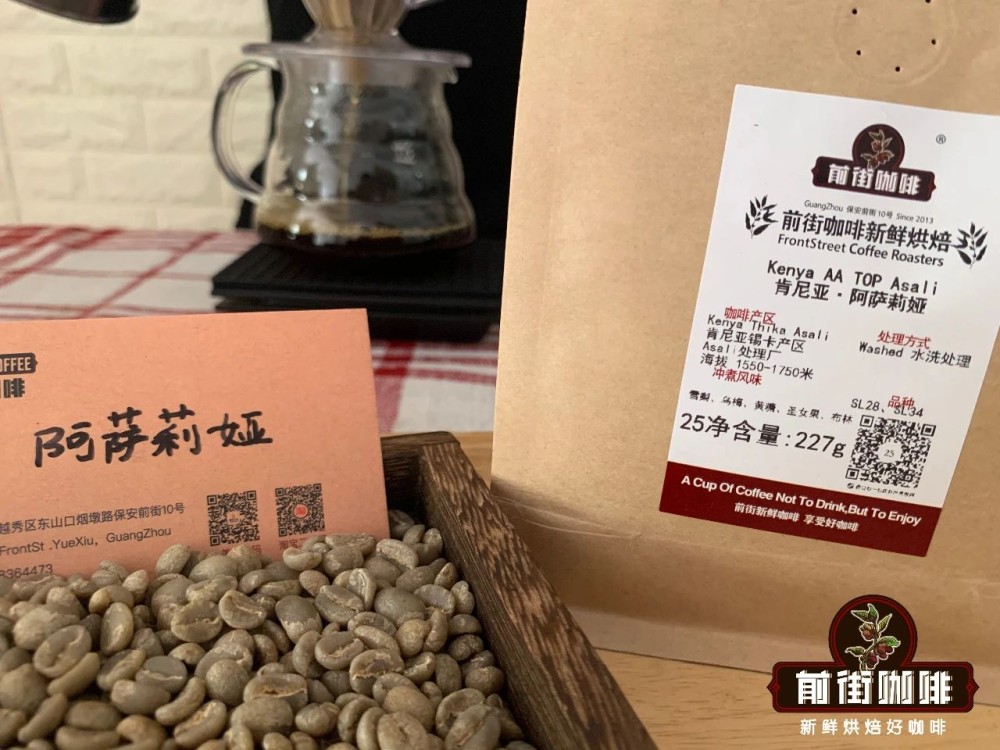
FrontStreet Coffee's Asalia lot comes from the Asalia processing plant in Kenya's Thika region. Thika lies in central Kenya, home to the area's highest coffee growing zones; the sub-region sits at the foot of the Aberdare mountain ridge, in red volcanic soil rich in organic matter.
Kenyan Coffee Varieties
The high-altitude plateaus near Mount Kenya — including the Aberdare Mountains, Nyanza, Kisii, Bungoma, Kericho, and Nakuru — offer coffee its optimal growing environment, and the Arabica varieties grown there originally came from Ethiopia.
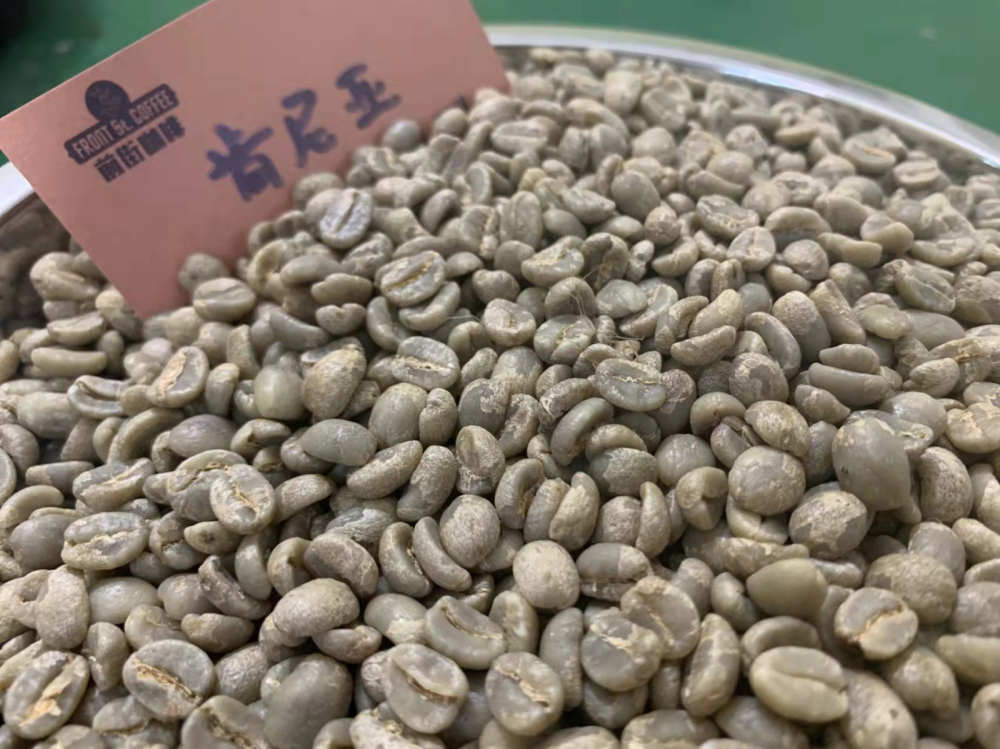
As early as the 1930s, Kenya selected and bred SL28 and SL34 through the Scott Laboratories for nationwide cultivation. Thanks to their outstanding berry-like acidity, the two were later adopted by Central American estates — the Costa Rican Cup of Excellence champion two years ago was a cross of SL28 and Geisha. Ever since, Kenya has worked tirelessly on varieties resistant to leaf rust.
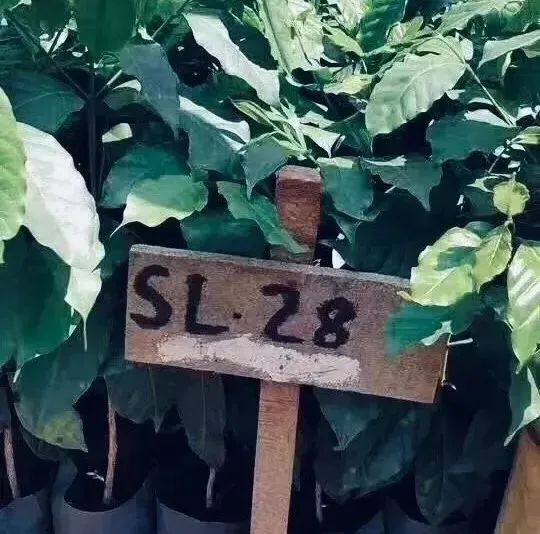
SL28 and SL34 are genetic mutations that account for the vast majority of Kenya's high-quality production, though both are susceptible to leaf rust. SL34 carries French Mission, Bourbon, and a larger share of Typica lineage. With copper-colored leaves and broad, bean-shaped seeds, it offers excellent sweetness, balance, and complex flavor variation, plus prominent citrus and plum characteristics.
Kenyan Coffee Processing Methods
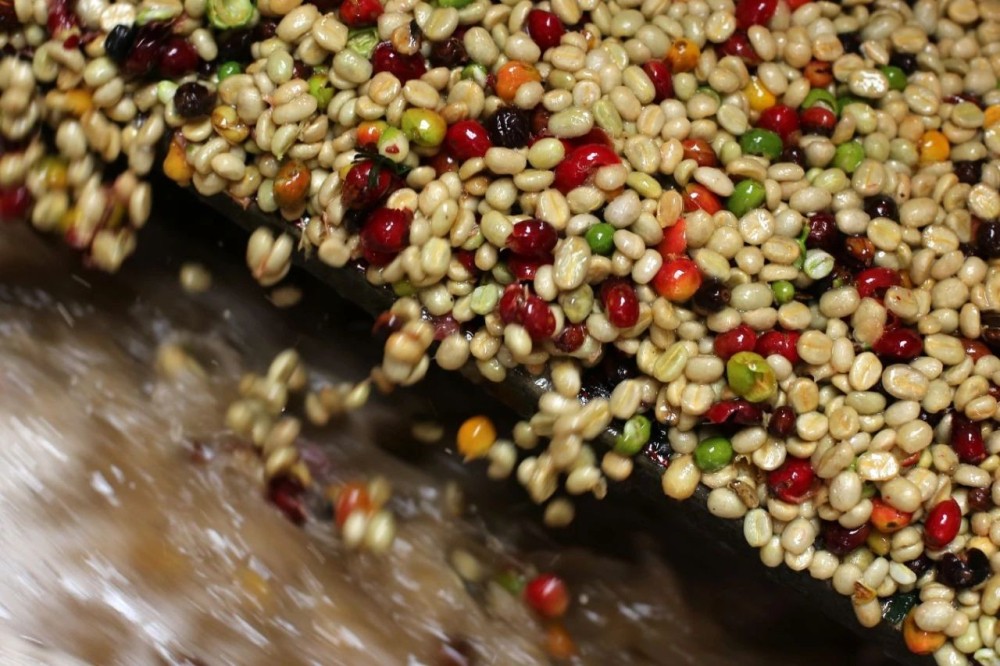
The Kenyan washed method uses repeated cycles of fermentation and washing. On harvest day, the highest-quality cherries are selected for depulping and ferment for 24 hours. After those 24 hours they are washed in clean river water, then fermented again in clean river water for another 24 hours, and washed once more. The cycle repeats 3 times, totaling 72 hours — hence the name Kenyan 72-hour fermentation wash, abbreviated K72. This long, cool fermentation produces flavors that are brighter, cleaner, and yet fuller.
How to Brew Kenyan Coffee for Its Full Juice Sensation?
To brew a good cup, FrontStreet Coffee first studies the basics of the beans — origin, flavor character, variety — then roasts accordingly before cupping and brewing.
FrontStreet Coffee believes a good brew comes down to four factors: water temperature, grind size, coffee-to-water ratio, and pouring technique.
1. Water Temperature
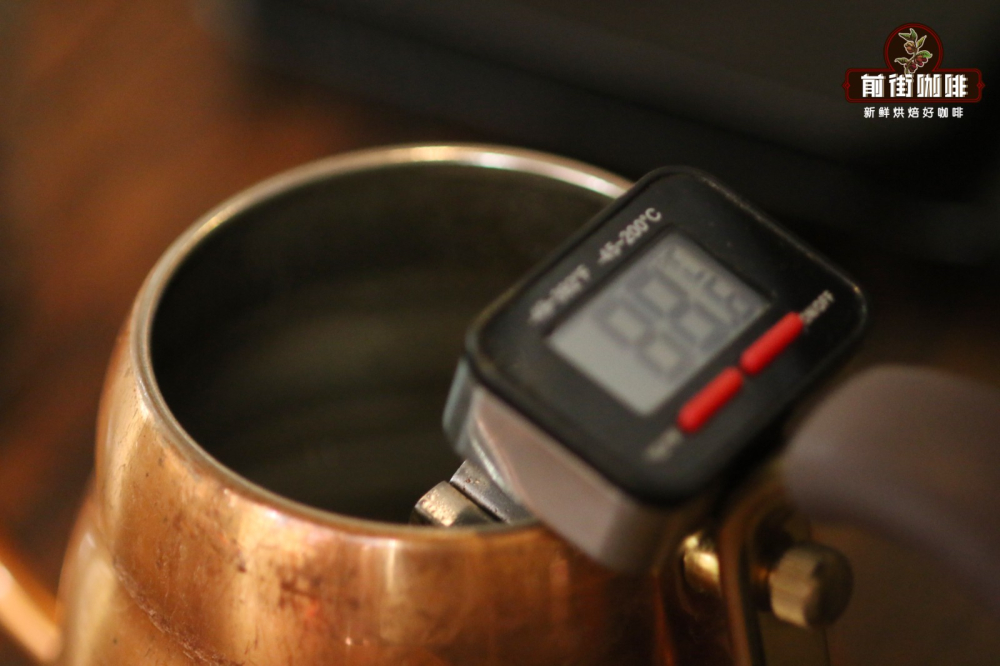
FrontStreet Coffee matches water temperature to roast level. The deeper the roast, the more of the bean's original compounds are lost, so darker roasts get cooler water to avoid pulling out harsh flavors. For light to medium roasts, FrontStreet Coffee recommends 90-91°C; for medium-dark roasts, 88°C.
2. Grind Size
Grind size is tied to roast level too. It governs how long water and coffee stay in contact: finer grounds extract more in the same time but easily over-extract; coarser grounds extract less but easily under-extract. And since every grinder differs, the numbers differ too. FrontStreet Coffee recommends a #20 cupping calibration sieve with 0.85mm apertures: take 10g of beans, grind to roughly the target setting, sieve the powder, and weigh what passes through (keep sieving until nothing more comes through).
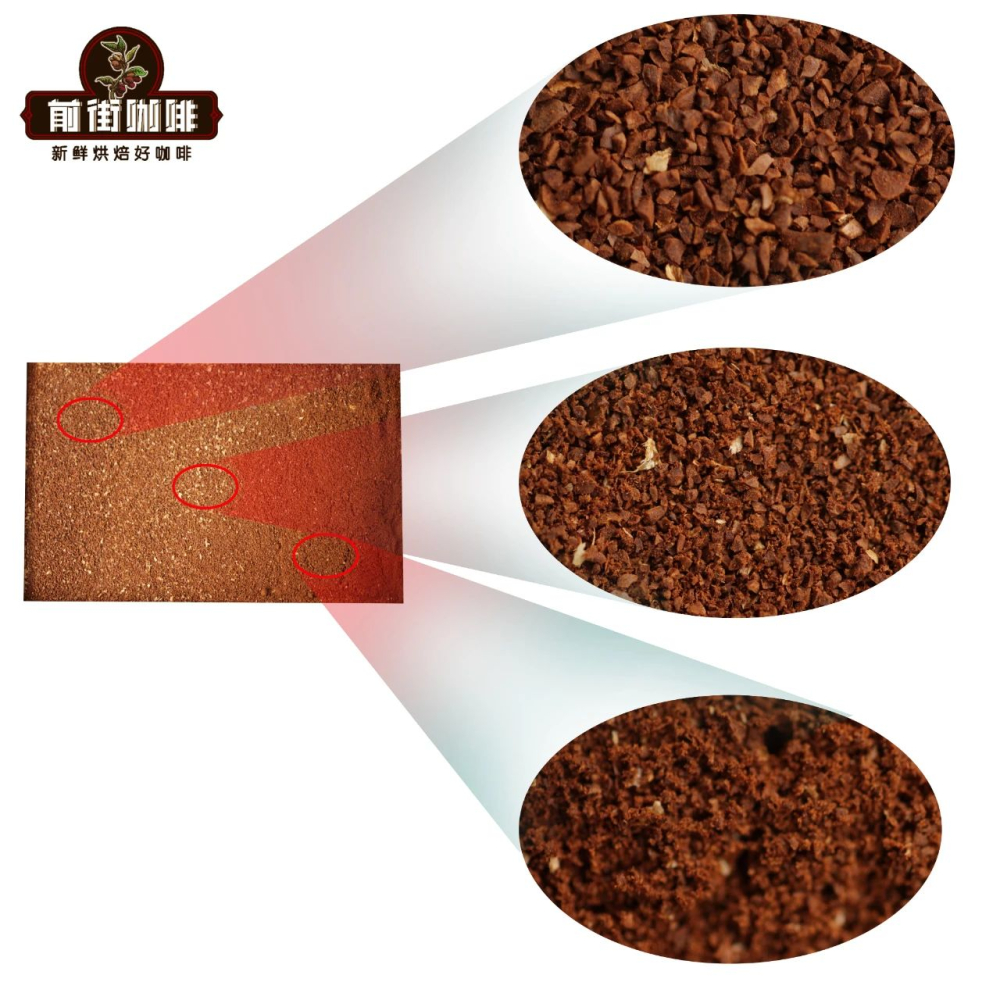
A pass rate of 70%-75% (7-7.5g from 10g) suits medium-dark roasts, while light roasts target 80%. Above the target range, grind coarser; below it, grind finer.
3. Coffee-to-Water Ratio
These ratios come from FrontStreet Coffee's reading of the SCAA Golden Cup extraction theory. We brew with 15g of coffee. The dose follows the dripper's design: ours suits 1-2 servings, between 15-20g. Too much powder is hard to control, and the flavors tend to blur together.
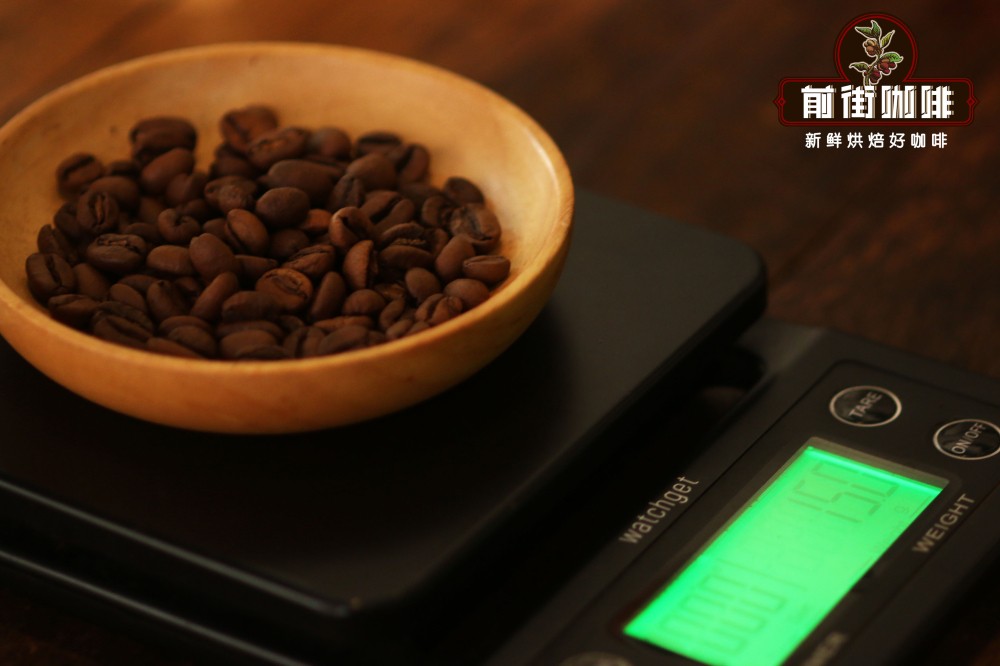
For the ratio, 1:15 is our standard; anything from 1:14 to 1:16 works. Choose 1:14 for a richer cup, 1:16 for a lighter one. Since everyone's palate differs, FrontStreet Coffee takes the middle value of 1:15 — the least error-prone choice.
4. Brewing Technique
Finally, technique matters enormously. Common approaches include three-stage pouring, single-pour, and drip-by-drip pouring. FrontStreet Coffee recommends beginners start with the three-stage method, which suits light, light-medium, and medium-dark roasts alike. Its segmented extraction cleanly separates the front, middle, and back of the coffee's flavor, better preserving the cup's expression. Here is how to do it, with FrontStreet Coffee's parameters for this Kenyan lot — roasted light-medium to highlight its vivid fruit acidity and full berry-juice body.
A V60 dripper yields the richest flavor. Water temperature: 91°C. Coffee-to-water ratio: 1:15. Coffee amount: 15g. Grind size (China #20 standard sieve pass rate): 80%.
First Pour: The Bloom (to release gas)
First rinse the V60 so the filter paper seats snugly, discard the rinse water, add 15g of coffee, and bloom with 30g of water for 30s. Why bloom at all? During roasting, beans undergo chemical reactions and physical changes that leave them loaded with gas — mostly carbon dioxide — by the time roasting is done.
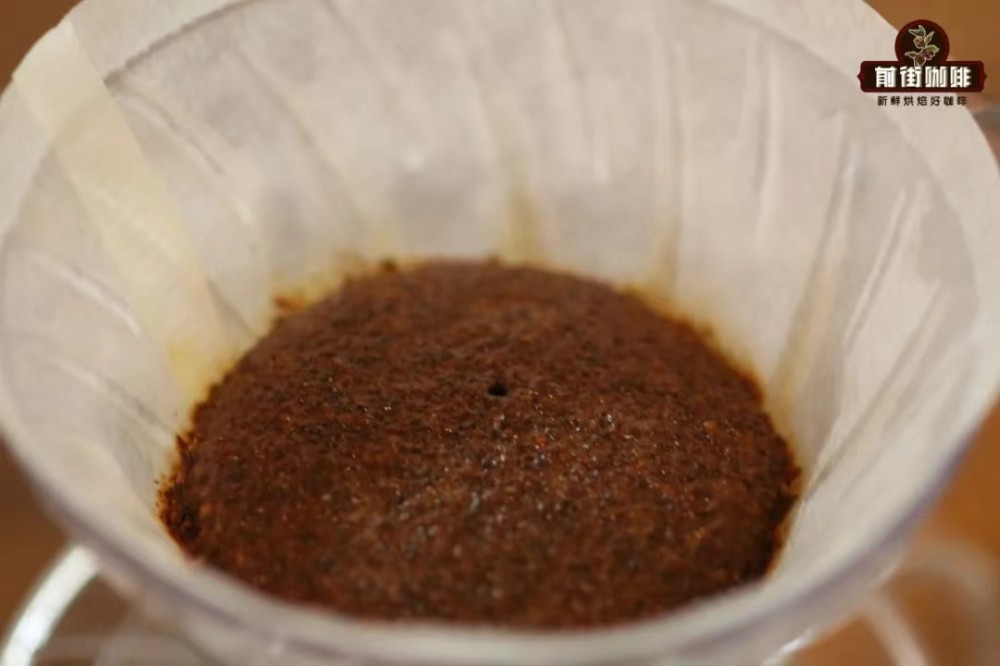
Generally, the fresher the roast, the more the grounds bubble during the bloom, and dark roasts degas more than light roasts. Because FrontStreet Coffee's beans ship freshly roasted, we recommend resting them three days first so they release carbon dioxide in advance — avoiding instability and under-extraction during the brew.
After the bloom vents the gas, the particles absorb water evenly, which sets up an even extraction later. A good bloom lets the coffee degas quickly, fully, and uniformly while ensuring every particle meets water at once — that is precisely the point of blooming.
Second Pour
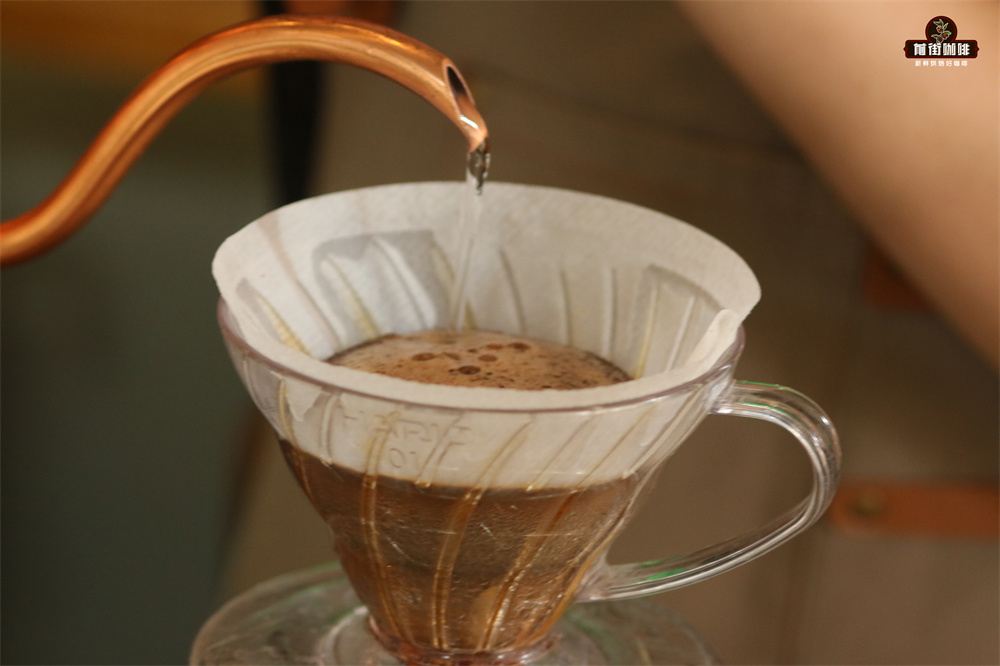
After the 30s bloom, begin the second pour. Start in small circles from the center, pouring up to 125g. To concentrate the stream's penetrating power, keep the circle small — about the size of a coin — then widen outward. From this pour on, watch the water level and try not to exceed the height of the coffee bed; when the stream nears the filter paper, stop.
Third Pour
When the coffee bed drops to half the height of the dripper, start the third stage with the same technique, pouring up to 225g. Let it finish dripping completely, then remove the dripper.
Watch the falling water level and pour from the center outward in circles, keeping the water below the bed's height. At this point foam covers the surface; the third pour should agitate the particles so the settled ones tumble back into suspension and release their solubles.
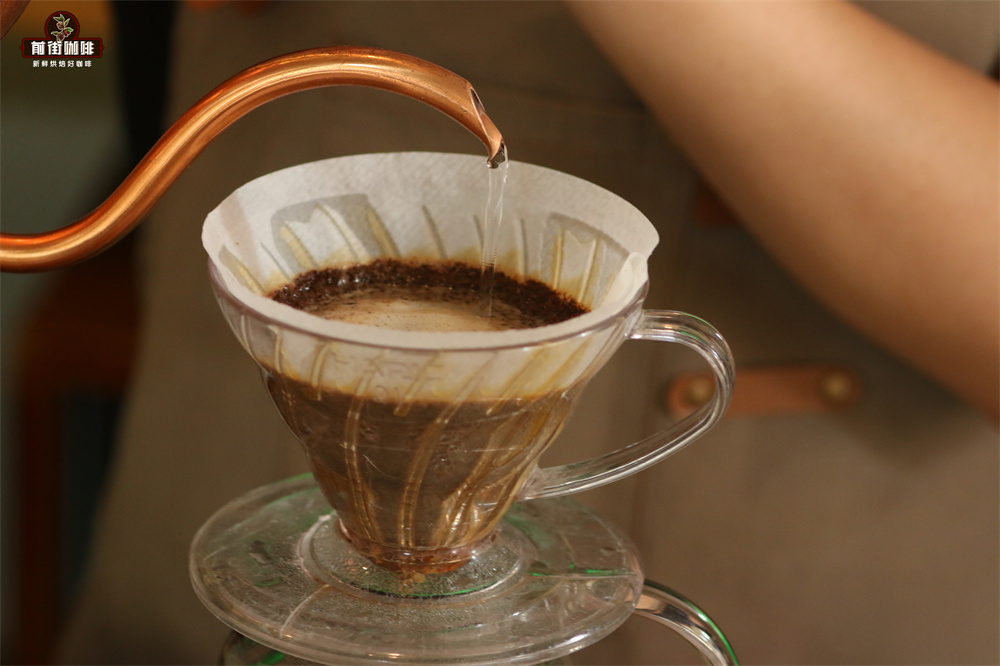
Once pouring stops, the tumbling particles settle, and the dropping water level creates friction between them; as they sink they can clog the bed, so keep close attention on your pouring rhythm. Too many pauses effectively leave the grounds steeping, which pushes astringency and unpleasant flavors into the tail of the extraction.
Start timing at the first pour; total extraction time is 2'00". Then give the finished coffee a gentle swirl to even it out, pour into a cup, and taste.

Flavor Characteristics of Kenyan Asalia Coffee
The wet aroma carries ripe tomato and florals. Hot, the entry shows caramel and brown sugar sweetness; as it cools, cherry-tomato and plum acidity emerge — bright, clean, with pronounced mid-palate sweetness and a full juice sensation.
FrontStreet Coffee's Brewing Suggestions
Freshness is everything. FrontStreet Coffee has always believed bean freshness is tightly linked to cup flavor, so every bean we ship is within 5 days of roasting. Our roasting philosophy is "freshly roasted good coffee," ensuring every order arrives at its freshest. The ideal resting period is about 4-7 days — so by the time the beans reach you, the flavor is at its peak.
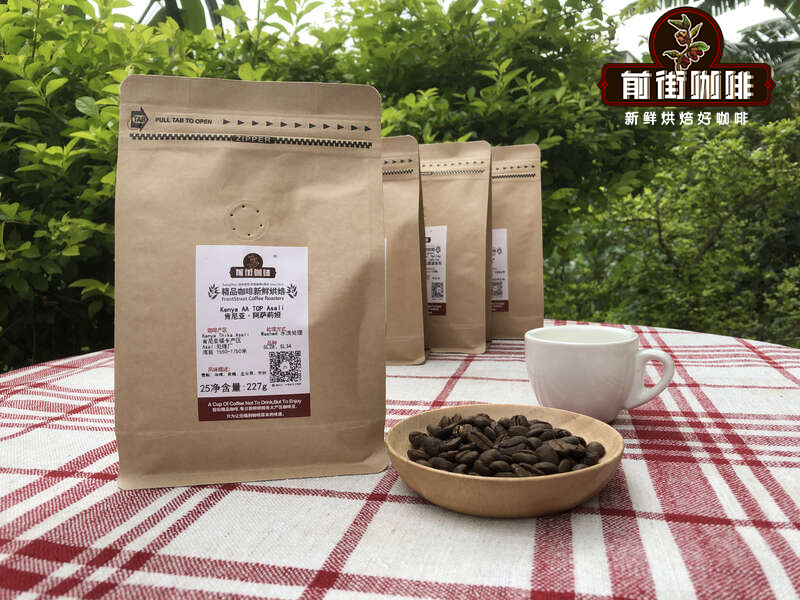
A note for those who order pre-ground coffee: ground beans need no resting period, because during shipping the pressure of carbon dioxide in the packaging helps the flavor mellow — you can brew a cup the moment it arrives. But ground coffee must be brewed promptly: once exposed to air it oxidizes quickly, the flavor fades, and the cup suffers. FrontStreet Coffee therefore recommends buying whole beans and grinding fresh before each brew.
FrontStreet Coffee Recommendation
Kenya's coffee first arrived from Ethiopia, and if you love that full juice sensation, FrontStreet Coffee's Ethiopian lineup is the natural place to explore alongside the Asalia. Start with the washed Yirgacheffe: a small highland town in southern Ethiopia, spring-like year-round and wrapped in mist, it yields a light, elegant, tea-like cup — floral and fruity acidity interwoven, like a crisp, clean lemon tea. For a more structured expression, the FrontStreet Guodingding Cooperative lot comes from the Worka area at Yirgacheffe's southeastern tip; formerly part of the YCFCU's Worka cooperative, it became an independent cooperative of about 300 farmers in 2012, and peeling the fruit before drying gives it especially clear citrus, lemon, and graceful white-floral notes.
Prefer the intensity that naturals bring — closer in spirit to Kenya's juice-like body? The FrontStreet Natural Red Cherry dries intact cherries in the sun for two weeks until the moisture drops to 12%, then hulls and triple-sorts the beans, producing a spotless cup with peach, cocoa, honey, and lemon. And the FrontStreet Natural Flower Queen, from a 200-hectare farm in the Hambella area of West Guji, Sidamo, dries its cherries 21 days on raised beds with constant turning and hand-sorting every three to five days; at a medium-light roast it shows a light fermented wine aroma, florals, citrus, and mango, with thick honey sweetness, cocoa, a touch of spice, a full body, and a long finish.
Important Notice :
FrontStreet Coffee is a long-established specialty coffee roaster in Guangzhou China, selling freshly roasted beans from its own farm in Yunnan as well as dozens of carefully selected single-origin beans from around the world for both pour-over and espresso. The products deliver consistently excellent quality and great value, with shipping within 24 hours. Guangzhou's FrontStreet Coffee shop is recommended by many coffee lovers, and the beans are now available online at the Tmall 。
FrontStreet Coffee has moved to a new address:
FrontStreet Coffee Address: 315,Donghua East Road,GuangZhou
Tel:020 38364473
 Scan and follow the En Gafei WeChat official account. Please indicate that the reprint comes from "En Gafei".