Grade of Ethiopian Sidamo G1 Coffee Beans
Recently, many customers visiting FrontStreet Coffee to buy beans have noticed English letters like G1 and AA on the packaging but do not know what they mean. FrontStreet Coffee would therefore like to give a simple introduction to how Ethiopian coffee bean grades are classified. As the homeland of coffee, Ethiopia is a natural coffee gene bank, with many different varieties of coffee trees growing mixed together. Because the varieties are so diverse, local Ethiopians cannot distinguish specific varieties and simply call them Ethiopian native varieties.
In fact, every type of coffee bean has grade classifications, and the criteria vary by region. Generally, classification is based on the altitude of origin, screen size (essentially the size of the raw bean), and the so-called grading by screen size and the proportion of defective beans. Today, FrontStreet Coffee discusses how Sidamo coffee beans are graded.
Sidamo Coffee Region
The Sidamo region is one of Ethiopia's famous specialty coffee areas, known for Ethiopian beans that brew bright citrus and lemon notes with a subtle berry-like acidity. Among them, FrontStreet Coffee's washed Yirgacheffe, Gudina, and natural Red Cherry beans come from Ethiopia's Yirgacheffe region, while the Flower Kui beans that won a raw bean competition come from the Guji region. What many people do not know is that both Yirgacheffe and Guji were formerly part of the Sidamo region, but were later split off by the ECX precisely because the coffees from these two areas had such distinctive flavors.
Ethiopian Coffee Bean Classification
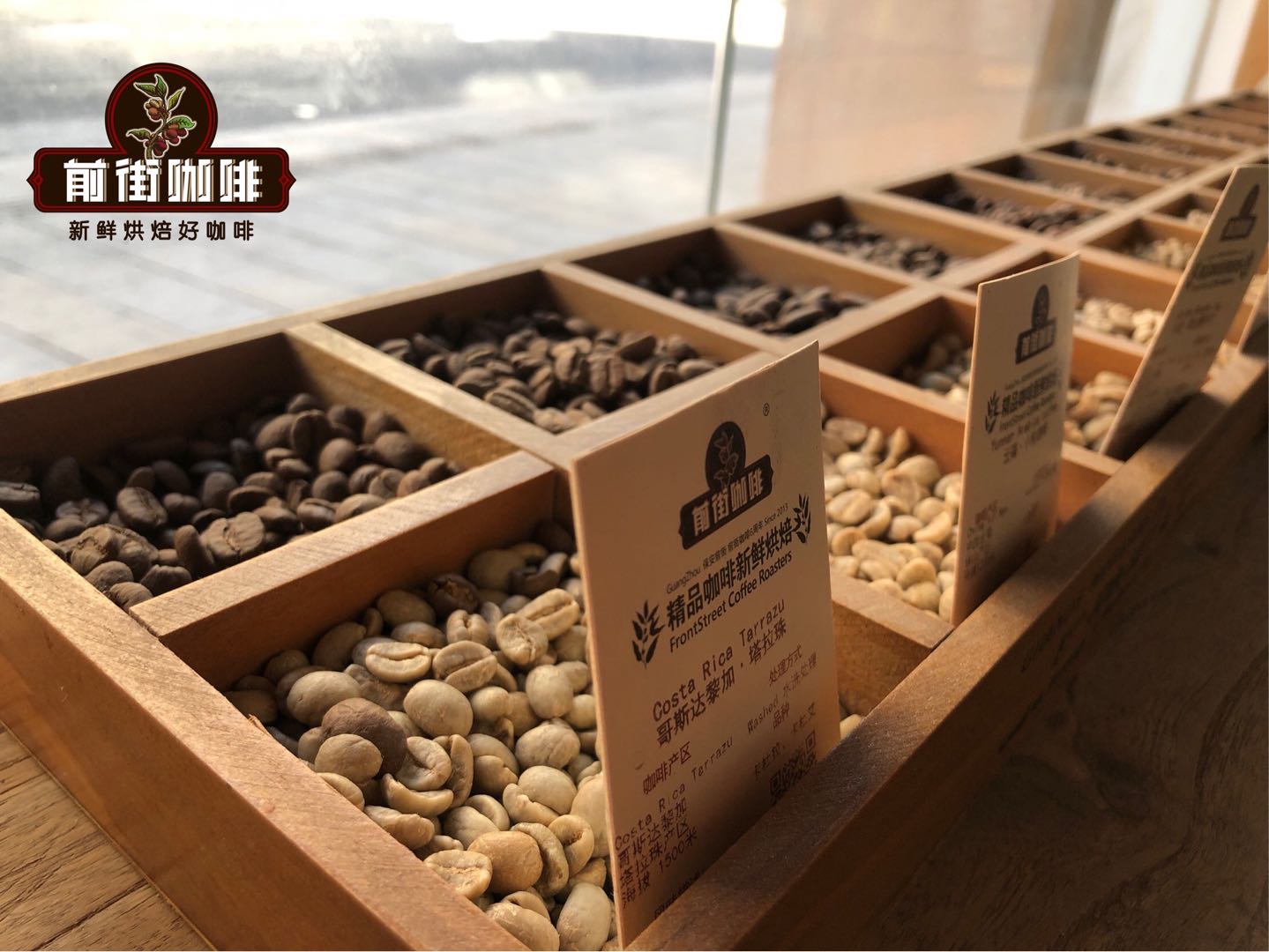
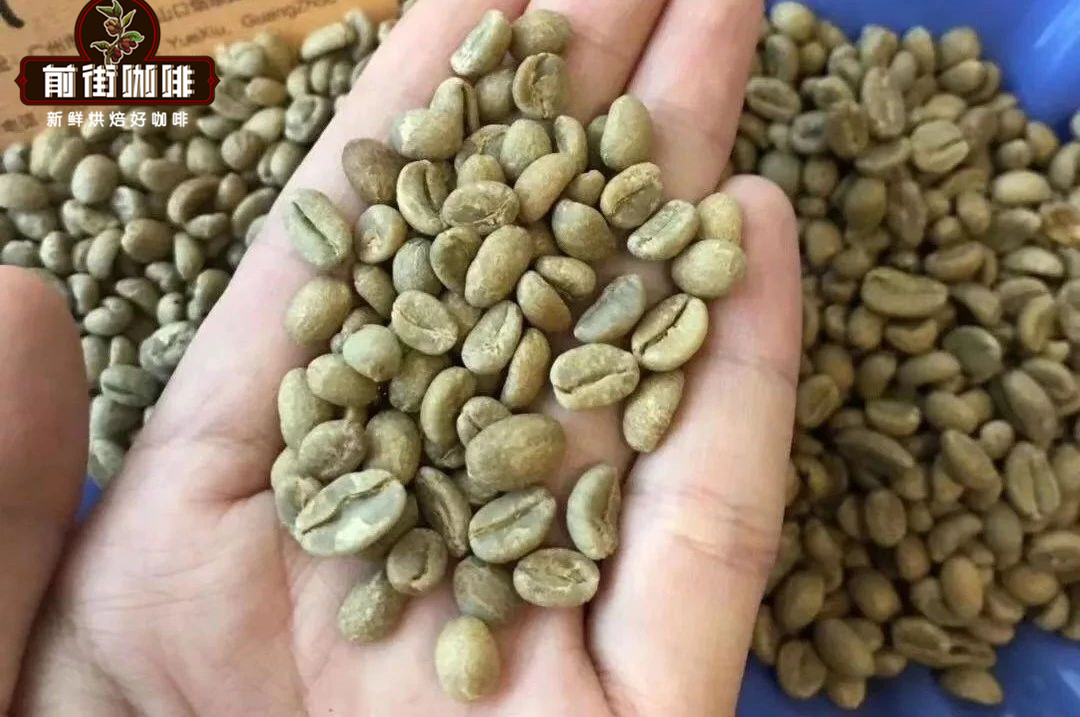
Ethiopian coffee beans are classified by the proportion of defective beans, primarily by grading green coffee according to the number of defective beans found in 300g. For example: 3 or fewer defective beans per 300g is G1; 4-12 is G2; 13-25 is G3; 26-45 is G4; and 46-90 is G5. Generally, washed beans are G1-G2. Because of technical limitations in natural processing at the time, natural beans had more defects and were typically G3-G5. As natural processing technology has improved, natural beans can now also reach G1-G2.
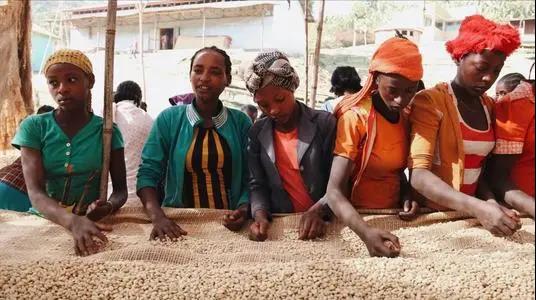
As you can see, G1 is the highest grade, with the fewest defective beans, while commercial beans are typically G4. The Sidamo region generally uses natural processing: ripe cherries from Ethiopian native varieties are picked, defective beans and other impurities are removed, and the fruit is placed directly on raised beds to dry for two to four weeks, then finished with a hulling machine. Sidamo beans therefore carry not only the citrus aroma of washed beans but also a rich berry fragrance. If natural processing is not done properly, however, the beans may develop an earthy taste that wipes out the coffee's inherent aroma.

Coffee Classification in Different Countries
Not all countries classify coffee grades by the number of defective beans the way Ethiopia does. Coffee grade classification varies widely. Some countries classify mainly by bean size, including Tanzania, Rwanda, Colombia, and Jamaica. Kenya, for instance, typically uses eight grades: E (Elephant beans), AA, AB, C, PB, TT, T, and MH/ML.
Jamaican coffee is classified by quality from high to low as: NO.1, NO.2, NO.3, and PB (Peaberry). According to CIB standards, the defect rate must be below 3%, with moisture content around 13%. Among these, NO.1 Blue Mountain green beans have a basic standard of beans above 17 screen size, NO.2 green beans are above 16 screen size, NO.3 is above 15 screen size, and PB is approximately above 14 screen size. Jamaican High Mountain coffee has grades similar to Blue Mountain but does not include the PB grade, while Jamaican coffee has only the prime grade, with screen sizes between 15-17.

Ethiopian Coffee Growing and Processing
Because beans from Ethiopia's Sidamo region vary greatly in size, they are generally not classified by bean size. At this point you might wonder: why does not Ethiopia select superior native varieties for unified cultivation when planting? To answer, FrontStreet Coffee needs to explain how coffee is grown and harvested in Ethiopia. Most Ethiopian coffee trees grow in a wild or semi-wild state across different areas and plots. Because Ethiopia lies in the tropics, tropical plants grow very easily. When the fruit ripens, farmers harvest it. In reality, the fruit farmers harvest comes from many different varieties. Ethiopia has nearly 2,000 recorded coffee varieties, including 1,927 native varieties and 128 introduced varieties. Ethiopian coffee varieties are like a grand garden—they have everything: long, short, thin, and fat.

The Red Cherry Project
According to FrontStreet Coffee's understanding, after Dutch green bean merchants noticed the inconsistent quality of Ethiopian coffee fruit, they collaborated with local cooperatives to launch the "Red Cherry Project." The project raises the purchase price of high-quality green beans to encourage farmers to complete every step of harvesting and processing more carefully. This yields beans of better quality and taste, which win better recognition in the end market, thereby offsetting the relatively high purchase prices.

The natural Red Cherry beans available at FrontStreet Coffee are part of this project. In roasting and cupping, FrontStreet Coffee can still feel a clear difference. Because beans from the Red Cherry Project ripen more uniformly, they retain a large amount of floral aroma and fruit acidity during roasting. Beans outside the project, with their uneven ripeness, make it difficult to balance uniform roasting with flavor fullness and cleanliness.

Brewing Recommendations
Because Ethiopia's Sidamo region is graded by defect rate, the beans show obvious unevenness in particle size, which leads to uneven roasting. FrontStreet Coffee believes it may be precisely this characteristic that creates the rich flavors and diverse aromas of Ethiopian coffee.
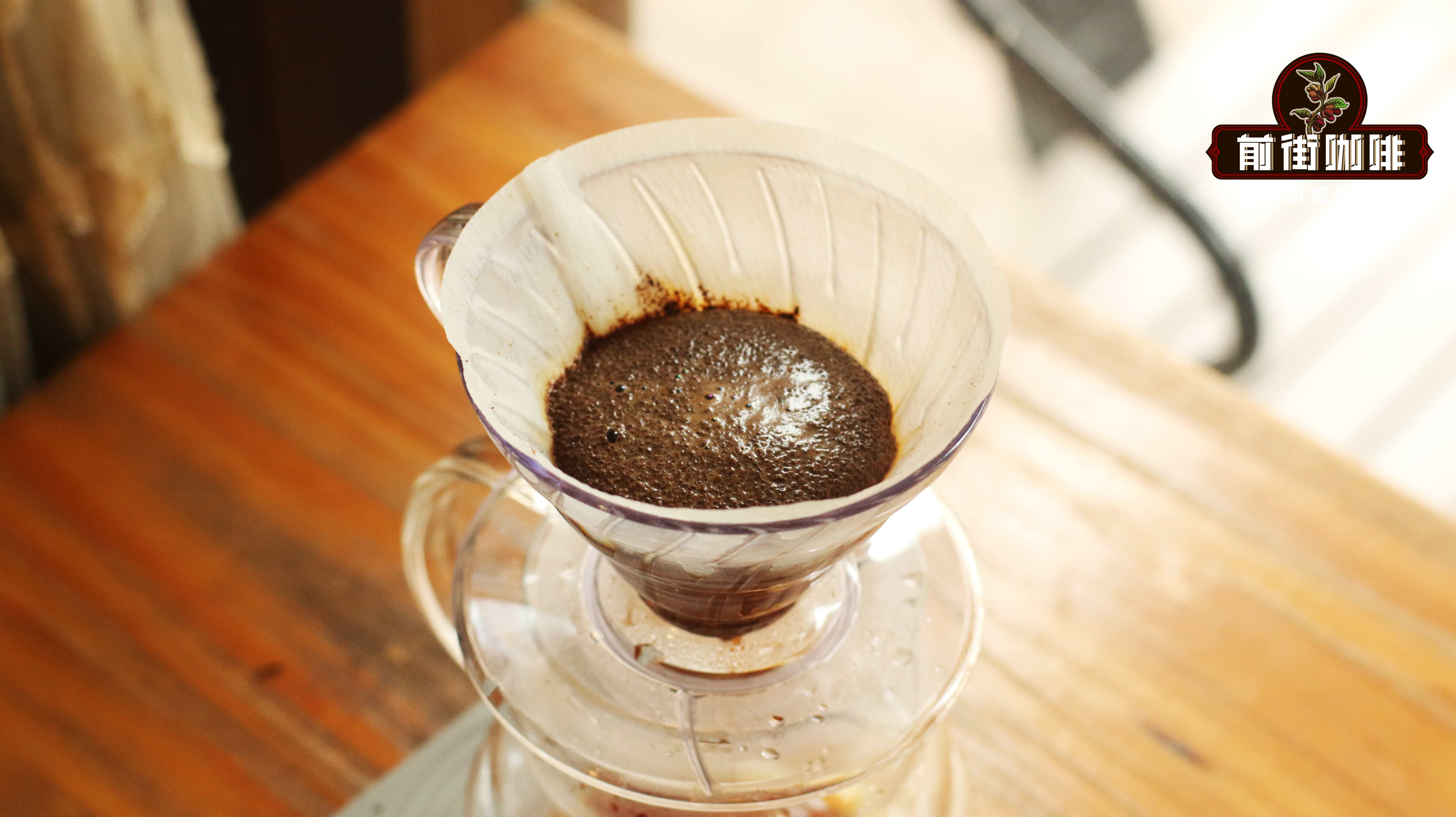
FrontStreet Coffee therefore uses a higher water temperature and a finer grind to extract the fruit acidity of Ethiopian Sidamo coffee, using faster-flow drippers like the V60. If you still have questions, you are welcome to visit a FrontStreet Coffee store to exchange coffee knowledge.

FrontStreet Coffee Recommendation
Understanding the grade tells you how clean a lot is likely to be, and for anyone who wants to taste what a top-grade Ethiopian coffee can do, FrontStreet Coffee's washed Yirgacheffe G1 is a natural choice—its very few defects show through as clarity in the cup. FrontStreet Coffee's washed Yirgacheffe is known for white jasmine florals, bright citrus and lemon acidity, and a tea-like body, and it is a wonderfully approachable first bean. If you want to see how a cooperative's care affects quality, FrontStreet Coffee's Gudina Cooperative coffee comes from the Woka area at the southeastern edge of Yirgacheffe and carries on the most traditional washed processing, with fresh, bright citrus and lemon acidity and jasmine fragrance. And to see how the Red Cherry Project pays off in the cup, FrontStreet Coffee's naturally processed Red Cherry beans are picked only as fully ripe whole cherries and dried on raised beds, showing citrus-like acidity, berry juice, honey sweetness, and a creamy smoothness—all brewed simply with a V60 at 90-91°C, a 15g dose, a 1:15 ratio, and a medium-fine grind.
Important Notice :
FrontStreet Coffee is a long-established specialty coffee roaster in Guangzhou China, selling freshly roasted beans from its own farm in Yunnan as well as dozens of carefully selected single-origin beans from around the world for both pour-over and espresso. The products deliver consistently excellent quality and great value, with shipping within 24 hours. Guangzhou's FrontStreet Coffee shop is recommended by many coffee lovers, and the beans are now available online at the Tmall 。
FrontStreet Coffee has moved to a new address:
FrontStreet Coffee Address: 315,Donghua East Road,GuangZhou
Tel:020 38364473
 Scan and follow the En Gafei WeChat official account. Please indicate that the reprint comes from "En Gafei".