Kenyan Coffee: Differences Between Washed and Natural Processing Methods

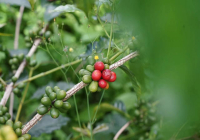
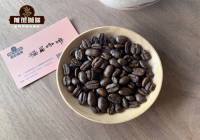
FrontStreet Coffee: Kenya · Little Cherry Tomato Coffee Beans
Origin: Kenya, Thika Region, Asali Processing Station
Altitude: 1550-1750m
Processing Method: Washed
Variety: SL28 & SL34
Flavor: Snow Pear, Black Plum, Brown Sugar, Plum, Cherry Tomato
Kenya sits in eastern Africa, with the equator crossing its center and the East African Rift Valley stretching from north to south. It borders Somalia to the east, Tanzania to the south, Uganda to the west, Ethiopia and Sudan to the north, and the Indian Ocean to the southeast. The coffee grown here is distinctly different from that of its neighbor Ethiopia.
Origin Information
Kenya's climate and geography provide excellent conditions for growing high-quality coffee. The equator crosses through the center of the country, and the East African Rift Valley runs north to south. Kenya borders Somalia to the east, Tanzania to the south, Uganda to the west, Ethiopia and Sudan to the north, and the Indian Ocean to the southeast, with a coastline of 536 kilometers. The country is mostly plateau, with an average altitude of 1,500 meters. Mount Kirinyaga (Mount Kenya) in the central region reaches 5,199 meters, with snow on its summit, making it the second highest peak in Africa. The entire territory lies in the tropical monsoon zone, but because of its high altitude it has a tropical savanna climate with significant seasonal differences in precipitation.

The coastal areas are hot and humid, while the plateau climate is moderate. The highest temperature throughout the year is 22-26°C and the lowest is 10-14°C. Kenyan coffee is a pillar industry for local communities. Most Kenyan coffee grows at altitudes between 1,500-2,100 meters, with two harvests per year. Its main characteristic is a distinct fruit aroma, with citrus especially common. Kenyan coffee has multi-layered flavors and juice-like acidity, often with grapefruit and wine notes over a moderate body, which makes it a favorite single-origin among many industry professionals.
The SASINI Estate is located in the KIAMBU region at an altitude of 1,500 to 2,000 meters. The area has beautiful scenery and a pleasant climate, with abundant sunshine and excellent soil conditions. It features fertile, acidic red soil that is loose and deep and drains well. The water pH here ranges between 5.5-6.5.
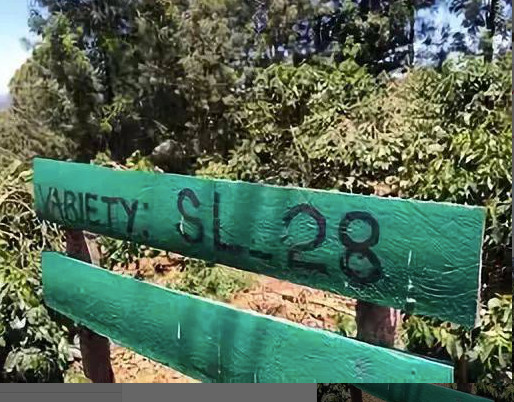
SL-28 is one of the two most respected varieties developed in the 1930s by Kenya's Scott Laboratories. Although Scott Laboratories no longer exists, it is now the National Agricultural Laboratories, part of the Kenya Agricultural and Livestock Research Organization. Both varieties are Bourbon derivatives, though from different lineages: SL-28 was developed from drought-resistant varieties originally planted in Tanganyika, part of modern Tanzania. It is generally considered to be of the highest quality, but its yield is not high compared with other commercial Arabica varieties. These SL varieties all display bronze-colored young leaves.
Kenya Little Cherry Tomato Processing Method Introduction
The beans FrontStreet Coffee acquires are processed using the washed method.

Kenyan washed processing involves a cyclic treatment of fermentation followed by thorough washing. The highest-quality coffee cherries are selected on the day of harvest, then pulped and fermented for 24 hours. After 24 hours they are washed with clean river water, then fermented again with clean river water for another 24 hours, followed by washing again. This cycle is repeated 3 times, reaching 72 hours in total, which is why it is called the Kenyan 72-hour fermentation washed method, abbreviated K72. This processing lets the beans ferment for a long time at low temperatures, giving them a brighter, cleaner yet fuller flavor.
Washed vs Natural Processing Comparison
Natural processing, also called Dry Process, Natural or Sun Dried, simply means exposing whole coffee cherries directly to the sun in an open environment. Compared with other processing methods, natural processing is much simpler to carry out. As long as the weather is good, which means plenty of sunshine, the cherries can be spread out on African drying racks or clean cement squares to receive the sun.

Because natural processing dries whole coffee fruits, the moisture content is much higher than in washed beans where the pulp and mucilage are completely removed, so the drying time must also be longer, typically twice as long as washed processing. In the sunny Ethiopian region, for example, it takes at least 3 weeks to dry fully enough to store. In Central and South America, some well-equipped estates build dedicated wooden drying racks or drying sheds with shading, allowing the fruit to dry more slowly and bringing different degrees of fermentation. This slow natural drying usually takes 4-5 weeks.
In terms of flavor, because natural coffee dries with the fruit skin, pulp and mucilage all participating, certain fermented substances form throughout, producing flavors that present a dense aroma similar to ripe tropical fruits, along with fermented notes and a rounded sweetness in a complex profile. FrontStreet Coffee's Red Cherry, FrontStreet Coffee's Emerald Estate Red Label and FrontStreet Coffee's Gesha Village Gold Label all use natural processing, so the brewed coffee carries rich floral and fruit aromas.
FrontStreet Coffee Recommendation
This comparison between washed and natural processing is exactly where Ethiopia, coffee's birthplace, offers two of the clearest reference points in the cup. If you enjoy the bright, clean citrus acidity of a washed Kenyan coffee, the FrontStreet Washed Yirgacheffe is the classic starting place, with clear jasmine florals and bright citrus acidity. The washed FrontStreet Giddingding Cooperative coffee, from a village in the Worka area at the southeastern end of Yirgacheffe, goes a step further: because the pulp and mucilage are removed before drying, the coffee's own aromatics come through more transparently, showing citrus and lemon tones and elegant white florals in a bright, delicate cup.
On the natural side, the FrontStreet Sun-Dried Red Cherry is made only from fully ripe red cherries, dried on raised beds for three to five weeks with frequent turning, and the result keeps the typical Yirgacheffe character while adding tropical fruit from the natural process, described as peach, cocoa, honey and lemon. The FrontStreet Sun-Dried Huakui is a more dramatic example, coming from the Hambella area of Guji in Sidamo: the 200-hectare farm dries ripe cherries on raised beds for 21 days, turning them regularly and discarding moldy or defective fruit by hand. Roasted light to medium, it gives a mild fermented wine aroma, florals, citrus and mango, with honey sweetness, a cocoa note, a touch of spice and a full, persistent body.
Whichever processing style you prefer, these coffees reward a gentle pour-over. FrontStreet Coffee suggests about 15g of coffee at a 1:15 ratio with water around 90-91°C, a medium-fine grind near fine granulated sugar and about 80% pass-through on a #20 sieve. Bloom with 30g of water for 30 seconds, then pour in circles to 125g, wait for the bed to drop about two-thirds, and finish at 225g, aiming for a drawdown of about 2:00 to 2:10.
Important Notice :
FrontStreet Coffee is a long-established specialty coffee roaster in Guangzhou China, selling freshly roasted beans from its own farm in Yunnan as well as dozens of carefully selected single-origin beans from around the world for both pour-over and espresso. The products deliver consistently excellent quality and great value, with shipping within 24 hours. Guangzhou's FrontStreet Coffee shop is recommended by many coffee lovers, and the beans are now available online at the Tmall 。
FrontStreet Coffee has moved to a new address:
FrontStreet Coffee Address: 315,Donghua East Road,GuangZhou
Tel:020 38364473
 Scan and follow the En Gafei WeChat official account. Please indicate that the reprint comes from "En Gafei".