Yunnan Geisha Coffee Bean Growing Region - Yunnan Small Bean Coffee Flavor and Taste Characteristics
Professional Coffee Knowledge Exchange
For more coffee bean information, follow FrontStreet Coffee.
The Cultivation History of Yunnan Geisha Coffee
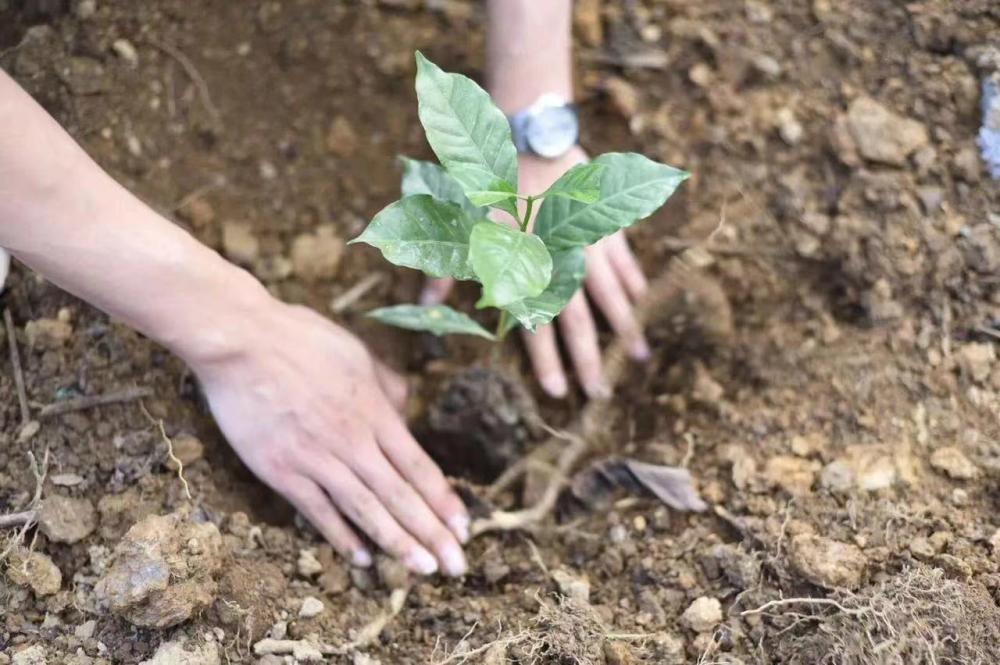
The cultivation history of Yunnan Geisha coffee is relatively short. Planting is concentrated in the "Zuo Garden" area of Yunnan's Baoshan region, where, around 2011, the garden's owner began researching Geisha cultivation in Yunnan and set aside a dedicated section of the estate for developing Yunnan Geisha coffee.
The Origins of Geisha Coffee
The Geisha variety we know today originates from the primeval forests of Ethiopia's Gesha region. It is an Arabica variety prized for its resilience to disease but notorious for low yields. When the first Geisha collections were gathered, various coffee plants were harvested from the area, named after the Gesha region, and sent to British plantations in Kenya for research and cultivation.
In 1936 the material was transferred to Tanzania for further research, and in 1953 it was introduced to Costa Rica, where it was cataloged as T2722. Panama brought in the T2722 Geisha during the 1960s. As the variety adapted to its new environment, it developed the refined floral and fruit aromas we know today, achieving worldwide fame in 2004.
Global Geisha Cultivation Challenges
Even after Geisha became famous and countries around the world began planting it, the resulting flavor profiles rarely matched the refinement of Panama's high-altitude lots. Even replanting Panama's "domesticated" Geisha elsewhere could not reproduce the same characteristics.
Following the rise of Panama Geisha, some researchers returned to the original collection sites with the data available, searching for T2722's wild ancestors in the hope of harvesting wild Geisha as an alternative source. They did find such trees, though their genetic relationship to T2722 is not especially close — some shared genes, but no direct lineage.
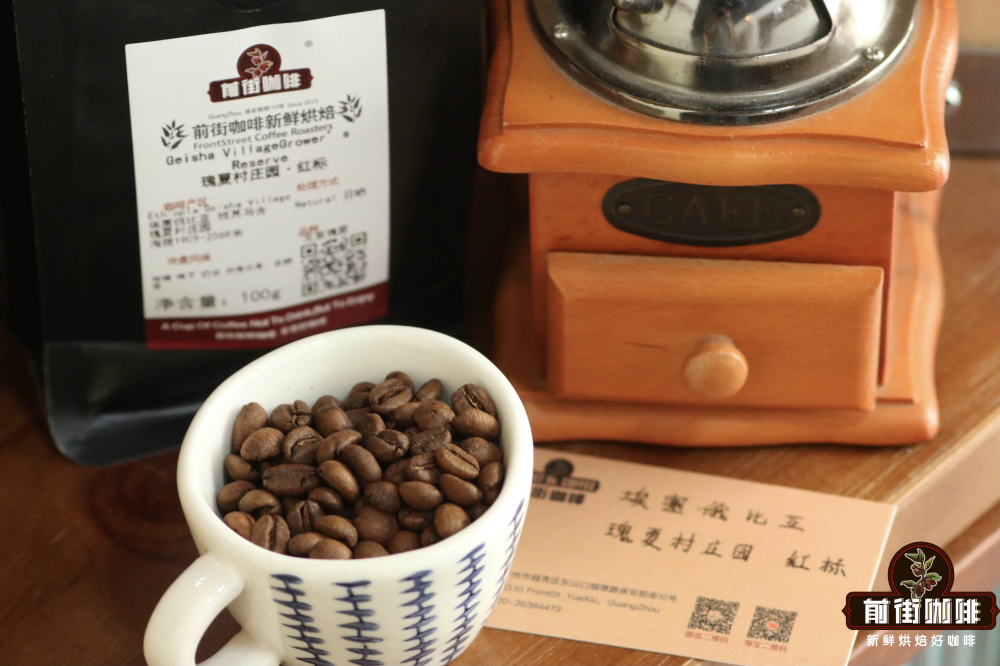
Flavor Profiles: Ethiopian vs. Panama Geisha
In flavor terms, Ethiopian Geisha beans are less polished. Wild Geisha has never had its genes shaped by human selection across different environments, so while the cup still carries floral and fruity aromas, they are not especially bright, often tinged with almond notes, and the mouthfeel lacks the complexity of Panama Geisha.
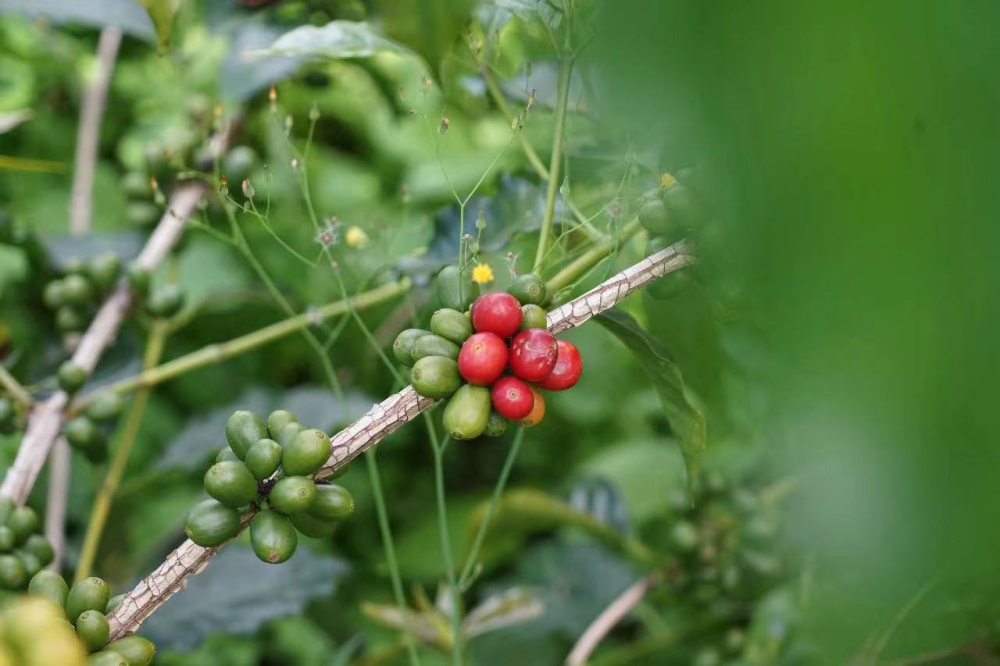
The Unique Character of Yunnan Geisha Coffee
Yunnan's Geisha behaves in a similar way. Whether growers use T2722 or Ethiopian Geisha, once the variety is cultivated in Yunnan its flavor profile changes — partly because the growing altitude doesn't match that of Africa or Central and South America, and partly because of major differences in soil and climate.
Geisha grown in Yunnan shows plum-like acidity, berry sweet-tart notes, a black-tea fermentation nuance, and a nutty finish. The florals are subdued, giving an overall cup that is clean, balanced, and mellow.
FrontStreet Coffee Recommendation
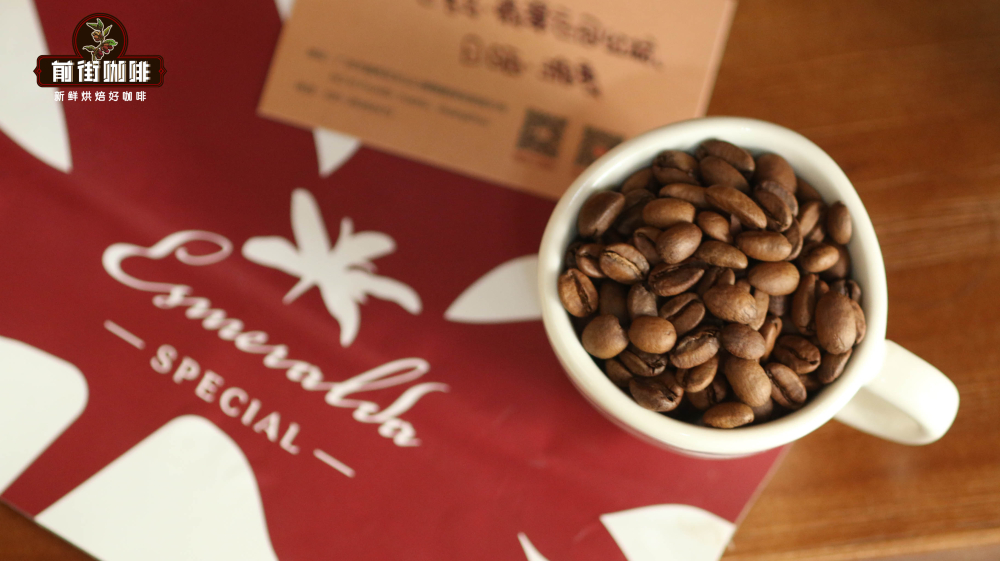
If you want to compare Yunnan Geisha against the variety at its very best, FrontStreet Coffee recommends the two grades of Hacienda La Esmeralda in Panama. The Red Label, officially "Esmeralda Special," grows at 1600-1800 meters, and each batch comes from a single named plot — FrontStreet's Red Label comes from the Mario plot — with every batch required to cup above 90 points and carrying its own independent batch number, so buyers can choose the lot that matches their preferred nuances.
The Green Label, "Private Collection," blends lots from multiple plots instead of highlighting one terroir, expressing the estate's signature high-altitude Geisha flavor at a more affordable price — which makes FrontStreet's Green Label an excellent-value reference point for the classic Geisha character.
For beginners who simply want a first taste of the fabled "Geisha flavor," FrontStreet Coffee suggests starting with its Boquete Geisha from Panama. This entry-level Geisha lets you experience the classic orange-blossom honeyed sweetness of high-quality Panamanian Geisha at a friendly price, with an oolong-tea texture, delicate fruit acidity, and clearly defined layers.
Important Notice :
FrontStreet Coffee is a long-established specialty coffee roaster in Guangzhou China, selling freshly roasted beans from its own farm in Yunnan as well as dozens of carefully selected single-origin beans from around the world for both pour-over and espresso. The products deliver consistently excellent quality and great value, with shipping within 24 hours. Guangzhou's FrontStreet Coffee shop is recommended by many coffee lovers, and the beans are now available online at the Tmall 。
FrontStreet Coffee has moved to a new address:
FrontStreet Coffee Address: 315,Donghua East Road,GuangZhou
Tel:020 38364473
 Scan and follow the En Gafei WeChat official account. Please indicate that the reprint comes from "En Gafei".