Yirgacheffe Kochere G2 Coffee vs G1: Differences, Flavor Profile, and Taste Overview
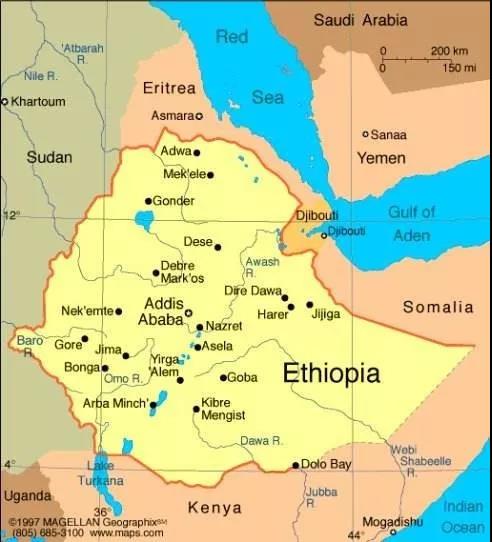
Kochere Production Area
Kochere is situated on a plateau at an altitude of 1,650-1,800 meters.
The main harvest season in Ethiopia is November and December. Most farmers do not use modern farming methods; instead, they manually care for the coffee trees without using harmful pesticides or herbicides. Almost all Ethiopian coffee is therefore organic by default, whether certified or not. The combination of natural growing methods and precise processing has made the region's coffee world-renowned. The Neko farm owner said: "We did not have time to prepare this time, but we will prepare for RFA organic certification for the next harvest."
Washed-processed coffee requires more resources (water) than natural processing, resulting in higher-quality washed green coffee beans. The beans are spread evenly on drying tables for good ventilation, and to prevent over-fermentation they are turned regularly.
Washed processing has a brighter acidity compared to natural processing, giving Yirgacheffe a "clean" taste. We like washed Yirgacheffe because it is clearer.
Production Area Information
FrontStreet Coffee Ethiopia Yirgacheffe Kochere
Grade Classification: G1
Variety: Heirloom
Growing Altitude: 1,650-1,800 meters
Processing Method: Washed
Flavor Profile:
Fruity (rich fruit flavor), fresh jasmine aroma, berries, citric acidity, pineapple, apple, smooth, clean, long aftertaste
We know that Ethiopian coffee is graded based on the defect rate of the beans. So what is the difference in appearance between beans of different grades? And will there be significant differences in flavor between beans of different grades?
Today FrontStreet Coffee shares the differences between FrontStreet Coffee's washed Yirgacheffe G1 and washed Yirgacheffe G2.
Grading
Let us first look at the specific Ethiopian coffee grading standards defined by ECX. ECX has established a grading system that combines physical characteristics with cupping flavor characteristics for scoring and grading.
ECX's specific grading and scoring standards are as follows:
A. Scoring Definition for Washed Processing
1. Physical characteristics account for 40%: defect count (20%), appearance size (10%), color (5%), aroma (5%)
2. Cupping quality accounts for 60%: cleanliness (15%), acidity (15%), mouthfeel (15%), flavor characteristics (15%)
B. Scoring Definition for Natural Processing
1. Physical characteristics account for 40%: defect count (30%), aroma (10%)
2. Cupping quality accounts for 60%: cleanliness (15%), acidity (15%), mouthfeel (15%), flavor characteristics (15%)
C. Overall Summary:
1. All coffees are first classified by processing method: natural, washed;
2. Each is graded into 9 levels, G1-G9, based on physical characteristics and basic cupping quality scores;
3. G1-G3 are cupped again according to SCAA standards for more detailed evaluation of flavor attributes, with G1 and G2 scoring no less than 85 points graded as Q1;
4. G1, G2, G3 scoring between 80-85 are graded as Q2, while all G1, G2, G3 scoring below 80 are graded as G3;
5. Q1 and Q2 are classified as Specialty Grade for export. G4-G9 maintain their original grading and are classified as Commercial Grade for export together with G3.
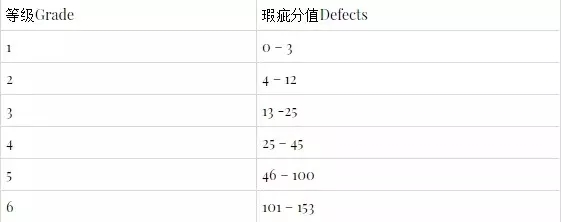
Washed Grade 1 represents 0-3 defective beans per 300 grams of green beans; Grade 2 represents 4-12 defective beans per 300 grams.
Green Beans & Roasting
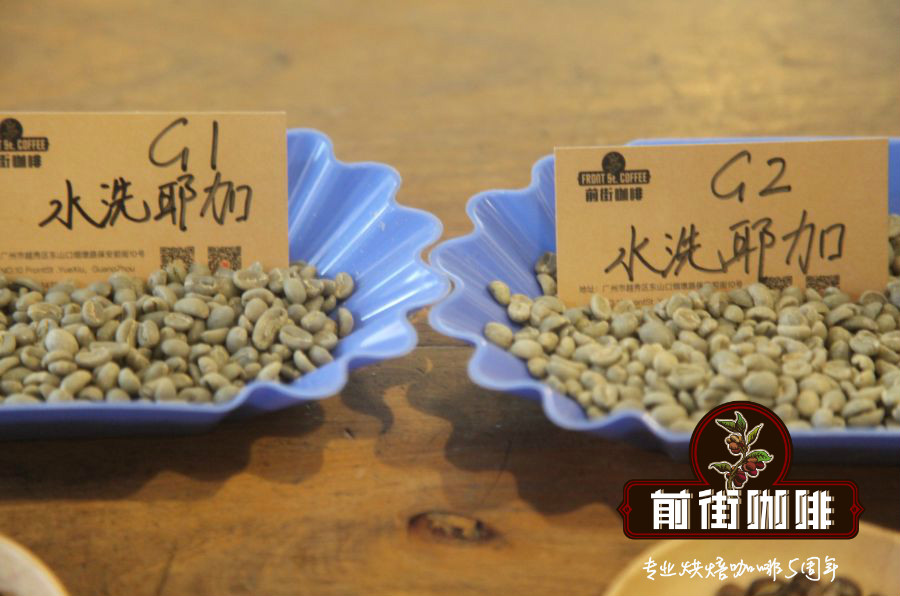
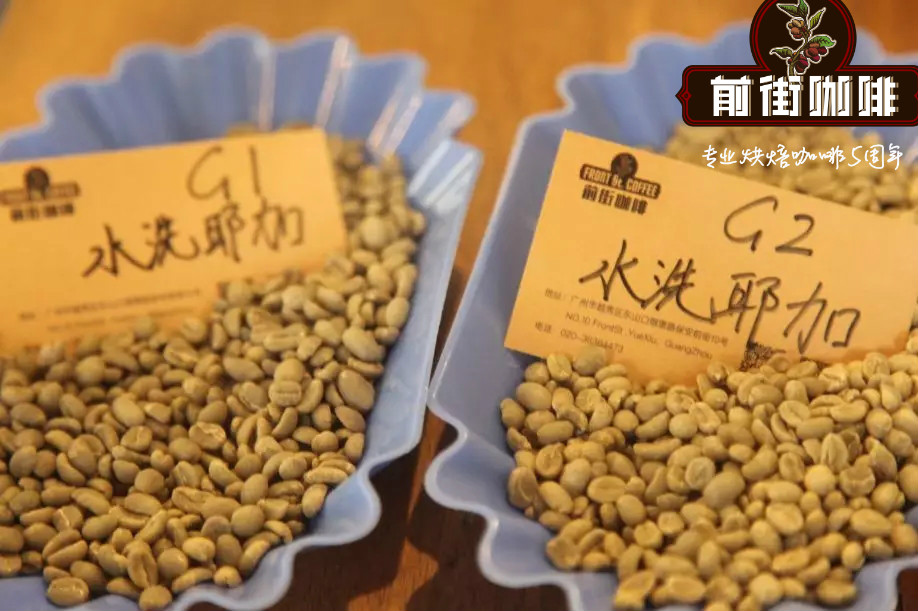
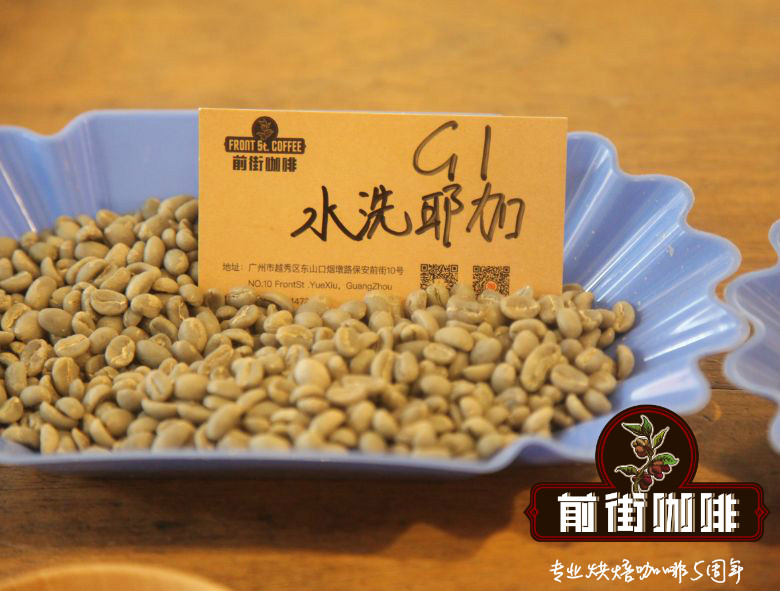
Both of these FrontStreet Coffee washed Yirgacheffe coffees are local heirloom varieties, which is why the beans appear to vary in size. After careful observation and comparison, however, we can see that FrontStreet Coffee's washed Yirgacheffe G1 green beans appear more uniform overall with a lower defect rate, while the washed Yirgacheffe G2 green beans show obvious unevenness in size and a higher defect rate.
FrontStreet Coffee Washed Yirgacheffe G1
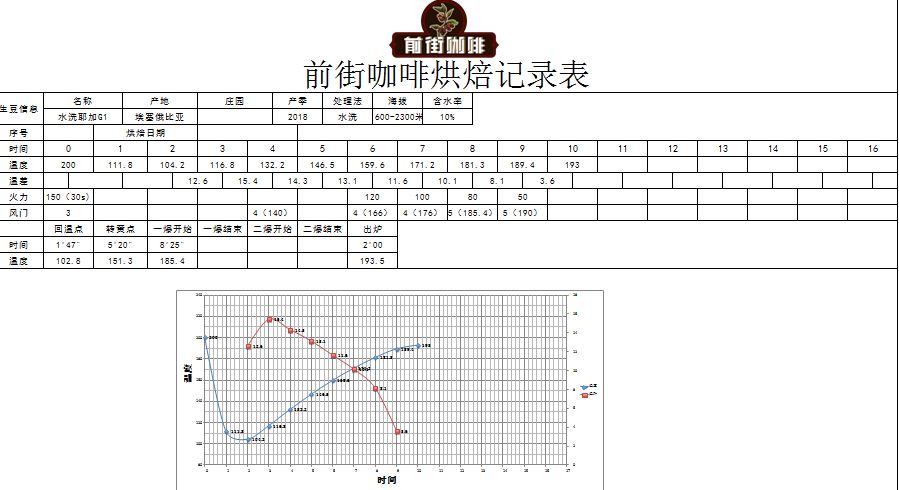
Entry temperature 200°C, yellowing point at 5:20, first crack begins at 8:25 at 185.4°C, developed for 2 minutes after first crack, discharged at 193.5°C.
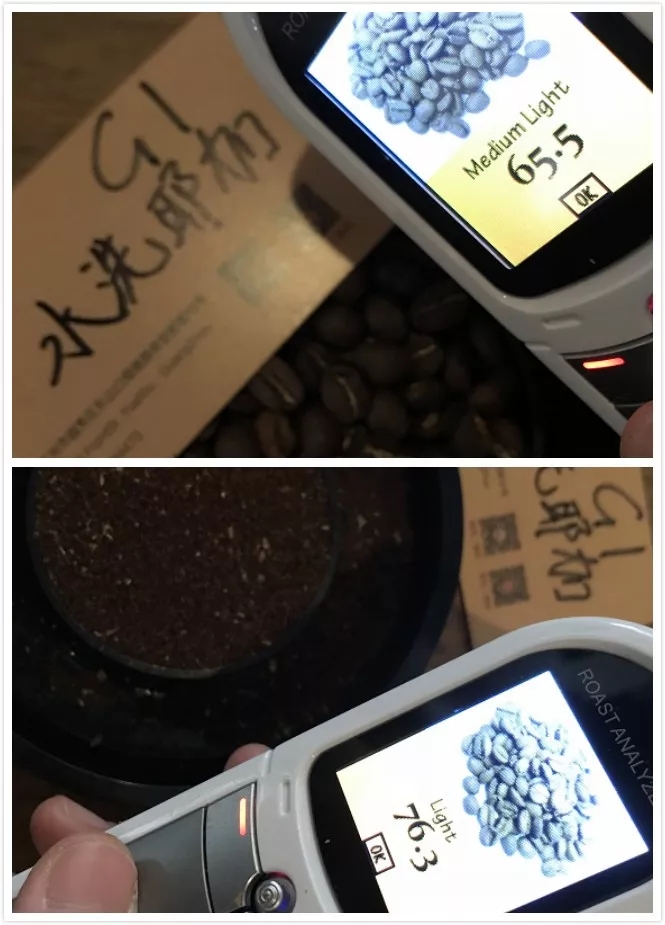
Agrton bean color value is 65.5 (upper image), Agrton pink value is 76.3 (lower image), Roast Delta value is 10.8.
FrontStreet Coffee Washed Yirgacheffe G2
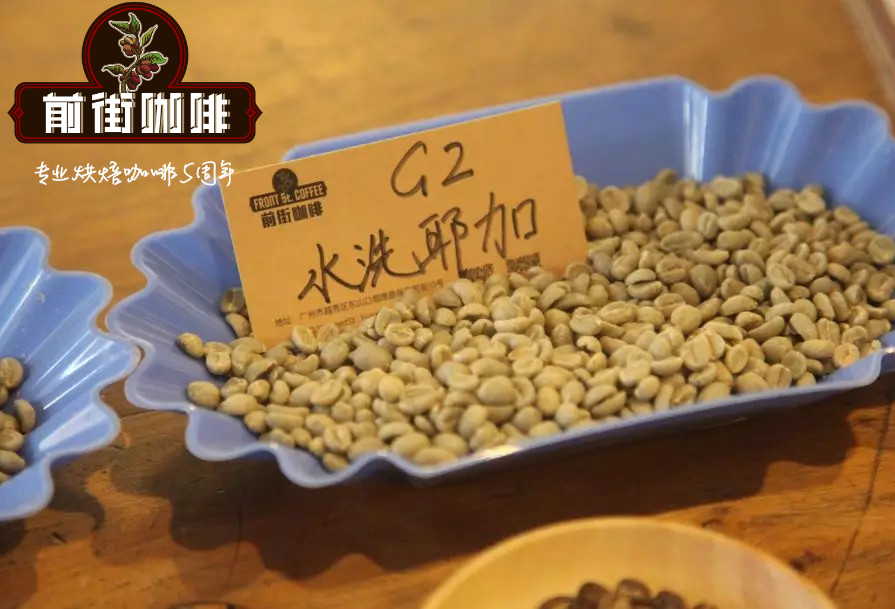
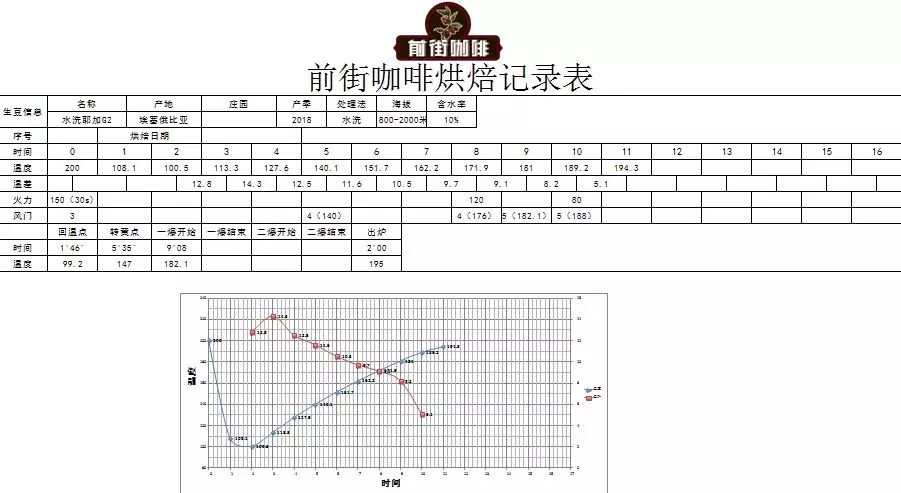
Entry temperature 200°C, yellowing point at 5:35, first crack begins at 9:08 at 182.1°C, developed for 2 minutes after first crack, discharged at 195°C.
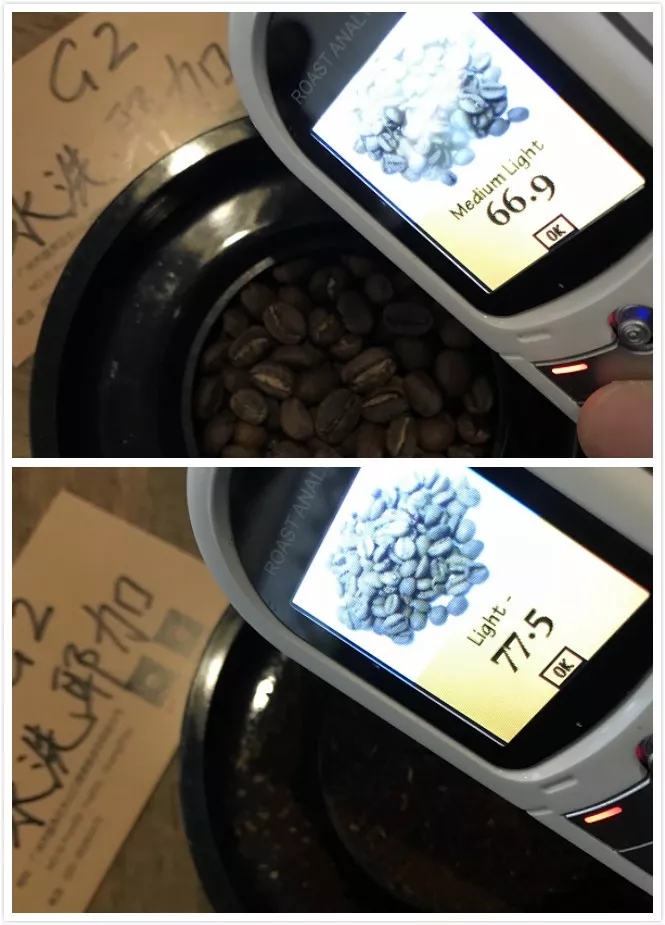
Agrton bean color value is 66.9 (upper image), Agrton pink value is 77.5 (lower image), Roast Delta value is 10.6.
Flavor Comparison
Cupping
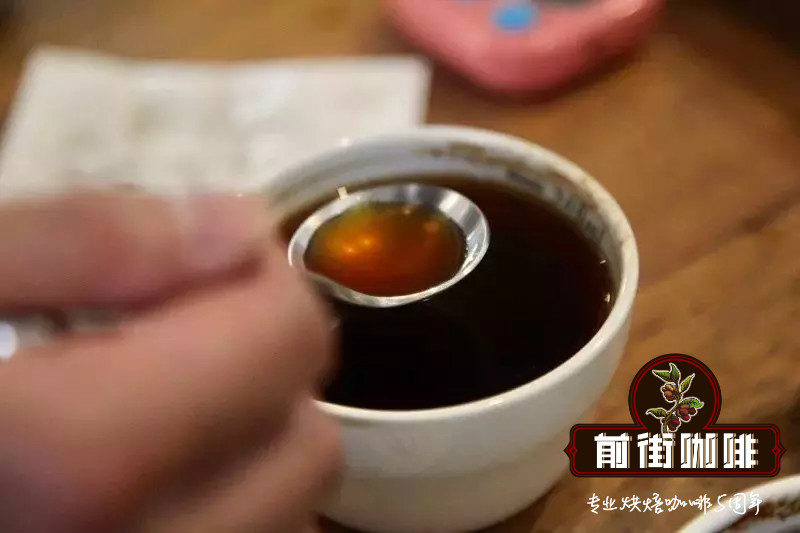
FrontStreet Coffee Washed Yirgacheffe G1: Jasmine, ginger flower, lemon, pomelo, plum, Tieguanyin
FrontStreet Coffee Washed Yirgacheffe G2: Jasmine, lemon, citrus, tea sensation
Pour Over
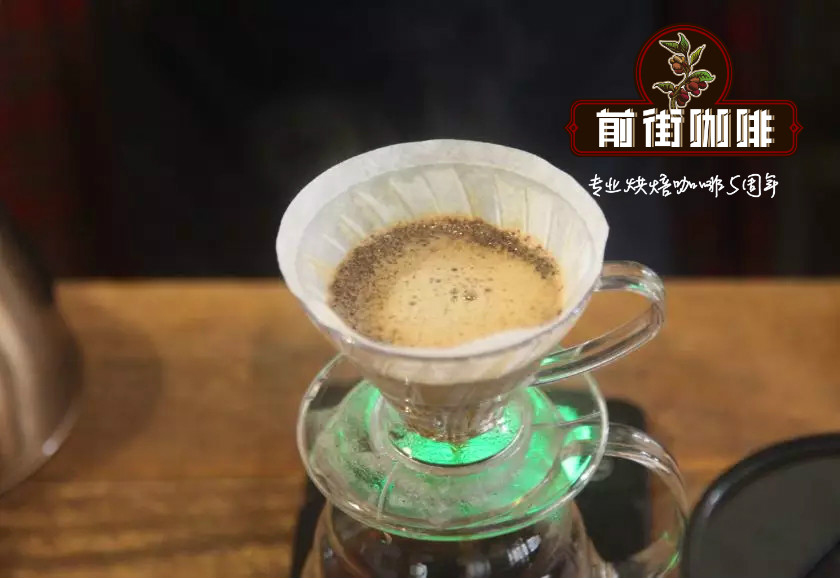
Parameters: water temperature 91°C, grind size BG 5R (58% pass rate through China standard #20 sieve), powder-to-water ratio 1:15.
Method: segmented extraction. 35g water for a 30-second bloom, small water flow quickly injected to 130g for the segment, continue injection to 225g when the water level drops and is about to expose the coffee bed, and remove the filter cup when the water level drops and is about to expose the coffee bed.
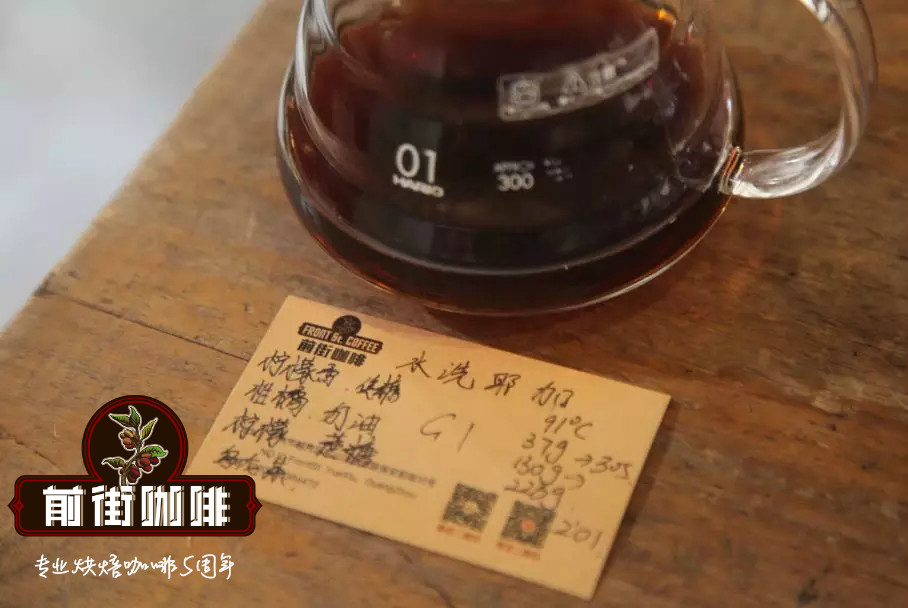
FrontStreet Coffee Washed Yirgacheffe G1: Smells of jasmine, lemon fragrance, and caramel sweetness. Entry has soft citrus acidity and cream aroma, mid-palate emerges with lemon acidity, sucrose aftertaste, and an oolong tea finish.
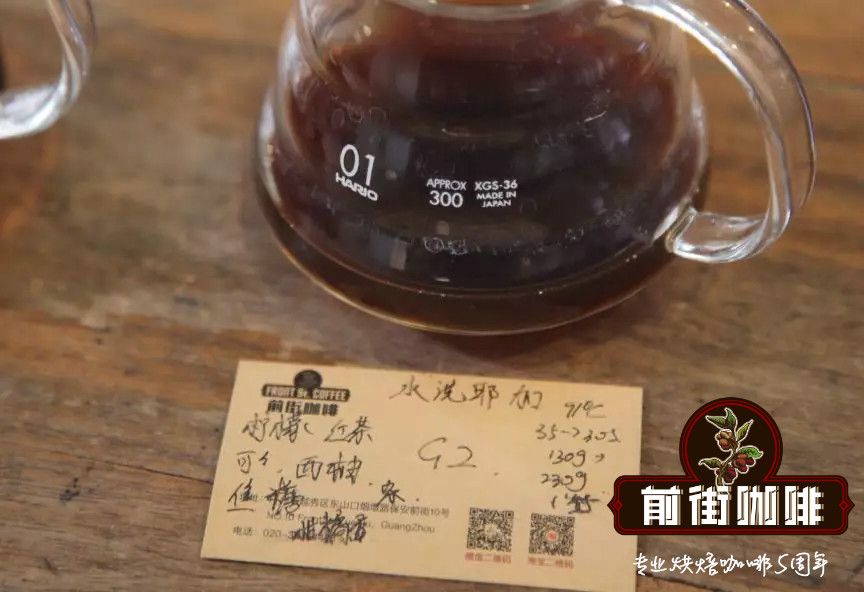
FrontStreet Coffee Washed Yirgacheffe G2: Smells of jasmine fragrance and citrus acidity. Entry has lemon, grapefruit acidity and a black tea sensation, with some cocoa flavor in the finish and a caramel aftertaste.
Conclusion
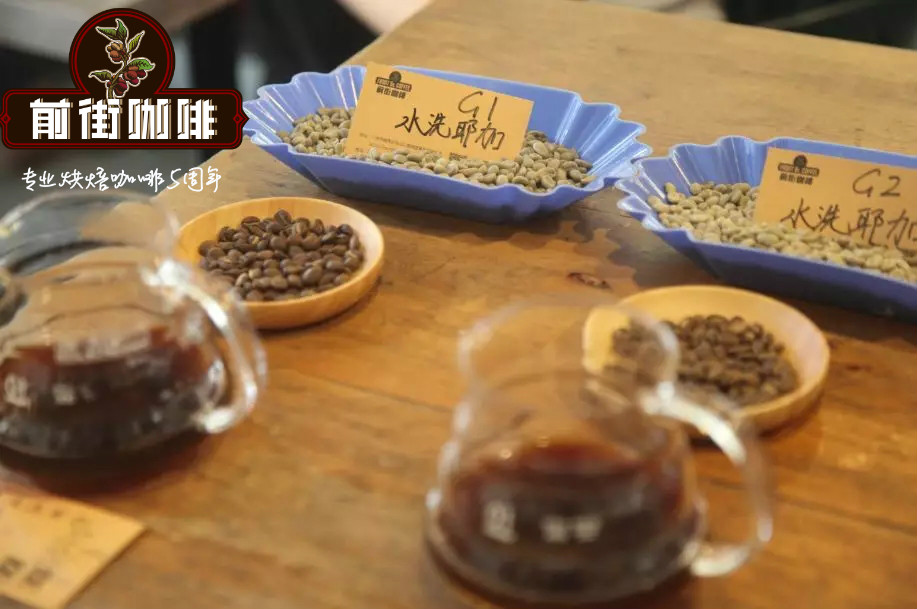
Comparing the two FrontStreet Coffee washed Yirgacheffes, the green and roasted beans clearly show that G1 beans are relatively more uniform in size, while G2 beans are obviously uneven with many defective beans; during roasting, G1's aroma is clearly perceptible, while G2's is somewhat inferior.
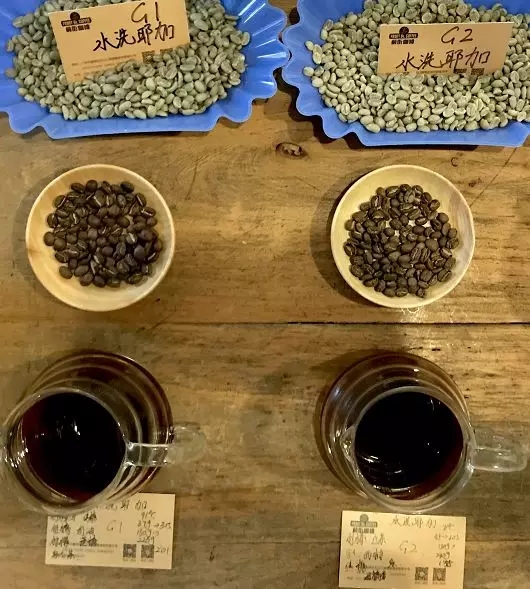
In terms of flavor, G1 and G2 are actually quite similar, mainly featuring lemon, citrus, and jasmine flavors. By comparison, however, G1 has richer and clearer flavor layers, while G2 has fewer and less clear flavor layers, with some off-flavors.
END
FrontStreet Coffee Recommendation
The G1 versus G2 comparison above is the clearest way to see why grade matters, and FrontStreet Coffee's entry-level washed Yirgacheffe is the G1 side of that story. It comes from the Yirgacheffe region at roughly 1700-2100 meters, with coffee planted above 1800 meters, and shows the classic profile: white jasmine, bright citrus and lemon acidity and a tea-like body, at a price that makes it the usual first specialty bag.
For a more fragrant washed lot, the Gutingguting cooperative sits in the Woka area at the southeastern end of Yirgacheffe and follows the traditional washed method, which brings out citrus and lemon acidity and jasmine florals with a clean, bright finish. If you would rather explore the natural side of the same region, the Yirgacheffe Red Cherry is a full red-cherry lot dried on raised beds for three to five weeks, adding berry-juice body and honey sweetness to the familiar citrus acidity.
Brew them the way FrontStreet Coffee does: a V60 dripper, 15g of coffee at 1:15 and 90-91°C water, with a fine-sugar grind (about 80% pass-through on a #20 sieve). Pour 30g for a 30-second bloom, then add 95g to reach about 125g, then the remaining 100g to about 225g, finishing around 2:00 to 2:10.
Important Notice :
FrontStreet Coffee is a long-established specialty coffee roaster in Guangzhou China, selling freshly roasted beans from its own farm in Yunnan as well as dozens of carefully selected single-origin beans from around the world for both pour-over and espresso. The products deliver consistently excellent quality and great value, with shipping within 24 hours. Guangzhou's FrontStreet Coffee shop is recommended by many coffee lovers, and the beans are now available online at the Tmall 。
FrontStreet Coffee has moved to a new address:
FrontStreet Coffee Address: 315,Donghua East Road,GuangZhou
Tel:020 38364473
 Scan and follow the En Gafei WeChat official account. Please indicate that the reprint comes from "En Gafei".