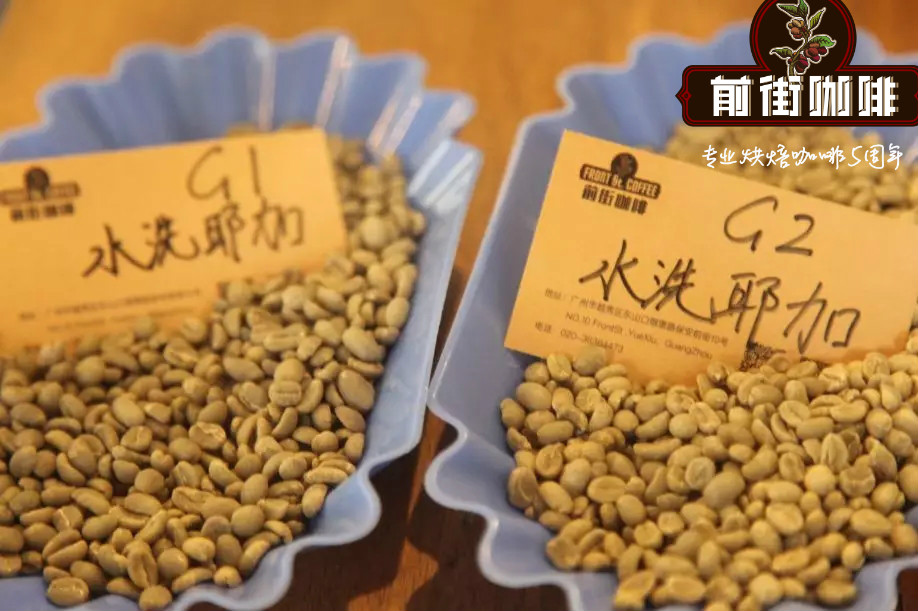
Flavor Characteristics of Sun-Dried Yirgacheffe Coffee and Pour-Over Brewing Parameters: Grind Size and Coffee-to-Water Ratio
The Exceptional Quality of Ethiopian Coffee
Everyone knows how exceptional Ethiopian coffee tastes—no elaboration needed! The worldwide following it has gathered speaks for itself. Among Ethiopia's celebrated origins, Yirgacheffe stands as an indispensable specialty coffee region, with unique flavors and superior quality—a truly remarkable coffee.
Understanding Yirgacheffe
The name Yirgacheffe is intriguing in itself: it is a small town in Ethiopia, coffee's birthplace. The area was historically wetland, and today the name has become synonymous with premium Ethiopian coffee.
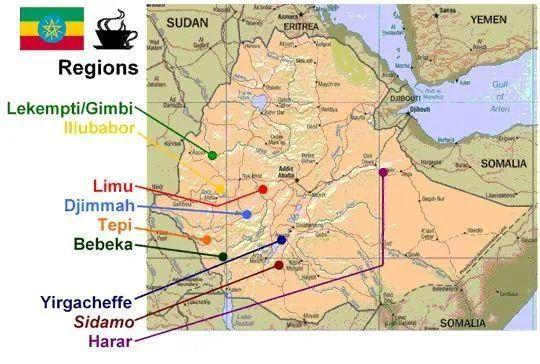
Yirgacheffe lies in the Gedeo region of southern Ethiopia, which administers the better-known Yirgacheffe and Kochere districts. Because the coffee produced there has such a distinctive flavor and style—and such a devoted following—it earned its own category in product classification and has always held a significant place in the global specialty market.
Yirgacheffe, situated in Sidama province, is itself a small town, with three nearby producing areas: Wenago, Kochere, and Gelena Abaya. Their coffee tastes so similar to Yirgacheffe's that Kochere has been folded into the Yirgacheffe regional category.
Flavor Profile and Processing Methods
Modest in appearance, Yirgacheffe exudes an elegant charm and delightful sweetness that captivates without embellishment. At a medium roast it reveals distinctive lemon, floral, and honey-like sweetness with gentle fruit acidity and citrus notes, making for a refreshingly bright cup.
Yirgacheffe traditionally used the most ancient processing method—natural sun-drying. In 1972, however, Ethiopia introduced washing techniques from Central and South America to improve quality, and the technique made Yirgacheffe's jasmine and citrus aromas even clearer and more refined, elevating it among the world's specialty beans. Since the 1970s the region has focused primarily on washed processing, becoming Ethiopia's most prominent washed-coffee origin.
In November 2009, Ethiopia rolled out a new trading and grading system, adding three sub-regions alongside Yirgacheffe: Wenago, Kochere, and Genlena Abaya.
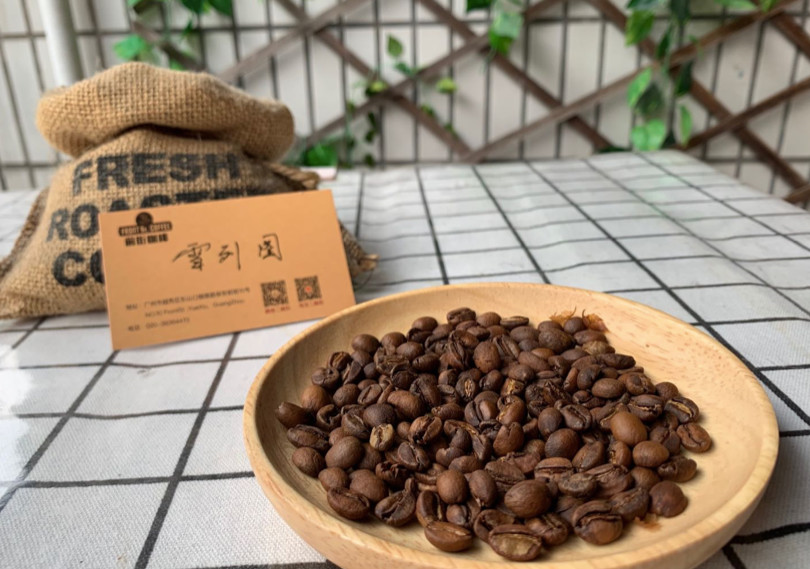
Yirgacheffe Chelelektu
Chelelektu lies within Yirgacheffe's Kochere district. Its red cherries come from roughly 500 family farmers nearby, who typically cultivate plots averaging less than 2 hectares at altitudes of 1,900–2,000 meters. Their washed beans have scored as high as 94 points in historical cupping records.
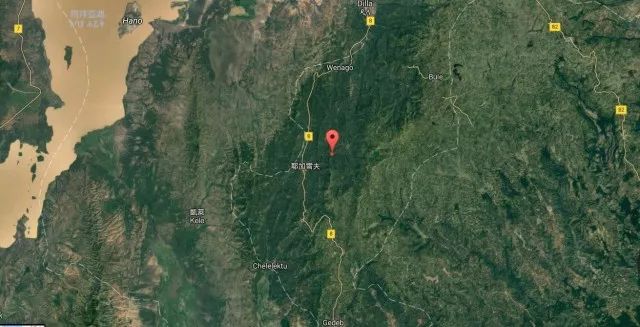
Kochere's largest town is Chelelektu, about 18 kilometers southwest of Yirgacheffe town in a straight line. Heading south from Yirgacheffe, the altitude climbs steadily until a three-way fork: the right path leads toward Chelelektu, the left path southeast toward Gedeb and Wolkite.
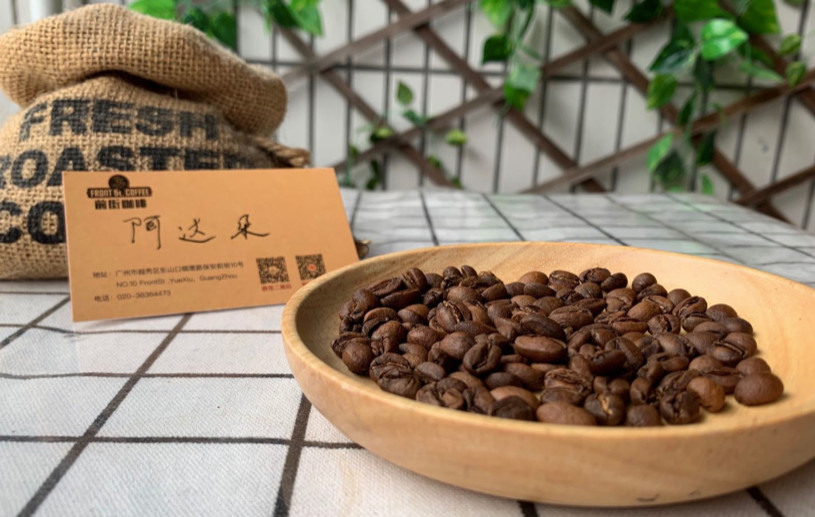
Yirgacheffe Adado
The Adado producing area is in Ethiopia's Gedeo region, organized as a cooperative of 7,000 coffee farmers. "Adado" is actually the name of a local tribe. Gedeo zone is one of the districts in Ethiopia's Southern Nations region, where both Yirgacheffe and Kochere are located.
Adado is a surprising micro-lot within Yirgacheffe. Open the bag and the air fills with abundant blueberry and vanilla; after roasting and grinding, those aromas burst out all over again—a "blueberry bomb" in every sense.
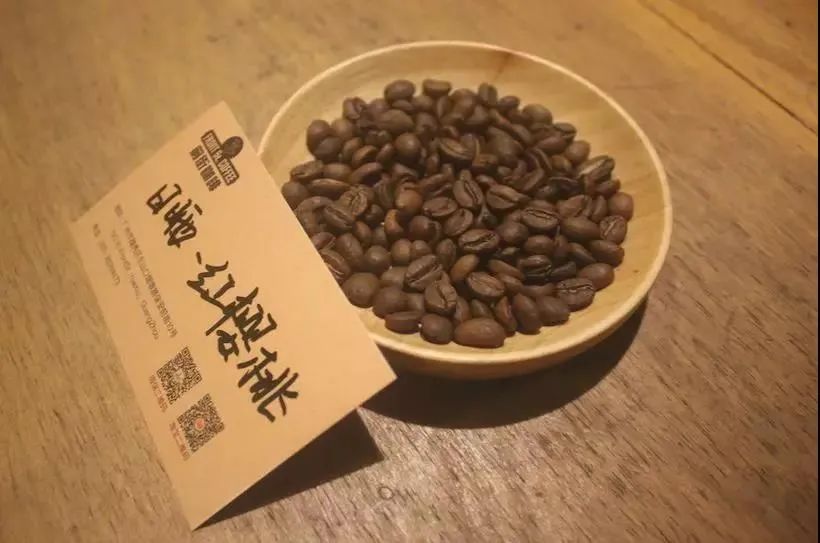
Yirgacheffe Red Cherry
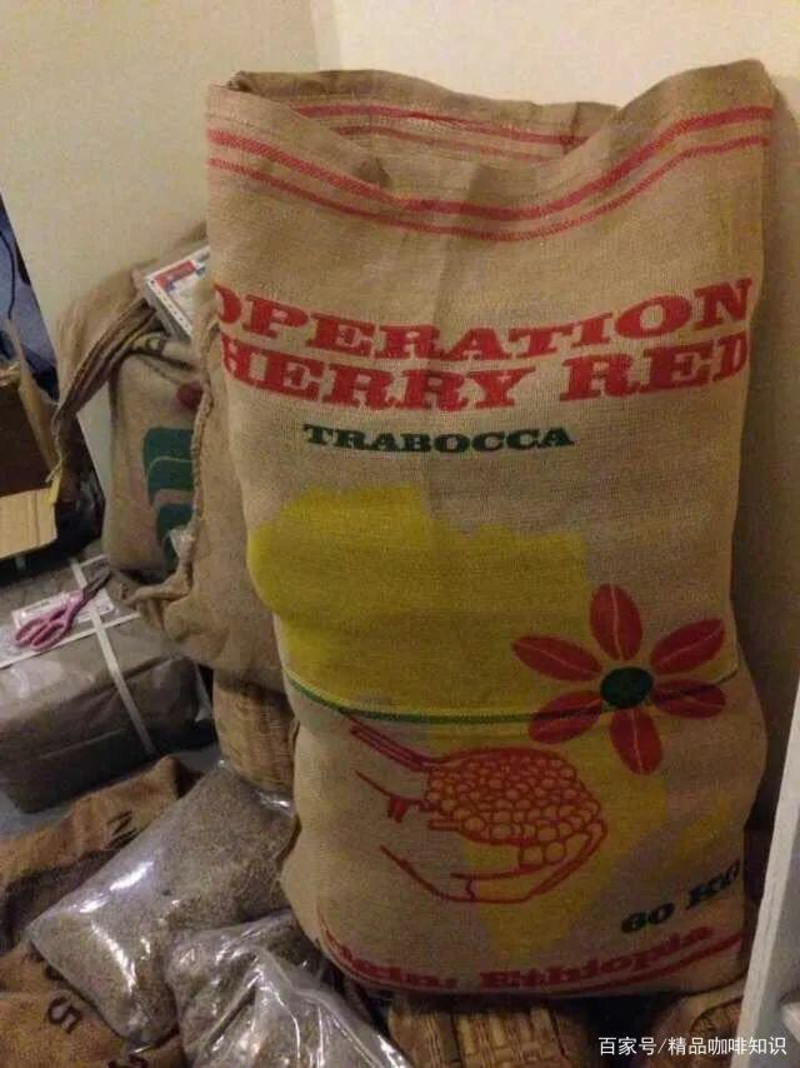
Red Cherry brings to mind the Red Cherry Project. What exactly is it?
In 2007, the Dutch trading company Trabocca launched the "OPERATION CHERRY RED PROJECT" with local farmers, designed purely to incentivize quality improvements. At the start of each harvest, Trabocca designates microclimate zones for harvesting plans, with 100% ripe red cherries hand-selected and production quantities of 1,500 to 3,000 kilograms.
The project invested steadily in local infrastructure: $5,000 in 2008 for new drying racks, $8,000 in 2009 for new natural drying racks and shade nets, $9,000 in 2010 for a generator, and $10,000 in 2011 to improve some local coffee transport roads.
Trabocca also provided interest-free loans to purchase new cherry depulpers and bean sorters, and in 2012 invested $14,000 to build a high-quality coffee cupping laboratory in Addis Ababa.
Beyond financing, new equipment, and production know-how, Trabocca promises generous purchase prices for any lot that meets cupping standards in both its Addis Ababa and Amsterdam cupping rooms. The passing bar is set at 88 points.
The Natural Processing Method
All three of these coffees are natural-processed—the oldest method, low-cost and simple, consisting of sorting out floaters, sun-drying, and hulling.
FrontStreet Coffee Brewing Parameters
Dripper: V60
Dose: 15 g
Ratio: 1:15
Water temperature: 90°C
Grind size: BG #6S

FrontStreet Coffee Brewing Method
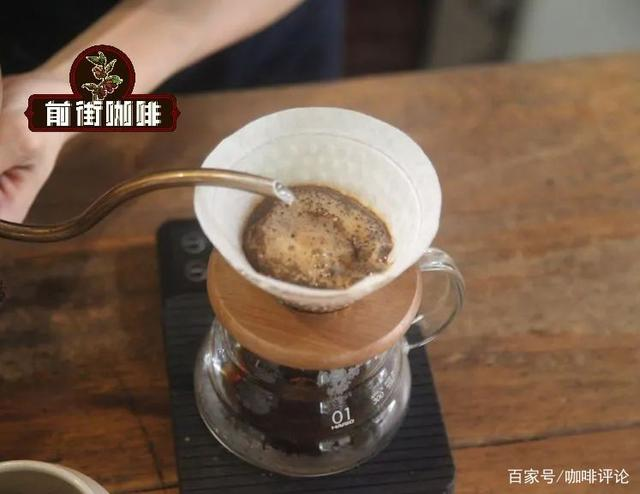
Bloom with 30 g of water for 30 seconds, then pour to 125 g. Once the water level drops by half, continue pouring to 225 g. Total extraction time: 2 minutes.
Flavor Descriptions
Yirgacheffe Chelelektu: lemon, citrus, and berries, with refreshing lemon notes in the finish; the mouthfeel is smooth and gentle.
Yirgacheffe Adado: berries, tropical fruit, and citrus, with blueberry acidity in the finish; the mouthfeel is rich and full-bodied.
Yirgacheffe Red Cherry: wine-like aroma, berries, and strawberries, with the sweet-tart profile of ripe fruit in the finish.
Conclusion
After comparative tasting, FrontStreet Coffee's team concluded: Chelelektu shows a relatively gentle lemon acidity; Adado a richer, blueberry-driven acidity; and Red Cherry the sweet-tart character of ripe fruit with the most persistent aftertaste of the three.
FrontStreet Coffee Recommendation
If these sun-dried Yirgacheffes intrigue you, FrontStreet Coffee's Yirgacheffe lineup is the natural next step. Start with the classic washed Yirgacheffe daily bean—white jasmine, bright citrus and lemon acidity, and a tea-like finish at an affordable price—grown in the small southern Ethiopian town where coffee trees thrive at 1700–2100 meters amid year-round mist. For more depth, try the washed Idido Cooperative lot from the Worka district at Yirgacheffe's southeastern tip: once part of the YCFCU's Worka cooperative and independent since 2012 with about 300 member farmers, Idido pulps its cherries before drying, so the bean's own character comes through crystal clear—citrus and lemon tones with elegant white florals, bright and delicate. Natural-process fans should seek out FrontStreet's Red Cherry lot: only fully ripe, defect-free cherries are sun-dried on raised beds for three to five weeks, turned every 2–3 hours early on, giving citrus acidity, berry juiciness, honey sweetness, and creamy smoothness alongside the classic Yirgacheffe character. To brew any of them: V60, 90–91°C, 15 g of coffee at 1:15, ground to fine-granulated-sugar size (80% pass on a No. 20 sieve); bloom with 30 g for 30 seconds, pour to 125 g over about a minute, then finish to 225 g at about 1:35, with drawdown complete in roughly 2:00–2:10.
Important Notice :
FrontStreet Coffee is a long-established specialty coffee roaster in Guangzhou China, selling freshly roasted beans from its own farm in Yunnan as well as dozens of carefully selected single-origin beans from around the world for both pour-over and espresso. The products deliver consistently excellent quality and great value, with shipping within 24 hours. Guangzhou's FrontStreet Coffee shop is recommended by many coffee lovers, and the beans are now available online at the Tmall 。
FrontStreet Coffee has moved to a new address:
FrontStreet Coffee Address: 315,Donghua East Road,GuangZhou
Tel:020 38364473
 Scan and follow the En Gafei WeChat official account. Please indicate that the reprint comes from "En Gafei".