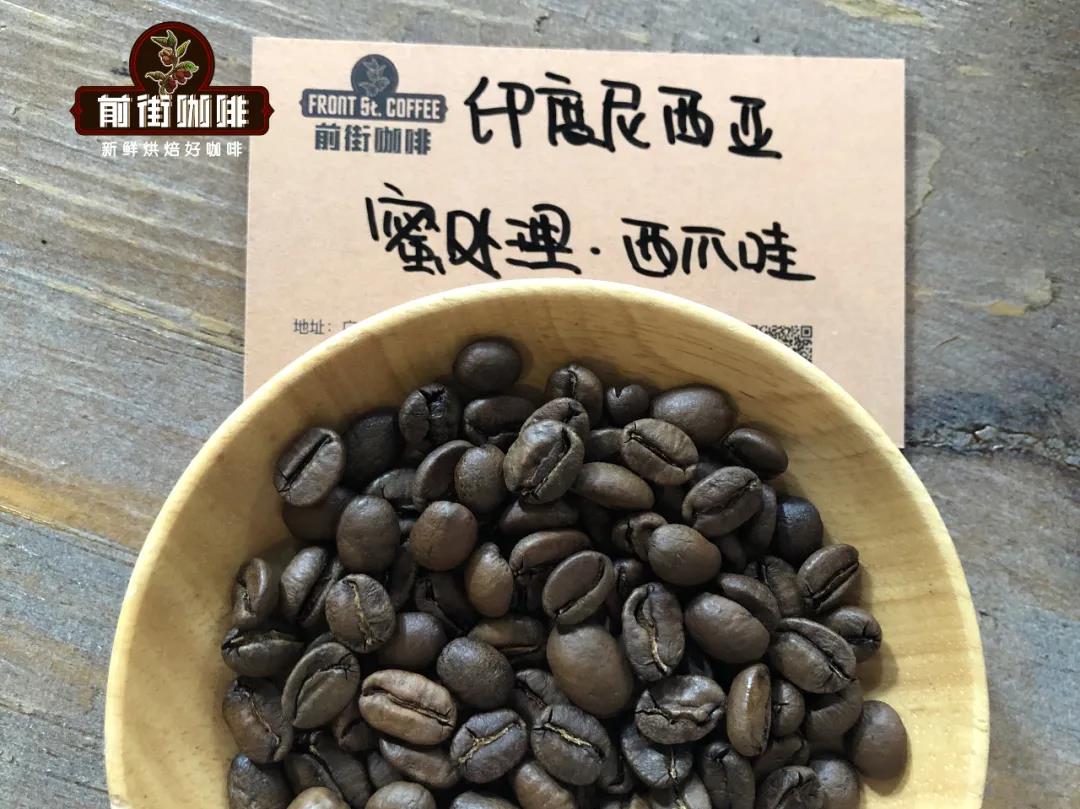
Costa Rican Tarrazú Coffee Beans Flavor and Characteristics Introduction to Raisin Honey Process Mozart Coffee Beans

Does honey processing mean that honey is added somewhere along the way? Not at all. That single word "honey" has stirred up more than its share of confusion, and the trouble grows once you add the fact that some coffees are also described as tasting "sweet as honey." FrontStreet Coffee is asked about the honey processing workflow all the time, because curious drinkers keep looking for a straight answer. So today, let's clear the whole thing up.
No origin has mastered honey processing quite like Costa Rica. Most Costa Rican coffee is still washed, yet FrontStreet Coffee would argue that honey processing is the country's real signature. Beans handled this way carry remarkable sweetness; set beside washed coffee they taste sweeter, their acidity stays moderate, and the cup never feels sharp or aggressive. So how does the method actually work?
It all begins with selection. Once the pulp and fruit are stripped from high-quality cherries, the mucilage layer is left exposed. Rather than fermenting that mucilage away the way a washed process does, honey processing keeps the layer intact and dries the beans in the sun. Before drying, the mucilage is sticky, much like honey, and as it dries it takes in compounds from the air and grows stickier still. That is exactly how the technique earned its name.
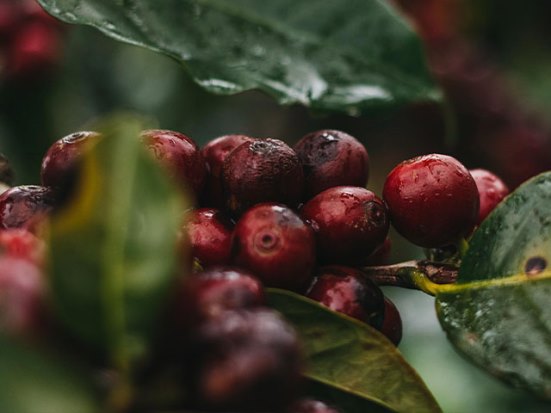
Costa Rica's coffee culture runs deep. The country pairs genuine craft with world-class quality, and whether you look at its natural advantages or the sheer effort behind its best lots, it stands among the finest origins anywhere. Costa Rica has the smallest land area of the Central American coffee nations bar two, yet its economy outpaces more than half of its neighbours. Costa Ricans like to say that coffee transformed the country and brought prosperity to its people, and that contribution is very real.
To FrontStreet Coffee, the flavour profile of Costa Rican coffee is the definition of classic premium coffee. Its reputation for superiority is well earned: consistently well balanced, mild on the palate, bright in acidity, deeply aromatic, and full in body.
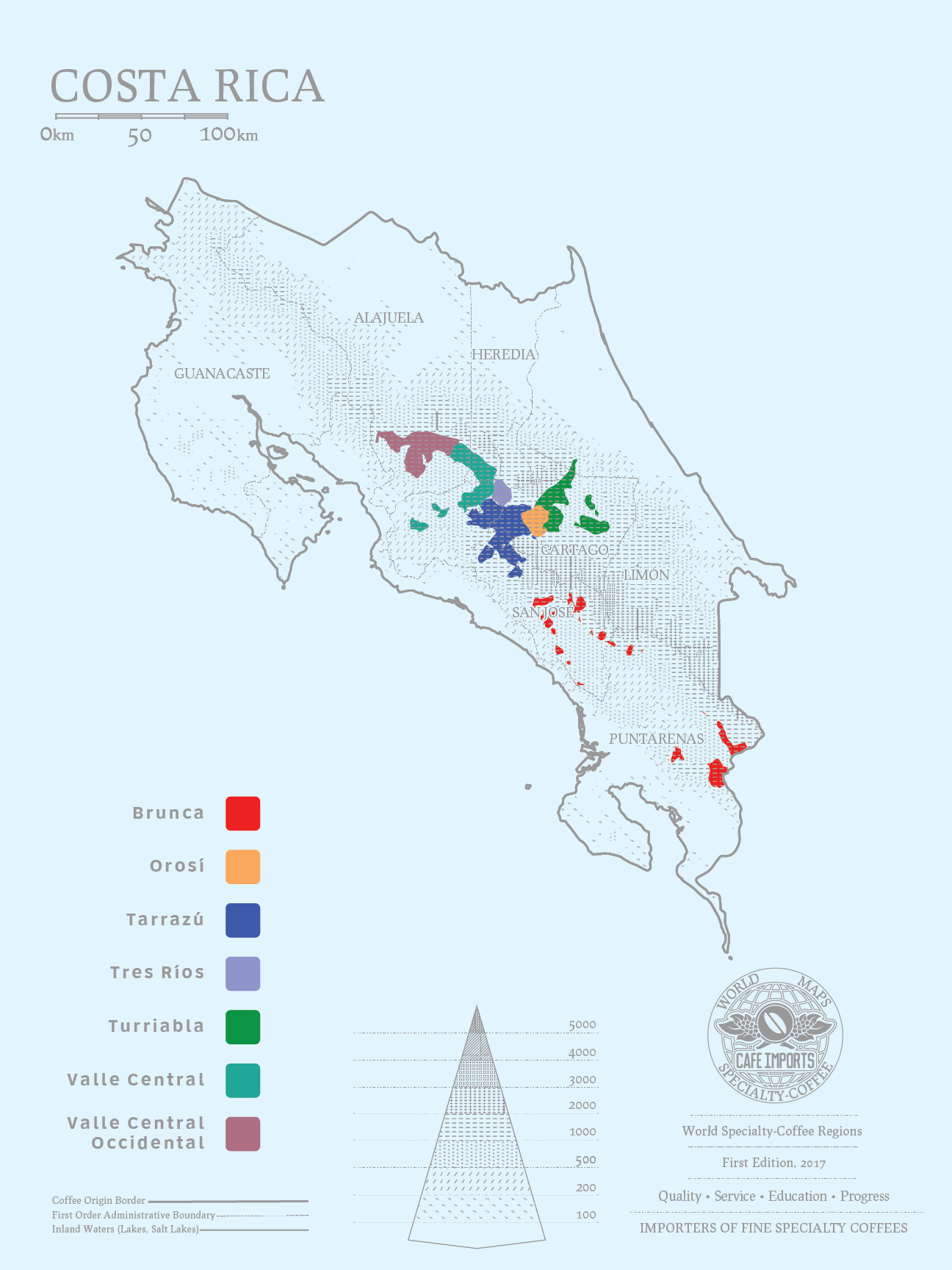
Why does Costa Rican coffee taste so good? Variety, origin, and cultivation all play a part. FrontStreet Coffee prefers to break the country down region by region. Costa Rica counts seven coffee growing regions: Turrialba Valley, Central Valley, West Valley, Tres Ríos, Brunca, Orosi, and Tarrazú, and Central Valley, Tarrazú, and Brunca are the best known of them.
The most famous Costa Rican beans are the Concert Series from the Caféonet Estate, featured by FrontStreet Coffee. These lots come from Tarrazú, a name with enormous prestige in specialty coffee and one of the world's major producing regions. At the 2014 Cup of Excellence, 17 of the 23 featured beans came from Tarrazú. The region sits in Central America's fertile volcanic belt, with a humid climate, rich volcanic soil, abundant rainfall year round, high elevation, and dense natural forest shade, all of which give coffee unique growing conditions. No pesticides or artificial fertilisers are used during cultivation. Nearly 95% of the beans grown in the high-altitude areas of Tarrazú qualify as Strictly Hard Bean (SHB) grade, typically cultivated above 1,500 metres.
FrontStreet Coffee currently offers three Costa Rican Concert Series coffees: FrontStreet Coffee Bach, FrontStreet Coffee Beethoven, and FrontStreet Coffee Mozart. Let's take them one at a time.
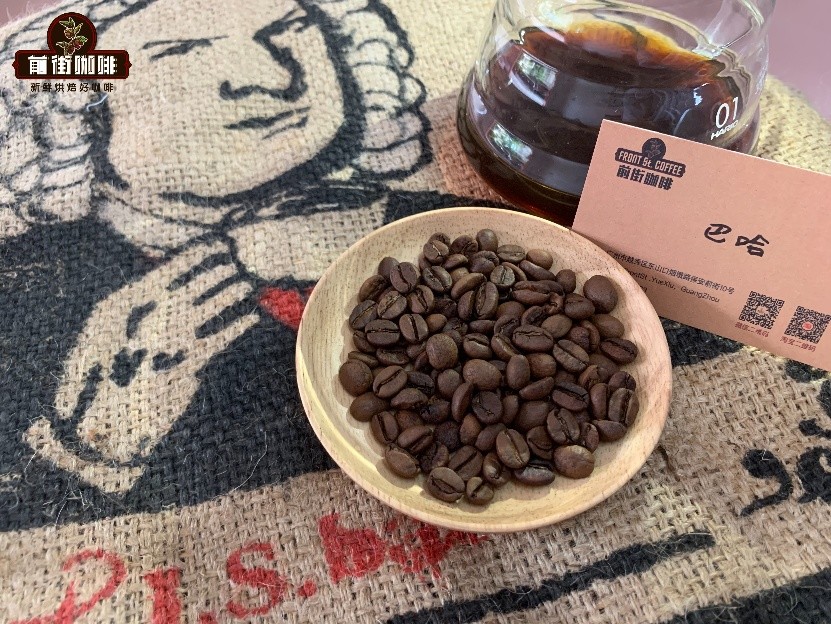
FrontStreet Coffee · Costa Rican Caféonet Estate Concert Series - Bach
Country: Costa Rica
Region: Tarrazú
Altitude: 1950m
Processing Method: Raisin Honey Process
Grade: SHB (Strictly Hard Bean)
Variety: Caturra
Flavor Description: A sweet and wide-ranging fruit character, with strawberry, apple, lemon, grape, and citrus weaving through the cup. Honey and toffee linger in the memory. The body is silky and cream-like, with a long finish that recalls premium Indian Darjeeling tea.

The dry aroma of FrontStreet Coffee Bach leads with strawberry, blackberry, and raisin, and fruit fragrance rises off the bed while it brews. Freshly poured, the floral and fruit notes step forward together, rich and sweet-tart on the first sip. The middle and finish bring a faint wine-like tone, not unlike red wine. As the cup cools it turns to candied fruit, the wine note deepening until it hints at plum wine. Every sip feels like stepping into the splendour and precision of Baroque aesthetics.
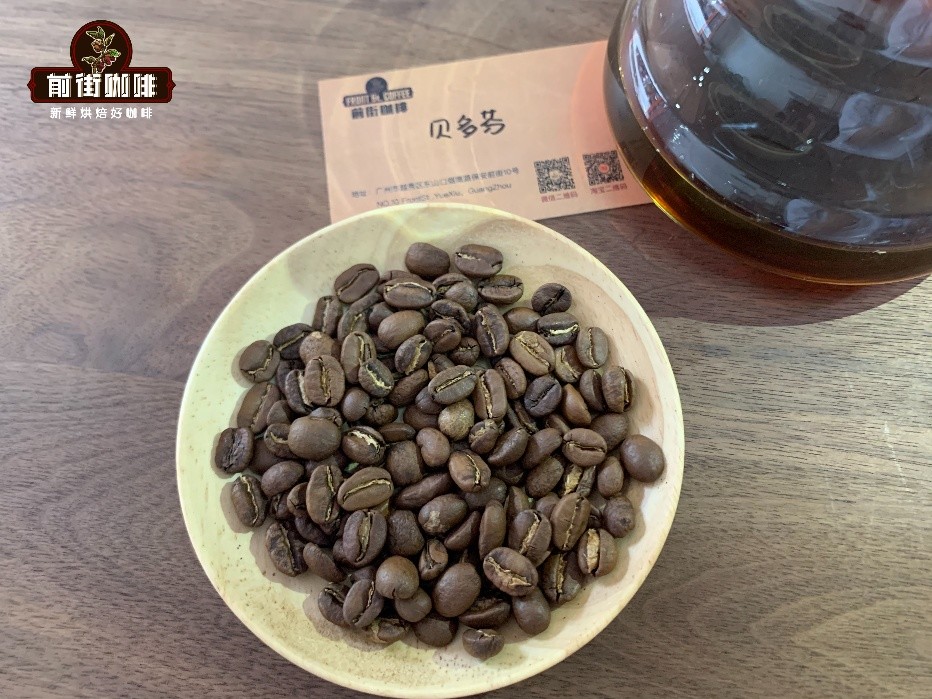
FrontStreet Coffee · Costa Rican Caféonet Estate Concert Series - Beethoven
Country: Costa Rica
Region: Tarrazú
Altitude: 1,900m
Processing Method: Washed Process
Grade: SHB
Variety: Yellow Catuai
Flavor Description: Green grape, vanilla, strawberry, cantaloupe, and citrus aromas, carried by the acidity of pomegranate juice. Excellent clarity and a smooth mouthfeel, with a hint of green kiwi acidity.
Beethoven is the most famous of the Romantic classical composers, and a coffee that invites the comparison had better deliver, which this one does. The dry aroma shows clear red berry notes, strawberry above all, layered with florals. During the pour you catch floral aromas, nectar-like sweetness, and green grapes. On the palate, FrontStreet Coffee Beethoven offers the sweet-tart snap of green grapes and red berries, clean and smooth from start to finish. As it cools, the red berry character grows more pronounced. Some international coffee bloggers have called it a coffee that embodies the romantic spirit of summer.

Worth noting: unlike the other musician series coffees, which rely on raisin honey processing, Beethoven is washed, and that choice is what gives it its clean, refreshing, summer-like mouthfeel.
FrontStreet Coffee · Costa Rican Caféonet Estate Concert Series - Mozart
Country: Costa Rica
Region: Tarrazú
Altitude: 1,800m
Processing Method: Raisin Honey Process
Grade: SHB
Variety: Catuai
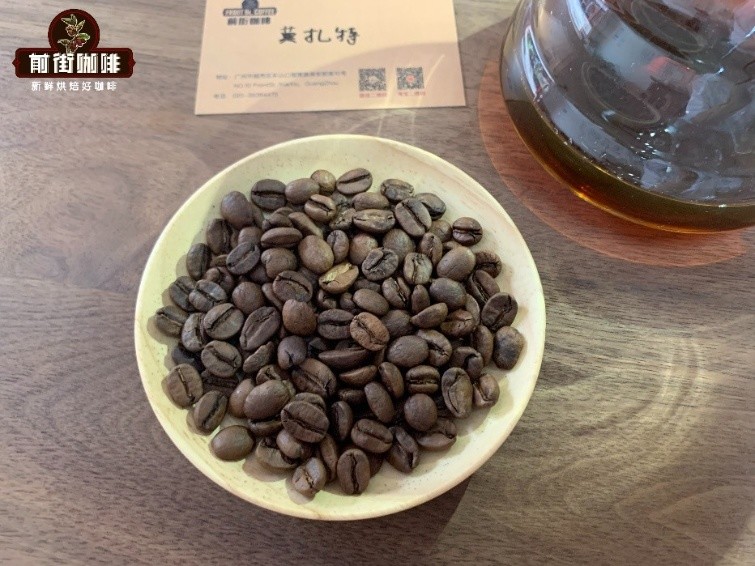
Flavor Description: The sweetness and berry aroma here are astonishing. Excellent sweetness, consistency, and body, with ripe fruit sugar reminiscent of banana chips.
An elegant white flower aroma, close to orange blossom, rises from the cup. On entry the dark berries take over, followed by a subtle plum acidity and a gummy-like sweetness through the middle and finish. Even when it cools, the floral and sweet notes hold. This is a change from the earlier FrontStreet Coffee Mozart, which used the Yellow Catuai variety and a red honey method and was known for its exuberant florals. This time the roaster chose the sweetness of Caturra to represent FrontStreet Coffee Mozart.
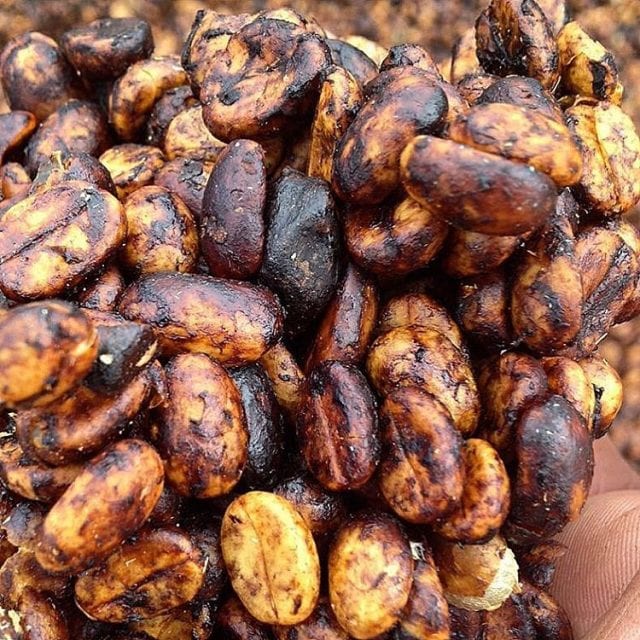
Have you noticed? FrontStreet Coffee Bach and FrontStreet Coffee Mozart both use the raisin honey method, which differs somewhat from the honey processing described earlier. Raisin honey processing is essentially a double fermentation approach. On the day the cherries are harvested, the fruit is poured into large water tanks so defective beans can be removed. The selected cherries then rest on raised beds for at least three days, after which the skin is taken off while the mucilage stays on the bean, and drying continues. Throughout drying the beans must be turned constantly for even results, and the turning schedule has to be controlled with care to avoid over-fermentation. Retaining 100% of the mucilage and using zero water raises the difficulty of honey processing and demands strict timing.
FrontStreet Coffee Beethoven, by contrast, is washed. After harvest it passes through screening, where immature or overripe beans are sorted out again. The pulp is then removed and the remaining mucilage is stripped by a centrifugal washing machine to prevent fermentation. The beans are rinsed with clean water and finally laid on shaded raised beds to dry for 12-14 days, turned regularly for even drying. Washed beans finish with a cleaner, brighter profile.
Brewing Recommendations
As usual, FrontStreet Coffee offers a few brewing suggestions.

V60 Dripper
Water Temperature: 91°C
Water-to-Coffee Ratio: 1:15
Coffee Amount: 15g
Grind Size: (China #20 standard sieve, 80% pass-through)
FrontStreet Coffee Brewing Method: Bloom with 30g of water for 30 seconds. Using a small water stream, pour in circles to 125g, then segment. When the water level drops to just about to expose the coffee bed, continue pouring to 225g and stop. When the water level drops to just about to expose the coffee bed, remove the dripper. (Timing starts from the beginning of blooming) Extraction time: 2'00".
FrontStreet Coffee Recommendation
If the idea of honey processing appeals to you, FrontStreet Coffee roasts several lots that show exactly why the method matters. The Costa Rica Blackberry Coffee is a striking example of black honey processing, a style in which almost none of the mucilage is removed and drying is stretched past two weeks under shade covers so the sugars can convert fully. Turned by hand at intervals to avoid uneven heat and over-fermentation, the process asks a great deal of the mill, and the reward is a medium-light roast that grinds out a heady bouquet of fresh flowers and pours with grape, berry, and ripe blackberry notes.
Two more options widen the picture. The Strawberry Candy Geisha Blend marries a Panama Geisha with Costa Rican coffee; the Geisha supplies its classic orange-blossom and honeyed elegance, while the Costa Rican component is raisin honey processed with 100 percent mucilage retained and zero water used. On the table it shows the floral, tea-like lift of Geisha alongside raisin, dried blueberry, soft fruit acidity, a faint almond finish, and clear sweetness. The Costa Rica Mozart follows the same raisin honey philosophy: the cherries are pre-dried on raised beds for at least three days before the skin and pulp come off, a step that pushes the difficulty beyond even black honey. Expect osmanthus, pineapple, and raisin aromas, and a coffee that performs equally well as pour-over, cold brew, or moka pot. Together these three lots show just how far honey processing can be taken.
Important Notice :
FrontStreet Coffee is a long-established specialty coffee roaster in Guangzhou China, selling freshly roasted beans from its own farm in Yunnan as well as dozens of carefully selected single-origin beans from around the world for both pour-over and espresso. The products deliver consistently excellent quality and great value, with shipping within 24 hours. Guangzhou's FrontStreet Coffee shop is recommended by many coffee lovers, and the beans are now available online at the Tmall 。
FrontStreet Coffee has moved to a new address:
FrontStreet Coffee Address: 315,Donghua East Road,GuangZhou
Tel:020 38364473
 Scan and follow the En Gafei WeChat official account. Please indicate that the reprint comes from "En Gafei".