Introduction to the Flavor Profile of West Java Coffee Beans and the Taste Description of Java Honey-processed Coffee Beans for Pour-over Brewing

When it comes to Indonesian coffee, its rich and mellow flavor is truly unforgettable, and among Indonesian coffees Mandheling has become synonymous with the country. FrontStreet Coffee is a genuine fan of Indonesian coffee. Many visitors to FrontStreet Coffee notice that the Indonesian range includes 5 beans from Sumatra's Mandheling region: FrontStreet Gold Mandheling, FrontStreet Tiger Mandheling, FrontStreet Aged Mandheling, FrontStreet Lintong Mandheling and FrontStreet Natural Mandheling. Alongside those 5, FrontStreet also carries a coffee from West Java that tastes quite unlike what people expect from Indonesia - it lacks the herbal, spicy richness and instead offers the gentler tropical fruit acidity. This article introduces that FrontStreet West Java coffee.
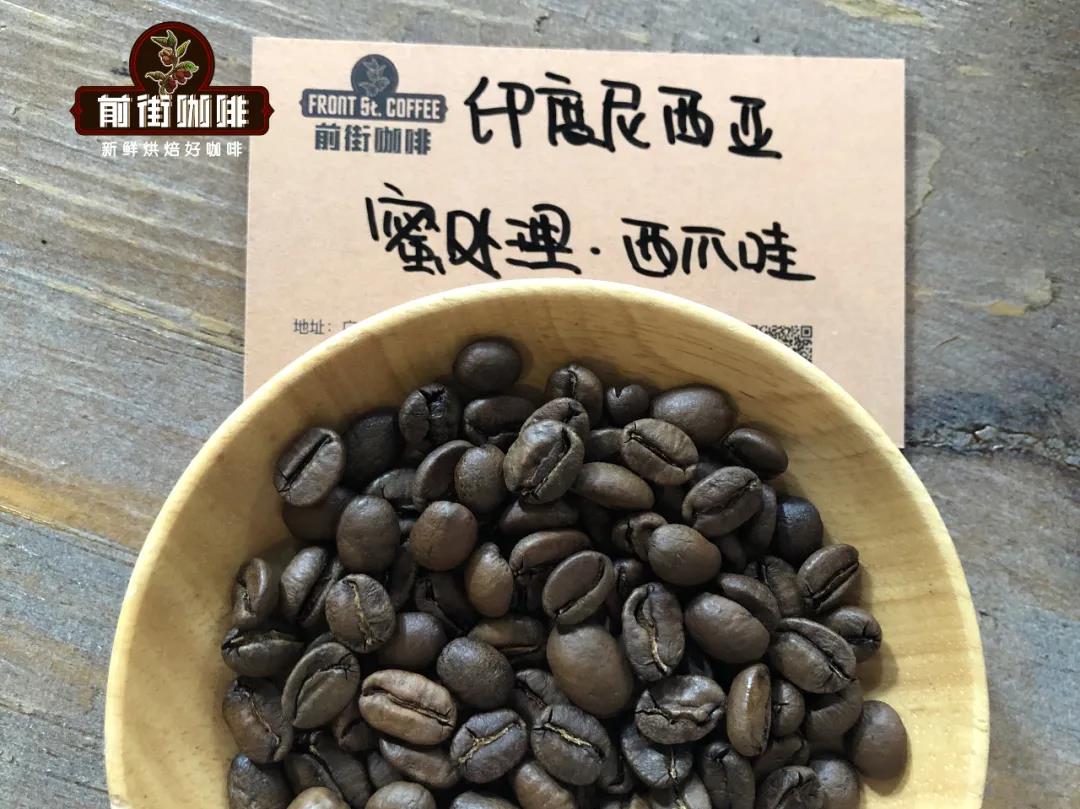
FrontStreet Coffee: Indonesia West Java Aromanis Coffee Bean
Region: Mount Tangkuban Perahu, West Java
Altitude: 1400-1600m
Variety: S795 Jember
Processing Method: Natural Honey Process
Coffee Growing Region
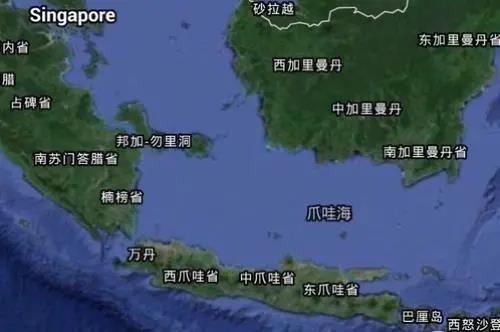
West Java Province is a first-level administrative region of Indonesia, located in the western part of Java Island. It borders the Java Sea to the north and the Indian Ocean to the south, and includes nearby islands, covering an area of 46,300 square kilometers. Java has a tropical rainforest climate, hot and humid throughout the year. The plains along the northern coast have the highest temperatures, while the mountainous regions are much cooler. High humidity often creates an enervating climate. From November to March of the following year is the northwest monsoon period, with more rain and cloudy days; from April to October is the southeast monsoon period, with more sunny days and less rainfall. Jakarta's average annual rainfall is about 1,760 millimeters (69 inches). Jakarta's average daily maximum temperature is 30°C (86°F), with a minimum of 23°C. In the inland highlands of Tosari, at an elevation of 1,735 meters (5,692 feet), the average temperature ranges from 22°C to 28°C. Because volcanic ash periodically fertilizes the land, Java's soil is very fertile.
The Origin of This West Java Coffee Bean's Name
Aromanis is a traditional Indonesian sweet snack made from flour and sugar. Using Aromanis as a name indicates that this FrontStreet West Java coffee has a cotton-candy-like texture. The beans themselves come from Ciwidey Garut in West Java. No special coffee seeds are used; it is the natural method that produces such a distinctive taste. Of course, this flavor is not widely recognized in West Java itself.
West Java Coffee Bean Variety
The variety of this remarkable coffee is S795, known in Indonesia as Jember. It was introduced to local Javanese farmers by the Jember Coffee Research Center in East Java after being imported from India, and the farmers simply call the S795 variety Jember.
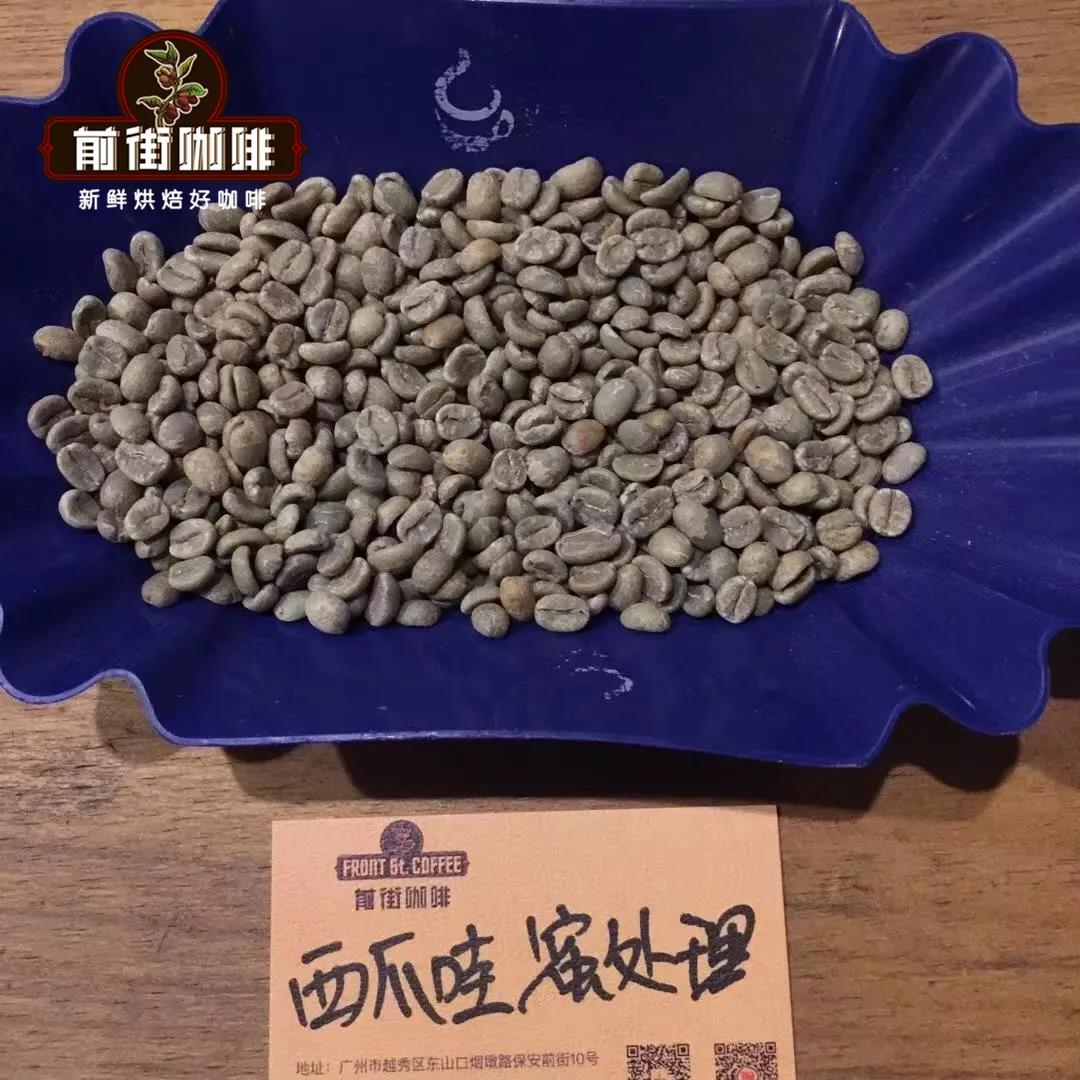
S795 beans have a blue-green color, and their natural variation originates from S288. S288 was originally an excellent hybrid variety cultivated in India in 1946. Its predecessor was S26, named after being hybridized from S288 (first generation) and Typica. Because the first generation of S288 was a hybrid of Arabica and Liberica, it always carried the earthy taste of Liberica. Indian botanists then hybridized the first-generation S288 with the Kent variety - itself a hybrid of the first-generation S288 and Typica - and with the second-generation S288, to create today's S795.
The current S795 variety still carries Liberica lineage, but through careful cultivation by Indian botanists its flavor is more elegant. At the same time, because it inherited strong disease resistance and high yield, both the Indonesian and Indian governments have actively promoted its cultivation in recent years. From S795's complex ancestry, you can see that it is an artificially selected hybrid with Typica and Liberica in its blood, and years of careful breeding produced its present unique flavor.

Coffee Bean Processing Method
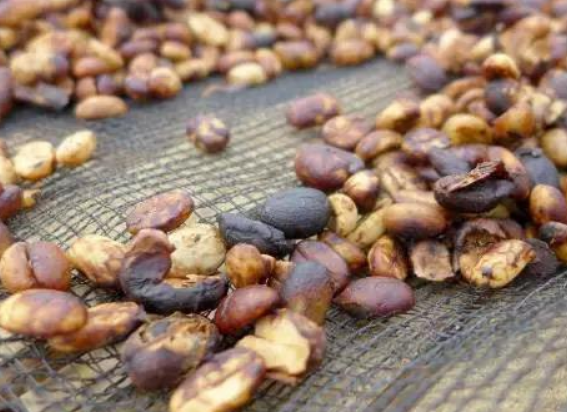
This FrontStreet West Java coffee is hand-picked to ensure consistency in the fruit. After picking, the outer skin is removed and the beans are sun-dried with the pulp still on them - what we call natural plus honey processing. After about one month of sun-drying, washing and other treatments follow. The beans then rest for about half a month before packaging. This entire complex, high-risk process exists for one purpose: a more complex and fuller flavor profile that reflects the experience brought by this bean's complicated lineage. FrontStreet Coffee believes honey-processed beans have better flavor, with balanced acidity and sweetness. At the same time, because the sun-drying resembles natural processing, the bean's own aroma is amplified, giving a rich, mellow cup.
How FrontStreet Coffee Roasts FrontStreet West Java Coffee Beans
FrontStreet's roaster observed that the green beans of FrontStreet West Java coffee have high density, so heat adjustments must be made with particular care. To highlight the fruit flavors and sweetness, the roaster decided on a medium roast to fully express the uniqueness of these green beans. After 1 minute, the initial heat is relatively high until it is reduced early in the dehydration phase, which evens out the coffee's taste and aroma.
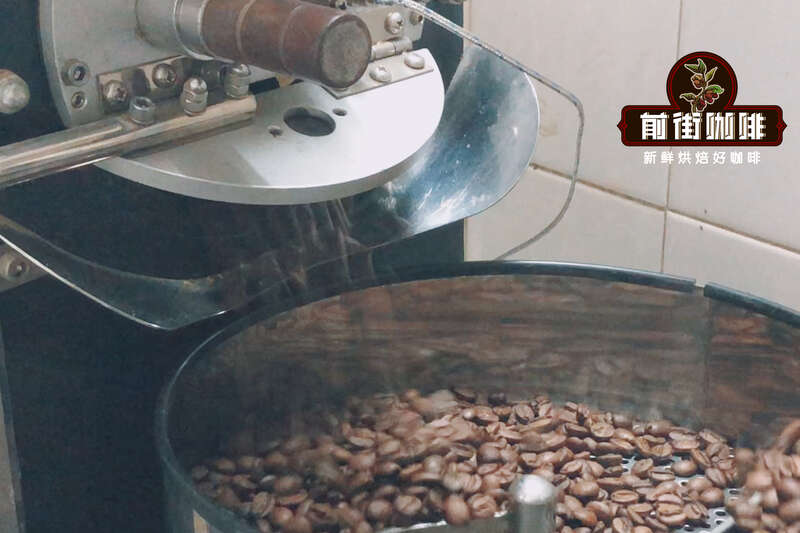
When the roaster temperature reaches 200°C, add the beans with the air vent set to 3. After 1 minute of steaming, adjust the heat to 160°C, keeping the air vent unchanged. When the roaster temperature reaches 165°C, adjust the heat again, reducing it to 130°C. At 5 minutes 35 seconds the temperature reaches 152°C, the bean surface turns yellow, the grassy smell disappears completely, dehydration is complete and the air vent is adjusted to 4.
At the 9-minute mark, ugly wrinkles and black spots appear on the bean surface, and the obvious toast aroma turns into coffee aroma - the prelude to first crack. Listen carefully for the sound of first crack. At 9 minutes 21 seconds, first crack begins. Keep the small heat unchanged and open the air vent fully to 5 (adjust heat very carefully, not so little that the cracking sound stops). At 198.6°C, remove the beans from the roaster.

FrontStreet Indonesian West Java Coffee Bean FrontStreet Cupping Report
Dry Aroma: Rich floral aroma, dried fruit aroma and red wine aroma
The acidity is gentle rather than bright, sitting beneath the complex fruit flavors without losing its elegance.
Given the obvious preserved-fruit character, the overall profile leans rich, with strong texture but not overly heavy.
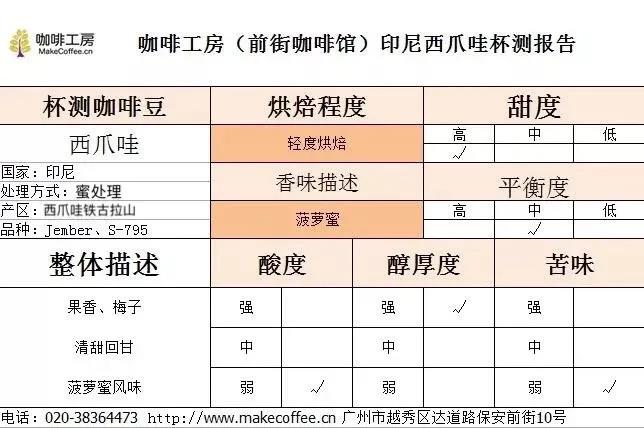
The main characteristic of this Indonesian West Java coffee lies in its complex sweetness and fruit aroma. Compared with African Yirgacheffe, which is also famous for florals, more pronounced fruit is its defining feature. Its flavor leans toward tropical fruits with heavier tastes, like mango and jackfruit - complex and deep - while the honey processing adds a subtle red-wine charm. This FrontStreet Indonesian West Java coffee is a typical example of very prominent sweetness, holding its own even on the global coffee spectrum.
FrontStreet Brewing Parameters for FrontStreet Indonesian West Java Coffee Bean
Water Temperature: 90-91°C
Grind Size: EK43s grinder setting 10 (fine sugar size / 80% pass-through in #20 sieve)
Coffee-to-Water Ratio: 1:15
Coffee Amount: 15 grams

FrontStreet Brewing Method:
In the first stage, pour 30g of water for 30 seconds of blooming, then pour 95g (the scale reads about 125g), finishing in about 1 minute. When the water level drops to two-thirds of the coffee bed, pour the remaining 100g (the scale reads about 225g), finishing in about 1 minute 40 seconds. At 2'00" the drip filtration is complete; remove the filter cup and finish extraction.
FrontStreet Indonesian West Java Coffee Bean Brewing Flavor: Very rich tropical fruit flavors, with sweetness from fruits like mango and jackfruit, and a fermented red-wine sensation.
FrontStreet Coffee Recommendation
If West Java's gentle tropical-fruit style surprises you, the other face of Indonesian coffee is worth trying next. FrontStreet Coffee's highest-grade Indonesian option is PWN Golden Mandheling. PWN buys only high-quality Mandheling green beans, and its standards are strict: beans of 18 mesh and above, with fewer than 3 defective beans per 300-gram sample, which meets the G1 grade. On top of that, the beans go through three rounds of manual selection to remove defects, raising both the cleanliness and the sweetness of the cup. The beans are even, large and translucent with a low defect rate, and after a medium-dark roast they carry rich roasting aromas; brewed black, the cup is clean with a full, round body - a good fit for anyone who dislikes acidity.
Mandheling comes from the province of North Sumatra, where only the high-altitude areas of Aceh and North Sumatra grow Arabica on any scale. The region's humidity runs 70-90% year-round, with typhoons and annual rainfall above 2,000 mm, which rules out the 2-3 week sun-drying used in Africa and makes washed processing expensive in both labor and water. Farmers therefore developed the local semi-washed method, wet-hulling: the parchment is machine-stripped while the beans are still half-dry and half-wet, leaving the beans exposed to speed drying but also absorbing microbes from the air - the source of Mandheling's one-of-a-kind wild character.
To brew PWN Golden Mandheling as pour-over, use water at 87-88°C, 15g of coffee and a 1:15 ratio, with a coarse-sugar grind and a three-stage pour. The first stage is a 30ml bloom to wet all the grounds and let them degas; the second pours 100ml, which brings out the golden foam and lifts the bed; the last stage is a gentle 95ml pour down the center, which raises the sweetness. The result is a thick, full body with caramel sweetness and chocolate and nut notes.
If you want this flavor in milk drinks, FrontStreet Coffee's Classic Blend is the highest-repurchase option. It adds a medium-dark Mandheling to Brazil's creamy, nutty base, so butter, roasted chestnut and caramel stand out; the Mandheling lifts the body and contributes agarwood, herbal and spice notes, and a little Robusta boosts the crema. Latte art and a layered Dirty are both easy with it.
Important Notice :
FrontStreet Coffee is a long-established specialty coffee roaster in Guangzhou China, selling freshly roasted beans from its own farm in Yunnan as well as dozens of carefully selected single-origin beans from around the world for both pour-over and espresso. The products deliver consistently excellent quality and great value, with shipping within 24 hours. Guangzhou's FrontStreet Coffee shop is recommended by many coffee lovers, and the beans are now available online at the Tmall 。
FrontStreet Coffee has moved to a new address:
FrontStreet Coffee Address: 315,Donghua East Road,GuangZhou
Tel:020 38364473
 Scan and follow the En Gafei WeChat official account. Please indicate that the reprint comes from "En Gafei".