Differences Between Yirgacheffe G1 and G2 Coffee Beans - Understanding Ethiopia's Coffee Grading System
Yirgacheffe is one of Ethiopia's most celebrated coffee regions, and on our shelves the two lots coffee drinkers meet most often are FrontStreet Coffee's Yirgacheffe G1 and FrontStreet Coffee's Yirgacheffe G2. So what actually separates G1 from G2, and which one is better? The answer lies in Ethiopia's coffee grading system, so let's break down the flavor differences between these two grades.
Ethiopian Coffee Bean Grading
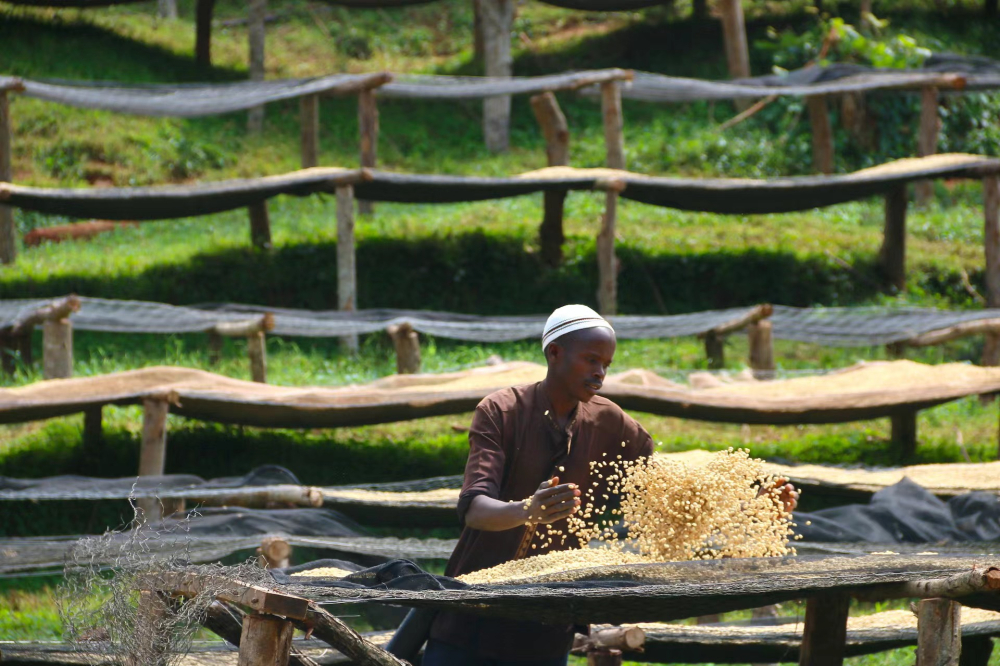
First, some institutional background. Under the Ethiopian Ministry of Agriculture sits a department called the CLU (Cupping and Liquoring Unit), which is responsible for quality approval of all exported coffee, including the crucial task of assigning grades. The CLU predates the ECX. Before the ECX was established, washed coffee was exported in grades G1 and G2, while natural coffee came in at G3, G4, and G5 — meaning the highest grade a natural lot could carry was G3.

After the ECX appeared, grading was redefined. Washed grades kept their names, but for natural processing a G1 grade appeared for the first time — which is why the market now offers Ethiopian naturals graded G1 and G2, while G3 has become increasingly rare. Under the old system, grading relied purely on defect counts: the top washed grade was Grade 1 (G1) and the top natural grade was Grade 3 (G3). The current system, established by the ECX, combines physical attributes with cupping performance to determine the final grade.
All coffees are first classified by processing method (natural or washed) into three types:
a. Specialty (washed & unwashed): few defects and high cupping quality;
b. Commercial (washed & unwashed): below specialty grade, but above the domestic consumption grade;
c. Local/Domestic (washed & unwashed): many defects (unripe beans), off-season coffee, and poorly stored lots with relatively poor flavor.
Specialty and Commercial go to the international export market, while Local is sold only within Ethiopia's domestic market.
The ECX scoring standards are as follows:
A. Scoring for washed coffee
1. Physical characteristics account for 40%: defect count (20%), bean size (10%), color (5%), aroma (5%)
2. Cupping quality accounts for 60%: cleanliness (15%), acidity (15%), mouthfeel (15%), flavor characteristics (15%)
B. Scoring for natural coffee
1. Physical characteristics account for 40%: defect count (30%), aroma (10%)
2. Cupping quality accounts for 60%: cleanliness (15%), acidity (15%), mouthfeel (15%), flavor characteristics (15%)
C. How it all fits together:
1. All coffees are first sorted by processing method: natural or washed;
2. Each lot is scored on physical characteristics and basic cupping quality and placed into one of nine grades, G1 through G9;
3. G1-G3 are cupped again under SCAA standards for a closer evaluation of their flavor attributes. G1 and G2 lots scoring 85 points or higher are rated Q1;
4. G1, G2, and G3 lots scoring between 80 and 85 are rated Q2, while G1, G2, and G3 lots below 80 points are rated G3;
5. Q1 and Q2 are exported as Specialty Grade. G4-G9 keep their original grades and are exported as Commercial Grade alongside G3.
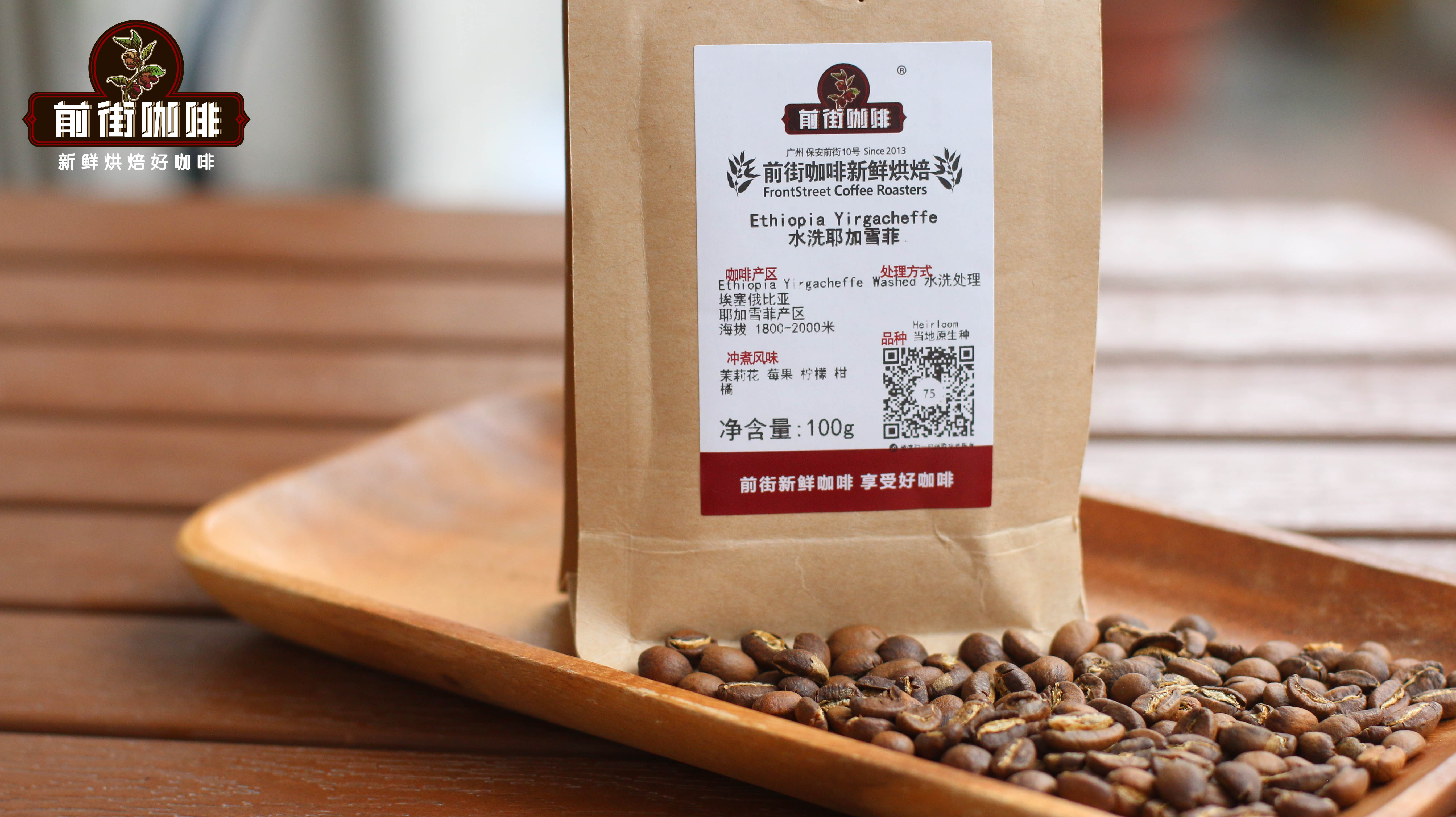
In defect-count terms, Grade 1 washed beans allow 0-3 defects per 300 grams of green coffee, while Grade 2 allows 4-12 defects per 300 grams. Of course, buyers' and sellers' sorting standards in practice differ somewhat (otherwise how would we keep finding so many defects to pick out?), but the gap between the two grades is easy to see: G1 carries significantly fewer defects than G2. Set aside differences in specific flavors and roast levels, and Ethiopian G1 beans are simply of higher quality and score higher than G2 — at the very least, you can clearly distinguish them by defect-related off-flavors.
So the real difference between G1 and G2 today comes down to defect rate and cupping score: G1's defect rate is lower and its cupping scores naturally higher. There is one wrinkle, though — if a lot's defect rate meets the G1 standard but its cupping score falls short of the G1 threshold (below 85 points), it will be downgraded to G2.
Appearance Comparison
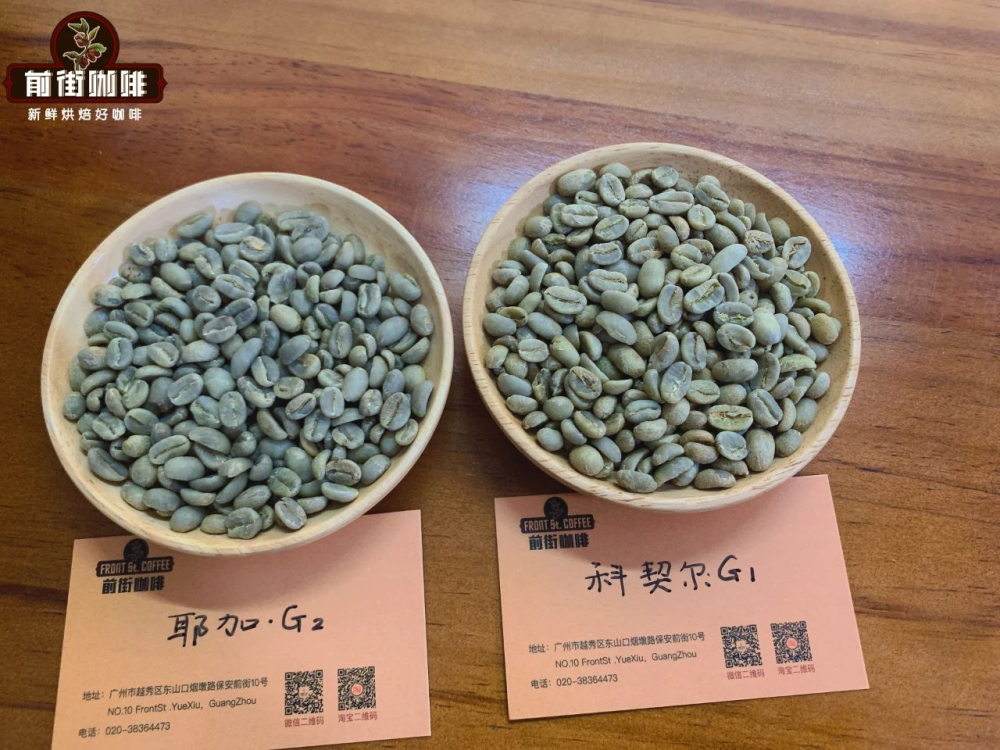
With the grading system understood, let's compare Yirgacheffe G1 and G2 directly, starting with the green beans. In terms of size and shape, the two look very much alike; the main tell is that G2 more easily betrays insect-damaged and other defective beans.
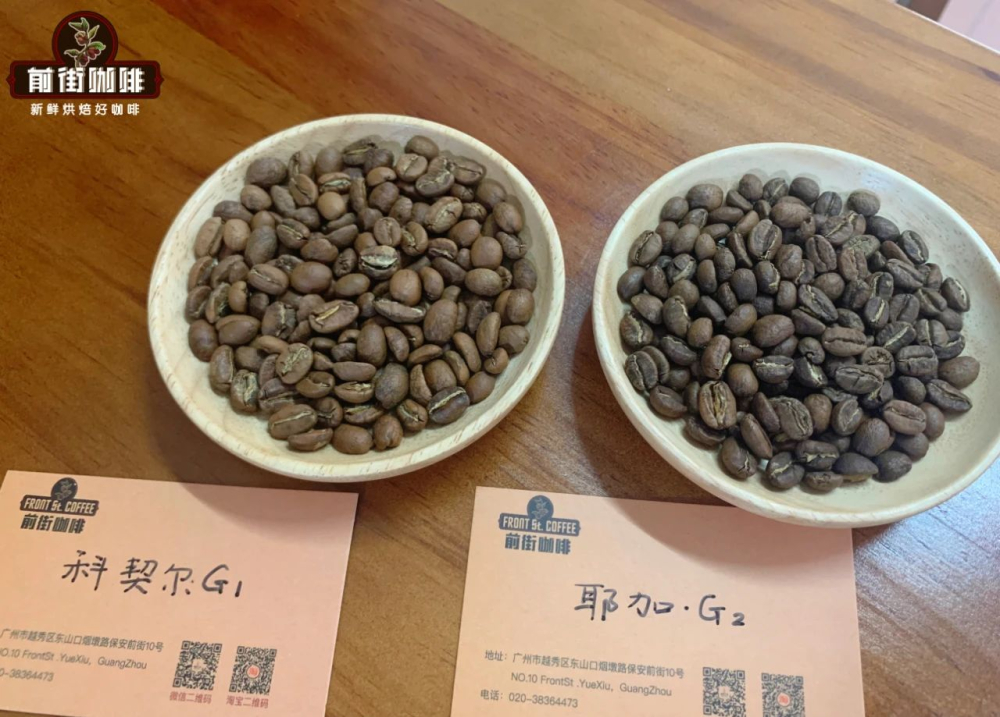
Next, compare the roasted beans of FrontStreet Coffee's Yirgacheffe G1 and G2. Here there is no visible difference at all, because FrontStreet Coffee hand-sorts out defective beans both before and after roasting. So for FrontStreet Coffee's Yirgacheffe — graded on defect rate — the roasted appearance of the two grades is essentially identical.
Flavor Comparison
Finally, we ran a side-by-side cupping of these two washed FrontStreet Coffee Yirgacheffe lots. Both share citrus, fruit tea, honey, and berry notes. The difference: G1 shows higher cleanliness and more defined, distinct flavors, while G2 reads somewhat muted. But because both are washed Yirgacheffe lots that have been hand-sorted at both the green and roasted stages, the flavor profiles sit close together — bright acidity and floral notes in both. In a direct comparison, though, G1's cup is noticeably cleaner than G2's, with a more refined and layered aroma.
FrontStreet Coffee Recommendation: Grade Is a Starting Point, Not the Finish Line
Ethiopia's grading system sorts washed lots largely by defect count, so G1 and G2 describe cleanliness as much as cup quality. That is exactly why FrontStreet Washed Yirgacheffe stays our most recommended everyday lot: white jasmine, bright citrus and lemon acidity over a clean tea-like body, at a price that makes daily brewing realistic. If you want to taste what a single small lot can add on top of that, try FrontStreet Guodingding Cooperative, with fresh citrus, lemon acidity and jasmine and none of the traditional bitterness.
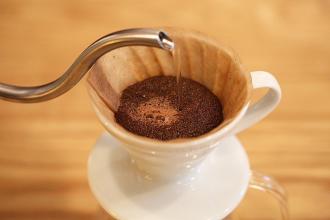
Brew either one on a V60: 15g of coffee, 90-91°C water, a 1:15 ratio, a 30-second bloom with 30g of water, then pour to about 225g and let it draw down by 2:00-2:10. Grind to fine granulated sugar (about 80% passing a #20 sieve).
Important Notice :
FrontStreet Coffee is a long-established specialty coffee roaster in Guangzhou China, selling freshly roasted beans from its own farm in Yunnan as well as dozens of carefully selected single-origin beans from around the world for both pour-over and espresso. The products deliver consistently excellent quality and great value, with shipping within 24 hours. Guangzhou's FrontStreet Coffee shop is recommended by many coffee lovers, and the beans are now available online at the Tmall 。
FrontStreet Coffee has moved to a new address:
FrontStreet Coffee Address: 315,Donghua East Road,GuangZhou
Tel:020 38364473
 Scan and follow the En Gafei WeChat official account. Please indicate that the reprint comes from "En Gafei".