Pour-Over Brewing Method for Kopi Luwak with Illustrated Steps and Flavor Profile Description
An Introduction to Kopi Luwak
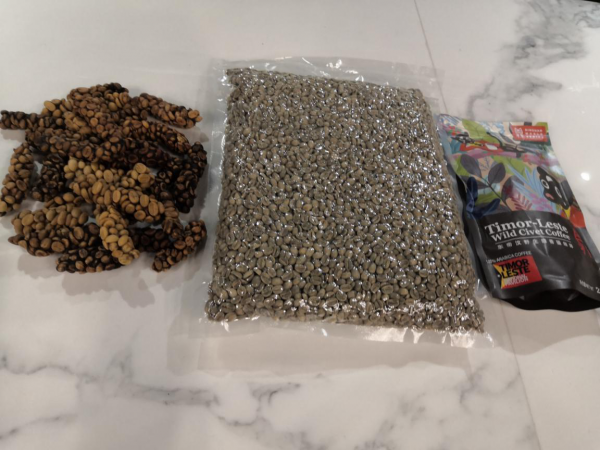
Kopi Luwak is one of the world's most unusual premium coffees, with authentic wild beans selling for 7,000 yuan per jin (500g). Brew it carelessly and you waste a great deal of money. So if you are lucky enough to get your hands on some, how should you brew it to do it justice?
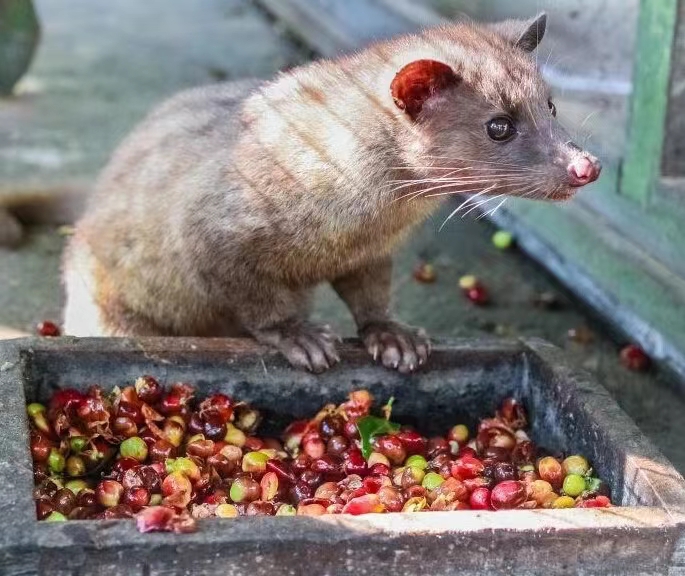
FrontStreet Coffee will first touch on where Kopi Luwak comes from. The beans are produced when civets eat coffee cherries; inside the animal's intestinal tract the beans undergo a unique fermentation, with special bacteria providing a distinctive environment. Because a civet's digestive system cannot break down the beans, they are excreted intact. Fermented this way, the beans take on unique flavors and become remarkably rich and aromatic.
Flavor Characteristics
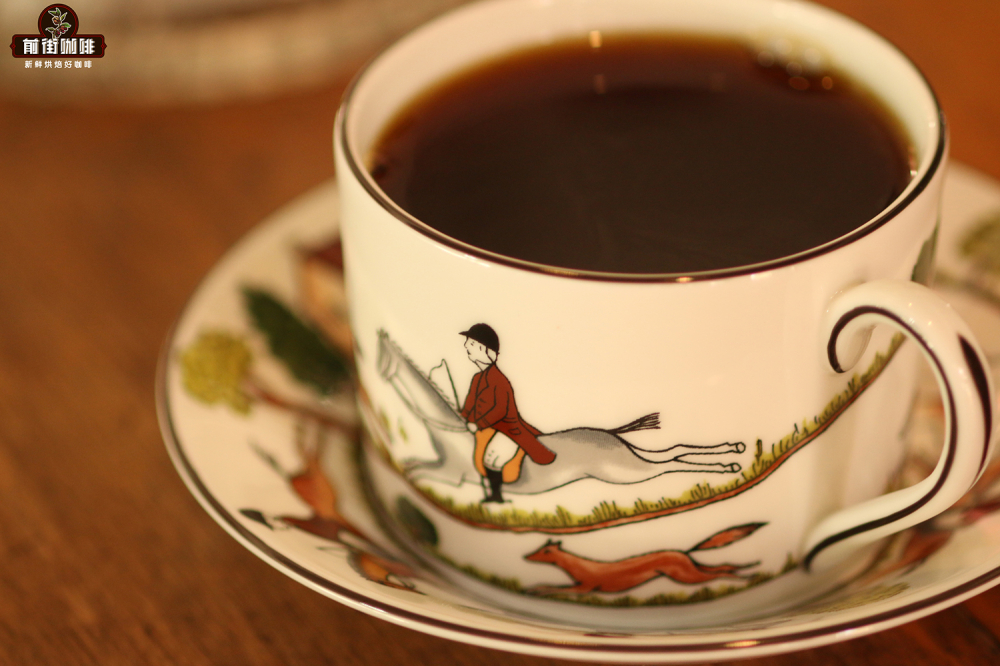
Indonesian coffee generally carries earthy and herbal-medicine notes, and its viscosity ranks among the highest of any producing region. Kopi Luwak is even more pronounced on the earthy side, with a body approaching that of syrup and a very particular aroma. After drinking, a faint cooling mint sensation lingers in the mouth — an "exclusive taste" you will not find in ordinary coffee. Finish a cup and take a deep breath, or sip some cool water, and a refreshing feeling spreads distinctly from mouth to throat, much like having just finished a mint throat lozenge.
Brewing Method
So how should FrontStreet Coffee brew Kopi Luwak to make it delicious? FrontStreet Coffee recommends pour-over.
For the dripper, FrontStreet Coffee chose the Kono Meimon. Its defining feature is that the ribs run from the bottom to the middle, while the upper walls stay smooth. This prevents water from "sneaking" around the grounds when the filter paper clings to the cone, which in turn boosts the richness of the cup. It suits rich-flavored beans such as FrontStreet Coffee's Golden Mandheling and FrontStreet Coffee's Blue Mountain No. 1.
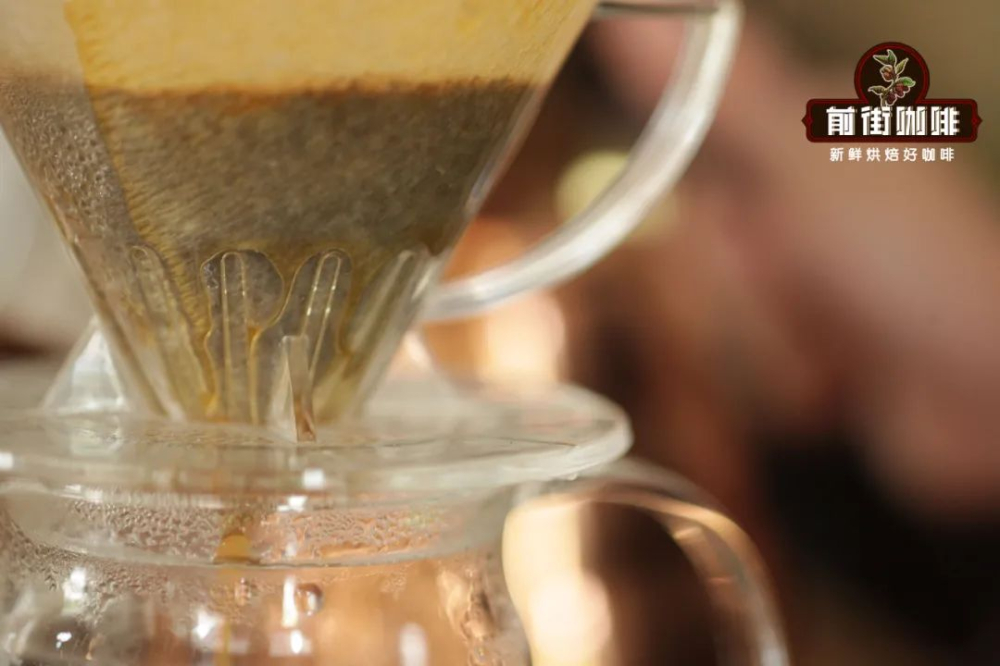
FrontStreet Coffee again uses 15g of grounds. More grounds are not necessarily better, nor are fewer — it depends on the dripper. FrontStreet Coffee uses a 1-2 cup dripper, for which 15-20g is a reasonable dose; amounts outside that range can be tricky to brew.
For the ratio, FrontStreet Coffee recommends 1:15. Some may suggest 1:13 or an even tighter ratio, but FrontStreet Coffee has noted before that concentration and richness are not the same thing, and excessive concentration can be unpleasant. A 1:15 ratio still expresses the rich texture and special aroma of FrontStreet Coffee's Kopi Luwak effectively.
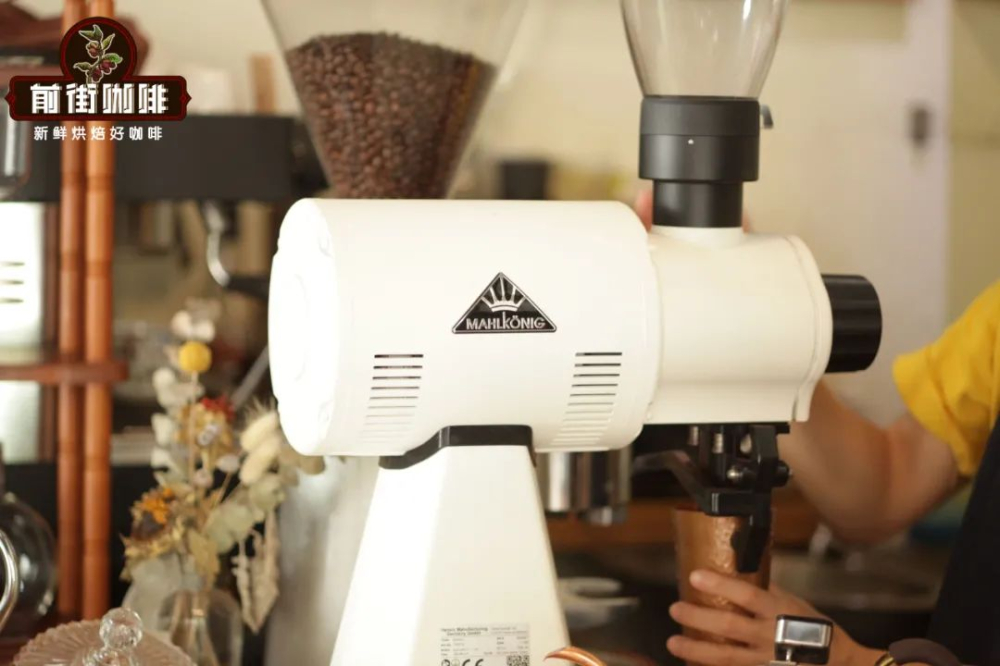
For grind size, FrontStreet Coffee uses a 70% pass rate through a #20 sieve. The grind for this Kopi Luwak should be slightly coarser than for light-roasted beans, because FrontStreet Coffee's Kopi Luwak is dark-roasted, giving it a more porous structure that absorbs water and releases solubles more readily. Ground as fine as a light roast, it easily turns bitter and burnt; ground coarser still, the coffee becomes thin and watery with no flavor to speak of.
For water temperature, FrontStreet Coffee recommends 87-88°C. As with grind size, water that is too hot tends to produce burnt, bitter flavors, while water that is too cool yields a flat cup and may bring out unpleasant sourness.
The brew uses a three-stage pour. Splitting the pour into three stages better expresses Kopi Luwak's rich texture and caramel sweetness. The water is distributed as follows: the first stage blooms with 30ml, fully wetting the grounds to degas and better extract flavor in later stages; the second stage pours 100ml; the final stage pours 95ml to lift the sweetness, presenting an overall cup that is rich and full-bodied with caramel sweetness and chocolate, nut flavors.
For professional coffee knowledge exchange and more bean information, follow Coffee Workshop (WeChat official account: cafe_style).
For more premium beans, add FrontStreet Coffee's private WeChat (FrontStreet Coffee), WeChat ID: qjcoffeex.
FrontStreet Coffee Recommendation
Kopi Luwak's syrupy body and earthy, herbal depth belong to a whole family of rich Indonesian coffees, and FrontStreet Coffee's Sumatran selection carries that style at a far more accessible price. The PWN Golden Mandheling is the flagship: a wet-hulled, G1-grade bean from the Toba Lake area of Lintong, grown at 1100-1600m from the Ateng variety and picked and sorted to eliminate defects. Freshly roasted, it offers sandalwood, herbs, spices, roasted hazelnut, caramel, and dark chocolate in a clean, mellow, deeply layered cup.
If you enjoy Mandheling in espresso or a moka pot, FrontStreet Coffee's Classic Blend is a natural companion — it builds on the traditional Mamba recipe (Mandheling plus Brazil) with a touch of Robusta and a deep roast, so even beginners can pull a rich, golden crema with nut, caramel, and dark chocolate notes.
Important Notice :
FrontStreet Coffee is a long-established specialty coffee roaster in Guangzhou China, selling freshly roasted beans from its own farm in Yunnan as well as dozens of carefully selected single-origin beans from around the world for both pour-over and espresso. The products deliver consistently excellent quality and great value, with shipping within 24 hours. Guangzhou's FrontStreet Coffee shop is recommended by many coffee lovers, and the beans are now available online at the Tmall 。
FrontStreet Coffee has moved to a new address:
FrontStreet Coffee Address: 315,Donghua East Road,GuangZhou
Tel:020 38364473
 Scan and follow the En Gafei WeChat official account. Please indicate that the reprint comes from "En Gafei".