World's Top 10 Famous Coffee Bean Brands and Their Flavor Characteristics - Recommendations for Premium Pour-Over Coffee Beans
An Introduction to Black Coffee
In earlier years, when people spoke of black coffee, they would most likely think of Jamaican Blue Mountain. In recent years, however, with the rise of the third wave of specialty coffee, more and more people's understanding of black coffee has begun to shift from a simple Americano to concepts like pour-over coffee and single-origin coffee.
Often, friends visit FrontStreet Coffee's stores to ask for recommendations on pour-over beans and basic knowledge about pour-over coffee, such as pour-over temperature and grind size standards. Next, FrontStreet Coffee introduces the different flavored coffee beans.
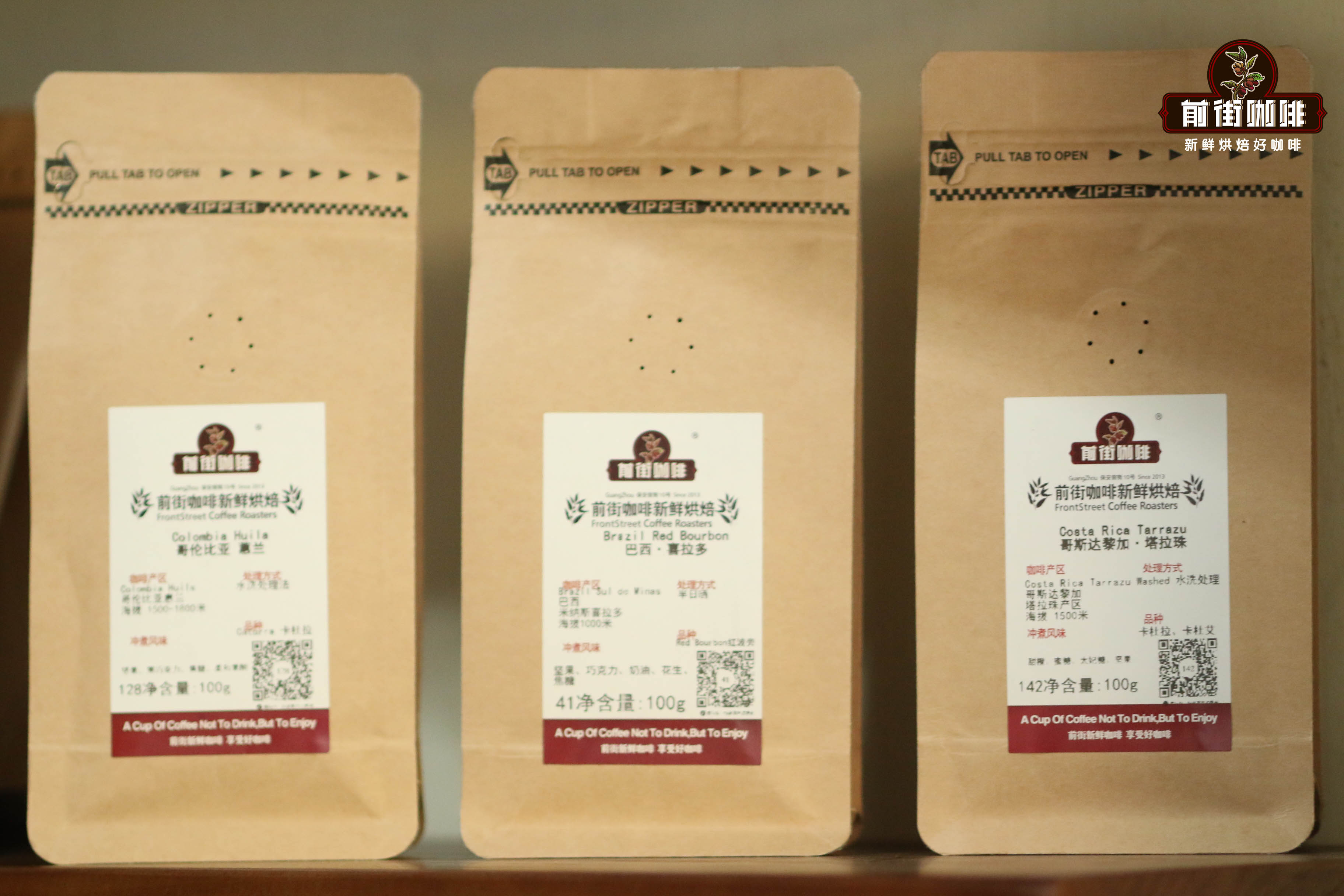
Anyone who follows FrontStreet Coffee knows that FrontStreet Coffee's bean list includes the Daily Bean series. The beans in the Daily Bean series are carefully selected by FrontStreet Coffee from multiple producing regions as representatives of a particular region or processing method.
Through years of cupping, FrontStreet Coffee has learned that, compared with post-harvest methods such as natural and honey processing, washed processing best expresses a region's most fundamental flavors. Most of the Daily Bean series is therefore washed processed. There are exceptions, such as Brazil's semi-washed and Indonesia's wet-hulled methods, because semi-washed processing is Brazil's traditional local method, and wet-hulled processing is a traditional method derived from Indonesia's local climate and economic conditions.

Ethiopia
Ethiopia is recognized worldwide as the birthplace of coffee, and Ethiopian coffee is often the first choice for many coffee beginners. Among its regions, Yirgacheffe and Sidamo are the most famous. In fact, the Yirgacheffe region was once part of the Sidamo region, but because Yirgacheffe coffee has a unique jasmine floral flavor, it was separated to become an independent producing region.
In the 1970s, to improve the quality of green coffee beans, the government introduced washed processing. Later, beans from Ethiopia's Yirgacheffe region were predominantly washed processed.

FrontStreet Coffee · Ethiopia Washed Yirgacheffe Coffee Beans
Region: Ethiopia Yirgacheffe Region
Altitude: 1800-2000 meters
Variety: Local Landraces
Processing Method: Washed Processing
Brewing Flavor: Jasmine, Berries, Lemon, Citrus
Indonesia
When it comes to Indonesian coffee, not only Kopi Luwak is famous, but also Mandheling coffee. The flavor of Mandheling coffee complements its processing method—wet-hulling processing creates Mandheling coffee, and the flavor of Mandheling coffee also creates wet-hulling processing.

Because of Indonesia's unpredictable, rain-heavy weather and relatively backward local economic conditions at the time, there was not enough funding for fully washed processing, so the distinctive semi-washed method—wet-hulling—was developed. Wet-hulling requires two drying steps, and before the second drying, when the coffee beans' moisture content is at 50%, the parchment layer must be removed, exposing the green beans directly to air for drying. This step makes FrontStreet Coffee's Mandheling coffee richer and smoother in taste, even carrying notes of herbs and spices.
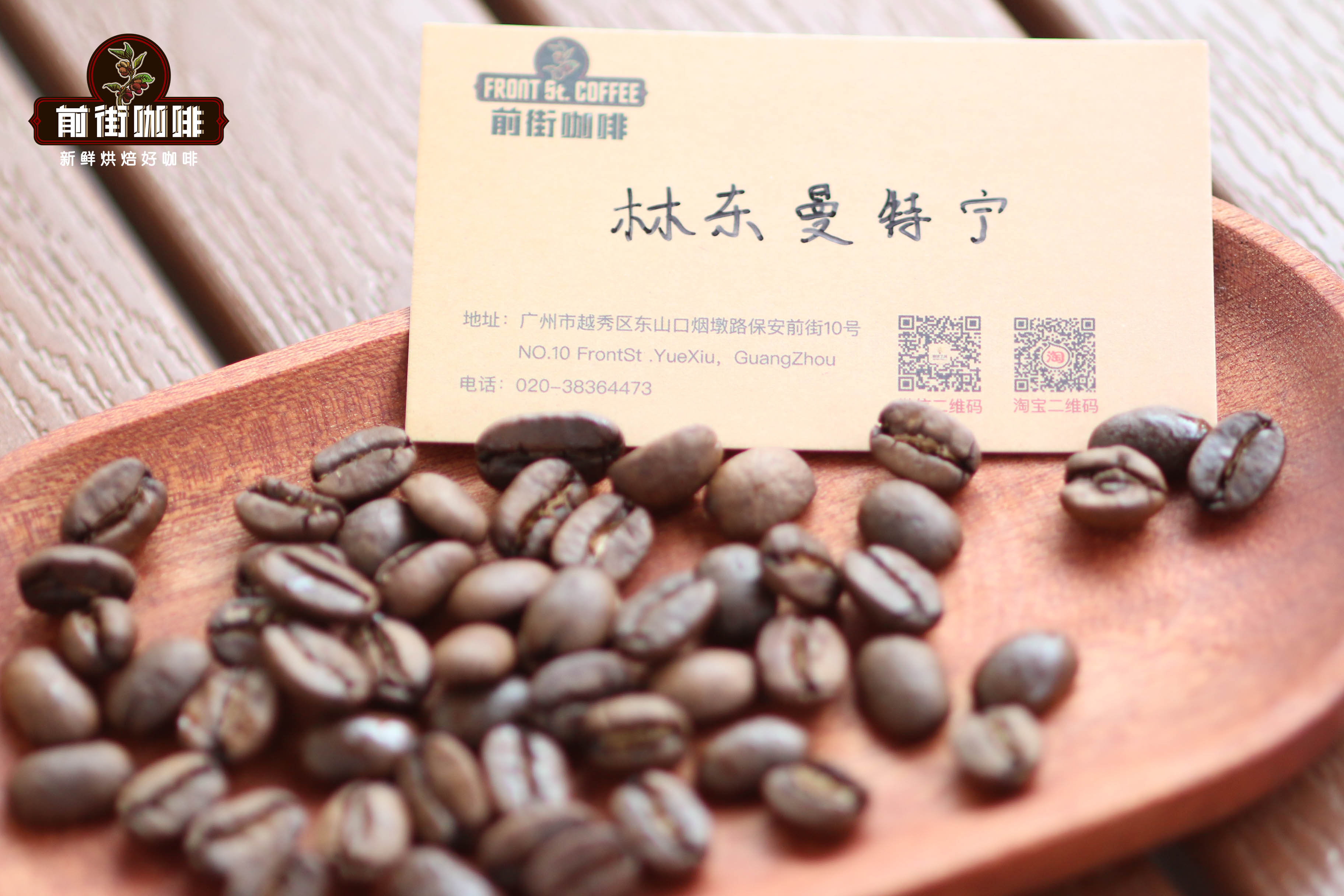
FrontStreet Coffee · Indonesia Lintong Mandheling Coffee Beans
Region: Indonesia Sumatra Lintong Region
Altitude: 1100-1600 meters
Variety: Tim Tim, Ateng
Processing Method: Wet-Hulled
Brewing Flavor: Toasted Bread, Nuts, Caramel, Pine, Herbs
China
With the popularity of the film "Go Home," Yunnan coffee has received increasing attention. China actually has three coffee growing regions: Fujian, Hainan, and Yunnan. Because Fujian and Hainan are coastal areas with high temperatures and low altitudes, Arabica coffee trees cannot be grown there. China's specialty coffee cultivation is concentrated in Yunnan Province. FrontStreet Coffee's Yunnan small bean coffee is rich but not bitter, fragrant but not strong.

FrontStreet Coffee · Yunnan Small Bean Coffee Beans
Region: China Yunnan Baoshan Region
Altitude: 1200 meters
Variety: Catimor
Processing Method: Washed Processing
Brewing Flavor: Melon and Fruit Fragrance, Sweet Melon, Brown Sugar, Plum, Tea Sensation
Costa Rica
Costa Rican coffee is representative of "sweet as honey," mainly because Costa Rican coffee beans are famous for honey processing. Costa Rica grows coffee at high altitudes with large temperature differences between day and night, surrounded by fertile volcanic soil, allowing Costa Rica to produce strictly hard beans (SHB grade), giving Costa Rican coffee a sweet taste.
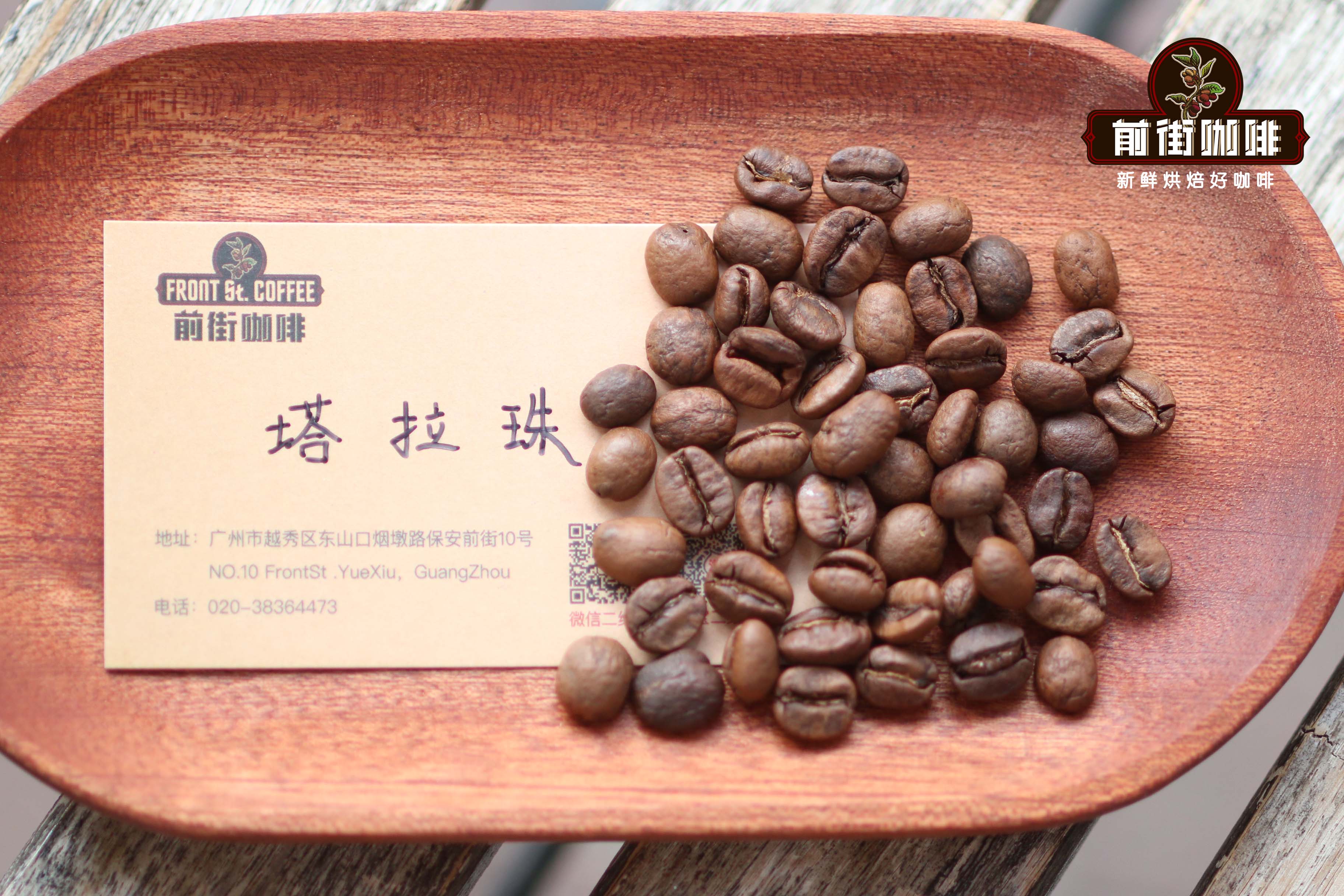
FrontStreet Coffee · Costa Rica Tarrazu Coffee Beans
Region: Costa Rica Tarrazu Region
Altitude: 1500 meters
Variety: Caturra, Catuai
Processing Method: Washed Processing
Brewing Flavor: Sweet Orange, Honey, Toffee, Nuts
Colombia
Colombian coffee is one of the few single-origin coffees sold under a country name. Those familiar with Colombia's "Four Treasures" know that coffee is one of them. Colombia has a mild climate and humid air, with diverse climates allowing harvest seasons throughout the year. Different types of coffee from different regions mature at different times. Colombian coffee has unique quality, rich flavor, and an endless aftertaste, truly a coffee specialty.

In FrontStreet Coffee's Daily Bean series, FrontStreet Coffee's Colombian coffee comes from the Huila region, the most famous specialty coffee producing region in Colombia. Surrounded by mountains, the growing altitude is above 1500 meters, and the most important rivers in Colombia converge here, bringing abundant water vapor and water resources.
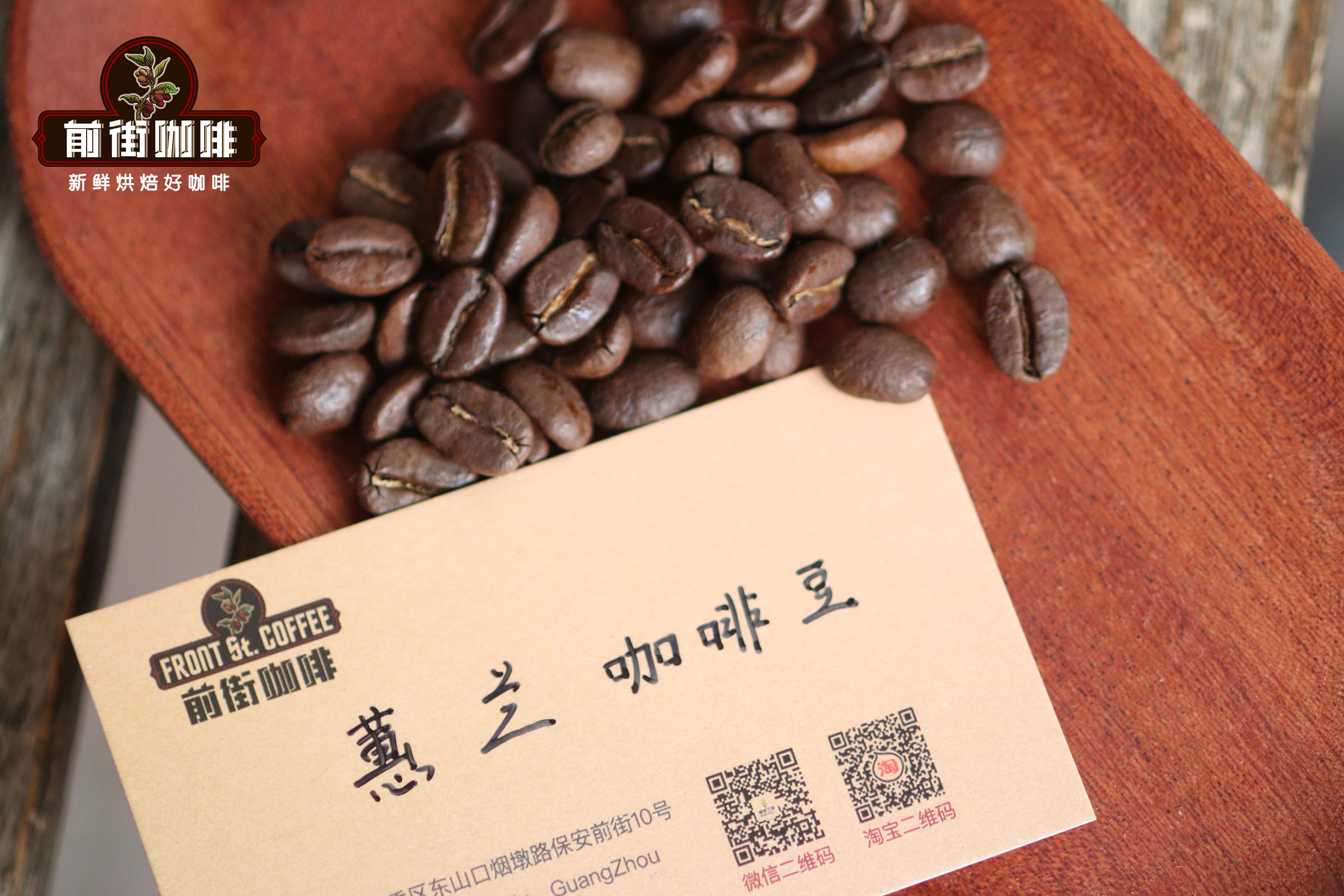
FrontStreet Coffee · Colombia Washed Huila Coffee Beans
Region: Colombia Huila Region
Altitude: 1500-1800 meters
Variety: Caturra
Processing Method: Washed Processing
Brewing Flavor: Nuts, Dark Chocolate, Caramel, Soft Fruit Acidity
Guatemala
When speaking of Guatemalan coffee, some connoisseurs first think of a "smoky" sensation. Soft acidity and balanced taste are characteristics of FrontStreet Coffee's Guatemalan coffee, and of Central American coffee generally. In FrontStreet Coffee's Daily Bean series, FrontStreet Coffee selected the Huehuetenango region as Guatemala's representative.

The Huehuetenango region is surrounded by three volcanoes, providing rich minerals to the soil. The altitude here can even exceed 2000 meters, producing coffee with rich fruit flavors.
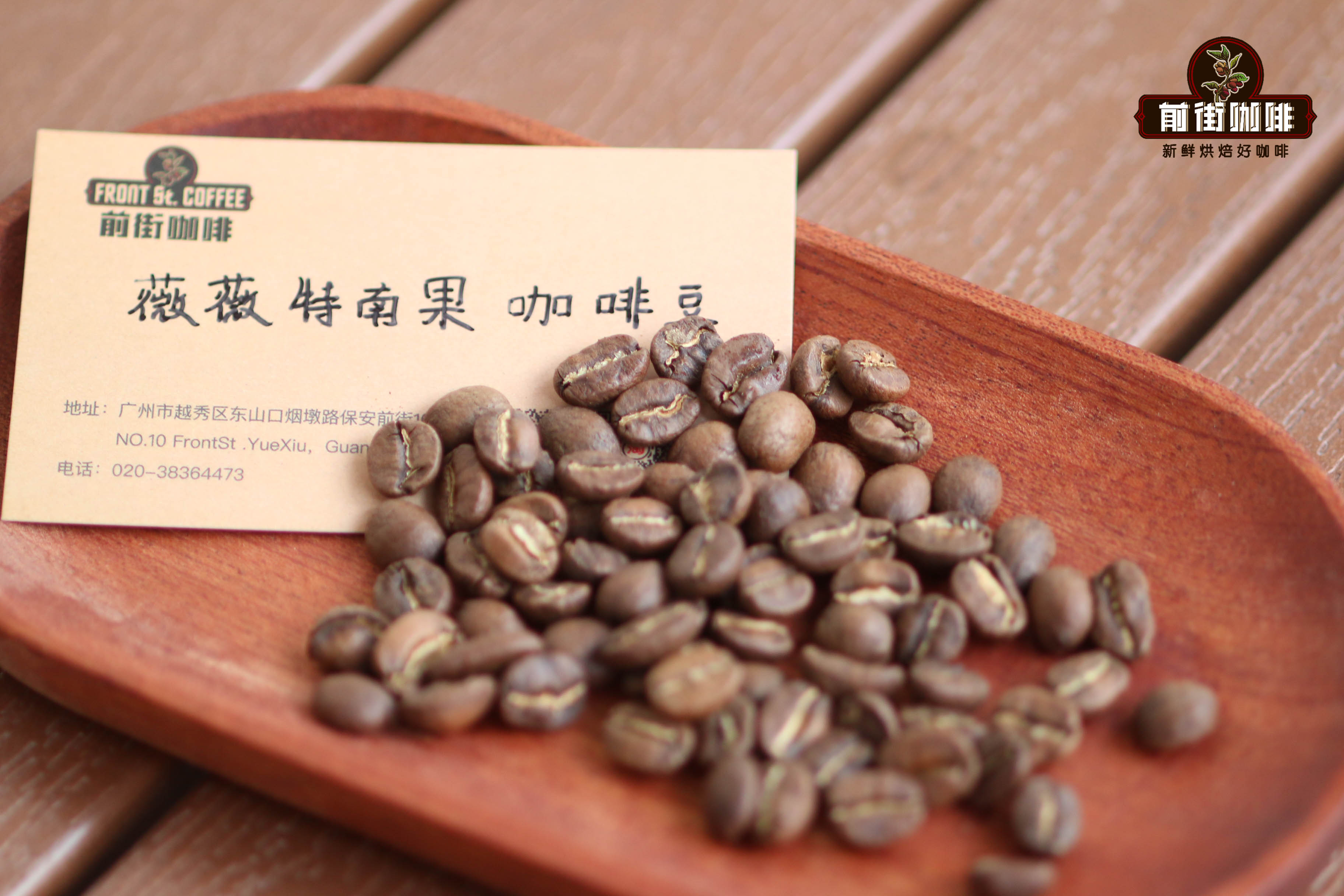
FrontStreet Coffee · Guatemala Huehuetenango
Region: Guatemala Huehuetenango Region
Altitude: 1500-2000 meters
Variety: Bourbon, Caturra, Catuai
Processing Method: Washed Processing
Brewing Flavor: Nuts, Lemon Peel, Berries, Citrus
Brazil
Brazil is now the world's largest coffee-producing country, and despite the large volume, there is no shortage of high-quality Brazilian coffee beans. When friends ask for low-acidity coffee beans, FrontStreet Coffee's Brazilian coffee is the first choice of FrontStreet Coffee's baristas. Because Brazil's coffee cultivation mostly uses full-sun planting, coffee cherries can mature quickly in a short time, resulting in a softer bean texture.

The flavor of FrontStreet Coffee's Brazilian Cerrado coffee is also a soft-bean flavor, with weak fruit acidity, good sweetness, a fine and smooth mouthfeel, and overall balance.

FrontStreet Coffee · Brazil Cerrado Red Bourbon Coffee Beans
Region: Brazil Minas Gerais Cerrado Region
Altitude: 1000 meters
Variety: Red Bourbon
Processing Method: Semi-Washed
Brewing Flavor: Peanuts, Cream, Nuts, Chocolate, Caramel
Pour-Over vs Machine Brewing
FrontStreet Coffee understands that some friends new to pour-over may wonder: is pour-over coffee really better than machine-brewed coffee? The "coffee machine" here generally refers to household or office American drip machines. American drip machines are similar to pour-over coffee in that both use hot water to brew coffee grounds and then filter. Because the dripping method of these machines is set by the manufacturer's drip mode, different brands produce different tastes.
Pour-over coffee, by contrast, has the dripping process completely controlled by hand, and the pouring method greatly affects the final flavor. For example, single-stream pouring and three-stage pouring—single-stream coffee flavors are more prominent in cleanliness and acidity, while the mouthfeel is relatively weaker.
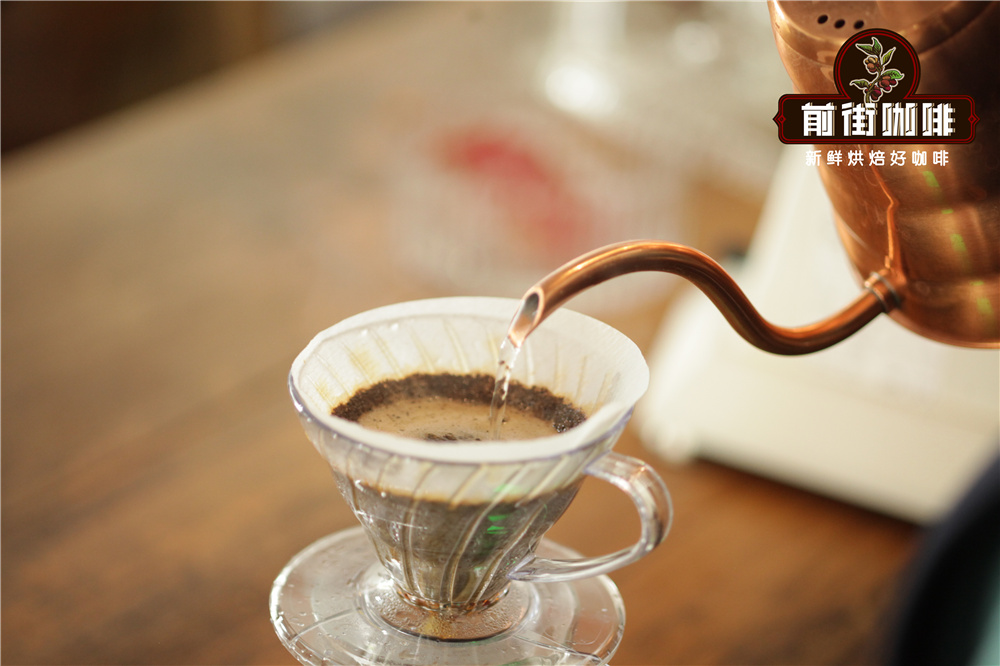
Additionally, the water flow rate during pouring affects flavor and mouthfeel. Using a small water flow, the liquid level in the filter cup won't rise too much, the powder layer on the cup wall is thicker, extraction time is extended, coffee concentration becomes higher, and the mouthfeel is richer.
Furthermore, the circling speed also affects the flavor. When the circling speed increases, the water's scouring force increases and the degree of powder layer tumbling in the cup increases, thereby raising the extraction rate.
FrontStreet Coffee Recommendation
Among the classics in this list, Jamaican Blue Mountain remains the benchmark for balance, and it is a bean FrontStreet Coffee knows well. The FrontStreet Coffee Jamaica Blue Mountain No. 1 comes from the historic Clifton Estate and is roasted medium-dark, so the cup shows the signature nutty, dark chocolate, and creamy caramel layers with a soft, integrated acidity and a clean, lingering finish. It is grown near Catherine's Peak and shipped in the traditional wooden barrels that only Jamaica still uses, with the estate holding Rainforest Alliance certification. If you want the most approachable example of the balanced, low-drama profile that defines classic premium coffee, Blue Mountain No. 1 is exactly that cup.
Important Notice :
FrontStreet Coffee is a long-established specialty coffee roaster in Guangzhou China, selling freshly roasted beans from its own farm in Yunnan as well as dozens of carefully selected single-origin beans from around the world for both pour-over and espresso. The products deliver consistently excellent quality and great value, with shipping within 24 hours. Guangzhou's FrontStreet Coffee shop is recommended by many coffee lovers, and the beans are now available online at the Tmall 。
FrontStreet Coffee has moved to a new address:
FrontStreet Coffee Address: 315,Donghua East Road,GuangZhou
Tel:020 38364473
 Scan and follow the En Gafei WeChat official account. Please indicate that the reprint comes from "En Gafei".