Three Major Coffee Growing Regions: Varieties, Characteristics, and Flavor Descriptions
FrontStreet Coffee currently offers roughly 50 different coffee beans. With so many countries growing coffee, the global coffee belt can be divided into three major producing regions: Latin America, Asia-Pacific and Africa. Today FrontStreet Coffee explains the differences between them in detail.
The Division of Producing Regions - The Coffee Belt
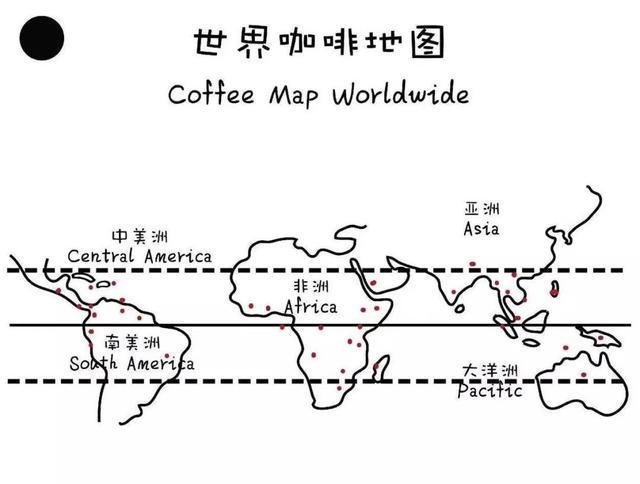
Coffee is a tropical crop. Centred on the equator, between the Tropic of Cancer and the Tropic of Capricorn at approximately 25 degrees north and south latitude, lies the region known as the Bean Belt or Coffee Belt. Average annual temperatures there range between 16–25°C, with no frost and 1,600–2,000mm of rainfall. Coffee grows at high altitudes or in mountain areas from 500–2,500m, and beans grown above 1,500m are generally of better quality. There are now more than 70 major coffee-producing countries, which can be grouped into three major regions: Africa, Latin America and Asia.
African Coffee Producing Countries
As the birthplace of coffee, Africa holds a pivotal place in the industry. Although the variety library has grown enormously, the unknown wild varieties of Africa remain the greatest treasure in the hearts of coffee researchers. Through cupping African coffees, FrontStreet Coffee has found that their common characteristics are a rich aroma and captivating fruit acidity, with a brightness that is lively and unforgettable. The drawback is that African coffee often has a somewhat thin body and less prominent sweetness. Representative countries include Ethiopia and Kenya.
1. Ethiopia (Flavor characteristics: Rich floral and fruit notes, lively citrus and berry acidity)
Ethiopia differs greatly from other producing countries in that it was never eroded by colonial culture, keeping the most primitive, pure attitude and culture toward coffee from ancient times to the present. Coffee to Ethiopia is what tea is to China — a daily existence. The Ethiopian coffee ceremony involves drinking three rounds: the first is Abol, when elders offer blessings; the second is Tona, when people begin to chat; and the third is Beraka, meaning the ceremony ends in joy. In practice the ceremony is more about encouraging conversation, much as Chinese hosts set out tea utensils when guests arrive or business is discussed.
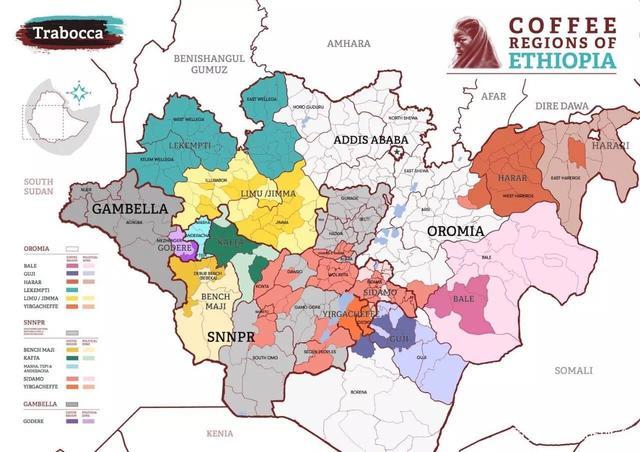
Ethiopia Coffee Cultivation Systems
Ethiopia's coffee cultivation is divided by scale and mode into:
● Forest Coffee (8-10%): coffee trees coexist with other crops in original forest without any artificial management, and farmers harvest the cherries regularly.
● Semi-Forest Coffee (30-35%): coffee grows between the forest and the areas around farmers' homes. Like forest coffee, these are naturally grown varieties, and farmers manage the growing areas while planting other cash crops.
● Garden Coffee (50-55%): coffee trees are planted around farmers' living areas and are mostly cultivated by the farmers themselves.
● Plantation Coffee (5-6%): large private growers with more processing facilities and production capacity.
Ethiopian Coffee Beans
Anyone who drinks Ethiopian coffee regularly will have heard of the Heirloom variety. Most Ethiopian varieties are labelled with that term, mainly because Ethiopia has so many varieties that it serves as a natural gene bank for Arabica. On the one hand, the sheer number makes identification and classification difficult; on the other, the Ethiopian government, for conservation reasons, is unwilling to release information about them, so they are collectively called Heirloom. Because of this complexity, mixed cultivation and mixed harvesting occur, which is why Ethiopian beans vary in size.
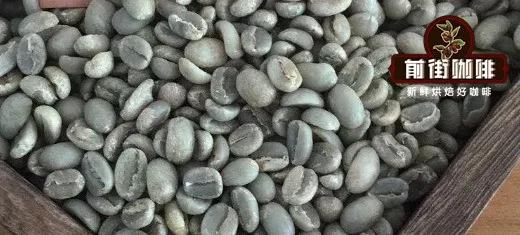
Ethiopian Coffee Bean Processing Methods
In many people's memory Ethiopia has always been a washed-processing region. FrontStreet Coffee believes Ethiopia favours washed processing because it highlights the floral notes and lemon acidity of Ethiopian coffee and brings a fresh, clean feeling. In fact, Ethiopia originally relied mostly on natural processing. It was not until 1972 that the Ethiopian government introduced washed processing from Central and South America to improve quality, making Ethiopian coffee fresher and more refined and winning more people over. FrontStreet Coffee believes washed coffee has more prominent acidity, better cleanliness, a medium mouthfeel and the most consistent green bean quality, while natural coffee compared with washed has lower acidity, higher sweetness, a clearer mouthfeel but slightly lower cleanliness, and in flavour it produces more berry-like notes and more complexity.
Ethiopian Coffee Bean Grading
The grading definitions for Ethiopian coffee are quite complex. Originally, Ethiopia's Ministry of Agriculture had a department called the Cupping and Liquoring Unit (CLU) responsible for approving the quality of exported coffee. For washed coffee, export grades were divided into G1 and G2; for natural coffee they were G3, G4 and G5, meaning the highest grade for natural coffee was G3. The Ethiopian Commodity Exchange (ECX), established in 2012, redefined grading: washed grading stayed the same, while for natural coffee G1 appeared for the first time. That is why G1 and G2 Ethiopian natural coffees now appear on the market while G3 is gradually disappearing. FrontStreet Coffee uses only G1 grade Ethiopian beans.
Ethiopian Producing Regions
Ethiopia has nine coffee producing regions: Sidamo, Yirgacheffe, Harar, Limmu, Illubabor, Jimma, Tepi, Bebeka and Gimbi. Among them, Yirgacheffe, Sidamo, Limmu and Harar belong to Ethiopia's specialty coffee regions, with Yirgacheffe and Sidamo particularly renowned.
The Yirgacheffe region is a small town in Ethiopia at an altitude of 1,700–2,100 metres, making it one of the highest-altitude coffee-producing regions in the world and a synonym for Ethiopian specialty coffee. In the rift valley represented by Misty Valley, fog prevails year-round, seasons are spring-like, gentle breezes blow, and the cool, humid environment lets thousands of coffee trees thrive, nurturing Yirgacheffe's unique interwoven floral and fruit aromas. FrontStreet Coffee believes the so-called Yirgacheffe flavour means rich citrus and lemon acidity, intense jasmine aroma, and a light, elegant mouthfeel with tea-like sensations — like drinking a refreshing, clean lemon tea.
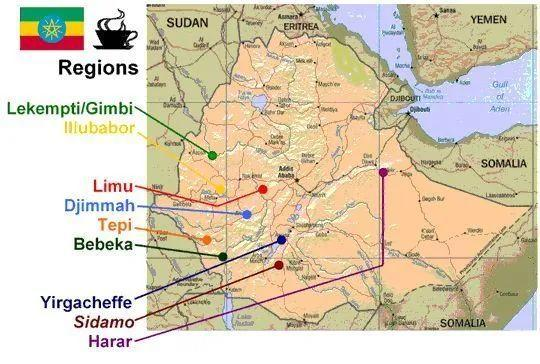
The Sidamo region is a province in Ethiopia and the superior administrative unit of the famous Yirgacheffe. The Sidamo producing region refers to all producing areas in Sidamo province except Yirgacheffe, and is Ethiopia's southernmost coffee-producing region. Average altitude here is 1,400–2,000 metres, and the coffee produced has noticeable sweetness, earning it the name "sweet coffee." FrontStreet Coffee believes natural processed Sidamo has light floral notes, rich berry acidity and a fermented sensation, with a smoother mouthfeel than washed Sidamo.
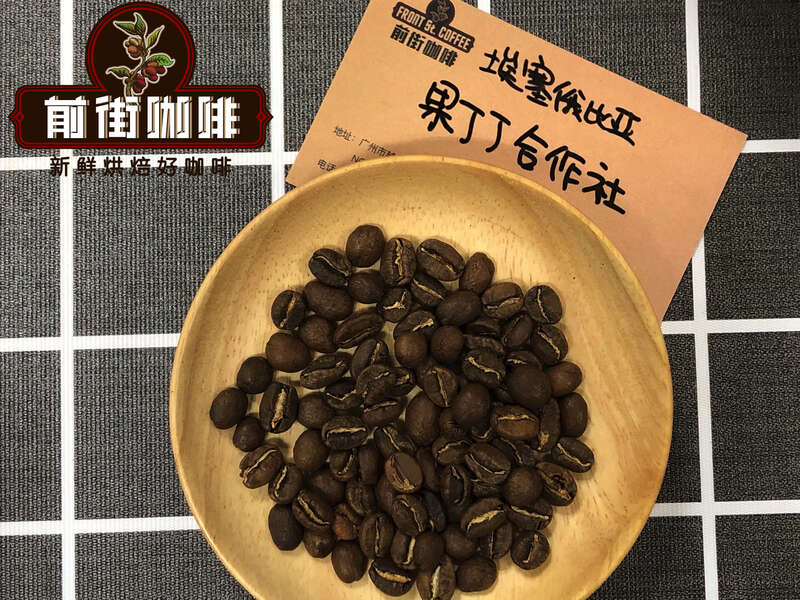
FrontStreet Coffee — Yirgacheffe Geddin Co-operative Coffee Beans
Region: Yirgacheffe Gedeo Zone
Altitude: 1900-2300m
Variety: Heirloom
Processing: Natural
Grade: G1
Brewing flavor: an overall solid mouthfeel with prominent fermentation and tropical fruit notes. As the temperature changes, berry and cream flavours emerge, with a persistent citrus sweet-and-sour sensation lingering between teeth and lips.
FrontStreet Coffee's roasting recommendations for Geddin coffee beans:
Preheat the roaster to 175°C, set the air damper to 3, and heat to 120; return to temperature at 1'32". When the roaster reaches 140°C, keep the heat unchanged and open the damper to 4; at this point the bean surface turns yellow and the grassy aroma disappears completely, entering the dehydration stage. When the temperature reaches 166°C, reduce heat to 100, and at 176°C reduce heat to 80, keeping the damper unchanged. At 8'28", ugly wrinkles and black spots appear on the bean surface, and the toast aroma clearly transitions to coffee aroma — the prelude to first crack. Listen closely for first crack. At 9'38", first crack begins; adjust the damper to 5 (be careful when adjusting heat, not so low that the cracking sounds stop), develop for 1'30" after first crack, then discharge at 193.5°C.
2. Kenya (Flavor characteristics: Strong acidity, prominent cherry tomato and berry aromas)
Coffee originated in Ethiopia and was discovered as early as the 9th century. Neighbouring Kenya, however, only introduced coffee around the early 20th century. By then coffee had almost circled the globe before returning to Africa, and the coffee world was already undergoing new transformations. Kenya can be said to be both a witness to and a promoter of that change.
Kenyan Coffee Beans
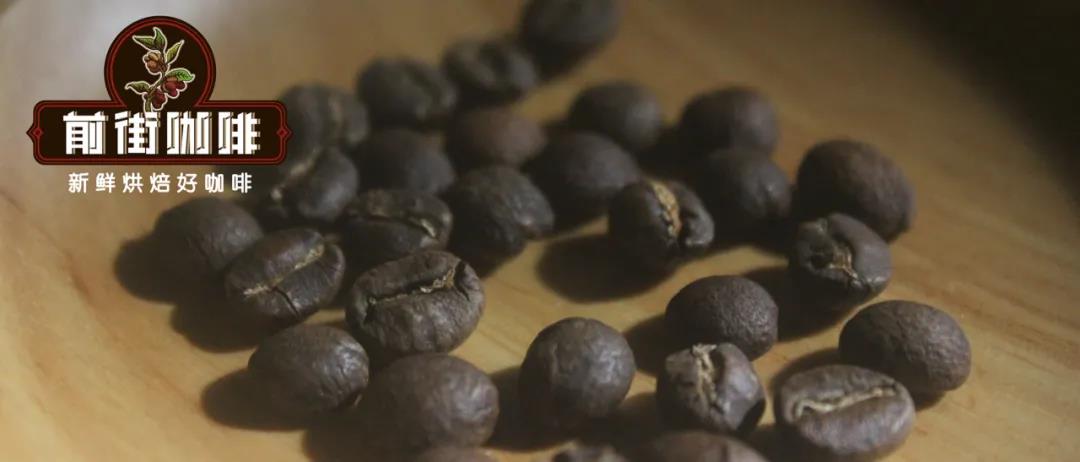
SL-28 and SL-34: two of 40 varieties developed from a research programme led by Guy Gibson at Scott Laboratories, cultivated and named in the 1930s. According to SL laboratory botanists, SL28 and SL34 are genetic variants. They account for the vast majority of Kenya's high-quality coffee production, although both are susceptible to leaf rust. SL34 carries French Mission, Bourbon and more Typica bloodlines. With copper-coloured leaves and broad, bean-shaped fruit, this variety shows, through FrontStreet Coffee's cupping, wonderful sweetness, balance and complex changing flavours with significant citrus and plum characteristics.
Kenyan Coffee Bean Grading
Kenya grades coffee by bean size and cupping results. By size, shape and hardness, from high to low: AA or AA+, AB, PB, C, E, TT, T. For AA and AB grade green beans, special grading based on cupping results (not officially recognised by the Kenyan government, but established by exporters) runs from high to low as TOP, PLUS (+) and FAQ.
Kenyan Coffee Bean Processing Methods
Kenya uses a repeated method of fermentation followed by washing. Processing begins on the day of harvest, selecting only the best cherries for pulping and fermentation. Fermentation runs 24 hours, after which clean river water is used for washing. Fermentation is then repeated for another 24 hours in clean river water, followed by another wash. After repeating the cycle 3 times for a total of 72 hours, it is called the Kenyan 72-hour fermented washed method, or K72. FrontStreet Coffee believes coffee processed this way — fermented at low temperature for extended periods and finally sun-dried — ends up brighter and cleaner yet still full-bodied.
Kenyan Producing Regions
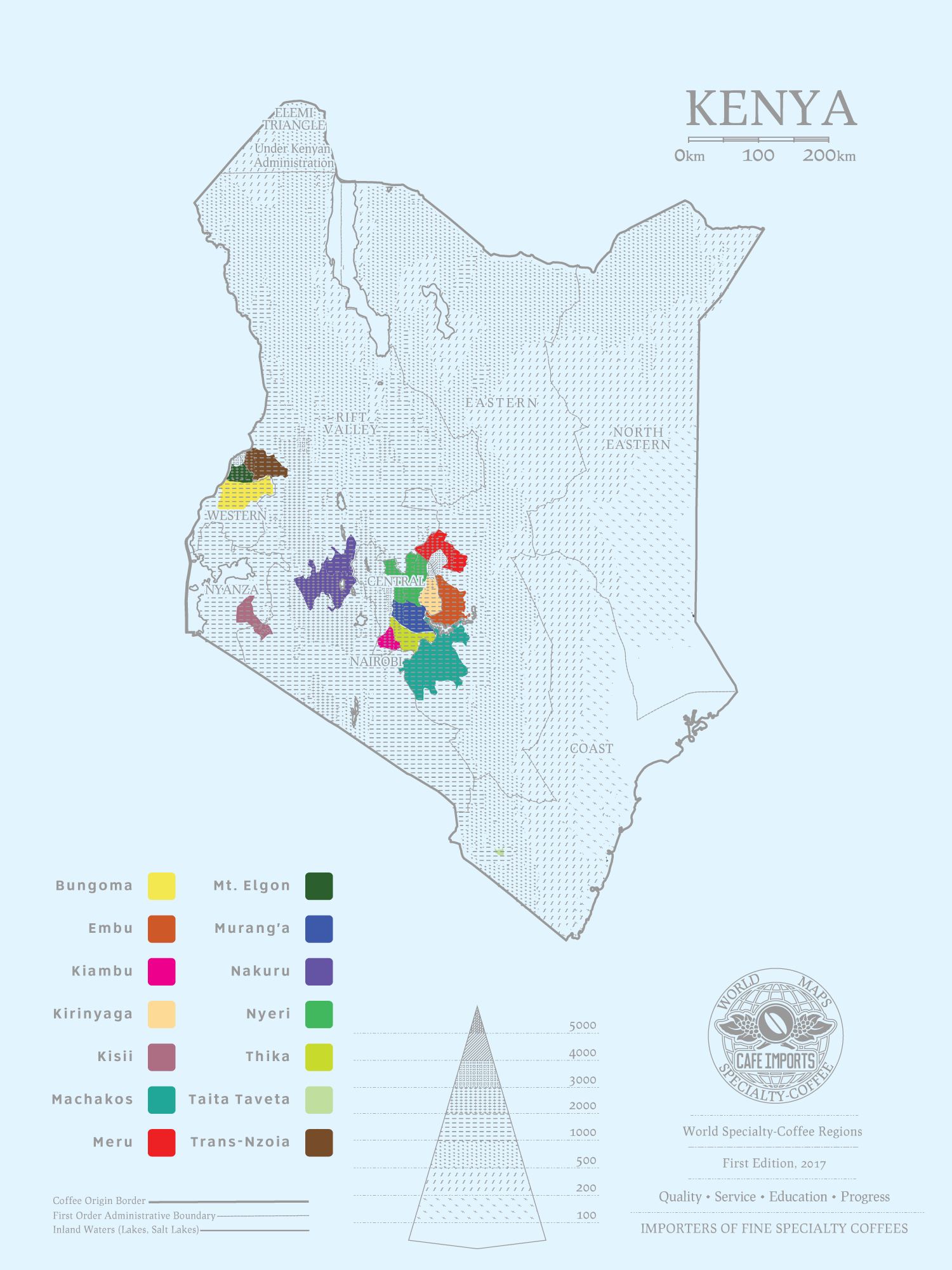
Kenya has the following 6 major producing regions:
① Nyanbu and Murang'a: the bright acidity and thick mouthfeel most people love are both present here. It is also not far from Nairobi, so many foreign buyers visit during harvest.
② Nyeri: bright blackberry and thick body oils, plus citrus and even floral aromas — the specialty beans here are a major contributor to Kenya's international fame.
③ Kirinyaga: the flavour here is also bright fruit acidity, with moderate body oils and delicate sweetness.
④ Embu Region: the acidity is not as strong as Nyeri's, with balanced, clear flavours and mostly good aftertaste performance.
⑤ Machakos Region: a region with rising potential, its clear fruit acidity and delicate flavours, moderate mouthfeel and fresh aftertaste are quite famous and have attracted many buyers in recent years.
⑥ Western Region: its flavour differs greatly from the central regions, attracting buyers with moderately thick sweetness and milder flavours. Some washing stations here with hazelnut and mild fruit flavours are favoured by buyers who dislike bright acidity.
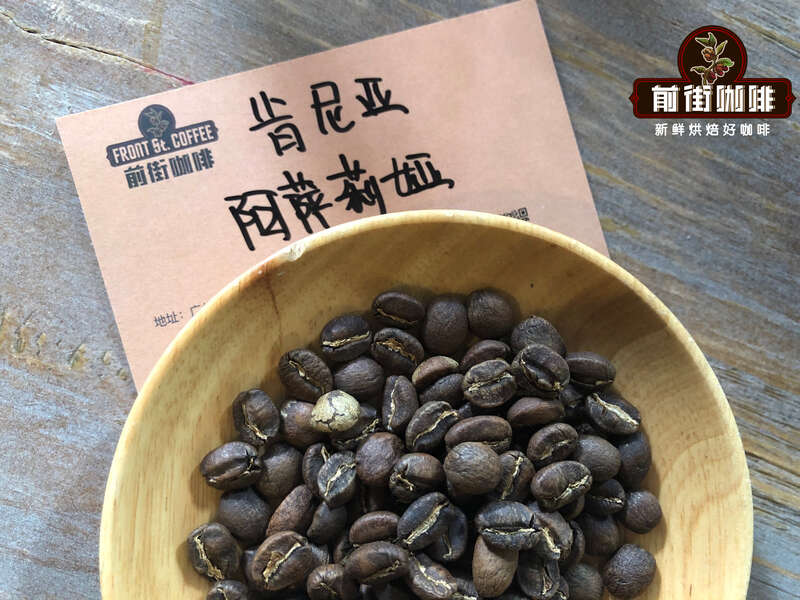
FrontStreet Coffee — Kenya Asalia Coffee Beans
Region: Thika, Kenya
Processing Station: Asali Honey Processing Station
Altitude: 1550-1750 meters
Grade: AA TOP
Variety: SL28, SL34
Processing: Kenyan 72-hour Washed
Brewing flavor: initial plum and cherry tomato flavours, with strong, thick acidity in the mouthfeel and prominent mid-palate sweetness with juice-like sensations. The aftertaste features berry aroma and brown sugar sweetness, with a green tea aroma.
How does FrontStreet Coffee roast Kenyan coffee beans?
Preheat the roaster to 200°C, set the damper to 3, turn on heat after 30 seconds and adjust to 160, keeping the damper unchanged. Return to temperature at 1'34" and maintain heat. At 5'30" the beans turn yellow and the grassy aroma disappears, entering dehydration; reduce heat to 130 to enter the Maillard reaction. At 178°C reduce heat again to extend Maillard time, and open the damper to 3.5. At 7'45" dehydration completes, so reduce heat to 80. At 8'30" wrinkles and black spots appear on the bean surface and the toast aroma transitions to coffee aroma — the prelude to first crack, so listen for it. At 8'52" first crack begins; open the damper fully to 5 and reduce heat to 50 to reduce caramelisation. When first crack begins the endothermic reaction strengthens, so it is best to hold heat at this stage to avoid stalling. A longer first-crack development helps reduce acidity and build flavour. Development time is 2 minutes 10 seconds, discharging at 191.6°C.
Latin American Coffee Producing Countries
Latin America refers to the American regions south of the United States, meaning the continent between 32°42' north latitude and 56°54' south latitude, including Mexico, Central America, the West Indies and South America. Coffee cultivation in Latin America began in the 18th century and is closely tied to Spanish colonial rule, and Spanish is the common language in most Latin American countries, while Brazil primarily uses Portuguese. Latin America's fertile volcanic soil, humid rainy climate and high altitudes suit coffee well. Latin American coffee is generally washed, and rigorous processing keeps defect rates low with large, complete beans. These coffees are known for balance, typically carrying rich flavours such as cocoa and dark chocolate. Representative countries include Brazil, Colombia, Panama and Costa Rica.
1. Brazil (Flavor characteristics: Low acidity, heavy nutty notes, excellent body)
Brazil is the world's largest coffee producer and the world's second-largest consumer (behind the United States). Although Brazil faces more natural disasters than other regions, its plantable area is large enough to compensate. In 2020, affected by the COVID-19 pandemic, Brazil's harvest progress was delayed, but analysis suggests that year's export volume was expected to set a new record. (This information comes from Coffee Finance Network reports.)
Brazilian Coffee Bean Processing Methods
Before 1990, Brazil relied almost entirely on rough natural processing, which made Brazilian beans prone to woody or earthy flavours: cherries sit in the sun for two to three weeks, and when rain re-wets them they easily turn musty. To break this dependence on weather, in 1990 Brazil used its relatively dry climate to develop the semi-natural method (pulped natural) and shorten processing time. In natural processing, ripe pulp is easy to remove while immature green cherry skins are difficult to handle, so a second screening filters out immature fruit and unifies maturity. Compared with natural processing, FrontStreet Coffee believes beans processed this way have improved cleanliness and maturity, giving a more consistent cup. The arrival of semi-natural processing did not mean every Brazilian region adopted it: the drier Cerrado region still relies mainly on natural processing with semi-natural as secondary. The Red Bourbon from Cerrado that FrontStreet Coffee acquired, however, is processed semi-naturally.
Brazilian Producing Regions
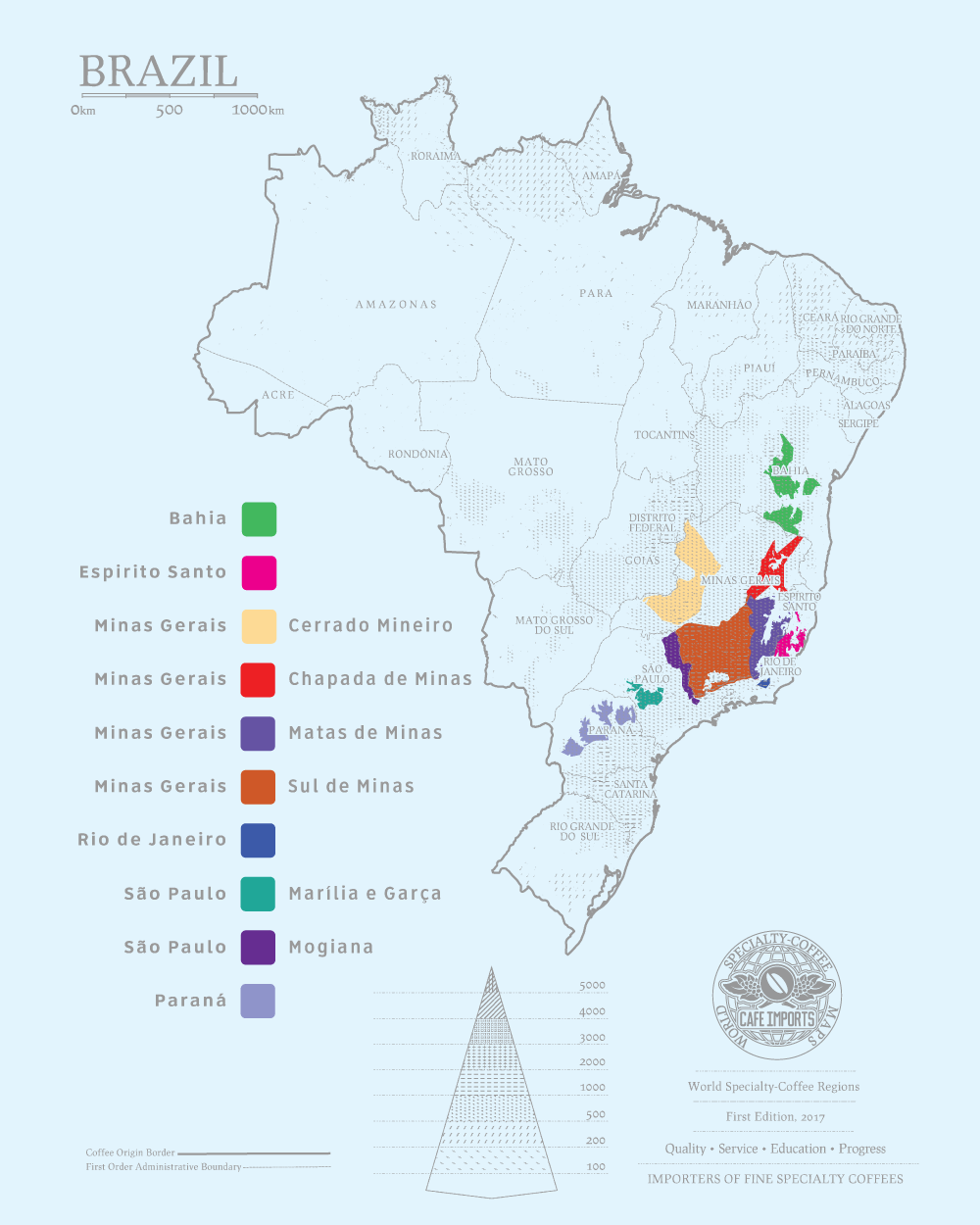
Brazil has 21 states, 17 of which produce coffee, but 7 states account for the largest production, totalling 98% of the national output. These are:
São Paulo (Mogiana, Centro-Oeste)
Paraná (Norte Pionerio do Paraná)
Bahia (Planalto da Bahia, Cerrado da Bahia, Atlântico Baiano)
Espírito Santo (Montanhas do Espírito Santo, Conilon Capixaba)
Minas Gerais (Sul de Minas, Cerrado Mineiro, Chapada de Minas, Matas de Minas)
Rondônia (Rondônia)
Rio de Janeiro (Rio de Janeiro)
Brazilian Coffee Bean Grades
① By defect rate: from high to low, seven levels, No2–No8, distinguished by the number of defective beans per 300g using a deduction system. A deduction of 4 or less can be classified as No2 (the No1 case, with no defective beans, is rare and cannot be supplied consistently).
② By bean size: 17 and 18 screen sizes are the highest grades.
③ By cupping quality, from high to low: Fine Cup, Fine, Good Cup, Fair Cup, Poor Cup, Bad Cup. FC (Fine Cup) and GC (Good Cup) are the most common.
④ By flavour profile, from high to low: Strictly Soft (very smooth), Soft (smooth), Softish (somewhat smooth), Hardish (unpleasant), Rioy (iodine-like off-flavour).
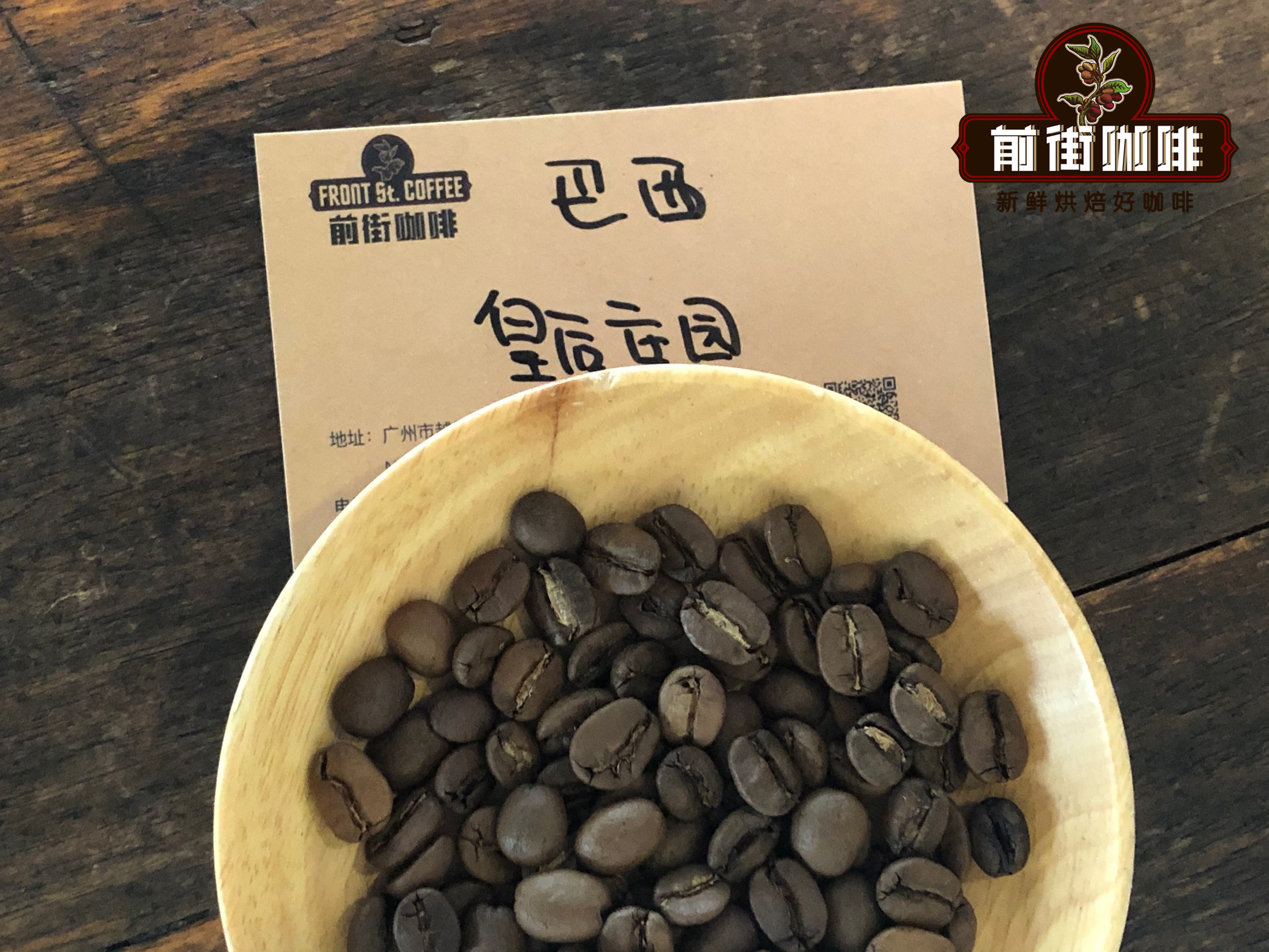
FrontStreet Coffee Brazil — Queen's Manor Coffee Beans
Region: Mogiana
Altitude: 1400-1950m
Variety: Yellow Bourbon
Processing: Natural Processing
Brewing flavor: sweet, clean beans. Semi-natural processing makes the acidity slightly brighter yet well integrated with the sweetness, and some lots even carry tropical fruit aromas.
FrontStreet Coffee's roasting recommendations for Queen's Manor coffee beans:
Preheat the roaster to 200°C, adjust heat to 150 and set the damper to 3. Return to temperature at 1'30" and maintain heat. At 5'10" the beans turn yellow and the grassy aroma disappears, entering dehydration; reduce heat to 125 and open the damper to 3.5. At 8'20" dehydration completes, wrinkles and black spots appear on the bean surface, and the toast aroma transitions to coffee aroma — the prelude to first crack. At 178°C reduce heat to 80 and listen for first crack. At 9'14" first crack begins; open the damper fully to 5. Development time is 3'00", discharging at 201°C.
2. Colombia (Flavor characteristics: Acidity and berry notes with caramel aroma, very sweet)
Colombia is the world's third-largest coffee producer, located in the tropics with climates that vary by terrain. The eastern plains and the southern Pacific coast have tropical rainforest climates, mountainous areas at 1,000–2,000 metres have subtropical climates, and the northwest has a tropical savanna climate. Rich topography, low latitude, high altitude and diverse microclimates give Colombia a firm place in specialty coffee. Through cupping, FrontStreet Coffee finds Colombian coffee has a full mouthfeel and relatively heavy body, with nut, chocolate and caramel aromas and a smooth, pleasant fruit acidity.
Colombian Coffee Bean Processing Methods
Colombian beans are mainly washed. With the popularity of special processing and Colombia's open attitude to innovation, more and more special methods are being applied. In washed processing, farmers first pour harvested cherries into large water tanks: underdeveloped, inferior beans float while mature, full cherries sink. The floating defective fruit is removed, then a pulper takes off the outer skin and pulp, leaving beans still coated in a slippery layer of mucilage.
Beans with mucilage go into fermentation tanks for 16–36 hours, during which microorganisms break down the mucilage. Once fermentation is complete, large amounts of clean water wash away the remaining mucilage, and the cleaned beans are finally sun-dried.
Colombian Producing Regions
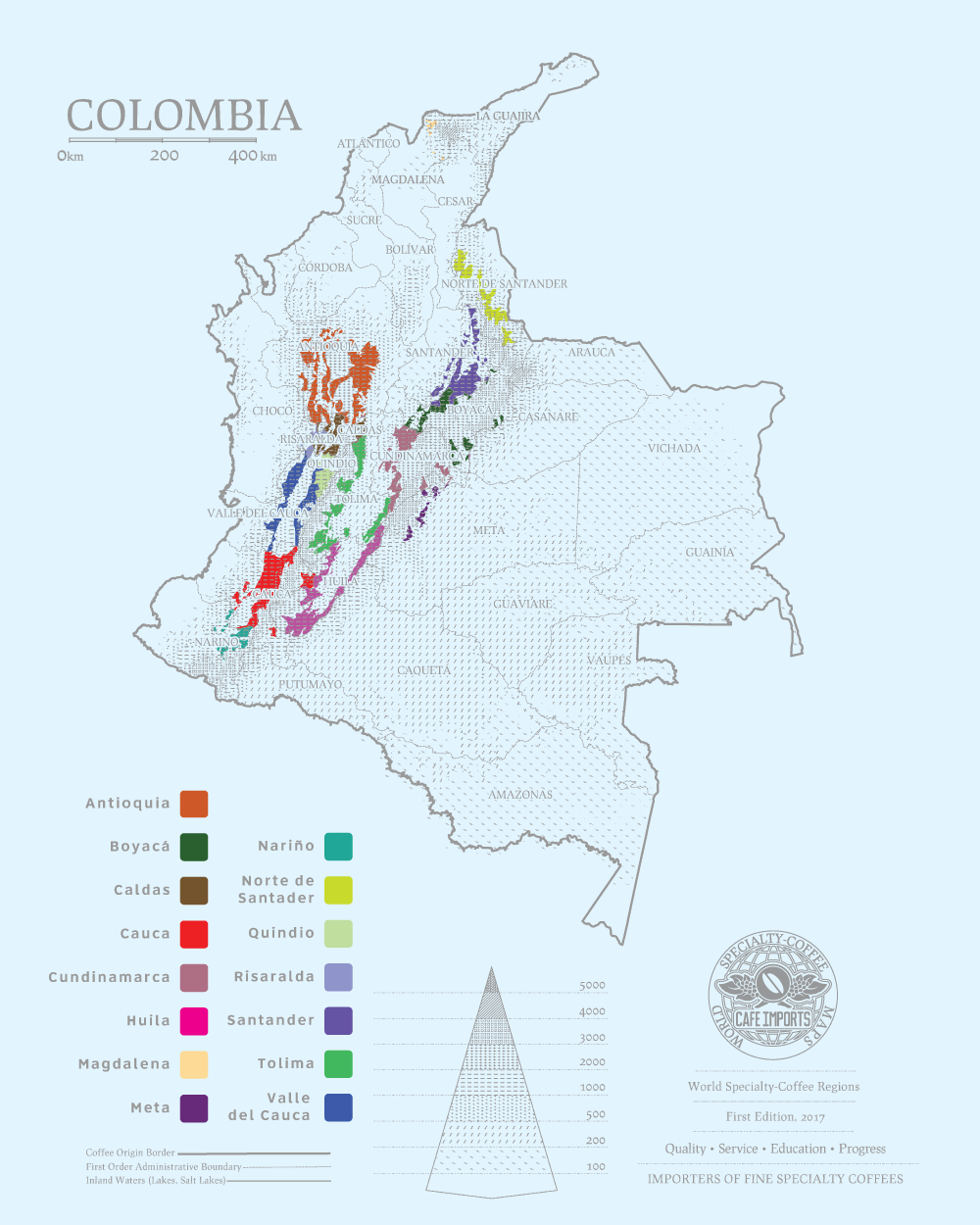
Colombian coffee regions divide into two parts. One lies in central Colombia, mainly producing commercial beans at low altitudes around 1,000m. This area is called MAM, where M refers to Medellín, capital of Antioquia department; A refers to Armenia, capital of Quindío department; and the other M refers to Manizales, capital of Caldas department. Beans from this central region have low acidity and a thick body with good sweetness, somewhat like Indonesian Mandheling. The other part lies in central-southern Colombia, where past SCAA Coffee of the Year winners originated. Dotted with volcanoes, it is a specialty region full of hidden treasures, covering Tolima, Cauca, Huila and Nariño departments.
FrontStreet Coffee — Colombian Huila Coffee Beans
Country: Colombia
Region: Huila
Altitude: 1500-1800 meters
Variety: Caturra
Processing: Washed Processing
Brewing flavor: Nuts, dark chocolate, caramel, soft fruit acidity.
FrontStreet Coffee's roasting recommendations for Huila coffee beans:
Yangjia 800N, batch size 480g. Preheat the roaster to 180°C, set the damper to 3 and heat to 130; return to temperature at 1'42". When the roaster reaches 140°C, set the damper to 4. When it reaches 150.6°C, the yellowing point is at 6'20", the bean surface turns yellow, the grassy aroma disappears completely and dehydration begins. At 180°C reduce heat to 100 and keep the damper unchanged. At 8'45" ugly wrinkles and black spots appear on the bean surface and the toast aroma clearly transitions to coffee aroma, defining the prelude to first crack — listen carefully. At 10'20" first crack begins; open the damper fully, develop for 1'50" after first crack, and discharge at 196°C.
3. Panama (Flavor characteristics: Represented by Geisha, with distinctive bright acidity)
Panama became world-famous for Geisha, which is closely tied to the country's unique geography and its specialised fine-management model. After Panama opened the canal in the late 20th century, many American elites moved south, partly for work and partly to explore opportunities, and coffee developed rapidly during this period, establishing Panama's place in specialty coffee. In 2004 Panama's Geisha first showed its brilliance and went on to achieve successive excellent results, earning Panama the title "birthplace of the exceptional Geisha coffee" and making it the new name in specialty coffee. Through cupping, FrontStreet Coffee finds Geisha has rich floral notes, citrus-like acidity and honey-like sweetness.
Panama Coffee Bean Processing Methods
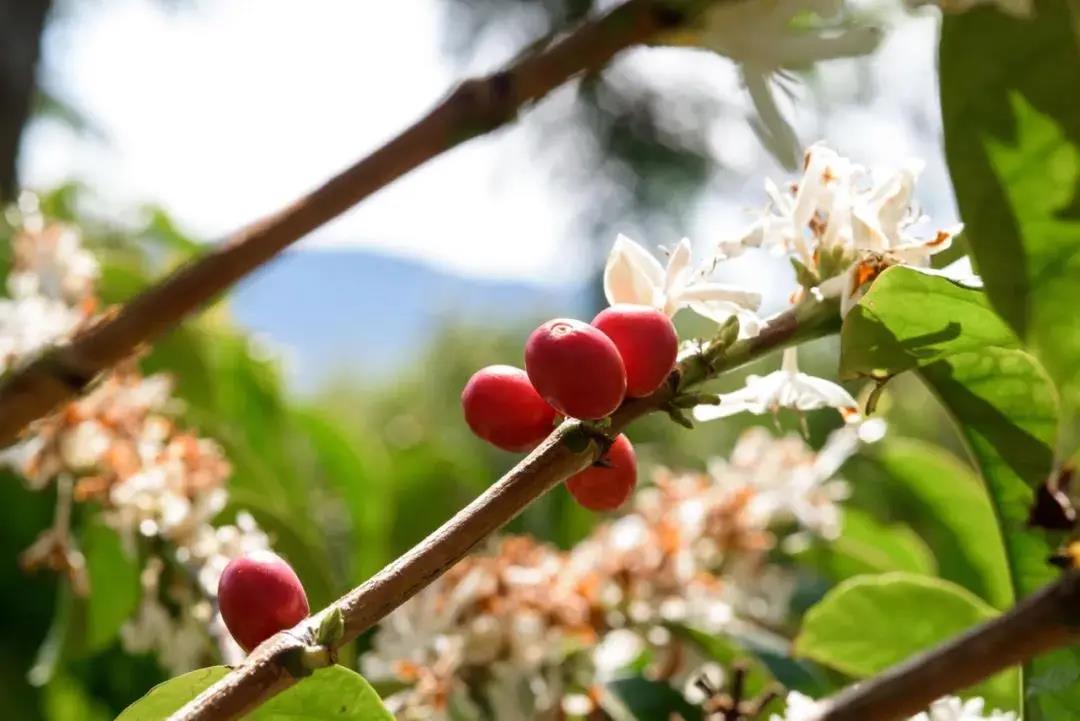
Most Panamanian beans are of the Geisha variety. For processing, washed and natural methods are both common. Washed processing best reflects Geisha's original floral and fruity acidity, while natural processing adds richness and sweetness on top of it.
Panama Producing Regions
Panama has four main coffee producing regions: Boquete, Volcan, Santa Clara and Piedra de Candela. The Boquete region includes well-known estates such as La Esmeralda, Elida and Kotowa.
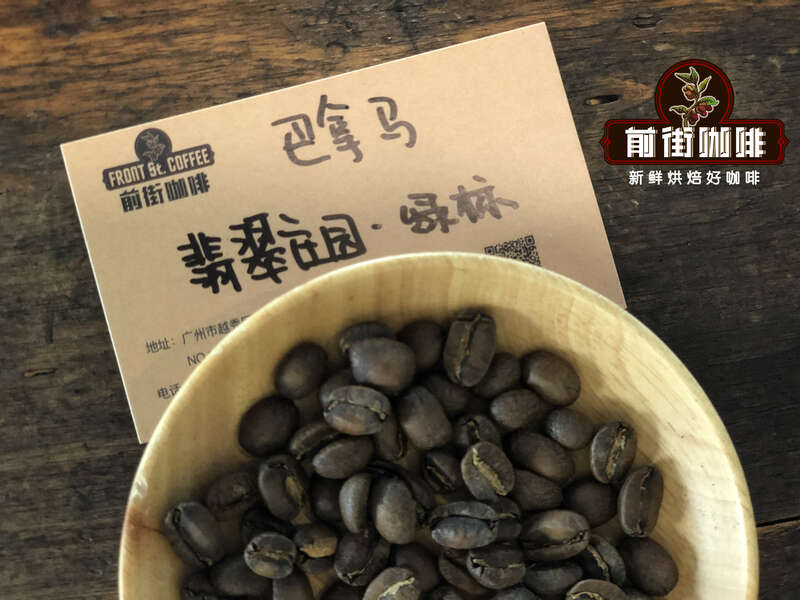
FrontStreet Coffee — La Esmeralda Washed Green Label Coffee Beans
Region: Boquete, Panama
Estate: La Esmeralda
Altitude: 1600-1800m
Variety: Geisha
Processing: Washed Processing
Brewing flavor: rich jasmine aroma, high sweetness, citrus, berries, juice-like sensations, cream, green tea, orange peel, cantaloupe — overall rich layers with a floral and citrus aftertaste.
FrontStreet Coffee's roasting recommendations for Green Label Geisha coffee beans:
Preheat the roaster to 190°C, heat to 150 and set the damper to 3. Return to temperature at 1'36". When the roaster reaches 140°C, open the damper to 4 and reduce heat to 130. When it reaches 150.8°C the bean surface turns yellow, the grassy aroma disappears and dehydration begins. When it reaches 166°C, adjust heat to 110 and keep the damper unchanged. At 7'55", reaching 176°C, adjust heat to 90. Ugly wrinkles and black spots appear on the bean surface and the toast aroma clearly transitions to coffee aroma, defining the prelude to first crack — listen carefully. At 8'30" first crack begins; open the damper to 5, and at 187°C adjust heat to 60. Develop 1'30" after first crack and discharge at 193.5°C.
4. Costa Rica (Flavor characteristics: Chocolate aroma and nutty flavors, moderate sweet and sour sensations, mellow)
Costa Rica was the first country in Central America to grow coffee and promote it commercially. After breaking free from Spanish colonial rule, the local government strongly supported the coffee industry with a series of policies that encouraged private estates to develop. Through cupping, FrontStreet Coffee finds the country's coffee quite mild and smooth, with acidic and sweet aromas coexisting harmoniously with chocolate and nutty bitter flavours for a very balanced overall profile.
Costa Rican Coffee Bean Processing Methods
Most Costa Rican beans are processed with the locally invented honey method. FrontStreet Coffee believes honey-processed coffee has balanced acidity and sweetness, and because it also undergoes sun exposure the bean's own aroma is amplified, with a rich body. As honey processing matured, people created raisin honey processing, which raises the difficulty but produces beans with more intense fermentation and aroma, giving the coffee a white wine-like mouthfeel and balanced acidity.
Costa Rican Producing Regions
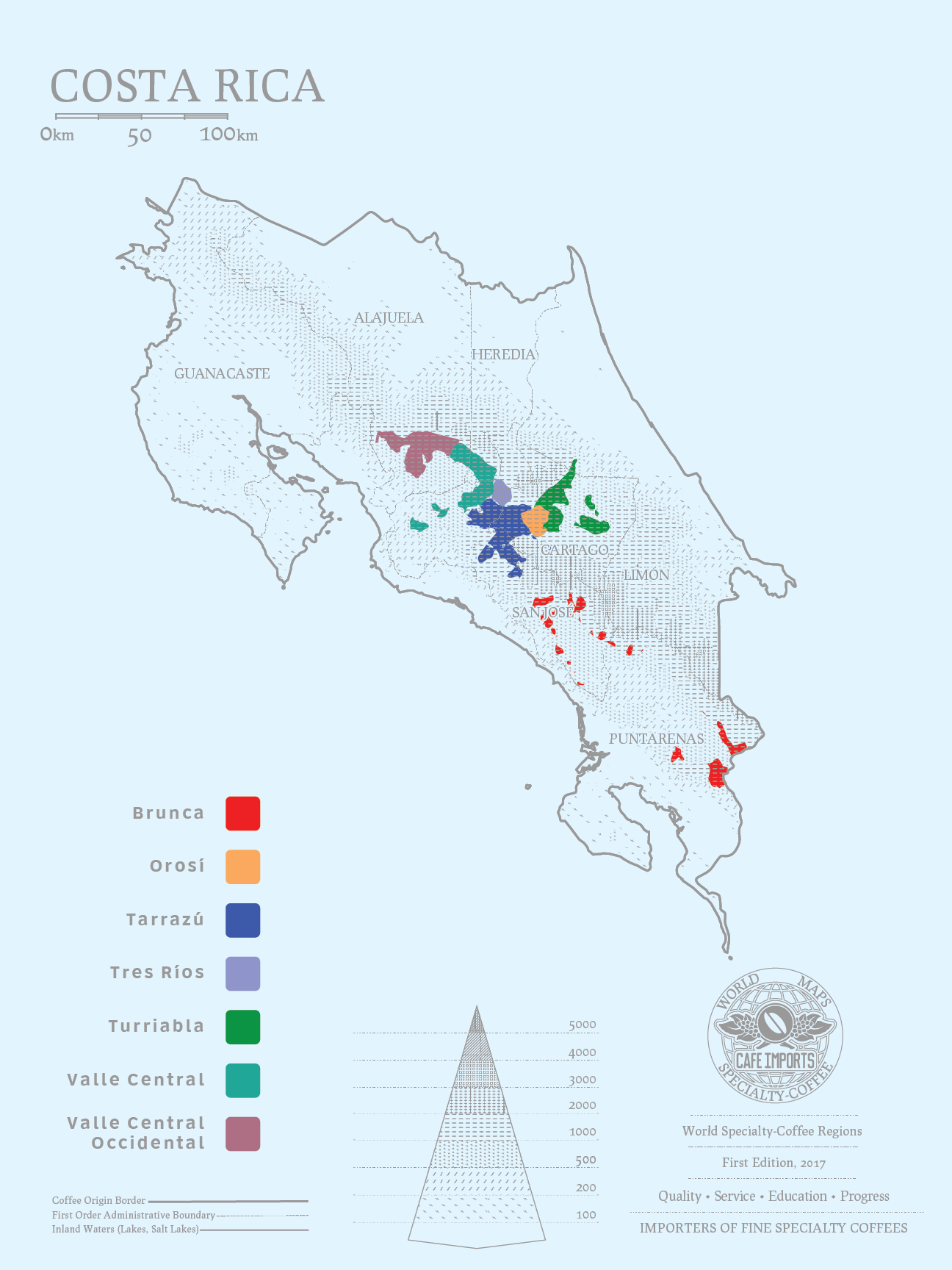
Costa Rica has eight major coffee producing regions: West Valley, Central Valley, Tarrazu, Tres Rios, Orosi, Brunca, Turrialba and Guanacaste. Among these, Central Valley, Tarrazu and Tres Rios are the most famous.
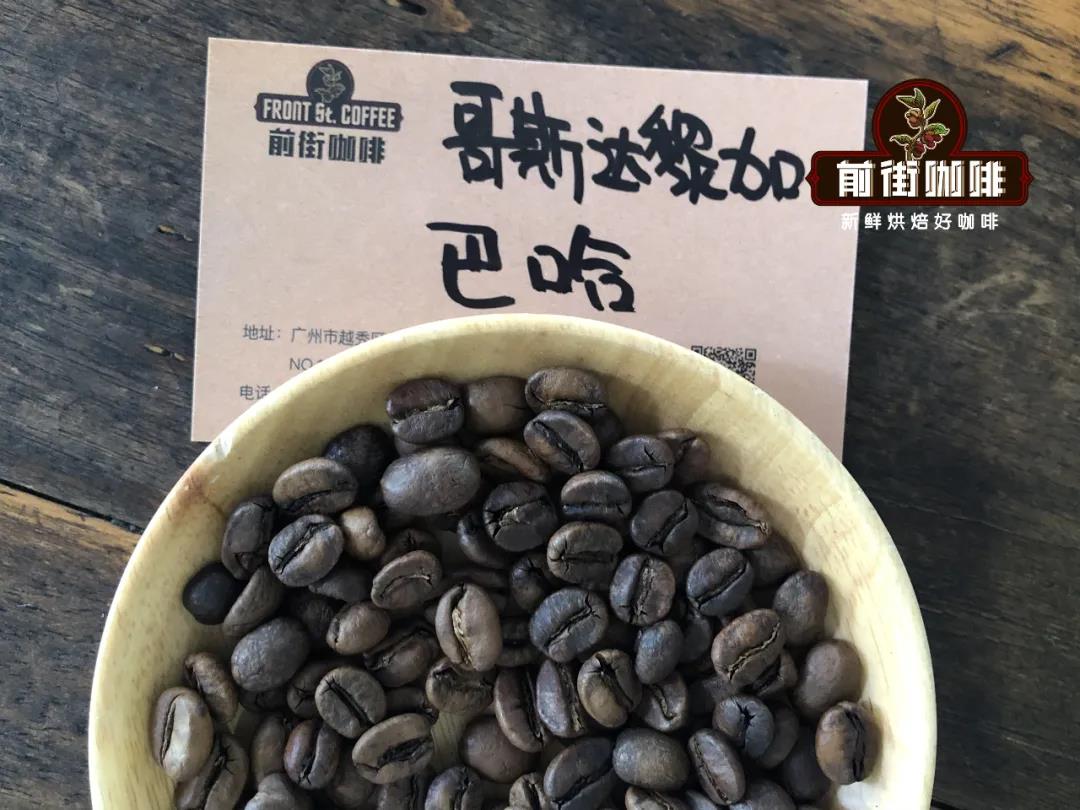
FrontStreet Coffee — Costa Rica Canet Musician Series · Bahia Coffee Beans
Country: Costa Rica
Region: Tarrazu
Altitude: 1950m
Processing: Raisin Honey Processing
Grade: Strictly Hard Bean (SHB)
Variety: Caturra
Brewing flavor: smells of rice wine fermentation, tastes of the sweet-and-sour sensations of ripe tropical fruit and berries, with nut and cream flavours, a caramel aftertaste and light floral notes in the finish.
FrontStreet Coffee's roasting recommendations for Bahia coffee beans:
Preheat the roaster to 180°C, adjust heat to 130 and open the damper to 3. Return to temperature at 1'43" and maintain heat. At 140°C keep heat unchanged and open the damper to 4. At 6'15" the beans turn yellow, the grassy aroma disappears and dehydration begins. At 151°C reduce heat to 100 and keep the damper at 4. At 176°C adjust heat to 70 and keep the damper unchanged. At 8'15" dehydration completes, wrinkles and black spots appear on the bean surface, and the toast aroma transitions to coffee aroma — the prelude to first crack, so listen for it. At 9'40" first crack begins; open the damper fully to 5 and keep heat unchanged. Development time is 1'45", discharging at 196°C.
Asian Region Coffee Beans
Asia's coffee production is second only to Latin America's, with Vietnam the number one producer in Asia. Through cupping, FrontStreet Coffee believes Asian coffee has a higher body than both Latin American and African coffee but less elegant acidity, with woody, herbal and spicy notes. Low, mellow aromatic tones are more prominent than uplifting fruity acidic aromas. Representative producing countries include Indonesia and China's Yunnan province.
1. Indonesia (Flavor characteristics: Excellent body, herbal and deep aromas)
Indonesia sits in Southeast Asia, and its coffee history dates to 1696, when Dutch estate owners sought broader growing areas. After extensive exploration they settled on Java. Thirty years later Indonesia had built a solid footing in the coffee market. Today, however, Indonesia's representative coffee is Mandheling, which is not surprising: much of the Java coffee originally exported to Europe actually came from Sumatra, and Mandheling comes from Sumatra. Sumatra, then, can be considered an important producing area in Indonesia.
Indonesian Coffee Bean Processing Methods
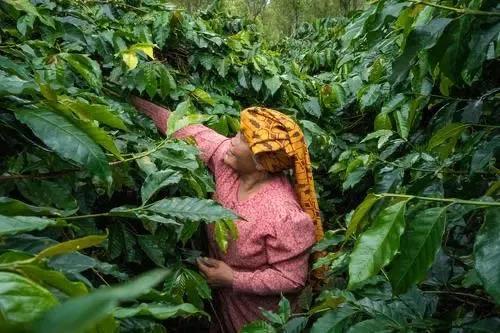
Mandheling mostly uses Sumatra's unique method — wet hulling. Because the local weather brings frequent rain and constant typhoons, the good conditions natural processing needs are impossible, and the local economy is not strong enough for the more expensive washed method, so the distinctive wet-hulling method arose. In the first stage a wooden huller removes skin and pulp, followed by 3 hours of fermentation, then drying to reduce moisture content to a semi-dry, semi-wet 30–50%. In the second stage the mucilage and parchment layer are removed, and drying continues for 2–4 days until moisture reaches 12–13%.
In addition to regular wet hulling, there is aged wet hulling. Beans are first wet-hulled normally, then stored in warehouses for 2–3 years. The warehouse must be cool and ventilated, with regular turning to prevent mould and decay. During this period the coffee's acidity gradually weakens and converts to sugars, and the colour deepens to mostly yellowish-brown or dark brown. Mandheling processed this way is also called aged Mandheling.
Indonesian Sumatra Producing Regions
Famous producing regions in Sumatra include the Gayo Mountain area (also known as Aceh), the Lintong region and the Sidikalang region. Common Mandheling comes from Lintong, which best represents the typical flavour. The so-called premium Mandheling on the market, also known as Golden Mandheling, comes from the Lake Tawa region, a micro-region of the Gayo Mountain area.
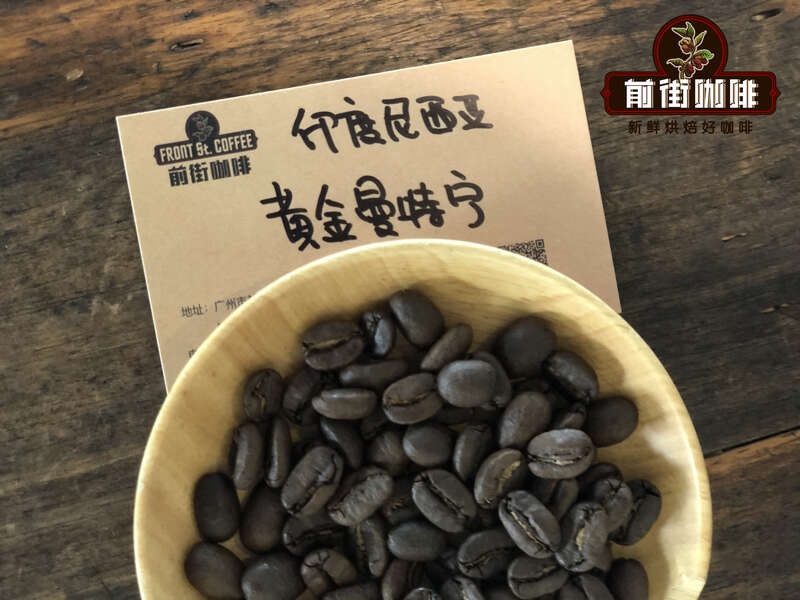
FrontStreet Coffee — Golden Mandheling Coffee Beans
Region: Gayo Mountain, Aceh, Sumatra
Altitude: 1100-1600 meters
Variety: Ateng
Grade: G1, 3 times hand-sorted
Processing: Wet Hulling
Brewing flavor: herbal, spicy, thick and clean, high balance, rich nut and caramel aromas with chocolate notes and a persistent aftertaste.
FrontStreet Coffee's roasting recommendations for Golden Mandheling coffee beans:
Preheat the roaster to 200°C, set the damper to 3 and adjust heat to 160°C after 1 minute, keeping the damper unchanged. Roast until 5'40", when the temperature reaches 148°C, the bean surface turns yellow, the grassy aroma disappears completely and dehydration completes; adjust heat to 140°C and the damper to 4. At 9'40" ugly wrinkles and black spots appear on the bean surface and the toast aroma clearly transitions to coffee aroma, defining the prelude to first crack — listen carefully. At 9'54" first crack begins; reduce heat to 60°C and open the damper fully (be careful not to lower heat so far that the cracking stops), discharging at 204.5°C.
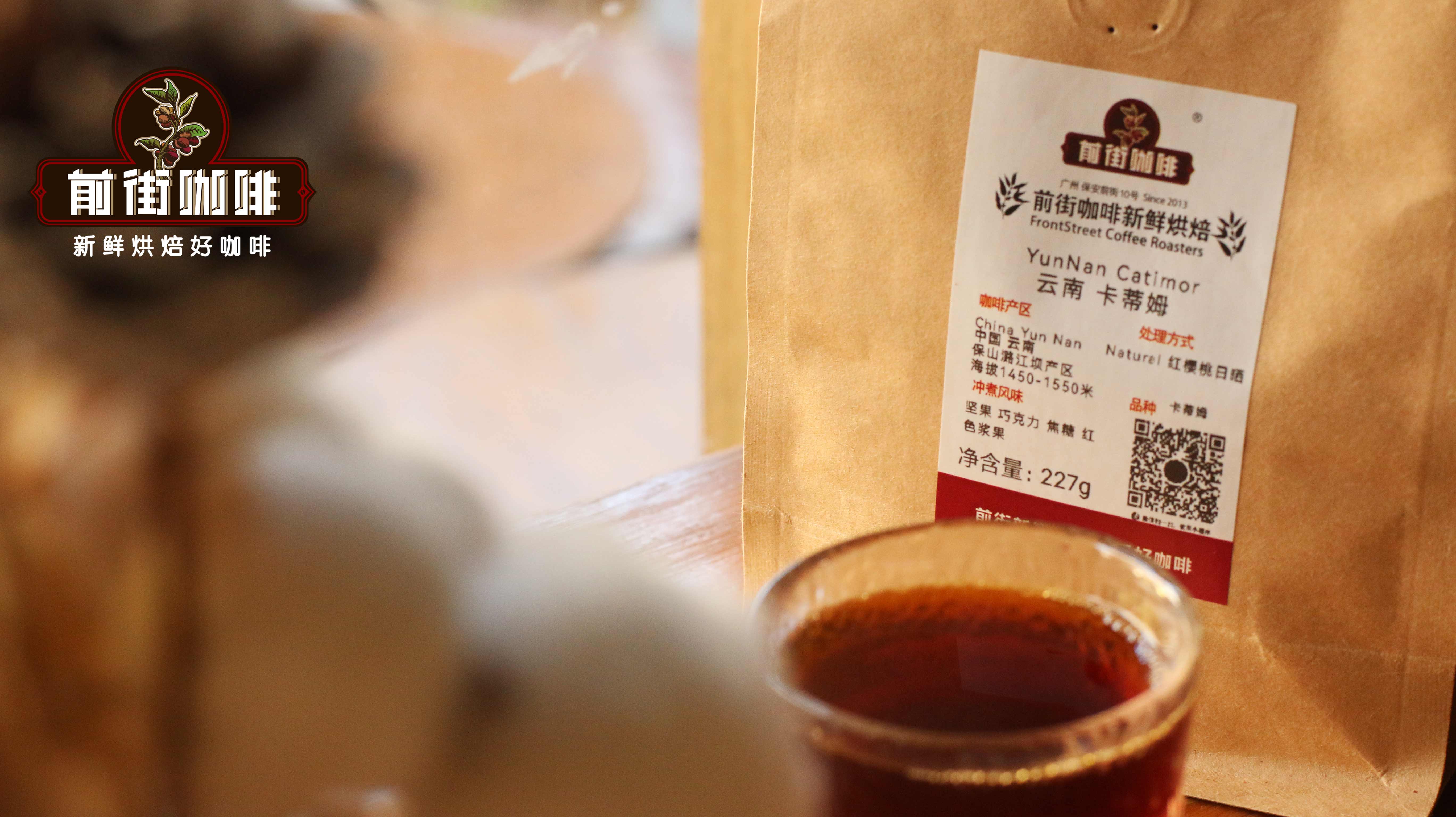
2. China Yunnan (Flavor characteristics: Melon and fruit aromas, nutty notes, tea-like sensations, thick body)
Yunnan has the earliest coffee cultivation history in China. In 1892 (the 18th year of the reign of the Qing Emperor Guangxu), the French missionary Alfred Liétard planted the first coffee tree in Zhugula Village, Binchuan, Dali, beginning the history of coffee cultivation in mainland China. The Lujiangba area in Baoshan, with its dry-hot valley climate, is very suitable for coffee: backed by the Gaoligong Mountains, plantations can reach altitudes of 1,500 metres. In 1952 the Baoshan region carried out its first trial planting, exactly halfway through China's century-long coffee history. Early introductions were all fine Arabica varieties, mainly Typica and Bourbon. Through cupping different Yunnan coffees over the years, FrontStreet Coffee finds they carry the light aroma of melon and fruit, bright plum-like acidity, brown sugar sweetness, a nutty aftertaste, prominent sweetness, a rich aroma and a thick mouthfeel.
China Yunnan Producing Regions
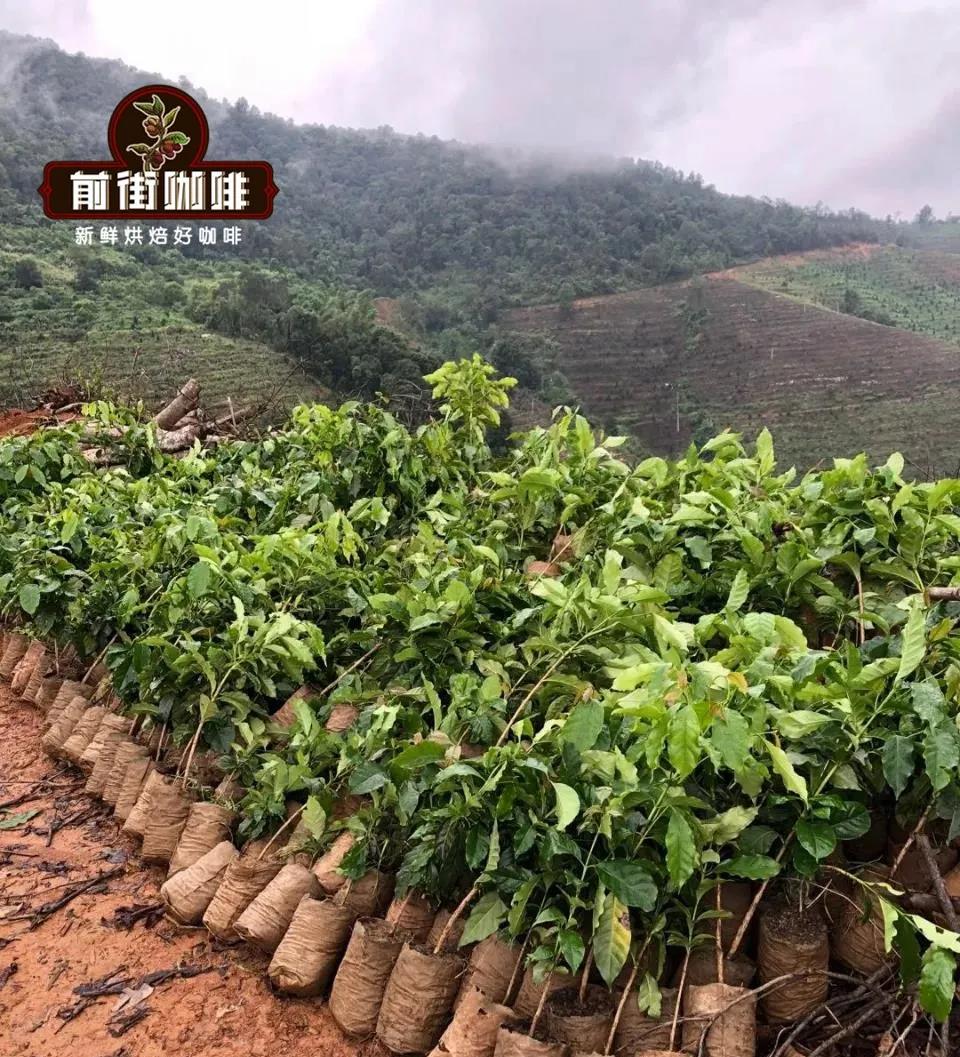
Yunnan's coffee growing is mainly distributed in Lincang, Baoshan, Pu'er and Dehong. These areas combine low latitude, high altitude and large day-night temperature differences, making Yunnan a golden zone for high-quality Arabica (small bean) coffee. Because Yunnan did not initially demarcate growing regions well, grading and selection were left somewhat ambiguous.
Yunnan Coffee Bean Processing Methods
FrontStreet Coffee visited Yunnan during the planting season and experienced first-hand what a rainy season means: sunny for a few minutes, raining for half an hour. Because of the perennial rainy season and unstable climate, most Yunnan beans are washed. Harvested cherries are depulped to separate most of the pulp, then the parchment coffee is guided into a clean water tank and soaked to ferment away the remaining pulp layers. About five years ago, washed processing was often the first choice for quality coffee. Water processing selects out underripe and defective beans through buoyancy differences and keeps fermentation better controlled, so unlike natural beans that may carry off-flavours, the cup shows clear fruit acidity, slightly greater complexity and cleaner characteristics, with no astringency or sharpness.
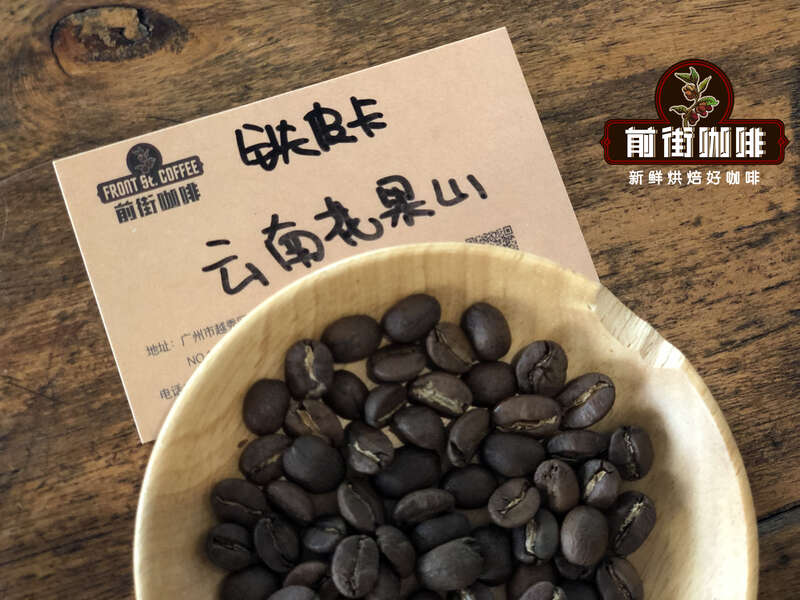
FrontStreet Coffee — China Yunnan Coffee Beans
Coffee origin: China, Yunnan, Baoshan
Coffee variety: Typica
Production altitude: 1200M
Quality grade: AA
Processing method: Washed
FrontStreet Coffee's roasting recommendations for Yunnan Huaguoshan coffee beans:
Preheat the roaster to 200°C, set the damper to 3 and adjust heat to 160°C after 1 minute. Return to temperature at 1'32". Roast until 5'40", when the beans turn yellow and the temperature reaches 149°C, the grassy aroma disappears completely and dehydration completes; keep heat unchanged and set the damper to 4. At 6 minutes adjust heat to 140, at 7 minutes adjust again to 120. At 8 minutes ugly wrinkles and black spots appear on the bean surface and the toast aroma clearly transitions to coffee aroma, defining the prelude to first crack — listen carefully. At 8'37" first crack begins; adjust heat to 90 and open the damper fully to 5. At 9 minutes reduce heat to 20°C. Development time is 2'00", discharging at 196°C.
FrontStreet Coffee Recommendation
If this tour of the three regions left you curious about the fruit-forward end of the map, start with FrontStreet Coffee's Yirgacheffe Gutingding: bright citrus, berry and floral notes with a green-tea sweetness, and an acidity that is soft rather than sharp. FrontStreet Coffee's Ethiopia Huakui turns the volume up, with tropical fruit aromas of strawberry, passionfruit, jackfruit and lychee and almost no bitterness — it surprises people who think they dislike coffee. For something more structured, FrontStreet Coffee's Kenya Cherry Tomato is a washed lot from Thika at 1550–1750 metres, built on SL28 and SL34 with a 72-hour double wash, tasting of cherry tomato and dark plum with a full, juicy body.
Important Notice :
FrontStreet Coffee is a long-established specialty coffee roaster in Guangzhou China, selling freshly roasted beans from its own farm in Yunnan as well as dozens of carefully selected single-origin beans from around the world for both pour-over and espresso. The products deliver consistently excellent quality and great value, with shipping within 24 hours. Guangzhou's FrontStreet Coffee shop is recommended by many coffee lovers, and the beans are now available online at the Tmall 。
FrontStreet Coffee has moved to a new address:
FrontStreet Coffee Address: 315,Donghua East Road,GuangZhou
Tel:020 38364473
 Scan and follow the En Gafei WeChat official account. Please indicate that the reprint comes from "En Gafei".