Characteristics of Brazilian Coffee Beans - Best Coffee Bean Brands and Ideal Roast Levels
Brazilian Coffee: From Commercial Commodity to Specialty Gem
Brazil is home to many enormous farms that manage vast plantations of coffee. Harvesting and drying are done largely by machine with a high degree of automation, and for decades coffee was treated as a bulk agricultural commodity with little attention paid to flavor. For that reason, plenty of specialty roasters once refused to carry Brazilian beans, fearing they would cheapen their reputation. In specialty coffee shops, Brazilian "Santos" coffee does occasionally appear, but it is always "Bourbon Santos" rather than the cheap "Flat Bean Santos." Santos is a descendant of the Bourbon variety, named after the port through which it was shipped. During a tree's first three to four years of fruiting, the beans it produces are small, curved, and exceptionally flavorful—this is "Bourbon Santos." After that, the beans become larger and flatter, losing their curve, and the coffee is sold as "Flat Bean Santos," with a flavor markedly inferior to the earlier harvests.
Brazil's Evolving Coffee Industry
Unlike in the past, Brazil's economy now depends far less on coffee, which contributes only 8%–10% of national GDP. Before World War II, Brazil accounted for 50% or more of total world production; today that figure is close to 30%. Even so, the country's influence on the global coffee market—especially on coffee prices—remains decisive. The two frosts of 1994, for instance, sent world coffee prices soaring.
Ever since coffee trees were introduced from French Guiana in 1720, coffee production in Brazil has gradually become a science. Before 1990, the government kept the coffee industry under strict control, alternating between heavy-handed intervention and price protection. Producers were consistently guaranteed a minimum price, which encouraged chronic overproduction. Before World War II, surplus stockpiles reached as much as 78 million bags, much of which later had to be destroyed by burning or dumped into the sea.
When the free market opened in 1990, the old "Brazilian Coffee Institute" (IBC) was replaced by the National Economic Association, a non-investment administrative body. The association pursues a policy of non-interference, letting producers and exporters negotiate directly. Exporters' business activities are supervised under government legislation, and the relevant authorities register legitimate exporters.
Coffee Varieties in Brazil
The most abundant coffee grown in Brazil is Robusta, the kind sold on supermarket shelves. Brazilian Robusta is marketed under the name Conillon and accounts for about 15% of total production.
Some estates in the Cerrado region of Minas Gerais state, in southeastern Brazil, still grow the old Bourbon variety. Estates such as Capin Branco and Vista Allegre sell this heirloom Bourbon on the open market. Although they come from the same region, each has its own character: Capin Branco coffee is smoother on the palate, while Vista Allegre is strong and dark, and both show relatively low acidity. Like all Brazilian coffees, they are best enjoyed fresh, since acidity builds as the coffee ages. These growers have organized themselves into the Specialty Coffee Association of Brazil.
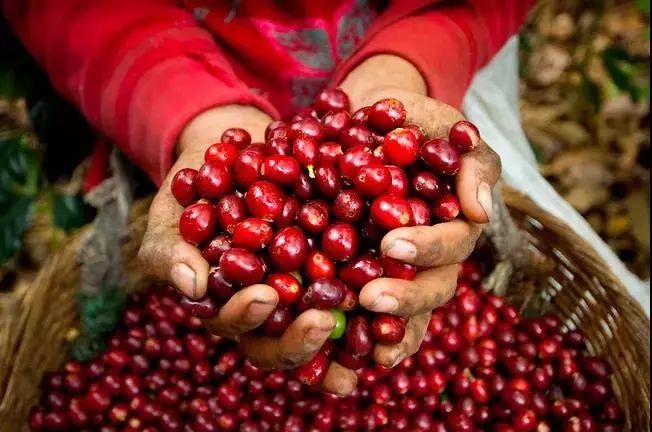
The Cerrado of western and southern Minas Gerais, much of it at altitudes above 1,100 meters, offers varied terrain, clearly defined wet and dry seasons, wide day-night temperature swings, and an abundance of microclimates—conditions well suited to cultivating the elegant Red and Yellow Bourbon varieties and the reason the region has naturally become Brazil's main specialty coffee production area.
Brewing Recommendations from FrontStreet Coffee
FrontStreet Coffee suggests roasting Brazilian coffee to a medium-dark level to bring out its nutty, creamy, and caramel character, emphasizing sweetness and a balanced cup.
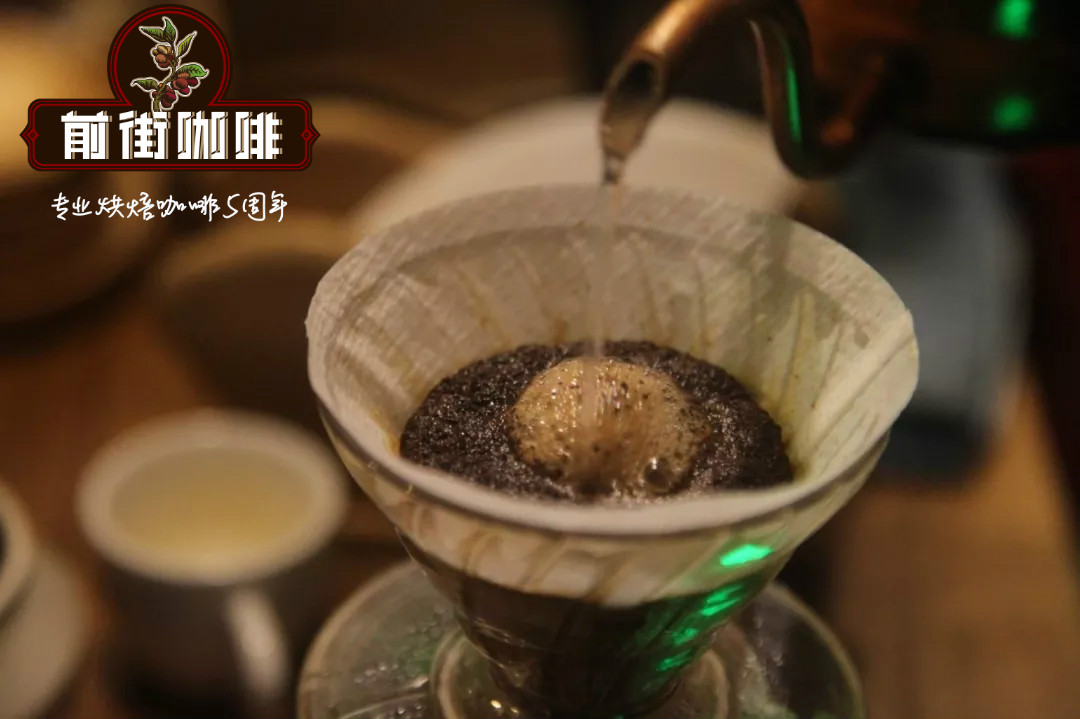
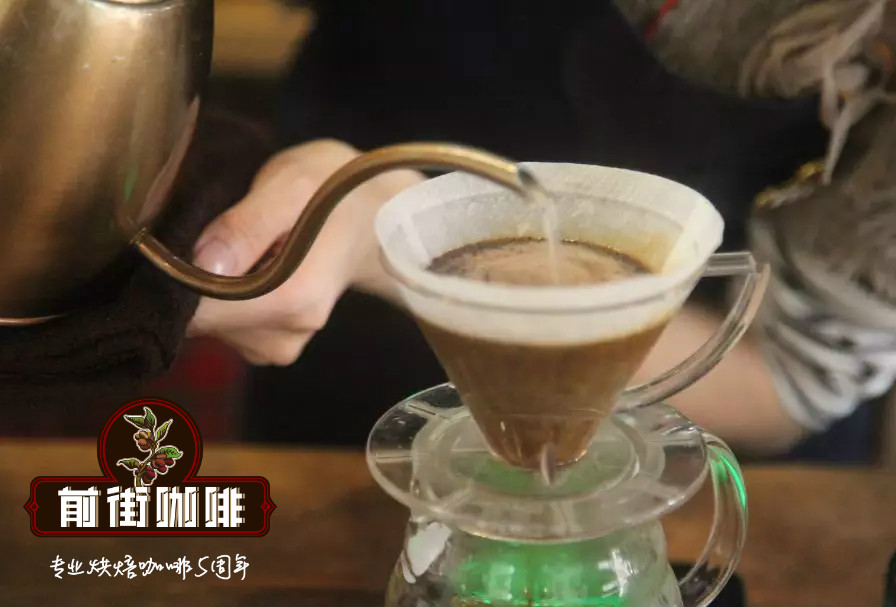
FrontStreet Coffee recommends the following brewing parameters: pour-over; grind size 4 on the Fuji R440; water temperature 88°C; filter V60 or KONO.
Dry aroma: nuts and cocoa. In the cup: low acidity, a strong nutty impression, and excellent chocolate sweetness and body.
FrontStreet Coffee Recommendation
As the world's largest coffee producer, Brazil grows an enormous range of coffees. Brazilian beans carry moderate acidity, and the balance among sweetness, bitterness, and body is excellent, which makes them ideal for medium roasting—expect a nutty aroma, a mellow mouthfeel, and just a touch of acidity. They work beautifully both as a single origin and in blends.
If you only want a first taste of Brazil, try FrontStreet Coffee's pulped-natural Cerrado, a truly classic Brazilian single origin. Cerrado is one of the country's best-known growing regions, famous for high-quality beans. This lot is the Red Bourbon variety common across South America, and at a medium roast it shows rich aromas of creamy peanut, toast, caramel, and hazelnut—round on the palate, not sour, with only a light bitterness. It suits pour-over, but also moka pot, espresso as a single-origin SOE, siphon, and French press.
For something rarer, FrontStreet Coffee's Queen Estate Yellow Bourbon comes from Mogiana, near southern Minas, where fertile red volcanic soil feeds the cherries and builds full aromatics. Yellow Bourbon is a genetic mutation of Red Bourbon with a cleaner fruit character; brewed by hand or in a moka pot or home machine, it offers a sugarcane sweetness you won't find elsewhere, alongside fruit and chocolate notes. Brazil's low acidity and balance also make it a first choice for espresso blends—FrontStreet Coffee's classic blend, premium blend, black cocoa blend, and commercial blend all contain Brazilian beans, adding chocolate and cream aromatics plus gentle sweetness, acidity, and bitterness, with a balanced profile that supports stable extraction.
Important Notice :
FrontStreet Coffee is a long-established specialty coffee roaster in Guangzhou China, selling freshly roasted beans from its own farm in Yunnan as well as dozens of carefully selected single-origin beans from around the world for both pour-over and espresso. The products deliver consistently excellent quality and great value, with shipping within 24 hours. Guangzhou's FrontStreet Coffee shop is recommended by many coffee lovers, and the beans are now available online at the Tmall 。
FrontStreet Coffee has moved to a new address:
FrontStreet Coffee Address: 315,Donghua East Road,GuangZhou
Tel:020 38364473
 Scan and follow the En Gafei WeChat official account. Please indicate that the reprint comes from "En Gafei".