Introduction to Starbucks Coffee Bean Grinding Degree, Grind Coarseness Values, and Grinding Scale

Many coffee lovers buy Starbucks beans, only to get home unsure what grind size to use. They stare at the settings on their grinder, worried that grinding too coarsely or too finely will ruin the cup, and come to FrontStreet Coffee asking how to choose the right grind.
When FrontStreet Coffee explains pour-over coffee, it always raises several factors that shape extraction and flavor: water temperature, grind size, and coffee-to-water ratio. Among them, grind size sets the size and uniformity of the coffee particles, which directly affects how efficiently water draws flavor compounds from the grounds. So how should you decide the right grind for different beans in daily brewing? In this article, FrontStreet Coffee explains how to adjust grind size for pour-over.

The Impact of Grind Size on Coffee Extraction
Through various brewing experiments, FrontStreet Coffee has shown that the finer the grind, the more readily the coffee particles pack together on the filter paper, creating greater extraction resistance. The flow rate slows and extraction time lengthens, so more of the coffee's compounds are extracted and the brew tastes stronger. Conversely, the coarser the grind, the larger the gaps between particles and the fewer particles in contact with hot water: extraction resistance is weaker, the coffee drips faster, the extraction rate is lower, and the flavor is milder. So what actually happens in the cup when you grind too finely or too coarsely?

What Happens When Pour-Over Coffee Is Ground Too Finely?

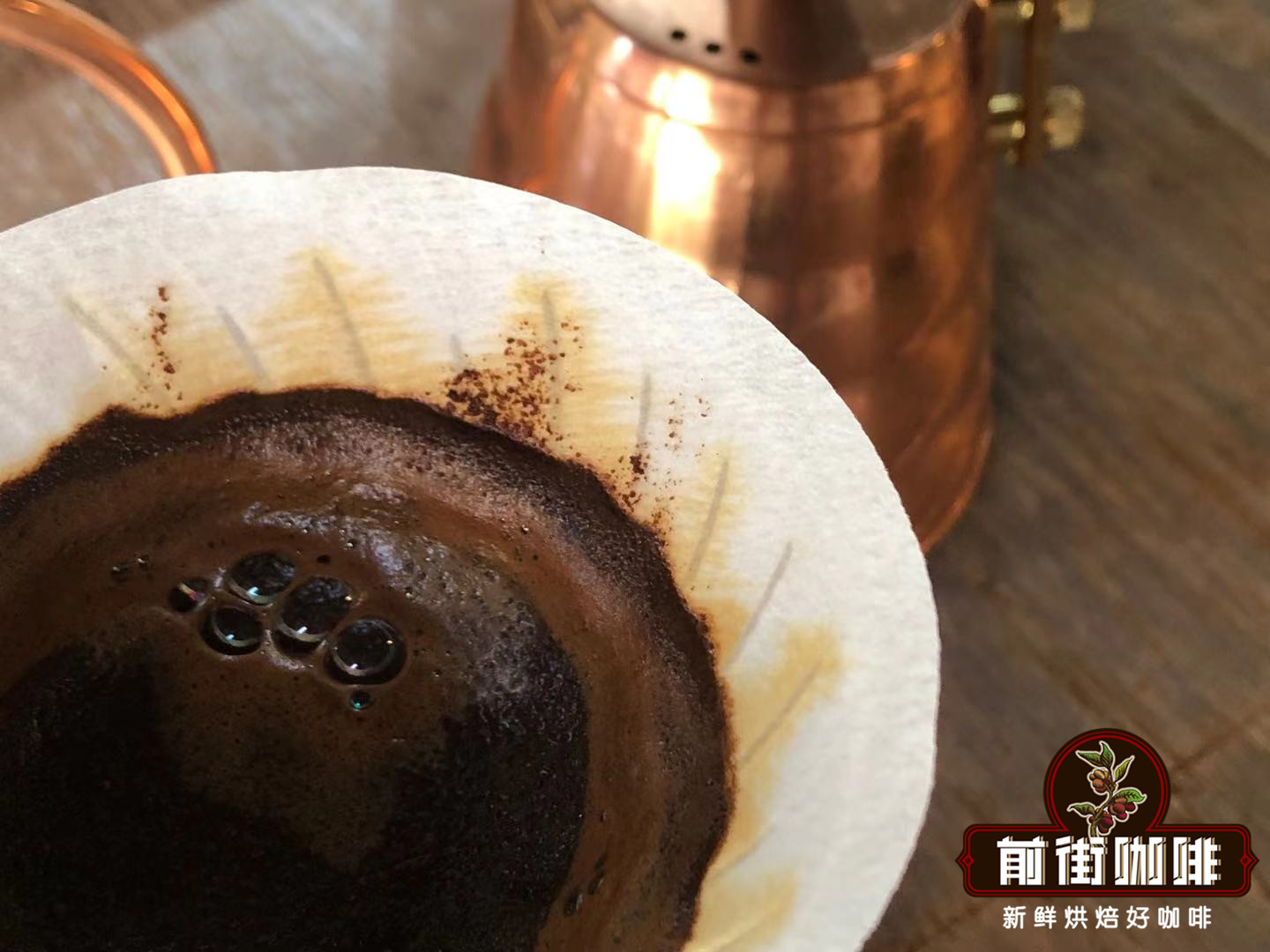
Judging by the particles, a too-fine grind means smaller pieces, and because they're smaller, the gaps between them are shorter and water struggles to pass through, so the drip time grows longer. The finer particles turn pasty when wetted and filtered. After brewing, the coffee bed makes individual particles hard to distinguish, appearing mostly paste-like.
What Happens When Pour-Over Coffee Is Ground Too Coarsely?
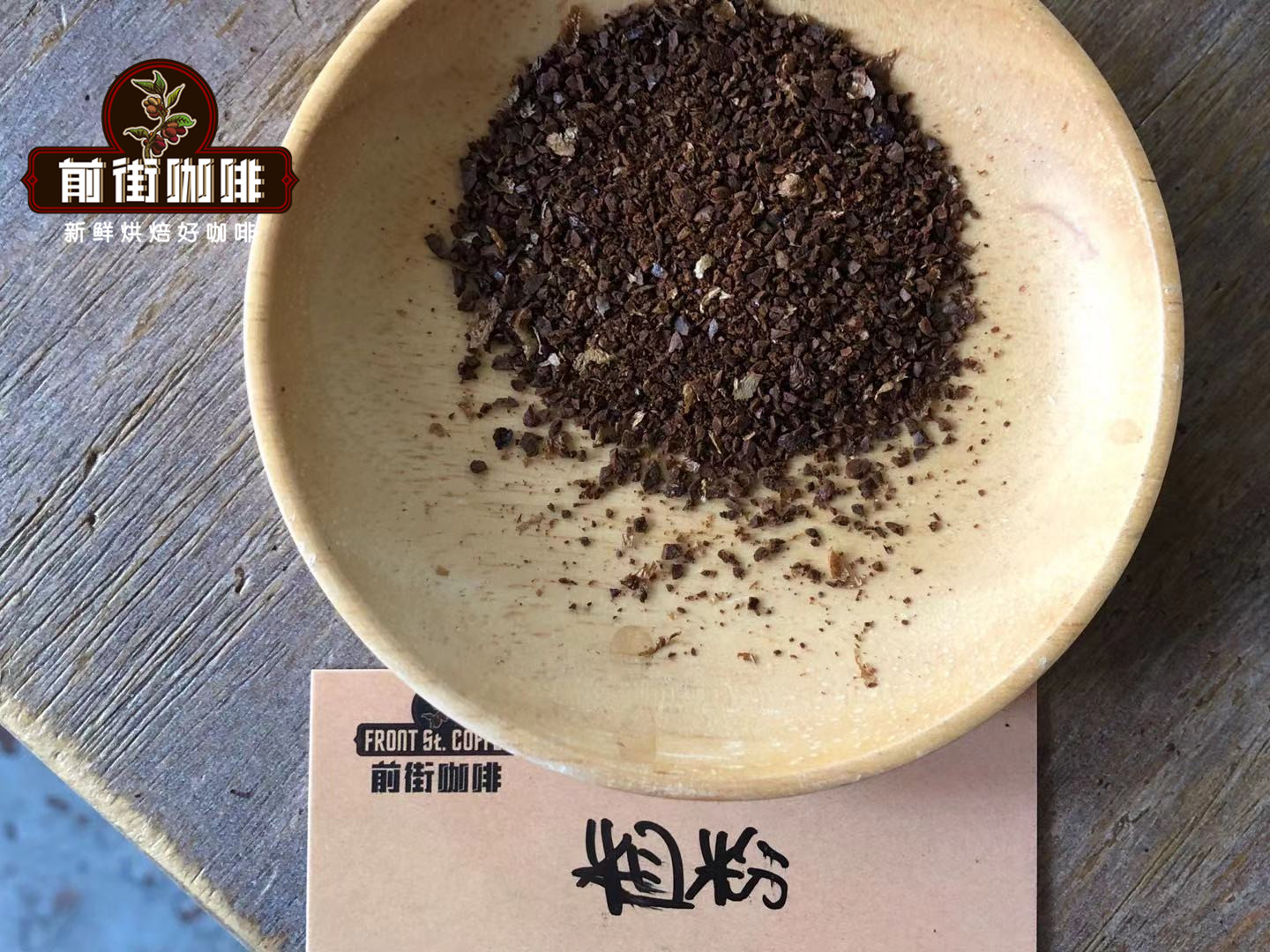
Judging by the particles, a too-coarse grind means larger pieces, and because they're larger, the gaps between them are wider and water passes through the grounds more easily, so filtration is quicker. After brewing, the individual particles in the coffee bed are clearly visible. The bed struggles to form a complete, even structure and may show gaps or fractures.

How Grind Size Affects Surface Area
Grind size doesn't only set the size and shape of the particles; it also changes their surface area. The finer the grind, the larger the surface area, increasing the contact area between water and coffee so more compounds can be extracted. That larger surface area also gives carbon dioxide more outlets to escape from inside the beans.

How to Adjust the Grind Size for Pour-Over Coffee
In everyday grinding, even grounds that look uniform vary in size by at least 0.6mm between the largest and smallest particles. Generally, we call particles larger than 0.85mm coarse and those smaller than 0.25mm very fine. If these two types together make up more than 40% of your total grounds, they aren't suited to pour-over. Confused? Don't worry — FrontStreet Coffee suggests buying a 0.85mm-aperture test sieve.
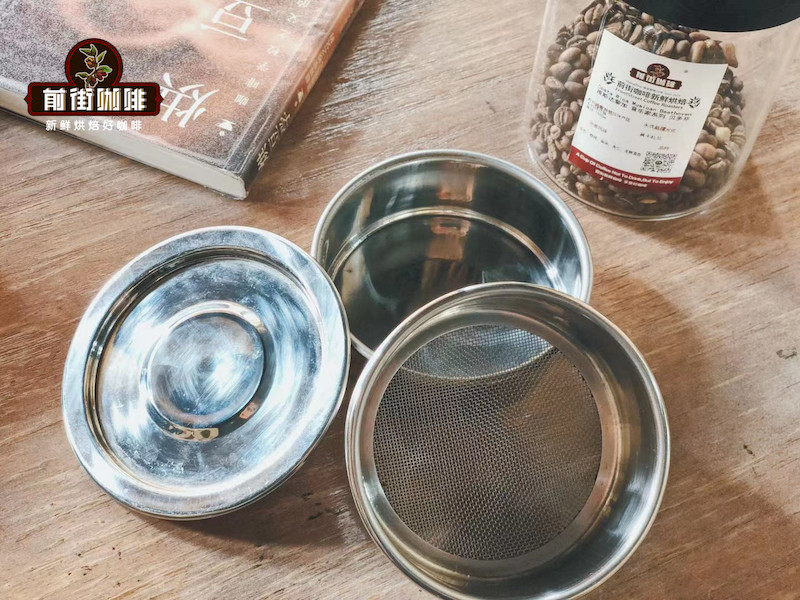
How to Use a Sieve to Determine Coffee Grind Size
Weigh 10g of beans, grind them at an approximate setting, then pour the grounds into the sieve and shake (keep sieving until no more grounds pass through). A pass-through rate of 75%-80% (7.5-8g from 10g of grounds) is the most suitable grind size for light to medium roast beans, while 65%-70% (6.5-7.0g from 10g of grounds) suits medium to dark roast. If the pass-through rate is higher than the target range, grind coarser; if it falls short, grind finer.
FrontStreet Coffee Recommendation
For pour-over, FrontStreet's Hario V60 is a favorite tool: Hario was founded in Tokyo in 1921, and in 2004 it redesigned the V60's prototype into the shape we know today, naming it for its distinctive 60° cone and "V" form, before launching it a year later. Its cone and 60° angle force water toward the center before it drips through, lengthening the contact between water and grounds so aroma and flavor extract fully, while the single large hole lets the flow depend on the brewer's pour control.
Because the V60's fast extraction brings out layered aroma and lively acidity, it suits floral and fruity coffees especially well — FrontStreet's Yirgacheffe Gedeb with its classic Yirgacheffe character, the tropical-fruit-rich Ethiopia Huakui, the Geisha-flavored Strawberry Candy, and the raisin-noted Mozart. Medium-dark roasts work beautifully too, such as FrontStreet's PWN Indonesia Golden Mandheling with low acidity and a full body of herbal and dark-chocolate notes, or FrontStreet's Brazil Queen Estate with deep nutty-cocoa aroma and caramel sweetness. FrontStreet favors the resin version of the Hario V60: the material blocks heat loss effectively and, in high-volume production, molds most precisely with the least variance.
Important Notice :
FrontStreet Coffee is a long-established specialty coffee roaster in Guangzhou China, selling freshly roasted beans from its own farm in Yunnan as well as dozens of carefully selected single-origin beans from around the world for both pour-over and espresso. The products deliver consistently excellent quality and great value, with shipping within 24 hours. Guangzhou's FrontStreet Coffee shop is recommended by many coffee lovers, and the beans are now available online at the Tmall 。
FrontStreet Coffee has moved to a new address:
FrontStreet Coffee Address: 315,Donghua East Road,GuangZhou
Tel:020 38364473
 Scan and follow the En Gafei WeChat official account. Please indicate that the reprint comes from "En Gafei".