Flavor Profile and Characteristics of Yirgacheffe Coffee Beans: Taste, Grind Settings, Origin, Variety, and Processing Method
When beginners ask FrontStreet Coffee which bean they should use to get into specialty coffee, our answer is almost always the same: a Yirgacheffe.
What Is Yirgacheffe?
Yirgacheffe is a small town in Ethiopia, and its name has become shorthand for Ethiopian specialty coffee itself. The elevation ranges from 1700 to 2100 meters, and the area has been wetland since ancient times—in the local language, "yirga" means "to settle down" and "cheffe" means "wetland," so Yirgacheffe means "to settle and make a living in this wetland."
Yirgacheffe began as a sub-region of Ethiopia's Sidamo province, sitting in Sidamo's northwest and ranking among the highest-altitude coffee zones in the country. Its processing and flavors were so distinctive that farmers across Ethiopia took pride in coffees showing "Yirgacheffe character," and the region eventually broke away from Sidamo to become Africa's most renowned origin—a pattern other Ethiopian regions have followed since, splitting off as their flavor identities matured.
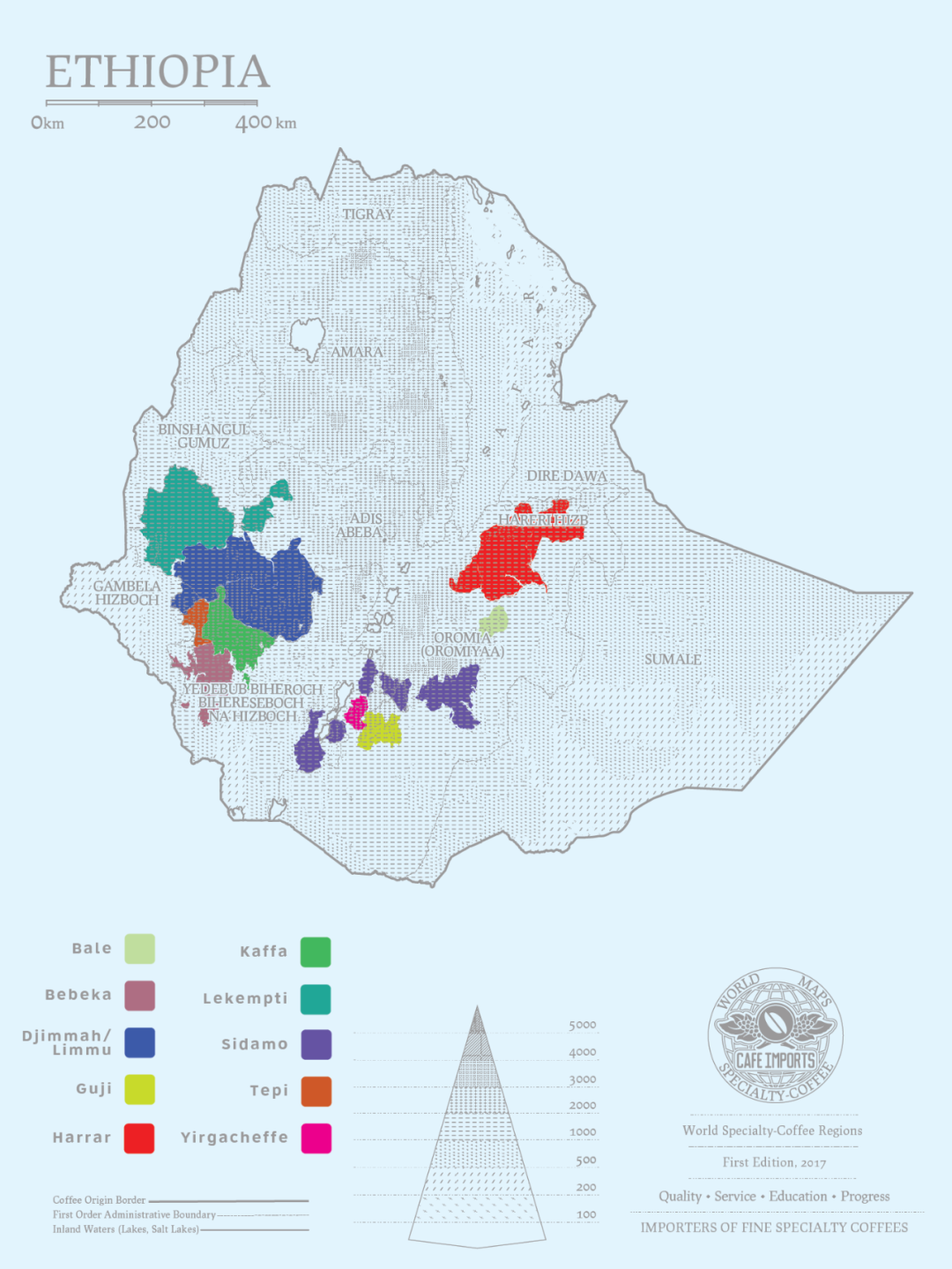
Around 1995, Ethiopia redrew its administrative boundaries, and the change mattered for coffee. The old Sidamo was divided into a much smaller new Sidamo, with most of the former territory folded into Oromia. Yirgacheffe, formerly part of Sidamo province, now falls within the new Gedeo zone.
Because of this history, coffees on the market may carry either the old or the new regional names—sometimes inconsistently mixed. Throughout this article, we use the new divisions.
Most of FrontStreet Coffee's Yirgacheffe lots come from the garden coffee model: farmers plant coffee trees near their homes, harvest themselves during the picking season, then deliver the cherries to nearby processing stations built by water sources for centralized processing (or sell to middlemen who aggregate the lots).
Apart from a small number of plantations large enough to grow, harvest, and process their own coffee independently, beans from different areas and varieties are consolidated at processing stations and sent to auction for official evaluation and grading.
This is why so many Yirgacheffe coffees are named after the station or cooperative that produced them. FrontStreet Coffee's Yirgacheffe Gedeb, for instance, comes from the Gedeb Cooperative.
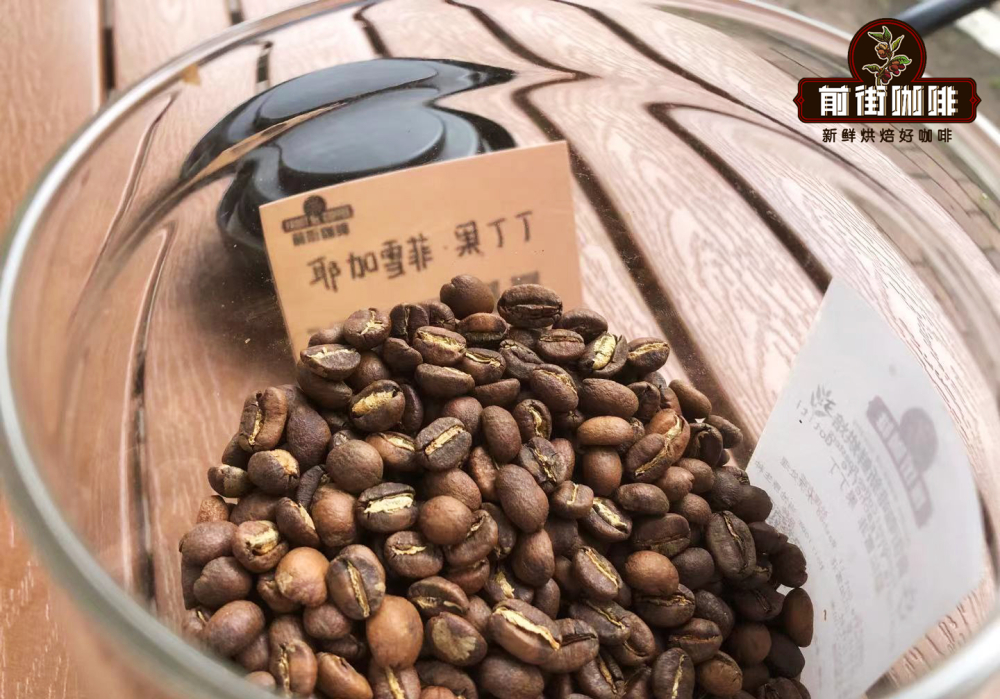
FrontStreet Coffee Yirgacheffe Gedeb
The Gedeb Cooperative was originally affiliated with the Worka Cooperative. When international coffee buyers discovered Gedeb village, they found coffees with exceptional jasmine florals and citrus acidity—and signed purchase contracts directly with the cooperative. In 2012, 300 farmers who had belonged to Worka broke away to establish the Gedeb Cooperative and trade independently under fair terms.
The cooperative produces both natural (sun-dried) and washed lots, but FrontStreet Coffee buys the washed version, because washed processing best expresses Yirgacheffe's superb florals and citrus character.
FrontStreet Coffee Ethiopia Yirgacheffe Gedeb
Origin: Yirgacheffe Gedeb Cooperative
Altitude: 2000-2100 meters
Variety: Local native varieties
Processing Method: Washed processing
The Washed Process at Gedeb
In Ethiopia, a single smallholder farmer cannot wash-process coffee alone—the equipment and space are simply too expensive. Wet processing requires a dedicated washing station, which makes it one of the costliest processing methods in the country—and one that reliably produces the highest quality.
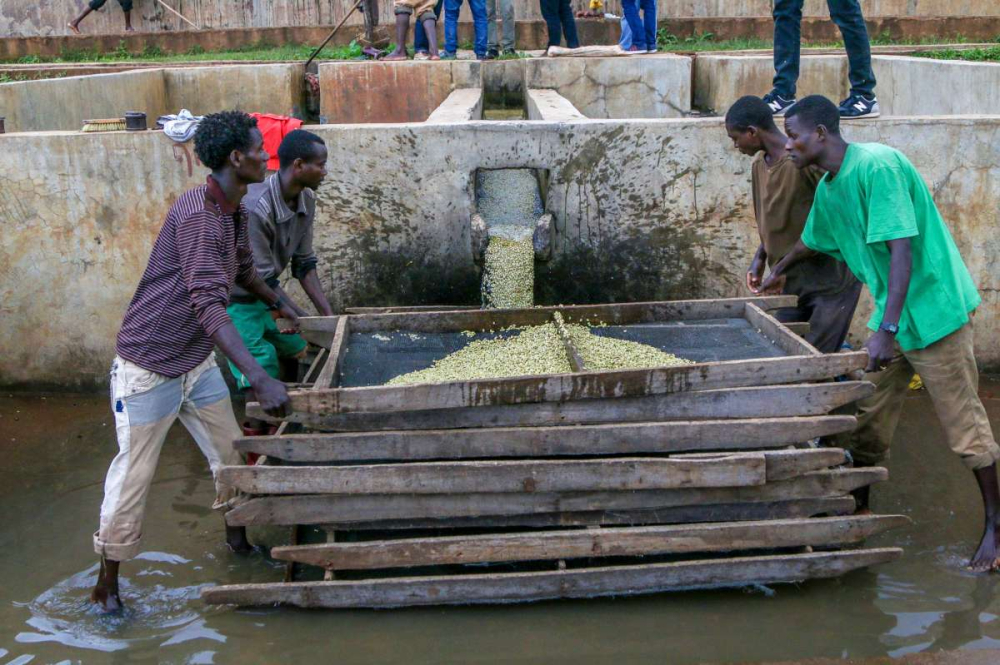
Since its founding, the Gedeb Cooperative has run its own station and processes its coffee independently. First, a pulping machine removes the skin and pulp. The beans then soak in fermentation tanks for 24 hours, after which washing channels scrub away the remaining mucilage. Finally, the beans dry on beds to the target moisture, which takes about 2–3 weeks.

Roasting Suggestions
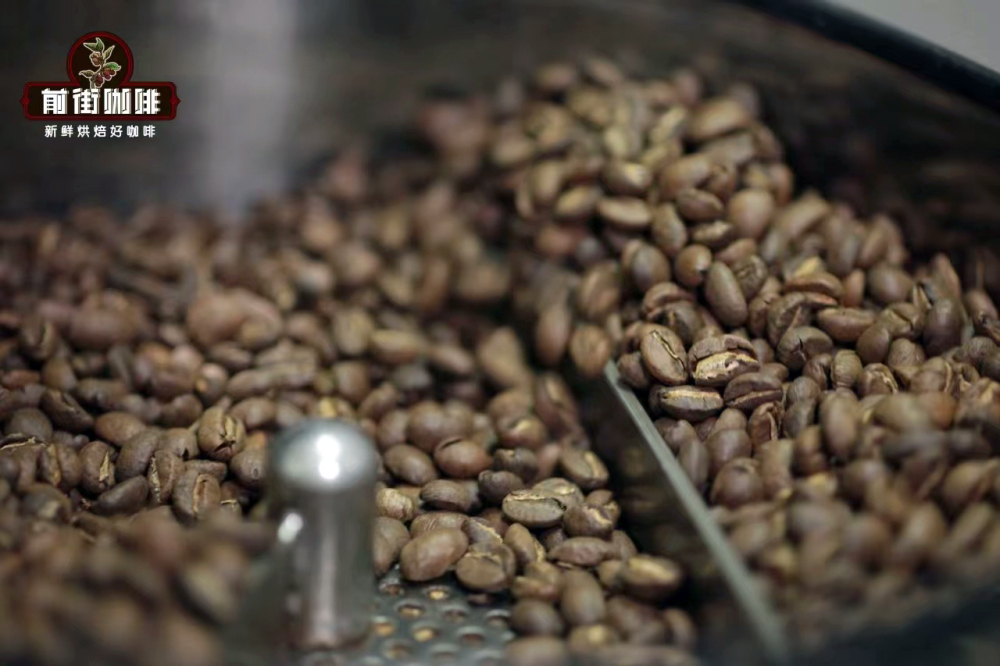
To protect the florals and citrus of the Gedeb, FrontStreet Coffee roasts it light.
On our Yangjia Feima 800N semi-direct-fire drum roaster, we work in 500g batches. Charge the drum at 200°C with the damper at 3 and heat at 160; the damper stays put. The turning point comes at 1'32". When the drum temperature reads 151°C, open the damper to 3.5. When it drops to 140°C, raise the heat to 180, damper unchanged. At this point the beans turn yellow, the grassy smell fully disappears, and the roast enters the drying stage.
At 8'35", wrinkles and small dark spots appear on the bean surface and the toasted-bread aroma clearly shifts toward coffee—that's the prelude to first crack, so listen carefully from here. First crack begins at 8'53". Hold the heat at 180, open the damper to 4, and develop for 1'45" after first crack, dropping the beans at 195°C.
Pour-Over Brewing Suggestions
Freshness is everything. FrontStreet Coffee ships all beans within 5 days of roasting, because bean freshness has an outsized impact on flavor—our philosophy is simply "freshly roasted, good coffee." The ideal resting window is about 4–7 days, so by the time an order arrives, the beans are entering their optimal flavor period.
We brew this coffee on a V60 to maximize its layering. For a single serving: 15 grams of coffee at a 1:15 coffee-to-water ratio, meaning 225 grams of water. Water temperature is 90°C, and the grind size is medium-coarse—an 80% pass rate through a 0.85mm standard sieve.
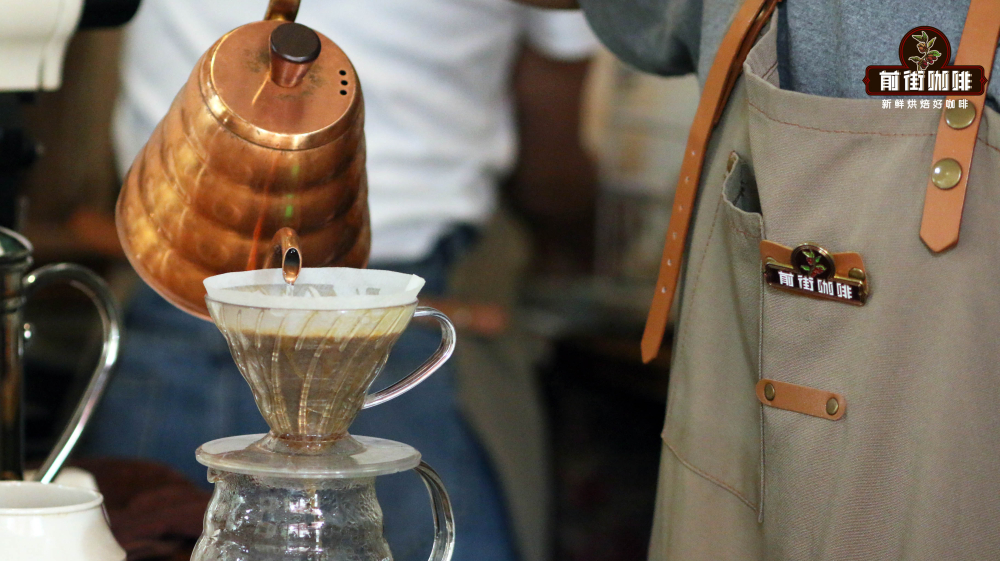
Pour 30 grams of water for the bloom and wait 30 seconds to let the carbon dioxide escape. Pour the second stage up to 125 grams, then wait until the liquid level drops to half. Pour the final stage up to 225 grams. Total extraction time is 2 minutes—when the clock hits 2:00, lift the dripper off to end the brew.
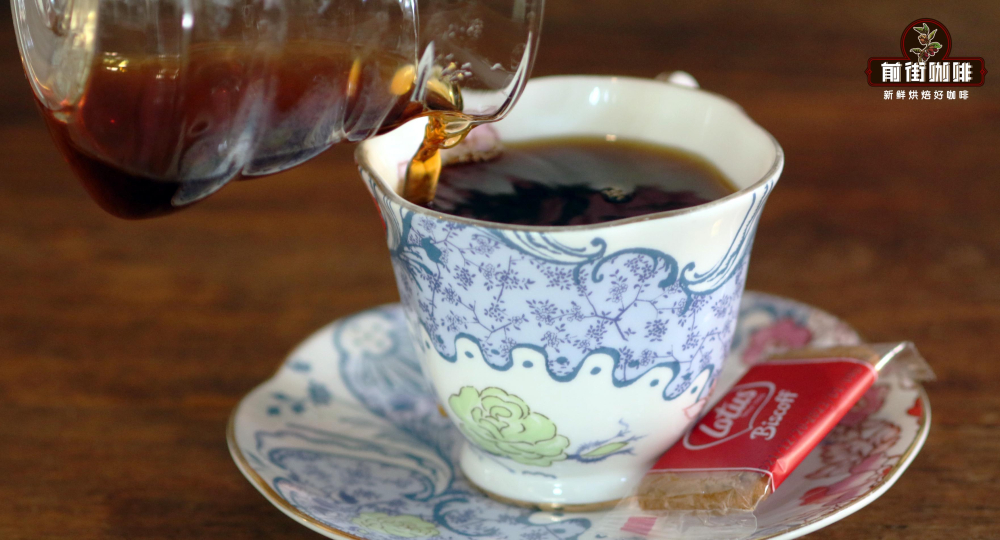
Brewed this way, the Gedeb shows clear citrus and yellow-fruit flavors with a smooth mouthfeel, and floral, tea-like notes through the middle of the palate.
FrontStreet Coffee Recommendation
If this is your first step into Ethiopian coffee, the washed Yirgacheffe profile is the classic starting point—white jasmine, bright citrus and lemon acidity, and a clean tea-like finish, all backed by the region's famous high-grown clarity. The Gedeb lot we carry, grown at 2000–2100 meters by farmers who left the Worka Cooperative in 2012 to trade independently, is exactly that kind of cup.
Beyond Gedeb, the washed Banko Gotiti Cooperative from the Worka area is another favorite—processed in the traditional washed style with none of the old-fashioned bitterness, just fresh citrus, lemon acidity, and jasmine fragrance that wins people over at first sip. For drinkers who prefer sweetness and body, the natural Red Cherry is the pick: only fully ripe cherries are selected, turned every 2–3 hours during the first days on the drying beds, and sun-dried for three to five weeks, yielding citrus acidity, berry juiciness, honey sweetness, and a creamy texture.
For brewing, stick with a V60, 15g of coffee, a 1:15 ratio, a medium-coarse grind, and water at 90–91°C. Bloom with 30g of water for 30 seconds, build the pour in stages to about 225g, and target a total brew time of roughly two minutes.
Important Notice :
FrontStreet Coffee is a long-established specialty coffee roaster in Guangzhou China, selling freshly roasted beans from its own farm in Yunnan as well as dozens of carefully selected single-origin beans from around the world for both pour-over and espresso. The products deliver consistently excellent quality and great value, with shipping within 24 hours. Guangzhou's FrontStreet Coffee shop is recommended by many coffee lovers, and the beans are now available online at the Tmall 。
FrontStreet Coffee has moved to a new address:
FrontStreet Coffee Address: 315,Donghua East Road,GuangZhou
Tel:020 38364473
 Scan and follow the En Gafei WeChat official account. Please indicate that the reprint comes from "En Gafei".